2027 Healthcare Compliance & Regulations ROI by Institution Type: Public vs Private vs Nonprofit Online Programs

Co-Founder and Chief Data Scientist
A working professional comparing online healthcare compliance & regulations programs finds two that appear nearly identical but reveal stark differences beyond tuition. One public institution reports a 70% graduation rate yet leaves students with higher average debt than a nonprofit counterpart boasting 85% completion and stronger employer partnerships.
Recent 2024 data from the National Education Policy Center shows that graduation rates strongly correlate with post-degree employability, highlighting how institutional support impacts long-term career outcomes. Such factors can drastically alter a student's return on investment, influencing debt load and job prospects. This article analyzes ROI variations across public, private, and nonprofit online programs to guide informed decisions.
Key Things to Know About Healthcare Compliance & Regulations ROI by Institution Type
- Public institutions generally offer lower total educational costs but may have higher competition for limited learner support, affecting completion rates and delaying ROI realization for working adults.
- Private programs often boast stronger accreditation and employer recognition, enhancing career advancement prospects; however, this comes with increased student debt exposure that can impact long-term financial outcomes.
- Nonprofit online programs provide more flexible scheduling and targeted compliance training, benefiting career changers; recent 2024 data shows a 7% higher graduation rate here, implying better timely credential attainment versus peers.
- Key Things to Know About Healthcare Compliance & Regulations ROI by Institution Type Key Things to Know About Healthcare Compliance & Regulations ROI by Institution Type
- What Does ROI Mean for a Healthcare Compliance & Regulations Program and How Is It Measured? Understanding Healthcare Compliance & Regulations Program ROI
- How Do Public, Private, and Nonprofit Online Healthcare Compliance & Regulations Programs Differ in Overall Value? Value by Institution Type
- How Do Tuition Costs Affect the ROI of a Healthcare Compliance & Regulations Program Across Institution Types? Tuition Costs and ROI
- How Do Graduation Rates Influence Healthcare Compliance & Regulations Program ROI? Graduation Rates Impact ROI
- What Role Do Career Outcomes Play in the ROI of a Healthcare Compliance & Regulations Degree? Career Outcomes and ROI
- How Does Student Debt Impact the Long-Term ROI of a Healthcare Compliance & Regulations Program? Debt vs. Long-Term ROI
- How Do Flexibility and Adult Learner Support Affect Healthcare Compliance & Regulations Program Value? Flexibility and Program Value
- How Do Accreditation and Institutional Reputation Influence Healthcare Compliance & Regulations ROI? How Do Accreditation and Institutional Reputation Influence Healthcare Compliance & Regulations ROI?
- How Does Time-to-Degree Affect the ROI of Public, Private, and Nonprofit Healthcare Compliance & Regulations Programs? How Does Time-to-Degree Affect the ROI of Public, Private, and Nonprofit Healthcare Compliance & Regulations Programs?
- How Can You Choose the Best Healthcare Compliance & Regulations Program Based on Your ROI Goals? Choosing Programs by ROI
What Does ROI Mean for a Healthcare Compliance & Regulations Program and How Is It Measured?
ROI in a healthcare compliance and regulations program hinges on balancing upfront educational costs against the tangible career and financial outcomes that follow graduation. For example, a program at a public university may offer lower tuition and thus reduce debt burden, aligning with data showing a 62% average completion rate that shortens time-to-degree and diminishes opportunity costs.
However, private or nonprofit programs, despite higher expenses, might provide stronger industry connections and specialized supports that improve licensure pass rates and accelerate initial salary growth. This tradeoff means simply pursuing the cheapest option isn't always the best long-term strategy, particularly for adult learners who must weigh immediate affordability against role placement and career trajectory.
Prospective students should measure ROI by incorporating graduation outcomes, debt levels, program flexibility, and the alignment of curricula with employer expectations, rather than relying on narrow cost or salary calculations alone. A working professional with prior experience might benefit more from a nonprofit institution that offers credit for prior learning and personalized support, shortening time-to-degree and improving job readiness despite greater tuition.
Conversely, a cost-conscious career changer may prioritize public online programs, which, though sometimes limited in networking opportunities, statistically yield higher completion rates and lower median student debt. Evaluating healthcare compliance and regulations program ROI calculation requires nuanced consideration of individual goals and practical operation-those who factor these diverse elements, including scalable programs like online FNP programs, can better assess value over the medium and long term.
How Do Public, Private, and Nonprofit Online Healthcare Compliance & Regulations Programs Differ in Overall Value?
Cost differences between public, private, and nonprofit online healthcare compliance & regulations programs are just one aspect influencing overall value, but the impact on debt burden and post-graduation outcomes is often decisive. Public institutions typically leverage state subsidies, lowering tuition and reducing student loans, though this can come at the expense of limited personalized support or flexibility crucial for working adults managing employment alongside studies.
Private programs generally offer more individualized guidance and smaller cohorts, which correspond with a reported 7% higher employment rate within six months of graduation according to the 2024 National Center for Education Statistics, yet this often means higher upfront costs and heavier financial obligations that may not suit every student's risk tolerance or cash flow.
Nonprofit programs frequently balance these tradeoffs by providing competitive pricing coupled with employer-valued accreditation and curriculum alignment with industry certifications, enhancing long-term career prospects without necessarily matching the prestige or services typical of private schools. Scheduling flexibility and institutional reputation often vary regionally, but private and nonprofit models tend to better accommodate students needing adaptive pacing, which can improve completion rates and reduce time-to-degree.
Ultimately, choice hinges on individual priorities: whether immediate affordability and minimized debt outweigh enhanced career services and potential earnings increments tied to institutional reputation or networking opportunities. One prospective student, weighing options from all three sectors, faced uncertainty about paying significantly more for private program prestige versus the lower cost but less personalized support of public schools.
Concerned about accumulating debt, they scrutinized nonprofit offerings that combined strong accreditation and flexible formats, ultimately selecting a program that struck an acceptable balance between fiscal responsibility and quality career preparation. This decision reflected careful consideration of employment statistics, student support availability, and long-term value beyond tuition sticker price, underscoring the nuanced evaluation process many adult learners encounter.
How Do Tuition Costs Affect the ROI of a Healthcare Compliance & Regulations Program Across Institution Types?
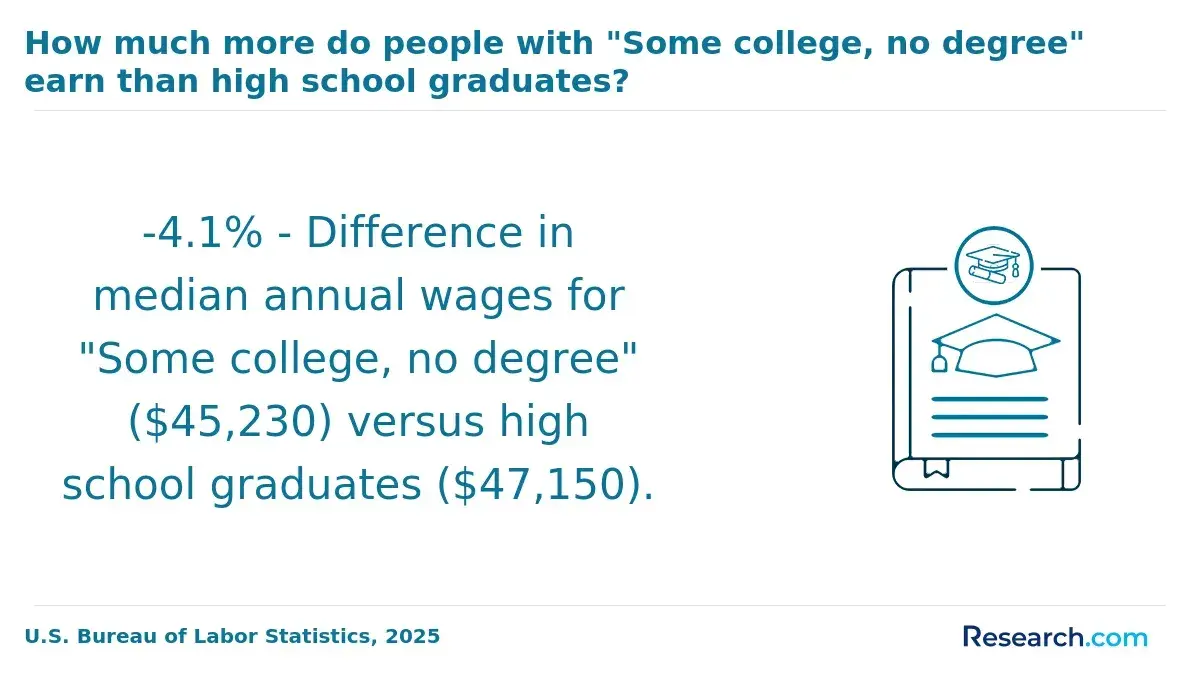
Tuition affordability is a major determinant of return on investment for online healthcare compliance & regulations programs, yet lower cost at public institutions doesn't automatically yield superior value. While public programs typically charge between $7,000 and $15,000 annually compared to $15,000 to $25,000 at nonprofits and over $25,000 at private schools, reduced tuition often corresponds with less flexible scheduling or fewer alumni networks, which can affect employability and career acceleration.
For example, graduates from public programs generally carry 20% less student debt than private counterparts according to recent data from the Institute for College Access & Success, but they may face longer times to degree or limited access to targeted career services that help justify premium costs at private institutions. Nonprofit and private programs often offset higher sticker prices through scholarships and grants, narrowing net costs and potentially improving affordability for certain students.
Moreover, these programs frequently report higher graduation rates and provide more personalized support, which can lead to faster entry or advancement in compliance roles that increasingly demand relevant credentials and industry connections. Balancing upfront expenses against factors like time-to-degree, debt-to-earnings ratios, and workforce readiness is critical.
For some learners-especially working professionals prioritizing schedule flexibility and employer relationships-the additional investment in a costly private or nonprofit program may deliver superior long-term ROI despite a heavier initial debt burden. Ultimately, selecting an online healthcare compliance & regulations program requires evaluating beyond headline tuition: financial aid availability, program quality, and support services all shape career outcomes.
While public options minimize debt risk and are appealing for cost-conscious students, a higher-priced private or nonprofit program can pay off when aligned with clear professional goals and local labor market demands. Students should critically assess institutional data and their personal circumstances rather than rely solely on lower tuition as a proxy for value.
How Do Graduation Rates Influence Healthcare Compliance & Regulations Program ROI?
Graduation rates offer a practical lens to evaluate ROI in healthcare compliance & regulations programs, yet they must be interpreted with nuance. Public online institutions often report lower completion percentages-typically between 45-55% according to the National Student Clearinghouse's 2024 data-reflecting their broader mission to serve diverse, often working adult learners with complex life commitments.
While a private nonprofit program may boast higher graduation rates near 65%, this difference alone does not guarantee superior ROI, as public programs may trade speed for accessibility and flexibility that align better with some students' needs. These rates also indicate how effectively programs support persistence through academic advising and adaptable pacing, which directly influences total education costs and time-to-degree.
High attrition in any program can increase financial burdens without corresponding workforce benefits, diminishing ROI despite initial enrollment. Prospective students should recognize that graduation rates provide a foundational measure of program effectiveness but fall short of encompassing employability or credential value. Careful comparison across institutional types, combined with an understanding of the student population and program design, is essential for assessing true long-term value in healthcare compliance & regulations education.
Cost-conscious learners examining pathway options should also consult resources like medical billing and coding online schools that accept financial aid, which can provide insights into affordable, accredited programs. Ultimately, evaluating healthcare compliance & regulations program ROI demands balancing graduation outcomes with real-world persistence challenges and the quality of career-relevant support services to make informed decisions.
What Role Do Career Outcomes Play in the ROI of a Healthcare Compliance & Regulations Degree?
Career outcomes are central to evaluating the true return on investment for healthcare compliance & regulations degrees, particularly as students weigh public, private, and nonprofit online programs. Employment rates and job placement success directly influence whether graduates justify their financial and time commitments, with recent U.S. Bureau of Labor Statistics data highlighting a 9% job growth projection for compliance officers through 2030.
Public programs often offer greater affordability but may provide less specialized career support, limiting immediate employment advantages, whereas private institutions typically deliver stronger professional networks that can speed job placement in competitive markets. Nonprofit programs often balance cost with practical skill development and ethical training valued by many employers, which can affect long-term career sustainability more than initial salary figures alone.
Weighing these factors alongside tuition and debt is crucial, since a program with lower upfront costs but weaker career services might reduce financial strain yet delay employment, while a pricier private program could yield faster job entry but add to loan burdens. Curriculum alignment with evolving healthcare regulations also shapes graduate relevance in the labor market, impacting promotions or certification opportunities within three to five years, which ultimately affect ROI beyond starting wages.
Graduates pursuing advanced degrees can enhance career mobility, but this requires additional investment and time that must be factored into the overall assessment. These nuanced tradeoffs highlight how evaluating employment outcomes in context with institutional support and program features is essential for decision-making.
A graduate of an online healthcare compliance & regulations program recalled uncertainty about whether the credential would create meaningful career momentum. Despite moderate initial job placement rates, the individual noticed gradually expanded responsibilities and recognition within their employer's compliance department over several years.
While the financial return was not immediate, the skill application and professional connections gained through the program contributed to internal promotions and a stronger resume profile. This experience illustrated that ROI in this field often hinges on long-term career adaptability and employer perceptions rather than quick salary gains alone, challenging the graduate's initial focus on immediate financial outcomes.
How Does Student Debt Impact the Long-Term ROI of a Healthcare Compliance & Regulations Program?
Student debt levels fundamentally shape the long-term ROI of a healthcare compliance & regulations program by influencing early career financial decisions and flexibility. Graduates from private institutions often face higher borrowing due to elevated tuition, which can delay wealth accumulation or force career compromises to prioritize loan repayment. In contrast, public and nonprofit programs typically offer lower tuition burdens, improving the likelihood of timely repayment and more stable economic mobility.
For a working professional balancing costs and outcomes, evaluating the tradeoff between educational quality and debt load is essential to avoid the pitfalls of excessive borrowing that erodes net gains despite potential prestige. Debt burden also intersects with program completion rates and labor market realities, both pivotal in assessing long-term value. Students who struggle to finish their degrees risk incurring debt without salary increases, severely impairing ROI.
Moreover, while healthcare compliance roles are growing, starting salaries remain moderate, so disproportionate debt can limit financial progress even in a solid job market. Adult learners should weigh how program costs affect loan repayment stress and career earnings prospects to ensure education truly advances their financial goals and not just accrues costly obligations.
For those exploring pathways, including more specialized options like the MA to LPN bridge program online, understanding how student debt impacts the long-term ROI of a healthcare compliance & regulations program helps inform smarter borrowing and program selection. This perspective acknowledges how debt influences career earnings and the practical realities of workplace demands, providing a grounded framework for comparing public, private, and nonprofit online institutions in alignment with personal finances and career goals.
How Do Flexibility and Adult Learner Support Affect Healthcare Compliance & Regulations Program Value?
Flexibility in scheduling and robust adult learner support directly impact the return on investment for healthcare compliance & regulations programs, especially in online formats where students juggle careers, family, and other obligations. Programs offering asynchronous coursework and adaptable pacing reduce completion time and opportunity costs, which improves persistence and retention-factors that a 2024 study by the National Center for Education Statistics showed can increase retention rates by 15% compared to strictly synchronous models.
However, these flexible structures often come with tradeoffs: public institutions frequently provide affordability and transfer-friendly policies yet may lack personalized advising and career services that many employers expect for healthcare regulatory roles. Private institutions tend to fill this gap by delivering comprehensive support services like dedicated academic advising and career counseling, which correlate with higher graduation rates and better job placement as noted in recent EDUCAUSE findings.
These services can enhance outcomes but often increase tuition and overall debt, challenging cost-conscious students to weigh whether additional support justifies the expense. Nonprofit programs typically aim to balance these factors, offering accommodations for military-affiliated and working adult students along with moderate pricing, yet variations in support quality can still affect long-term career trajectory and satisfaction.
When comparing institution types, prospective students should evaluate how support elements such as faculty accessibility, transfer credit policies, and career services align with their work schedules and employment goals in healthcare compliance. The absence or presence of these factors can significantly influence not only time-to-degree and debt burden but also employability in a competitive regulatory environment. Choosing a program without these considerations risks delayed completion or limited job prospects, undermining the overall value of the educational investment.
How Do Accreditation and Institutional Reputation Influence Healthcare Compliance & Regulations ROI?
Accreditation and institutional reputation directly influence the return on investment (ROI) of a Healthcare Compliance & Regulations program by shaping employer perceptions and post-graduation opportunities. For example, regional accreditation recognized by the U.S. Department of Education often facilitates smoother credit transfers and eligibility for federal financial aid, which can lower the total cost of education and reduce debt burdens.
Employers in the healthcare sector increasingly prioritize candidates from institutions with established accreditation or strong reputations, with a 2024 survey by the National Association of Colleges and Employers showing that 62% of healthcare employers favor such graduates, linking perceived rigor to hiring decisions and initial salary offers. Comparing public, private, and nonprofit online programs, public institutions usually offer more affordable tuition and broader student support services that improve completion rates.
Nonprofit programs often balance affordability and quality while emphasizing mission-driven values that can appeal to certain employers. Nonetheless, reputation alone does not guarantee better outcomes; practical experience and up-to-date compliance knowledge are increasingly critical. Graduates from lesser-known yet accredited programs can still achieve competitive career results if their training aligns with employer expectations and licensure requirements.
Ultimately, students must consider how accreditation status, institutional credibility, program cost, and support resources interact to affect long-term ROI in healthcare compliance & regulations. Transferability and graduate school eligibility tied to accreditation are significant for those planning further education, while financial constraints and career goals should guide choices between public affordability, private specialization, and nonprofit mission alignment. Informed decisions grounded in these practical tradeoffs will better position learners to optimize educational value and workforce advancement.
How Does Time-to-Degree Affect the ROI of Public, Private, and Nonprofit Healthcare Compliance & Regulations Programs?
Time-to-degree significantly shapes the return on investment in public, private, and nonprofit healthcare compliance & regulations programs by affecting tuition costs, opportunity costs, and debt accumulation. For example, public institutions average 4.2 years to degree completion while private schools average 3.8 years, often with higher tuition that increases debt burdens.
Accelerated private programs may reduce time-to-degree impact on healthcare compliance ROI but demand intense full-time commitment, which can be impractical for working adults who need to balance employment and family obligations. Conversely, nonprofit programs tend to have longer completion times, around 4.5 years, but benefit from flexible scheduling, part-time options, and transfer credits that support persistence and higher graduation rates, providing a different but valuable pathway to career entry and financial stability.
The healthcare compliance programs time-to-degree comparison reveals critical tradeoffs between speed and flexibility that influence adult learner decisions. While a faster path might seem appealing to reduce lost earnings, it may not always deliver the best financial outcome if higher tuition or lower completion rates increase debt or cause delays in graduation.
Nonprofit programs, for example, often allow part-time enrollment and credit transfers, which accommodate work-study-life balance and can improve graduation likelihood-key factors that offset longer duration. Practical decisions should therefore consider graduated completion over compressed timelines, especially for career changers or those with substantial personal responsibilities who benefit from pacing aligned with their lifestyle.
Students weighing commitments and costs must also account for real-world employability impacts, where consistent progress and degree completion affect job prospects in healthcare compliance fields. Understanding how to become a nurse practitioner parallels this calculus, emphasizing how time-to-degree combined with program quality and flexibility determines workforce readiness. Balancing these elements is essential for cost-conscious learners evaluating institutional options and planning sustainable educational investments.
How Can You Choose the Best Healthcare Compliance & Regulations Program Based on Your ROI Goals?
The best return on investment in healthcare compliance & regulations programs hinges on aligning institutional characteristics with individual priorities rather than defaulting to a specific sector. Public programs generally offer substantially lower tuition-averaging about 40% less than private options according to a 2024 National Center for Education Statistics report-minimizing upfront debt.
This makes them attractive to cost-conscious students and those balancing family or work obligations who need to limit financial strain. Yet, private institutions may justify their higher costs with stronger reputations, more robust career services, and networking channels, which can influence job placement in competitive healthcare environments despite graduates carrying an average of 20% more debt, as noted by the Education Data Initiative.
Nonprofit online programs often present a middle path, providing flexible pacing and reasonable graduation rates that appeal to working adults aiming to optimize time-to-degree without excessive borrowing. When evaluating healthcare compliance & regulations program ROI by institution type, factors like accreditation, retention rates, and specific career outcomes become critical considerations because employer recognition and job market responsiveness vary across these parameters.
Incorporating these variables with personal circumstances-such as employment status and long-term career goals-helps adult learners and career changers prioritize investments in education that balance debt, time commitment, and employment prospects. Those examining educational pathways as part of career planning should also explore related options across disciplines for transferable skills, including degrees in counseling, which often intersect with regulatory compliance roles in healthcare settings.
References
- We Review 5 Best Healthcare Compliance Software Solutions https://www.ruyacompliance.com/blog/best-healthcare-compliance-software
- The Regulation of Private Health Insurance | KFF https://www.kff.org/patient-consumer-protections/health-policy-101-the-regulation-of-private-health-insurance/
- What Is Healthcare Compliance? - AAPC https://www.aapc.com/resources/what-is-healthcare-compliance
- Why ROI Measurement Matters in Healthcare—And How to Master It https://www.roiinstituteacademy.com/blog/why-roi-measurement-matters-in-healthcare-and-how-to-master-it
- Seven Essential Elements of an Effective Healthcare Compliance Program: A Practical Guide for Medical Providers https://www.kaufcan.com/health-care-law/the-essential-elements-of-an-effective-healthcare-compliance-program
- The ROI of Healthcare Compliance: A symplr Value Proposition https://www.symplr.com/blog/roi-healthcare-compliance-symplr-value
- fidelityworkplace https://www.fidelityworkplace.com/s/studentdebt-policy-changes
- Benefits of a Compliance Program in Healthcare - Compliancy Group https://compliancy-group.com/benefits-of-a-compliance-program-in-healthcare/
- 4 Must Know Healthcare Regulations - Verisys https://verisys.com/blog/healthcare-regulations/
- Impact of accreditation on quality in healthcare https://www.powerdms.com/policy-learning-center/impact-of-accreditation-on-quality-in-healthcare
Other Things You Should Know About Healthcare Compliance & Regulations
Employer recognition often hinges less on institution type and more on program rigor and relevancy of curriculum. However, public institutions frequently maintain stronger ties with local healthcare providers, which can facilitate practical experience and hiring pipelines - a real advantage for those targeting regional employment. Private and nonprofit programs sometimes offer specialized or niche courses that align with national or emerging regulatory trends, which can enhance ROI in specific sectors. When ROI is a priority, prospective students should evaluate how well a program's partnerships and alumni networks match their career goals rather than assuming broader prestige differences matter most.
Public programs often provide more standardized pacing that may extend time-to-completion but allow balancing studies with full-time work, benefiting those prioritizing steady progress without income loss. Private and nonprofit programs might offer accelerated tracks or more intensive formats that shorten completion time but increase weekly workload, which can strain working students and potentially affect performance or require unpaid leaves. The ROI tradeoff here is between faster entry into the job market and manageable stress levels during study; prioritizing the former may improve short-term financial return, but the latter supports sustainable career advancement.
Yes, institutional focus often shapes curriculum depth and practical applicability. Public institutions tend to emphasize broad compliance fundamentals applicable in government and large hospital systems, reflecting their funding and oversight connections. Nonprofit programs may focus more on ethics, patient advocacy, and nonprofit healthcare settings, which appeals to those targeting community-based organizations. Private programs often tailor content to private sector compliance demands, including commercial healthcare firms and insurance providers. Students should align program content with their targeted sector to maximize practical ROI and ensure skills readily translate to job expectations.
Public institutions typically have more established pathways for evaluating and transferring prior credits, potentially reducing time and cost to degree completion and thus improving ROI for transfer students. Nonprofits may offer some credit flexibility but often focus on cohort models that limit individual pacing. Private online programs vary widely, with some prioritizing rapid integration of prior experience into competency-based models, boosting ROI for career changers, while others maintain rigid credit requirements. Transfer students should prioritize institutions with transparent credit policies and flexible curricula aligned with their prior education and career background for the best ROI outcomes.