2027 Healthcare Compliance & Regulations Degree Completion Rates by Format: Online, Hybrid, and Campus Programs Compared

Co-Founder and Chief Data Scientist
Completion rates vary considerably across these delivery formats, reflecting diverse student experiences and institutional support structures. Understanding how these differences influence academic success is critical for students aiming to enter or advance in a highly regulated healthcare field. This article compares online, hybrid, and campus completion rates, explores factors affecting student outcomes, and offers insights to help prospective students choose the format best aligned with their educational and career objectives.
Key Things to Know About Healthcare Compliance & Regulations Degree Completion Rates by Format
- Online healthcare compliance & regulations programs exhibit a 12% lower completion rate versus campus formats, reflecting challenges in sustained engagement without in-person accountability.
- Hybrid formats demonstrate completion rates nearly matching campus programs, likely due to balanced flexibility and direct faculty interaction supporting persistence.
- Data from 2024 highlights increased dropout rates in fully online cohorts relate to reduced peer networking, which may delay practical skill acquisition critical for compliance careers.
- Key Things to Know About Healthcare Compliance & Regulations Degree Completion Rates by Format Key Things to Know About Healthcare Compliance & Regulations Degree Completion Rates by Format
- How Do Completion Rates Compare Across Online, Hybrid, and Campus Healthcare Compliance & Regulations Programs? Completion Rate Comparison
- What Factors Have the Greatest Impact on Healthcare Compliance & Regulations Degree Completion? Degree Completion Factors
- Which Healthcare Compliance & Regulations Degree Format Is Hardest to Complete? Completion Difficulty
- How Does Each Healthcare Compliance & Regulations Learning Format Affect Student Success? How Does Each Healthcare Compliance & Regulations Learning Format Affect Student Success?
- How Does Enrollment Status Affect Healthcare Compliance & Regulations Completion Rates? How Does Enrollment Status Affect Healthcare Compliance & Regulations Completion Rates?
- Can Transfer Credits Improve Healthcare Compliance & Regulations Degree Completion? Transfer Credits
- What Student Support Services Improve Healthcare Compliance & Regulations Completion Rates? Student Support Services
- How Do Healthcare Compliance & Regulations Completion Rates Affect Career Outcomes? Impact on Career Outcomes
- How Should Students Choose the Best Healthcare Compliance & Regulations Learning Format? Choosing the Best Format
- What Are the Long-Term Pros and Cons of Each Healthcare Compliance & Regulations Learning Format? Learning Format Pros & Cons
How Do Completion Rates Compare Across Online, Hybrid, and Campus Healthcare Compliance & Regulations Programs?
Completion rates for healthcare compliance & regulations degrees offer useful insights into student outcomes but are not definitive measures of program quality. These rates often reflect the diverse backgrounds and commitments of students choosing different delivery modes rather than inherent academic rigor. For instance, some online learners may juggle demanding work schedules that campus students typically do not face, influencing persistence and completion timelines more than instructional design alone. Recognizing completion rates as indirect indicators helps contextualize such differences within broader student experiences.
Variations in completion rates across online, hybrid, and campus healthcare compliance & regulations programs frequently stem from factors like flexibility, student support, and enrollment intensity. Online formats, favored for accessibility, often challenge students managing family or full-time jobs, complicating consistent engagement. Hybrid programs strike a balance by combining scheduled in-person sessions with remote learning, appealing to professionals needing structure without sacrificing convenience. Campus formats generally enable more direct academic interaction and resource access, which can boost persistence, though individual circumstances remain critical determinants of success.
What Factors Have the Greatest Impact on Healthcare Compliance & Regulations Degree Completion?
Successfully completing a healthcare compliance & regulations degree relies on a combination of personal habits, academic resources, and program design rather than sheer motivation alone. Students often underestimate how factors like scheduling, financial stability, or institutional support interact to influence persistence. For example, a working adult balancing family responsibilities might struggle in a fully online program without consistent academic advising or flexible pacing. Below are key factors that most strongly determine whether students reach graduation in this field.
- Structured Time Management Skills: Students who develop regular study routines and self-discipline have significantly higher completion rates, especially in online settings where flexibility can become a double-edged sword. Nearly 30% higher persistence is observed in those maintaining consistent schedules, highlighting the importance of time allocation for busy professionals seeking to juggle work and education.
- Accessibility of Academic Advising: Personalized and proactive academic support reduces dropout rates by helping students navigate challenges early. This factor matters most for online learners who may feel isolated; regular check-ins and tailored guidance improve accountability and address academic roadblocks before they escalate.
- Financial Stability and Support: Economic pressure is a common reason for attrition, particularly among students managing family or employment demands. Transparent cost structures and availability of financial aid increase completion odds by alleviating stress that otherwise forces students to pause their studies. Hybrid formats often attract those needing both flexibility and access to financial counseling resources.
- Program Delivery Format Alignment: Persistence varies with how well the program's format suits an individual's learning style and life circumstances. Hybrid programs, combining in-person interaction and online flexibility, often report higher degree completion rates than fully online or campus-only models, balancing engagement and convenience.
- Peer and Faculty Engagement: Access to supportive peer networks and faculty interaction fosters a sense of belonging that counters isolation, a major cause of dropout in remote programs. Students invested in building academic communities-even virtually-tend to sustain motivation through challenges.
- Academic Preparation Prior to Enrollment: Those with foundational knowledge or prior related coursework are better equipped to manage curricular demands. Academic gaps commonly slow progress or increase withdrawal risk, underscoring the need for preparatory programs or bridge courses to enhance success chances.
- Comprehensive Support Services Availability: Holistic services including counseling, career advising, and technical assistance play a critical role, especially for students balancing healthcare compliance degree completion factors with external stressors. Access to such resources is often a deciding factor in persistence beyond initial semesters.
Prospective students evaluating online, hybrid, or campus healthcare programs should weigh these intertwined realities. Those seeking flexibility without sacrificing structure might consider exploring options like the best online school for medical billing and coding, which exemplify models blending academic rigor and accessible support in healthcare-related fields.
Which Healthcare Compliance & Regulations Degree Format Is Hardest to Complete?
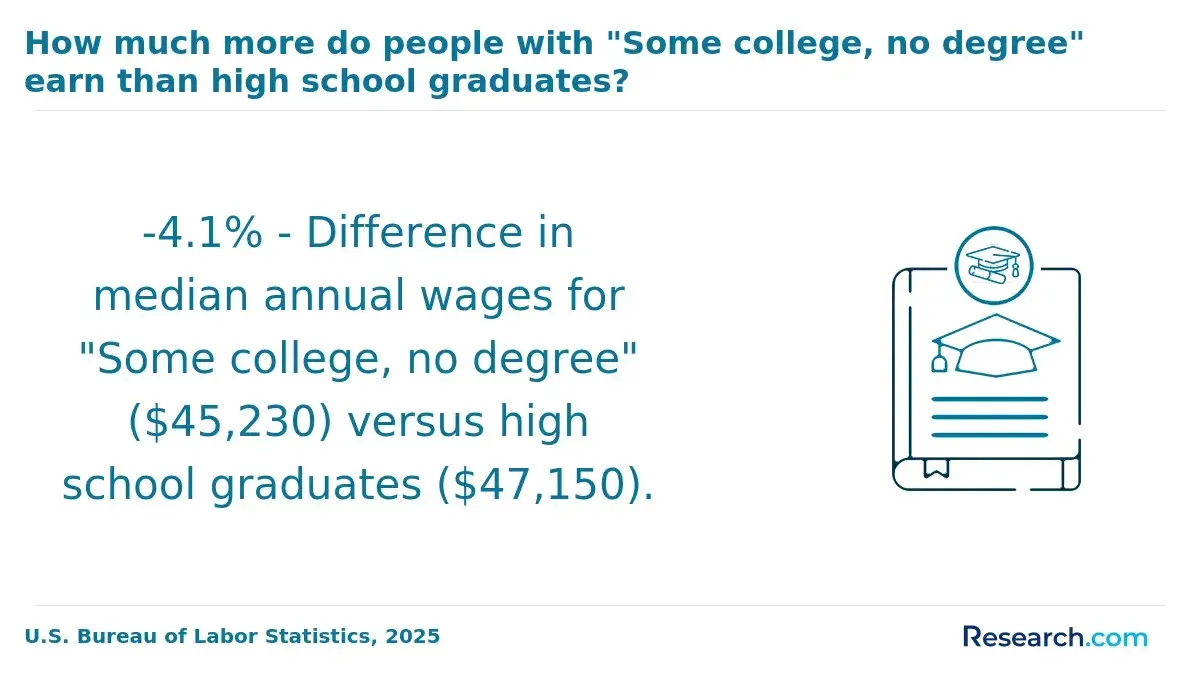
Completion rates for healthcare compliance & regulations degrees vary significantly by delivery method. According to the 2024 National Center for Education Statistics report, on-campus programs have notably higher six-year completion rates-between 65% and 75%-compared to hybrid formats at 55% to 65%, and online-only programs, which lag at 35% to 50%. The structured, immersive environment of campus programs tends to foster accountability through direct faculty interaction and peer support, while online learners often struggle with isolation and competing life demands, such as full-time work.
The hybrid approach blends flexibility with on-site engagement but can create its own challenges, requiring students to juggle conflicting time commitments and self-management across both modalities. This model demands a delicate balance, as students must harness the independence typical of online learning while maintaining a presence in face-to-face settings. These factors imply that no single format guarantees ease of completion; rather, individual circumstances and support mechanisms critically shape outcomes.
One graduate reflected that navigating an online healthcare compliance & regulations degree while working full-time was a test of discipline and time management. Although the convenience was appealing, the lack of real-time interaction sometimes left her feeling disconnected, especially during complex coursework. She realized that had she opted for a hybrid program, the periodic in-person sessions might have provided stronger motivation and clearer guidance, but adjusting to conflicting schedules between work and campus visits also posed significant stress. Ultimately, it was the self-imposed rigor and prioritization over two demanding worlds that determined her success, illustrating how each format's hurdles are deeply personal and situational.
How Does Each Healthcare Compliance & Regulations Learning Format Affect Student Success?
Student success in healthcare compliance & regulations degree programs hinges more on how well the learning format aligns with their personal needs, time availability, and study preferences than on the format alone. While campus programs show the highest completion rates, this doesn't automatically mean they are the best choice for everyone. For instance, a working professional juggling family responsibilities might find hybrid or online options more manageable despite slightly lower persistence rates. The following points summarize how different learning formats impact success in this field.
- Flexibility vs. Structure: Online formats offer unmatched scheduling flexibility, benefiting learners with unpredictable or full workdays. However, this freedom can reduce engagement, leading to lower completion rates unless institutions provide strong academic advising and interactive coursework.
- Social Interaction and Support: Campus programs facilitate in-person peer collaboration and immediate access to support services, fostering accountability. Students who thrive on direct contact tend to perform better here, while those preferring independence may find this less critical.
- Blended Engagement in Hybrid Models: Hybrid programs combine remote learning convenience with scheduled face-to-face interactions, promoting community and motivation. This format often results in higher completion rates than purely online options by balancing autonomy and connection.
- Access to Resources: On-campus learners have easier access to libraries, labs, and mentoring, which can be pivotal for understanding complex regulatory topics. Online students must seek digital equivalents, which may vary in availability and quality.
- Self-Discipline and Time Management: Success online or in hybrid formats strongly depends on a student's ability to manage their schedule and stay motivated without physical oversight, a challenge that can impede degree completion for some.
- Adaptability to Technology: Comfort with digital platforms affects online and hybrid students' ability to engage fully. Those lacking tech skills or reliable internet face greater hurdles, potentially impacting their academic progress.
- Completion Rate Trends: Data from the National Center for Education Statistics and National Student Clearinghouse Research Center (2024) show campus-based programs maintain the highest graduation rates. Hybrid formats outperform online-only courses, highlighting the benefits of a mixed instructional approach for healthcare compliance & regulations students.
How Does Enrollment Status Affect Healthcare Compliance & Regulations Completion Rates?
Enrollment status is among the most significant factors shaping completion rates in healthcare compliance & regulations degrees. Its impact goes beyond simply the number of courses taken concurrently and is deeply influenced by a student's life circumstances, support systems, and time-management abilities. For example, a full-time student with a stable schedule may progress steadily, while a part-time student juggling work and family might face interruptions despite taking fewer courses each term. Understanding how enrollment status affects degree progress can help prospective students pick a pathway aligned with their realities and goals. Below are key ways enrollment status influences healthcare compliance & regulations completion rates.
- Time Commitment and Academic Momentum: Full-time students benefit from consistent immersion in their studies, maintaining momentum that helps them complete programs faster. The National Center for Education Statistics 2024 data shows that full-time enrollees graduate approximately 15 to 20 percentage points more often within six years than part-time students, who may struggle with slower progression or extended breaks.
- Flexibility versus Structure: Part-time students often need flexible scheduling to balance external responsibilities, making online and hybrid formats preferable. However, the lack of daily structure can reduce accountability, especially for those without strong self-discipline. Full-time learners usually benefit from campus or hybrid settings that offer routine and peer engagement to sustain motivation.
- Work and Family Responsibilities: Part-time enrollment suits those integrating education with jobs or caregiving, but it demands superior time-management skills to avoid delays. Understanding these tradeoffs is critical; students must realistically assess their capacity to manage concurrent demands before deciding their enrollment pace.
- Access to Support Services: Full-time students often have easier access to faculty mentorship, tutoring, and campus resources, all important to staying on track. Part-time learners may miss some benefits if they attend less frequently or study remotely, making self-advocacy and proactive engagement essential.
- Financial Considerations and Resource Allocation: Full-time study can be more expensive upfront but may reduce total time-and cost-to degree completion, while part-time enrollment spreads costs over a longer period. Students should weigh immediate affordability against long-term financial and career impacts in their planning.
- Engagement in Learning Communities: Full-time students immersed in a campus or hybrid environment often experience stronger peer networks, which research links to persistence in healthcare compliance & regulations online enrollment impact on completion rates. Part-time learners should seek out virtual communities or cohort groups to mitigate isolation risks.
- Career Integration and Program Choice: Those already working in healthcare or compliance roles might prefer part-time or online formats to continue employment while studying, balancing practical experience with education. Prospective students interested in advanced roles or credentials might explore pathways like MSN to DNP programs to understand how part- and full-time choices affect their trajectory.
Can Transfer Credits Improve Healthcare Compliance & Regulations Degree Completion?
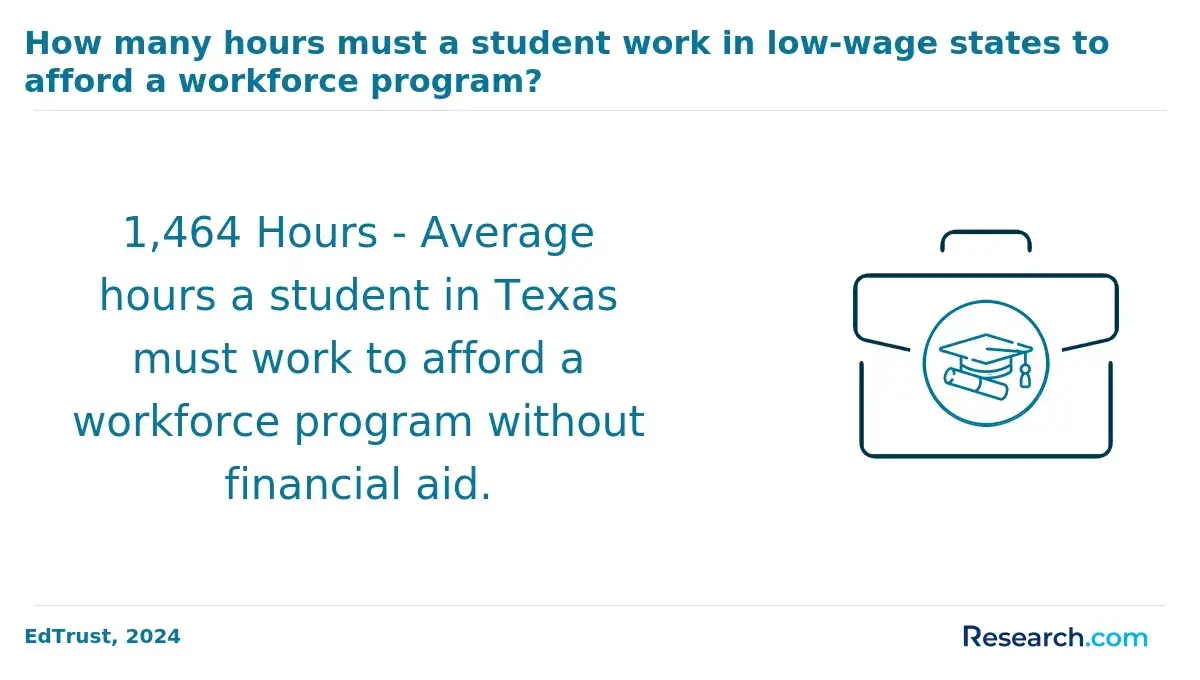
Transfer credits can notably shorten the time needed to complete a healthcare compliance & regulations degree by allowing students to bypass foundational courses and focus directly on specialized material. Data from the National Student Clearinghouse Research Center (2024) shows that transfer students pursuing healthcare-related degrees have about a 22% higher chance of graduating within four years compared to those without transfer credits. This advantage reflects how prior coursework can reduce redundancy and align academic progress more closely with career goals.
Yet, the actual benefits of transfer credits depend heavily on multiple factors. For example, a student transferring credits from a community college or military training may find that only a portion of those credits apply toward core requirements, depending on the institution's transfer policies and the specificity of healthcare compliance curriculum. In some campus-based programs, strict curricula and limited credit acceptance can diminish these benefits. Conversely, online and hybrid programs tend to offer more flexible credit evaluation processes, which can help students integrate prior credits more smoothly and potentially accelerate graduation, as supported by a 14% higher graduation rate among online students with transfer credits found in the Department of Education's 2024 Postsecondary Education Trends report.
Consider a student who completed general education and introductory healthcare courses at a community college before enrolling in an online healthcare compliance & regulations bachelor's program. If the school's articulation agreements clearly define credit transfer equivalencies, the student might enter the program with 30 or more credits already accepted, reducing time and cost significantly. However, if transferable credits do not align well with accreditation or licensure requirements, or if advising lacks clarity, the student could face delays, repeating courses or extending enrollment.
Prospective students should carefully review program requirements and seek an official credit evaluation to understand how many existing credits will apply toward degree completion. Comparing the remaining credit hours with personal scheduling capabilities and pacing preferences is essential to anticipate realistic graduation timelines. While transfer credits can enhance degree completion prospects for many, they represent just one variable among financial resources, advising quality, and curriculum demands influencing ultimate success in healthcare compliance & regulations programs.
What Student Support Services Improve Healthcare Compliance & Regulations Completion Rates?
Support systems are critical determinants of whether students persist in healthcare compliance & regulations programs, particularly when accounting for delivery format differences. Online learners often face isolation and technical hurdles that can derail progress without adequate advising and technical help. Hybrid students need coordination between virtual and in-person supports to maintain engagement. Meanwhile, campus learners benefit from richer in-person services but still require timely interventions to catch academic and personal challenges early. Below are key student support services associated with higher degree completion rates in healthcare compliance & regulations fields.
- Proactive Academic Advising: Personalized guidance tailored to individual academic pathways helps students navigate complex course requirements and stay on track. A 2024 EDUCAUSE study found that students engaged in consistent advising show persistence rates 15% higher than peers without such support.
- Accessible Tutoring Services: Timely access to subject-specific tutoring reduces academic bottlenecks that can cause dropout. Online learners especially benefit when tutoring is available virtually and on-demand to match varied schedules.
- Real-Time Technical Assistance: For online and hybrid students, reliable tech support reduces frustration related to platform navigation or assignment uploads, directly impacting continued enrollment and completion.
- Structured Retention Interventions: Early alert systems and mandatory check-ins identify at-risk students quickly, enabling targeted outreach. Hybrid programs using this approach report up to a 10% boost in degree completion compared to less monitored cohorts.
- Integrated Career Services: Counseling that links curriculum outcomes with labor market realities motivates students by clarifying career trajectories, translating academic effort into tangible goals.
- Peer Networking Opportunities: Facilitating connections among students fosters belonging and mutual support, which buffer stress and enhance persistence, especially critical in hybrid settings.
- Comprehensive Mental Health Support: Campus environments offering counseling and wellness programs bolster resilience, although such services are increasingly vital across all program formats given rising student stress levels.
A graduate from an online healthcare compliance & regulations program recalled grappling with feelings of isolation and self-doubt mid-semester. Though initially hesitant to reach out, they found that virtual academic coaching and prompt tech support became vital lifelines. Regular check-ins made the student feel accountable and connected without sacrificing their work and family commitments. Reflecting later, they acknowledged that without these targeted support services, especially the tailored advising that aligned with their unique schedule and challenges, completing the degree on time might have been far less certain.
How Do Healthcare Compliance & Regulations Completion Rates Affect Career Outcomes?
Completion of a healthcare compliance & regulations degree significantly shapes career prospects, with strong evidence linking degree completion-not mere enrollment-to improved long-term outcomes. Recent 2024 data highlights that graduates who finish their bachelor's in this field enjoy better employment rates and higher earnings than those who do not complete the program. For example, an individual who completes a hybrid-format program may combine flexibility with outcomes that rival those of campus-based graduates, enhancing their competitive standing in the job market. The following points outline the primary ways finishing a healthcare compliance & regulations program impacts career trajectories.
- Employment Stability and Wage Premiums from Degree Completion: Graduates with completed bachelor's degrees in healthcare compliance & regulations are notably more likely to secure stable employment and command higher salaries than individuals with incomplete credentials. Persistence through the program conveys to employers a commitment to mastery and professional reliability, benefiting all students but especially working adults balancing education with job demands.
- Access to Advancement and Leadership Roles Enhanced by Strong Completion Rates: Completing a healthcare compliance program correlates with greater eligibility for promotions and leadership positions within healthcare organizations. Campus program graduates generally show higher completion rates, suggesting that direct faculty interaction and peer support bolster persistence, which employers link to managerial potential.
- Graduate Education Opportunities Increase Significantly with Degree Completion: Those who finish their healthcare compliance & regulations degree are more likely to enroll in graduate studies, creating pathways to advanced certifications and specialized roles. This outcome favors students in hybrid formats who leverage flexibility yet maintain engagement necessary for finishing the curriculum.
- Labor Market Signaling Reflects Commitment and Capability: Completion acts as a strong credential in signaling to employers that a candidate has met rigorous academic and practical standards. This is critical in a regulatory field where credentials matter, and students with completed degrees differentiate themselves from those with partial or no degrees, as evidenced in recent studies.
- Practical Skill Development for Certified Roles such as CPC and Related Compliance Positions: Completing the degree ensures acquisition of core competencies and knowledge vital for certification and job readiness. Even with completion, professional success depends on ongoing experience and labor market conditions, but degree holders start at a clear advantage.
How Should Students Choose the Best Healthcare Compliance & Regulations Learning Format?
Completion rates for healthcare compliance & regulations programs vary significantly based on learning format, shaped by students' work commitments, learning preferences, and external responsibilities. Data from 2024 government education reports highlight that no single format guarantees success; rather, sustainable completion depends on how well the chosen format aligns with a student's life context. For example, a working parent managing a full-time job might struggle with fully campus-based programs but could benefit from hybrid options that balance flexibility with face-to-face interaction. Below are key factors to consider when choosing the best healthcare compliance degree format.
- Work and Personal Commitments: Students with demanding jobs or family responsibilities often find fully online or hybrid programs more manageable due to flexibility. Campus-based formats require regular, in-person attendance, which can be impractical for those balancing multiple roles.
- Self-Discipline and Digital Literacy: Online formats reward students who possess strong time-management skills and comfort with digital platforms. Those without these skills may have lower completion rates online but might thrive in campus or hybrid settings with more structured support.
- Need for Direct Mentorship and Peer Interaction: Hybrid and campus programs provide opportunities for direct engagement with instructors and classmates, benefiting learners who thrive on mentorship and collaboration rather than purely independent study.
- Immersive Learning Environment: Campus programs often yield higher completion rates among younger, full-time students due to immersive academic and social support. However, this environment may not be accessible or suitable for working adults.
- Accessibility and Resource Availability: While online formats expand access geographically, students must realistically assess whether they can consistently engage without on-site support, which can impact persistence.
- Program Demands and Career Timelines: Consider how quickly a program advances and whether the format fits within your professional goals and timeline for completing the degree.
- Alignment with Proven Easiest Pathways: Research on online public health masters programs easy to get into shows that program selectivity and format flexibility directly influence student retention and graduation probabilities.
What Are the Long-Term Pros and Cons of Each Healthcare Compliance & Regulations Learning Format?
Completion rates and career outcomes in healthcare compliance & regulations vary notably by learning format. Each option caters to different student needs, balancing flexibility, support, and networking opportunities. For instance, a working parent managing irregular hours might find online programs ideal, while someone seeking direct mentorship could prefer hybrid or campus settings. Below are key long-term factors for students to consider when selecting their educational pathway.
- Flexibility Versus Structure: Online programs offer unmatched scheduling flexibility but often require strong self-motivation, leading to lower completion rates. Hybrid and campus formats impose more structure, which benefits students who thrive with scheduled interactions and accountability.
- Completion Rates and Student Support: Data from the National Center for Education Statistics in 2024 show campus-based programs boast the highest completion rates, followed by hybrids, with online programs trailing but improving when augmented by robust support services.
- Networking and Career Transition: Campus and hybrid graduates generally report smoother employment transitions due to stronger peer networks and hands-on experiences, crucial in regulatory compliance roles requiring interpersonal skills.
- Accessibility and Geographic Constraints: Online formats break down geographic barriers, enabling non-traditional students to access education without relocating, whereas campus programs might restrict access due to fixed locations and schedules.
- Employer Recognition of Credentials: Post-2023 employer surveys suggest rising acceptance of online credentials, although some organizations still favor graduates from hybrid or campus formats for compliance positions.
- Practical Skill Application: Hybrid and campus programs often integrate experiential learning through face-to-face sessions, enhancing comprehension of complex regulatory environments compared to primarily remote online learning.
- Long-Term Career Suitability: Students aiming for roles demanding teamwork and onsite regulatory compliance oversight may benefit more from campus or hybrid study, while those prioritizing convenience or remote work compatibility might favor online completion.
References
- 3 Great Sources for Healthcare Compliance Training and Education | First Healthcare Compliance https://1sthcc.com/3-great-sources-healthcare-compliance-training-education/
- Master of Legal Studies in Healthcare Compliance | Western State https://www.wsulaw.edu/academics/master-of-legal-studies/
- What is Healthcare Compliance? | University of Phoenix https://www.phoenix.edu/articles/healthcare/what-is-healthcare-compliance.html
- Training and Compliance: Building a Compliance Training Plan https://compliancy-group.com/training-and-compliance-building-a-comprehensive-healthcare-compliance-training-plan/
- What Is Healthcare Compliance? - AAPC https://www.aapc.com/resources/what-is-healthcare-compliance
- Best Healthcare Compliance Software of 2026 | Features & Tools https://www.healthstream.com/resources/the-best-healthcare-compliance-software-of-2026
- We Review 5 Best Healthcare Compliance Software Solutions https://www.ruyacompliance.com/blog/best-healthcare-compliance-software
- The Importance of Compliance Training For Employees https://www.doctorsmanagement.com/blog/the-importance-of-healthcare-compliance-training-for-employees/
- What Is a Compliance Program in Healthcare? https://medtrainer.com/blog/what-is-a-healthcare-compliance-program/
- The Benefits of Integrated Healthcare Compliance Management https://www.hipaajournal.com/healthcare-compliance-management/
Other Things You Should Know About Healthcare Compliance & Regulations
Yes, pacing differences play a significant role in completion rates across healthcare compliance & regulations formats. Online programs often offer self-paced options, appealing to working adults but risking procrastination that can delay or halt progress. Campus programs tend to have fixed schedules, fostering regular routines but less flexibility for external obligations. Hybrid formats provide a middle ground, blending structure with flexibility, which can improve completion for students balancing work and study, but also demand strong time management skills to handle both online and in-person components effectively.
Employer recognition of healthcare compliance & regulations degrees varies by format and can indirectly impact students' commitment to completion. Campus degrees generally carry strong traditional credibility, motivating some students to persist given perceived value in the job market. Online degrees, while increasingly accepted, may still face skepticism in certain regional or specialized sectors, affecting motivation for students prioritizing employer buy-in. Hybrid programs often benefit from combining online convenience with tangible campus experience, enhancing confidence in graduate readiness and positively influencing completion motivation.
Hybrid programs require students to navigate both online and in-person demands, increasing complexity in scheduling and workload management. This dual modality can create higher cognitive and logistical strain compared to fully online programs, potentially reducing completion rates if students underestimate these demands. Conversely, fully online programs may allow more consistent workflow control but require self-discipline to avoid burnout or disengagement. Prospective students should realistically assess their ability to juggle hybrid's variable commitments versus online's autonomous pace to optimize completion chances.
Choosing a campus healthcare compliance & regulations program is advisable when immersive, face-to-face interaction and hands-on learning directly impact skill acquisition and professional networking. Even if some campus programs show slightly lower completion rates due to rigid scheduling or commute challenges, the intensive experiential learning and immediate access to faculty can better prepare students for complex compliance roles. Therefore, students aiming for positions requiring strong interpersonal skills or who thrive in structured environments should prioritize campus formats despite completion tradeoffs.