2027 Health Administration ROI by Institution Type: Public vs Private vs Nonprofit Online Programs

Co-Founder and Chief Data Scientist
Choosing an online health administration program often involves weighing seemingly similar options that mask critical differences in tuition, graduation rates, and career outcomes. For example, a 2024 Georgetown University study found that graduates of private online programs carry, on average, 30% higher student debt with only marginal gains in employment stability compared to public counterparts.
This disparity reflects broader trends in enrollment shifting toward cost-effective public institutions amid rising concerns over long-term debt and institutional support. Understanding these nuanced outcomes is vital for career-minded students aiming to maximize practical returns. This article will analyze ROI contrasts among public, private, and nonprofit online health administration programs to guide informed decision-making.
Key Things to Know About Health Administration ROI by Institution Type
- Public institutions often offer lower total educational costs but show varied graduation rates, creating a tradeoff between affordability and timely completion that increasingly affects working adults balancing employment and study.
- Private programs tend to have stronger employer recognition and specialized accreditations, which can enhance career advancement potential but frequently involve higher student debt, influencing long-term financial resilience post-graduation.
- Nonprofit online health administration programs frequently provide flexible learner support services catering to diverse student needs, yet their ROI depends heavily on institutional reputation, affecting how employers weigh credentials in hiring decisions.
- Key Things to Know About Health Administration ROI by Institution Type Key Things to Know About Health Administration ROI by Institution Type
- What Does ROI Mean for a Health Administration Program and How Is It Measured? Understanding Health Administration Program ROI
- How Do Public, Private, and Nonprofit Online Health Administration Programs Differ in Overall Value? Value by Institution Type
- How Do Tuition Costs Affect the ROI of a Health Administration Program Across Institution Types? Tuition Costs and ROI
- How Do Graduation Rates Influence Health Administration Program ROI? Graduation Rates Impact ROI
- What Role Do Career Outcomes Play in the ROI of a Health Administration Degree? Career Outcomes and ROI
- How Does Student Debt Impact the Long-Term ROI of a Health Administration Program? Debt vs. Long-Term ROI
- How Do Flexibility and Adult Learner Support Affect Health Administration Program Value? Flexibility and Program Value
- How Do Accreditation and Institutional Reputation Influence Health Administration ROI? Accreditation and Institutional Reputation Impact
- How Does Time-to-Degree Affect the ROI of Public, Private, and Nonprofit Health Administration Programs? Time-to-Degree Impact
- How Can You Choose the Best Health Administration Program Based on Your ROI Goals? Choosing Programs by ROI
What Does ROI Mean for a Health Administration Program and How Is It Measured?
Return on investment in a health administration program involves balancing multiple factors beyond tuition, such as student debt, completion rates, and time-to-degree, each shaping the program's true value. For example, a working professional might carefully weigh a nonprofit online program charging higher fees against a public option with lower tuition but slower pacing and less personalized career support.
Since nonprofit programs often demonstrate completion rates near 70% compared to about 60% at public programs, this difference can affect the likelihood of finishing without extended costs, influencing overall ROI. Recognizing that a lower sticker price can entail longer enrollment periods and higher opportunity costs is critical in this decision-making process. Measuring ROI for online health administration degrees also requires considering institutional reputation and post-graduation career outcomes, which many employers use as proxies for candidate readiness and network access.
Graduates of nonprofit programs report advancement rates around 15% higher within two years, reflecting tangible career benefits tied to program resources that often go unaccounted for in simple earnings-to-debt ratios. Diverse student goals-whether minimizing upfront costs, accelerating degree completion, or maximizing leadership potential-necessitate different weightings of these variables. Ultimately, cost-conscious learners should integrate such nuanced tradeoffs and refer to independent sources like the National Center for Education Statistics and AUPHA reports when comparing programs, as detailed in analyses of healthcare administration offerings.
How Do Public, Private, and Nonprofit Online Health Administration Programs Differ in Overall Value?
Cost differences among public, private, and nonprofit online health administration programs often reflect deeper tradeoffs in flexibility, student support, and career preparation, rather than straightforward affordability. Public institutions typically offer lower tuition and thus reduce debt burdens-an important factor given that graduates from these schools often report average debts significantly below national averages, according to the National Center for Education Statistics 2024 report.
However, private and nonprofit programs may provide specialized accreditations, smaller cohorts, and tailored advising that can enhance outcomes such as graduation rates and job placement. These factors can translate into higher starting salaries or quicker return on investment, especially for working professionals balancing education with employment. Flexibility also plays a crucial role in overall value, with private and nonprofit programs frequently offering asynchronous schedules or accelerated courses designed for adult learners, allowing students to minimize income disruption.
Public programs, while often more rigid, can be advantageous for those prioritizing affordable continuing education or public-sector employment pathways due to established government partnerships. The decision frequently depends on a student's financial tolerance for upfront cost versus potential career benefits, meaning that the "best value" is not solely about price but about alignment with professional goals and personal circumstances.
How Do Tuition Costs Affect the ROI of a Health Administration Program Across Institution Types?
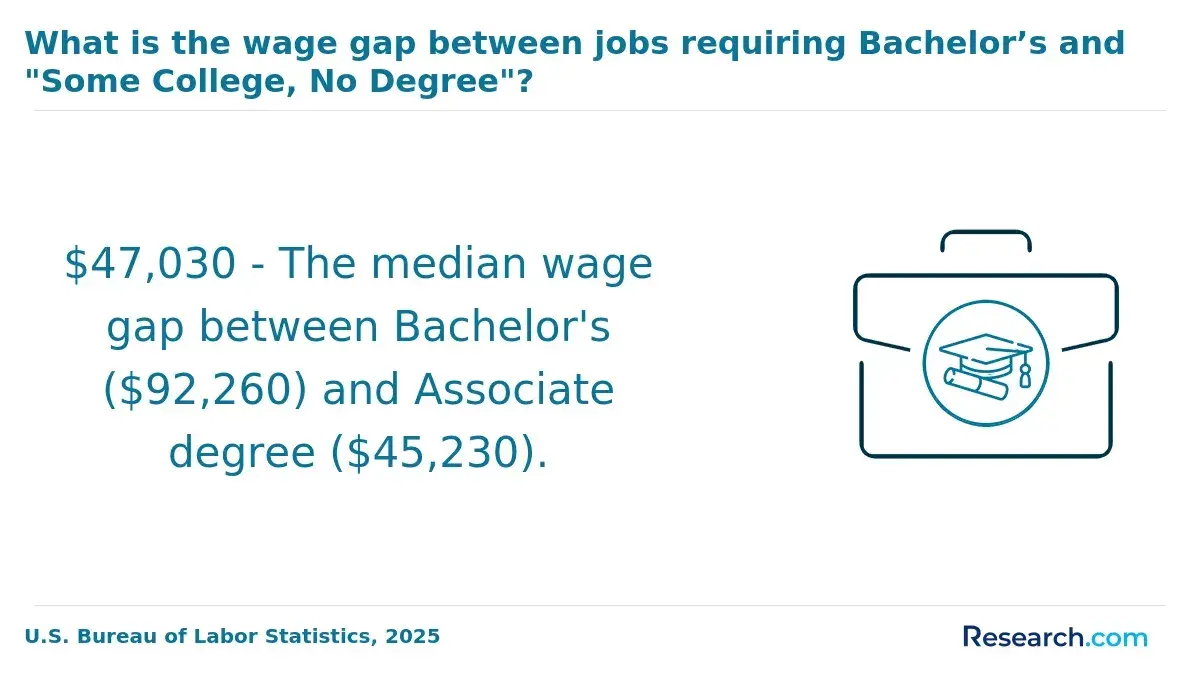
Tuition costs alone do not determine the return on investment for online health administration programs; rather, their interaction with financial aid, program quality, and career outcomes shapes true value. For example, public institutions typically charge between $8,000 and $12,000 annually, but broader access to state-based aid and employer tuition assistance can substantially reduce student debt, enabling quicker financial recovery after graduation.
However, a 2024 Institute for Higher Education Policy study indicates that graduates from nonprofit programs often carry higher debt but experience stronger employment rates and salary growth, illustrating how higher upfront costs may be offset by enhanced long-term earnings potential. The flexibility and support structures within programs also affect ROI beyond sticker price. Public online programs often offer more adaptable pacing and lower tuition, beneficial for working adults seeking to minimize income loss during study.
Conversely, private and nonprofit programs might demand premium pricing but frequently provide specialized curricula, advanced technology, or alumni networks that better align with employer expectations in competitive healthcare markets. Therefore, a working professional with employer tuition benefits might justify the additional expense of a nonprofit program for its networking opportunities and career services, while a cost-sensitive learner balancing family commitments may prioritize public options with more flexible timelines.
Evaluating net costs after financial aid alongside graduation and employment outcomes is essential when comparing programs. Lower tuition does not inherently guarantee greater ROI if completion rates or post-degree salary improvements are lacking. Deciding between institution types requires assessing whether higher tuition correlates with tangible benefits such as leadership advancement or salary uplift relevant to one's career path. Ultimately, practical decision-making demands weighing immediate affordability against longer-term returns shaped by program quality, flexibility, and sector-specific hiring realities.
How Do Graduation Rates Influence Health Administration Program ROI?
Graduation rates directly influence the return on investment for health administration programs, as timely completion reduces overall education costs and accelerates professional entry. Nonprofit online programs report an average six-year graduation rate near 55%, compared to 48% at public institutions and 42% at private for-profits, according to the National Student Clearinghouse Research Center in 2024. This disparity often reflects differences in academic support, flexibility, and student demographics, especially since public institutions frequently enroll adult learners juggling work and family responsibilities.
For many students, choosing a program with stronger persistence outcomes can lessen debt accumulation and improve long-term financial stability. While graduation rates provide a useful gauge of institutional effectiveness, they should not be considered in isolation when assessing health administration program ROI. Programs with lower completion rates may still offer broader access or fit nontraditional schedules, which can affect persistence patterns.
Employers often regard graduates from programs with higher completion metrics as better prepared, reinforcing the practical value of considering attrition trends and support infrastructures. For cost-conscious candidates, evaluating these factors in conjunction with student demographics and institutional resources is essential to making informed choices about affordability and career outcomes. Prospective students balancing competing priorities and seeking the best ROI must weigh graduation data alongside elements such as program flexibility and academic services.
Comparing public, private, and nonprofit online health administration options with these criteria in mind helps clarify tradeoffs between accessibility and completion success. This nuanced evaluation also informs debt management strategies and optimizes educational investment by aligning program characteristics with personal circumstances. For those exploring options, reviewing the masters of health administration offerings can provide additional insights tailored to cost and outcome considerations.
What Role Do Career Outcomes Play in the ROI of a Health Administration Degree?
Career outcomes serve as a critical determinant of the ROI for health administration degrees, particularly when comparing public, private, and nonprofit online programs. Employment rates within six months of graduation reveal meaningful disparities-public institutions report a 78% placement rate, outpacing private (72%) and nonprofit (70%) counterparts according to a 2024 NCES report. This gap often reflects the strength of institutional ties to regional healthcare employers and the practical relevance of their curricula.
Students prioritizing immediate job market integration should weigh these differences alongside tuition costs and potential debt, as a program's ability to facilitate timely employment can shorten the financial burden period and increase overall educational value. The focus on contemporary industry skills, such as healthcare policy knowledge and data fluency, also significantly affects careers post-graduation. Online health administration degrees emphasizing experiential learning and regulatory compliance better align with evolving employer requirements, fostering more sustainable workforce attachment and upward mobility.
Conversely, programs skewed toward niche nonprofit roles may offer specialized opportunities but might limit salary growth or broader market flexibility. Decision-makers must therefore understand how curriculum design and market responsiveness intersect with personal career objectives and geographic labor demand to gauge long-term ROI realistically, beyond sticker price or institutional reputation alone.
How Does Student Debt Impact the Long-Term ROI of a Health Administration Program?
Student debt levels critically affect the long-term return on investment of health administration programs, especially when comparing public, private, and nonprofit online institutions. Graduates from private online programs incur roughly 40% more debt than their public counterparts, largely due to higher tuition and lower state subsidies. This increased borrowing often leads to heavier repayment obligations that can suppress net income for years, creating a financial strain that complicates career decisions.
For example, a graduate facing large loan payments may have less flexibility to pursue lower-paying but valuable entry-level roles, which limits opportunities for gaining practical experience that employers in health administration often prioritize. Graduation rates and program timelines directly influence how borrowing impacts overall financial outcomes. Programs with higher completion rates and faster timelines-typically public or nonprofit online institutions-reduce the total interest accrued and accelerate workforce entry, thereby enhancing the long-term value of the degree.
Conversely, extended durations common in some private programs increase cumulative debt and delay income, diminishing long-term returns. When evaluating the impact of student loans on health administration program returns, prospective students should weigh not only costs but also institutional financial aid availability and completion support, which can significantly alter debt burdens and repayment trajectories. Debt-to-earnings ratios under 1.0 suggest manageable debt in health administration fields, yet many students from costly private programs exceed this threshold, indicating potential financial stress.
Public and nonprofit programs often provide more robust institutional aid or access to state grants, reducing loan dependency. Decision-makers should consider how rising debt might offset educational quality or networking benefits, particularly for those balancing work and study or exploring career shifts. For students researching affordable options, comparing offerings alongside related fields such as online registered dietitian programs might inform a broader cost-effective strategy.
How Do Flexibility and Adult Learner Support Affect Health Administration Program Value?
Flexibility in scheduling and comprehensive adult learner support are crucial determinants of a health administration program's practical value, particularly for those balancing education with work and family commitments. Programs offering asynchronous courses and part-time enrollment options enhance retention by allowing students to progress without disrupting employment, a vital factor for career changers or military-affiliated learners who often face unpredictable schedules. However, the convenience of flexible pacing can extend time-to-degree if advising and faculty accessibility are limited, increasing opportunity costs and potentially diminishing overall ROI despite lower upfront tuition fees.
Support services such as proactive academic advising, career counseling, and credit transfer assistance play a pivotal role in maintaining momentum and reducing time spent in the program, directly affecting debt accrual and employment outcomes post-graduation. Public institutions frequently provide broader state-funded resources, including veteran benefits and military support, improving affordability and persistence, while nonprofits tend to emphasize holistic support and networking despite sometimes higher costs. In contrast, private online programs may offer more personalized faculty engagement but often with fewer financial aid options, requiring prospective students to weigh the benefits of individualized attention against higher expense and limited flexibility in scheduling.
Data from the National Center for Education Statistics in 2024 shows students in flexible program formats have retention rates 15% higher than those in rigid schedules, underscoring the importance of adaptable learning environments combined with robust advising. For adult learners, especially those transferring credits or managing competing obligations, programs that integrate technology resources and transfer-friendly policies minimize unnecessary delays and expenses. Ultimately, the choice demands balancing cost, flexibility, and the quality of support to safeguard timely completion and maximize long-term career returns within the evolving healthcare administration landscape.
How Do Accreditation and Institutional Reputation Influence Health Administration ROI?
Accreditation and institutional reputation critically influence the practical return on investment for students in Health Administration programs, especially when comparing public, private, and nonprofit online institutions. Regional accreditation remains essential not only for ensuring academic quality but also for securing employer trust and eligibility for advanced licensure or graduate studies, which affect career mobility. For instance, graduates from regionally accredited programs see roughly 15% higher employment rates in health services administration roles, reflecting employer reliance on these quality benchmarks over standalone brand prestige.
Programmatic accreditation by bodies like CAHME can further distinguish candidates in competitive markets by signaling adherence to specialized industry standards. Beyond accreditation, reputation often hinges on measurable student outcomes such as graduation rates, job placement, and support services that affect long-term career trajectories and networking opportunities. While public institutions frequently benefit from established reputations rooted in state oversight and alumni connections, nonprofit programs may offer more balanced affordability combined with quality, appealing to debt-conscious learners.
Private institutions commonly promote specialized resources but often at higher tuition costs that can undercut immediate ROI. An Education Advisory Board survey found 62% of health administration employers favor candidates from institutions demonstrating academic rigor and career support rather than relying on institutional name recognition alone, highlighting the need to evaluate offerings beyond prestige and sticker price.
How Does Time-to-Degree Affect the ROI of Public, Private, and Nonprofit Health Administration Programs?
Time-to-degree directly shapes the total cost and career trajectory for students in public, private, and nonprofit online health administration programs by influencing tuition exposure, debt levels, and workforce reentry timing. For example, public institutions often allow part-time enrollment and extensive transfer credits, which can extend completion beyond four years. While this flexibility suits working adults balancing family and employment, it increases opportunity costs and delays career advancement despite typically lower tuition rates.
Such extended timelines also risk higher cumulative debt and prolonged income loss, critical factors for those assessing time to degree impact on health administration program ROI. Conversely, private programs tend to offer accelerated pathways and structured cohorts enabling faster completion, sometimes in as little as three years. This advantage shortens time away from income but comes at a premium tuition cost, which may offset financial gains from quicker graduation.
Nonprofit online programs often strike a middle ground, balancing affordability and pacing flexibility, but students must weigh the risk of longer enrollment against potential learning benefits. Completion speed influences roi in public private nonprofit health administration programs not only by affecting direct expenses but also through graduation rates, which correlate with employer perception and long-term career outcomes. Adult learners evaluating these tradeoffs should also explore options like fast track speech pathology programs as models of how program design impacts completion efficiency.
How Can You Choose the Best Health Administration Program Based on Your ROI Goals?
The highest ROI in health administration programs hinges on individual priorities rather than the type of institution alone. While public colleges often offer lower tuition leading to reduced debt-averaging $25,000 compared to $40,000 at private nonprofits per 2024 National Center for Education Statistics data-this cost advantage may be offset by private and nonprofit schools' stronger employer networks and higher graduation rates. These factors can significantly influence job placement and salary growth, especially in competitive healthcare markets where direct employer engagement and program accreditation affect eligibility for certifications and licensure.
Choosing the best online health administration degree requires weighing flexibility, financial aid availability, and career services quality in relation to personal circumstances like employment, family obligations, and timing preferences. For example, working professionals might accept higher tuition at a private nonprofit to benefit from accelerated pathways and comprehensive career support, while budget-conscious students without employer tuition assistance may prioritize in-state tuition benefits and more predictable costs at public institutions. Each pathway carries tradeoffs in repayment burden, program rigidity, and long-term career impact, underscoring the need for a nuanced evaluation beyond surface-level labels.
Students assessing these options should include the total cost of attendance, student debt outcomes, and graduation success alongside flexibility to find the best alignment with their goals. With increasing demand across healthcare systems, those taking a strategic approach to selecting among public, private, and nonprofit programs will optimize their return in both educational value and workforce readiness. For detailed comparisons of available options, reviewing data on online healthcare programs can provide further insight.
References:
- Is Grad School Worth It? A Comprehensive Return on Investment Analysis - FREOPP https://freopp.org/whitepapers/is-grad-school-worth-it-a-comprehensive-return-on-investment-analysis/
- Empowering Adult Learners to Thrive in Health Care’s Evolving Landscape https://eimpartnerships.com/articles/empowering-adult-learners-to-thrive-in-health-cares-evolving-landscape
- Is College Worth it? | Return on Investment Analysis of College Degree https://educationdata.org/college-degree-roi
- Healthcare Accreditation: Challenges, Benefits, and the Role of Management Software - Interact Solutions https://www.interactsolutions.com/en/healthcare-accreditation-challenges-benefits-and-the-role-of-management-software/
- Health Administration Careers | HealthAdministrationDegrees.com https://www.healthadministrationdegrees.com/health-administration-careers/
- How are Private Industry and Public Health Related? - MPH Online https://www.mphonline.org/private-sector-in-public-health/
- The Economics of Accreditation: Costs, Benefits, ROI - Course Accreditation https://course-accreditation.com/blog/the-economics-of-accreditation-costs-benefits-roi/
- Healthcare Management vs. Healthcare Administration https://www.trident.edu/healthcare-management-vs-healthcare-administration
- Impact of accreditation on quality in healthcare https://www.powerdms.com/policy-learning-center/impact-of-accreditation-on-quality-in-healthcare
- Why Consider a Healthcare Administration Career Path https://www.straighterline.com/blog/why-consider-a-healthcare-administration-career-path
Other Things You Should Know About Health Administration
Employers often weigh the institution type differently depending on their familiarity with program rigor and alumni networks. Graduates from public institutions may benefit from broader regional recognition and a history of producing workforce-ready candidates, especially in government or large healthcare systems. Private institution graduates frequently contend with perceptions related to selective admissions and specialized curricula, which can either boost or hinder employability based on the employer's preferences. Nonprofit programs, particularly those tied to healthcare organizations, might be favored for practical alignment but sometimes lack extensive brand recognition, so students should prioritize programs with demonstrated employer connections.
Public programs often offer structured pacing aligned with academic calendars, which can ease time management but may extend time-to-completion compared to some private or nonprofit online options. Private institutions might provide accelerated formats with intensive workloads, potentially increasing short-term strain but enabling earlier workforce reentry and ROI realization. Nonprofit programs tend to balance between these extremes but may require more self-directed study, impacting the learning experience and completion rates. Prospective students should assess their capacity for workload intensity against their financial and career timing goals to optimize ROI.
Public institutions generally maintain more standardized credit transfer policies, especially from community colleges or regionally accredited schools, which can lower overall costs and shorten degree timelines. Private and nonprofit schools often have stricter or less uniform credit acceptance, potentially forcing students to retake courses and increasing expense and time investment. For transfer students focused on efficiency and ROI, selecting public programs with clear articulation agreements is usually more practical. However, if a private or nonprofit program offers unique experiential learning with strong career outcomes, those benefits might justify the tradeoff.
Public institutions often emphasize policy, management frameworks, and broad skill sets that appeal to government and large institutional employers, supporting stable but narrower career paths. Private programs may integrate advanced leadership training and innovation topics, better suiting students aiming for entrepreneurial roles or consulting. Nonprofit programs typically include mission-driven and ethical decision-making content, aligning with careers in community health and nonprofit management. Students pursuing versatility should weigh these curricular emphases carefully, as they directly influence adaptability in evolving sectors and, by extension, the longevity and growth of their ROI.