2027 Health Administration Degree Oversupply or Undersupply? Student Volume vs Employer Demand

Co-Founder and Chief Data Scientist
Choosing to pursue a health administration degree requires weighing whether graduates are saturating the job market or if employer needs outpace new entrants. In 2024, roughly 28,000 health administration degrees were awarded nationwide, while job openings grew by only 4% in key healthcare management sectors, signaling a potential mismatch. This imbalance intensifies competition for limited managerial roles, especially in overserved urban areas, leading to underemployment risks and longer job searches for new graduates. Moreover, employers increasingly seek specialized skills beyond degree credentials, further complicating alignment between supply and demand. This article compares student volume with employer demand, job growth, regional factors, and skill gaps to clarify if the field offers sustainable opportunities or rising competition.
Key Things to Know About Health Administration Graduate Supply and Employer Demand
- Graduate output in health administration programs rose 12% from 2022 to 2024 while relevant job openings only expanded by 5%, indicating increased entry-level competition and potential credential inflation risks.
- Employers now prioritize candidates with specialized skills like data analytics and regulatory compliance, signaling a widening skill mismatch that challenges traditional generalist graduates' employability.
- Regional job growth is uneven, with urban centers displaying stronger demand linked to consolidation in healthcare systems, pressuring students in low-growth areas to weigh opportunity costs of relocation or extended education.
- Key Things to Know About Health Administration Graduate Supply and Employer Demand Key Things to Know About Health Administration Graduate Supply and Employer Demand
- Is There an Oversupply or Undersupply of Health Administration Graduates? Graduate Oversupply or Shortage
- How is Health Administration Degree Enrollment Changing? Degree Enrollment Trends
- How Many Health Administration Graduates Enter the Workforce Each Year? Annual Graduate Workforce Entry
- Does Job Growth Support the Rising Supply of Health Administration Graduates? Job Growth Versus Supply
- How Competitive is the Entry-Level Market for Health Administration Graduates? Entry-Level Market Competition
- Which Industries Have the Greatest Demand for Health Administration Graduates? Top Hiring Industries
- Where are Health Administration Graduates Most in Demand? Top Geographic Demand
- Which Health Administration Specializations and Degree Levels Face the Strongest Demand? Which Health Administration Specializations and Degree Levels Face the Strongest Demand?
- Are Employer Skill Gaps Affecting Demand for Health Administration Graduates? Are Employer Skill Gaps Affecting Demand for Health Administration Graduates?
- What is the Future Supply-and-Demand Outlook for Health Administration Graduates? Future Supply-Demand Outlook
Is There an Oversupply or Undersupply of Health Administration Graduates?
Contrary to a simplistic oversupply narrative, the balance between health administration graduate supply and employer demand is highly uneven across markets and specialties. Nationally, graduate volume generally aligns with current job openings, but competition intensifies in metropolitan areas dense with educational programs, where entry-level roles can become congested. Smaller or underserved regions, particularly those focusing on long-term care management or health informatics, often face genuine shortages, revealing demand that surpasses local graduate availability. This geographic and sectoral variation means that prospective students must carefully evaluate regional job markets and specialization trends to avoid oversaturation and secure viable career pathways.
Degree level and credential specificity further complicate this landscape. Employers in mid-to-senior health administration roles disproportionately seek master's degree holders with targeted certifications or relevant healthcare experience, creating a narrowing funnel of qualified candidates despite moderate overall graduate numbers. Fresh bachelor's degree graduates frequently encounter barriers due to limited practical exposure or internship opportunities, underscoring the importance of strategic credentialing and skill acquisition. Navigating this complex environment demands an understanding that enrollment growth alone does not equate to job security; prospective students benefit from researching labor market dynamics and employer expectations, including exploring niche programs such as the cheapest online DNP programs for complementary expertise within healthcare administration professions.
How is Health Administration Degree Enrollment Changing?
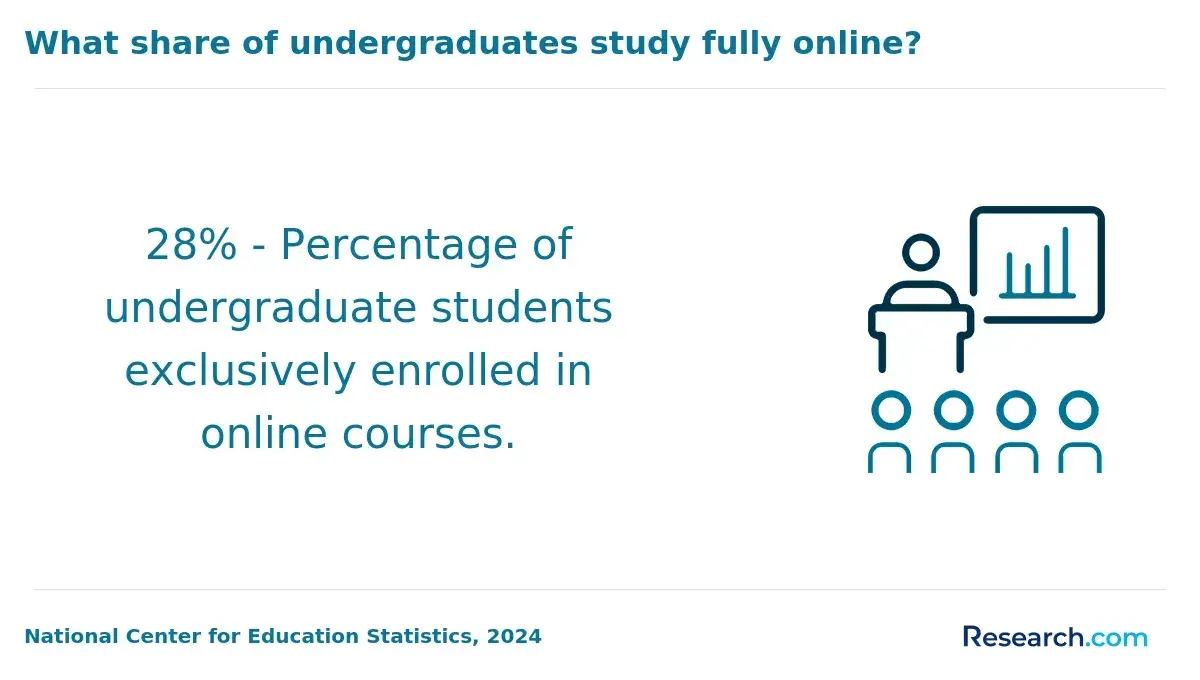
Recent enrollment trends in health administration degree programs suggest a complex redistribution rather than straightforward growth or decline, with implications for graduate competition and employer needs. Master's degree enrollment is rising notably faster than undergraduate participation, driven largely by increased employer preference for advanced qualifications in leadership roles and the growth of online program accessibility, which now accounts for about 40% of new graduate enrollments according to the National Center for Education Statistics. However, these increases are uneven across regions and credential types, resulting in localized imbalances where graduate supply may either outpace or fall short of healthcare employer demand. This uneven distribution, combined with demographic shifts toward older and career-switching students, means that national enrollment numbers alone provide an incomplete picture for workforce planning in health administration.
The emphasis employers place on practical experience alongside graduate education underscores the importance of strategic decision-making for prospective students weighing master's degrees. Misinterpretation of trends can lead to underestimating competition in saturated labor markets or overestimating local opportunities based on national data. For example, a region with substantial graduate output may appear to meet demand overall but still produce graduates facing steep competition for leadership roles that require niche expertise or experiential credentials. Meanwhile, expanding online delivery broadens access but can mask regional supply-demand mismatches and challenges in applied learning opportunities.
A current health administration graduate student recounted noticing a marked increase in cohort size after the program pivoted to hybrid learning options, attracting more mid-career professionals. While this growth feels encouraging, the student expressed uncertainty about whether rising enrollment signals better job prospects or simply heightened competition among classmates, especially given the program's increased focus on leadership skills. They also observed greater diversity in student backgrounds, reflecting the field's appeal during evolving healthcare demands but raising questions about how well the market can absorb this expanding pool of advanced-degree holders.
How Many Health Administration Graduates Enter the Workforce Each Year?
Annual graduate counts alone do not provide a reliable indicator of whether Health administration faces oversupply or undersupply, as the pathway from degree completion to workforce entry is neither uniform nor immediate. Data from the National Center for Education Statistics and IPEDS categorize graduates by program focus, degree level, and enrollment mode-factors that influence when and how these individuals compete for relevant roles. For instance, online or part-time graduates may delay job market entry, while specialized tracks with clinical practicums often lead to faster absorption into employment. Without accounting for these nuances, misinterpreting raw graduation numbers risks oversimplifying labor dynamics and misguiding students and policymakers about real hiring conditions.
Although roughly 10,000 to 12,000 students obtain Health administration degrees annually in the U.S., labor market analyses estimate that only about 70 to 80 percent enter directly into related professions, reflecting variations in geographic preference, credential depth, and immediate workforce demands. Employer hiring patterns exhibit regional disparities, with urban centers often showing stronger growth and skill shortages compared to saturated smaller markets. Replacement hires for retiring professionals also contribute to ongoing demand, complicating simple comparisons of graduate volume versus job openings. Many employers prioritize candidates with specialized administrative skills and practical experience, underscoring that not all graduates are equally prepared or positioned to fill existing vacancies.
This misalignment between graduate supply and employer demand highlights the importance of evaluating workforce outcomes beyond enrollment figures. Graduates from programs emphasizing applied learning tend to achieve more favorable job placements and faster onboarding, whereas those from generalized or purely academic programs may face greater competition or underemployment. Consequently, health administration aspirants and educators should weigh program curriculum, experiential opportunities, and local labor market conditions when assessing career prospects, rather than relying solely on aggregate graduation statistics which mask significant heterogeneity in outcomes and timing of workforce integration.
Does Job Growth Support the Rising Supply of Health Administration Graduates?
Projected job growth in health administration generally outpaces average occupational expansion, yet this does not fully align with the rapidly increasing number of graduates entering the field. Despite a 15% growth outlook through 2032 reported by the U.S. Bureau of Labor Statistics, many entry-level roles remain constrained by employers' preference for candidates with practical experience, specialized skills, or regional flexibility. For example, a recent graduate with a generalist bachelor's degree but limited internships may face stiff competition, especially in saturated urban markets where graduate output exceeds available openings.
Regional health administration job openings versus graduate output reveal significant variability, with some areas experiencing robust demand linked to expanding healthcare infrastructure, while others encounter stagnation. Replacement demand from retirements slightly alleviates pressure but is unevenly distributed, increasing complexity for workforce entrants. Advanced degrees with niche specializations such as informatics or population health tend to provide better alignment with employer needs, underscoring the strategic value of targeted credentials and hands-on experience. Prospective students should carefully assess local labor markets and consider alternatives like self paced college courses to build relevant skills that improve employability in competitive environments.
How Competitive is the Entry-Level Market for Health Administration Graduates?
Entry-level positions for health administration graduates in 2024 present a mixed landscape shaped by strong overall job growth and intense competition for the most accessible roles. Although the sector's employment opportunities are expanding-projected near 20% over the next decade-many openings favor individuals with prior healthcare exposure or specialized credentials. This dynamic contributes to a bottleneck effect where fresh graduates often face wage stagnation or temporary employment unrelated to their field while gaining necessary experience. Understanding the interplay between graduate volume and employer demand requires attention to several critical factors:
- Applicant Volume: High interest in health administration programs inflates the candidate pool, with entry-level roles attracting 50 to 70 applicants per position, according to Indeed Hiring Lab data. Graduates should assess application competition realistically and tailor their strategies accordingly.
- Experience Expectations: Employers increasingly prefer candidates with internships, cooperative education, or prior healthcare work, raising barriers for those lacking practical exposure and intensifying underemployment risks for new graduates.
- Industry Demand Variation: Growth is concentrated in certain health systems and administrative sectors, so some specialties or organizational types offer more openings, affecting which roles newcomers can competitively pursue.
- Geographic Disparities: Regional markets differ drastically; some urban centers have surplus graduates, while rural or underserved areas may have shortages, making location flexibility a significant advantage in job searches.
- Skill Specialization: Advanced certifications or graduate studies can differentiate applicants but also extend time before workforce entry, prompting candidates to weigh short-term employment needs against longer-term competitiveness.
- Remote Work Competition: The rise of virtual roles broadens candidate pools nationwide, requiring graduates to demonstrate adaptability and strong digital proficiency to succeed.
- Demonstrated Competencies: Employers focus on measurable skills and applied knowledge rather than degree alone, emphasizing the importance of portfolio examples, problem-solving abilities, and workplace readiness.
A recent graduate recounted facing multiple rounds of interviews only to be edged out by candidates with established internships and regionally connected healthcare experience. After narrowly missing several positions in her metropolitan area, she shifted focus to smaller health networks in nearby regions where demand exceeded supply, finding a role that leveraged her certification and part-time healthcare work during her studies. Though initially discouraging, this recalibration underscored the advantage of strategic location choice and specialized credentials in navigating an entry-level market that rewards experience more than degree volume alone.
Which Industries Have the Greatest Demand for Health Administration Graduates?
Employer demand for health administration graduates remains concentrated in sectors shaped by regulatory complexity, technological integration, and evolving care delivery models. Graduates face varying competition levels and skill expectations depending on the hiring industry and regional labor market conditions. For example, a graduate targeting hospitals might find higher volume but stiffer competition and require strong financial and compliance expertise, whereas roles in health technology emphasize IT and data management skills, but the employer pool may be smaller. Balancing these factors against career goals and available credentials is crucial for navigating the supply-demand dynamics impacting regional employers hiring health administration graduates. Below are industries generating the strongest employer demand:
- Hospitals: The largest employer of health administration graduates due to complex patient care operations and multifaceted regulatory requirements. Positions range from entry-level department coordinators to senior facility managers, emphasizing financial oversight, compliance, and operational leadership.
- Outpatient Care Centers: Growing demand driven by the shift toward outpatient treatment and value-based care models. Employers seek administrators skilled in care coordination, quality improvement, and patient experience metrics.
- Health Insurance: Requires expertise in healthcare policy, claims processing, and cost containment within a tightly regulated market. Graduates with analytical skills and knowledge of reimbursement systems are in higher demand.
- Public Health Agencies: Though fewer in number, these roles focus on program management, policy compliance, and community health initiatives, attracting graduates interested in regulatory affairs and population health management.
- Healthcare Technology: An emergent sector valuing professionals who can integrate clinical operations with electronic health records, telehealth, and data analytics platforms. Candidates with IT familiarity and strategic management skills have an advantage.
As supply of graduates intersects with these varied demands, strategic credential choices can enhance employability. For those assessing educational investments, options like an MBA healthcare may align well with sectors prioritizing leadership and operational agility. Evaluating health administration graduate demand by industry alongside local hiring patterns is essential for making informed career decisions in this evolving workforce landscape.
Where are Health Administration Graduates Most in Demand?
National employment data for health administration graduates masks significant regional disparities that profoundly impact job prospects and career strategy. While states like California and Texas report high volumes of health administration openings, these figures often coincide with intense applicant pools and elevated living costs. For example, a recent graduate moving to a metropolitan area such as New York City must weigh the advantage of abundant healthcare organizations against fierce competition and complex credential expectations. Conversely, smaller or rural regions may offer fewer positions, but they often exhibit persistent shortages and less competition, making them viable options for candidates with targeted skills or willingness to relocate.
The healthcare industry's shift toward outpatient care and telehealth also redistributes demand geographically, favoring professionals knowledgeable in integrated and community-based models over generalist administrators. Employers in metropolitan hubs demand advanced competencies in digital health transformation and regulatory compliance, elevating barriers for recent graduates without specialized expertise. Remote work options remain limited in this field, which reinforces the importance of local labor market conditions and industry concentration. Thus, prospective candidates should prioritize markets where their training aligns with employer needs and balance job volume against regional saturation, cost of living, and credentialing norms rather than solely considering headline opportunity counts.
Which Health Administration Specializations and Degree Levels Face the Strongest Demand?
Employer demand within health administration is unevenly distributed across specializations and degree levels, reflecting the sector's complex operational and regulatory environment. While bachelor's degree holders face high competition for entry-level roles, mid- and senior-level positions increasingly favor candidates with graduate credentials that combine specialized skills with practical experience. For example, a master's graduate focused on healthcare finance will generally encounter stronger job prospects than a bachelor's graduate without a targeted emphasis, due to employer preferences for advanced analytical and compliance competencies. Data from LinkedIn Workforce Insights highlights that candidates with master's degrees command a distinct advantage in hiring pipelines, especially for roles intersecting policy, informatics, and management. Below are key specialization and degree-level combinations showing the most consistent and robust hiring demand.
- Health Informatics and Data Analytics: This specialization drives demand thanks to the growing integration of electronic health records and population health strategies. Employers seek candidates with proficiency in data management tools and analytics platforms, often preferring graduate-level expertise for roles influencing clinical decision support and operational efficiency.
- Healthcare Finance and Revenue Cycle Management: Persistent pressures on cost containment and reimbursement compel healthcare organizations to prioritize professionals adept in financial modeling, revenue cycle optimization, and regulatory compliance, frequently at the master's level or higher.
- Quality Improvement and Patient Safety: Increasing scrutiny under value-based care models creates demand for specialists who can enhance care outcomes and regulatory adherence, typically requiring advanced training in process improvement methodologies.
- Policy and Compliance Leadership: Rapidly evolving state and federal healthcare regulations generate employment openings for health administration professionals skilled in legislative analysis, risk management, and organizational policy enforcement, usually favoring those with graduate credentials.
- Clinical-Administrative Integration: Candidates combining clinical knowledge with administrative skills are scarce but sought after, especially in leadership tracks that bridge patient care and operational management in hospitals and healthcare systems.
- Population Health Management: Roles focused on managing community health outcomes and preventative care programs increasingly require specialized master's degrees or certificates emphasizing social determinants of health and healthcare delivery innovation.
These areas reflect not only genuine talent shortages but also skill mismatches and regional hiring disparities, underlining the need for students and professionals to carefully evaluate specialization relevance and degree investment against real-world employer expectations and labor market conditions.
Are Employer Skill Gaps Affecting Demand for Health Administration Graduates?
Demand for health administration graduates is frequently misunderstood; the actual shortage lies not in the number of degree holders but in the availability of candidates with the technical, professional, and context-specific skills employers need. For instance, health systems often leave entry-level roles open because graduates lack applied experience with electronic health record systems or strategic leadership in healthcare finance, despite a stable supply of new graduates. This mismatch distorts perceptions of oversupply versus undersupply, as hiring managers prioritize candidates who combine digital proficiency, certifications, and strong communication skills tailored to complex healthcare environments.
Employer skill gaps are affecting demand for health administration graduates in the United States by creating a paradox where unfilled positions coexist with a competitive pool of candidates who may not meet evolving operational requirements. Candidates who align their education with real-world tools, internships, and specialized projects tend to stand out amid competition shaped by regional labor market conditions and industry nuances. Without this alignment, the perceived oversupply intensifies competition for roles and can suppress wages or limit upward mobility, highlighting the need for graduates to critically assess program content and credential relevance.
The impact of credential mismatches on health administration graduate employment prospects underscores the importance of evaluating programs for their practical alignment with employer expectations rather than enrollment volume alone. Prospective students and current degree holders should recognize that bridging the competency divide through targeted skill development, meaningful internship experiences, and familiarity with industry-specific software is crucial. For comparative insights on program structure and outcomes, examining resources like Capella university vs WGU RN to BSN can inform better decision-making tailored to actual workforce demands.
What is the Future Supply-and-Demand Outlook for Health Administration Graduates?
Targeted job searches significantly outperform high-volume, unfocused applications for health administration graduates, especially given the complex future supply and demand for health administration graduates. A recent graduate competing in saturated urban markets often finds that applying broadly without tailoring leads to few callbacks, as many employers seek candidates with specialized skills aligned to current healthcare trends and clear industry vocabulary. Identifying precise entry-level roles such as operational coordinator or health data analyst in regions with higher demand, often rural or underserved areas, enhances the likelihood of employer interest by matching graduate qualifications to local workforce needs.
Prioritizing industries and locations with stronger demand, and tailoring resumes to echo employer language, helps demonstrate practical readiness. Graduates showing relevant project experience or certifications that meet specific job requirements can improve interview conversion rates, which often depend more on quality and fit than sheer number of applications. Strategic market research and timing also matter; understanding credential inflation, skill specialization requirements, and evolving industry expectations allows candidates to allocate effort efficiently rather than diluting it across unsuitable postings. This approach echoes regional employment outlook for health administration degree holders, where knowing where and how to focus efforts is crucial for navigating competition.
Prospective students and recent graduates should consciously weigh tradeoffs between broad application strategies and focused targeting to avoid extended job searches with limited outcomes. For those seeking guidance on application volume, data on how many SLP grad schools should I apply to provides a useful parallel in educational admissions, illustrating diminishing returns past an optimal application number. Such insights reinforce the importance of strategic decisions in aligning education and job search efforts effectively.
References
- Healthcare Administration: What You Need to Know | DeVry University https://www.devry.edu/blog/guide-to-healthcare-administration.html
- Nursing Shortage: A Data Study Reveals Key Insights | USAHS https://www.usa.edu/blog/nursing-shortage/
- A Leader’s Guide to Staffing and Nursing Shortages in Healthcare https://www.mhaonline.com/blog/healthcare-staffing-shortages
- How to Become a Healthcare Administrator https://www.publichealthdegrees.org/careers/healthcare-administrator/
- Fact Sheet: Strengthening the Health Care Workforce | AHA https://www.aha.org/fact-sheets/2021-05-26-fact-sheet-strengthening-health-care-workforce
- Health Policy and Administration Salary and Job Outlook | CUNE https://www.cune.edu/news/health-policy-administration-jobs-salary
- What Jobs Can You Get With a Healthcare Administration Degree? [Quiz] https://www.umassglobal.edu/blog-news/jobs-can-you-get-a-healthcare-administration-degree-quiz
- Demand for Healthcare Workers Continues to Grow, but Skills Gaps Remain https://www.hfma.org/leadership/staff-development/57758/
- Health Workforce Projections | Bureau of Health Workforce https://bhw.hrsa.gov/data-research/projecting-health-workforce-supply-demand
- Health Administration Careers | HealthAdministrationDegrees.com https://www.healthadministrationdegrees.com/health-administration-careers/
Other Things You Should Know About Health Administration
Program reputation can open doors through networking and perceived prestige, but employers increasingly prioritize candidates with practical, up-to-date skills aligned to current healthcare systems and technology. Prospective students should carefully evaluate whether the curriculum includes hands-on learning, data analytics, and exposure to health informatics, rather than relying solely on a program's name. Prioritizing programs that offer direct experience with evolving healthcare challenges typically improves employability and long-term career adaptability.
Lack of internships, simulations, or project-based learning often results in graduates who struggle to demonstrate applied competence during recruitment. Since employers in this field expect candidates to quickly integrate into complex organizational environments, graduates from more theoretical programs may face longer job searches or entry-level roles with slower advancement. Students should prioritize programs offering experiential components, as these bridge the gap between theory and practice, directly impacting early career success and salary growth.
Absolutely. Regional demand for health administration professionals varies widely due to differences in healthcare infrastructure, policy environments, and population health needs. Programs connected with strong local employer networks or offering placement assistance in high-demand regions provide a strategic advantage. Students aiming for flexible, nationwide mobility might invest in programs with broader recognition and diverse curricula, but those targeting specific markets should align their education accordingly to maximize job prospects and salary potential.
Longer programs or advanced degrees may delay entry into the workforce and increase educational costs but often lead to higher starting salaries and managerial positions over time. However, in some cases, relevant work experience can outweigh additional credentials in hiring decisions. Prospective students need to weigh whether pursuing a master's or doctoral degree fits their career timeline and goals, considering that some mid-level roles may be accessible with a bachelor's degree plus experience, while senior leadership generally requires advanced qualifications combined with demonstrated practical impact.