2027 Health Administration Degree Completion Rates by Format: Online, Hybrid, and Campus Programs Compared

Co-Founder and Chief Data Scientist
Choosing between online, hybrid, and traditional campus programs for a health administration degree poses significant challenges for prospective students. Each format demands different time commitments, learning styles, and levels of self-motivation. A student weighing these options must consider not only convenience and cost but also how these factors influence their ability to complete the program successfully.
Completion rates vary notably across these formats, often reflecting differences in student support, engagement, and real-world application. Understanding these disparities helps clarify the practical tradeoffs each approach entails. This article examines completion rates for online, hybrid, and campus health administration programs, explores the factors driving student success, and offers insight into choosing the format aligned with one's educational and career objectives.
Key Things to Know About Health Administration Degree Completion Rates by Format
- Recent 2024 data shows online health administration programs have a 15% lower completion rate than campus formats, indicating students may face greater self-motivation and engagement challenges remotely.
- Hybrid formats combine online flexibility with in-person support, boosting completion rates by approximately 10% over fully online, reflecting real-world benefits of structured interaction alongside convenience.
- Completion rates correlate strongly with student access to active advising and peer networks, which are more consistently available in campus and hybrid formats, affecting long-term career preparedness and institutional support.
- Key Things to Know About Health Administration Degree Completion Rates by Format Key Things to Know About Health Administration Degree Completion Rates by Format
- How Do Completion Rates Compare Across Online, Hybrid, and Campus Health Administration Programs? Completion Rate Comparison
- What Factors Have the Greatest Impact on Health Administration Degree Completion? Degree Completion Factors
- Which Health Administration Degree Format Is Hardest to Complete? Completion Difficulty
- How Does Each Health Administration Learning Format Affect Student Success? How Does Each Health Administration Learning Format Affect Student Success?
- How Does Enrollment Status Affect Health Administration Completion Rates? How Does Enrollment Status Affect Health Administration Completion Rates?
- Can Transfer Credits Improve Health Administration Degree Completion? Transfer Credits
- What Student Support Services Improve Health Administration Completion Rates? Student Support Services
- How Do Health Administration Completion Rates Affect Career Outcomes? Impact on Career Outcomes
- How Should Students Choose the Best Health Administration Learning Format? Choosing the Best Format
- What Are the Long-Term Pros and Cons of Each Health Administration Learning Format? Learning Format Pros & Cons
How Do Completion Rates Compare Across Online, Hybrid, and Campus Health Administration Programs?
Completion rates for health administration degree programs often reflect differences in student populations rather than inherent program quality. Students choosing campus, hybrid, or online formats bring distinct circumstances, such as prior educational background and personal commitments, that heavily influence persistence. Therefore, interpreting health administration degree completion rates by format requires understanding these factors as indicators of student outcomes, not just institutional effectiveness.
The variation in graduation rates across campus, hybrid, and online health programs usually stems from work obligations, enrollment intensity, and flexibility in course scheduling. Campus-based programs typically show higher completion due to structured schedules and in-person support, while hybrid formats balance flexibility with some direct interaction, aiding students managing multiple demands. Fully online students often juggle significant responsibilities, making self-discipline crucial. These differences illustrate why comparing graduation rates in online hybrid campus health programs must consider how support systems and personal situations impact success.
Prospective students should weigh completion data alongside their learning preferences, time availability, and career goals to identify the best fit. For instance, a working professional with limited daytime hours might thrive in a hybrid or online layout, enhancing persistence despite historically lower online completion rates. Conversely, those benefiting from routine and social engagement might prefer campus study. Exploring specific program outcomes in conjunction with individual needs-such as using resources like a PharmD degree comparison tool-can sharpen decision-making toward completing a health administration degree successfully.
What Factors Have the Greatest Impact on Health Administration Degree Completion?
Degree completion in health administration depends on an interplay of personal circumstances, academic support, and program characteristics, rather than motivation alone. Students must navigate practical barriers like work and family demands, alongside institutional resources that can either facilitate or hinder persistence. Recognizing how these factors combine provides a better assessment of one's realistic chances for graduation. Below are several of the most impactful factors influencing health administration degree completion.
- Quality and accessibility of academic advising: Effective advising helps students plan manageable course loads, navigate program requirements, and access critical resources. Those lacking consistent faculty contact, especially common in fully online formats, often struggle with timely problem resolution, increasing dropout risk. Students should prioritize programs offering proactive, accessible academic support to improve persistence.
- Student engagement and peer interaction: Programs that foster meaningful connections through in-person or hybrid formats improve accountability and motivation. Social isolation, frequently reported by online learners, can decrease commitment and increase attrition rates. Engaging in study groups, networking, and campus events where possible enhances academic self-efficacy and completion likelihood.
- Socioeconomic and demographic factors: Financial pressures and first-generation college status weigh heavily on completion, irrespective of program delivery. Students balancing significant work or family responsibilities often find time management challenging. Access to robust financial aid and tailored counseling can mitigate these barriers, increasing graduation rates across all learning formats.
- Program format and flexibility: While motivation varies, hybrid models tend to offer a practical balance of flexibility and structured support, which benefits many adult learners. Fully online programs may suit highly self-directed students but often report 10-15% lower completion rates due to less immediate support. Weighing format against personal circumstances and readiness is essential for realistic program selection.
- Prior academic achievement and preparedness: Foundational skills in writing, research, and health sector knowledge correlate strongly with persistence. Students with limited prior college experience may find campus-based programs provide more structured support early on. Investing in skills development before or during the program can improve outcomes significantly.
Prospective students concerned about affordability and outcomes might also explore options like the cheapest master's in healthcare administration, which can combine economic considerations with support structures that aid completion.
Which Health Administration Degree Format Is Hardest to Complete?
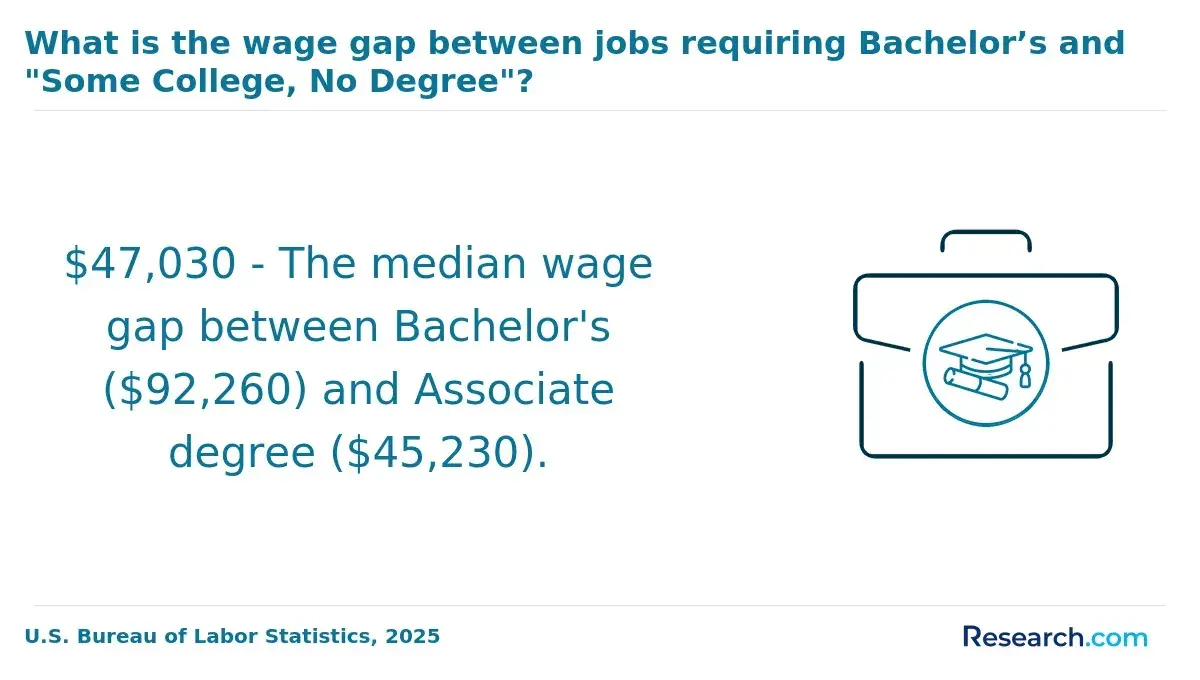
Completion rates for health administration degrees differ notably by delivery method, reflecting the unique demands each format places on learners. Campus-based programs, benefiting from structured schedules and on-site support, report completion rates between 65% and 75%, according to 2024 data from the National Center for Education Statistics. This environment helps maintain accountability but may exclude those needing flexible hours. Hybrid programs offer a middle ground, with rates around 55% to 65%, yet the dual expectation of online commitment and occasional campus presence can strain students juggling complex schedules or distant living situations. Fully online programs, often favored for convenience, face the steepest challenges; completion rates frequently dip below 50% due to reduced social interaction and the high degree of self-motivation required.
The data reveal a tradeoff between accessibility and persistence: while online formats increase enrollment opportunities for working adults and caregivers, their isolated nature makes sustained engagement difficult. Conversely, campus programs promote social integration and direct faculty access, which bolsters retention but sacrifices flexibility. Hybrid models attempt to balance these factors but do not fully resolve logistical hurdles. For example, a working parent enrolled online might struggle to maintain consistency without in-person accountability, whereas a traditional student could thrive with campus resources but find limited scheduling options restrictive. Recognizing these dynamics is crucial for students aiming to align their personal circumstances with the demands of each format.
One graduate recalled choosing the hybrid format after weighing the competing demands of her full-time job and family. Initially attracted by the perceived flexibility, she quickly realized that coordinating on-site sessions with work commitments required constant negotiation and careful time management. She described moments of hesitation when sudden work deadlines conflicted with mandatory campus visits, feeling torn between professional responsibilities and academic progress. Ultimately, her persistence was tested not just by coursework but by the ongoing effort to synchronize overlapping priorities-highlighting how the hardest format to complete can depend as much on individual life context as on program structure.
How Does Each Health Administration Learning Format Affect Student Success?
Success in health administration programs depends less on the learning format itself and more on how well that format suits a student's learning style, schedule, and life priorities. For example, a working parent with limited daytime availability may thrive in a flexible online or hybrid program, while someone who benefits from daily structure and direct interaction might excel on campus. Research from the National Student Clearinghouse Research Center in 2024 shows degree completion rates vary notably between online, hybrid, and campus formats, underscoring the importance of matching format to individual needs. Below are key factors that reveal how different learning environments can shape student outcomes.
- Motivation and Self-Discipline Demands: Fully online programs require strong self-regulation skills since students navigate coursework mostly independently. Those lacking time management or intrinsic motivation often fall behind, impacting their completion odds. Conversely, campus students encounter external structures that enforce consistent engagement, aiding persistence.
- Access to Immediate Academic Support: Campus learners benefit from real-time access to faculty and campus resources, which helps quickly resolve challenges and maintain momentum. Hybrid formats provide some in-person support, enhancing academic resilience compared to fully virtual settings where delayed feedback can hinder progress.
- Flexibility for Competing Responsibilities: Online and hybrid formats accommodate work, family, and other commitments better than rigid campus schedules. This flexibility can promote sustained enrollment for adult learners balancing multiple roles, a critical factor given the demographics of many health administration students.
- Peer Interaction and Sense of Belonging: Campus and hybrid programs foster stronger peer connections and community engagement through face-to-face interactions, which correlate with higher retention rates. Online-only students frequently report feelings of isolation, which may reduce persistence and motivation.
- Structured Scheduling and Routine: Campus programs provide fixed class times and deadlines that help maintain steady progress. In contrast, some online courses offer more asynchronous freedom, which benefits disciplined learners but poses risks for procrastination and incomplete coursework without strong self-management.
- Hybrid Model's Balance of Engagement and Flexibility: Emerging evidence shows hybrid learners have better retention than fully online peers by combining convenience with periodic in-person engagement. This blend addresses common pitfalls of online education while preserving much-needed flexibility for non-traditional students.
- Impact of Student Support Services Availability: Programs with robust advising, tutoring, and career services-often more accessible on campus or hybrid formats-support degree completion and employment outcomes. Online students must proactively seek out such services, which varies by institution and can affect success rates.
How Does Enrollment Status Affect Health Administration Completion Rates?
Enrollment status significantly shapes health administration degree completion rates, but its effects hinge on individual circumstances rather than simply the number of courses taken. Full-time enrollment often correlates with faster completion, but this is not a universal rule; personal responsibilities, financial stability, and learning format all mediate the outcome. Understanding these variables helps prospective students weigh which enrollment pace aligns best with their goals and life situation. The following points outline key ways enrollment status impacts degree completion in health administration programs.
- Time commitment and immersion: Full-time students dedicate more hours to coursework, fostering deeper engagement and routine access to faculty and resources. This immersion, especially in campus programs, bolsters persistence and timely graduation. Part-time students juggling jobs or family may struggle to sustain this intensity, delaying progress or risking dropout.
- Academic momentum and scheduling: Consistent full-time enrollment promotes steady academic progress through structured course sequences. Part-time enrollment often fragments this momentum, increasing the risk of forgetting material or losing motivation between semesters. Students must realistically assess their ability to maintain continuous study.
- Support system availability: Full-time students typically benefit from stronger institutional support such as advising and peer networks, which reinforce degree completion. Part-time learners, particularly in online settings, may face gaps in these support services, impacting motivation and retention.
- Flexibility versus engagement trade-offs: While online and hybrid programs offer flexibility that suits part-time students, data from 2024 education workforce studies show these students still face lower completion rates compared to full-time peers due to less frequent academic interaction. Hybrid formats somewhat mitigate this by combining structure with convenience.
- Financial considerations and resource access: Full-time status may unlock financial aid or scholarships unavailable to part-time students, affecting affordability and sustained enrollment. Part-time students often spread tuition costs but risk longer overall expenses and delayed earning potential.
- Real-world balancing act: A working single parent pursuing a health administration degree part-time online may benefit from flexible scheduling but must guard against uneven academic engagement. In contrast, a recent graduate attending full-time on campus can leverage resources and cohort support for faster completion.
- Graduation outcomes data: According to the latest national education reports, full-time students in health administration programs graduate at rates approximately 20-30% higher than part-time students, underscoring enrollment status as a critical factor influencing degree completion.
Given these dynamics, students should consider their enrollment status alongside program format and personal circumstances. Individuals exploring flexible options might also review the easiest online RN to BSN programs for comparative insight on completion challenges and supports in health-related fields.
Can Transfer Credits Improve Health Administration Degree Completion?
Transfer credits can meaningfully impact the pace at which students complete their health administration degrees, but the extent of that impact varies widely. By avoiding repetition of coursework already completed elsewhere, students may reduce their degree timeline by approximately 1.5 semesters on average, according to recent data from the National Student Clearinghouse Research Center (2024). This time savings is often more significant in online and hybrid programs, where flexible scheduling complements credit transfer to ease common barriers like course availability.
Yet, the benefit of transfer credits is not uniform. Students with prior college work, military training, or professional certifications may find these credits more readily accepted, enabling faster degree progress. Conversely, rigid transfer policies-more common at some campus-based programs-can limit credit acceptance, forcing students to retake courses and extending time to graduation. Alignment with accreditation and specific program requirements also shapes the usefulness of transfer credits; misaligned courses may be rejected, reducing any acceleration advantage.
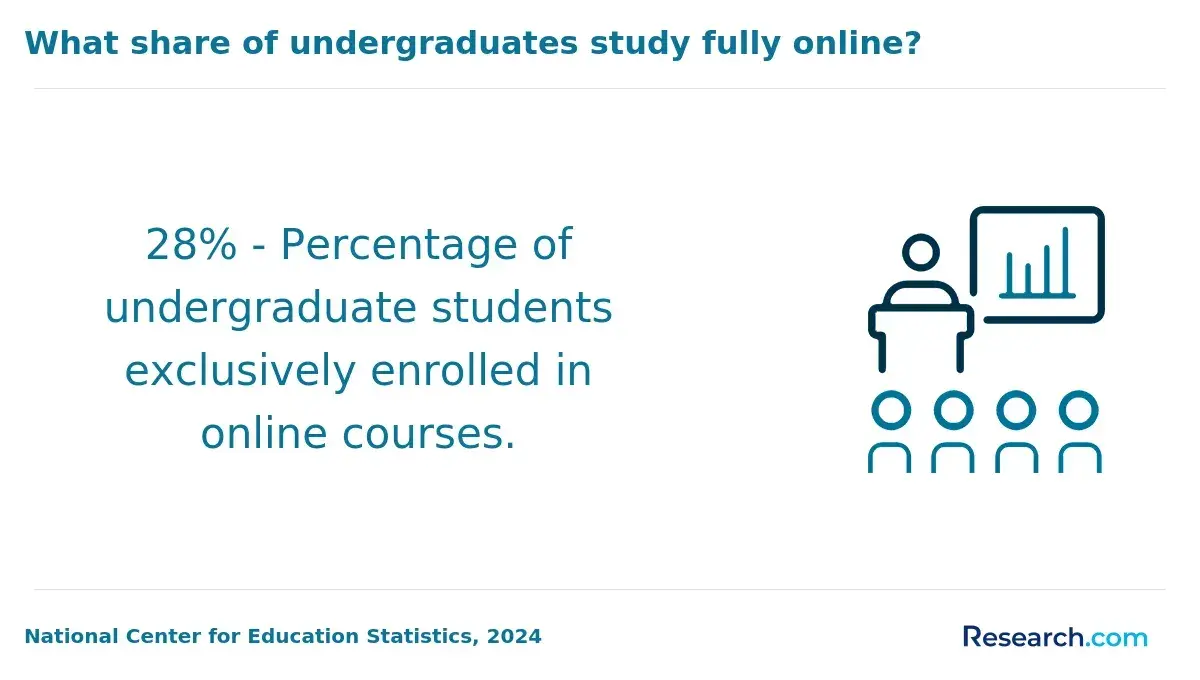
Consider a working adult who previously earned an associate degree and seeks a bachelor's in health administration online. If their former credits are evaluated and transferred successfully, they could bypass foundational courses, focus on upper-level classes, and graduate sooner while balancing job and family commitments. Without thorough credit evaluation, this same student might underestimate gaps in their academic record, encountering unexpected requirements that delay completion.
Prospective students should carefully assess whether transferring credits will improve their graduation timeline by reviewing detailed program curricula and policies, securing an official credit evaluation before enrollment, and estimating remaining credits relative to their intended course load. Transfer credits enhance degree completion odds by reducing redundant courses and boosting motivation, as shown by a 20% increase in six-year graduation rates reported by the National Center for Education Statistics (2024). Still, they represent only one factor among many-including personal circumstances, institutional support, and course sequencing-that influence successful degree completion.
What Student Support Services Improve Health Administration Completion Rates?
Successfully completing a health administration degree varies notably by program format, with student support services playing a decisive role in outcomes. Persistence and graduation hinge on how well support matches learners' needs in online, hybrid, or campus settings. The National Center for Education Statistics 2024 report shows students receiving tailored academic advising maintain about 20% higher graduation rates than those without. Key support areas linked to improved completion rates include:
- Targeted academic advising: Personalized guidance helps students navigate course choices and workload realistically, critical in online programs where learners juggle multiple commitments. This targeted advising addresses common barriers like procrastination and curriculum confusion.
- Comprehensive tutoring and skill workshops: Facilitated sessions in writing, quantitative reasoning, and core health topics boost confidence and competence, which research from the Education Policy Institute associates with higher persistence, especially among campus students striving to master challenging coursework.
- Blended support models for hybrid learners: Combining live, in-person check-ins with flexible virtual resources provides adaptive support. The American Council on Education in 2024 observed hybrid students benefiting from this flexibility, reporting greater satisfaction and completion likelihood when they can alternate learning modes and access assistance on demand.
- Financial and career counseling: Counseling that links academic progression to job market realities reduces dropout risks tied to employment uncertainty. The U.S. Department of Education's 2024 survey identifies transparent career outlook discussions as pivotal in retaining students focused on return on investment.
- Mental health and wellness services: Easily accessible psychological support addresses stress and balance challenges affecting non-traditional and remote students disproportionately. Programs integrating these resources see tangible retention improvements by fostering holistic wellbeing.
One recent online health administration graduate shared how she initially struggled with isolation and self-discipline. Despite hesitation about asking for help, reaching out to an academic advisor who customized her course plan and connecting regularly with a peer mentorship program shifted her experience. She credited these combined supports with preventing burnout and enabling steady progress, underscoring that no single service suffices-successful completion stems from accessing a tailored mix sensitive to personal challenges and learning format.
How Do Health Administration Completion Rates Affect Career Outcomes?
Completion rates for health administration degrees have a tangible impact on career trajectories, reflecting more than just academic achievement. Graduates who earn their bachelor's degree in health administration tend to demonstrate qualities that employers value, such as persistence and time management. According to a 2024 report from a leading workforce research organization, individuals with a completed bachelor's degree in this field have a significantly higher likelihood of securing jobs with stable income, particularly in middle- and upper-management roles within healthcare settings. The following points summarize core ways degree completion shapes career outcomes.
- Improved employment stability and access to leadership roles: Completing a health administration degree signals mastery of both administrative knowledge and essential soft skills, translating into better job stability and access to higher-level positions. Graduates who persist through degree requirements are typically preferred for roles requiring responsibility and complex problem-solving, a benefit most pronounced for those targeting hospital administration or healthcare systems management.
- Variation in completion rates by program format affects outcomes: Campus-based programs generally see higher degree completion rates due to structured schedules and direct engagement, leading to stronger employment prospects. Hybrid programs offer a middle ground but do not always match campus rates, while fully online formats, despite flexibility, often struggle with lower completion. This disparity means prospective students must weigh convenience against the realistic completion risks that influence future career opportunities in health administration.
- Degree completion enhances graduate education and certification prospects: Those who finish their degrees are more likely to pursue graduate-level study or specialized certifications, which are increasingly critical for competitive advancement. This pathway builds leadership potential and salary growth over time, though it still requires individual effort and favorable labor market conditions.
- Incomplete studies rarely translate into career gains: Individuals who do not complete their health administration degree programs tend to see minimal improvement in earning potential or long-term employability in administration roles. This underscores the importance of finishing the degree for meaningful career progress, especially when competing with fully credentialed peers.
For those exploring healthcare career paths, understanding health administration degree completion impact on careers is essential. Specifically, individuals might also compare requirements and outcomes in allied fields such as pharmacy; resources about pharmacist education requirements can provide useful context on professional credentialing and workforce entry.
How Should Students Choose the Best Health Administration Learning Format?
Choosing the best learning format for a health administration degree requires weighing multiple practical considerations beyond convenience or cost. A 2024 study from the National Center for Education Statistics shows that students balancing full-time work or family duties tend to complete online or hybrid programs at higher rates, while campus-based formats still lead overall in degree completion due to structured support. To navigate these variables successfully, students should evaluate key personal and academic factors.
Here are critical elements to consider when selecting the best health administration degree format for student success:
- Work and Family Commitments: Students with demanding schedules often benefit from online or hybrid programs that offer greater flexibility. Assess whether your responsibilities allow consistent study time and if remote learning tools are accessible and reliable for you.
- Self-Discipline and Motivation: Online and hybrid formats require strong self-management skills. If you thrive with external deadlines and face-to-face interaction, campus programs might better sustain your academic persistence.
- Access to Technology: Reliable internet and digital literacy are essential for success in non-campus settings. Inadequate technology can undermine engagement and timely completion.
- Learning Style Preferences: Some students absorb material best through direct faculty interaction and peer collaboration found on campus, while others excel with the autonomy of asynchronous online study.
- Exposure to Practical Experience: Employers often favor graduates with hands-on experience, typically gained via campus internships or practicum placements. Consider the availability and quality of experiential learning in each format.
- Demographic Factors: Younger students statistically perform better in structured campus environments, while adult learners may find hybrid or online options more manageable alongside life commitments.
- Career Services and Networking Opportunities: Evaluate each format's access to career support and professional networks, which can influence job prospects post-graduation.
For students seeking an accelerated pathway to earn a degree online, options such as the accelerated applied behavior analysis masters online illustrate how program design can substantially affect time-to-completion and career trajectory. Applying similar scrutiny to health administration programs ensures better alignment of format with your educational and professional goals.
What Are the Long-Term Pros and Cons of Each Health Administration Learning Format?
Long-term outcomes for health administration degrees differ by learning format, impacting completion rates, career networking, and flexibility. Campus programs frequently yield higher graduation rates due to structured schedules and faculty interaction, which supports leadership development. In contrast, online programs provide flexibility essential for working adults but often face increased attrition because of reduced social engagement. Hybrid models offer a balance, blending convenience with some in-person support, often improving persistence.
Key factors to consider when choosing a learning format include:
- Completion Rate Disparities: Campus formats typically have higher completion rates, with recent 2024 studies from accredited higher education research bodies showing stronger persistence than fully online tracks, which face challenges from isolation and limited resource access. Hybrid programs usually outperform online-only in retention by integrating face-to-face elements.
- Networking Opportunities Impact Long-Term Careers: Campus programs facilitate direct professional networking critical for career advancement in health administration, while online learners must actively build virtual networks, which may delay leadership roles.
- Flexibility and Life Balance: Online formats offer unparalleled scheduling flexibility, benefiting self-motivated professionals managing work and family, though this often demands heightened discipline to avoid extended degree timelines.
- Hybrid Scheduling Complexity: While hybrids blend formats well, juggling alternating in-person and online commitments can pose organizational challenges, potentially discouraging some students.
- Access to Campus Resources: Physical campuses provide richer access to advising, internships, and workshops that enhance career readiness, advantages less accessible to fully online students.
References
- Healthcare Administration AAS https://slchc.edu/academics/programs/associates/healthcare-administration/
- Healthcare Management, Administration & Policy Degree Programs https://www.healthcaremanagement.org/degree/
- MHA Graduation Requirements https://www.fdu.edu/mha-graduation-requirements/
- Health Administration - BHA - Programs - Toronto Metropolitan University (TMU) https://www.torontomu.ca/programs/undergraduate/health-administration/
- Health Administration Careers | HealthAdministrationDegrees.com https://www.healthadministrationdegrees.com/health-administration-careers/
- What is the Timeline for Obtaining a Degree in Healthcare Management? - Healthcare Management Degree Guide https://www.healthcare-management-degree.net/faq/what-is-the-timeline-for-obtaining-a-degree-in-healthcare-management/
- Online MHA Programs Ranked by Affordability (2025) https://www.mhaonline.com/blog/affordable-online-mha-programs-ranked
- Online Healthcare Administration Bachelor Degree | Indiana Wesleyan University https://www.indwes.edu/program/bs-healthcare-administration/
- What Jobs Can You Get With a Healthcare Administration Degree? [Quiz] https://www.umassglobal.edu/blog-news/jobs-can-you-get-a-healthcare-administration-degree-quiz
- Master of Health Administration: Building Tomorrow's Healthcare Leaders https://www.unthealth.edu/tcom/public-health/master-of-health-administration.html
Other Things You Should Know About Health Administration
Yes, the format can affect employer perceptions, especially in fields where in-person collaboration and networking are valued. Campus and hybrid formats often provide more direct interaction with faculty and peers, which can translate to stronger professional references and practical experience. Online formats may require students to proactively demonstrate their self-discipline and technological proficiency, skills increasingly relevant but less visible at face value. Students prioritizing employer recognition should weigh the potential networking benefits of hybrid or campus programs against the flexibility of online options.
Campus programs tend to have fixed schedules with structured class times, creating a consistent workload pattern that some students find easier to manage. Online programs often require greater self-regulation to balance asynchronous coursework with personal and professional responsibilities, which can lead to delayed completion if time management skills are lacking. Hybrid models introduce variability, combining scheduled meetings with flexible components, which may challenge students adapting to inconsistent rhythms. Prospective students should honestly assess their organizational skills and daily schedules to choose a format that aligns with their capacity to sustain workload demands.
Students juggling full-time work and family responsibilities often face higher risks of non-completion in campus-based programs due to rigid class times and commuting demands. Online formats generally offer more flexibility but may create isolation that impacts motivation, especially for students new to higher education or without strong digital literacy. Hybrid formats can benefit those needing some structure but may also add complexity by requiring on-site attendance on unpredictable schedules. Prioritizing a format that aligns with one's personal circumstances is crucial to minimizing barriers created by external commitments.
Students aiming to integrate learning with current job duties or gain hands-on experience simultaneously often benefit more from hybrid and campus programs that include practicums, labs, or group projects. These formats encourage direct engagement with real-world scenarios and immediate feedback, which can enhance comprehension and motivation, supporting timely degree completion. Online programs may delay practical exposure or require students to independently seek opportunities, potentially slowing skill application and prolonging completion. For those focused on rapid skill transfer and career advancement within health administration, hybrid or campus options tend to offer clearer pathways.