2027 Health Administration Career Outcomes by Degree Level Report: Pay, Employment, and Advancement Patterns

Co-Founder and Chief Data Scientist
Deciding whether to pursue a bachelor's, master's, or doctoral degree in health administration can be daunting, especially when tangible career outcomes are unclear. For many working professionals or military-affiliated students, the question isn't just about cost or time investment but how each degree impacts actual employment prospects and pay. A 2024 study from the Bureau of Labor Statistics highlights that advanced degrees increasingly correlate with higher leadership roles and job stability in healthcare administration, reflecting evolving employer expectations. This report breaks down pay, employment rates, and advancement patterns by degree level to clarify which educational path maximizes career value in health administration.
Key Things to Know About Health Administration Career Outcomes by Degree Level
- Associate degrees often enable quicker workforce entry but limit access to management roles, reflecting a crucial tradeoff between rapid employment and long-term advancement potential in health administration.
- Employers increasingly prefer master's-level credentials for supervisory and policy-influencing positions, signaling a workforce trend where credential level directly affects leadership opportunities and hiring competitiveness.
- Certificate programs offer targeted skills with lower costs and shorter durations, supporting professionals seeking credential progression without delaying career momentum or incurring extensive educational debt.
- Key Things to Know About Health Administration Career Outcomes by Degree Level Key Things to Know About Health Administration Career Outcomes by Degree Level
- What Career Outcomes Can Students Expect From Each Health Administration Degree Level? Career Outcomes by Degree
- How Much Do Health Administration Graduates Earn by Degree Level? Salary by Degree Level
- Which Health Administration Degree Level Offers the Strongest Employment Prospects? Best Degrees for Employment
- What Entry-Level Jobs Can You Get With a Health Administration Degree? Entry-Level Career Opportunities
- How Do Health Administration Degree Levels Affect Career Advancement and Promotion Opportunities? Career Growth by Degree
- Is a Health Administration Degree Worth It Based on Salary, Employment, and ROI? Salary, ROI, and Value
- How Do Associate, Bachelor's, Master's, and Doctoral Health Administration Degrees Compare? Comparing Degree Levels
- Which Industries and Employers Hire Health Administration Graduates by Degree Level? Which Industries and Employers Hire Health Administration Graduates by Degree Level?
- What Skills, Credentials, and Experience Improve Health Administration Career Outcomes? What Skills, Credentials, and Experience Improve Health Administration Career Outcomes?
- Which Health Administration Degree Level Is Best for Your Career Goals? Choosing the Right Degree
What Career Outcomes Can Students Expect From Each Health Administration Degree Level?
Health administration degree career outcomes by education level reflect significant differences in employment accessibility and advancement opportunities. For many working adults or transfer students aiming to quickly enter the workforce, certificates and associate degrees offer expedited pathways into entry-level and support roles, such as billing coordinators or insurance specialists; however, these credentials often limit upward mobility without further education. Employers place increasing value on bachelor's degrees for mid-level management positions, supported by practical internship experiences that enhance readiness for supervisory roles. This creates a practical tradeoff where prioritizing a bachelor's degree involves a greater time and credit investment but aligns with labor market trends showing faster-than-average growth in healthcare administration jobs, according to the U.S. Bureau of Labor Statistics.
Those evaluating options should also consider practical implications like credential recognition and certification alignment, which affect role readiness and pay scales. For students exploring foundational routes into the field, including certificate options, resources such as the cheapest medical billing and coding online courses provide accelerated skill development but may demand follow-up education to overcome advancement barriers. The interplay between degree level, employer preferences, and workforce demand shapes distinct trajectories, underscoring the importance for prospective students to assess how their credential choices align with both immediate employment needs and longer-term professional goals in Health Administration.
How Much Do Health Administration Graduates Earn by Degree Level?
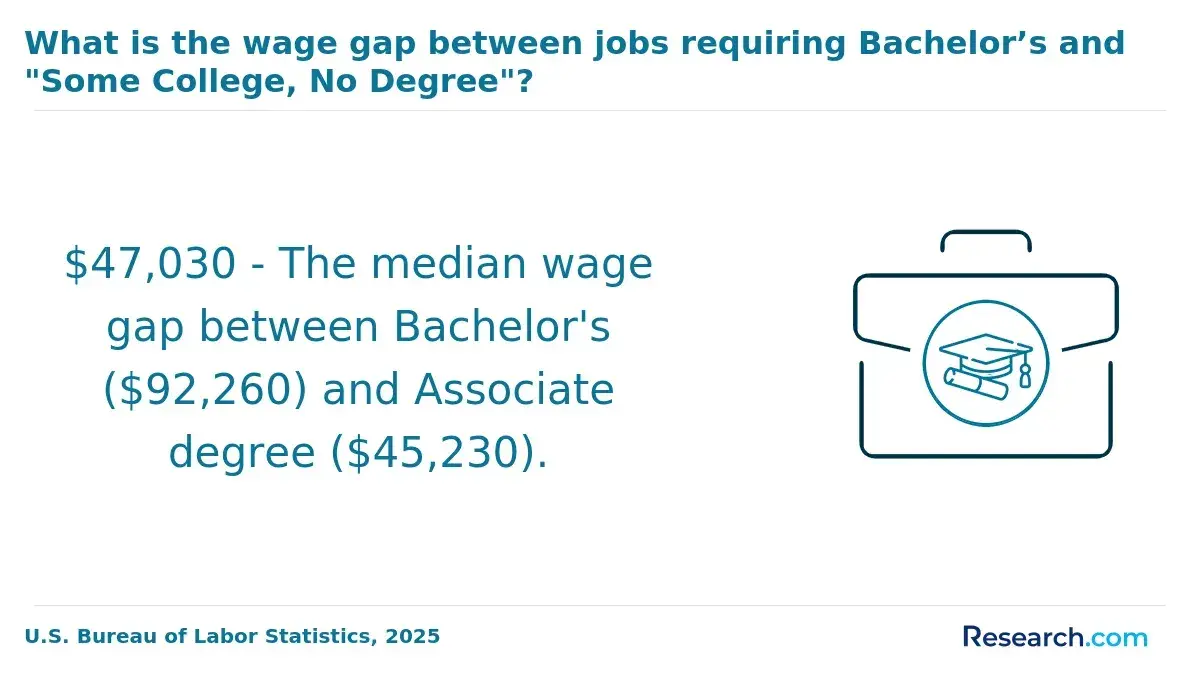
Earnings for health administration graduates vary significantly depending on degree level, geographic location, and employer expectations, which often require practical experience or certifications alongside formal education. Entry-level roles held by certificate or associate degree holders typically offer median wages between $40,000 and $55,000, but these positions frequently come with limited upward mobility unless further education or specialization is pursued. Bachelor's degrees open doors to supervisory and coordinator roles with median salaries ranging from $60,000 to $75,000, yet the real-world value depends on the ability to leverage leadership skills and health system knowledge in competitive markets. Those weighing a master's degree must consider that while median wages jump to $85,000-$110,000, the timeline, transfer credits, and cost of advanced programs require clear alignment with career goals and opportunities for advancement in healthcare management, insurance, or policy sectors.
Doctoral or professional degrees tend to target niche, high-specialization roles in research, strategy, or academic leadership, often commanding salaries above $120,000 but at the cost of longer study periods and a narrower job market with fewer openings. Employment stability and promotion likelihood improve with each higher credential, yet adult learners or military-affiliated students may find the incremental gains uneven relative to the investments in time and resources. Industry demands and specific licensure or certification needs also shape how wage premiums translate to real career outcomes-meaning graduates must assess local employer trends and consider if the marginal boost justifies additional schooling compared to gaining experience or targeted credentials. The 2024 data from U.S. federal sources highlight that pragmatic career planning requires balancing early workforce entry against advanced education's potential payoff within healthcare's evolving administrative landscape.
One recent graduate shared how comparing local health system job postings to published wage data influenced their decision to pause after earning a bachelor's degree. Although the master's salary range was appealing, coupling the time commitment with transfer restrictions and out-of-pocket expenses made them cautious. They found many employers emphasized relevant work experience and certifications equal to or more than graduate credentials for mid-level management roles. This graduate ultimately chose to build practical skills through targeted certificates and project leadership while monitoring opportunities for advanced degrees once their role and industry needs became clearer, reflecting the complex tradeoffs students face when interpreting pay differences across health administration pathways.
Which Health Administration Degree Level Offers the Strongest Employment Prospects?
Employment prospects in health administration hinge significantly on the credential level, with a master's degree typically offering the most robust access to in-demand roles and upward mobility. While associate degrees and certificates provide quicker workforce entry, they often situate graduates in operational or support capacities with limited advancement potential. Employers in many regions, especially urban centers with competitive healthcare markets, increasingly expect a bachelor's degree at minimum, favoring master's holders for managerial positions where complex regulatory knowledge and leadership skills are critical. For example, a professional pursuing a master's degree might leverage internships and more advanced coursework to qualify for roles that demand strategic oversight, which are generally not accessible to those holding only a bachelor's or lower credential.
The differential between degree levels is reflected in employment stability and compensation; data from the U.S. Bureau of Labor Statistics in 2024 underscores that master's degree holders in healthcare management experience roughly 7% higher employment rates and subsequently, about 20% greater median wages five years after graduation compared to bachelor's degree holders. Doctoral degrees often funnel graduates into scholarly or policy-specific niches rather than broader administrative roles, narrowing overall job volume. Choosing whether to enter the workforce early with a lower-level credential or to invest time and resources in an advanced degree depends on individual circumstances such as current employment status, financial feasibility, and long-term career objectives. These tradeoffs illustrate that while bachelor's or associate credentials facilitate immediate access, advanced degrees remain crucial for sustained career growth and eligibility in specialized or leadership positions within health administration.
What Entry-Level Jobs Can You Get With a Health Administration Degree?
Entry-level jobs available with a health administration degree vary significantly based on degree level, practical experience, and employer expectations. Individuals with associate degrees often find themselves in technical or support roles such as medical records clerks, which offer hands-on engagement but limited management exposure. Bachelor's degree holders typically access positions with greater responsibility, including health services managers or project coordinators, roles requiring broader organizational understanding and sometimes serving as stepping stones to leadership. Many employers now expect relevant internship or fieldwork experience before hiring, as highlighted by a 2024 workforce analysis showing over 60% of entry-level health administration job postings require such background.
Master's graduates usually enter leadership-track roles like assistant administrator or clinical operations manager, which demand advanced knowledge in strategic management and healthcare regulations. Certification, such as Certified Medical Manager or FACHE, can accelerate advancement for master's-level candidates but is less critical for entry points with lower degrees. Geographic factors also influence role availability, with urban centers favoring specialized administrative skills and rural settings often offering more generalized positions with fewer experience demands. For students weighing pathways, understanding these workforce patterns alongside practical skill-building opportunities is essential, especially for those planning graduate study or seeking sustained job stability.
Prospective students should consider how their chosen degree shapes access to entry-level positions that not only match immediate employment needs but also facilitate long-term mobility within healthcare organizations. Decisions to pursue an associate, bachelor's, or master's health administration program intersect with career planning around credentials, internships, and job market variability. Those aiming for faster progression might explore accelerated programs that balance time investment with practical experience critical to employer hiring practices.
How Do Health Administration Degree Levels Affect Career Advancement and Promotion Opportunities?
Advanced degree attainment in health administration frequently determines both eligibility and timing for leadership roles within healthcare organizations. Employers in larger systems often require a master's degree or higher for mid- to upper-level management positions, where skills such as strategic oversight, financial planning, and navigating regulatory complexities are critical. Data from the 2024 Bureau of Labor Statistics reveal that individuals with master's degrees generally achieve promotions about 20% faster than those holding bachelor's degrees, reflecting how graduate-level training accelerates readiness for increased responsibilities. Conversely, bachelor's degree holders may encounter slower career progression, often remaining confined to entry or mid-tier supervisory roles unless supplemented by extensive professional experience or certifications recognized by the industry.
Decision-makers weighing additional education should consider how degree level interacts with work experience and transfer credits, especially for adult learners and military-affiliated students seeking career mobility. While an associate or bachelor's degree provides essential workforce entry, the deeper management competencies and credentialing pathways tied to master's programs more reliably position graduates for advancement in complex healthcare environments. That said, a higher degree doesn't guarantee promotion; employer-specific credential requirements and competitive applicant pools mean that education must often be paired with demonstrated leadership aptitude and relevant job performance.
One recent graduate recalled grappling with whether pursuing a master's in health administration would materially impact promotion prospects in a regional hospital network. Although already holding a bachelor's and several years of supervisory experience, the individual faced internal policies favoring advanced degrees for department head roles. Initially hesitant about returning to school amidst work demands, the graduate ultimately viewed the master's credential as a strategic investment after recognizing that the degree opened doors to leadership tracks otherwise inaccessible, lending needed credibility during internal hiring rounds while building confidence to engage in policy and financial decision-making.
Is a Health Administration Degree Worth It Based on Salary, Employment, and ROI?
Salary and employment outcomes for health administration degree holders vary significantly by degree level, local labor market conditions, and individual work experience. Those with master's degrees often command salaries materially higher than bachelor's graduates, frequently reflecting roles with greater managerial responsibility. However, the opportunity cost of completing a graduate program-including potential lost wages and added tuition-must be carefully weighed, especially for working adults or military-affiliated students balancing existing employment. In regions with high demand for healthcare leadership, advanced credentials combined with recognized certifications can enhance career mobility, whereas in less competitive markets, bachelor's holders with relevant experience may secure entry-level roles that still offer stable employment.
Return on investment for health administration graduates depends on navigating the interplay between educational expenses, completion time, and salary growth. Data on health administration degree salary ranges and employment outcomes reveal that bachelor's degree holders typically incur less debt and faster workforce entry but may face underemployment or slower advancement. Conversely, master's degree candidates assume higher costs and longer time-to-degree but often benefit from accelerated salary growth and more resilient job prospects. Prospective students should also consider institutional factors such as transfer credit policies and part-time enrollment options, which affect both time to completion and overall cost. Additionally, exploring an online biology degree path or other related fields might be relevant for some seeking alternative healthcare educational routes.
Loan repayment rates for health administration graduates tend to be slightly better than average; however, the decision to pursue further education should incorporate personal career objectives and local employer expectations. Many healthcare employers prioritize certifications like Certified Medical Manager (CMM) or Fellow of the American College of Healthcare Executives (FACHE), which can complement or substitute for higher degrees in certain contexts. Ultimately, the financial and professional value of a health administration degree depends on balancing these factors with realistic assessments of job market demand, potential for advancement, and one's ability to sustain progress without undue delays or debt burden.
How Do Associate, Bachelor's, Master's, and Doctoral Health Administration Degrees Compare?
The choice to stop at an associate degree in health administration typically limits candidates to entry-level, operational roles with narrow advancement potential, making further education important for those seeking sustainable career growth. Bachelor's degrees markedly improve employment prospects, with data from the National Center for Education Statistics showing over 75% employment within six months of graduation, positioning graduates for mid-level supervisory roles that often require specialized knowledge or credentials. Conversely, master's degrees provide a critical advantage for leadership positions and senior management, with employers increasingly valuing the strategic, problem-solving skills developed at this level and recognizing certifications that often hinge on master's credentials as essential for upward mobility.
Returning to school for a master's is a common strategic move for professionals facing a plateau in responsibility or pay, especially as the healthcare sector forecasts steady growth in demand for qualified administrators through 2032. Doctoral programs, although less common and demanding more substantial time and financial investments, cater primarily to those targeting executive leadership, policy influence, or academic roles that require rigorous research and innovation capabilities. Unlike streamlined bachelor's-to-master's pathways, doctoral programs rarely accept transfer credits, extending time to completion and increasing opportunity costs, which calls for careful consideration of one's long-term career goals and flexibility in employment during study.
Students must weigh the tradeoffs between time invested and professional utility: an associate degree may suffice for immediate workforce entry but restricts career versatility and earning potential, whereas a bachelor's degree balances employability and practical leadership preparation. Master's education often unlocks roles with greater decision-making authority and certification eligibility, critical for sustained advancement. The doctoral option remains specialized, best suited for those committed to shaping healthcare systems at a macro level or expanding knowledge through research and teaching, where the extended timeline is justified by distinct career paths not accessible with lower degrees.
Which Industries and Employers Hire Health Administration Graduates by Degree Level?
Hiring patterns for health administration graduates vary significantly by degree level, reflecting employer expectations and occupational demands across the healthcare sector. Associate degree holders typically find roles in operational support within outpatient facilities, nursing homes, and smaller medical offices, where foundational skills in billing and scheduling suffice but managerial advancement is limited. In contrast, bachelor's degree graduates access supervisory and compliance roles within hospitals, public health agencies, and insurers, benefiting from broader exposure to policy and regulatory environments that enable more lateral mobility, though leadership opportunities remain modest without further credentials.
Master's-level candidates, especially those with a Master of Health Administration, are distinctly sought after for leadership and strategic roles in hospitals, integrated health systems, and consulting firms. The U.S. Department of Labor estimates a 20% growth in management positions for these graduates through 2030, showing clear employer preference for advanced analytical abilities, operational oversight, and policy acumen. Doctoral graduates, by contrast, are concentrated in research-heavy environments such as academic institutions and think tanks, where expertise in health systems analysis and high-level consulting shapes policy rather than day-to-day management. Certificate programs mainly serve working professionals aiming to enhance specialized skills in areas like health IT or compliance, often supplementing existing roles rather than opening new career tracks.
What Skills, Credentials, and Experience Improve Health Administration Career Outcomes?
Success in health administration increasingly hinges on nuanced combinations of technical skills, applied experience, and targeted credentials depending on degree level. Bachelor's degree holders aiming for entry to mid-level managerial positions must prioritize proficiency with electronic health records (EHR) systems, data analytics tools, and communication capabilities that align with employer expectations. For example, hiring managers often require documented leadership experience and project management exposure to consider candidates for supervisory roles, underscoring the value of internships or apprenticeships that yield tangible portfolio evidence. Candidates pursuing advanced degrees face pressure to add certifications like Certified Professional in Healthcare Quality (CPHQ) or Fellow of the American College of Healthcare Executives (FACHE), which differentiate them in leadership talent pools and can accelerate promotion timelines.
The interplay of credentials and practical experience shapes career mobility, with adult learners and military-affiliated students benefiting from pathways that recognize prior experience and integrate supervised fieldwork. Licensure remains a critical but niche requirement, particularly for compliance and long-term care administration, necessitating early consideration for those specialty tracks. Data from the Bureau of Labor Statistics (2024) and employer surveys reflect that multiple stacked credentials combined with sustained applied learning signal commitment and adaptability, broadening employment access in a competitive labor market. Those balancing transfer credits or working while studying should weigh the tradeoffs between immediate employability and the long-term impact of higher credentials on pay and leadership opportunities. Incorporating specialization aligned with personal goals and degree requirements, including exploration of online exercise science degrees, can further enhance skill sets that employers recognize as relevant and adaptable.
Which Health Administration Degree Level Is Best for Your Career Goals?
The choice of health administration degree level critically shapes employment opportunities, advancement ceiling, and specialization pathways. An associate degree generally leads to entry-level roles with limited upward mobility, while a bachelor's degree unlocks broader mid-level positions that many employers require for supervisory roles. For example, an adult learner working full time might find the accelerated bachelor's route practical for expanding responsibilities, but should anticipate that advancing beyond mid-management often mandates graduate credentials. According to 2024 National Center for Education Statistics data, bachelor's degree holders experience a 12% higher employment rate compared to those without.
Graduate-level education, particularly a Master of Health Administration or related degree, frequently serves as the gateway to executive leadership, specialized fields, and policy-making roles. The U.S. Bureau of Labor Statistics notes that three-quarters of healthcare executive positions prefer candidates with graduate credentials, emphasizing the premium placed on advanced qualifications. This level also supports career changers and professionals shifting into healthcare finance, informatics, or regulatory tracks, though it requires balancing longer time-to-completion and greater opportunity costs. Transfer students and working professionals benefit from growing part-time and accelerated programs designed to reduce interruptions and debt burdens.
Individuals considering the best health administration degree for career advancement must weigh immediate affordability and credit transfer strategies against long-term earning potential and employer credential preferences within their niche. Those targeting entry points in healthcare support can also explore related credentials-such as a medical billing and coding certificate online accelerated-to enhance employability quickly. Ultimately, alignment of educational investment with specific workforce demands and credential expectations drives more effective decision-making for career trajectory planning.
References
- MHA vs. Bachelor's in Healthcare Management https://www.mhaonline.com/faq/bachelors-in-healthcare-management-vs-mha
- Advancing Your Career in Healthcare: Tips and Strategies https://www.sunshinecarenetwork.com/blog/advancing-your-career-in-healthcare-tips-and-strategies
- Healthcare Administration Certifications https://www.publichealthdegrees.org/careers/healthcare-administrator/certification/
- Health Administration Degrees https://www.healthadministrationdegrees.com/programs/
- What Are the Differences in Salary Level for Different Degrees in Healthcare Management? | MHA Salary https://www.healthcare-management-degree.net/faq/what-are-the-differences-in-salary-level-for-different-degrees-in-healthcare-management/
- Top Options for Healthcare Career Advancement https://www.baypath.edu/news/bay-path-university-blogs/post/top-options-for-healthcare-career-advancement/
- What Jobs Can You Get With a Healthcare Administration Degree? [Quiz] https://www.umassglobal.edu/blog-news/jobs-can-you-get-a-healthcare-administration-degree-quiz
- 6 Career Paths in Healthcare Administration You Should Consider https://blog.medicalacademy.org/career-paths-in-healthcare-administration/
- Future Students https://www.aupha.org/resourcecenter/futurestudents
- 6 Reasons to Consider a Career in Healthcare Administration https://www.calcoast.edu/news/6-reasons-to-consider-a-career-in-health-care-administration
Other Things You Should Know About Health Administration
The workload and time commitment increase substantially at higher degree levels, with master's and doctoral programs demanding more intensive study, research, and practical application. For working adults, balancing a master's program with job responsibilities can be challenging, often requiring careful time management or reduced work hours. If immediate return to the workforce is critical, a bachelor's degree may offer a more manageable balance with quicker entry, while those aiming for senior leadership should plan for the longer investment required at graduate levels.
Doctoral degrees typically offer specialized research and leadership skills but do not guarantee significantly higher positions or salary boosts compared to master's degrees in many health administration roles. Employers often value practical experience and relevant certifications more than a doctorate unless pursuing academic or top-tier consulting careers. For most professionals, a master's degree combined with substantial field experience offers the optimal balance of advancement potential without the extended time and financial burden of a doctoral program.
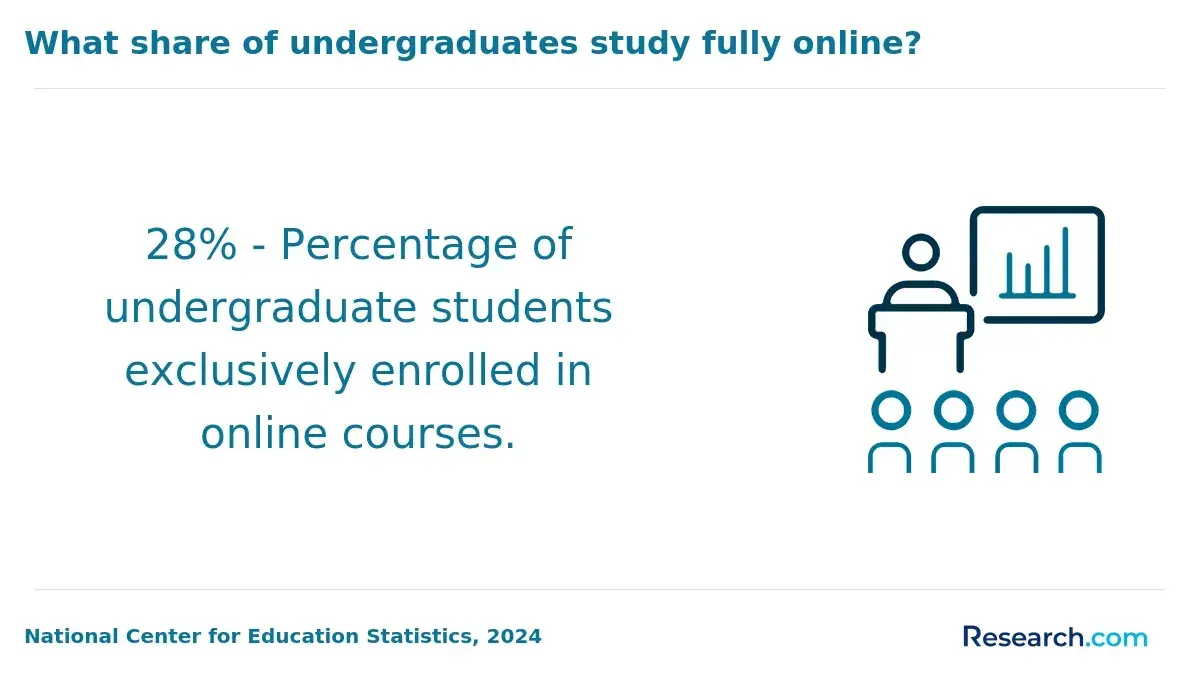
Program structure materially affects learning outcomes and employer perceptions in health administration careers. Programs emphasizing applied learning, internships, and direct exposure to healthcare systems deliver stronger employment outcomes. Online programs provide flexibility but may lack embedded networking opportunities and hands-on experience, which are crucial in this field. Prioritize programs with proven practicum placements or hybrid models if you want employer-ready skills and stronger post-graduation placement.
While some entry-level master's programs accept students with limited experience, most health administration employers prioritize candidates with demonstrated healthcare or management experience along with an advanced degree. Pursuing a degree too early can limit exposure to practical workplace challenges that enrich learning and better prepare graduates for leadership roles. In practice, funding and schedule flexibility often dictate sequence, but prioritizing at least a few years of relevant work experience before an advanced degree generally improves career resilience and advancement prospects.