2027 Health Administration Student Debt Report: Borrowing, Monthly Payments, and Repayment Risk

Co-Founder and Chief Data Scientist
Health administration programs often entail extended timelines due to comprehensive curriculum requirements and mandatory fieldwork, influencing borrowing patterns uniquely within the discipline. Licensing and accreditation standards require significant investments in practicum experiences, driving students to finance longer educational paths.
Recent data from the National Center for Education Statistics indicate that health administration graduate enrollment skews older, reflecting midcareer transitions and potential income disruption during study. This age distribution may affect repayment outcomes as older borrowers face compressed working years post-degree.
This article examines borrowing behaviors, monthly loan payment burdens, and repayment risks specific to health administration, contextualizing financial decisions amid workforce demands and professional trajectories in the field.
Key Things to Know About Health Administration Student Debt
- Health administration student debt often exceeds national averages, reflecting program length and specialized curricula; this heightens repayment pressure and necessitates careful loan management timing, impacting career entry points.
- Monthly repayment obligations can constrain early-career mobility, as employers expect candidates to balance debt with demonstrable operational competencies, influencing hiring and advancement opportunities.
- Debt repayment risk rises with delayed income progression; recent 2024 data indicate deferred earnings amplify long-term financial strain, underscoring a tradeoff between extended study duration and prompt labor market engagement.
- Key Things to Know About Health Administration Student Debt Key Things to Know About Health Administration Student Debt
- How Much Student Loan Debt Do Health Administration Graduates Typically Have at Graduation? Average Studen Loan Debt
- What Factors Have the Biggest Impact on Health Administration Student Loan Debt? Student Debt Key Factors
- What Is the Average Monthly Student Loan Payment for Health Administration Graduates? Average Monthly Payment
- How Do Repayment Rates Compare Between Public and Private Institutions? Public vs. Private Institution Repayment Rates
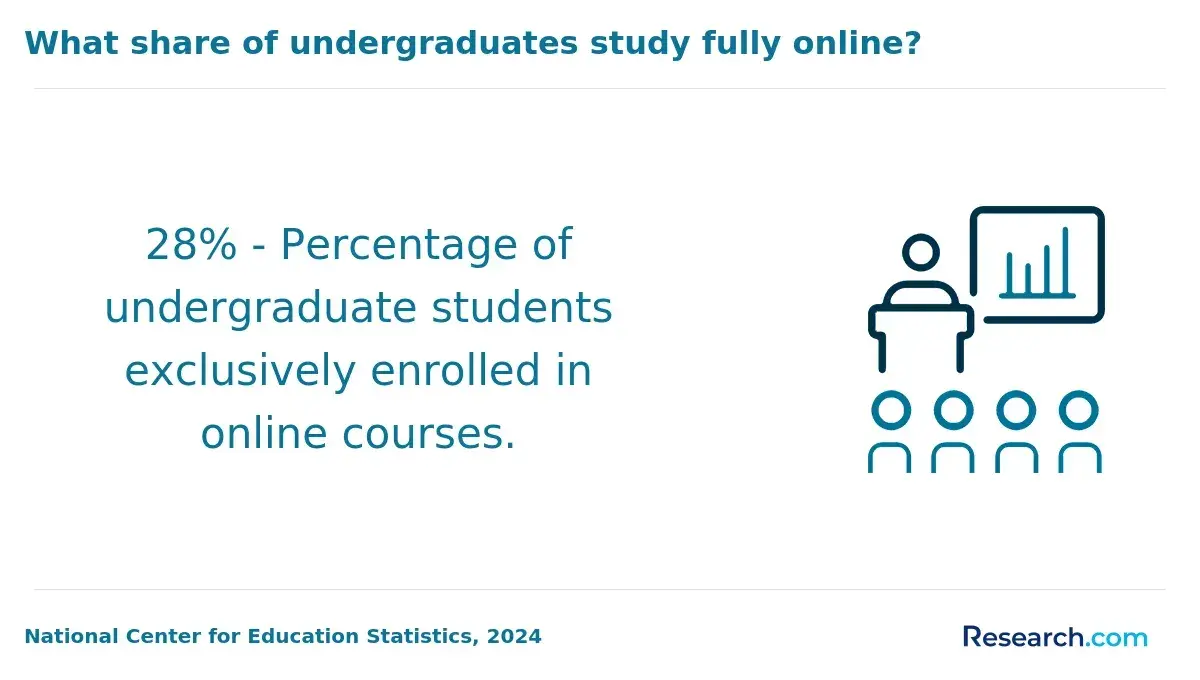
- Do Online Health Administration Graduates Have Different Repayment Outcomes Than Campus-Based Students? Online vs. On-Campus Student Loan Repayment
- Which Industries Provide the Best Financial Return Relative to Borrowing Costs? Which Industries Provide the Best Financial Return Relative to Borrowing Costs?
- Does Student Debt Affect Which Jobs Health Administration Graduates Accept? Does Student Debt Affect Which Jobs Health Administration Graduates Accept?
- What Factors Increase Student Loan Repayment Risk for Health Administration Graduates? Loan Repayment Risk Factors
- How Can Health Administration Students Reduce Student Loan Debt While Earning Their Degree? Tips to Reduce Student Debt
- How Should Prospective Students Evaluate Borrowing Risk Before Enrolling? Evaluating Student Debt Risk
How Much Student Loan Debt Do Health Administration Graduates Typically Have at Graduation?
Graduates completing health administration programs typically accumulate student loan debt that ranges from approximately $30,000 to $55,000 by the time they finish their studies, according to recent analyses from credible sources such as the College Scorecard and national education databases. This variation reflects differences across program types and degree levels, notably between bachelor's and master's degrees, with higher education costs pushing debt toward the upper limit for advanced certifications. These averages also incorporate the impact of unpaid internships and the decision of some students to forgo employment during full-time study, factors that inflate borrowing beyond tuition alone. Awareness of these debt load benchmarks is essential for assessing the financial impact of pursuing a health administration degree and planning for repayment obligations.
The disparity in typical student borrowing amounts for health administration degrees is influenced by several critical factors, including the distinction between public and private institutions. Public universities, especially for in-state students, generally incur lower tuition fees, which helps reduce overall loan amounts, whereas private schools often drive costs-and thus debt-higher. Additionally, enrollment patterns such as part-time versus full-time status affect borrowing; part-time students who work while studying tend to accrue less debt. Financial aid availability, including scholarships and grants, further modulates borrowing needs, though these resources vary widely by school and program length. Geographic differences in cost of living also contribute, with some regions necessitating greater loan reliance to cover living expenses alongside tuition. These elements combine to create a heterogeneous landscape of student debt profiles within health administration graduate student loan debt averages.
Higher loan balances contribute to long-term financial considerations that influence graduate decisions well beyond program completion, including repayment stress and career choices. Income-driven repayment plans may help manage monthly obligations, but borrowers with sizable debt must often secure competitive salaries in entry-level health administration roles to maintain financial stability. The interplay between borrowing levels and expected salaries can shape employment options, prompting graduates to weigh program costs against realistic earnings and job market conditions. For prospective students, evaluating these financial dynamics in tandem with program offerings, such as flexible study formats and associated expenses, is critical to balancing educational investment with sustainable post-graduation outcomes. Those interested in related fields might compare debt expectations by exploring nursing online programs as well.
What Factors Have the Biggest Impact on Health Administration Student Loan Debt?
Student loan debt levels for health administration students are influenced by multiple interconnected factors rather than a single cause. Debt accumulation reflects both the structural pricing mechanisms of higher education institutions and individual financial circumstances, including borrowing behavior and available aid. Understanding these dynamics clarifies why borrowing amounts can vary sharply across students and programs. These variations stem from how program length, institutional type, financial literacy, and other elements interact to shape total debt levels.
- Program Length and Enrollment Patterns: Graduate-level health administration programs generally require a longer time commitment than undergraduate degrees, leading to higher total tuition charges and living expenses. Extended enrollment exacerbates borrowing needs, especially when students attend full-time without substantial income sources. According to the National Center for Education Statistics for 2024, graduate students in health-related fields carry about 35% more debt than those with only bachelor's degrees, highlighting the strong correlation between program duration and increased borrowing.
- Institutional Pricing and Public vs. Private Sector Differences: The type of institution greatly influences tuition costs and thus borrowing. Public universities typically offer significantly lower tuition, translating into smaller loan balances for many health administration students. In contrast, private and for-profit institutions tend to charge higher rates, pushing students to borrow more. Data from the Institute for College Access & Success in 2024 indicates that debt levels at private universities exceed those at public institutions by roughly 20%, underscoring institutional pricing's impact on student loan burdens.
- Financial Aid Availability and Institutional Support: Access to scholarships, grants, and other forms of aid alters the net cost of education and affects debt accumulation. Institutions with limited financial aid offerings or strict eligibility criteria place greater reliance on student loans. Conversely, students who actively leverage aid opportunities can reduce borrowing but must navigate complex application processes. Aid availability often interacts with enrollment status and program format, affecting overall affordability.
- Program Delivery Format and Associated Costs: Increasingly, health administration degrees are available online, which can lower expenses related to commuting, housing, and time away from employment. However, some online programs carry premium tuition or provide fewer financial aid options, potentially offsetting these savings. Students choosing online paths must weigh upfront cost differences alongside long-term repayment prospects shaped by their total loan amounts and income potential.
- Student Financial Literacy and Borrowing Behavior: Beyond structural costs, individual borrowing decisions driven by financial knowledge profoundly affect total debt. Many health administration students underestimate future repayment obligations, often borrowing without thorough comparison of program outcomes or salary trajectories. The Federal Reserve Bank notes up to 40% of borrowers misjudge repayment burdens, a crucial factor given the variability in regional starting salaries and employer demand within the health administration field.
For those exploring different delivery modes and schedules, examining self paced online colleges may provide useful insights into affordability tradeoffs and loan management strategies within health administration student loan borrowing factors.
What Is the Average Monthly Student Loan Payment for Health Administration Graduates?
Recent analysis from the U.S. Department of Education and Federal Reserve data in 2024 identifies that the typical monthly student loan payment for health administration graduates tends to fall between $250 and $450. This range reflects cumulative borrowing levels, often spanning from $30,000 to $60,000, and assumes standard repayment durations around 10 years. While this provides a useful baseline, it masks notable variability influenced by individual loan structures and local employment markets. For many graduates, monthly repayment around $350 to $400 aligns reasonably with median salaries, which fluctuate between roughly $60,000 and $85,000 depending on experience and region.
The variation in monthly loan payments predominantly arises from factors such as the original loan amount, applied interest rates, and chosen repayment plans. Borrowers with higher balances or advanced degrees may face payments exceeding $500 monthly, especially under standard repayment schedules. Conversely, income-driven repayment programs, alongside employer loan assistance options, can significantly reduce immediate monthly burdens, sometimes below $300. Additionally, salary disparities within health administration roles directly impact affordability and repayment pacing, with extended repayment terms lowering monthly costs but increasing long-term interest accumulation.
One recent graduate recalled navigating a rolling admissions cycle with some hesitation, uncertain when and whether their application would be accepted. Those final weeks before enrollment were filled with strategic calls and preparation, as they balanced job responsibilities alongside urgent application deadlines. The delay created stress, but once admitted, the graduate acknowledged that the time invested in carefully timing submissions and financial planning ultimately eased the transition into managing both educational costs and early career loan obligations.
How Do Repayment Rates Compare Between Public and Private Institutions?
Recent data from the U.S. Department of Education's College Scorecard (2024) reveals a measurable gap in loan repayment rates between graduates of public and private institutions offering health administration programs. Within three years of entering repayment, about 54% of borrowers from public universities had begun paying down their federal student loan principal, compared to roughly 42% of private institution graduates. This trend underscores that graduates of public programs generally achieve earlier reductions in debt balances, signaling varied financial pressures and repayment trajectories linked to institutional characteristics and student borrowing behavior.
The divergence in repayment rates stems largely from differences in tuition pricing models and resultant borrowing levels. Students attending private health administration programs often incur significantly higher debt loads, which increase monthly repayment obligations and extend the time required to meaningfully reduce principal balances. In contrast, public institutions typically benefit from state subsidies and lower tuition, leading to smaller loan amounts and comparatively lighter debt burdens. Additionally, disparities in post-graduation incomes and employment sectors compound these trends; graduates from private programs may not consistently realize sufficient salary premiums to offset their larger debts, while public institution alumni frequently access roles within public and nonprofit healthcare settings that sometimes provide loan forgiveness options or steadier earnings conducive to repayment.
The implications of these patterns extend beyond simple repayment statistics, reflecting on long-term financial resilience and career mobility for health administration graduates. Slower principal reduction among private institution borrowers can elevate repayment stress and restrict financial flexibility, potentially affecting decisions related to homeownership, savings, and further education. Moreover, repayment performance increasingly factors into assessments of institutional value and accountability, influencing both prospective students' enrollment decisions and policymakers' funding priorities. Recognizing how debt-to-income dynamics and institutional cost structures interplay is essential for interpreting these repayment outcomes as meaningful indicators of program affordability and graduate economic viability.
Do Online Health Administration Graduates Have Different Repayment Outcomes Than Campus-Based Students?
Recent analyses reveal nuanced differences in repayment outcomes between online and campus-based health administration graduates. While both groups face similar borrowing challenges, online graduates often experience distinct repayment trajectories due to factors such as employer support, program costs, and demographic profiles.
Notably, graduates from online health administration programs tend to be older, often balancing employment and family obligations, which can affect their repayment capacity and timelines. Many online students may enter programs with existing debt or financial responsibilities, influencing monthly payment amounts and prolonging repayment periods compared to younger, campus-based counterparts.
A pivotal element influencing repayment differences lies in the institutional type from which students graduate. Data from recent federal educational studies in 2024 indicate that graduates from public institutions generally report higher repayment rates within three years than those from private institutions in health administration disciplines. Specifically, the U.S. Department of Education's latest cohort default rates and repayment performance reports show an average three-year repayment rate of approximately 57% for public university graduates compared to around 49% for private institution graduates. These figures reflect broader patterns in how public versus private institutions manage tuition pricing, financial aid, and student demographics, directly impacting borrowing and repayment behavior among health administration students.
This discrepancy can be attributed to multiple factors. Public institutions often offer more affordable tuition and access to robust state-funded financial aid programs, resulting in lower initial borrowing. Conversely, private institutions typically have higher tuition costs, leading to greater borrowing amounts and increased repayment risks. Moreover, employer networks and internship opportunities commonly accessible through public universities may facilitate smoother transitions into employment, boosting graduates' ability to meet repayment obligations promptly. These structural differences also intersect with graduate earnings and employment outcomes-key influences on repayment capacity, as debt-to-income ratios profoundly affect monthly payments and default risks within health administration cohorts. For students comparing campus versus online health administration student loan repayment outcomes, understanding these institutional financial dynamics is essential in managing long-term debt challenges.
It is crucial for prospective students to weigh these repayment outcomes against their personal circumstances and career goals. While online and private institution graduates may face steeper repayment challenges, flexibility and access to career advancement in some online programs can offset these factors. Ultimately, understanding the interplay between program format, institutional type, borrowing levels, and repayment patterns will better prepare students for managing long-term debt risks in health administration careers. In this context, factors such as projected earnings-as seen in related fields like the mental health nurse practitioner salary-offer useful benchmarks for evaluating post-graduation financial feasibility.
Which Industries Provide the Best Financial Return Relative to Borrowing Costs?
Financial return on health administration degrees varies considerably by industry, dependent not only on average salaries but also on typical borrowing amounts and how quickly earnings grow relative to debt obligations. The real measure of return balances initial debt burdens, often between $45,000 and $60,000, with industry-specific hiring demand, salary trajectories, and job stability. In sectors where earnings rise swiftly and employment is more secure, graduates tend to manage loan repayments more comfortably, reducing default risks compared to fields with slower income growth or lower pay.
- Hospital Systems Administration: Jobs in large urban or regional hospital networks provide some of the strongest financial returns. Median starting salaries around $75,000, coupled with structured promotion paths and steady workforce demand, help offset typical student loan balances more effectively.
- Health Insurance and Managed Care Organizations: These employers offer competitive salaries and benefits, often with performance-based incentives. The relatively stable funding and growth in this sector support consistent repayment capacity, enhancing overall return despite often requiring additional certifications.
- Pharmaceutical and Biotechnology Administrative Roles: Though more specialized, roles in this segment tied to healthcare administration can offer faster salary progression and higher mid-career earnings, which improve debt-to-income ratios and long-term financial outcomes.
- Government Public Health Agencies: Careers in federal, state, or local health agencies focused on policy and regulatory functions tend to provide stable employment with predictable raises. However, lower starting salaries compared to private sector roles may extend loan repayment periods.
According to recent U.S. Bureau of Labor Statistics data (2024), employment in major hospital systems outpaces smaller outpatient or community settings in both salary and growth potential, which correlates with a markedly lower risk of financial distress over typical 10-year loan repayment plans. Industries with less structured pay scales or lower hiring demand may delay income growth, increasing the financial pressure on graduates managing substantial educational debt. Therefore, evaluating ROI in Health Administration requires careful consideration of industry-specific earnings dynamics and repayment feasibility rather than salary alone.
Does Student Debt Affect Which Jobs Health Administration Graduates Accept?
Health administration graduates with substantial student loan debt frequently weigh salary offers and repayment obligations heavily when deciding on initial employment. According to a 2024 report from the National Center for Education Statistics, about 68% of these graduates acknowledge that loan repayment requirements shaped their first job choices. This often causes a prioritization of positions offering immediate financial stability, such as roles in large healthcare systems with established loan forgiveness or repayment programs, over opportunities that might better align with long-term professional goals but provide lower compensation. Median starting salaries in health administration tend to be moderate, which exacerbates these pressures, especially for those with high debt-to-income ratios, pushing them toward jobs that minimize financial risk rather than maximize career fit or growth potential.
The impact of debt on employment decisions also varies by individual circumstances and broader labor market structures. Graduates with heavier debt burdens typically exhibit lower geographic mobility, favoring urban or higher-paying regions where loan repayment assistance is more common, while those with less debt may pursue diverse industry segments including nonprofit or rural settings. This creates lasting effects on workforce distribution and narrows career pathways for indebted individuals who often delay or forgo roles requiring additional qualifications due to financial constraints. Moreover, socio-demographic factors influence these dynamics, as underrepresented groups tend to shoulder larger debts and face greater repayment sensitivities, which can perpetuate inequities in leadership representation and opportunity within health administration fields.
One graduate recalled navigating the rolling admissions timeline with a palpable mix of anxiety and caution. Balancing the uncertainty of loan funding and program acceptance, they hesitated to commit to potential employers without clarity on repayment resources. The candidate eventually secured a position at a large urban hospital whose loan-repayment benefits aligned with their financial needs, but only after weighing the risk of delaying decisions against the urgency of stabilizing their income. This experience underscored how student debt considerations often prompt calculated trade-offs during a graduate's critical early career steps rather than purely aspirational job selections.
What Factors Increase Student Loan Repayment Risk for Health Administration Graduates?
Repayment risk for student loans among health administration graduates is shaped by multiple interconnected factors beyond just the total debt amount. The likelihood of struggling with loan repayment depends on a combination of borrowing levels, early-career salary variability, and employment stability. These elements interact with institutional costs, labor market conditions, and repayment plan availability to influence long-term financial resilience.
Income levels often fail to keep pace with borrowing, making repayment challenging. In fact, the National Center for Education Statistics reports that about 30% of health administration graduates with federal loans encounter repayment difficulties within five years of workforce entry. Understanding these dynamics is essential because repayment risk is not uniform but varies based on the graduate's individual circumstances and sector of employment.
- High Debt Relative to Starting Salary: Graduates frequently assume debt exceeding $50,000 while earning initial salaries between $50,000 and $65,000. This disparity creates a high debt-to-income ratio that limits discretionary funds for monthly payments, amplifying the potential for default.
- Employment Sector and Job Stability: Working in nonprofit or public healthcare roles, which tend to offer lower wages, raises repayment vulnerability. Part-time positions or jobs with limited advancement further reduce income predictability, complicating consistent loan servicing.
- Geographic Salary Disparities: Regional variations in compensation-often favoring urban over rural settings-affect graduates' ability to manage debt, especially when living costs are high without commensurate salary adjustments.
- Rising Education Costs and Limited Tailored Repayment Options: Increasing graduate tuition without parallel financial aid expansions push borrowing higher. Additionally, the scarcity of income-driven repayment plans customized to health administration borrowers constrains flexible repayment strategies.
These intertwined factors create a complex environment where repayment risk must be assessed beyond simple debt totals. Prospective students should consider how borrowing will interact with expected salaries and employment stability. For comparison, examining related roles, such as a functional medicine nurse practitioner salary, may provide perspective on income variability and repayment capacity within healthcare careers.
How Can Health Administration Students Reduce Student Loan Debt While Earning Their Degree?
Reducing student loan debt while earning a health administration degree requires deliberate planning and informed decisions throughout the academic journey. This process combines financial awareness, academic efficiency, and strategic utilization of institutional resources to keep borrowing manageable. Students who integrate these elements early can markedly reduce reliance on loans and improve long-term debt outcomes.
- Prioritize In-State or Accredited Online Programs: Selecting in-state public universities or accredited online degree options can significantly lower tuition expenses. These programs often feature lower sticker prices and reduce the need to borrow extensively compared to out-of-state or private institutions, thereby directly minimizing loan amounts.
- Maximize Scholarships and Grants Targeted to Health Disciplines: Actively pursuing scholarships and grants specific to health administration or related fields decreases dependency on loans since these funds do not require repayment. Many schools and organizations offer awards based on academic merit or field interest, which can offset a substantial portion of costs.
- Engage in Field-Related Part-Time Work or Internships: Gaining healthcare setting experience through internships or part-time roles enables students to earn supplemental income while building professional networks. This approach not only defrays living expenses but can also grant access to employer tuition assistance or loan repayment programs, effectively lowering borrowed sums.
- Leverage Institutional Aid and Financial Counseling: Utilizing university financial aid offices and counseling services helps students navigate available assistance options efficiently. Tailored guidance supports optimal aid packaging, encouraging smarter borrowing decisions aligned with realistic income expectations from health administration careers.
- Minimize Living Expenses Strategically: Reducing rent or housing costs by living at home or sharing accommodations can substantially cut debt accumulation. Maintaining low living expenses during studies prevents unnecessary borrowing unrelated to tuition or direct academic costs.
- Maintain Academic Efficiency: Completing degree requirements on schedule-avoiding extended enrollment-reduces the total cost of attendance. Timely graduation limits accumulating interest on loans and decreases exposure to tuition inflation, which is critical for debt minimization.
Data from the 2024 Federal Student Aid report highlights that health administration students who keep borrowing under $30,000 are significantly less likely to encounter repayment default within five years. Such figures emphasize the value of proactive strategies in managing debt load relative to educational investment and expected earnings in this growing sector.
For students interested in related fields, considering the easiest degree in counseling may offer alternative pathways with different borrowing and career outcomes worth evaluating when planning educational expenses.
How Should Prospective Students Evaluate Borrowing Risk Before Enrolling?
Evaluating borrowing risk before enrolling in a health administration program requires a clear understanding of the balance between the total debt likely to be incurred and the realistic post-graduation earnings that will support repayment. Prospective students must rigorously analyze how their educational investment translates into sustainable financial commitments over years of loan repayment. Given that nearly 60% of health administration graduates carry an average student loan debt of $37,000 according to the National Center for Education Statistics 2024 report, this assessment is critical to avoid undue financial strain.
- Total Debt Exposure: Accurately estimating the full cost of attendance-including tuition, fees, and living expenses-is essential. This baseline figure sets the maximum potential debt and informs whether future income can realistically cover repayment without excessive financial pressure.
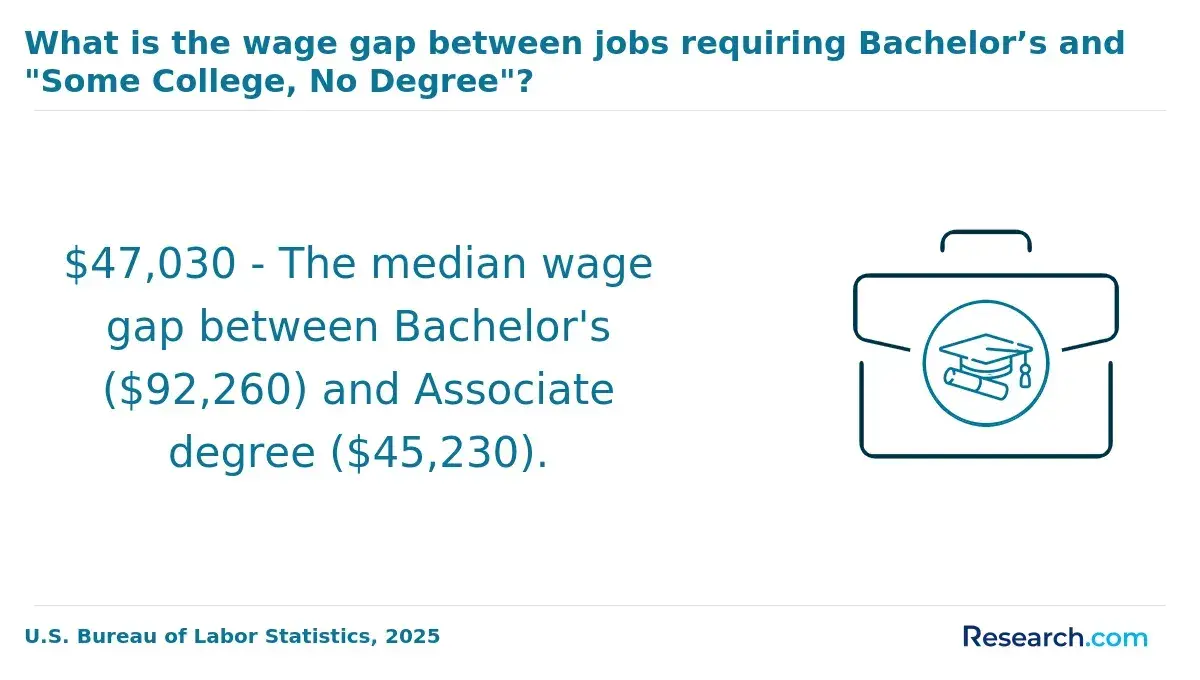
- Projected Earnings and Career Trajectory: Reviewing median and entry-level salaries for medical and health services managers helps contextualize borrowing risk. Early-career earnings often lag the median wage of $104,000 reported by the U.S. Bureau of Labor Statistics, which affects monthly loan affordability.
- Loan Types and Terms: Comparing federal and private loan options-including interest rates, repayment plans, and deferment possibilities-allows borrowers to optimize debt management strategies tailored to their circumstances.
- Institutional Outcomes: Examining program graduation rates and job placement success offers insight into the likelihood of timely degree completion and employment, which are fundamental to sustaining loan repayment.
- Financial Resilience and Obligations: Assessing how loan repayments will interact with other financial responsibilities-such as emergency savings and living costs-provides a realistic gauge of long-term affordability and risk.
A disciplined approach incorporating these factors enables potential students to determine if enrolling in a health administration degree is a financially viable decision rather than an imprudent source of long-term debt risk.
References
- What is the Average Medical Student Debt? | KeyBank https://doctors.key.com/healthcare-banking/what-is-the-average-medical-student-debt/
- Student Loan Forgiveness for Healthcare Workers: How to Get It https://www.tateesq.com/learn/student-loan-forgiveness-healthcare-workers
- Healthcare Under Pressure: Financial Risk Factors and Steps for Mitigating Them https://www.bdo.com/insights/industries/healthcare/healthcare-under-pressure-financial-risk-factors-and-steps-for-mitigating-them
- Veterans’ Use of Private Student Loans: A Primer https://vetsedsuccess.org/veterans-use-of-private-student-loans-a-primer/
- Student Loan Repayment Benefits Explained | KBI Benefits https://www.kbibenefits.com/student-loan-repayment-benefits-explained
- Student Loan Debt by Major [2026]: Highest + Lowest Average Debt https://educationdata.org/student-loan-debt-by-major
- Does Debt Affect Career Choice? | HESA https://higheredstrategy.com/does-debt-affect-career-choice/
- Enrollment in Higher Education https://odphp.health.gov/healthypeople/priority-areas/social-determinants-health/literature-summaries/enrollment-higher-education
- 10 Ways to Reduce Medical School Debt Before, During, and After School https://libertygroupllc.com/blog/10-ways-to-reduce-medical-school-debt-before-during-and-after-school/
- Student Debt: A Critical Challenge Facing Professionals — Department for Professional Employees, AFL-CIO https://www.dpeaflcio.org/factsheets/student-debt-a-critical-challenge-facing-professionals
Other Things You Should Know About Health Administration
The point at which students take on debt can significantly shape their repayment trajectory. Borrowing early, such as before securing part-time work or internship opportunities, may increase risk if income streams remain uncertain throughout the program. Conversely, deferring loans until closer to graduation might concentrate repayment burdens but aligns borrowing with better visibility into post-graduation salary prospects. Students should prioritize timing debt to minimize interest accrual without creating payment shocks immediately after graduation, balancing cash flow management against accumulating costs.
Opting for a lower-cost health administration program may reduce debt but often correlates with fewer experiential learning opportunities, which are highly valued by employers. Higher-expense programs offering internships, mentorships, or cooperative education can enhance job readiness but increase borrowing and subsequent financial strain. Students must weigh the immediate financial savings against potential income gains tied to richer on-the-job training, recognizing that reduced debt may mean accepting longer job search times or initial salaries that reflect limited practical skills.
Because health administration careers can range from entry-level administrative roles to executive leadership with widely varying income potential, students should tailor repayment plans accordingly. Those entering sectors with slower salary growth might benefit from income-driven repayment plans despite longer debt terms, while graduates targeting fast-track leadership roles should strive for aggressive repayment to minimize interest costs. Prioritizing flexible repayment options and recalibrating payments as career trajectories solidify reduces default risk and supports long-term financial health.
Employer tuition assistance can substantially offset borrowing needs but often comes with conditions such as continued employment duration or restrictions on reimbursement amounts. Assuming such benefits without confirming eligibility and requirements may lead to unexpected debt burdens. Prospective students should assess the stability and policies of current or potential employers carefully, treating tuition reimbursement as a bonus rather than a guaranteed offset to avoid underestimating repayment obligations.