2027 Health Administration Degree Completion Time Report: How Long Students Actually Take to Graduate

Co-Founder and Chief Data Scientist
Many health administration students face unpredictable timelines shaped by part-time enrollment, job obligations, and shifting personal circumstances. In 2024, the National Student Clearinghouse Research Center reported that over 60% of degree seekers now balance employment and study, a trend that often extends completion beyond nominal program lengths. Transfer credits and course availability further complicate progression, especially in specialized fields with limited online offerings. Employer expectations and evolving healthcare regulations also drive curriculum changes that can affect student pacing. This article examines the realistic duration students actually require to earn a health administration degree, highlighting influencing factors and essential insights for informed educational planning.
Key Things You Should Know About Health Administration Degree Completion Time
- Most health administration degree programs take four to six years to complete at the bachelor's level, while master's programs typically require two to three years. Part-time enrollment, internships, transfer credits, and work or family responsibilities can extend these timelines.
- Graduation speed depends on both program structure and personal circumstances. Enrollment status, transfer credits, practicum or internship requirements, course sequencing, and online versus campus-based study all influence how quickly students complete their degree.
- Graduating faster isn't always the best path to career success. Although accelerated and online programs may shorten completion time, employers generally place greater value on practical healthcare management experience, leadership skills, and professional competencies than on how quickly a degree was earned.
- What Is the Average Graduation Time for Health Administration Students? Average Graduation Timeline
- What Factors Have the Biggest Impact on Graduation Speed? Graduation Timeline Factors
- How Does Full-Time Versus Part-Time Enrollment Affect Graduation Timelines? Full-Time vs. Part-Time Graduation Timeline
- Do Online Health Administration Students Graduate Faster Than Campus-Based Students? Online vs. On-Campus Graduation Time
- How Many Months or Years Can Transfer Credits Save? Transfer Credits
- Do Accelerated Health Administration Programs Significantly Reduce Completion Time? Accelerated Program Timeline
- Which Health Administration Program Requirements Most Often Extend Graduation Timelines? Factors Extending Graduation Timeline
- Does Taking Longer to Graduate Increase the Cost of a Health Administration Degree? Impact on Program Cost
- Does Graduating Faster Improve Career Prospects? Impact on Career Prospects
- Which Scheduling Mistakes Commonly Delay Graduation? Mistakes to Avoid
What Is the Average Graduation Time for Health Administration Students?
The typical degree completion time for health administration students often spans four to six years, reflecting diverse enrollment patterns and educational pathways. Full-time students in traditional bachelor's programs usually finish in around four years, though reports from the National Center for Education Statistics in 2024 show that the median duration frequently extends to five or six years due to part-time study, work commitments, and other responsibilities. This variability underscores the importance of recognizing that health administration students often balance academic progress with external demands, which influences their overall timeline for graduation.
Several factors drive the variation in graduation timelines beyond simple full- or part-time status. Enrollment intensity, credit transfer policies, and program design-such as required internships or practicums-can accelerate or extend study periods. Online and hybrid formats add complexity; while their flexibility appeals to working adults and those with family obligations, they may also prolong completion depending on individual scheduling discipline. Transfer students face distinct challenges in aligning previous credits with new institutional requirements, often delaying degree attainment. These intertwined structural and personal elements shape how long it realistically takes to graduate from health administration programs.
Graduation timing impacts not just academic planning but also financial outlays and labor market entry, particularly in a field with increasing demand across healthcare systems. Students should weigh the tradeoff between expedited completion and gaining practical experience, which employers increasingly value in addition to timely degree conferral. For individuals exploring different educational tracks or even fast medical assistant programs as alternative healthcare pathways, understanding these nuanced timelines helps set pragmatic expectations aligned with career objectives.
What Factors Have the Biggest Impact on Graduation Speed?
Graduation speed for health administration degrees results from a complex interplay of academic design, enrollment choices, and external life demands rather than any single factor. For students, understanding how these dynamics influence progression can clarify tradeoffs in course load, scheduling flexibility, and program options. Institutional policies and support services also shape how efficiently students can navigate their path to degree completion.
- Impact of Enrollment Status on Health Administration Graduation Time: Full-time enrollment consistently correlates with faster degree completion since students take on heavier course loads, thus advancing through required credits more quickly. Part-time enrollment, often necessary for working adults, extends timelines as students balance study with employment and family, contributing to average graduation times of 6 years or more compared to approximately 4.5 years for full-time students according to the National Center for Education Statistics.
- Transfer Credit Acceptance and Curriculum Flexibility: Programs that accept extensive transfer credits enable students to skip foundational courses, significantly shortening time-to-degree. However, institutional variability in transfer policies often causes delays, as students may need to negotiate credit recognition or repeat courses, particularly in rigid curriculum structures with limited substitutions.
- How Program Structure Affects Health Administration Degree Completion Speed: Sequencing requirements and course availability within health administration programs are critical. Rigidly sequenced programs with limited enrollment capacity for required classes can prolong graduation if students miss prerequisite windows or when essential courses are only offered infrequently. Conversely, flexible scheduling and options such as online or accelerated LPN programs reduce delays by allowing more control over pacing.
- Work and Family Responsibilities: The necessity for many health administration students to manage professional obligations and caregiving roles restricts their ability to carry full course loads continuously. This real-world constraint forces decreased semester credits and intermittent breaks, lengthening time to degree completion beyond institutional targets or program design intentions.
- Academic Performance and Institutional Support: Students maintaining consistent academic progress avoid setbacks from course failures or withdrawals, which can trigger cascading delays in highly structured health administration curricula. Effective advising and tutoring services play a vital role in preventing such disruptions and helping students maintain the customary pace toward graduation.
- Financial Constraints and Continuous Enrollment: Interruptions caused by funding shortages force students to pause their studies, directly increasing graduation timelines. Data from the Postsecondary Student Success Research Center indicates nearly 30% of students postpone finishing their degrees due to financial factors, highlighting the significant operational impact funding stability has within health administration education.
How Does Full-Time Versus Part-Time Enrollment Affect Graduation Timelines?
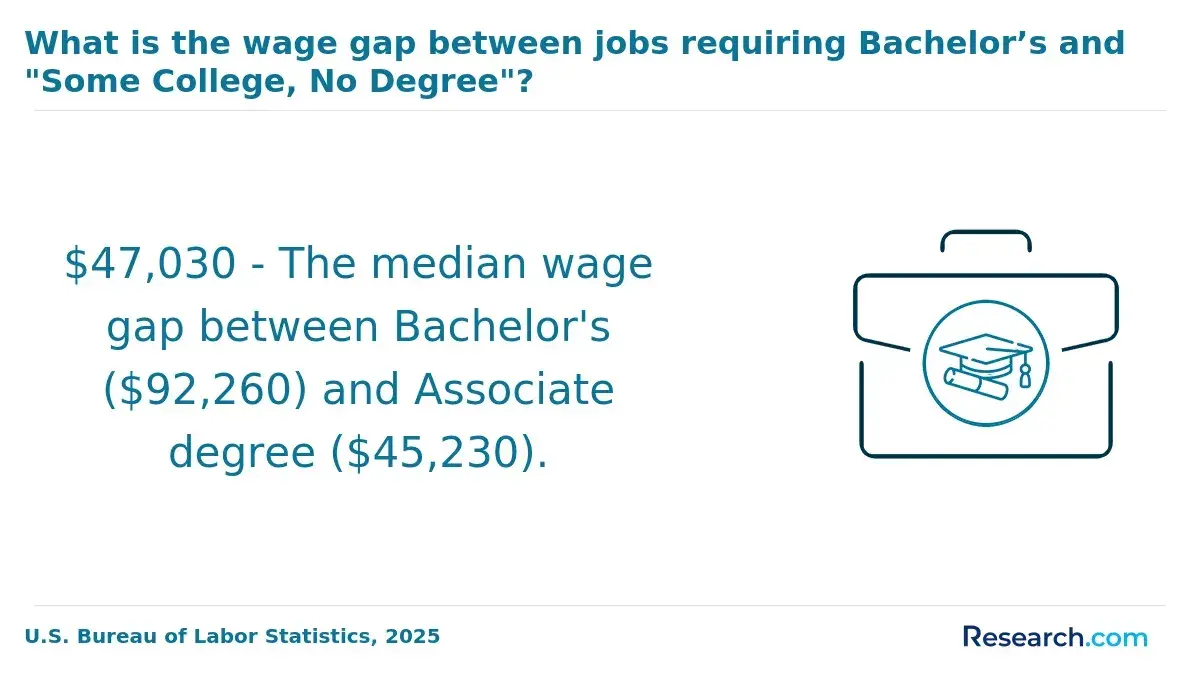
Graduation timelines in Health Administration programs differ markedly between full-time and part-time students. Data from the National Center for Education Statistics in 2024 show that full-time enrollment aligns closely with anticipated program durations, often four years for bachelor's degrees. In contrast, part-time students frequently extend their studies by multiple years due to reduced course loads. This divergence reflects fundamentally distinct academic trajectories rather than mere time preferences, impacting how quickly students achieve credentialing milestones and enter or advance in the workforce.
The pace of academic progress hinges on structural elements like credit hours taken per semester, the availability and sequencing of courses, and program delivery models such as in-person versus online formats. Full-time students typically carry 12 to 15 credit hours each term, enabling steady progression through prerequisite and specialized courses. Conversely, part-time learners often balance external obligations-including employment and family responsibilities-that necessitate fewer credits and may face limited scheduling flexibility. Additionally, intermittent enrollment caused by life interruptions or work demands can slow credit accumulation and delay graduation beyond the traditional timeframe.
Enrollment status further shapes long-term outcomes by influencing financial planning, exposure to academic intensity, and timing of workforce entry. Full-time study may accelerate eligibility for promotions and licensure contingent on degree completion but requires greater upfront commitment and potentially higher costs per term. Meanwhile, part-time pathways allow integration of work experience with coursework, which some employers value, but this comes at the cost of delayed completion and its attendant effects on career advancement and earning potential. Understanding these tradeoffs is critical for students balancing immediate life circumstances with professional goals within the evolving landscape of Health Administration education.
Do Online Health Administration Students Graduate Faster Than Campus-Based Students?
It is often assumed that online health administration students complete their degrees faster than those in traditional campus programs, but the reality is more nuanced. According to the 2024 National Center for Education Statistics, about 62% of online learners in health administration bachelor's degrees finish within six years, slightly higher than the 55% graduation rate for campus-based students.
However, variations are substantial depending on individual circumstances and program structures, so a blanket statement about speed advantages can be misleading. Completion speed reflects a complex interaction of program design, student behavior, and external obligations beyond simply the mode of delivery.
Key factors shaping graduation timelines include the flexibility of course schedules and enrollment options. Online programs often offer accelerated 8-week courses and self-paced elements, allowing motivated students with strong time management skills to progress more rapidly than traditional 15-week semester schedules common on campus. Conversely, campus students might take advantage of structured cohort pacing and in-person support but may be limited by rigid schedules and fewer acceleration opportunities.
Internships and practicum requirements also impact duration differently, as on-campus settings sometimes embed hands-on experiences within fixed calendars, while online learners must balance these with professional and personal commitments. Part-time enrollment-common among working adults-is a major variable influencing how quickly students accumulate credits in either format.
The choice of learning modality affects more than just timing; it influences the discipline needed to stay on track and the timing of entry into the health administration workforce. Online learners must often cultivate heightened self-direction to avoid extending their studies, while campus-based programs rely more on external structure to maintain momentum. These differences mean that even if online options appear faster on average, the actual student experience depends heavily on individual circumstance, support systems, and how well their choice aligns with their lifestyle and learning preferences.
One graduate recalled applying to a health administration bachelor's program with rolling admissions where acceptance timing was uncertain. They hesitated to commit immediately, weighing whether to start online immediately or wait for a campus cohort aligning better with their work schedule. The delay cost them several months, illustrating how administrative factors and personal decision-making during admissions can directly affect overall time to graduation, regardless of program format.
How Many Months or Years Can Transfer Credits Save?
Transfer credits can significantly reduce the time required to complete a health administration degree, with potential savings ranging from several months up to more than a year depending on how many credits are accepted and how well they align with the new program's requirements. According to recent national education research and government data from 2024, the average health administration student who transfers eligible credits may decrease their remaining coursework by about 25% to 50%. This variability reflects differences in both the volume of transfer credits and their equivalency to degree requirements, which directly impacts the total months saved with transfer credits in health administration programs.
The actual time reduction depends heavily on several factors, including institutional policies on credit acceptance, course equivalency evaluations, and residency requirements set by universities. Institutions often have caps on the maximum transferable credits and may only recognize credits from accredited postsecondary programs or courses with direct relevance to health administration curricula.
Additionally, specialized health administration content may be less transferable than general education credits, affecting the balance between foundational and advanced coursework that remains. These considerations mean that two students with seemingly similar prior coursework could experience very different timelines for degree completion.
Beyond timeline implications, transfer credits influence academic planning and financial factors since students might skip lower-division courses and focus on more advanced, specialized classes sooner. However, this can alter the sequencing of coursework and sometimes reduce opportunities for in-depth engagement or networking within the new institution's program.
For those comparing options or exploring pathways such as a biology bachelor degree online analogous to health administration degree paths, understanding how transfer credit policies shape progression speed is essential for managing expectations and optimizing educational outcomes.
Do Accelerated Health Administration Programs Significantly Reduce Completion Time?
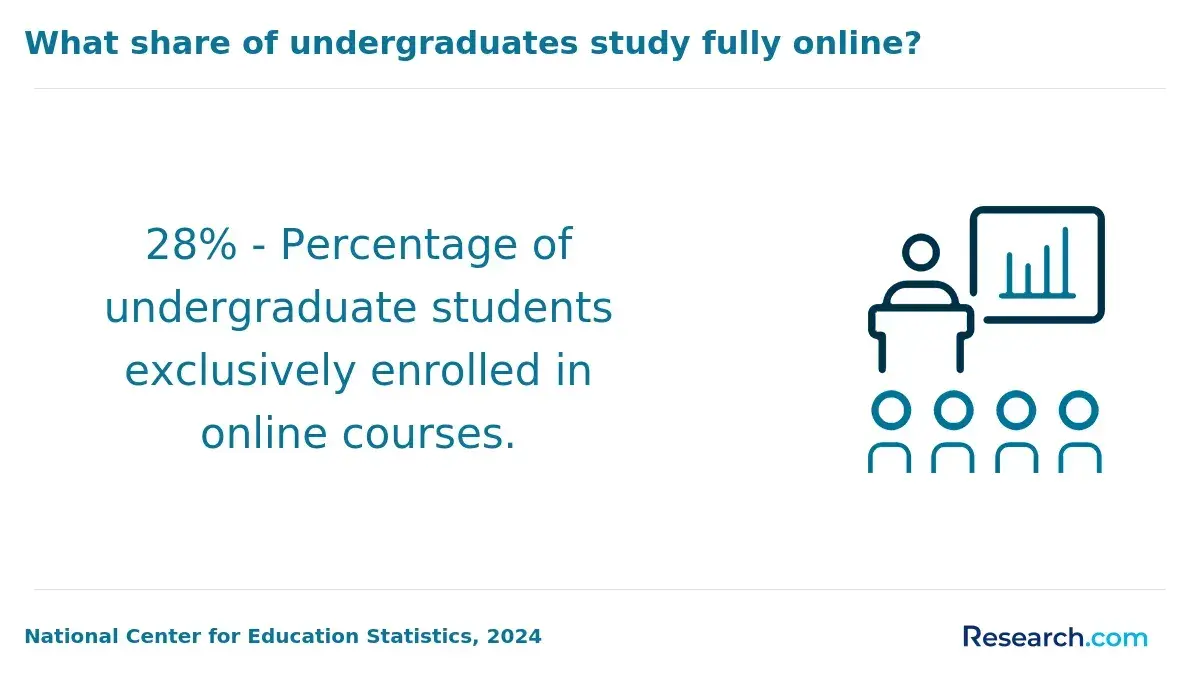
Accelerated health administration programs aim to condense the traditional timeframe for graduate degrees by restructuring course delivery to reduce overall completion time. These programs typically compress the curriculum by offering higher credit loads each term and minimizing breaks between academic periods. The goal is to enable students to finish their degrees in as little as 12 to 18 months, compared to the two to three years usually required by standard formats. This is achieved through strategies like overlapping semesters, more intensive class schedules, and accelerated sequencing of core subjects.
Whether accelerated programs truly shorten completion time depends on several critical factors related to curriculum design and student workload capacity. A heavier credit load per term intensifies academic demands, and prerequisite or sequential course requirements can limit flexibility, potentially negating some time savings if students must still follow a strict course progression.
Additionally, core experiential components such as internships or capstone projects often retain their original duration, placing a floor on how much a program can realistically be shortened. Without adjustments to these elements, the compressed calendar may merely shift rather than reduce the actual hours needed to complete essential learning outcomes.
These structural realities mean that accelerated health administration tracks, while appealing, often involve significant trade-offs. The increased pace can reduce opportunities for part-time study, extracurricular engagement, and immersive experiential learning, potentially impacting depth of understanding and professional networking. Students must balance the desire to expedite degree completion with the risk of academic overload and reduced practical exposure critical to workforce readiness. The benefits of faster graduation must therefore be weighed against how such acceleration affects student experience and long-term career preparedness.
One graduate recalled applying to an accelerated health administration program and hesitating during the rolling admissions window. The pressure to commit quickly was heightened by a narrow preparatory period for prerequisite courses and uncertainty about whether the compressed timeline would fit personal work commitments.
After several weeks of deliberation and a last-minute call with the admissions office to clarify sequencing options, the graduate eventually decided to enroll, relieved to have confirmed that the program's structure allowed some elective flexibility despite the accelerated format. This experience highlighted how timing and upfront clarity about program pacing can be as decisive as the stated reduction in overall completion time.
Which Health Administration Program Requirements Most Often Extend Graduation Timelines?
Extended graduation timelines in health administration programs often stem less from total credit hours and more from key embedded curriculum components designed to integrate applied skills and advanced analysis. These mandatory elements embody program rigor and professional readiness but impose constraints on student pacing due to their sequencing or resource demands. Navigating these requirements requires understanding their academic and operational impacts on progression speed.
- Practicum or Internship Requirements: Hands-on experience is foundational for competency in health administration, mandating substantial supervised hours in clinical or organizational settings. The challenge lies not only in meeting hour totals but also in coordinating placements, which can conflict with coursework schedules and personal obligations, particularly for working students, often extending program duration.
- Capstone Projects or Theses: These comprehensive research or analysis projects require significant independent work and synthesis of knowledge. Because they demand deeper critical thinking and long-term commitment, students balancing employment or familial roles may encounter delays, especially if prior research experience is limited.
- Course Sequencing and Prerequisites: Health administration curricula frequently feature tightly structured sequences where advanced courses depend on earlier ones offered only in certain terms. This restricts flexibility, forcing some students to wait semesters before progressing, a bottleneck amplified for transfer or part-time students who cannot enroll full time.
- Credit Transfer Evaluations and Repetition: Transfer students often face extended timelines due to institutional policies requiring validation of prior coursework or retaking courses that do not align perfectly with program standards. This re-verification process adds unpredictable delays, impacting time to degree completion.
- Part-Time Enrollment Constraints: Given the prevalence of working adults in these programs, part-time study is common but inherently prolongs degree timelines. Balancing work, family, and academic demands limits course loads per term, extending total program length even for students without additional curricular hurdles.
A 2024 workforce analysis indicates that approximately 43% of health administration students experience extended graduation timelines linked primarily to practicum and project requirements. This reflects employer emphasis on practical experience and applied skills, pushing programs to embed rigorous experiential components that can slow academic progression but enhance long-term job readiness.
Does Taking Longer to Graduate Increase the Cost of a Health Administration Degree?
Taking longer to graduate from a health administration degree program generally increases total tuition and related expenses, especially when tuition is charged per term or credit hour and students lose eligibility for specific financial aid packages after a set timeframe. Extended enrollment can mean paying additional semesters of tuition and fees, often compounded by institutions imposing higher per-credit costs or administrative charges for prolonged academic timelines. This dynamic is significant since many health administration students balance part-time study with employment, affecting enrollment status and slowing degree progress.
A 2024 report from the National Center for Education Statistics highlights that students taking more than six years to graduate frequently face about 25% higher costs than those completing within four years. The financial impact of extended health administration degree completion also includes delayed entry into median salary ranges reported by sources such as the U.S. Bureau of Labor Statistics, which adds to opportunity costs through postponed full-time employment and loan repayment. For those comparing program efficiencies, resources like top rated online nursing schools WGU provide insights into structured pacing and cost management.
However, extended timelines do not always translate into proportional cost increases. Some institutions utilize flat-rate tuition models or offer employer tuition assistance, which can mitigate additional expenses regardless of extended degree duration. Part-time enrollment pricing, common in programs accommodating working adults, may adjust costs in ways that blur direct cost-time correlation. Additionally, programs with flexible academic pacing policies can allow students to extend their studies without incurring excessive financial penalties.
Enrollment decisions, including course load adjustments and managing credit transfers-particularly relevant for transfer students-also indirectly influence overall costs by affecting how many terms students remain enrolled. Understanding these nuanced financial structures is essential for weighing the total investment in a health administration degree versus the realistic timelines students may require, especially as employer expectations and sector demand emphasize consistency and workload management in prospective candidates.
Does Graduating Faster Improve Career Prospects?
Graduating faster from a health administration degree program can affect early career entry, allowing students to join the workforce sooner and potentially accumulate more practical experience by the time their peers graduate. This earlier timing may improve initial job search positioning for entry-level roles that value immediate availability and basic exposure. However, employers typically do not assess candidates solely based on the speed of degree completion; they prioritize professional background, certifications, and demonstrated competencies in hiring decisions, making graduation time just one of many factors in evaluation.
The impact of faster degree completion on career prospects depends largely on supplemental factors such as the breadth of internship experiences, the strength of one's portfolio, mastery of relevant skills, networking opportunities, and alignment with labor market demands. Without substantial experiential learning or industry connections, rapid graduation can be perceived as a lack of depth, which may hinder hiring competitiveness in a field where practical exposure and leadership potential are highly valued. This dynamic shapes how speed intersects with employability in health administration, underscoring that timely graduation alone does not drive long-term career advancement.
Trade-offs between accelerated degree completion and meaningful experiential engagement must be carefully balanced. Faster graduation reduces educational costs and the opportunity cost of delayed earnings, but more extended programs that integrate internships and professional development often better equip graduates for sustained career growth.
For prospective and current students navigating decisions on health administration degree completion time and career advancement, understanding these nuances helps optimize choices that support both immediate entry and future employability. Those interested in related leadership roles may also explore athletic director jobs as examples of positions where practical experience often outweighs educational speed.
Which Scheduling Mistakes Commonly Delay Graduation?
Delays in graduating from health administration programs often stem less from academic difficulty and more from avoidable enrollment and scheduling mistakes. These errors disrupt structured progression through prerequisite chains and credit requirements, affecting students across bachelor's, master's, and doctoral levels, as well as various attendance formats. Recognizing these pitfalls is crucial for maintaining consistent term-to-term enrollment and making strategic course selections that align with institutional sequencing policies.
Common scheduling mistakes that prolong time to degree completion include:
- Inconsistent Course Sequencing: Enrolling in courses out of the recommended order stalls progression since many health administration curricula depend on strict prerequisite chains. Missing foundational courses prevents timely access to advanced classes, creating bottlenecks often stretching completion by at least a semester.
- Underestimating Credit Load Limits: Balancing work or family while managing the required credit hours frequently results in part-time enrollment. The 2024 National Center for Education Statistics reports around 43% of part-time graduate students exceed six years to graduate, compared to 14% of full-time peers, illustrating how external obligations interact with academic pacing.
- Irregular Registration Patterns: Skipped or late enrollment during critical semesters-including summer sessions-can force students to wait for high-demand courses to reopen, delaying graduation. Early and consistent registration is necessary to secure spots in prerequisite and specialization courses.
- Transfer Credit Misalignment: Credits earned at other institutions may not fully transfer or satisfy program requirements, compelling students to retake courses. This mismatch arises from curriculum variation across schools and complicates academic planning for transfer students.
- Insufficient Academic Advising: Without tailored guidance, students often overlook sequencing efficiencies or elective integration opportunities within health administration tracks, accumulating excess coursework and extending timelines unnecessarily.
Other Things You Should Know About Health Administration
Programs that use strict cohort models often require students to progress through courses in a fixed sequence, which limits scheduling flexibility. While this can foster networking and peer support, it may extend the time to graduation if a student needs to pause or reschedule due to personal or professional conflicts. Prospective students should prioritize programs with some built-in flexibility if their schedules are unpredictable, since rigid structures increase the risk of delayed completion in health administration.
Many employers in health administration value timely completion as an indicator of discipline and project management skills, which can affect initial hiring decisions. However, for mid-career professionals, practical experience often outweighs speed of graduation, reducing pressure to finish quickly. For early-career students, prioritizing programs with clear timelines and good academic support is advisable to meet employer expectations of prompt degree completion.
Choosing electives or specializations that directly bolster intended career paths can extend a health administration degree but may improve long-term employability and job satisfaction. Conversely, rushing through required courses without tailoring specialization may shorten graduation time but limit career flexibility. Students should carefully consider whether the extra time invested in targeted coursework aligns with their professional ambitions and employer demands in the healthcare sector.