2027 Health Administration Degree Growth by State: Where Interest Is Rising the Fastest

Co-Founder and Chief Data Scientist
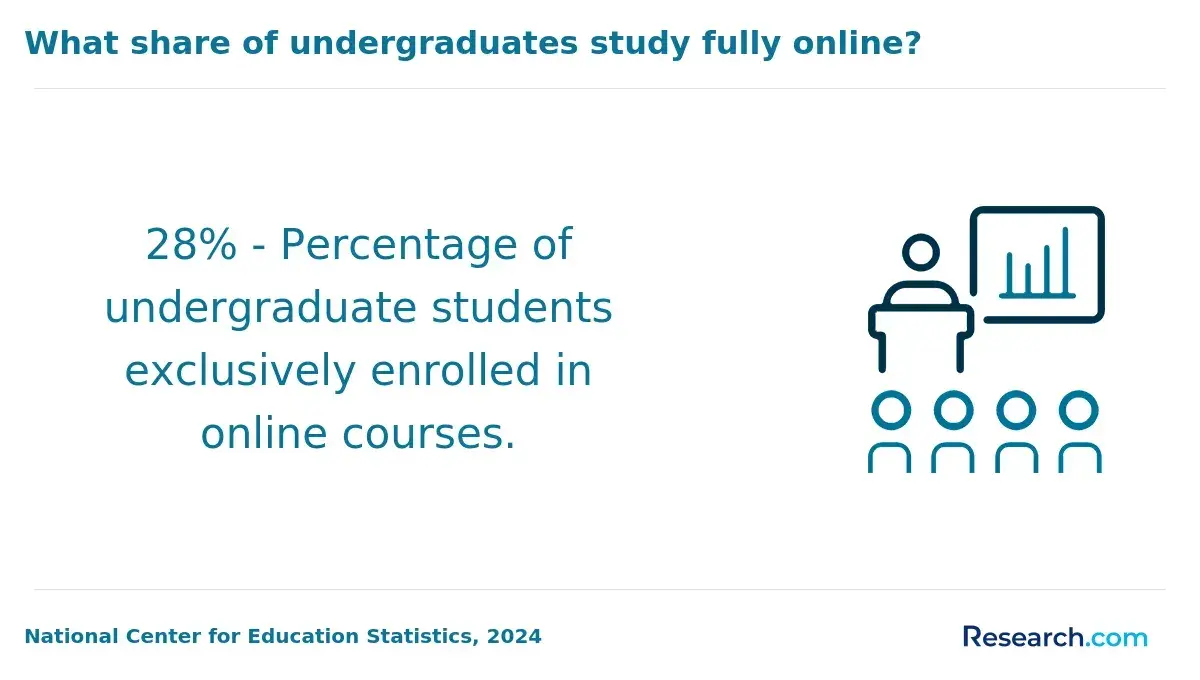
States with rapidly growing health administration degree enrollments reveal distinct economic and demographic shifts that shape local healthcare landscapes. For instance, southeastern states experiencing population growth among older adults also face expanding healthcare infrastructure needs, intensifying demand for skilled administrators. According to the National Center for Education Statistics, flexible online program offerings now account for over 45% of master's enrollments nationwide in 2024, highlighting a critical pivot toward accessible education for working professionals and adult learners.
This trend influences where and how candidates pursue health administration degrees, affecting regional workforce readiness and employer expectations in evolving healthcare markets.
Key Things to Know About the State Where Health Administration Degree Interest Is Rising the Fastest
- States like Texas show rapid enrollment growth driven by expanding healthcare infrastructure, but regulatory variability across counties means graduates may face differing licensure hurdles, affecting timely workforce entry.
- Florida's aging population fuels employer demand for administrators versed in elder care policy, intensifying competition; this raises the bar for practical experience embedded in programs to ensure job readiness.
- California's surge in online program enrollment increases access for adult learners balancing work and study, yet the concentration of part-time students can prolong completion times, delaying full credential impact.
- Which States Are Seeing the Fastest Growth in Health Administration Degree Enrollment? States with Fastest Growth
- What Does Enrollment Growth in Health Administration Programs Actually Tell Prospective Students? Interpreting Enrollment Growth
- How Do Regional Job Market Conditions Drive Health Administration Degree Demand by State? Regional Job Market Conditions
- Which States Have Added the Most New Health Administration Degree Programs in the Last Five Years? States with New Programs
- How Has the Rise of Online Education Changed Which States Lead in Health Administration Program Interest? Role of Online Education
- What Demographic Trends Are Fueling Health Administration Degree Growth in Specific States? Demographic Trends Fueling Growth
- How Do State Funding Levels for Health Administration Services Influence Degree Program Growth? Role of State Funding Levels
- Which States Are Emerging as Unexpected Leaders in Health Administration Degree Interest? Unexpected Leaders in Growth
- How Does State Population Size Affect the Interpretation of Health Administration Degree Growth Data? Role of State Population Size
- What Role Do State Licensing Requirements Play in Driving or Suppressing Health Administration Enrollment? Role of State Licensing Requirements
Which States Are Seeing the Fastest Growth in Health Administration Degree Enrollment?
Enrollment growth in health administration degree programs is not uniform across the United States; rather, it reflects localized economic conditions, demographic pressures, and strategic institutional investments that directly affect graduate and undergraduate interest. This uneven expansion demands careful scrutiny from prospective students who must weigh the practical consequences of entering markets where education availability aligns with workforce demand, regulatory environments, and long-term career mobility. National data, including IPEDS reporting, confirms rising enrollment in health administration education overall, but states leading this trend stand out for factors that uniquely position their graduates in competitive hiring environments.
- Texas: Texas exemplifies a robust growth environment driven by its sizeable, diverse population coupled with significant healthcare infrastructure expansion. Multiple universities have scaled offerings to include specialized tracks that address evolving industry needs, creating benefit and tradeoff scenarios for students regarding program variety versus market saturation.
- Florida: Florida's aging demographics create heightened demand for administrators versed in elder care and integrated healthcare system management. While this growth supports employability in sectors like senior living and managed care organizations, it also introduces regulatory complexities students must navigate post-graduation.
- Colorado: Concentrated growth around Denver links to healthcare innovation hubs and state incentives. Programs here often integrate emerging data analytics and policy aspects, although students must consider the cost of living and competitive tech-aligned job markets when evaluating educational return on investment.
- North Carolina: Anchored by the Research Triangle's healthcare and public health expansion, enrollment rises with a workforce oriented toward research-driven and hospital network administration. This concentration favors graduates aiming for roles at large health systems but may limit smaller market opportunities.
- Washington: Growth in Washington is tied to its tech-driven healthcare economy, emphasizing management education that merges analytics and policy leadership, which appeals to students targeting innovative healthcare organizations but also demands strong quantitative competencies.
The fastest growth in health administration degree enrollment is dispersed across southern, western, and southeastern states rather than focused in a specific region, underscoring a nationwide recalibration of education supply aligned with labor market demands and licensure evolution. Later sections will detail how factors such as program accessibility, shifting employer expectations, and licensure requirements shape these trends, underscoring why understanding enrollment momentum is critical for informed decision-making when selecting graduate paths. Students balancing geographic flexibility with career goals will find that enrollment concentrations often predict not only educational quality but also practical hiring prospects in specific states.
For those evaluating not only health administration but parallel fields, such as pharmacy, an awareness of how online pharmacy school programs compare regionally and nationally also informs broader educational and workforce considerations.
What Does Enrollment Growth in Health Administration Programs Actually Tell Prospective Students?
Enrollment growth in health administration programs often signals demand but can mask critical differences in program quality and career value. A rapidly expanding cohort may reflect either robust labor market alignment or diluted academic standards, affecting graduates' employability and long-term prospects.
Raw enrollment figures provide an initial gauge of interest but lack context on whether students successfully complete the program and secure relevant employment. Without this nuance, prospective students risk choosing programs that grow due to aggressive recruitment rather than genuine academic rigor or labor market needs.
- Retention Rates: High enrollment means little if many students drop out or transfer; strong retention indicates effective student support and program stability.
- Graduation Rates: Timely degree completion reflects a program's ability to deliver on academic promises and prepare students for workforce entry.
- Job Placement Outcomes: Enrollment growth without solid employment data suggests programs may prioritize headcounts over career pathways.
- Licensure Pass Rates: Successful licensure outcomes validate preparation for essential credentials that influence employability and advancement.
- Growth Drivers: Distinguishing growth from genuine demand versus lowered admissions or recruitment tactics is vital-only the former supports sustainable career trajectories.
- Contextual Evaluation: Enrollment must be assessed alongside program reputation, alumni insights, and regional economic conditions impacting health administration roles.
- Direct Outreach: Speaking with current students and alumni provides qualitative insights often missing from enrollment statistics alone.
How Do Regional Job Market Conditions Drive Health Administration Degree Demand by State?
Demand for health administration degrees aligns closely with regional labor market conditions, where the growth and structure of local healthcare systems directly shape educational interest and job opportunities. States experiencing expansion in healthcare infrastructure, public service sectors, and targeted employer incentives tend to attract more students to graduate programs, reflecting a pragmatic response to strong employment prospects. For example, in regions where public health agencies or managed care models are evolving rapidly, the availability of practicum placements and internships improves, offering crucial hands-on experience that influences both job readiness and salary negotiations after graduation.
- Texas: Expected to lead in new job openings due to rapid population growth and significant investment in healthcare facilities, Texas combines these trends with strong public-sector healthcare networks, intensifying the need for qualified health administration professionals.
- Florida: The state's aging population and expanding mix of private and government healthcare services create a sustained demand for skilled administrators, supported by workforce development initiatives targeting healthcare employment.
- California: With its complex healthcare landscape, including major hospital systems and public health organizations, California maintains consistent demand fueled by hiring surges in urban centers and expanding roles within school district health management.
- North Carolina: The intersection of healthcare technology hubs and efforts to upgrade rural health systems drives pockets of high demand, bolstered by employer incentive programs encouraging graduate enrollment in health administration disciplines.
- Arizona: Growing hospital networks and demographic shifts tied to public health expansions contribute to a rising need for credentialed health administrators, mirroring robust job market expectations.
Prospective graduate students considering health administration job market growth by state should closely examine workforce projections from the Bureau of Labor Statistics and state workforce agencies to assess where hiring demand aligns with their geographic and career goals. The presence of a strong employment ecosystem enhances practicum placement availability and can significantly affect post-degree salary negotiations and career trajectories. As students evaluate program offerings, tools such as researching state-specific labor demands and even considering an online nutrition degree in complementary fields may broaden long-term opportunities. Making informed decisions that reflect local market realities rather than generalized program appeals is critical for sustainable career planning in health administration.
Which States Have Added the Most New Health Administration Degree Programs in the Last Five Years?
States leading growth in accredited health administration degree programs highlight differing regional priorities that shape educational access and workforce readiness. Understanding these dynamics is vital for applicants evaluating where program expansion aligns with labor market needs and their own career flexibility.
- Texas: The state's surge in new programs and online options is largely fueled by targeted state grants aimed at mitigating persistent shortages in healthcare management roles. Flexibility in program delivery reflects institutional efforts to serve a diverse student body while addressing sector-specific workforce gaps.
- Florida: Competitive university ecosystems here respond to demand from mid-career professionals and career changers, especially through online offerings supported by supportive state policies. These programs increasingly cater to healthcare challenges of an aging population requiring specialized managerial skills.
- Ohio: Rather than launching new programs, Ohio's strategy focuses on expanding enrollment capacity and diversifying curricula within existing programs, particularly in specialties like healthcare informatics and policy, driven by state recognition of critical workforce shortages.
- California: Established institutions in California expand online tracks and specialized concentrations to meet demands tied to its large, varied healthcare environment. Incentives for accreditation and employer alignment guide program evolution, but the volume of options necessitates careful comparison by prospective students.
- North Carolina: Growth arises from a mix of new programs and expansions connected to healthcare hubs and hospital partnerships. State-level financial incentives and curriculum standards stimulate this expansion, which creates increased tuition competition and broader scholarship opportunities within the state.
Students choosing among these expanding markets face tradeoffs between a wider choice of specialized tracks and increased competition for financial aid. The presence of multiple programs within a state can complicate decision-making since rigor, faculty expertise, and alignment with employer expectations vary widely. Prospective enrollees should critically assess these factors within specific regions to identify programs that genuinely enhance employability rather than simply capitalize on growth trends.
One recent graduate recounts how navigating admissions amidst program growth demanded a patient, strategic approach. Initially hesitant to finalize applications, the individual faced uncertain wait times as institutions rolled out new online cohorts. The fluctuating timelines required constant monitoring of admission updates and readiness to pivot between multiple offers. Ultimately, this experience underscored how applicants benefit from early engagement and flexible planning in states rapidly expanding health administration education to avoid jeopardizing timely enrollment.
How Has the Rise of Online Education Changed Which States Lead in Health Administration Program Interest?
The expansion of fully online health administration degree programs has fundamentally disrupted the traditional state-based enrollment patterns. Historically, students tended to enroll in programs within their geographic region due to commuting or relocation constraints. Now, states offering well-regarded online programs attract a wide national audience, often drawing more out-of-state enrollment than some large campus-based programs. This shift creates new competitive dynamics where online program quality, accreditation, and affordability drive recruitment more than physical location.
However, this geographic decoupling does not eliminate practical considerations for students and programs alike. Prospective students benefit from access to a broader range of curricula and institutional expertise without the need to uproot. At the same time, states hosting top online programs effectively become national providers, shouldering responsibilities to deliver consistent quality to a diverse, dispersed student population. Yet, varied state licensure and certification requirements impose important constraints, requiring careful due diligence by students seeking credentials necessary for employment in specific locations.
- Disruption: Online platforms break down traditional regional boundaries by enabling states with strong virtual infrastructures to serve students nationwide.
- Attraction: Tuition affordability and credible accreditation enable certain states to outpace others in attracting nonresident learners.
- Access: Students gain flexibility by avoiding relocation and balancing education with personal obligations.
- Institutional Role: Hosting states transition into virtual education hubs responsible for diverse student needs and outcomes.
- Licensure: Despite broad access, state-specific professional eligibility requirements remain a pivotal factor in enrollment decisions.
- Employer Alignment: Programs must maintain practical relevance to local healthcare systems, especially for graduates aiming to work in the program's state.
What Demographic Trends Are Fueling Health Administration Degree Growth in Specific States?
Enrollment growth in health administration degree programs is strongly tied to specific demographic trends that directly shape workforce demand and healthcare service delivery in particular states. These patterns create distinct regional enrollment hotspots that a national aggregate view often conceals. For example, states with aging populations see a pronounced need for administrators experienced in eldercare and long-term facility management, which leads to ongoing enrollment increases in their health administration programs. Conversely, states with rapid urbanization face different operational challenges, requiring skills in coordinating complex metropolitan health systems, steering prospective students to adapt their educational focus accordingly.
- Population Aging: States like Florida and Arizona, with a rapidly expanding elderly demographic, generate sustained demand for administrators who can oversee long-term care, hospitals, and community health programs. This demographic trend is one of the strongest drivers of health administration enrollment growth in these regions.
- Immigration Patterns: California, Texas, and New York experience immigration inflows that increase the need for culturally competent healthcare administration, complicating service coordination and boosting enrollment in programs emphasizing diversity and inclusion.
- Urbanization: Metropolitan areas such as Atlanta and Seattle face increased complexity in healthcare operations. This urban growth necessitates administrators skilled in managing large-scale health infrastructures, influencing localized spikes in program interest.
- K-12 Enrollment Growth: Growing school-age populations in states like Utah and Nevada predict rising demand for pediatric and school health services, encouraging health administration education tailored to community and pediatric care management.
- Rising Rates of Diagnosed Mental Health Conditions: Increased recognition of mental health needs in Oregon and Colorado expands administrative roles in behavioral health, creating specialized opportunities drawing student interest to corresponding programs.
Prospective students should evaluate these state-specific demographic trajectories as proxies for long-term job stability rather than transient demand, aligning with emerging workforce realities. Such data-informed decisions guide candidates to markets where health administration degrees translate into sustainable employment and meaningful impact. For a broader perspective on health education pathways, including pathways beyond health administration, resources such as pharmacy school online accredited programs can offer additional options embedded in evolving healthcare workforce needs.
How Do State Funding Levels for Health Administration Services Influence Degree Program Growth?
State funding allocations for health administration services directly shape the growth trajectory of degree programs by influencing local employment stability and institutional capacity. States that prioritize robust Medicaid reimbursements, school-based mental health funding, community health support, and block grants create ecosystems where health administration roles are financially viable and programs can reliably expand. Conversely, in states where funding is limited or inconsistent, programs often struggle to attract students, as graduates foresee weaker job markets and are more likely to relocate for better opportunities.
- Funding Stability: Predictable, substantial financial backing allows institutions to confidently invest in program development and scale enrollment in proportion to real job availability.
- Graduate Retention: Well-funded states tend to keep health administration graduates locally, as competitive salaries and career pathways reduce outmigration and reinforce program appeal.
- Program Development: Access to funding supports curriculum innovation, expanded clinical partnerships, and maintenance of accreditation, all essential to attracting prospective students and meeting employer expectations.
- Legislative Signals: Monitoring recent state legislative actions on Medicaid and public health funding offers prospective students an early insight into the sustainability of the local health administration job market.
- Market Realities: Balancing tuition costs with the stability of post-graduate employment demands careful evaluation of how funding-driven conditions influence practical training and career prospects.
- Employment Outcomes: Inquiring about the percentage of graduates employed in-state after five years provides a meaningful metric beyond enrollment trends to assess local workforce health and program relevance.
A graduate who recently completed a health administration degree described how fluctuating state funding extended their admissions timeline. Having applied early in a state with unpredictable funding renewals, they waited weeks for clarity about program capacity and potential clinical placements tied to available public funds. This uncertainty forced a strategic delay in committing to the program while juggling job responsibilities, underscoring how funding instability can ripple through admissions and influence candidates' decisions, timing, and preparation. Their experience highlights the tangible consequences of fiscal policy on both institutional offerings and individual career planning.
Which States Are Emerging as Unexpected Leaders in Health Administration Degree Interest?
States traditionally overshadowed by larger education markets are becoming unexpected hubs for health administration degrees, reflecting nuanced shifts in regional policy and workforce demand. For students evaluating places to pursue these credentials, recognizing where growth is not only occurring but grounded in stable, structural changes is critical. Emerging states often provide less competitive admissions and lower tuition, but assessing the durability of this growth against federal and local policy volatility can determine long-term career viability.
- Idaho: Marked growth in enrollment follows new accredited graduate programs focused on rural health leadership, responding directly to state initiatives tackling rural healthcare shortages through workforce compacts. This signals a sustainable trend supported by demographic shifts, though the market size remains comparatively modest.
- West Virginia: Expansion hinges on federal Appalachian healthcare grants and online/hybrid program availability that lower access barriers for adults balancing work and study. However, this growth's continuity depends heavily on legislative support beyond transient pandemic funding, introducing enrollment risk that must be considered.
- Arkansas: State incentives coupled with new graduate programs attract students amid regional healthcare sector expansion. Prospective enrollees face tradeoffs between more affordable tuition and local job markets that have yet to reach national average competitiveness.
- Nebraska: Increasing enrollment is driven by interstate educational collaborations and a strategic healthcare workforce approach addressing both urban and rural care leadership needs. While still developing, Nebraska's trend offers medium- to long-term promise supported by employer engagement and cost advantages.
Navigating these emerging states involves weighing practical outcomes such as admissions competitiveness and tuition against risks related to policy shifts and fluctuating workforce needs. For geographically mobile students or career changers, incorporating these dynamics into decision-making strengthens alignment between educational investments and realistic employment prospects. Additionally, timing matters: many employers preferentially recruit graduates who align with fiscal cycles of healthcare funding or state budget approvals, influencing admissions and job placement patterns.
Individuals exploring advanced nursing roles may similarly consider opportunities in related fields; for example, well-researched accelerated NP programs highlight how program structure and local healthcare demands critically impact employability and program growth trends.
How Does State Population Size Affect the Interpretation of Health Administration Degree Growth Data?
Interpreting health administration degree growth data without accounting for state population size leads to misleading conclusions about actual market opportunities. Absolute increases-such as a large state adding 2,000 new health administration graduates per year-may appear significant but often reflect stable workforce replacement aligned with broad population growth rather than genuine expansion. In contrast, a smaller state adding 300 graduates yearly but with fewer residents can experience a disproportionately greater impact, signaling a meaningful shift in workforce saturation and employer demand. This distinction highlights why per-capita growth and ratios of licensed health administration professionals relative to population are more accurate for assessing market potential and job availability.
For students and professionals analyzing regional growth, states where the ratio of licensed health administrators to the general population falls below the national average suggest underserved markets, often with more robust early-career hiring prospects. These workforce density metrics are essential when comparing opportunities across states with vastly different demographics and economic conditions. Importantly, understanding how regional population size influences health administration degree demand helps avoid overvaluing raw enrollment data and instead focus on where demand genuinely outpaces supply.
- Licensure Complexity: Some states impose intricate licensing requirements that delay workforce entry and reduce immediate hiring impacts despite steady degree growth.
- Population Mobility: High in- or out-migration rates in certain states create unpredictable workforce cycles, complicating straightforward demand forecasting.
- Program Availability: Limited graduate program options constrain enrollment growth even in states with rising demand shaped by regional population size and health administration degree demand.
Those researching educational options should also consider related fields, such as examining different types of counseling degrees, to compare how program focus and licensure trends might influence career prospects within health-related administrative roles.
What Role Do State Licensing Requirements Play in Driving or Suppressing Health Administration Enrollment?
The clarity and rigor of state licensing requirements directly shape enrollment patterns in health administration graduate programs, creating tangible disparities in student interest and long-term workforce alignment. States with transparent, consistent licensure pathways attract more candidates by offering predictable professional trajectories and reducing uncertainty about the steps needed to become credentialed practitioners. For example, a prospective student comparing two states may favor one where the licensure exam content, timeline, and continuing education demands are well documented versus another state known for frequent regulatory shifts and ambiguous criteria. This practical clarity translates into stronger program enrollment as students weigh the total investment of education plus licensure against likely outcomes.
Licensing boards reinforce this dynamic by influencing employer preferences. Employers in states with clearly defined licensure expectations more frequently require or prefer candidates meeting these credentials, which amplifies demand for graduates from programs situated within these regulatory environments. Such demand not only drives enrollment but also enables programs and stakeholders to advocate effectively for regulatory improvements, ensuring ongoing stability and updating of licensure standards to better meet evolving workforce needs.
Prospective students should critically evaluate the full licensing pathway beyond academic admission criteria, considering the administrative, financial, and temporal burdens post-graduation. For those targeting mobility or career changes, comparing states' licensure complexity helps avoid surprises that could hinder employment or require costly re-credentialing. Salary data from recent workforce reports show candidates holding state licenses in health administration roles can command median salaries 10-15% higher than those without state-specific credentials, underscoring the economic impact of these requirements.
- Transparency: States with clear, consistent licensing guidelines generate higher student confidence and enrollment in health administration programs.
- Employer Influence: Licensing criteria shape hiring priorities, indirectly driving demand for graduates from states with well-established licensure paths.
- Regulatory Stability: Areas with stable, predictable licensure rules avoid deterring potential students due to fear of sudden compliance changes.
- Feedback Loop: Increased enrollment supports advocacy for licensing improvements, which further enhances program attractiveness and workforce readiness.
- Comparative Assessment: Reviewing licensure complexity across states empowers students to target programs that align with their mobility and career goals.
References
- Why is Healthcare Management Growing So Fast? - Healthcare Management Degree Guide https://www.healthcare-management-degree.net/faq/why-is-healthcare-management-growing-so-fast/
- Your Definitive Guide to Medical Licensing https://www.madakethealth.com/your-definitive-guides/your-definitive-guide-to-medical-licensing
- A comprehensive guide to multi-state licensing in behavioral health - blueBriX https://bluebrix.health/blogs/comprehensive-guide-to-multi-state-licensing-in-behavioral-health
- How Online Learning Has Changed Education | ACE Blog https://ace.edu/blog/how-online-learning-has-changed-education/
- Two Decades of Change in Federal and State Higher Education Funding https://www.pew.org/en/research-and-analysis/issue-briefs/2019/10/two-decades-of-change-in-federal-and-state-higher-education-funding
- New Health Workforce Supply and Demand Data Identifies Employment Needs, Training Challenges, and Turnover Drivers | NC Center on the Workforce for Health https://workforceforhealth.org/news/new-health-workforce-supply-and-demand-data-identifies-employment-needs-training-challenges-and-turnover-drivers
- Boost Higher Education Student Enrollment in 4 Steps https://moderncampus.com/blog/student-enrollment.html
- 10 Major Trends in Healthcare Administration https://www.uagrantham.edu/blog/10-major-trends-in-healthcare-administration/
- Riding the Health Degree Market Wave https://encoura.org/resources/wake-up-call/riding-the-health-degree-market-wave
- Healthcare Administration in 2026: What Future Leaders Need to Know https://www.snu.edu/blog/healthcare-administration-in-2026-what-future-leaders-need-to-know
Other Things You Should Know About Health Administration
Enrollment growth in health administration degrees correlates strongly with states offering comparatively affordable tuition paired with moderate to low living costs. Higher cost states often see slower enrollment increases, as potential students weigh debt against regional salary scales. For those with geographic flexibility, prioritizing programs in states with favorable cost structures can yield better return on investment, reducing financial strain without compromising graduate employability.
Rising enrollment figures signal local workforce demand and program visibility but can also indicate increased competition and potential saturation in certain regions. Students must balance these insights with job placement rates and employer networks rather than relying on growth data alone. Prioritizing programs in states with steady but sustainable enrollment growth often means better access to individualized career support and stronger alignment with regional healthcare employer needs.
To combat workforce shortages, many rural states have expanded online and hybrid health administration programs tailored to local healthcare delivery challenges. These adaptations facilitate workforce entry for nontraditional students and support retention in underserved areas. However, degree holders from these programs may face different employer expectations and fewer local advancement opportunities, making it critical for students to assess program reach and postgraduation support relative to their career goals.