2027 Electrical Engineering Degree Outlook Through 2030: Enrollment, Salary, and Hiring Projections

Co-Founder and Chief Data Scientist
Choosing to pursue or advance a degree in electrical engineering involves weighing more than growth forecasts or average salary figures. While enrollment in electrical engineering programs increased by over 5% nationwide in 2023, this surge may intensify graduate competition, especially as some industries face modest hiring growth of just 3% through 2030. Regional disparities further skew opportunities, with stronger demand concentrated in technology hubs and renewable energy sectors. Additionally, evolving credential expectations and emerging specializations complicate the picture, often requiring targeted skills beyond traditional curricula. This article explores enrollment, salary trends, hiring projections, industry demand, geographic factors, and workforce transformations affecting electrical engineering through 2030 to guide informed decisions.
Key Things to Know About the Electrical Engineering Degree Outlook Through 2030
- Declining enrollment in electrical engineering programs, down 8% nationally since 2022, tightens graduate supply, intensifying competition but potentially raising starting job quality for candidates due to limited available talent.
- Employer surveys in 2024 reveal a growing preference for candidates with AI-integrated electrical engineering skills, pressuring current workers to upskill or face wage stagnation and hiring biases.
- Rising program costs and longer completion times due to advanced specialization courses delay workforce entry, impacting overall earning potential and necessitating earlier career planning for degree seekers.
- Key Things to Know About the Electrical Engineering Degree Outlook Through 2030 Key Things to Know About the Electrical Engineering Degree Outlook Through 2030
- How is Electrical Engineering Degree Enrollment Expected to Change Through 2030? Enrollment Trends Through 2030
- How Many Electrical Engineering Graduates Will Enter the Workforce by 2030? Graduate Workforce Entry Projections
- What Are the Hiring Projections for Electrical Engineering Graduates Through 2030? Hiring Projections Through 2030
- Which Electrical Engineering Careers Will Experience the Most Job Growth? Fastest-Growing Career Paths
- What Is the Salary Outlook for Electrical Engineering Graduates Through 2030? Salary Outlook Through 2030
- Which Industries Will Hire the Most Electrical Engineering Graduates by 2030? Top Hiring Industries
- Where Will Demand for Electrical Engineering Graduates Be Strongest? Strongest Geographic Demand
- Which Electrical Engineering Specializations Will Be Most in Demand by 2030? Which Electrical Engineering Specializations Will Be Most in Demand by 2030?
- How Will AI and Technology Affect Electrical Engineering Careers Through 2030? How Will AI and Technology Affect Electrical Engineering Careers Through 2030?
- Is a Electrical Engineering Degree Worth Pursuing Based on 2030 Projections? Degree Value Through 2030
How is Electrical Engineering Degree Enrollment Expected to Change Through 2030?
Enrollment trends for electrical engineering degree programs through 2030 reflect a tension between steady workforce demand and shifting educational dynamics. With sustained industry needs in sectors like renewable energy and semiconductor development, programs are expected to maintain stable or modestly growing student populations. However, demographic shifts such as plateauing college-age populations in key regions and rising tuition costs will constrain growth, influencing admission competition and potentially limiting program expansion. For example, institutions in the Midwest facing declining local applicant pools may reduce specialization options or class sizes, while those with broader recruitment reach, including online offerings, might better sustain their enrollment and graduate supply.
These enrollment patterns directly impact workforce outcomes and employer expectations. As many employers seek graduates with interdisciplinary skills beyond traditional electrical engineering, programs adapting curricula to integrate data science or computer engineering components may attract more students and improve graduate employability. Conversely, slower enrollment growth or stagnation could heighten risks of labor shortages in specialized fields or conversely lead to oversaturation where programs expand too rapidly without labor market absorption. Prospective students and current degree holders should interpret electrical engineering degree enrollment trends in the US through 2030 with attention to how demographic and economic pressures will shape program availability, graduate pipeline robustness, and long-term career viability in an evolving technical landscape. Increasingly, informed decision-making requires balancing these enrollment realities against workforce demands and evolving employer preferences, akin to considerations in other fields like nursing where institutions such as Chamberlain university exemplify the interaction between educational access and labor market dynamics.
How Many Electrical Engineering Graduates Will Enter the Workforce by 2030?
Graduate volume alone does not guarantee workforce absorption in electrical engineering, as entry into relevant roles depends on multiple nuanced factors beyond degree conferrals. While bachelor's degree completions have risen steadily-surpassing 16,000 annually as reported by the National Center for Education Statistics-this metric does not capture those who pursue graduate studies, delay job searches, or switch fields, all of which reduce the immediate labor supply. Furthermore, regional demand, shifting specialization preferences, and employer emphasis on practical experience and internships create differentiated hiring patterns, meaning new graduates face varying competition intensity depending on location and industry sector. The Bureau of Labor Statistics projects about 10% growth for electrical and electronics engineers by 2032, indicating sustained, though not unlimited, demand that implies roughly 150,000 to 160,000 graduates may enter the workforce over the coming decade under stable conditions.
Completion rates and program retention critically affect the effective pipeline of qualified candidates, as electrical engineering remains a challenging major with significant attrition in many schools. Online and alternative credentialing options have somewhat diversified supply channels, but they also add complexity to employer expectations around validated skills. Graduates who lack hands-on experience or industry connections may find job placement slower, even as hiring managers increasingly prioritize interdisciplinary capabilities alongside core technical knowledge. The interplay of these factors requires students and advisors to weigh the tradeoff between a growing graduate pool and differentiated market opportunities, especially in specialties like microelectronics or power systems where local demand can fluctuate markedly.
A recent graduate reflected on navigating this environment, noting that despite finishing a reputable electrical engineering program in 2024, the influx of new graduates meant recruiters were more selective than anticipated. Early internship experiences proved decisive in securing interviews, but she remained cautious about accepting positions outside her preferred specialty due to long-term career alignment concerns. Her decision to target employers offering rotational programs was a strategic response to the intensifying competition and uneven geographic demand forecasts leading up to 2030, underscoring the importance of adaptability and proactive skill development in translating graduation into sustainable employment.
What Are the Hiring Projections for Electrical Engineering Graduates Through 2030?
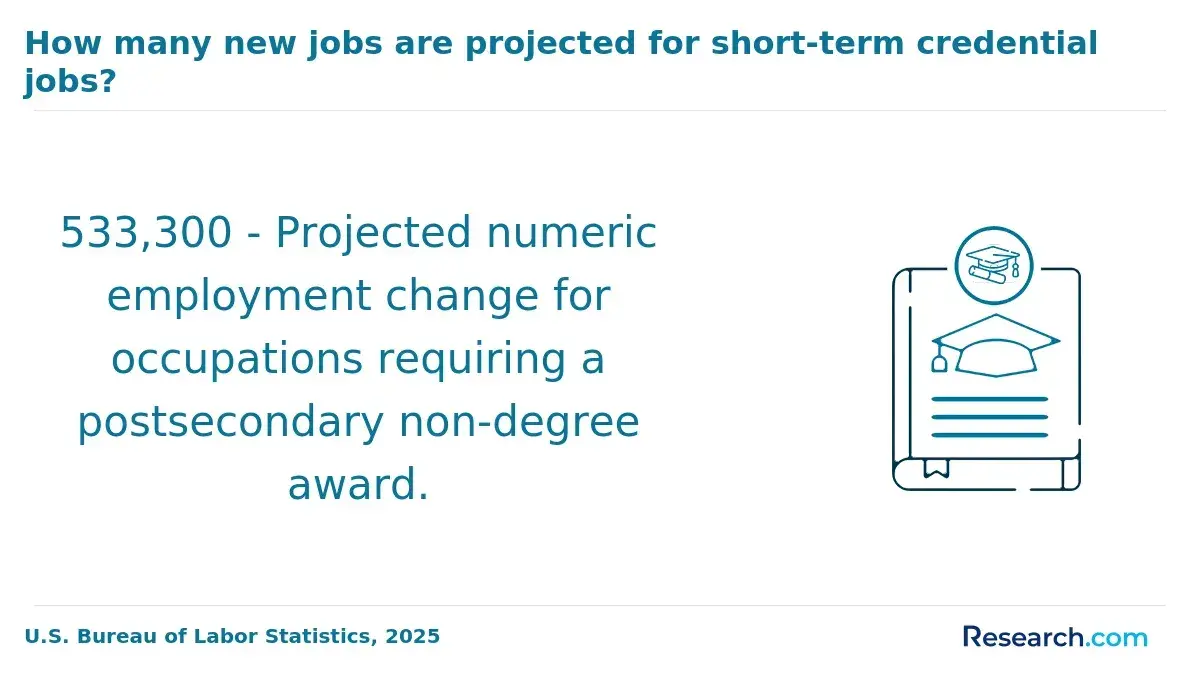
Employer demand for electrical engineering graduates through 2030 is moderate and shaped by steady industry needs rather than rapid expansion. While the U.S. Bureau of Labor Statistics projects a 7% employment increase from 2022 to 2030-roughly aligning with average occupational growth-this growth masks significant variability across sectors and regions. For instance, urban tech hubs and energy-focused areas typically offer higher salaries and more dynamic opportunities, whereas smaller markets may present limited entry-level roles, intensifying competition among graduates. Relying solely on broad national growth rates risks overlooking these important geographic and sector-specific differences.
Annual openings are expected to hover around 14,000, factoring both new positions and retirements, but stable enrollment in electrical engineering programs means competition remains a pressing reality. Employers prioritize candidates with specialized experience in emerging technologies like IoT, machine learning applied to hardware, and advanced power electronics, signaling that foundational degrees must be complemented by continuous skill development. Graduates should therefore anticipate a challenging job landscape where degree credentials alone are insufficient, and strategic specialization or geographic flexibility become crucial to securing desirable roles.
Prospective students need to weigh these nuanced dynamics when assessing the long-term value of electrical engineering credentials. Although overall job growth supports a stable career foundation, not all specializations or locations benefit equally, and the interplay of retirements with industry needs will heavily influence hiring. Practical career planning involves recognizing that steady growth does not guarantee accessible entry-level positions, and success often hinges on aligning technical skills with evolving employer expectations across renewable energy, telecommunications, aerospace, and consumer electronics sectors.
Which Electrical Engineering Careers Will Experience the Most Job Growth?
Electrical engineering careers tied to renewable energy systems, particularly solar and wind, are among those forecast to experience notable growth through 2030, driven by demand for sustainable solutions and smart grid technology integration. However, while percentage growth in these niches might outpace broader segments, total job volume remains smaller compared to fields like power transmission. Students focusing exclusively on emerging green technologies should weigh the tradeoff between faster growth and possibly narrower roles versus more established sectors with steadier openings aligned with their electrical engineering education.
Embedded systems and IoT-related engineering roles also offer robust growth prospects as industries automate and deploy connected devices, requiring hybrid skills that blend hardware proficiency with software and systems integration. For prospective workers, this means positioning themselves with interdisciplinary competencies can improve employability in high-growth areas. Despite these opportunities, the U.S. Bureau of Labor Statistics notes that stable demand persists in traditional power distribution and control systems engineering, where the workforce replenishment need remains significant due to retirements and infrastructure modernization.
In evaluating the outlook for electrical engineering degree enrollment and hiring, prospective students must recognize geographic and industrial variability in demand. Employers increasingly prioritize candidates combining classical electrical fundamentals with sustainability and data analysis skills. Comparing these dynamics to opportunities in fields such as the cheapest PhD nursing programs underscores the importance of aligning educational pathways with evolving market realities rather than solely chasing rapid growth specialties.
What Is the Salary Outlook for Electrical Engineering Graduates Through 2030?
Salary projections for electrical engineering graduates through 2030 must be viewed alongside inflation trends, shifting labor market demand, evolving credential requirements, and technological change that transforms job roles. Raw salary growth figures obscure variation caused by geographic cost of living, sector-specific pressures, and the premium placed on advanced interdisciplinary skills. For instance, an engineer positioning themselves within renewable energy automation or AI-driven systems integration may see faster income growth than peers in traditional manufacturing. The following factors will shape compensation outcomes over the next decade.
- Industry Sector: Aerospace and defense often offer above-average pay compared to manufacturing or public utilities. Specialized roles in emerging sectors like electric vehicles or smart grids command added value due to technical complexity and strategic importance.
- Geographic Location: Salaries cluster higher in California, Texas, and New York, reflecting local industry density and cost of living. Engineers willing to relocate gain leverage, while remote work is gradually shifting this dynamic.
- Experience and Tenure: Mid- to late-career engineers with 10+ years typically earn $120,000 or more. Those advancing into R&D or leadership roles can exceed $140,000, though upward mobility depends heavily on demonstrated impact and niche expertise.
- Educational Attainment: Holding a master's degree or relevant certifications often results in a tangible salary premium by signaling specialized knowledge attractive to employers focused on innovation and integration of software and hardware systems.
- Skill Specialization: Proficiency in embedded systems, automation, data analytics, and cross-disciplinary competencies enhances bargaining power as employers prioritize candidates who bridge traditional engineering with software-driven solutions.
- Economic and Inflation Effects: Real wage growth may be subdued if inflation outpaces nominal salary increases. The interplay between economic cycles and demand for engineers in infrastructure modernization projects will influence total compensation trajectories.
A recent graduate landed an entry-level electrical engineering position in a competitive tech hub, initially offered $75,000. Although below the anticipated $85,000 range, the candidate accepted after weighing benefits and chances for early skill development. The decision reflected pragmatism about local salary norms and understanding that mid-career specialization could unlock higher future earnings. This experience underscores how regional market variability and early career negotiation challenges shape the salary outlook in tangible ways.
Which Industries Will Hire the Most Electrical Engineering Graduates by 2030?
Hiring projections for electrical engineering graduates through 2030 indicate that industry growth will be uneven and shaped by technology innovation, workforce replacement cycles, and regulatory demands. High-demand electrical engineering sectors for hiring in North America will be those investing heavily in infrastructure modernization, clean energy, and next-generation communication systems. Graduates should expect varying volumes of openings paired with different levels of technical complexity and competitive entry points. Understanding the operational dynamics within these sectors helps align training with applied skills that sustain long-term employability. Here are the industries anticipated to generate the strongest demand:
- Semiconductor Manufacturing: Driven by the global need for smaller, faster chips, this sector offers roles focused on microelectronics and circuit design. Entry-level engineers with hands-on experience in integrated circuits and fabrication processes will have an edge, although competition remains strong due to high R&D integration.
- Renewable Energy: Expansion in solar, wind, and energy storage mandates engineers skilled in power systems and control engineering. This segment demands specialization in grid modernization technologies, creating sustained opportunities for graduates versed in sustainable energy solutions.
- Telecommunications Infrastructure: As 5G evolves and 6G emerges, electrical engineers proficient in RF design, signal processing, and network integration will be in steady demand. The complexity of communication networks necessitates continual learning and adaptation to evolving protocols and hardware.
- Aerospace and Defense: With increasing reliance on advanced avionics and autonomous systems, engineers possessing multidisciplinary skills and familiarity with regulatory standards find roles in systems integration and testing. These positions often require clearance and stringent compliance knowledge.
- Automotive Electronics: Although growth varies with innovation cycles, the automotive industry's shift toward electric and autonomous vehicles demands expertise in embedded systems and sensor integration, which suits engineers willing to navigate specialized and competitive environments.
- Medical Device Technology: Specialized applications in diagnostics and monitoring open opportunities for electrical engineers with cross-disciplinary knowledge in biomedical instrumentation and regulatory affairs, albeit often at a smaller hiring scale compared to larger sectors.
When evaluating educational pathways, prospective students and degree holders should consider the intersection of these industry trajectories and their own skill profiles. Real-world job accessibility may depend as much on geographic location and internships as on degree quality. For those evaluating degree options in adjacent or interdisciplinary fields, resources such as online exercise physiology degree programs illustrate the importance of matching technical training with emerging market demands.
Where Will Demand for Electrical Engineering Graduates Be Strongest?
Demand for electrical engineering graduates will concentrate in specific regional clusters tied to advanced manufacturing and energy infrastructure rather than being evenly distributed nationally. For example, California's Silicon Valley and the Seattle metropolitan area continue to dominate employment in semiconductor and microelectronics manufacturing, driven by a high density of tech firms specializing in integrated systems and emerging technologies like autonomous vehicles. However, these hubs come with heightened living costs and fierce competition, which may diminish the net career advantage for some candidates compared to expanding but less saturated southern regions.
Conversely, the Southeast and Midwest present growing opportunities in renewable energy projects, automotive electronics, and grid modernization, fueled by public and private investments to meet climate and infrastructure goals. States such as Texas and Virginia are benefiting from increased utility upgrades and defense aerospace contracts, respectively, where employers value interdisciplinary expertise beyond traditional electrical engineering skills. These areas often require professionals to adapt to evolving credential expectations and may favor candidates with hands-on experience in systems integration and software, reflecting a workforce shift towards multidimensional roles.
While electrical engineering enrollment remains stable, prospective graduates should carefully assess how these geographic and sector-specific dynamics affect job availability and quality. National hiring projections can obscure substantial variation in occupational specialization and role volume regionally, and the price of living-along with local employer requirements-can offset the benefits of high-demand sectors. Understanding these nuances is essential for aligning training choices with realistic job market conditions and long-term career stability through 2030.
Which Electrical Engineering Specializations Will Be Most in Demand by 2030?
Demand within electrical engineering specializations is notably uneven through 2030, shaped by broader technological shifts and sector-specific growth. Students must weigh factors such as foundational versus emerging skills, sector volatility, and cross-disciplinary applicability when selecting a focus area. For instance, a candidate choosing between semiconductor engineering and embedded systems engineering should consider not only short-term hiring surges but also industry resilience and required competencies like materials science or software integration. The U.S. Bureau of Labor Statistics projects that fields tied to energy transition, automation, and communications will drive significant employment opportunities.
Key specializations expected to experience sustained or growing demand include:
- Renewable Energy Systems: Fueled by investments in sustainable infrastructure and grid modernization, this area emphasizes power electronics, solar and wind integration, and smart grid technologies. Employers prioritize engineers familiar with system-level design and regulatory frameworks related to clean energy deployment.
- Semiconductor Design and Fabrication: Ongoing supply chain restructuring and advances in chip manufacturing sustain critical demand. Competence in microfabrication processes, materials innovation, and emerging device architectures is essential to stay competitive amid global technological innovation cycles.
- Embedded Systems Engineering: Expanding applications in IoT, autonomous vehicles, and industrial automation require professionals combining hardware design with real-time software skills and cybersecurity awareness, reflecting the growing integration of computing and physical systems.
- Communication Systems Engineering: The rollout of 5G and satellite communications drives need for expertise in RF engineering, network protocols, and signal processing, with employers valuing adaptability to rapidly evolving telecommunication standards.
- Control Systems Engineering: In robotics and advanced manufacturing, proficiency in control theory, sensor integration, and automation software supports productivity gains and quality improvements in complex industrial environments.
- Electronics Packaging and Test Engineering: Miniaturization trends and quality assurance in consumer and industrial electronics spur demand for engineers skilled in thermal management, reliability testing, and efficient assembly processes.
- Biomedical Electronics: Though smaller in scale, this niche grows with increasing demand for medical device innovation and health system integration, requiring interdisciplinary knowledge spanning electronics, biology, and regulatory compliance.
Choosing a specialization involves balancing immediate labor market trends with long-term viability. Candidates focused narrowly on high-growth sectors may face skill obsolescence as technology evolves, whereas those cultivating adaptable competencies and cross-domain fluency generally improve career resilience.
How Will AI and Technology Affect Electrical Engineering Careers Through 2030?
The integration of artificial intelligence and automation is more likely to augment rather than fully automate common electrical engineering responsibilities through 2030. Routine design, testing, and repetitive analysis tasks are increasingly handled by AI-driven tools, allowing engineers to focus on complex system integration, innovation, and safety-critical decision-making. For example, an engineer working in renewable energy systems might leverage AI to optimize grid performance but still requires domain expertise, ethical oversight, and adaptive problem-solving to manage unforeseen environmental variables and regulatory changes.
This evolving landscape impacts workforce demand by prioritizing candidates who combine electrical engineering fundamentals with skills in machine learning, data analytics, and embedded systems. Failing to adapt may reduce employability, as employers increasingly seek professionals versed in software environments and interdisciplinary applications such as IoT or smart grids development. Students and professionals should critically evaluate coursework, certifications, and projects focusing on AI literacy and applied software tools to align education with future job requirements. Prospective learners may also consider programs like the best RN to BSN programs as a model for accelerated, targeted training approaches that balance foundational knowledge with in-demand technical skills.
Salary outlooks reflect a premium for engineers proficient in these advanced competencies, though long-term projections remain subject to technological and economic uncertainty. Demand shifts vary by industry, with aerospace and renewable energy sectors emphasizing human oversight and creative input despite automation gains. Understanding how AI impacts electrical engineering job growth in the US and recognizing future technology trends shaping electrical engineering careers through 2030 are critical for making informed educational and career decisions supported by labor market realities rather than hype.
Is a Electrical Engineering Degree Worth Pursuing Based on 2030 Projections?
Employment projections for an electrical engineering degree job market in the US through 2030 suggest a modest growth rate that roughly parallels average occupational increases. This moderate expansion means graduates will face steady competition, with hiring outcomes heavily influenced by specialization and geographic region. For instance, a student weighing the cost and duration of a bachelor's program must consider how advanced certifications in areas like power systems or integrated circuits could differentiate them in markets with uneven demand. Salary trends also reflect these nuances: while median wages remain robust near $105,000 annually, future salary growth may slow, impacted by technological shifts and a growing supply of qualified candidates.
Enrollment in electrical engineering programs is rising cautiously, responding to employer preferences that emphasize interdisciplinary skills and hands-on experience, including familiarity with renewable energy and computer science. This evolving landscape pushes students to seek internships and cooperative education to enhance employability. Graduates must weigh the financial burden and credential demands against long-term career flexibility, as some industries may offer stronger entry-level positions than others. Those evaluating educational options might also explore related fields or advanced pathways; for example, opportunities like online ADN programs for non nurses illustrate shifting workforce needs in adjacent sectors that can influence regional employment dynamics.
Ultimately, an electrical engineering degree's value depends on strategic alignment with both market trends and personal career goals. Prospective students should critically analyze how salary trajectories and job availability vary with specialization and consider the possibility of underemployment if the graduate supply outpaces hiring in preferred industries. Data from major workforce research underscores the importance of flexible credentials and ongoing skill development, reflecting the reality that entering this field requires calculated investment against a backdrop of evolving employer expectations and technology-driven change.
References:
- AI & Electrical Engineers: Timeline & Impact 2028 https://myjobvsai.com/jobs/electrical-engineers
- Despite a sluggish job market, studying electrical engineering offers good prospects https://www.vde.com/en/press/press-releases/electrical-engineering-job-market-studies
- AI's Impact On Engineering Jobs May Be Different Than Expected https://semiengineering.com/ais-impact-on-engineering-jobs-may-be-different-than-initial-projections/
- The Future of Electrical Engineering: Trends Shaping the Next Decade - The World of Engineers https://theworldofengineers.com/the-future-of-electrical-engineering-trends-shaping-the-next-decade/
- Job Outlook: Electrical Engineering | Progressive https://www.progressiverecruitment.com/en-us/knowledge-hub/industry-insights/job-outlook-electrical-engineering/
- Electrical engineering shortages over the next five years https://www.cpe2day.com/post/electrical-engineering-shortages-over-the-next-five-years
- Electrical Engineering Job Market: 2026 Outlook & Pay https://pathwise.io/electrical-engineering-job-market/
- The Future of Electrical Engineering: Evolving Trends and Innovations - Chitkara Blogs https://www.chitkara.edu.in/blogs/the-future-of-electrical-engineering-evolving-trends-and-innovations/
- Future of Electrical Engineering: Jobs in Renewable Energy, EV Technology & Power Automation https://www.jiscollege.ac.in/blog/future-of-electrical-engineering-jobs-in-renewable-energy-ev-technology-power-automation
- Engineering Branches That Will Dominate the Job Market in 2030 https://www.akashinstitutions.com/engineering-branches-that-will-dominate-the-job-market-in-2030/
Other Things You Should Know About Electrical Engineering
While a program's reputation can open initial doors in the job market, employers increasingly prioritize practical experience and problem-solving skills. Students should evaluate whether a program integrates real-world projects, internships, or cooperative education since these experiences develop critical competencies that often outweigh brand name prestige. Prioritizing experiential learning can lead to smoother transitions into technical roles and better adaptability to rapidly evolving industry demands.
Early specialization can align students with niche sectors that may have higher immediate demand but risks reducing flexibility if market needs shift. A broad foundational education allows graduates to pivot across different subfields, which is valuable given the interdisciplinary nature of many engineering challenges in emerging technologies. For most students, emphasizing core electrical engineering fundamentals alongside selective specialization electives tends to optimize employability and long-term career resilience.
Traditional electrical engineering roles tend to offer stable salaries with moderate growth tied closely to legacy industries like manufacturing and utilities. Interdisciplinary positions that combine electrical engineering with data science, software, or renewable energy often start with more variable compensation but present higher long-term upside due to innovation-driven demand. Students should consider their risk tolerance and interest in continuous skill updating when deciding which path to emphasize.
A bachelor's degree typically suffices for many entry-level roles, especially in design, testing, and technical support, but advancing to leadership, specialized R&D, or academic positions often requires graduate education. However, advanced degrees mean additional time and financial investment with no guaranteed salary premium across all sectors. Prospective students should align advanced study decisions with clear career goals, especially in cutting-edge fields where a master's or PhD significantly enhances competitive advantage.