2027 Entry-Level Hiring Trends for Electrical Engineering Graduates: Where New Grads Have the Best Odds

Co-Founder and Chief Data Scientist
Many new electrical engineering graduates face a common dilemma: prioritizing which roles and markets to target amid uneven entry-level demand and widespread employer preferences for candidates with prior experience.
According to a 2024 National Association of Colleges and Employers survey, nearly 60% of hiring managers now emphasize relevant internships or co-op experience for new hires, intensifying competition in generic job pools. Without a focused approach, graduates risk pursuing oversaturated segments, overlooking industries like renewable energy or semiconductor manufacturing where demand remains strong.
This article identifies entry-level roles, industries, locations, skills, and hiring conditions that maximize the odds of securing a first professional position in electrical engineering.
Key Things to Know About Entry-Level Hiring for Electrical Engineering Graduates
- Demand predominantly centers on embedded systems and power electronics roles, limiting new grads focusing on traditional circuit design; this specialization narrows employer interest and shapes course selection for targeted hiring.
- Over 60% of hiring in 2024 occurs within tech-heavy metros like Austin and Silicon Valley, signaling geographic concentration that affects relocation decisions and regional wage competitiveness for entry-level candidates.
- Employers increasingly prioritize internship experience over advanced degrees, implying longer undergrad engagement and earlier practical exposure improve hiring odds but raise upfront time and opportunity costs for students.
- Key Things to Know About Entry-Level Hiring for Electrical Engineering Graduates Key Things to Know
- What Is the Entry-Level Hiring Outlook for Electrical Engineering Graduates? Entry-Level Hiring Outlook
- What Are the Best Entry-Level Jobs for Electrical Engineering Graduates? Best Entry-Level Jobs
- Which Industries Hire the Most Entry-Level Electrical Engineering Graduates? Top Hiring Industries
- Where Do Electrical Engineering Graduates Have the Best Hiring Odds? Best Entry-Level Markets
- What Starting Salaries Can Entry-Level Electrical Engineering Graduates Expect? Entry-Level Salaries
- Which Skills and Certifications Help Electrical Engineering Graduates Get Hired? Top Skills and Certifications
- How Much Experience Do Entry-Level Electrical Engineering Jobs Require? Entry-Level Experience Requirements
- What Do Employers Look for in New Electrical Engineering Graduates? Employer Requirements
- How is AI Affecting Entry-Level Hiring for Electrical Engineering Graduates? AI and Hiring
- How Can Electrical Engineering Graduates Improve Their Job Search Results? Job Search Strategies
What Is the Entry-Level Hiring Outlook for Electrical Engineering Graduates?
The entry-level hiring outlook for electrical engineering graduates remains uneven, reflecting both sector-specific growth and stiff competition in established fields. Demand is more favorable in industries tied to renewable energy, semiconductor manufacturing, and telecommunications, where technical skills and internship experience often determine candidate viability.
Graduates focused solely on traditional manufacturing sectors may face fewer opportunities and slower job growth, highlighting the importance of targeting dynamic markets. For example, a new graduate seeking roles in Austin or San Jose typically encounters more openings than one based in less industrialized regions, making geographic flexibility a crucial consideration in a competitive job market.
Recent insights into job market trends for new electrical engineering graduates reveal that about 40% of employers intend to hire new talent, but many require proficiency in emerging technologies like IoT and embedded systems. Candidates without practical exposure to software tools such as MATLAB or programming languages like Python frequently struggle to meet baseline expectations.
This emphasis on hands-on skills prolongs job-search timelines and intensifies competition, especially when early-career engineers vie against professionals holding advanced certifications or graduate degrees. Prospective hires must balance industry alignment with practical competencies to enhance prospects in a labor market that increasingly prioritizes adaptability over formal education alone.
Graduates navigating these complexities might also consider strategic cross-disciplinary opportunities, including those linked to applied social science domains, where related fields show growing demand and certifications can complement technical expertise.
Exploring the fastest online MSW programs could provide a pathway for those interested in integrating engineering knowledge with social system innovations, broadening career trajectories beyond core engineering roles. Being deliberate about skill development and sector selection remains paramount for new entrants aiming to maximize employment outcomes amid evolving labor dynamics.
What Are the Best Entry-Level Jobs for Electrical Engineering Graduates?
Entry-level roles that offer strong prospects for electrical engineering graduates typically balance immediate accessibility with skill relevance and clear advancement pathways. Positions focusing on core competencies such as circuit design, systems integration, and testing protocols tend to have the most consistent employer demand, especially within manufacturing, telecommunications, and energy sectors.
For instance, test engineer and field service engineer roles often serve as practical entry points due to lower experience thresholds and opportunities to build transferable skills like scripting or client interaction. The U.S. Bureau of Labor Statistics projects a 7% growth in electrical engineering jobs through 2034, underscoring steady market demand but also highlighting the importance of focusing on roles with broad, adaptable foundations rather than narrowly specialized titles that may require advanced credentials or prior industry experience.
Systems engineering jobs, linking software and hardware, also represent a niche with rising significance for new graduates equipped with interdisciplinary skills. However, more specialized positions, including embedded systems or electrical design engineer roles, impose steeper entry barriers, demanding certifications or substantial technical experience that many fresh graduates lack.
Choosing positions that emphasize growth potential and align with demonstrated project experience or internships can improve hiring outcomes. Targeting overly specialized roles early on often leads to prolonged job searches or settling for unrelated employment, which can delay skill application and career momentum.
One recent graduate recounted weighing offers from two entry-level positions: a field service engineer role promising rapid hands-on exposure and a more technically focused, but highly competitive, systems design position requiring familiarity with specific CAD software.
Despite initial disappointment not landing the design role, the graduate accepted the field service job due to its geographic availability and broader operational scope, viewing it as a strategic platform for gaining experience, expanding professional networks, and eventually moving into higher-tier engineering roles. This decision highlighted the tradeoff many new entrants face between immediate job security and long-term specialization ambitions.
Which Industries Hire the Most Entry-Level Electrical Engineering Graduates?
Entry-level hiring for electrical engineering graduates is heavily concentrated in manufacturing, energy, telecommunications, and technology services, driven by distinct sector-specific dynamics. Manufacturing consistently demands new engineers to support automation and system integration, with employers often seeking candidates who demonstrate practical skills in circuit design and quality control, but willingness to consider those with cooperative education or internships.
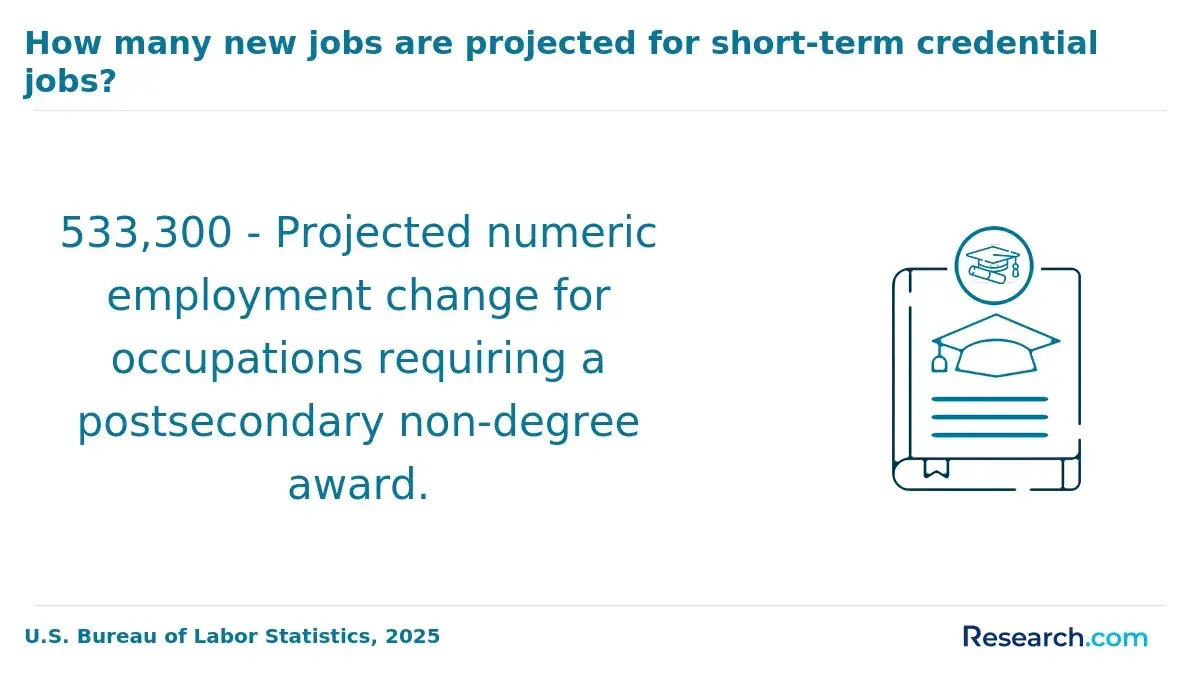
The energy sector, buoyed by regulatory push toward renewables and infrastructure modernization, offers relatively stable entry positions such as power systems engineers, though these roles require some familiarity with specialized software and standards, posing a moderate barrier to fresh graduates. According to 2024 data from the U.S. Bureau of Labor Statistics, these sectors collectively constitute the majority of initial hiring opportunities amid ongoing retirements and skill shortages.
Telecommunications presents a slightly different landscape, where entry-level roles center on 5G network expansion and RF engineering, typically clustered around established tech hubs that benefit from sustained capital investment. Here, new graduates face moderate competition but gain exposure to rapidly evolving communications protocols, often demanding adaptability over deep specialization.
Meanwhile, technology services, spanning IoT and embedded systems, prioritize candidates with interdisciplinary capabilities, blending hardware know-how with programming skills, which raises the bar for entry but also opens diverse paths. Graduates should weigh the trade-off between the volume and stability of positions in manufacturing or energy versus the faster-paced, skill-intensive environment in tech services, tailoring applications to sectors aligned with their skillset and career readiness rather than defaulting to the largest employer base.
Where Do Electrical Engineering Graduates Have the Best Hiring Odds?
Hiring odds for entry-level electrical engineering graduates hinge chiefly on the density of relevant employers, industry activity, and available roles rather than mere geography. For example, Austin, TX, and Raleigh-Durham, NC, are recognized as top regions for electrical engineering graduate jobs due to their expanding tech hubs and concentrated industry demand, which outpaces applicant competition seen in traditional finance centers.
Graduates focusing solely on high-cost markets like Silicon Valley may face intense rivalry and compressed salary purchasing power, making balance between opportunity volume and living expenses critical.
The best industries hiring entry-level electrical engineers currently include technology, renewable energy, aerospace, and semiconductors, sectors showing robust job-posting growth coupled with moderate applicant numbers according to 2024 LinkedIn Workforce Insights and U.S. Bureau of Labor Statistics data. Public sector roles often offer less competition but slower hiring and credential hurdles, while remote work remains limited due to hardware and lab requirements, pushing many employers toward hybrid models.
When assessing where to apply, graduates should consider not only internship pipelines and employer clustering but also real tradeoffs in specialization fit and local workforce shortages.
Evaluating entry-level positions also involves understanding workforce shortages alongside skill demand. Those seeking wider options may find expanding their network through reputable programs, including good online colleges, useful for accessing internships and bridging geographic gaps.
Choosing markets with less saturated applicant pools yet strong infrastructure investment offers a more practical path than indiscriminately targeting larger cities, underscoring the complex calculus behind where new grads have the best hiring odds.
What Starting Salaries Can Entry-Level Electrical Engineering Graduates Expect?
Starting salaries for entry-level electrical engineering graduates vary considerably and hinge on more than the degree itself.
Factors such as industry specialization, geographic location, and prior experience can shift offers by thousands of dollars, making some roles notably more lucrative than others. For example, a graduate with internship experience applying for a semiconductor role in a major tech hub might receive an offer 15% higher than the national average, which offsets the higher living costs but demands quicker adaptation and technical proficiency.
Evaluating offers requires balancing base pay, signing bonuses, benefits, and career trajectory rather than focusing on a single number. Key determinants of starting salary include:
- Industry Sector: Aerospace and semiconductor companies often provide starting salaries exceeding $80,000 due to specialized skill requirements and competitive demand. In contrast, public utilities and government engineering positions typically start near $65,000 to $70,000, reflecting budget constraints but potentially offering greater job stability.
- Geographic Location: Salaries in urban technology centers like the San Francisco Bay Area or Seattle can be 10% to 20% above the national average to accommodate cost-of-living differences, but these higher salaries may not translate to increased disposable income.
- Technical Skills and Certifications: Possession of credentials such as a Fundamentals of Engineering license or expertise in emerging fields can justify premium offers. Employers value certifications as indicators of competence beyond academic credentials.
- Prior Experience and Internships: Candidates with relevant internships or cooperative education typically secure starting offers above median levels, signaling readiness to contribute quickly in professional settings.
- Compensation Packages: Signing bonuses ranging between $2,000 and $7,000 and comprehensive benefits like health insurance and stock options form an important part of overall compensation, especially in large technology firms.
- Remote Work Options: While offering flexibility, remote roles may come with somewhat reduced pay linked to regional cost adjustments, requiring candidates to weigh financial tradeoffs against lifestyle benefits.
A recent electrical engineering graduate reported navigating offers from two employers: one located in a high-cost metro area offering a higher base salary but limited growth prospects, and another in a smaller city with a lower initial wage but more robust training and advancement opportunities.
The graduate hesitated between accepting immediate financial gain or opting for career-building potential, ultimately choosing the latter with cautious optimism about long-term benefits despite initial pay concessions. This experience underscores the complexity of assessing starting compensation beyond headline figures.
Which Skills and Certifications Help Electrical Engineering Graduates Get Hired?
Employers hiring entry-level electrical engineering graduates increasingly demand applied skills and digital fluency as indicators of job readiness beyond academic credentials alone. Demonstrable expertise in circuit design, signal processing, and embedded systems forms the technical foundation expected in most roles.
However, employers also weigh proficiency in software tools like MATLAB, Simulink, and CAD platforms, reflecting a shift toward integrated digital workflows. For example, a recent graduate applying to a renewable energy firm may find that showing experience automating data analysis with Python or contributing to machine learning projects significantly elevates hiring prospects.
Balancing these technical competencies with strong communication and teamwork skills addresses employers' need for adaptable engineers ready to collaborate across functions. Internships and portfolios often carry more practical weight than standalone certifications, yet credentials aligned with target industries can still improve visibility.
Below are essential certifications and key skills boosting electrical engineering entry-level employment:
- Technical Proficiency: Mastery of core areas such as circuit design and embedded systems remains fundamental for infrastructure, aerospace, and government roles. Candidates should illustrate these through projects or internships rather than rely solely on coursework.
- Digital Literacy: Competence in MATLAB, Simulink, and CAD tools like AutoCAD is critical. Python and data analysis skills increasingly differentiate candidates in automation, renewable energy, and machine learning fields.
- Analytical Thinking: Employers seek engineers with logical problem-solving capabilities and adaptability in multidisciplinary teams. Demonstrable experience in complex system analysis improves candidacy.
- Communication Skills: Clear, effective communication is a key differentiator, especially for roles involving client interaction or cross-functional collaboration. Strong verbal and written skills should be evident in applicant materials.
- FE Exam Certification: The Fundamentals of Engineering exam is essential for graduates pursuing licensure as professional engineers, particularly valuable in public infrastructure projects.
- Industry-Specific Microcredentials: Credentials in power systems, VLSI design, or cybersecurity can provide an edge in niche markets but should align carefully with targeted employers and roles.
- Project Management Certifications: Credentials like PMP are preferred in sectors such as aerospace but are not universally required. Practical project experience often holds greater hiring weight.
For graduates weighing further education alongside certifications, selecting pathways that emphasize practical skills and market-relevant tools is critical. Those interested in advanced quantitative skills might explore affordable programs such as the cheapest masters in data science to complement their engineering foundation.
How Much Experience Do Entry-Level Electrical Engineering Jobs Require?
Entry-level electrical engineering positions frequently list experience requirements that reflect a balance between employer flexibility and selectivity. While roughly 42% of these job postings do not mandate prior experience, many, around 35%, expect candidates to have one to two years of applied learning such as internships, co-op placements, or significant academic projects.
This distinction often separates candidates with demonstrable practical skills from those relying solely on theoretical knowledge, influencing who advances past initial application screens. For example, a recent graduate with a portfolio of substantial capstone projects and a summer internship may meet or exceed the practical experience criteria of roles that technically prefer 1-2 years of prior exposure.
Expectations for relevant experience vary notably by industry complexity, organizational size, and regional labor dynamics. Regulated sectors like aerospace or medical devices often demand specific compliance familiarity or specialized hands-on training, raising the baseline experience threshold even for entry-level roles.
Conversely, startups and tech firms may prioritize adaptability and interdisciplinary skill sets over formal experience years. Moreover, in labor markets saturated with graduates, employers often inflate experience requirements as a filtering mechanism, while shortages in engineering talent may lead to more accessible openings despite nominal experience stipulations. Practical exposure through volunteering, freelance work, or campus employment increasingly factors into these informal criteria, complementing traditional internships.
Given these nuanced conditions, electrical engineering graduates should interpret experience listings as indicative rather than absolute cutoffs. Job seekers must assess how their portfolios of applied projects, certifications, and non-traditional engagements compare with posted preferences.
Hiring managers are progressively emphasizing problem-solving capabilities and tangible outcomes over rigid experience counts, a trend underscored by recent labor market analyses, making strategic presentation of relevant skills crucial. Recognizing when a position values demonstrated competency over tenure helps graduates temper application decisions and focus efforts where their qualifications align most strongly with employer expectations.
What Do Employers Look for in New Electrical Engineering Graduates?
Employers screening entry-level electrical engineering graduates increasingly weigh applied competencies, practical experience, and soft skills more heavily than formal academic credentials alone. Recruiters look for evidence that candidates can translate theoretical knowledge into real-world solutions, often prioritizing demonstrated job readiness through internships, projects, and technical proficiency.
Communication abilities and adaptability factor strongly in early hiring decisions, reflecting the multidisciplinary and fast-evolving nature of engineering roles. Understanding these evaluative criteria helps candidates align their preparation with employer expectations, improving prospects in competitive markets.
The following qualities most commonly drive hiring outcomes:
- Applied Technical Skills: Employers assess proficiency in circuit design, programming, and systems analysis, often validated by coursework combined with hands-on labs or software tools like MATLAB and Python. This practical expertise forms the baseline for entry roles requiring immediate contribution.
- Relevant Internship Experience: Data from Handshake's 2024 Graduate Outcomes Report shows graduates with at least one relevant internship are 60% more likely to be invited to interviews. Internships provide measurable proof of workplace readiness and problem-solving under real conditions.
- Communication & Teamwork: Employers prioritize candidates who can collaborate across disciplines and explain complex concepts clearly. Team-based projects and leadership roles on capstone assignments serve as key indicators.
- Adaptability & Problem Solving: Demonstrable ability to tackle novel challenges through hackathons or open-source contributions signals the agility necessary for evolving engineering environments with rapid automation and AI adoption.
- Industry-Specific Fluency: Candidates with knowledge of sector-relevant hardware or software tools tailored to local market demands, such as semiconductor process simulation, stand out by aligning skills with employer priorities.
- Certifications as Entry Markers: Credentials like the Fundamentals of Engineering exam remain valued for establishing foundational competence but rarely differentiate applicants unless paired with applied experience.
How is AI Affecting Entry-Level Hiring for Electrical Engineering Graduates?
Entry-level hiring for electrical engineering graduates increasingly favors candidates who combine traditional engineering fundamentals with AI-related digital skills, reflecting a shift in the nature of job responsibilities. Rather than eliminating roles, AI integration reallocates routine design and testing tasks, now around 30% automated according to OECD studies, to AI-assisted tools, emphasizing candidates' analytical skills and adaptability.
In sectors like manufacturing and energy, this shift means new graduates must demonstrate proficiency not only in core EE concepts but also in working alongside machine learning frameworks and data analytics platforms, a preference that impacts resume strategies and interview preparedness.
The impact of AI-driven applicant tracking systems (ATS) also reshapes hiring, as automated keyword matching prioritizes specific competencies in AI and automation tools. Graduates who neglect to explicitly showcase these skills risk being filtered out early, underscoring the practical importance of tailoring applications to hybrid technical requirements.
Internship experiences involving AI-assisted design or control projects increasingly serve as proving grounds for such competencies, signaling to employers a readiness for evolving job demands. These practical realities underscore how the impact of AI on entry-level electrical engineering hiring diverges across industries and employer types, urging candidates to research roles strategically and develop portfolios aligned with current labor market trends.
For those considering further specialization, understanding these dynamics can also inform decisions on advanced studies or certificates. For example, pursuing a master of finance online might complement engineering roles focused on data-driven financial systems or risk modeling, broadening employability in technology-driven sectors.
Integrating insights from artificial intelligence trends in early-career electrical engineering jobs can therefore help graduates navigate competitive landscapes more effectively, making informed choices that reflect both immediate hiring realities and long-term career trajectories.
How Can Electrical Engineering Graduates Improve Their Job Search Results?
Targeted job searches consistently yield better results than submitting large volumes of generic applications, as tailoring resumes and cover letters to specific job titles and industries aligns candidates more closely with employer expectations. A 2024 report from the National Association of Colleges and Employers shows that customized applications can boost interview rates by up to 30%.
For example, a graduate applying broadly to roles without adjusting for employer terminology or required skills may find their resumes filtered out by applicant tracking systems, resulting in missed opportunities despite considerable effort. Prioritizing roles where qualifications and skills, such as embedded systems programming or CAD proficiency, directly match stated job requirements greatly improves hiring odds.
Industries and geographic regions with concentrated tech and manufacturing hubs, notably the Midwest and the West Coast, display stronger entry-level demand, especially in areas like power systems and electronics design. Networking continues to play a vital role; according to a 2024 Handshake survey, over half of early-career electrical engineering job seekers reported referrals or connections as key to interview acquisition.
Candidates who strategically align their applications with recruiting cycles and demonstrate practical experience through internships, projects, or certifications distinguish themselves amid competition. New graduates should integrate market research, application timing, and network leverage into their approach to optimize outcomes within the uneven hiring landscape.
Balancing focused outreach with evidence of relevant skills is essential for entry-level electrical engineering job search strategies in the US. Approaching fewer, well-targeted opportunities allows for deeper preparation and stronger presentation of job readiness. Prospective engineers will also benefit from exploring diverse pathways, including those detailed in an online geology degree context, which illustrates the growing importance of specialized knowledge and adaptable skill sets across STEM fields.
References
- Electronic/Electrical Engineering Opportunities | Gradcracker - Careers for STEM Students https://www.gradcracker.com/search/electronic-electrical/engineering-jobs
- Top entry level jobs for Electrical Engineering graduates https://www.gulftalent.com/resources/top-entry-jobs-after-graduation/14/electrical-engineering
- AI's Impact on Graduate Jobs: A 2025 Data Analysis | IntuitionLabs https://intuitionlabs.ai/articles/ai-impact-graduate-jobs-2025
- Electrical Engineering Jobs: A FAQ Guide - Certis Solutions https://www.certisaec.com/electrical-engineering-jobs-a-faq-guide/
- AI's Impact On Engineering Jobs May Be Different Than Expected https://semiengineering.com/ais-impact-on-engineering-jobs-may-be-different-than-initial-projections/
Other Things You Should Know About Electrical Engineering Entry-Level Hiring
Programs with established connections to local or global electrical engineering employers typically offer better internship and co-op opportunities, which are critical for gaining practical experience and making industry contacts. Graduates from such programs often have a competitive advantage in job markets that value proven work readiness over theoretical knowledge alone. Prioritizing schools or programs that integrate real-world projects and employer partnerships can significantly improve hiring odds and ease the transition into full-time roles.
While depth in specific subfields like power systems or embedded design can differentiate candidates for specialized roles, a broader skill set aligned with fundamental electrical engineering concepts is generally more valuable at the entry level. Employers often seek versatile graduates who can adapt to multiple tasks within interdisciplinary teams, especially in smaller companies or startups. Thus, focusing on a balanced skill portfolio with demonstrated competence in core areas and some exposure to trending technologies is a more practical strategy for early-career success.
Geographic flexibility greatly increases the chances of securing desirable positions, especially since demand and job density vary widely across regions. Graduates willing to relocate to industry hubs or areas with high infrastructure investment tend to find more abundant opportunities and higher starting roles. However, relocation can also mean adapting to different cost-of-living standards and social networks, so candidates must weigh immediate employment benefits against personal and financial considerations for long-term career planning.
For most new electrical engineering graduates, entering the workforce to build practical experience before considering graduate studies offers clearer career benefits. Early work experience provides essential context for identifying specialization interests and increases the return on investment in advanced degrees. Only those targeting highly specialized R&D roles or academia should prioritize graduate education immediately, while others should use initial employment to develop technical and soft skills that enhance long-term prospects.