2027 Electrical Engineering Degree Enrollment Trends by Age Group: Traditional Students vs Adult Learners

Co-Founder and Chief Data Scientist
The technical rigor and credential barriers inherent in electrical engineering degree programs shape distinct enrollment patterns between traditional-age students and adult learners. Licensing prerequisites and rapid advancements in electronics often deter mid-career entrants, while workforce demand for skills in areas like renewable energy and semiconductors drives adult re-engagement.
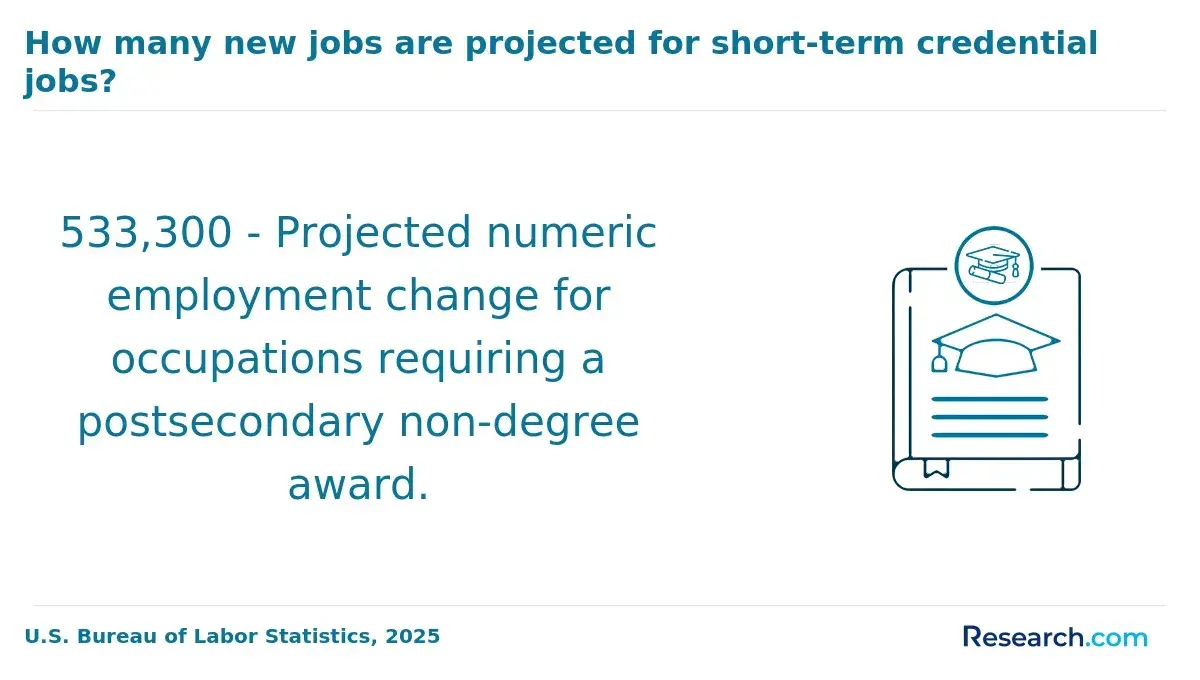
Data from the U. S. Bureau of Labor Statistics projects a 7% growth in electrical engineering employment through 2031, yet only 18% of recent enrollees are over 25, underscoring age-related access challenges. This age distribution suggests evolving industry needs, highlighting gaps in educational flexibility and signaling workforce renewal dynamics within the field.
Key Things to Know About Electrical Engineering Degree Enrollment Trends by Age Group
- Enrollment among adult learners in electrical engineering often involves balancing work and study, leading to longer completion times but increased practical experience valued by employers.
- Employers increasingly prefer younger graduates for entry-level roles due to longer tenure potential, impacting adult learners' hiring opportunities despite relevant skills.
- Rising tuition and limited part-time options create access barriers for non-traditional students, indicating cost and scheduling remain critical factors in adult enrollment decisions.
- Key Things to Know About Electrical Engineering Degree Enrollment Trends by Age Group Key Things to Know About Electrical Engineering Degree Enrollment Trends by Age Group
- Which Age Groups Represent the Largest Share of Electrical Engineering Students? Students by Age Group
- Why Do Traditional Students Choose Electrical Engineering Degree Programs? Traditional Students
- Why Do Adult Learners Return to School for a Electrical Engineering Degree? Adult Learners
- How Do Academic Goals Vary Between Younger and Older Electrical Engineering Students? Academic Goals by Age Group
- How Do Financial Concerns Differ Between Traditional Students and Adult Learners? Financial Concerns by Age Group
- What Challenges Do Adult Learners and Traditional Students Face While Earning a Electrical Engineering Degree? Student Challenges by Age Group
- How Does Age Affect Electrical Engineering Degree Student Retention? Age and Student Retention
- Which Electrical Engineering Specializations Are Most Popular Among Adult Learners? Top Specializations for Adult Learners
- How Does Age Affect Job Opportunities for Electrical Engineering Graduates? Impact of Age in Job Opportunities
- What Do Current Electrical Engineering Enrollment Trends Reveal About Future Demand? What Do Current Electrical Engineering Enrollment Trends Reveal About Future Demand?
Which Age Groups Represent the Largest Share of Electrical Engineering Students?
Electrical engineering programs attract learners spanning a variety of life stages, yet enrollment consistently concentrates within particular age brackets shaped by career timing, financial readiness, and established educational routes. This age distribution mirrors broader workforce dynamics and structural elements of higher education rather than simply reflecting academic preferences. Students' decisions to pursue electrical engineering are deeply intertwined with their stage in professional development and availability to commit to demanding technical curricula.
- Ages 18-24: This group dominates electrical engineering enrollments as it aligns with traditional college entry immediately after high school. Programs are primarily designed for full-time study within this window, facilitating comprehensive coursework and internships that employers value for early career hiring. The relative homogeneity in educational background and time availability makes it easier for students in this demographic to meet program prerequisites and succeed in intensive learning environments.
- Ages 25-34: Representing career changers or those returning to education, this cohort has lower but growing participation. Their enrollment often reflects a strategic shift toward technical expertise or upskilling amid evolving workforce demands. However, balancing work, family, and intensive study creates higher barriers, and fewer flexible program structures exist compared with online or part-time options increasingly available through online courses.
- Ages 35 and older: This segment is the smallest share, typically comprising professionals seeking significant re-skilling or specializing. While their maturity and work experience offer practical advantages, time limitations and the rigorous prerequisite knowledge required limit widespread enrollment. Adult learners in this group may leverage part-time or non-traditional programs but face steeper tradeoffs in balancing education with existing obligations.
Enrollment patterns in electrical engineering highlight the predominance of learners who enter at a traditional age due to program design and employer preference for early-career professionals. The distribution reflects the educational system's structure and workforce integration timelines, with adult learners signaling a response to lifelong learning needs as industries transform rapidly. Understanding these enrollment dynamics reveals how educational accessibility and labor market expectations converge to shape who pursues electrical engineering degrees and when.
Why Do Traditional Students Choose Electrical Engineering Degree Programs?
Traditional students pursuing electrical engineering degrees often start with a clear recognition of the field's strong signaling value and its alignment with early career exploration. Many are drawn by the combination of rigorous theoretical foundations and practical application that this discipline offers, which supports a broad spectrum of industry roles in telecommunications, energy, and electronics manufacturing. Enrollment decisions frequently reflect not only academic curiosity but also an awareness of the degree's utility in opening pathways to stable, well-compensated positions. A 2024 report from the National Center for Education Statistics indicates that approximately 35% of students entering engineering fields cite robust job prospects and earning potential as central to their choice.
The underlying influences shaping these decisions often include university recruitment strategies that target high school students excelling in math and science, coupled with guidance counseling that frames electrical engineering as a reliable gateway to technology-driven sectors. Exposure to electrical engineering concepts in secondary education or introductory college courses can reinforce this trajectory by confirming aptitude and interest early on. Moreover, young adults' perceptions of labor market stability and employer demand frequently act as a practical filter when selecting programs, as they seek degrees that balance intellectual challenge with clear employment prospects. For students examining various educational pathways, including those considering the cheapest online computer engineering degree, these factors critically guide enrollment patterns and longer-term specialization decisions.
Why Do Adult Learners Return to School for a Electrical Engineering Degree?
Adult learners returning to pursue an Electrical Engineering degree often do so to address specific career mobility needs, including moving from technical support or technician roles into engineering positions that require formal credentials. Salary progression and the demand for upward job transitions drive many to seek this degree as a pathway to increased earning potential and job stability. According to a 2024 report by the National Center for Education Statistics, roughly 38% of adult STEM degree seekers identify enhanced employment security and wage growth as primary motivators. These learners typically approach the degree with clear professional objectives, contrasting with younger students who might still explore broad academic interests.
Additional factors influencing this decision include employer tuition assistance programs and the expanding availability of flexible learning formats such as online or evening courses that accommodate work and family obligations. Rapid technological change in industries like manufacturing, telecommunications, and renewable energy creates a pressing need for updated skills in circuit design, embedded systems, and software integration, pushing workers to reskill or upskill to remain competitive. Many programs now recognize prior learning or transferable credits, helping reduce time and costs, but adult learners must still navigate rigorous curricula amid competing personal responsibilities. The evolving credential requirements from employers often emphasize both theoretical knowledge and practical application, which can limit options such as unpaid internships that traditional students more commonly pursue.
How Do Academic Goals Vary Between Younger and Older Electrical Engineering Students?
Students entering electrical engineering directly after high school typically pursue broad academic exposure while establishing foundational skills critical for entry-level engineering roles. They often prioritize gaining hands-on experience through internships and campus research opportunities, positioning themselves either for immediate employment or continuation to graduate study. This phase frequently involves navigating a diverse curriculum to identify specializations, with a focus on theoretical understanding complemented by practical exercises. According to the National Center for Education Statistics' 2024 report, this demographic commonly uses their academic period for exploration rather than narrowly defined career goals.
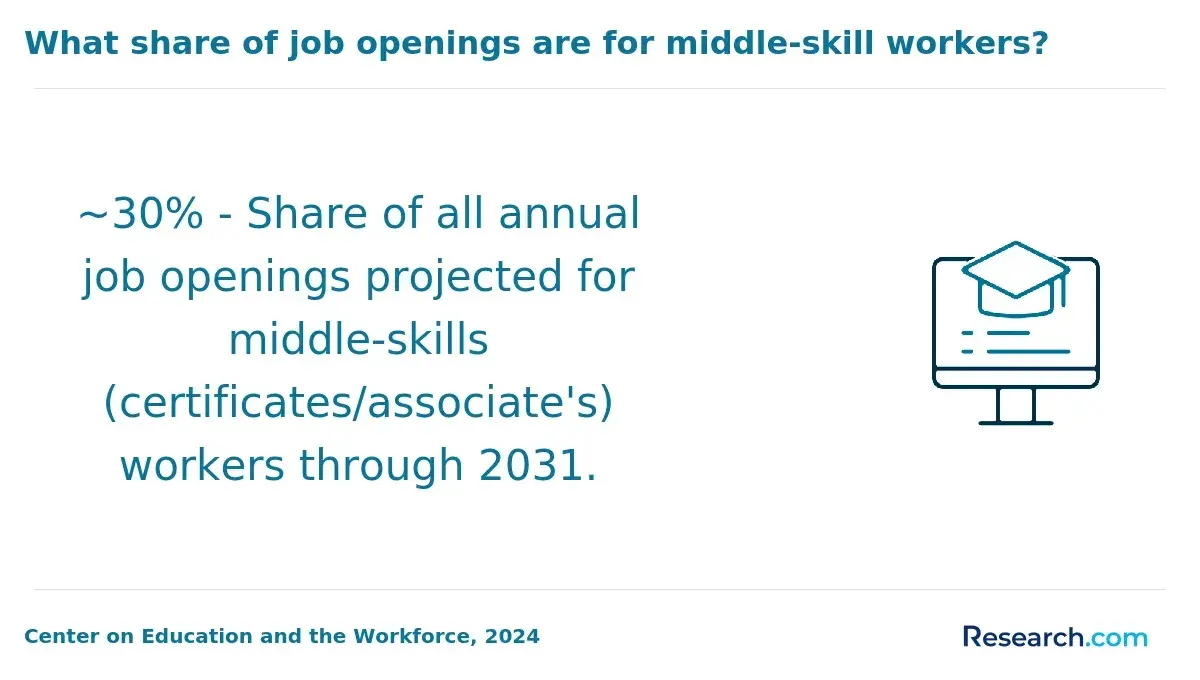
Conversely, older electrical engineering students-usually balancing work and family-approach their education pragmatically, targeting skill sets that directly impact current or prospective employment. Their program choices tend to favor flexible formats like evening or online classes, enabling timely credential completion without significant disruption. Many seek to upskill for role changes or to solidify qualifications recognized by employers, viewing the degree as a strategic tool for immediate workforce advancement rather than academic exploration. The same 2024 analysis revealed that 62% of these adult learners emphasize credentials that translate into clear workplace outcomes, underscoring a goal-oriented learning pattern aligned with career lifecycle demands.
One returning adult learner recalled hesitating to apply early during the rolling admissions cycle due to concerns about balancing job responsibilities and academic rigor. They waited several weeks, monitoring program flexibility and course scheduling, before submitting an application just days ahead of the final deadline. Their decision was influenced by the need to secure a stable work schedule to accommodate evening classes, reflecting typical considerations older students face in managing timing and preparedness alongside personal commitments. Once enrolled, this measured approach enabled them to progress steadily without overwhelming disruptions, illustrating the distinctive pacing often required in mid-career educational pursuits.
How Do Financial Concerns Differ Between Traditional Students and Adult Learners?
Traditional students pursuing an electrical engineering degree predominantly depend on family support, federal grants, and subsidized loans, which shapes their approach to managing tuition and living expenses. Their financial concerns are largely anchored in tuition and related costs, with a significant portion willing to accept higher debt levels due to a longer anticipated career span post-graduation. According to the 2024 National Postsecondary Student Aid Study (NPSAS), 68% of traditional undergraduates identify tuition as their primary financial challenge, highlighting how cost containment and debt tolerance factor heavily into their educational decisions. This cohort typically prioritizes maximizing financial aid across semesters while following semester-based schedules aligned with conventional academic calendars, reflecting the financial challenges faced by traditional vs adult engineering students in navigating funding and repayment strategies.
In contrast, adult learners balancing family and work commitments face a distinct set of financial pressures that steer their enrollment and program choices. A majority contend with lost wages due to reduced work hours-reported by 74% of adult students in the 2024 Adult Learner Financial Survey-combined with childcare and dependent care costs. Many rely on employer tuition assistance or federal tax benefits, underscoring how opportunity cost and income continuity heavily impact their decisions. These dynamics encourage adult learners to seek flexible scheduling, often opting for part-time or evening courses and carefully weighing program affordability without incurring excessive debt. This divergence in tuition and funding differences for adult learners and traditional students in engineering highlights the layered financial calculus adult learners perform when pursuing technical degrees amidst competing household obligations.
These financial divergences affect not only debt levels but also enrollment patterns and program modality selection, with adult learners increasingly gravitating toward adaptable formats. Such choices reflect lifecycle economic planning and workforce engagement realities, where the immediate return on investment often outweighs the longer-term career horizon factored into traditional students' decision-making. Prospective students weighing options must consider these factors alongside the evolving landscape of specialized pathways, including considerations like compressed timelines exemplified in programs such as a 1 year master's in psychology online, which demonstrate how program accessibility and scheduling shape educational viability for diverse cohorts.
What Challenges Do Adult Learners and Traditional Students Face While Earning a Electrical Engineering Degree?
Traditional students pursuing an Electrical Engineering degree typically contend with the challenge of adjusting to a demanding academic environment that expects strong foundational skills in math and science. Many enter these programs full-time with fewer external obligations, but the intensity and pace of the coursework, combined with rigorous time management demands, strain their ability to keep up, especially when prior preparation is uneven. High attrition rates-as much as 40% within the first two years nationally, according to recent data from the National Center for Education Statistics-reflect these pressures, emphasizing how crucial structured support and academic readiness are in this cohort's early progression.
Adult learners face a distinctly different set of challenges shaped by their need to juggle professional responsibilities, family commitments, and academic demands simultaneously. Nearly 60% of these students work part- or full-time while enrolled, which amplifies time scarcity and complicates consistent study habits. Additionally, returning to formal education after extended absences often requires adapting to new technologies and learning formats, such as hybrid or online classes, adding further strain. Financial considerations also weigh more heavily on adult learners, who report higher debt levels and less access to traditional aid, with evidence from the Council for Adult and Experiential Learning indicating that economic pressures cause many to delay degree completion.
These divergent circumstances necessitate that institutions develop differentiated support mechanisms, including flexible scheduling, targeted advising, and technology integration, to effectively serve both populations. Programs accommodating adult learners increasingly leverage part-time options and online resources to address their unique time constraints, while still needing to maintain the rigorous technical standards crucial in Electrical Engineering fields. Meanwhile, supports for traditional students focus more on remediation and mental health services to combat academic burnout and promote retention. Without this dual approach, the risk of prolonged degree timelines or attrition persists across both groups, underscoring the importance of lifecycle-aware educational design in engineering disciplines.
How Does Age Affect Electrical Engineering Degree Student Retention?
Retention patterns for younger electrical engineering students often reflect challenges tied to academic adaptation and early motivation within demanding curricula. These students, typically aged 18 to 24, confront the need to quickly develop technical skills and navigate rigorous coursework while establishing peer networks and utilizing campus resources. The transition into college-level expectations can disrupt persistence, especially when institutional support primarily targets their cohort yet does not fully offset adjustment difficulties. According to a 2024 report by the American Society for Engineering Education, retention rates among this group hover around 75% after the first year, highlighting the tangible impact of early academic and engagement factors on continuation.
Older electrical engineering students, aged 25 and above, approach retention with distinct dynamics shaped by life circumstances and priorities. They often exhibit stronger clarity of purpose and intrinsic motivation but face competing demands such as full-time employment, familial responsibilities, and financial obligations that limit time available for study. These factors can lead to fragmented enrollment patterns unless programs offer flexible formats like part-time, evening, or online courses tailored to mature learners' needs. Retention in this segment averages closer to 55%, underscoring the tradeoff between enriched goal orientation and logistical constraints affecting sustained progress.
One electrical engineering graduate recalled navigating the rolling admissions timeline with considerable anxiety. Initially hesitant to commit due to balancing a demanding job and uncertainty about launch dates, the student postponed application submission until late in the cycle. This delay compressed preparation time, creating pressure to secure financial aid and arrange for part-time study options, yet the flexibility in program scheduling ultimately proved decisive in staying enrolled. Their experience reflects how timing and institutional adaptability critically influence retention decisions across different age groups.
Which Electrical Engineering Specializations Are Most Popular Among Adult Learners?
Adult learners pursuing an electrical engineering degree frequently select specializations that directly complement their existing professional expertise or offer clear avenues for workforce transitions and salary growth. These students often prioritize fields with immediate applicability to their current job functions or industries experiencing stable or expanding demand. Unlike traditional students, who might explore emerging or broadly innovative fields, adult learners tend to target specializations that enhance operational efficiency or align with employer expectations.
Data from a 2024 survey by the National Center for Education Statistics highlights that approximately 42% of adult learners in electrical engineering programs focus on power and energy systems, underscoring a preference for areas linked to job security and industry stability. This trend reflects a broader pattern in adult learners' decision-making, where upskilling is often intertwined with concrete labor market outcomes and employer-driven skill requirements.
- Power systems engineering: This specialization appeals to adults working in energy, utilities, or infrastructure sectors. It offers practical expertise relevant to modernization efforts and renewable energy integration, making it attractive for those aiming to secure long-term roles or move into supervisory positions.
- Embedded systems: Often favored by professionals in manufacturing or automotive industries, this field builds on existing hardware and software knowledge. Adult learners leverage this specialization to stay current amid evolving automation trends and enhance their technical credentials.
- Telecommunications: With rapid advancements like 5G, this area attracts those targeting careers in wireless networking or communication technologies. It requires continuous learning but offers pathways into growth sectors with competitive salaries.
- Control systems engineering: Suitable for engineers focused on automation and industrial process optimization, this specialization supports operational improvements and aligns with employers' demands for efficiency-driven innovation.
These specializations reveal how adult learners balance skill updating with practical constraints, often selecting tracks that support career reinvention or progression within familiar industries. For those seeking flexible educational pathways compatible with workforce commitments, programs labeled among the best degrees for work from home jobs also play a role in shaping specialization choices and enrollment patterns.
Understanding adult learners' electrical engineering specialization trends offers insight into mature students' motivations, highlighting a pragmatic approach that weighs experience, labor market alignment, and potential salary advancement.
How Does Age Affect Job Opportunities for Electrical Engineering Graduates?
Younger electrical engineering graduates, typically those aged 18 to 24, often benefit from structured recruitment pipelines linked to their educational institutions, including internships and campus career fairs that boost early placement rates. Employers commonly prioritize these candidates for entry-level roles, valuing their perceived adaptability and the potential for long-term workforce development. These students generally gain access to traditional hiring networks and training programs aligned with early career trajectories, reflected in an 82% initial employment rate within six months post-graduation, according to a 2024 National Science Foundation report. This dynamic shapes initial job opportunities and establishes early professional momentum critical in this technical field, influencing employment segmentation by age group and educational timing.
In contrast, adult learners pursuing electrical engineering degrees often face a mixed landscape shaped by prior work experience, career transition goals, and employer perceptions regarding maturity and adaptability. While these graduates may leverage transferable skills and discipline to move quickly into specialized or mid-level roles, they can encounter biases related to age and wage expectations in junior positions, affecting early-career access but sometimes providing advantages in project-based or interdisciplinary contexts.
Understanding these nuances in hiring behavior and the wider labor market helps clarify differences in electrical engineering graduate job prospects by age group. For those considering alternative pathways or supplemental credentials, reviewing outcomes tied to related fields such as forensic science degree salary may offer additional insight into workforce segmentation and strategic positioning.
What Do Current Electrical Engineering Enrollment Trends Reveal About Future Demand?
Rising enrollment trends in electrical engineering programs notably reflect evolving student priorities and the perceived value of this degree. Traditional college-age students increasingly view electrical engineering as a gateway to stable roles in expanding technology sectors, while adult learners pursue these credentials for workforce adaptability amid rapid digital transformation. A 7% increase in bachelor's degrees awarded since 2020, according to National Science Foundation data from 2024, underscores growing academic interest that coincides with both early-career entry and mid-career reskilling. This dual demographic shift emphasizes a changing educational landscape where flexibility and specialization options drive program accessibility and relevance.
These enrollment dynamics correspond closely with labor market demands shaped by technological advancements and industry growth in areas like renewable energy and semiconductor manufacturing. Employers seek professionals capable of continuous learning and interdisciplinary skills, pushing institutions to broaden offerings and modalities, including part-time and online formats, to address these needs. Consequently, enrollment patterns serve as leading indicators of workforce shortages and specialization trends, pointing to steady expansion and evolving complexity in electrical engineering roles over the coming decade.
References
- How Higher Education Institutions Can Address the Needs of Adult Learners https://www.higheredtoday.org/2022/04/18/how-higher-education-institutions-can-address-the-needs-of-adult-learners/
- Adult Postsecondary Learners: Reviewing the Data and Evidence https://www.jff.org/idea/adult-learners/
- Electrical & Electronic Engineering Degrees | Emeris https://www.emeris.ac.za/electrical-and-electronic-engineering/
- Electrical Engineering Talent Shortages | K2 Staffing https://k2staffinginc.com/electrical-engineering-talent-shortages-how-recruiters-bridge-the-gap/
- Is Electrical Engineering Hard? - Delta Wye Electric https://deltawye.com/how-difficult-is-electrical-engineering/
- 2025 zyBooks Guide to Improving Engineering Student Retention - zyBooks https://www.zybooks.com/2025-zybooks-guide-to-improving-engineering-student-retention/
- The Benefits of College for Adult Learners - ReUp Education https://reupeducation.com/blog/the-benefits-of-college-for-adult-learners/
- Short Circuited: Electrical Engineering Degrees in the United States https://itif.org/publications/2023/04/24/short-circuited-electrical-engineering-degrees-in-the-united-states/
- Electrical engineering shortages over the next five years https://www.cpe2day.com/post/electrical-engineering-shortages-over-the-next-five-years
- What Is the Future of Electrical Engineering https://mailamengg.ac.in/the-future-of-electrical-engineering/
Other Things You Should Know About Electrical Engineering
In 2027, part-time adult learners in electrical engineering often balance education with career or family responsibilities, potentially impacting their immediate academic success. However, their real-world experience can enhance comprehension and problem-solving. Traditional students usually have fewer external commitments, allowing for more engagement but potentially less practical insight.
Yes, employer expectations vary notably by age and experience. Traditional students are usually evaluated on foundational technical proficiency and internship experience, emphasizing cutting-edge theoretical knowledge. Adult learners, particularly those changing careers, face scrutiny over practical skills and immediate job readiness, often benefitting more from programs with hands-on labs or co-op placements. Prospective students should assess whether program structures align with these evolving employer demands for their specific career stage.
Workload management presents greater challenges for adult learners balancing studies with external obligations, leading to higher risks of burnout or prolonged program duration. Traditional students generally have more dedicated time to focus on intensive coursework but may encounter pressure from consecutive demanding semesters. Choosing programs that integrate workload pacing with real-life projects or modular learning can significantly improve success rates for adult learners without sacrificing academic rigor expected by employers.
Traditional students often leverage early graduation to enter fast-track engineering positions with steeper initial salary growth, supported by internships and campus recruiting networks. Adult learners may experience delayed entry but typically gain roles that utilize prior experience combined with new technical skills, sometimes leading to leadership or specialized positions faster than their younger peers. When deciding on enrollment, adults should prioritize programs that recognize prior learning and offer robust industry connections to maximize career advancement potential.