2027 Electrical Engineering Degree Concentration Trends: Which Specializations Are Growing the Fastest

Co-Founder and Chief Data Scientist
When a working professional weighing a shift into electrical engineering faces a choice between concentrations like renewable energy systems, embedded hardware, or telecommunications, the implications extend well beyond academic interest. Selecting a specialization misaligned with industry growth can stall career progress, forcing costly retraining or limiting job prospects. Recent 2024 Department of Labor data highlight a 30% surge in demand for engineers skilled in power grid modernization and smart infrastructure, signaling shifting employer priorities toward sustainability and IoT scalability. Such trends underscore the necessity for informed concentration selection grounded in emerging market needs, not just personal preference or legacy prestige.
This article examines which electrical engineering degree concentrations are expanding most rapidly, providing insight to help individuals target fields with lasting career relevance and advancement potential.
Key Things to Know About Electrical Engineering Degree Concentration Trends and Fast-Growing Specializations
- Specializations like power systems and renewable energy are growing due to utility modernization, but they often require longer study durations and deeper regulatory knowledge, impacting time-to-degree and upfront educational costs.
- Employer demand increasingly favors expertise in embedded systems and IoT, reflecting a shift toward interconnected devices; graduates lacking these skills may face narrower job prospects in key tech sectors.
- Fields such as signal processing see steady enrollment but slower growth, suggesting a mature market where early specialization benefits long-term advancement, whereas late entrants might struggle with relevance and research funding.
- Key Things to Know About Electrical Engineering Degree Concentration Trends and Fast-Growing Specializations Key Things
- What Are the Most Popular Electrical Engineering Degree Concentrations Today? Popular Degree Concentrations
- Which Electrical Engineering Degree Specializations Are Growing the Fastest? Fastest Growing Specializations
- Why Are Certain Electrical Engineering Degree Concentrations Experiencing Rapid Growth? Reasons for Rapid Growth
- Which Industries Are Driving Demand for Fast-Growing Electrical Engineering Degree Specializations? Industries Driving Demand
- What Are the Highest-Paying Electrical Engineering Degree Concentrations? Highest-Paying Concentrations
- How Are Technology and Innovation Influencing Electrical Engineering Degree Specialization Trends? Tech and Innovation Impact
- What Career Opportunities Are Available in Fast-Growing Electrical Engineering Degree Concentrations? Career Paths in Growth Areas
- Which Online Electrical Engineering Degree Concentrations Are Seeing the Most Growth? Concentrations Growth
- What Is the Future Outlook for Emerging Electrical Engineering Degree Specializations? Future Outlook
- How Can You Choose the Right Electrical Engineering Degree Concentration Based on Your Career Goals? Choosing Your Degree Concentration
What Are the Most Popular Electrical Engineering Degree Concentrations Today?
The most popular electrical engineering degree concentrations today reveal a clear shift toward fields that integrate emerging technologies and respond to pressing market demands. Specializations in renewable energy systems and power electronics have surged because they directly address urgent global energy challenges and the rapid evolution of electric vehicle infrastructure.
For example, the noted 30% enrollment growth in renewable energy programs since 2022, reported by the National Renewable Energy Laboratory, signals not just student interest but also strong policy and corporate commitments that shape hiring priorities. These concentrations emphasize practical skills in sustainability and efficient power management, which are becoming indispensable as regulatory frameworks and industry investments pivot toward cleaner energy solutions and smarter grids.
Career decision-making in electrical engineering increasingly favors disciplines like embedded systems and telecommunications, which combine hardware knowledge with software and networking capabilities across diverse sectors. Embedded systems specialization benefits from the proliferation of IoT and smart devices, creating interdisciplinary roles in healthcare, manufacturing, and consumer electronics where demand is intensifying. Telecommunications remains vital due to ongoing 5G and 6G development, supporting a steady demand for professionals skilled in network infrastructure and cybersecurity amidst increasing global data flow.
Understanding these trends is critical when evaluating concentration options, as some fields may offer broader immediate job prospects, while others demand continuous upskilling to remain competitive. Prospective students seeking to optimize their path could also consider adjunct studies like an AI masters degree, which complements these fast-growing specializations by expanding analytical and automation capabilities.
Which Electrical Engineering Degree Specializations Are Growing the Fastest?
Growth in electrical engineering specializations increasingly reflects systemic shifts toward sustainable energy and digital integration rather than fleeting technology trends. For example, the U.S. Bureau of Labor Statistics projects that demand for engineers skilled in renewable energy systems, especially solar and wind power, has risen by over 8% recently, driven by stricter environmental policies and global decarbonization efforts. This expanding focus on clean energy directly shapes which skills employers prioritize, emphasizing power systems expertise and embedded control technologies that support automation and smart grid infrastructures. Students choosing degree concentrations must therefore weigh how these evolving priorities influence long-term employability and curricular relevance amid accelerating technological complexity.
Simultaneously, embedded systems and Internet of Things (IoT) specializations are gaining traction, propelled by increases in connected devices across healthcare, automotive, and industrial sectors. Enrollment growth in microelectronics and sensor-focused programs, rising about 10% since 2022 per IEEE data, reflects employer demand for engineers capable of integrating secure, intelligent networks. Yet, this multidisciplinary terrain demands adaptability, blending electrical engineering fundamentals with software and cybersecurity knowledge, which can complicate curriculum design and post-graduate positioning. Considering such dynamics, selecting a specialization requires balancing niche technical depth against flexibility in a field shaped by rapid innovation and cross-sector integration.
One graduate who recently navigated this decision recounted extensive research comparing electric vehicle technology with more traditional power engineering tracks. Initially drawn to the high-profile growth in battery management systems and vehicular networking, they scrutinized job market data, interviewed faculty, and evaluated program offerings both online and on campus. Despite the appeal of emerging specializations, uncertainty lingered about whether certain subfields would sustain momentum beyond policy cycles. Ultimately, the decision hinged on reconciling personal interest with a strategic assessment of specialization breadth and long-term industry demand, underscoring the complexity of making informed academic choices in today's evolving electrical engineering landscape.
Why Are Certain Electrical Engineering Degree Concentrations Experiencing Rapid Growth?
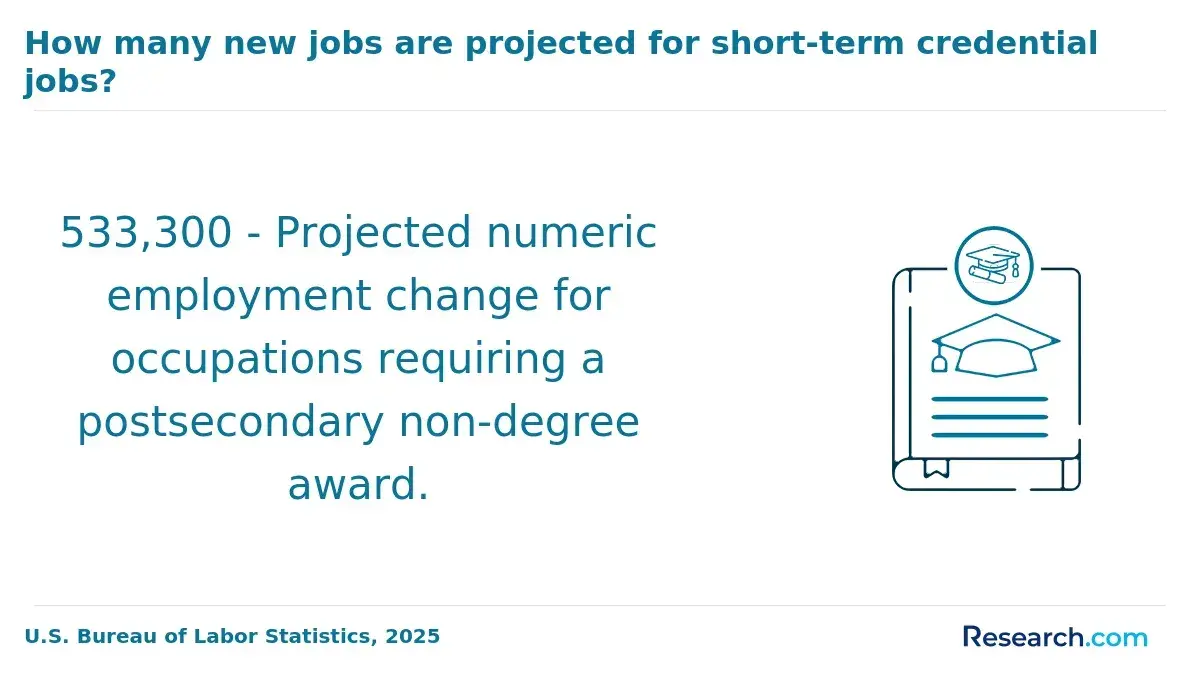
The accelerating adoption of technologies such as renewable energy systems, electric vehicles, and IoT devices is reshaping employer demand for electrical engineering concentrations. Regulatory priorities around carbon reduction and infrastructure modernization further amplify this trend, particularly benefiting areas like power systems and energy conversion. For instance, as government policies incentivize clean energy deployment, employers face shortages of engineers with expertise in these domains, prompting sustained hiring growth. The U.S. Bureau of Labor Statistics projects a 5% increase in employment for electrical and electronics engineers focused on renewable energy and communications through 2034, underscoring these fields' expanding labor market relevance.
However, rapid growth in specific subfields does not guarantee universal fit or long-term stability for all students. Specializations tied closely to legacy technologies or narrower industries may experience stagnation despite broader sectoral growth, requiring deliberate tradeoffs in curriculum and skill development. Employers increasingly prefer candidates who combine core electrical fundamentals with software proficiency, data analytics, and systems integration, forcing academic programs to evolve and students to broaden their technical scope. Consequently, students must balance emerging specialization opportunities against the risk of overspecialization, ensuring their expertise remains adaptable amid shifting industry demands and technological obsolescence.
Which Industries Are Driving Demand for Fast-Growing Electrical Engineering Degree Specializations?
Industry demand, rather than academic trends alone, governs which electrical engineering degree specializations grow fastest. Sectors like renewable energy are expanding rapidly, driven by regulatory incentives for clean power and grid modernization efforts. The U.S. Energy Information Administration projects a renewable energy production increase exceeding 20% by 2030, emphasizing the need for engineers with skills in power systems and sustainable technologies. This shift illustrates how labor market priorities, not just program availability, should guide students' specialization choices.
The semiconductor and electronics manufacturing industries also shape specialization growth, especially in microelectronics and embedded systems. With ongoing global chip shortages and rising demand for efficient components in consumer electronics and electric vehicles, the Semiconductor Industry Association notes a 15% rise in relevant job postings year-over-year. Such data signals a strategic advantage for students who target specializations aligned with these sectors' technological and workforce challenges. Balancing these industry demand trends for electrical engineering concentrations against personal aptitude remains essential, since oversupply in narrow fields or regional market variations can affect employability.
For prospective students managing work and study, evaluating a fully online engineering degree option may offer flexibility needed to complete credentials on time amid professional and personal demands. Understanding these industry-driven shifts helps learners align their education with evolving employer expectations and practical career realities in fast-changing electrical engineering domains.
What Are the Highest-Paying Electrical Engineering Degree Concentrations?
Specializations in electrical engineering tied to semiconductor manufacturing, power systems, and embedded systems tend to yield higher compensation due to their critical roles in current and emerging technologies. The U.S. Bureau of Labor Statistics reported in 2024 that median wages for electrical engineers in semiconductor and electronic component manufacturing surpass the overall electrical engineering median by around 20%, reflecting the technical depth and innovation required in microchip design.
Demand for expertise in power systems is similarly strong, particularly as regulatory priorities push for renewable energy integration and grid modernization, where navigating safety standards and complex policies enhances job value. Embedded systems engineers, bridging hardware and software, are sought after in sectors like autonomous vehicles and medical devices, benefiting from skill scarcity and multidisciplinary knowledge that employers find increasingly indispensable.
This earning variation illustrates how specialization choice involves trade-offs between mastering in-demand technical niches and sustaining adaptability amid rapid technological shifts. Employers prioritize candidates with skills resistant to offshoring or automation, meaning specialized knowledge in sectors such as smart grids or IoT development can bolster long-term employability.
Yet prospective students must balance potential financial benefits against the demands of continual reskilling and personal fit, as fast-evolving fields may require ongoing education to maintain relevance. The nuanced interaction of regulatory complexity, industry investment, and talent shortages fundamentally shapes which electrical engineering paths offer premium returns.One graduate recalled assessing semiconductor technology, power systems, and embedded systems concentrations while deciding on a degree focus. They reviewed industry employment data and alumni outcomes but hesitated because the highest-paying semiconductor track demanded advanced math and frequent technical updates they found daunting. Conversations with professors and engineers in power systems illuminated steady demand alongside clearer regulatory frameworks, which felt more manageable. Ultimately, weighing earning potential against daily job realities and personal strengths led to selecting a power systems specialization, blending financial prospects with greater confidence in sustaining long-term career engagement.
How Are Technology and Innovation Influencing Electrical Engineering Degree Specialization Trends?
The evolving landscape of technology and innovation driving electrical engineering degree specialization growth is markedly shifting institutional priorities toward interdisciplinary fields such as artificial intelligence (AI) hardware design and automation control systems. These areas show growth rates surpassing 8% annually, highlighting how employers increasingly demand engineers skilled in machine learning integration and smart infrastructure development. This dynamic compels programs to combine traditional circuit expertise with proficiency in programming, data analytics, and emerging technologies, challenging students to adapt to a curriculum that prioritizes software-hardware co-design and cybersecurity alongside classical engineering fundamentals.
Embedded systems and Internet of Things (IoT) technologies have become foundational in new concentrations, reflecting a broader emphasis on digital transformation within electrical engineering specializations. Employer surveys from the Institute of Electrical and Electronics Engineers (IEEE) reveal a clear preference for graduates who demonstrate competence in neuromorphic computing and edge AI systems, underlining the practical impact of technology-driven trends on curriculum design. However, this focus on emerging concentrations requires prospective students to carefully weigh specialization choices, balancing the appeal of high-growth fields with the necessity of continual skill development to maintain long-term relevance amid fast-paced innovation.
While established areas like renewable energy systems and microelectronics remain vital, they are increasingly integrated with smart grid applications and advanced semiconductor research to sustain their applicability. For working professionals and career changers evaluating online programs or pathways like MBA programs under 30k, understanding these trends is crucial for aligning educational investments with evolving workforce demands. Recognizing the practical tradeoffs in specialization choice helps navigate graduation strategies and completion timelines, especially as balancing new technical competencies with traditional engineering knowledge becomes integral to student success.
What Career Opportunities Are Available in Fast-Growing Electrical Engineering Degree Concentrations?
Shifting industry priorities have heightened demand for electrical engineering concentrations that intersect with sustainable energy and advanced connectivity technologies, reflecting a broader workforce emphasis on climate-conscious infrastructure and next-generation telecommunications. Specializing in renewable energy engineering, for example, positions graduates to navigate complex regulatory environments and power system design challenges critical to solar, wind, and smart grid deployments, aligning with utility and government initiatives that prioritize decarbonization. Conversely, embedded systems specialization requires proficiency in microcontrollers and sensor integration, skills increasingly vital in automotive and aerospace systems where product safety and innovation converge, illustrating how employer needs differ markedly across sectors within electrical engineering.
Employment projections from the U.S. Bureau of Labor Statistics indicate approximately 7% growth in electrical and electronics engineering roles through 2032, with noticeable acceleration in areas linked to green technologies and telecommunications infrastructure. Wireless communication specialists, engaging with expanding 5G and early 6G networks, must continuously update technical expertise amid rapid standard evolution, underscoring a tradeoff between deep specialization and adaptability. This dynamic environment means graduates must weigh whether to develop narrowly focused technical skills that fit current demand or cultivate foundational capabilities that offer long-term flexibility as industry emphases shift and interdisciplinarity becomes more pronounced.
Regional labor market nuances also affect the strategic value of particular concentrations, as some geographic areas emphasize infrastructure modernization while others concentrate on research or manufacturing. Selecting a specialization informed by current data on employer investments and technological trends can dramatically influence a graduate's ability to access roles beyond entry-level engineering, including leadership and consulting positions. Ultimately, the choice of focus within electrical engineering shapes not only immediate employability but also the professional agility required to capitalize on future innovations and evolving sector demands.
Which Online Electrical Engineering Degree Concentrations Are Seeing the Most Growth?
Growth in online electrical engineering degree concentrations predominantly reflects industries undergoing rapid technological transformation and regulatory shifts, not mere academic popularity. For example, the surge in power systems and renewable energy programs aligns with global decarbonization efforts and infrastructure investments, predicting a 7% faster job growth than average engineering fields according to U.S. Bureau of Labor Statistics 2024 projections. However, students should recognize that sectors like renewable integration demand continuous adaptation to evolving technologies and policies, posing challenges for those seeking stable, long-term expertise without ongoing upskilling.
Embedded systems and IoT engineering represent another fast-expanding online concentration, driven by the proliferation of smart devices and automation across manufacturing, healthcare, and consumer electronics. Though enrollments rise, prospective students must weigh the specialized technical skills required-such as microcontroller programming and wireless communication-against the risk of rapid obsolescence due to fast-paced innovation.
Communications engineering, bolstered by 5G and emerging 6G networks, also sees noteworthy growth; yet, this specialization requires sustained focus on cybersecurity and signal processing competencies, areas where industry demand intensifies alongside technological complexity. National Science Foundation data underscores a 15% annual increase in related academic offerings, emphasizing a shifting labor market that increasingly values niche expertise supported by interdisciplinary knowledge.
What Is the Future Outlook for Emerging Electrical Engineering Degree Specializations?
Emerging electrical engineering degree specializations are increasingly defined by their alignment with evolving industry demands, particularly in renewable energy systems and AI integration within hardware. The U.S. Bureau of Labor Statistics projects a 7% growth in jobs related to green energy and smart grid technologies through 2034, reflecting regulatory and economic pressures to adopt sustainable power infrastructure. This growth signals that students focusing on these areas may find stronger employment prospects, but they must be prepared for continuous skill updates due to the rapid pace of technological change and potential regulatory uncertainties that could impact market adoption rates.
The integration of AI and machine learning into hardware design stands out as a specialization with particularly robust career growth trends in emerging electrical engineering concentrations, supported by a 2024 IEEE industry report showing a consistent 10% increase in related job postings annually. Industries such as autonomous vehicles and advanced manufacturing emphasize hybrid hardware-software expertise, underscoring the importance of cross-disciplinary skills. Prospective students should weigh the strategic tradeoff between specializing narrowly and cultivating adaptable, interdisciplinary capabilities that align with shifting employer expectations amid complex technological landscapes. Those considering specialization should also research practical affordability and access to quality programs, including evaluating options like the cheapest online college, to balance cost with long-term career readiness.
How Can You Choose the Right Electrical Engineering Degree Concentration Based on Your Career Goals?
Choosing the right electrical engineering degree concentration involves weighing how each specialization aligns with your long-term objectives and current industry demands. For instance, selecting a concentration in microelectronics or computer engineering taps into faster-growing sectors like semiconductor manufacturing and embedded systems, where employment is projected to increase by 7% over the next decade according to the U.S. Bureau of Labor Statistics (2024). However, focusing solely on highly specialized niches may limit lateral mobility, making it crucial to consider how a field like control systems or robotics can open pathways to leadership or interdisciplinary collaboration.
Matching electrical engineering specializations with professional objectives requires assessing workforce trends and personal skill development goals. Emerging domains such as electric vehicle technology and IoT highlight where skill shortages persist, giving students who concentrate in automotive electronics or cybersecurity a competitive advantage. Those contemplating graduate education or managerial roles should analyze how different focuses influence career flexibility and advancement potential, recognizing that a specialization not aligned with these plans could slow progression or restrict opportunities.
This decision process extends beyond abstract interest; it demands practical evaluation of employer preferences, market signals, and the types of roles concentrated knowledge prepares you for. To further refine your educational planning, consider the efficiency of programs designed around your goals, such as the fastest MBA online, which may complement technical expertise with leadership skills valuable in engineering management contexts.
References:
- Despite a sluggish job market, studying electrical engineering offers good prospects https://www.vde.com/en/press/press-releases/electrical-engineering-job-market-studies
- Why Electrical Engineers Are in High Demand Globally? - CADD Centre https://caddcentre.com/blog/why-electrical-engineers-are-in-high-demand-globally/
- What are the Fastest-Growing Fields in Engineering in 2025? https://www.onlineengineeringprograms.com/faq/fastest-growing-engineering-fields
- Electrical engineering - Wikipedia https://en.wikipedia.org/wiki/Electrical_engineering
- Electrical Engineering Careers | How To Become An Electrical Engineer https://www.learnhowtobecome.org/engineering-careers/electrical-engineer/
- Exploring the future of Electrical Engineering - CTC https://www.ctc.edu.za/cutting-edge-technology/exploring-the-future-of-electrical-engineering/
- BS in Electrical Engineering Outcomes | University of Bridgeport https://www.bridgeport.edu/news/what-can-you-do-with-bs-in-electrical-engineering/
- Emerging Trends in Engineering and Technology - Al-Mithaq Institute Blog https://almithaqinstitute.com/en/blog/emerging-trends-in-engineering-and-technology/
- Top Electrical Engineering Schools Ranked for 2025 - Delta Wye Electric https://deltawye.com/top-electrical-engineering-schools/
- Inside the Best Online Bachelor's in Electrical Engineering Degrees https://www.onlinecolleges.me/engineering-degrees/bachelors/electrical-engineering/
Other Things You Should Know About Electrical Engineering
Emerging specializations like embedded systems, quantum engineering, and renewable energy are growing fast, but traditional fields such as power systems and communications still dominate many job markets. Choosing a newer concentration can offer early-mover advantages in cutting-edge industries, but these roles may come with fewer immediate openings and less established career paths. For steady employability, balancing a core traditional specialization with additional expertise in a growing niche often provides flexibility and longer-term resilience.
Programs offering emerging specializations frequently require interdisciplinary coursework, which can increase workload and complexity. This may limit opportunities for deep mastery in core electrical engineering fundamentals, potentially affecting readiness for roles requiring broad technical competence. Prospective students should prioritize programs that provide a balanced curriculum, ensuring foundational skills aren't sacrificed for emerging trends that could evolve or shift in industry demand.
Specializing early can boost employability in niche markets but risks restricting career options if that niche faces downturns or shifts in technology. Maintaining a broader electrical engineering focus initially allows adaptation to industry dynamics and may create a stronger foundation for future specialization. For those uncertain about quickly committing, starting broad and later deepening knowledge in a trending specialization is generally a safer, more adaptable approach.