2027 Electrical Engineering Transfer Credit Trends: How Schools Are Adapting for Adult Learners

Co-Founder and Chief Data Scientist
After completing two years at a community college, a working professional aiming to finish an electrical engineering degree discovers that only half of their credits are accepted by a four-year university. This mismatch adds semesters and thousands of dollars in tuition, complicating their carefully planned return to school. According to 2024 data from the National Student Clearinghouse, just 42% of transfer credits for STEM majors are fully accepted, reflecting inconsistent valuation of prior coursework. This gap reveals systemic challenges in credit mobility and highlights the need for clearer articulation agreements. This article examines how schools adapt transfer policies in electrical engineering programs to help learners navigate these obstacles more efficiently and affordably.
Key Things to Know About Electrical Engineering Transfer Credit Trends for Adult Learners
- Expanded acceptance of military and workforce training credits often excludes highly technical core engineering courses, forcing adult learners to retake fundamental classes despite relevant experience, increasing time and financial costs.
- Employers favor applicants from programs with rigorous transfer evaluations that verify prior learning through project-based assessments, prompting schools to adopt technology-enabled transcript reviews integrating competency validation.
- Institutions increasingly partner with community colleges offering tailored Electrical Engineering pathways, accelerating credit mobility but risking curriculum misalignment that may require additional bridge courses post-transfer.
- Key Things to Know About Electrical Engineering Transfer Credit Trends for Adult Learners Key Things to Know About Electrical Engineering Transfer Credit Trends for Adult Learners
- How Are Electrical Engineering Programs Changing Transfer Credit Policies for Adult Learners? Evolving Adult Transfer Policies
- Why Are More Electrical Engineering Schools Accepting Credit for Prior Learning and Work Experience? Prior Learning Credit Benefits
- How Do Electrical Engineering Colleges Evaluate and Award Transfer Credits Today? Transfer Credit Evaluation Process
- Which Alternative Credits Are Most Commonly Accepted by Electrical Engineering Programs? Accepted Alternative Credits
- How Are Electrical Engineering Schools Improving Transfer Pathways for Community College Students? Improved Community College Pathways
- How Can Transfer Credits Help Electrical Engineering Students Graduate Faster? Accelerating Degree Completion
- How Much Money Can Students Save Through Electrical Engineering Transfer Credit Opportunities? Cost Saving Through Transfers
- How Are Electrical Engineering Programs Supporting Military Students and Workforce Learners Through Transfer Credits? How Are Electrical Engineering Programs Supporting Military Students and Workforce Learners Through Transfer Credits?
- What Transfer Credit Innovations Are Shaping the Future of Electrical Engineering Education? What Transfer Credit Innovations Are Shaping the Future of Electrical Engineering Education?
- How Can Adult Learners Maximize Transfer Credits in a Electrical Engineering Program? Maximizing Your Transfer Credits
How Are Electrical Engineering Programs Changing Transfer Credit Policies for Adult Learners?
Recent shifts in transfer credit practices within electrical engineering programs illustrate a broader institutional effort to increase flexibility and accessibility for adult learners. Programs are expanding credit acceptance to include prior coursework from community colleges and accredited alternative providers, a move that reduces redundant classes and shortens time-to-degree-critical factors for working professionals balancing education with other responsibilities.
For example, students transferring with technical certifications or career-relevant credits often find that programs incorporating prior learning assessments can waive foundational courses, effectively accelerating their progression while ensuring academic rigor. This approach, however, requires careful navigation since credit acceptance policies vary widely, and some advanced or project-based electrical engineering courses may still demand in-person completion to meet accreditation standards.
Military-affiliated students particularly benefit from more systematic recognition of occupational training, allowing them to apply service experience toward curriculum requirements. Transfer articulation agreements play a strategic role by clearly defining transferable courses, aiding degree completers in maximizing credits without unnecessary repetition. Yet, these policies bring operational tradeoffs, as institutions balance curriculum integrity with credit mobility and affordability.
Adult learners assessing options should consider how flexible transfer credit acceptance in electrical engineering for working professionals aligns with their prior experience and career goals, recognizing that some programs integrate alternative pathways such as portfolio reviews or standardized tests. Those interested in expanding their credentials might also explore what certifications can I get online to complement credit transfer opportunities and enhance employability.
Why Are More Electrical Engineering Schools Accepting Credit for Prior Learning and Work Experience?
The increasing acceptance of credit for prior learning and work experience in electrical engineering programs reflects broader shifts in institutional priorities rather than simple policy generosity. Schools recognize that valuing industry certifications, military training, and employer-based learning helps align educational pathways with workforce needs, particularly for adult learners and military-affiliated students. This approach addresses the practical tradeoff between maintaining academic standards and reducing time-to-degree, as granting credit for relevant competencies can improve persistence and completion rates-yet not all nontraditional experiences meet rigorous curricular criteria. For example, a student with extensive military electronics training might receive credit for foundational courses, shortening their program length while ensuring advanced topics remain academically robust.
From an operational viewpoint, this trend enables degree completers to strategically leverage prior learning assessments and competency evaluations to avoid redundant coursework and lower financial burdens. However, navigating variable transfer policies poses challenges; discrepancies across institutions require careful planning and documentation to maximize credit acceptance. The 2024 Council for Adult and Experiential Learning report showing that students receiving credit for prior learning are 2.5 times more likely to graduate within six years underscores the tangible impact of these practices on student outcomes. At the same time, programs must balance increasing enrollment accessibility with rigorous vetting processes to ensure that expanded credit pathways do not dilute technical proficiency, which remains critical given electrical engineering's fast-evolving demands.
One adult learner transitioning from a military avionics technician role found transfer credit evaluation both promising and frustrating. While her certification and service records qualified her for partial course credit, the institution's shifting recognition policies and detailed portfolio requirements complicated timing. She noted, "It felt like there was cautious optimism from the advisors, but also a lot of waiting to see how my experience mapped onto their academic framework." This experience reflects how evolving credit acceptance is a nuanced process, requiring students to actively engage with institutional standards and advocate for the full value of their professional background within degree planning.
How Do Electrical Engineering Colleges Evaluate and Award Transfer Credits Today?
Transfer credit evaluation in electrical engineering programs has shifted from a routine administrative task to a strategic function integral to enrollment management and student success. Institutions now conduct detailed assessments of prior coursework, emphasizing accreditation status-particularly ABET or regional accreditation-and course equivalency based on syllabi and learning outcomes. For example, a military-affiliated student might leverage training aligned with engineering competencies, but schools often impose residency rules and upper-division credit limits that restrict how much transferred credit applies toward core requirements, affecting degree progression and educational expenses.
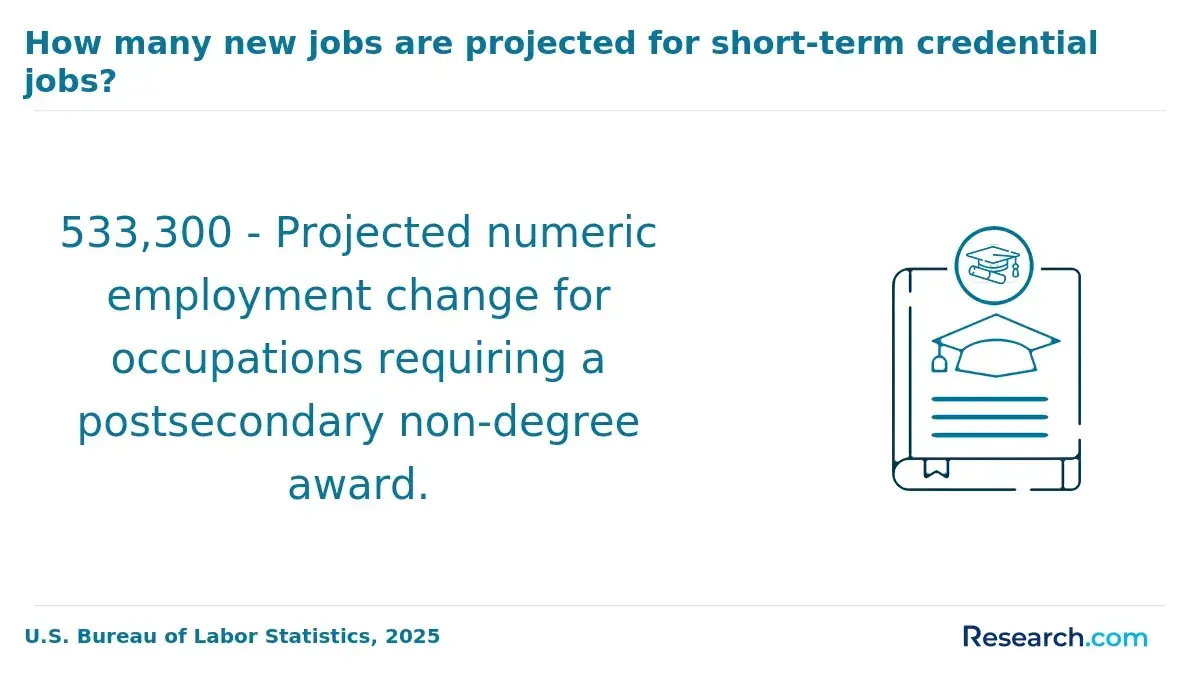
Alternative credit pathways, including credit for prior learning from professional certifications or workforce experience, are increasingly incorporated but remain uneven across programs. According to recent findings from the Council for Adult and Experiential Learning, approximately 30% of adult learners transfer some form of prior learning credit, reflecting institutional efforts to accommodate diverse educational backgrounds.
Nevertheless, the applicability of these credits varies widely; courses taken more than five years ago may face scrutiny due to rapid advances in electrical engineering content, while articulation agreements between community colleges and universities aid in clarifying transferability. These evolving practices influence academic planning by potentially reducing time-to-degree yet requiring proactive engagement with advisors to navigate constraints around credit acceptance and degree requirements.
Which Alternative Credits Are Most Commonly Accepted by Electrical Engineering Programs?
Acceptance of alternative credits in electrical engineering programs has evolved into a crucial strategy for enhancing degree accessibility and shortening completion times for adult learners, rather than merely adjusting transfer policies. These programs frequently assess sources such as credit for prior learning (CPL), military training, workforce certifications, and community college coursework through detailed course equivalency reviews and residency requirements.
However, transfer students must navigate institutional restrictions like limits on upper-division credit and accreditation compliance, which often narrow the scope of acceptable substitutions for core technical courses. For example, a military veteran seeking to apply training credits may find some recognition for foundational skills but still need to fulfill hands-on lab and advanced theory requirements that resist alternative credit.
Among the most commonly accepted nontraditional credits in electrical engineering programs are CLEP and DSST exams, competency-based assessments, and verified prior learning portfolios, reflecting a rising trust in these methods to measure mastery of essential subjects. According to a 2024 report by the Council for Adult and Experiential Learning, approximately 85% of accredited engineering programs incorporate some form of American Council on Education (ACE) recommended credit, underscoring a trend toward integrating verified experiential learning.
While platforms like Sophia Learning and Study.com gain traction, variability in institutional credit-evaluation policies means students should carefully verify acceptance criteria. Adult learners planning transfer pathways must weigh the benefits of reduced time and cost against potential gaps in rigorous, hands-on training that underpin employability in electrical engineering careers, making strategic decisions vital when pursuing an online engineering degree.
How Are Electrical Engineering Schools Improving Transfer Pathways for Community College Students?
Reducing transfer credit loss has become a strategic priority for electrical engineering programs seeking to improve degree throughput and accessibility for community college students, particularly adult learners managing work and family commitments. Schools are responding by creating more precise articulation agreements and aligning curricula to ensure foundational courses like calculus, physics, and introductory engineering translate smoothly into bachelor's degree requirements.
This approach can trim credit loss by nearly 30%, according to a 2024 report from the State Higher Education Executive Officers Association, directly impacting students' time to graduation. However, transferability still varies widely by institution, forcing students to carefully weigh credit evaluations and course equivalencies early in their academic planning to avoid redundant coursework and stalled progress.
In addition to formal agreements, institutions are expanding transfer advising and prior learning assessments to recognize certifications, military training, or relevant professional experience, which are especially important for working adults and veterans. Some programs also offer flexible scheduling and part-time pathways that maintain academic momentum without overwhelming students juggling multiple responsibilities. Despite these improvements, students must remain vigilant about institutional policies that may prioritize degree progress over the volume of accepted credits, mandating strategic course selection and close communication with advisors to ensure credits apply effectively toward degree milestones.
A community college transfer student pursuing an electrical engineering degree described navigating conflicting information during her transcript evaluation, unsure if key math and physics credits met the receiving university's standards. She worked closely with a dedicated transfer advisor who clarified course equivalencies and articulated a tailored degree plan prioritizing core engineering requirements. Though initially apprehensive about potential credit loss, the clear articulation agreement and personalized advising provided a roadmap that significantly reduced her anticipated time to degree and minimized costly repetition of foundational courses.
How Can Transfer Credits Help Electrical Engineering Students Graduate Faster?
Transfer credit policies for electrical engineering students present both opportunities and complexities in accelerating degree completion. While credits from community colleges, workforce training, and military experience can reduce redundant coursework, the degree timeline often depends on how schools apply those credits toward core and upper-division requirements.
For example, many programs require that a substantial portion of specialized electrical engineering courses be completed in residence, limiting the impact of transfer credits on overall graduation speed. As a result, students must carefully evaluate articulation agreements and program-specific credit acceptance rules to avoid prolonging enrollment due to misapplied or unaccepted credits.
Accelerated graduation through transfer credits in electrical engineering is further shaped by the integration of prior learning assessments (PLAs) and evolving institutional policies. Adult learners and working professionals benefit when schools recognize competencies from certifications or job experience, enabling partial credit that can offset foundational coursework. However, variability in evaluation standards means that roughly 20% of nontraditional credits remain underutilized, complicating degree planning and cost calculations.
Strategic engagement with advising offices and awareness of program sequencing are essential to effectively leverage transfer opportunities, especially in balancing affordability with timely completion. For those considering alternative credential pathways, resources such as 12 month certificate programs that pay well may complement traditional transfer credit strategies within a broader career plan.
How Much Money Can Students Save Through Electrical Engineering Transfer Credit Opportunities?
Transfer credits in electrical engineering programs can substantially lower direct educational expenses, particularly for non-traditional learners such as working professionals, military-affiliated students, and transfer candidates. A 2024 report from the National Student Clearinghouse Research Center indicates that transferring with significant credits can shorten degree duration by one to two semesters, which translates into tuition savings often ranging between $5,000 and $15,000 depending on the institution's per-credit costs. However, the actual financial benefit hinges on institutional policies, as caps on transfer credits, residency requirements, and restrictions on upper-division course acceptance often limit how many credits can be applied toward degree completion.
For example, students who start at community colleges frequently enjoy lower per-credit tuition rates-typically 50-70% less than four-year universities-and may save over $10,000 by transferring an associate degree in electrical engineering technology. Military students may access additional credit through prior learning assessments and Defense Department assistance, potentially cutting degree time by up to 30% per a 2024 RAND Corporation study. Yet, program-specific articulation agreements and credit equivalency reviews can erode anticipated savings if transferred courses don't align precisely with the target program's curriculum. These complexities demand careful evaluation of transfer policies, as unanticipated credit losses or course repetitions can extend time to graduation and reduce the monetary advantage of transfer pathways.
Consequently, enrollment decisions should factor in not only upfront tuition differentials but also the comparative flexibility of transfer policies, the likelihood of credit acceptance for technical or interdisciplinary coursework, and institutional financial structures. While strategic use of transfer credits reduces educational costs and expedites completion for many, outcomes differ widely. Adult learners and military-affiliated students need to weigh their previously earned credits against these limitations, ensuring that accelerated degree planning aligns realistically with program requirements and long-term academic goals in electrical engineering.
How Are Electrical Engineering Programs Supporting Military Students and Workforce Learners Through Transfer Credits?
Electrical Engineering programs increasingly integrate military training and workforce credentials into transfer credit policies to address the complexities faced by adult learners balancing professional and academic commitments. According to a 2024 report by the American Council on Education (ACE), nearly 75% of institutions have expanded recognition of military technical training, allowing service members to convert relevant experience into college credits. However, the degree to which these credits reduce remaining coursework varies widely, as institutions differ in enforcing credit caps and evaluating credentials beyond ACE recommendations, which can prolong degree completion timelines despite credit attempts.
Prior Learning Assessment (PLA) processes play a crucial role by assessing not only military education but also apprenticeships, certifications, and other nontraditional learning. While these assessments often combine standardized military credit evaluations with institution-specific criteria, inconsistent application leads to challenges for some students, especially those earning credits from certifications not formally recognized across schools. Transfer articulation agreements help clarify course equivalencies but cannot fully eliminate barriers when workforce-based learning falls outside established frameworks.
Flexible pathways such as hybrid or competency-based education in electrical engineering aim to accommodate scheduling needs and emphasize mastery over seat time, benefiting military-affiliated and working students. Yet, uneven credit acceptance means students must plan strategically to avoid extended enrollment periods. As employers prioritize proven skills over traditional credentials, streamlined credit policies that acknowledge diverse learning experiences remain essential for graduates seeking timely industry entry or reentry while balancing workforce realities.
What Transfer Credit Innovations Are Shaping the Future of Electrical Engineering Education?
Transfer credit innovations in electrical engineering education are reshaping degree accessibility and completion pathways for adult learners by improving how prior learning is evaluated and credited. A notable example involves AI-assisted transcript evaluation, which according to a 2024 study from the National Center for Education Statistics, has reduced credit review times by up to 40%, facilitating faster acceptance of relevant coursework. However, this speed can come with challenges, such as varying institutional readiness to integrate AI tools and the inconsistent application of credit policies, which affects how working professionals and transfer students plan their educational trajectories.
Competency-based education and expanded credit for workforce or military experience represent promising pathways for learners with non-traditional backgrounds, offering alternatives to conventional course completion. Yet, the variability in state and program accreditation standards complicates broad adoption, requiring students to navigate complex articulation agreements and even consider emerging digital credentialing and blockchain-based transcripts for secure verification. These improvements aim to increase portability and trust in transfer credits, but their practical impact depends heavily on institutional cooperation and infrastructure enhancements, influencing degree timelines and academic quality assurance.
Adult learners must also consider how these innovations align with employer expectations and long-term career goals, making informed decisions about transfer credits essential in balancing accelerated progress with meaningful skill recognition. For those curious about how certain degree fields translate to career options, exploring what can you do with a forensic psychology degree can provide additional context on credential and workforce alignment.
How Can Adult Learners Maximize Transfer Credits in a Electrical Engineering Program?
Effective transfer credit strategies for adult learners in electrical engineering require navigating a complex balance between maximizing previously earned credits and meeting strict institutional standards. A frequent challenge involves rigorous credit-by-credit evaluations, especially for technical and math courses, where about 68% of transfer attempts encounter partial rejection due to non-equivalency or outdated content, according to a 2024 National Student Clearinghouse report.
For example, a working professional transferring credits from a community college must prioritize courses with clear articulation agreements and confirm how credits align with core engineering requirements, as many programs cap transfer credits at 50-75%, making strategic course selection essential to avoid unnecessary repetition and extended time-to-degree.
Leveraging credit for prior learning (CPL) options, such as military training or industry certifications, is vital for maximizing prior learning credits in electrical engineering degree programs, allowing technical competencies gained outside traditional classrooms to partially fulfill program requirements. However, limitations on upper-division course transferability often necessitate in-house completion due to accreditation standards, which impacts course sequencing and academic flexibility.
Adult learners should proactively collaborate with advisors to understand residency mandates and optimize credit application across major milestones while weighing tradeoffs between cost savings and potential extended study periods. Additionally, pathways focusing on specialized credit recognition can reduce overall time and expense, a consideration emphasized in evaluations of degree-completion programs like a master's in instructional design, where clear credit articulation significantly influences educational accessibility.
References:
- Transfer Evaluation https://www.ensign.edu/transfer-evaluation
- Hard up for students, more colleges are offering college credit for life experience, or ‘prior learning’ https://hechingerreport.org/to-fill-seats-more-colleges-offer-credit-for-life-experience/
- Transfer Credits https://www.citadel.edu/electrical-computer/degree-completion/bs-electrical-engineering/electrical-credits/
- How Prior Learning Can Help Students Accelerate Into the Future of Work https://www.cael.org/resouces/pathways-blog/how-prior-learning-can-help-students-accelerate-into-the-future-of-work
- How to Transfer Credits and Maximize What You’ve Already Done - ReUp Education https://reupeducation.com/blog/how-to-transfer-credits-and-maximize-what-youve-already-done/
- Electrical Engineering Careers | How To Become An Electrical Engineer https://www.learnhowtobecome.org/engineering-careers/electrical-engineer/
- Explore Recent Trends in Electrical Engineering https://kahedu.edu.in/recent-trends-in-electrical-engineering-and-innovation/
- Motivations behind adult learners' engineering degree pursuit https://www.sciencedaily.com/releases/2015/12/151215134647.htm
- Is Electrical Engineering Hard? - Delta Wye Electric https://deltawye.com/how-difficult-is-electrical-engineering/
- Improving the Share of Adult Learners at Four-Year Institutions - Ithaka S+R https://sr.ithaka.org/blog/improving-the-share-of-adult-learners-at-four-year-institutions/
Other Things You Should Know About Electrical Engineering
Transfer credits often cover theoretical coursework but rarely satisfy hands-on lab or capstone project requirements essential in electrical engineering degrees. This means students might save time on classroom lectures but still face full lab workloads, which are critical for competency in circuit design, hardware debugging, and system integration. Prioritizing programs that allow substitution or waivers for lab work through documented prior experience can reduce duplication, but students should prepare for substantial practical work despite transfer credit approvals.
While technical certifications may translate into transfer credits, relying heavily on these can narrow exposure to broader engineering principles valued by employers. Programs granting credit mainly for basic skills might leave gaps in advanced topics like control systems or signal processing, affecting readiness for complex roles. Adult learners should weigh the immediate benefit of accelerated degree completion against potential limitations in job scope and advancement, focusing on programs that maintain rigor alongside credit recognition.
Accepting every available transfer credit may seem beneficial but can lead to skipped foundational courses that build critical problem-solving skills, potentially undermining mastery of core competencies. Selective acceptance is worthwhile when credits pertain to less central subjects or electives, allowing more time for comprehensive study of advanced electrical engineering concepts. Adult learners should prioritize credits that reduce redundancy without compromising essential learning, ensuring credentials meet employer expectations and licensure requirements.
Some graduate programs and licensure boards scrutinize the source and content of undergraduate credits, especially transfer credits, impacting eligibility. Excessive transfer credits from non-accredited institutions or non-traditional formats might require supplemental coursework to meet prerequisites. Adult learners aiming for graduate degrees or professional engineering licensure should verify that their transferred credits align with these standards to avoid prolonging education or facing qualification delays.