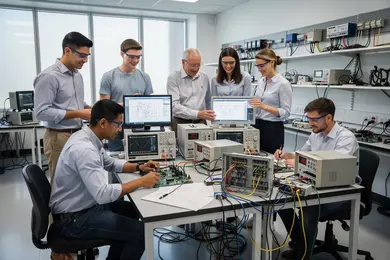
2027 Electrical Engineering Degree Completion Rates by Format: Online, Hybrid, and Campus Programs Compared

Co-Founder and Chief Data Scientist
Choosing the right format to complete an electrical engineering degree often challenges prospective students balancing career ambitions, time constraints, and learning preferences. An individual may weigh the flexibility of an online program against the structured environment of a campus setting or the blended model of a hybrid format. Each option presents distinct demands on self-motivation, access to resources, and opportunities for hands-on experience essential to technical fields like electrical engineering.
Completion rates vary significantly across online, hybrid, and campus programs due to these factors, influencing long-term outcomes such as employability and skill mastery. Understanding how each format supports persistence and mastery offers critical insight for students seeking a degree aligned with their goals. This article compares completion rates by format, explores key factors shaping student success, and guides prospective students toward the format best suited to their educational trajectory.
Key Things to Know About Electrical Engineering Degree Completion Rates by Format
- Online electrical engineering programs show approximately 15% lower completion rates due to limited hands-on lab access, impacting practical skill acquisition essential for accreditation and professional readiness.
- Hybrid formats typically yield higher completion rates than fully online options as they blend flexibility with structured, in-person collaboration, enhancing problem-solving and technical communication skills.
- Campus-based electrical engineering programs maintain the highest completion rates, driven by immersive access to faculty mentorship and peer networks that support navigating complex engineering curricula effectively.
- Key Things to Know About Electrical Engineering Degree Completion Rates by Format Key Things to Know About Electrical Engineering Degree Completion Rates by Format
- How Do Completion Rates Compare Across Online, Hybrid, and Campus Electrical Engineering Programs? Completion Rate Comparison
- What Factors Have the Greatest Impact on Electrical Engineering Degree Completion? Degree Completion Factors
- Which Electrical Engineering Degree Format Is Hardest to Complete? Completion Difficulty
- How Does Each Electrical Engineering Learning Format Affect Student Success? How Does Each Electrical Engineering Learning Format Affect Student Success?
- How Does Enrollment Status Affect Electrical Engineering Completion Rates? How Does Enrollment Status Affect Electrical Engineering Completion Rates?
- Can Transfer Credits Improve Electrical Engineering Degree Completion? Transfer Credits
- What Student Support Services Improve Electrical Engineering Completion Rates? Student Support Services
- How Do Electrical Engineering Completion Rates Affect Career Outcomes? Impact on Career Outcomes
- How Should Students Choose the Best Electrical Engineering Learning Format? Choosing the Best Format
- What Are the Long-Term Pros and Cons of Each Electrical Engineering Learning Format? Learning Format Pros & Cons
How Do Completion Rates Compare Across Online, Hybrid, and Campus Electrical Engineering Programs?
Completion rates for electrical engineering degree programs often reflect the demographics and circumstances of enrolled students more than inherent program quality. Factors such as financial stability, prior academic preparation, and personal motivation shape persistence, meaning these percentages are best viewed as indicators of student outcomes rather than direct assessments of instructional effectiveness. For instance, a working parent balancing employment and study may face more challenges completing an online program compared to a recent high school graduate attending full-time on campus.
Variations in completion rates across online, hybrid, and campus formats arise from differences in enrollment intensity, flexibility, and available support. Campus programs typically show higher completion because their structured schedules and immediate access to faculty and campus resources foster accountability and engagement. Hybrid models strike a middle ground, offering convenience while maintaining some face-to-face interaction, which suits students needing flexibility but still craving community connection. Online programs cater well to those requiring maximum schedule adaptability but can suffer lower completion due to reduced direct interaction and demands on self-discipline. Ultimately, success correlates heavily with the student's capacity to manage time, external commitments, and learning preferences.
Prospective students comparing electrical engineering degree completion rates online vs campus and evaluating a comparison of hybrid and traditional electrical engineering program graduation rates should do so alongside a clear appraisal of their personal context. Those with consistent study blocks and access to campus resources may find traditional programs more supportive, while professionals juggling jobs might lean toward hybrid or online options-even if those formats historically show lower completion percentages. Understanding how these rates align with individual goals and constraints can guide a balanced choice. For a deeper look at flexible trajectories, exploring online PhD programs reveals how advanced offerings adapt to varied student needs and institutional supports.
What Factors Have the Greatest Impact on Electrical Engineering Degree Completion?
Completing an electrical engineering degree hinges on a complex interplay of personal capabilities, academic background, and program-specific factors rather than motivation alone. Students frequently underestimate how external responsibilities, institutional support, and course design influence the likelihood of finishing their degree. For instance, a working parent enrolled in a hybrid program might face unique scheduling challenges that a traditional student on campus does not, despite equal dedication. The following highlights the primary factors shaping completion rates in electrical engineering programs.
- Academic Preparation and Foundational Knowledge: Students entering with strong STEM backgrounds and higher initial GPAs have up to 20% higher completion rates, according to the National Center for Education Statistics. Mastery of core math and science concepts before starting the program reduces early attrition and strengthens problem-solving needed for advanced coursework. Prospective students can improve completion odds by pursuing relevant pre-college coursework or bridge programs.
- Institutional Support and Resources: Access to hands-on labs, faculty mentorship, and academic advising significantly affects persistence, especially in campus and hybrid formats where direct engagement is possible. These resources foster skill mastery and motivation in a demanding curriculum. Applicants should assess the availability and quality of support services when comparing programs to increase their graduation likelihood.
- Flexibility and Time Management: Flexible scheduling in online and hybrid programs helps students juggling work, family, or other commitments stay enrolled. However, lack of immediate peer interaction can hinder engagement, contributing to online completion rates trailing campus programs by 10-15%. Developing effective time management skills and proactively seeking virtual study groups or tutoring can mitigate these challenges.
- Financial Stability and Aid: Economic hardship doubles the risk of dropping out regardless of delivery format. Although online options may lower some expenses, insufficient financial aid and advising can undermine persistence. Students should secure reliable financial support and explore scholarship opportunities early to reduce stress and focus on academics.
- Personal Circumstances and Responsibilities: External obligations such as caregiving or employment impact availability for study and participation in required activities. These factors disproportionately influence online and hybrid learners balancing multiple roles. Planning realistic course loads and communicating with program advisors can help manage these pressures.
- Program Curriculum Rigor and Structure: The intensity and sequencing of courses affect student progression; programs with clear pathways and integrated support structures improve completion chances. Students should seek programs with transparent progression requirements and opportunities to build skills incrementally without sudden spikes in difficulty.
- Engagement and Peer Networks: Interaction with classmates and faculty builds motivation and accountability, particularly in traditional and hybrid formats. Social isolation in online studies can hamper persistence, so cultivating peer connections through forums, group projects, or institutional events strengthens commitment to finishing.
Which Electrical Engineering Degree Format Is Hardest to Complete?
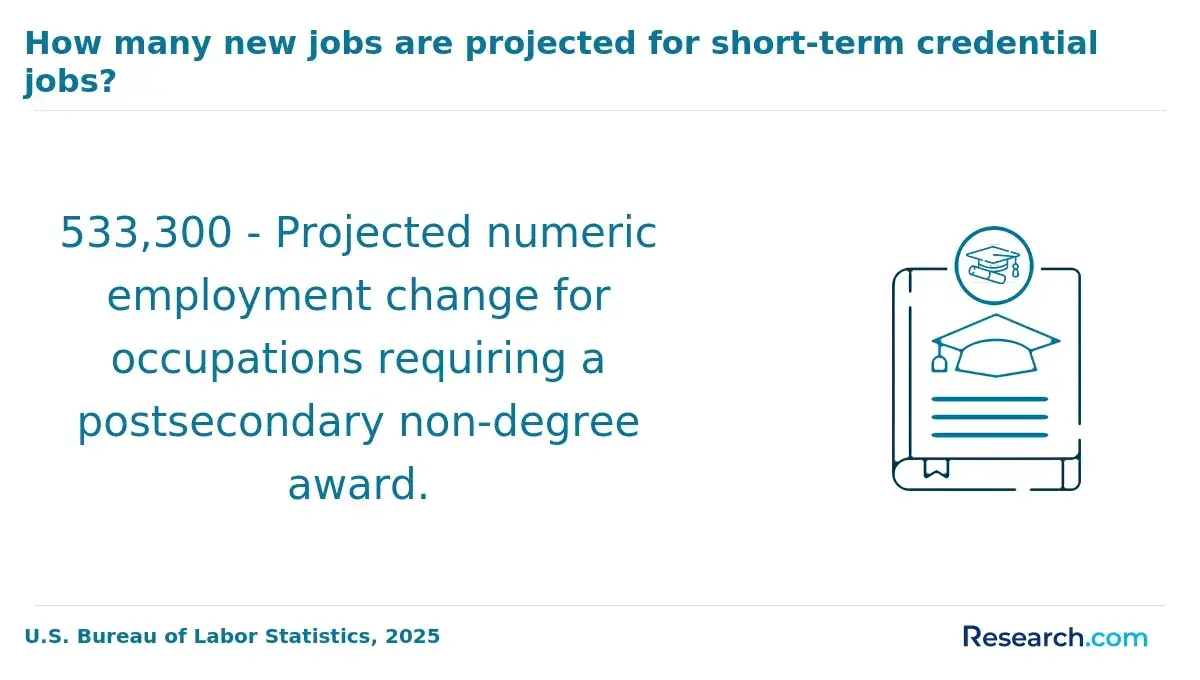
Completion rates for electrical engineering programs vary significantly by delivery format, highlighting different challenges inherent in each. Campus-based programs show the highest persistence, with six-year completion hovering between 65-75%, supported by direct access to labs, faculty, and collaborative peers. Hybrid models, blending in-person and online elements, tend to yield somewhat lower completion rates around 55-65%, reflecting the need for students to manage shifting environments and maintain motivation without consistent campus immersion. Fully online electrical engineering degrees often see completion rates below 50%, a trend influenced by limited hands-on opportunities, less immediate support, and the distractions common in remote learning.
These statistics underline that the difficulty of completing an electrical engineering degree isn't solely about academic rigor but also about the format's ability to meet practical and social needs of students. For instance, a student balancing full-time work may appreciate the flexibility of hybrid or online formats but could struggle with the absence of structured lab time or peer accountability found on campus. Conversely, students thriving in immersive environments may find the online format isolating and difficult to sustain. Ultimately, completion depends on how well the program format aligns with a student's learning style, life circumstances, and need for hands-on engagement.
One electrical engineering graduate recalled her decision between formats: initially enrolling fully online due to work commitments, she quickly realized the lack of lab access and real-time faculty interaction hampered her progress. After switching to a hybrid program, she found the occasional campus visits crucial for grasping complex concepts and staying motivated. The shift was challenging but ultimately made degree completion feasible, underscoring how format choice can materially impact the path to graduation depending on individual needs and constraints.
How Does Each Electrical Engineering Learning Format Affect Student Success?
Student success in electrical engineering degree programs hinges less on the learning format itself and more on how well the environment matches individual learning styles, time constraints, and personal obligations. A format that aligns with a student's capacity for engagement, hands-on experience, and flexibility can significantly boost persistence and completion rates. For example, a working parent balancing job demands with coursework might thrive in a hybrid program that offers both remote flexibility and periodic in-person sessions. Below are key factors shaping success across online, hybrid, and campus-based electrical engineering programs.
- Access to Direct Faculty Interaction: Campus programs typically provide immediate access to professors and mentors, which facilitates timely feedback and deeper understanding of complex concepts. Students who rely on real-time dialogue and quick clarification tend to perform better in these settings, impacting their ability to master challenging material and complete coursework on schedule.
- Hands-On Learning Opportunities: Electrical engineering involves laboratory work and experimentation that are more naturally integrated into campus and hybrid formats. Hybrid learners benefit from scheduled on-site labs balancing flexibility and experiential learning, whereas fully online students might struggle without equivalent practical components, potentially affecting skill development and retention.
- Peer Collaboration and Community: Strong peer networks support motivation and problem-solving. Campus students generally experience richer in-person interaction, while hybrid programs offer mixed opportunities depending on design. Online-only students must actively seek or rely on virtual platforms, which can demand greater self-discipline and initiative to maintain engagement.
- Flexibility for Non-Traditional Students: Working students or those with family responsibilities often favor online or hybrid formats for their adaptability. However, this flexibility can sometimes reduce routine and accountability, increasing dropout risks unless accompanied by structured support.
- Availability of Academic Support Services: Timely tutoring, advising, and technical assistance are crucial and more readily accessible on campuses. Online programs require robust virtual support systems; when well-implemented, these can improve outcomes but may still lag behind in immediacy and personal connection.
- Persistence and Completion Rates: According to the National Center for Education Statistics (2024), traditional campus electrical engineering programs show notably higher degree completion rates compared to fully online formats. Hybrid students, benefiting from both worlds, demonstrate better retention and academic achievement than fully remote peers, reinforcing the value of blended interaction.
How Does Enrollment Status Affect Electrical Engineering Completion Rates?
Enrollment status is among the most critical variables influencing completion rates in electrical engineering programs, yet its impact depends largely on a student's broader life context rather than just the number of courses taken. Full-time and part-time statuses represent different tradeoffs in balancing academic demands with personal responsibilities, particularly as delivery formats shift between campus, hybrid, and fully online. Recognizing how enrollment pace interacts with these realities helps students select pathways they can sustain to eventual degree completion. Key factors that shape this dynamic include the following.
- Academic engagement and structure: Full-time students, especially on campus, benefit from regimented schedules and frequent direct faculty contact, which generally boosts persistence. Such environments better support immersion in complex electrical engineering content, reducing the likelihood of delays compared to part-time peers.
- Resource accessibility by format: Hybrid formats offer part-time students intermittent campus access, which can mitigate isolation and provide critical support for navigating challenging coursework. Part-time students fully online often face the steepest hurdles due to limited synchronous interaction and reliance on self-motivation.
- Work and life responsibilities: Part-time enrollment is often chosen to accommodate jobs or family duties. While this flexibility enables continuation, competing demands can reduce academic momentum and lower completion rates, with some data showing part-time online students complete below 40% within six years.
- Completion rate disparities by mode: Full-time campus electrical engineering students tend to graduate at rates between 65-70%, according to the National Postsecondary Student Aid Study. This contrasts notably with part-time online learners, highlighting how enrollment status interplays with delivery mode.
- Motivation and academic momentum: Students with sustained motivation and fewer external distractions generally succeed better full time, but those unable to commit fully without risking burnout may find steady part-time progress more beneficial despite longer timeframes.
- Career impact of enrollment pace: Choosing enrollment status compatible with one's lifestyle can preserve employability by avoiding course failures and dropout. Students can also explore certificate jobs that pay well while enrolled part time to sustain income and experience without overextending.
- Long-term financial considerations: Full-time enrollment often enables faster degree completion, potentially reducing overall tuition and opportunity costs, but part-time paths can spread expenses and allow simultaneous workforce participation, important for those needing financial flexibility.
Can Transfer Credits Improve Electrical Engineering Degree Completion?
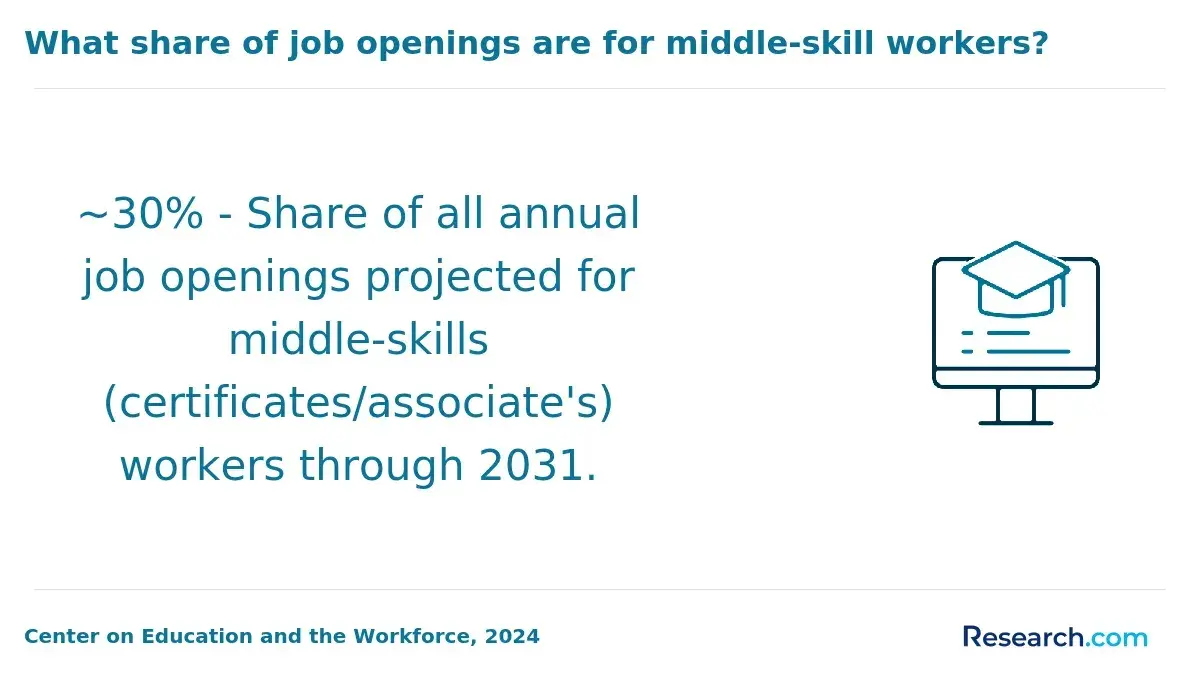
Transfer credits can significantly affect how quickly students complete electrical engineering degrees, but their impact varies widely depending on individual circumstances and institutional policies. National data from 2024 highlights that students who transfer credits often finish their degrees 6 to 12 months earlier than those starting fresh. This acceleration mainly results from avoiding redundant coursework and shifting focus toward advanced, major-specific classes sooner.
Consider a student who has completed general education and introductory STEM courses at a community college or through military training. When entering a university electrical engineering program, their acceptance of these credits can reduce their overall credit load, easing course scheduling and decreasing the financial and time burden. However, such benefits hinge on how closely the transferred credits align with the receiving institution's curriculum and degree requirements.
Not all transfer scenarios lead to faster degree completion. Variations in credit evaluation practices, especially in online or hybrid formats, may cause delays. For example, institutions differ in their criteria for accepting courses as equivalent or sufficiently rigorous, sometimes requiring additional assessments or supplementary classes. Students juggling work or personal commitments in hybrid or online formats may still face challenges balancing course loads, even if transfer credits reduce total credit hours.
Prospective students should carefully analyze their prior coursework against program curricula and seek official credit evaluations before enrollment. Comparing the remaining required credits to their intended pace of study can help estimate whether transfer credits will materially shorten their time to degree. While transfer credits are a valuable tool for many, they do not guarantee accelerated completion. Other factors such as course availability, academic support, and individual persistence play crucial roles in graduation success.
In sum, transfer credits offer clear advantages in decreasing time-to-degree when properly aligned with institutional standards, but careful planning and realistic expectations remain essential to leverage them effectively in electrical engineering pathways.
What Student Support Services Improve Electrical Engineering Completion Rates?
Student support services significantly influence whether electrical engineering students complete their degrees, but these supports must reflect the learning environment to be effective. Research from the National Center for Education Statistics in 2024 highlights how tailored advising focused on engineering pathways reduces delays in graduation. Services that build community and provide targeted academic resources improve persistence, but the specific mix of effective supports varies by delivery format. Below are key services shown to impact completion rates meaningfully.
- Discipline-Specific Academic Advising: Advising that directly addresses the complex course sequencing and prerequisite challenges of electrical engineering helps students plan efficiently and avoid unnecessary setbacks. It reduces confusion about requirements, benefiting retention in all formats.
- Timely, Targeted Tutoring: Access to subject-matter experts who can deliver just-in-time help, particularly for difficult concepts in circuits or programming, has a strong correlation with persistence. Online students benefit most when tutoring is available synchronously and supplemented with interactive resources.
- Hands-On Laboratory Access: For campus programs, frequent engagement in physical labs reinforces theoretical knowledge and builds practical skills that boost student confidence and program commitment. Hybrid models partially replicate this through scheduled in-person sessions.
- Virtual Engagement and Support Networks: Online learners facing isolation rely on regular synchronous office hours and virtual study groups to maintain motivation. Integrating community-building into remote support mitigates dropout risks linked to lack of peer interaction.
- Proactive Early Warning Systems: Hybrid programs often utilize learning analytics to identify students struggling academically or experientially, enabling timely interventions through coaching or supplemental instruction.
- Career Services Integration: Connecting academic progress to tangible career milestones through internships and networking reinforces persistence by clarifying the payoff of degree completion in a competitive job market.
A recent online electrical engineering graduate recalled grappling with professional demands while feeling disconnected from classmates. Initial hesitation delayed reaching out for help, but discovering synchronous tutoring and virtual peer study sessions became a turning point. These services not only clarified technical concepts but also created a sense of belonging, making persistence feel manageable despite a nontraditional schedule. The student reflected that without these coordinated supports tailored to an online format, finishing the degree would have been significantly more challenging.
How Do Electrical Engineering Completion Rates Affect Career Outcomes?
Completion rates for electrical engineering degrees significantly shape long-term career outcomes, influencing employability, earnings, and professional growth. Data from 2024 show that graduates from all formats-online, hybrid, or campus-consistently achieve better workforce results than students who leave before finishing. Choosing the right format impacts not only academic persistence but also practical skills development and industry readiness. Below are key career-related effects tied to successfully completing an electrical engineering program.
- Higher Employability and Earnings Potential: Graduates entering the job market with a completed electrical engineering degree typically command better starting salaries and more job offers. Completion signals to employers a candidate's ability to follow through and master complex technical knowledge, which is valued in engineering roles. According to recent data, individuals with completed bachelor's degrees in this field report about 20% higher median earnings and lower unemployment rates compared to non-graduates. Students who leverage campus programs often benefit most due to access to hands-on labs and faculty mentoring, enhancing their readiness.
- Stronger Access to Advanced Education and Certifications: Completing the degree opens doors to graduate school and professional certifications, important for career specialization and long-term advancement. Research indicates bachelor's degree holders in electrical engineering are nearly twice as likely to enroll in master's or doctoral programs. Hybrid formats, which appeal to working adults balancing responsibilities, foster this pathway by offering flexibility to pursue further credentials alongside employment.
- Improved Practical Skills and Real-World Problem Solving: Degree completion, especially through hybrid or campus programs, allows students to build critical project experience employers seek. Practical skills gained through interactive coursework and internships often differentiate graduates during hiring and promotion decisions. Students in fully online programs may face retention challenges but still gain essential knowledge that leads to meaningful lifetime earnings gains.
- Long-Term Career Stability and Promotion Opportunities: Persisting to graduation typically results in smoother transitions into engineering roles and better promotion rates within technical fields.: Structured campus environments often yield higher completion rates, supporting steadier career progression. For example, an individual completing a campus electrical engineering degree may move faster from entry-level to senior engineer roles compared to peers who leave early or graduate online without substantial project involvement.
Prospective students should weigh these outcomes alongside their personal circumstances and educational preferences. For those interested in combining communication sciences with engineering, the SLPa to SLP bridge program offers a valuable example of how flexible program pathways can expand professional options across disciplines. Considering factors like support, flexibility, and practical engagement remains essential when evaluating electrical engineering degree completion rates and career success.
How Should Students Choose the Best Electrical Engineering Learning Format?
Choosing the best electrical engineering program format for career goals hinges on understanding how various delivery modes affect degree completion and practical readiness. Recent data from sources like the National Center for Education Statistics (NCES) reveal that program completion rates differ significantly by mode, influenced by student demographics and external obligations. Selecting the right electrical engineering degree format requires evaluating personal circumstances and academic needs. Consider these critical factors when deciding between online, hybrid, or campus programs:
- Work and Life Commitments: Students managing full-time jobs or family responsibilities often prefer online formats for flexibility. However, this convenience can correspond with lower completion rates due to less structured engagement. Assess whether you can dedicate consistent, focused time on self-paced study or if a campus routine better suits your schedule.
- Hands-on Learning Needs: Electrical engineering demands practical lab work and technical skills that campus programs deliver through immediate access to facilities. Hybrid options attempt to balance in-person labs with online lectures, which is vital for skills retention. If your program lacks strong experiential learning, consider formats ensuring adequate practical opportunities.
- Self-Discipline and Motivation: Online learners require high self-regulation and time management to navigate material independently. Hybrid programs can bolster motivation by integrating periodic in-person check-ins, while campus settings provide structured mentorship. Evaluate your capacity to maintain momentum without regular face-to-face interaction.
- Peer and Faculty Interaction: Campus environments offer direct mentorship and collaborative learning, crucial for mastering complex engineering concepts. Hybrid formats help build community periodically, but purely online formats may limit spontaneous discussions. Reflect on how much direct contact you need to thrive academically.
- Technology Access and Support Services: Successful online programs depend on reliable tech infrastructure and robust academic support. Verify if the program offers virtual tutoring, tech assistance, and resources tailored to remote learners. Lack of such support can hinder progress and completion.
- Program Reputation and Employer Perception: Some employers still favor degrees earned through traditional on-campus routes for technical fields. Hybrid programs increasingly gain recognition as they combine flexibility with hands-on training. Consider how your chosen format may affect hiring prospects in your target industry.
- Retention and Completion Statistics: According to 2024 research, retention rates are highest in campus programs, followed by hybrid, with online modalities trailing, particularly among students balancing work commitments. These trends underscore the importance of aligning format choice with personal capacity and institutional support.
For working professionals especially, exploring the best online master's for teaching can provide insights into programs designed to accommodate employment without sacrificing academic rigor, a model also applicable to engineering disciplines.
What Are the Long-Term Pros and Cons of Each Electrical Engineering Learning Format?
Choosing the right format for completing an electrical engineering degree significantly affects long-term success and career readiness. Recent authoritative research from 2024 highlights distinct trade-offs between online, hybrid, and campus programs. Understanding these can help students align their educational path with personal circumstances and goals. Here are key long-term considerations to evaluate:
- Networking and Industry Connections: Campus programs provide robust face-to-face networking and direct access to industry mentors, which often lead to stronger employment prospects immediately after graduation. Hybrid students benefit moderately, while online learners may need to proactively build networks remotely.
- Hands-On Experience and Labs: Physical lab access in campus and hybrid formats enhances practical skills crucial for electrical engineering, whereas online programs rely on virtual simulations, which may limit hands-on proficiency.
- Flexibility Versus Structure: Online programs offer superior scheduling flexibility, valuable for working adults or those with family commitments, but require higher self-discipline. Campus formats impose consistent attendance, which can deter nontraditional students.
- Completion Rates and Retention: Government data in 2024 indicate higher degree completion rates for campus and hybrid formats compared to fully online pathways, driven by engagement and support mechanisms.
- Early-Career Readiness: Graduates from campus and hybrid programs tend to report greater confidence entering the workforce, attributed to experiential learning and mentoring; online learners' success often hinges on self-motivation and external networking efforts.
References:
- Electrical Engineering Degree (BS) https://floridapoly.edu/academics/programs/electrical-engineering/
- Why should a student study Electrical Engineering? https://studyfans.com/en/blogs/562
- I’ve Just Completed My EE Degree at the University. What’s Next? | Maker Pro https://maker.pro/blog/ive-just-completed-my-ee-degree-at-the-university.-whats-next
- Online Electrical Engineering Degrees https://www.affordablecollegesonline.org/degrees/engineering-programs/electrical-engineering/
- 10 Advantages of Electrical and Electronics Engineering Course - Sri Manakula Vinayagar Engineering College https://smvec.ac.in/advantages-of-electrical-and-electronics-engineering/
- Advice for a new student studying to be an Electrical Engineer (EE) https://forum.digikey.com/t/advice-for-a-new-student-studying-to-be-an-electrical-engineer-ee/51628
- 100% Online Electrical Engineering Program https://www.physicsforums.com/threads/100-online-electrical-engineering-program.733207/
- Transfer Credits https://www.citadel.edu/electrical-computer/degree-completion/bs-electrical-engineering/electrical-credits/
- Online Electrical Engineering Degrees - BSEE, MSEE https://www.onlineengineeringprograms.com/electrical
- Inside the Best Online Bachelor's in Electrical Engineering Degrees https://www.onlinecolleges.me/engineering-degrees/bachelors/electrical-engineering/
Other Things You Should Know About Electrical Engineering
Yes, the learning environment significantly influences how students manage the intensive workload typical of electrical engineering degrees. Campus programs provide structured, in-person labs and immediate access to faculty, which can help students grasp complex concepts faster and stay on track. Meanwhile, online and hybrid formats require greater self-discipline and time management, which can pose challenges, especially when rigorous hands-on tasks are involved. Students should realistically assess their ability to organize study schedules and seek help without immediate physical support when choosing between these formats.
Many employers still highly value campus-based electrical engineering degrees due to the traditional emphasis on lab work and face-to-face collaboration skills. However, acceptance of hybrid and online credentials is growing, particularly if the program is well-recognized and includes substantial hands-on experience. Prospective students should weigh how the format aligns with industry standards in their target region or sector, as some tech employers may prioritize demonstrated practical skills over the format itself.
Flexibility in hybrid and online programs benefits students balancing work or family commitments, potentially increasing initial enrollment. However, this same flexibility can lead to distractions or competing priorities, which partially explains generally lower completion rates compared to campus programs. For those who need to maintain a strict study routine and benefit from immediate peer support, traditional programs might yield better completion outcomes despite less scheduling freedom.
Hands-on experience is crucial in electrical engineering, affecting both learning quality and degree completion. Campus programs naturally integrate extensive practical labs, which support concept mastery and motivation. Hybrid formats may partially replicate these experiences, while fully online options often struggle to provide real-world labs, which can challenge student engagement and persistence. Students aiming to graduate efficiently and acquire applicable skills should prioritize formats that guarantee robust practical components.