2027 Criminal Justice Administration Affordability by State: Where Students Pay the Most and Least

Co-Founder and Chief Data Scientist
Choosing between a Criminal Justice Administration program in a neighboring state with $15,000 annual tuition and one at home costing $35,000 can redefine a student's debt burden. Many underestimate how higher in-state tuition, paired with low living costs elsewhere, shifts the real price students pay. A 2024 study reveals students are increasingly factoring state-level cost differences into enrollment decisions, reflecting growing disparities driven by state funding policies and public university support. Such variation directly impacts borrowing needs and career flexibility after graduation. This article examines state-by-state affordability to highlight where criminal justice administration students face the steepest and most manageable financial commitments.
Key Things to Know About Criminal Justice Administration Affordability by State
- States with the lowest tuition often have higher living costs, meaning total expenses can outweigh savings; this tradeoff demands students analyze beyond sticker price when budgeting for criminal justice administration programs.
- Employers in states with robust state funding for public universities tend to favor graduates familiar with local laws and policies, impacting students' geographic program choices based on workforce integration.
- The rise of hybrid criminal justice administration degrees reduces access barriers but may increase indirect costs like extended completion times, influencing the overall cost-effectiveness of degree completion.
- Key Things to Know About Criminal Justice Administration Affordability by State Key Things to Know About Criminal Justice Administration Affordability by State
- Which States Have the Most Affordable Criminal Justice Administration Degree Programs? Most Affordable State Programs
- Which States Have the Highest Criminal Justice Administration Degree Costs? Highest State Tuition Costs
- How Much Does a Criminal Justice Administration Degree Cost by State? Degree Costs by State
- Why Does Criminal Justice Administration Affordability Vary So Much Between States? State Affordability Variations
- How Do In-State and Out-of-State Tuition Rates Affect Criminal Justice Administration Affordability? In-State vs. Out-of-State Rates
- How Does the Cost of Living Impact Overall Criminal Justice Administration Affordability by State? Living Costs and Affordability
- Which States Offer the Best Value for a Criminal Justice Administration Degree? Best Value State Degrees
- What Financial Aid and Scholarship Opportunities Can Reduce Criminal Justice Administration Costs? What Financial Aid and Scholarship Opportunities Can Reduce Criminal Justice Administration Costs?
- Are Online Criminal Justice Administration Degree Programs More Affordable Than On-Campus Options? Are Online Criminal Justice Administration Degree Programs More Affordable Than On-Campus Options?
- Is a Criminal Justice Administration Degree Worth the Cost Based on Career Outcomes and ROI? Degree ROI and Outcomes
Which States Have the Most Affordable Criminal Justice Administration Degree Programs?
States that maintain robust public funding and prioritize in-state tuition discounts typically offer the most affordable criminal justice administration degree programs. These financial policies, combined with a lower regional cost of living, substantially reduce the economic barriers for resident students. For example, a student choosing to study in Arizona or New Mexico can benefit from in-state tuition rates that often fall below $7,000 annually, which is notably less than the national average, helping them avoid excessive debt while completing their degree. This dynamic underscores the significant tradeoff for nonresidents, who may face tuition premiums that challenge the value proposition of enrolling out of state and emphasize the importance of carefully weighing residency requirements in tuition planning.
The practical implications extend beyond upfront tuition costs; students must consider how state-level cost differences influence enrollment decisions and degree completion timelines. Florida's system, offering multiple online programs with resident tuition advantages, illustrates how educational infrastructure can augment affordability by cutting ancillary expenses like housing and commuting. These factors play a decisive role for working adults and budget-conscious learners balancing education with other responsibilities. When comparing in-state tuition rates for criminal justice administration degrees by state, students should also account for financial aid availability and institutional competition, which can further stabilize or drive down net costs, making affordability a multifaceted evaluation rather than a simple cost ranking.
While affordability is critical, it must be contextualized with workforce alignment and long-term outcomes, as lower tuition alone does not guarantee higher employability or program quality. Prospective students researching the most cost-effective pathways might also explore adjacent credentials that support career entry, such as the cheapest medical coding certification online, which in some regions offers quicker entry points into related sectors with growing demand. Ultimately, informed decision-making relies on assessing how tuition affordability interacts with residency policies, regional economics, and practical degree completion considerations unique to criminal justice administration programs in various states.
Which States Have the Highest Criminal Justice Administration Degree Costs?
States like California, New York, and Massachusetts exhibit notably higher criminal justice administration degree costs primarily due to limited public funding and elevated living expenses in urban centers. According to 2024 Integrated Postsecondary Education Data System figures, average in-state tuition at public universities in these areas surpasses $15,000 annually, with private institutions often charging double or more. This structural imbalance results from budget priorities favoring K-12 education over higher education, pushing universities to compensate by increasing tuition. For students weighing affordability, the presence of numerous private and research-focused institutions also inflates costs, especially for non-residents who may face two to three times higher tuition, complicating decisions about enrolling in-state, out-of-state, or online.
These financial disparities shape enrollment strategies and value assessments for prospective students. Those from lower-income backgrounds frequently confront a tradeoff between attending a prestigious but costly campus and opting for more affordable community colleges or online programs. While higher tuition might correlate with enhanced facilities or faculty expertise in some cases, it doesn't always guarantee proportional gains in employability or debt management outcomes. Geographic cost differences also influence ancillary expenses like housing and transportation, affecting the total investment beyond tuition alone. Students must therefore critically evaluate how these factors align with their career goals in law enforcement, corrections, or court administration against expected regional earning potential and labor market demand.
One recent graduate recalled spending months comparing tuition and living costs between in-state, out-of-state, and online criminal justice administration options. Despite initially considering a top-tier university in a high-cost state, uncertainty over whether the increased debt burden would yield better job prospects prompted the student to pursue an in-state public school with a solid online program. They described feeling cautious about upfront expenses and skeptical of the value gap between pricier private institutions and more affordable public alternatives, ultimately prioritizing manageable costs and flexible coursework over brand prestige.
How Much Does a Criminal Justice Administration Degree Cost by State?
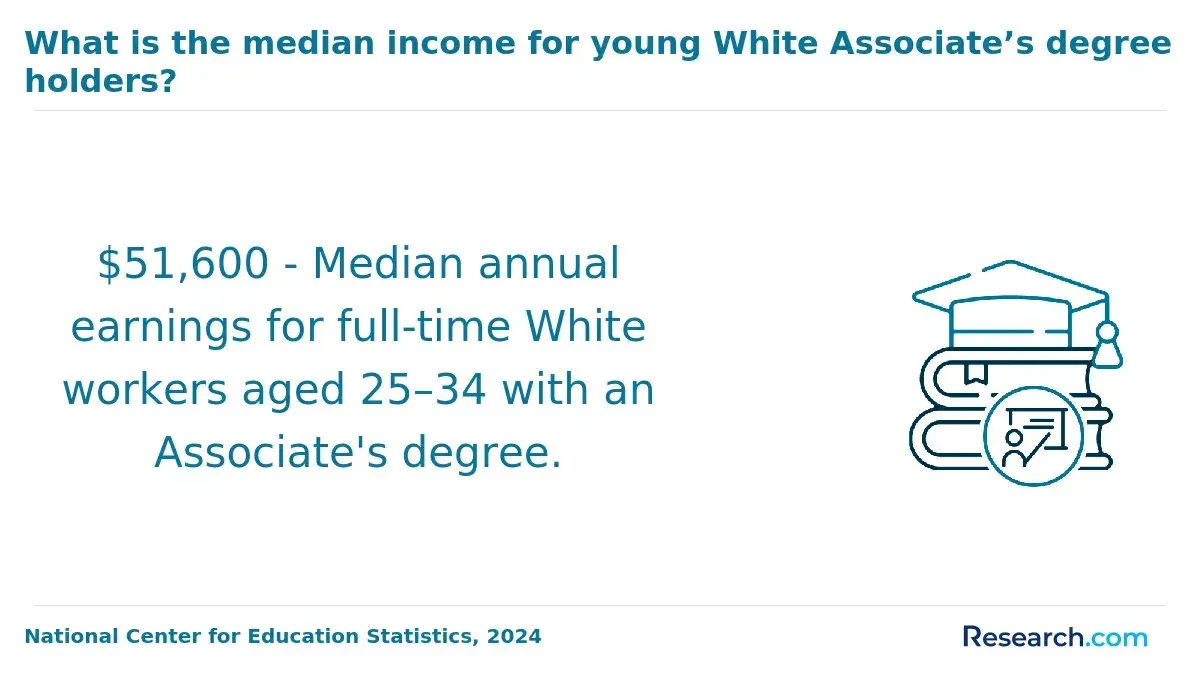
State-level funding policies and residency regulations are primary drivers behind the wide cost differences in criminal justice administration degrees across the U.S. For example, data from the National Center for Education Statistics in 2024 show that students at public universities in New Hampshire and Pennsylvania face average in-state tuition fees above $13,000 annually, while counterparts in Wyoming or New Mexico pay less than $5,000. These disparities reflect more than sticker shock; they significantly impact whether students must consider out-of-state surcharges that can double tuition, take on additional debt, or explore options like online programs to avoid relocation expenses tied to high living costs in states such as California or Massachusetts.
The variation also extends into institutional sectors, where private colleges often charge two to three times the cost of public tuition for similar criminal justice administration programs, complicating financial planning for budget-conscious students. Beyond tuition, regional cost-of-living differences and the uneven distribution of financial aid-especially merit-based scholarships targeted at public institution enrollees-play crucial roles in accessibility. Consequently, prospective students need to weigh the immediate cost savings against the long-term value of networking, practical training, and job market alignment offered by in-state versus out-of-state or private programs, tailoring choices to their career goals and financial risk tolerance.
Why Does Criminal Justice Administration Affordability Vary So Much Between States?
Variations in state differences in criminal justice administration program costs primarily stem from divergent state funding priorities and institutional structures. States with substantial public subsidies generally offer significantly lower in-state tuition, while those with a higher proportion of private or for-profit providers often see elevated average costs. For example, Midwestern states typically combine robust public funding and broader financial aid availability, producing more affordable options for domestic students compared to Northeast states, where higher base tuition rates coincide with fewer targeted scholarships. Such disparities affect enrollment decisions, as students weighing transfer options or online alternatives often factor in not just sticker price but also residency policies and aid access, which shape their long-term educational budgeting.
Regional economic aspects, including operational costs driven by cost of living and payroll expenses, also contribute to the observed pricing differences. States with expensive urban centers or extensive infrastructure spending tend to pass these costs onto students, complicating affordability for budget-conscious learners. According to the National Center for Education Statistics (2024), states offering higher per-student funding subsidies can reduce net tuition burdens, making in-state attendance more feasible for many.
When evaluating program affordability, it's practical to consider these state-level funding environments alongside enrollment trends and institutional pricing strategies, which collectively influence both immediate expenses and post-graduation outcomes. Students seeking efficient pathways might explore alternatives such as fast-track LPN programs online to navigate financial and geographic constraints effectively.
How Do In-State and Out-of-State Tuition Rates Affect Criminal Justice Administration Affordability?
Residency-based tuition differences critically shape the financial calculus for students pursuing a criminal justice administration degree, often forcing prospective enrollees to balance cost savings against geographic and institutional preferences. Public universities typically offer in-state tuition rates that can be less than half of what out-of-state students pay, with 2024 data from the National Center for Education Statistics showing average annual fees around $10,500 for residents versus $28,000 for nonresidents. This gap not only affects immediate affordability but also influences long-term debt levels, prompting many students to prioritize in-state attendance, seek regional exchange programs like the Western Undergraduate Exchange, or explore online offerings where tuition might be residency-neutral. However, opting for out-of-state enrollment frequently entails additional costs beyond tuition, including relocation and reduced eligibility for state-based financial aid, making the overall expense substantially higher despite similar academic outcomes.
These tuition disparities interact with state funding policies that subsidize resident students, complicating transfer decisions and limiting institutional choice for those unable or unwilling to establish residency. Online criminal justice administration programs, while mitigating location-based price differences, introduce tradeoffs in perceived program reputation or employer acceptance. Students must therefore evaluate these options within the context of their local labor market and personal circumstances. In regions with more affordable public tuition, such as parts of the South and Midwest, in-state enrollment can translate to significant financial advantages, whereas students in high-tuition states may face more pressure to utilize reciprocity agreements or consider cost-effective online pathways to stretch limited budgets.
A graduate recalled that after moving for family reasons, she found herself unexpectedly classified as an out-of-state student and faced tuition approaching triple her previous rates. Despite strong academic credentials, she hesitated to switch schools due to credit transfer uncertainties and opted to pay the higher fees temporarily. This experience underscored the complexity of residency rules and financial planning, as her cautious decision reflected concerns over maintaining progress in a tight job market rather than purely tuition savings. The dilemma highlighted how residency policies can create hidden hurdles beyond sticker price, shaping enrollment choices in ways that are rarely straightforward.
How Does the Cost of Living Impact Overall Criminal Justice Administration Affordability by State?
Housing costs remain the most significant factor shaping the true financial burden of earning a criminal justice administration degree across states, often outweighing just the sticker tuition price. High-rent states like California, New York, and Massachusetts impose a steep economic barrier that can necessitate additional loans or part-time work, potentially impacting academic focus and timely degree completion. Conversely, more affordable housing markets in the Midwest and South provide practical advantages that can lower overall education expenses, making those states more attractive for budget-conscious students trying to balance living expenses with college costs.
Transportation, food, and healthcare further complicate regional affordability, as students in urban areas might save on commuting through public transit options, while rural learners face increased outlays for personal vehicles, fuel, and maintenance. The challenge of aligning local cost-of-living indices with tuition creates a nuanced tradeoff, influencing enrollment decisions and the feasibility of pursuing a criminal justice administration education in certain locations. For example, a student in Austin, Texas, may find manageable expenses compared to a peer in Boston, Massachusetts, where both housing and general living costs push total out-of-pocket spending substantially higher.
These regional living expenses influence on total criminal justice administration education costs should inform not only financial aid planning but also curricular modality choices, including whether to pursue online biology degrees or similar alternatives that might mitigate physical relocation and commuting burdens. Understanding these variables helps students and families realistically evaluate the full economic impact of a degree beyond tuition, minimizing unexpected financial strain and promoting strategic decision-making aligned with long-term career and financial goals.
Which States Offer the Best Value for a Criminal Justice Administration Degree?
The overall value of a criminal justice administration degree hinges not just on tuition but on how various state-specific factors interact to affect total educational costs and employment potential. For example, Texas's combination of in-state tuition averaging around $9,000 annually and relatively strong program completion rates-about 60-65%-often reduces time-to-degree expenses and limits debt accumulation. However, students must also consider cost of living disparities; a lower tuition in a high-cost area may offer less financial relief than a moderately higher tuition in a more affordable state, such as Indiana or Ohio, where living expenses and median student borrowing are notably lower.
Financial aid policies and workforce demand add further complexity. Louisiana's state grant programs can substantially offset out-of-pocket spending for residents, improving affordability beyond sticker price. Meanwhile, states like Colorado and North Carolina bolster value through favorable job market growth projections in law enforcement and corrections, which can translate to stronger post-graduation employment prospects. Therefore, the cheapest tuition option rarely equates to the best value-students weighing relocation, online study, or residency eligibility must temper cost considerations with graduation outcomes and alignment with regional labor market dynamics to make a truly informed choice.
What Financial Aid and Scholarship Opportunities Can Reduce Criminal Justice Administration Costs?
Financial aid and scholarships critically shape the affordability of criminal justice administration degrees, but their effectiveness varies sharply depending on state policies and institutional practices. Federal grants like the Pell Grant provide vital baseline support without repayment obligations, yet nearly 85% of undergraduates at public institutions rely on some form of aid, underscoring that no single source sufficiently covers costs. State grants introduce significant disparities-students in states with robust funding formulas or tuition reciprocity agreements can reduce expenses by attending out-of-state schools at in-state rates, while others face steep barriers. For example, a student living near a state border might save several thousand dollars annually by leveraging reciprocity, but they must navigate residency verification and timely applications to qualify, a tradeoff that demands careful planning.
Beyond broad subsidies, institutional scholarships and merit awards serve as critical supplements, especially for students with strong academic records or leadership credentials in the criminal justice field. However, these often come with stringent renewal criteria that can abruptly shift the net cost if academic performance wanes. Employer-sponsored tuition reimbursement, common among law enforcement agencies and government employers, can offset out-of-pocket expenses substantially but typically requires employment commitments and limits aid to incumbent workers, posing a challenge for career changers or part-time students. Additionally, enrollment status heavily influences aid eligibility; full-time students frequently secure more assistance than part-time peers, complicating affordability for those balancing work and education. Together, these factors illustrate how complex and consequential financial aid landscapes are for criminal justice administration students weighing options across states and institutions.
Are Online Criminal Justice Administration Degree Programs More Affordable Than On-Campus Options?
Claims that online criminal justice administration degree programs are uniformly more affordable than on-campus options overlook significant nuances in cost structures and institutional policies. While a 2024 NCES report indicates that online tuition often runs 15% to 25% lower than in-state campus rates due to fewer campus fees and no commuting costs, this advantage can be eroded by mandatory technology fees, reliable internet expenses, and software needs. Additionally, state residency policies heavily influence affordability; many public institutions restrict online tuition discounts for out-of-state learners, complicating cost comparisons across states. For students balancing employment, the flexible schedules of many online programs can offset total expenses but may sacrifice the perceived value employers place on in-person experience and networking opportunities.
In real-world scenarios, the most tangible savings from online criminal justice administration degree affordability comparison frequently arise from eliminated housing, meal, and transportation costs, with data showing significant annual savings reported by students who avoid relocation. However, this varies depending on individual circumstances such as local living costs and the design of program delivery, which can affect both timelines and overall expenses. Financial aid availability also differs; private institutions often offer consistent support across modalities, whereas state-funded schools might limit aid for online enrollees, impacting net costs considerably. Prospective students should weigh these financial tradeoffs alongside long-term career implications to make a well-informed choice.
Students considering accelerated pathways might also explore options like 1 year nurse practitioner programs online as a comparative model for the cost-benefit calculus of condensed, online learning versus traditional schedules. Ultimately, affordability assessments for criminal justice administration degrees demand a careful review of tuition, additional fees, residency status, aid patterns, and the intangible but real value of on-campus experiences in shaping employability and career trajectories.
Is a Criminal Justice Administration Degree Worth the Cost Based on Career Outcomes and ROI?
Evaluating the cost effectiveness of criminal justice administration degrees in the United States requires more than comparing tuition rates alone. Students face a complex tradeoff where states with higher tuition often coincide with larger urban areas offering stronger job markets but also higher living expenses. For example, a graduate in California might earn a better starting salary than a counterpart in the Midwest, yet the heavier debt burden and cost of living could diminish the long-term financial return. Therefore, geographic affordability and local employment demand critically influence whether the degree's investment aligns with realistic career outcomes.
Graduation rates near 55% at many public institutions also shape return on investment by affecting time and debt accumulation. Students should consider opportunity costs, including delayed earnings and potential extended education if they pursue graduate studies or advanced certifications common in this field. The burden of approximately $28,000 in average student loan debt, coupled with varied repayment success depending on career path-such as corrections versus federal law enforcement-further complicates the decision. A practical approach involves analyzing state-specific career outcomes and aligning choices with personal financial tolerance and professional goals. Those interested in alternative health-related degree options with accessible admissions might explore MPH online programs with easy admission requirements.
References:
- Return on Investment for a College Degree in Criminal Justice ROI or a College Degree in Criminal Justice https://www.criminaljusticeprograms.com/articles/return-on-investment-for-a-college-degree-in-criminal-justice/
- Is a Criminal Justice Degree Worth It? ROI Analysis for 2026 https://policeofficer.org/is-a-criminal-justice-degree-worth-it/
- The Steep Costs of Criminal Justice Fees and Fines https://www.brennancenter.org/our-work/research-reports/steep-costs-criminal-justice-fees-and-fines
- 8 Reasons to Earn a Criminal Justice Degree | All Criminal Justice Schools https://www.allcriminaljusticeschools.com/blog/why-higher-ed-in-criminal-justice/
- Economics of incarceration https://www.prisonpolicy.org/research/economics_of_incarceration/
- America’s Broken Criminal Legal System Contributes to Wealth Inequality - Center for American Progress https://www.americanprogress.org/article/americas-broken-criminal-legal-system-contributes-to-wealth-inequality/
- Online Criminal Justice Degree Tuition https://www.pennfoster.edu/programs/legal/criminal-justice-bachelors-degree/tuition
- Higher Education in California: Student Costs - Public Policy Institute of California https://www.ppic.org/publication/higher-education-in-california-student-costs/
- Most Affordable Online Criminal Justice Programs: Find a School https://www.degreesforgood.org/online-degrees/criminal-justice-programs/most-affordable/
- The Economic Costs of the U.S. Criminal Justice System - AAF https://www.americanactionforum.org/research/the-economic-costs-of-the-u-s-criminal-justice-system/
Other Things You Should Know About Criminal Justice Administration
Lower tuition in some states often correlates with less institutional funding, which can limit faculty expertise, class sizes, and access to practical learning experiences. Students prioritizing hands-on training or internships should carefully evaluate whether a more affordable program still provides robust employer connections and experiential opportunities. Affordability should be balanced with program quality to avoid paying less but receiving fewer career-enhancing resources.
Yes, because even a low-cost degree has limited value if graduates struggle to find relevant jobs locally. States with lower tuition may have weaker criminal justice employment markets, meaning graduates might face geographic relocation or underemployment. Prospective students should weigh tuition savings against local demand for criminal justice administration roles and consider states where affordable education aligns with strong hiring indicators.
Affordable programs in some states may require heavier course loads or fewer elective options, forcing students to complete their degree more quickly but with increased pressure. Conversely, programs with a higher cost might offer more flexibility, including part-time study or specialized tracks that better align with career goals. Students must assess whether a lower tuition rate justifies potentially higher personal or professional strain during their studies.
Often, yes. Graduates from states with recognized criminal justice training programs tend to enjoy stronger hiring preferences and quicker career advancement, which offsets higher tuition costs over time. Students on a tight budget should not automatically choose the lowest-cost state but rather consider how employer perceptions of local programs influence long-term earnings and job stability. Investment in a reputable state program may lead to greater overall affordability through enhanced employment outcomes.