2027 Criminal Justice Administration Student Debt Report: Borrowing, Monthly Payments, and Repayment Risk

Co-Founder and Chief Data Scientist
The structure of criminal justice administration programs often involves extended coursework combined with field placements and internships, influencing student borrowing decisions and debt levels. Unlike many disciplines, the necessity for practical experience and state-specific certification can lengthen program duration, increasing cumulative education costs despite moderate salary prospects.
According to the U. S. Bureau of Labor Statistics (2024), some related occupations show slower income growth, which complicates timely debt repayment. Enrollment trends reveal a significant number of mid-career students balancing education with professional demands, suggesting evolving workforce needs and a shift toward lifelong learning. This report examines borrowing patterns, monthly payment burdens, and repayment risks within this distinct educational and occupational context.
Key Things to Know About Criminal Justice Administration Student Debt
- The average monthly payment for criminal justice administration graduates often exceeds 10% of entry-level pay, requiring careful budgeting and highlighting a tradeoff between debt load and career entry speed.
- Employers increasingly prioritize candidates with practical experience over degree prestige, so high student debt may limit the ability to take lower-paid internships or entry roles critical for career advancement.
- Rising tuition rates in 2024 have lengthened repayment timelines, increasing long-term financial risk for students who delay entering the workforce or pursue further education within criminal justice administration.
- Key Things to Know About Criminal Justice Administration Student Debt Key Things to Know About Criminal Justice Administration Student Debt
- How Much Student Loan Debt Do Criminal Justice Administration Graduates Typically Have at Graduation? Average Studen Loan Debt
- What Factors Have the Biggest Impact on Criminal Justice Administration Student Loan Debt? Student Debt Key Factors
- What Is the Average Monthly Student Loan Payment for Criminal Justice Administration Graduates? Average Monthly Payment
- How Do Repayment Rates Compare Between Public and Private Institutions? Public vs. Private Institution Repayment Rates
- Do Online Criminal Justice Administration Graduates Have Different Repayment Outcomes Than Campus-Based Students? Online vs. On-Campus Student Loan Repayment
- Which Industries Provide the Best Financial Return Relative to Borrowing Costs? Which Industries Provide the Best Financial Return Relative to Borrowing Costs?
- Does Student Debt Affect Which Jobs Criminal Justice Administration Graduates Accept? Does Student Debt Affect Which Jobs Criminal Justice Administration Graduates Accept?
- What Factors Increase Student Loan Repayment Risk for Criminal Justice Administration Graduates? Loan Repayment Risk Factors
- How Can Criminal Justice Administration Students Reduce Student Loan Debt While Earning Their Degree? Tips to Reduce Student Debt
- How Should Prospective Students Evaluate Borrowing Risk Before Enrolling? Evaluating Student Debt Risk
How Much Student Loan Debt Do Criminal Justice Administration Graduates Typically Have at Graduation?
Recent data from 2024 indicates that criminal justice administration graduates typically carry student loan debt ranging from $25,000 to $40,000 upon finishing their studies. This figure integrates borrowing from both federal and private sources accumulated during undergraduate and occasionally graduate programs. However, this range varies significantly based on the educational institution and student demographics. The average student loan debt for criminal justice administration graduates reflects these complexities, blending tuition costs with financial aid access and enrollment status.
Debt disparities often stem from institutional differences such as public versus private colleges, where private institutions usually have higher tuition leading to greater borrowing. In-state students attending public schools generally accrue less debt than out-of-state counterparts due to tuition variations. Additionally, scholarships, grants, and work-study opportunities can substantially reduce reliance on loans, whereas students enrolled full-time might accumulate more in a shorter period, contrasting with part-time students whose extended timelines can alter total debt. Understanding criminal justice administration graduate debt levels by institution clarifies how these factors combine, with cost-of-living adjustments and program length further influencing overall borrowing behavior.
These borrowing patterns have direct implications for repayment feasibility, especially given that entry-level salaries in this field frequently range between $40,000 and $50,000 annually, limiting monthly repayment capacity. Graduates with debt exceeding $40,000 are at higher risk for repayment stress, making income-driven repayment plans and loan forgiveness options critical to managing financial stability. Prospective students must weigh how their debt levels might affect career decisions, balancing educational costs with anticipated earnings while exploring alternatives to minimize borrowing, much like those pursued in a medical assistant accelerated program.
What Factors Have the Biggest Impact on Criminal Justice Administration Student Loan Debt?
Student loan debt levels among criminal justice administration students reflect a complex interplay of institutional pricing, personal financial decisions, and systemic higher education factors. The borrowing range is not merely a function of tuition sticker prices but rather the cumulative effect of aid access, enrollment choices, program characteristics, and regional cost differences. Understanding these key dynamics helps explain why loan amounts vary so widely even within this specialized field.
- Institution Type and Pricing Models: Private for-profit colleges often have higher tuition than public universities, causing students to borrow significantly more. According to the National Center for Education Statistics, criminal justice administration students at private for-profit institutions carry roughly 30% more debt on average. This pricing difference interacts with limited institutional aid availability, pushing borrowers toward larger loans.
- Program Length and Degree Level: Students pursuing bachelor's or graduate degrees in criminal justice administration tend to accumulate higher debt because of longer enrollment periods and increased credit requirements. Data from the U.S. Department of Education's 2024 report shows that master's degree holders in criminal justice fields carry roughly 25% more loan balance compared to bachelor's degree graduates, highlighting the cost implications of pursuing advanced credentials.
- Enrollment Patterns and Work-Life Balance: Many criminal justice administration students study part time while working, extending time to graduation and increasing cumulative borrowing. The 2024 Bureau of Labor Statistics found nearly 40% of these students are part-time, which often leads to incremental debt growth over longer periods and complicates repayment timing.
- Financial Aid Access and Socioeconomic Factors: Limited grant and scholarship availability amplifies reliance on loans, especially among first-generation students and those from lower-income backgrounds. These groups disproportionately experience higher borrowing levels due to fewer resources beyond loans, influencing their overall debt burden in criminal justice administration programs.
- Geographic Location and Living Expenses: Students in urban or high-cost regions face greater borrowing needs due to elevated housing and living costs combined with tuition. This factor elevates total debt beyond direct program costs, making location a critical variable that interfaces with financial aid and enrollment decisions to shape loan balances.
When assessing criminal justice administration loan repayment prospects, distinguishing borrowing differences by institution type for criminal justice administration and understanding the effect of online versus campus programs on criminal justice administration loan repayment are critical for realistic financial planning. For example, students exploring advanced nursing degrees have options like the cheapest PhD nursing programs, illustrating how targeted program choices and delivery mode influence long-term debt. Although this example is from a different field, it underscores how program affordability and structure critically determine borrowing strategies across professional disciplines.
What Is the Average Monthly Student Loan Payment for Criminal Justice Administration Graduates?
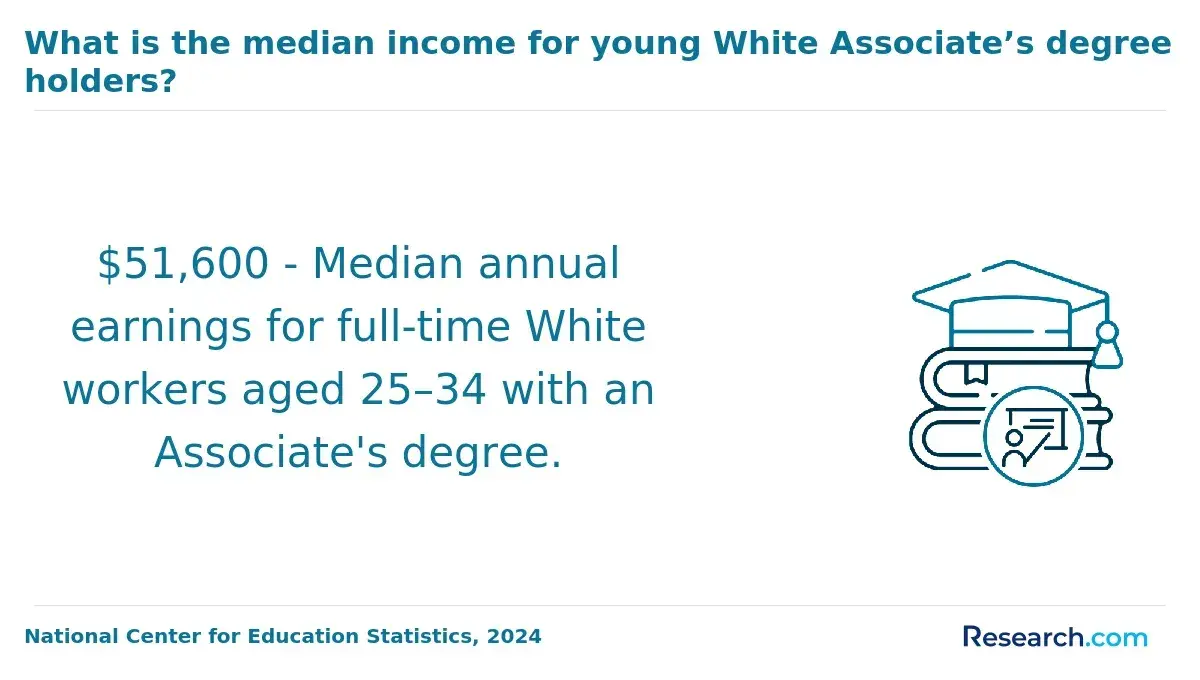
Data from the U.S. Department of Education and recent Federal Reserve analyses indicate that monthly student loan payments for criminal justice administration graduates typically fall between $250 and $350. This range captures the midpoint of payment amounts but varies considerably depending on individual loan profiles and repayment plans. Borrowers in this field generally start with debt levels between $25,000 and $35,000, which, when spread over standard repayment terms, translate to monthly obligations consuming approximately 8% to 12% of entry-level gross income. Given median starting salaries from $40,000 to $55,000, these payments present tangible budgetary considerations that extend beyond static figures, especially when factoring in salary growth trajectories and job market dynamics within criminal justice careers.
Monthly payment differences among criminal justice administration graduates largely stem from loan type, repayment structure, interest rates, and post-graduate income variability. Federal loans paired with income-driven repayment plans adjust payments based on earnings, often lowering monthly bills compared to fixed payments on private loans. Longer repayment tenures reduce monthly amounts but increase total interest accrued, while interest rate fluctuations-commonly ranging from 4% to 6% for federal loans-further influence affordability. The balance between borrowing size and realistic income levels critically affects debt-to-income ratios, underscoring the need for graduates to evaluate repayment options proactively in light of inconsistent salary growth and employment stability within the field.
One criminal justice administration graduate recalled waiting anxiously during a rolling admissions cycle, unsure if delays in application processing could jeopardize timely enrollment. Faced with incomplete transcripts and late test scores, they debated submitting an early application with provisional materials versus delaying submission for complete paperwork. The uncertainty weighed heavily, as missing the enrollment window might have postponed graduation and income start dates, directly impacting loan payment timing and financial planning. Ultimately, choosing to submit early after confirming provisional acceptance provided relief and a clearer path to managing future debt obligations on a structured timeline.
How Do Repayment Rates Compare Between Public and Private Institutions?
Graduates from public institutions in criminal justice administration demonstrate notably stronger federal student loan repayment rates compared to their peers from private nonprofit colleges, with about 48% of public university alumni reducing their loan balances within five years after finishing school, versus roughly 40% for private institution graduates, according to recent College Scorecard and Federal Reserve data. This gap reflects more than institutional category alone, highlighting differing financial outcomes that evolve in the early career stages. Public institution graduates tend to manage repayments more effectively despite often entering fields with moderate starting salaries, suggesting that loan conditions and support mechanisms substantially impact repayment trajectories.
Several interconnected factors drive this divergence in repayment success. Public universities generally impose lower tuition costs, resulting in smaller average debt burdens for students in criminal justice administration, which alleviates repayment pressure. Additionally, these institutions frequently provide more accessible financial counseling and income-driven repayment plans tailored for graduates entering public service roles with constrained earnings. Conversely, private nonprofit students accumulate higher debt levels and face steeper monthly obligations, increasing default risk especially when employment outcomes offer limited salary growth. The interplay of borrowing amounts, repayment options, and post-graduation income dynamics critically shapes the disparate financial experiences and long-term debt sustainability between these sectors.
Do Online Criminal Justice Administration Graduates Have Different Repayment Outcomes Than Campus-Based Students?
Data from the U.S. Department of Education's College Scorecard (2024) reveals that graduates from public institutions with criminal justice administration degrees generally demonstrate higher student loan repayment rates compared to their private institution counterparts, with repayment rates near 55% versus approximately 47%, respectively. These differences are not solely institutional but also closely tied to program modality, as many private institutions administer online criminal justice administration programs, influencing average repayment outcomes. This contextualizes the distinctions between campus and online criminal justice administration graduate repayment differences and underscores how institutional type affects loan outcomes beyond simplistic comparisons.
Higher tuition rates at private institutions drive increased borrowing levels for many students, particularly within online programs where financial aid and grant access may be limited. Graduates from public universities frequently benefit from state-supported aid and lower sticker prices, resulting in reduced debt loads and more manageable monthly repayment obligations. Additionally, public institutions often maintain stronger connections with local law enforcement agencies which can translate into better employment placement and salary growth, factors critical to loan repayment. Variations in student demographics, such as age, working status, and financial literacy, further shape these repayment disparities by affecting income stability post-graduation.
These repayment outcomes carry broader implications for long-term financial mobility and institutional accountability among criminal justice administration programs. Graduates experiencing heavier debt burdens and repayment challenges may encounter prolonged financial stress which impacts their career decisions and economic well-being. Understanding these debt-to-income dynamics helps prospective students weigh cost against program value, especially when considering emerging pathways like an online biology bachelor's degree or other flexible modalities with distinct financial profiles.
Which Industries Provide the Best Financial Return Relative to Borrowing Costs?
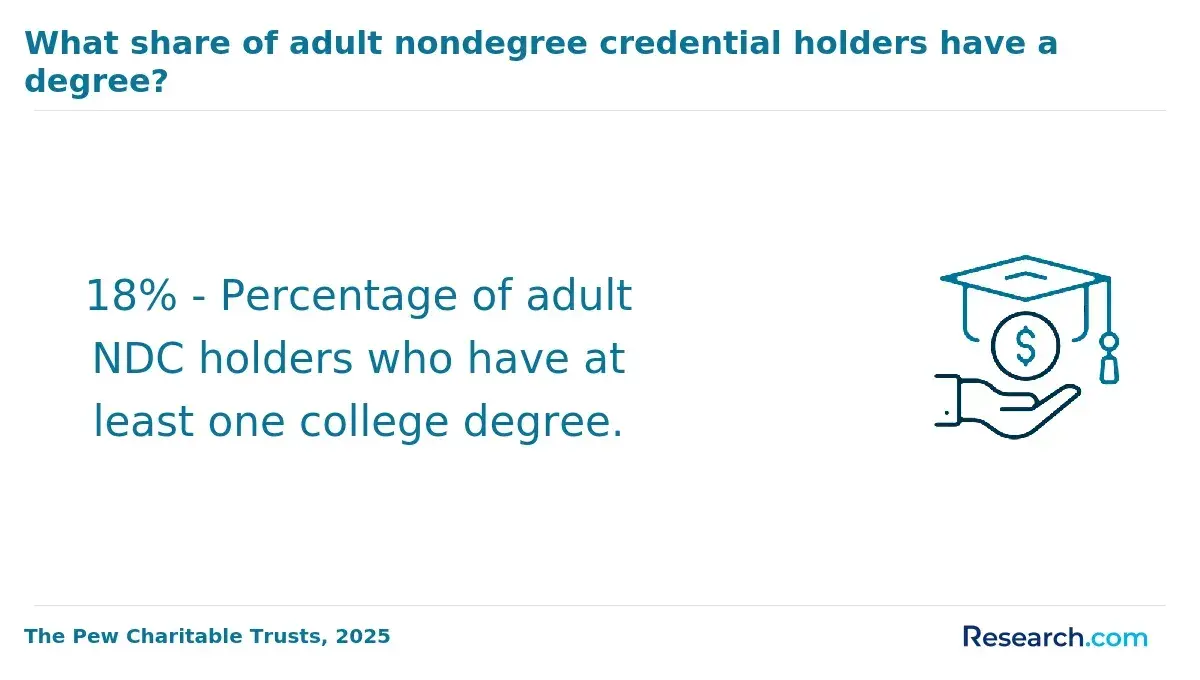
Financial returns for graduates with criminal justice administration degrees vary widely across industries, influenced not just by salary levels but also by wage growth potential, hiring demand, and debt repayment capacity. Return on investment (ROI) hinges on how quickly income rises relative to the debt burden accumulated during degree completion. Industries that combine steady or accelerating earnings with strong entry-level demand tend to reduce repayment risk, while those with stagnant wages or limited progression can amplify financial strain despite lower borrowing.
- Federal Law Enforcement: Positions in federal agencies often provide the highest debt-to-income balance for graduates due to competitive starting salaries around $55,000 combined with reliable annual wage increases and comprehensive benefits. This steady progression helps offset typical student debt levels and lowers repayment default risk, supported by ongoing government hiring initiatives documented by the Urban Institute.
- State and Local Public Safety: Careers in police departments and correctional facilities generally offer median wages from $50,000 to $65,000, reflecting moderate but consistent growth potential. Given these salaries align closely with average borrowing among criminal justice graduates, these roles strike a manageable balance between income and education costs, easing monthly repayment obligations.
- Legal and Court Administration: This sector shows moderate financial returns, often dependent on additional certifications or experience beyond a bachelor's degree. Salaries may start lower but can increase with career longevity, allowing for eventual debt reduction, though initial repayment periods may present tighter cash flow constraints.
- Private Security: Despite being a relevant field, private security roles tend to offer lower starting salaries, often under $40,000, limiting repayment capacity for typical debt loads. Slower income advancement and higher competition mean graduates here often face increased financial pressure relative to borrowing.
- Social Services and Rehabilitation: These sectors consistently provide lower entry wages and limited salary growth, which can intensify repayment challenges for those with student loans. The value remains in societal contribution rather than financial payoff, making debt-to-income ratios less favorable compared to government roles.
Does Student Debt Affect Which Jobs Criminal Justice Administration Graduates Accept?
Graduates carrying substantial student debt in criminal justice administration frequently prioritize job offers with higher initial salaries to manage monthly loan repayments, often at the expense of aligning with preferred roles or long-term career objectives. Data from the National Center for Education Statistics in 2024 reveals that over 60% of these graduates bear an average federal student loan balance around $28,000, a financial burden that narrows employment options toward positions promising immediate financial relief. Consequently, many entrants accept roles in law enforcement or corrections where pay scales are predictable but may not fully leverage their skills or professional interests. This repayment-driven job selection can lead to a preference for positions offering loan forgiveness programs, standardized benefits, and overtime pay, even when alternative careers in policy analysis or community-based services might offer more relevance or personal fulfillment but with delayed or lower financial returns.
The divergence in career trajectories between graduates with high versus low student debt reflects both behavioral patterns and structural constraints within the labor market. High-debt individuals often face geographic immobility, choosing jobs in public sectors that provide greater financial stability and debt management options, while those with minimal or no debt have more latitude to pursue specialized roles or additional certification. These constraints impose an implicit trade-off between short-term economic necessities and long-term professional development, as the urgency to service loans can delay advanced training or deter exploration of emerging fields that pay less initially. This dynamic underscores how debt influences employment beyond wage considerations, shaping industry choices and limiting strategic career mobility despite the diverse opportunities within criminal justice administration.
One graduate recalled navigating a rolling admissions process for graduate study while simultaneously managing looming student loan payments and uncertainty about job prospects. The delays in application responses heightened anxiety about whether accepting a lower-paying but stable law enforcement position was necessary, or if waiting to complete further education and secure a policy analyst role was feasible. Their decision ultimately hinged on balancing immediate financial demands with the risk of sacrificing preferred career pathways, illustrating the difficult timing and strategic planning challenges debt imposes on criminal justice administration alumni.
What Factors Increase Student Loan Repayment Risk for Criminal Justice Administration Graduates?
Student loan repayment risk for criminal justice administration graduates results from multiple interconnected factors affecting both debt levels and post-graduation earning stability. The balance between borrowing amounts and income potential after graduation is critical, especially given the sector's typical wage structures and employment conditions. Additionally, the impact of program format on criminal justice administration debt repayment can influence how borrowers manage financial obligations, with variations between online and campus-based education affecting total costs and time to degree completion.
Lower Starting Salaries and Limited Wage Growth: Criminal justice administration roles generally offer entry-level salaries near $48,000 annually, which is below the national average for bachelor's degree holders. This constrains disposable income available for loan repayment and amplifies financial strain when wages grow slowly, particularly in public or nonprofit sectors where progression may require further costly credentials.
High Reliance on Federal Student Loans: Graduates funding education primarily through federal loans often face debt-to-income ratios that exceed manageable levels. Without significant scholarships or employer tuition support, monthly payments can consume a large share of income, heightening delinquency risks, especially if economic conditions dampen job market stability.
Extended Debt Duration Due to Additional Certification Needs: Career advancement in criminal justice administration frequently demands extra certifications or graduate studies. This necessity prolongs borrowing periods and delays income increases, compounding repayment challenges for many graduates navigating already narrow financial margins.
Variability in Employment Stability and Sector Differences: Job security and salary progression vary significantly between sectors. Graduates in public or nonprofit roles may experience slower wage growth and episodic employment, increasing repayment risk when compared to private sector counterparts with more dynamic income trajectories.
Insufficient Financial Literacy and Borrower Behavior: Limited awareness of repayment plans or income-driven options restricts many borrowers' ability to optimize repayment schedules. This gap leads to missed opportunities to reduce monthly costs and avoid default or delinquency.
A recent 2024 analysis by the National Center for Education Statistics indicates that nearly 35% of criminal justice administration graduates with student debt face moderate to high repayment risk within five years after graduation, underscoring how these factors combine to shape outcomes.
Factors that significantly increase student loan repayment risk for criminal justice administration graduates include variations in earning potential by institution type and the financial impact of enrollment in online versus campus-based programs. Prospective students should also consider demographic differences such as age and employment status at graduation.
Prospective students weighing program options might find relevant insights by reviewing NASP school psychology programs, which exemplify how program accreditation and format can influence debt management and employment outcomes across related fields.
How Can Criminal Justice Administration Students Reduce Student Loan Debt While Earning Their Degree?
Reducing student loan debt while earning a criminal justice administration degree demands deliberate financial and academic planning alongside effective use of institutional resources. It requires balancing program choices, pacing degree completion, and leveraging aid options to limit borrowing amounts. This approach blends financial awareness, academic efficiency, and strategic resource utilization to lessen long-term repayment pressures.
- Start at Community or State Colleges: Completing core general education and introductory criminal justice courses at lower-cost community colleges or public universities helps minimize tuition expenses before transferring to specialized programs. This pathway can reduce the overall loan principal needed by limiting expensive upper-division credits taken at private or out-of-state institutions.
- Target Need-Based and Merit Scholarships: Applying for scholarships specifically aligned to criminal justice students can significantly offset costs. Data from the Department of Education in 2024 indicates those awarded targeted aid borrow nearly 25% less on average, reducing future repayment burdens.
- Gain Part-Time Employment in Related Fields: Working part-time with law enforcement agencies or probation offices provides income and relevant experience without jeopardizing academic progress. Paid work-study or internships in criminal justice reduce the need for loans and enhance employment prospects post-graduation.
- Utilize Employer Tuition Reimbursement: Students already affiliated with or employed by public safety organizations should explore tuition assistance programs that can cover significant portions of educational costs. Such programs lower out-of-pocket spending and debt accumulation.
- Plan Carefully Around Accelerated or Online Options: While enrolling in accelerated or online degree tracks may reduce housing and commuting costs, these programs sometimes carry higher per-credit rates or restricted access to traditional financial aid. Students must assess net cost differences to avoid inadvertently increasing debt.
According to the National Center for Education Statistics in 2024, criminal justice graduates managing to keep debt below $20,000 demonstrate stronger repayment compliance and improved access to competitive roles featuring stable incomes and growth potential. Strategic debt minimization throughout the degree journey directly impacts employability and financial stability in the field.
For students exploring alternative or flexible pathways, options like APA accredited PsyD programs online may also be relevant, emphasizing the importance of evaluating educational return on investment carefully.
How Should Prospective Students Evaluate Borrowing Risk Before Enrolling?
Evaluating borrowing risk before enrolling in a criminal justice administration degree program is crucial to understanding its long-term financial impact. Borrowing risk fundamentally involves balancing the total anticipated debt against realistic post-graduation earnings and repayment capacity. Accurately assessing this risk helps students make informed decisions about manageable debt levels relative to career outcomes in the criminal justice field.
- Projected Salary Alignment: Comparing median wages for criminal justice graduates, which the U.S. Bureau of Labor Statistics notes as around $48,000 annually in 2024, with estimated monthly loan payments helps determine affordability and likelihood of sustainable repayments.
- Total Debt Estimation: Knowing typical debt levels-such as the $27,000 median debt reported by the National Center for Education Statistics-allows students to forecast total repayment obligations including interest accrued over standard loan repayment periods.
- Repayment Plan Options: Evaluating whether loans offer income-driven or flexible repayment terms is critical for managing cash flow variability, especially in early career stages with entry-level salaries.
- Program-Specific Outcomes: Reviewing institution-specific graduation rates, employment placement, and salary data informs the realistic return on investment rather than relying on broad averages.
- Local Job Market Conditions: Accounting for regional cost of living and demand for criminal justice professionals frames earning potential and financial stability post-graduation.
- Interest Rates and Loan Terms: Assessing realistic interest rates and repayment durations, not promotional or initial teaser rates, ensures clarity about long-term financial commitments.
- Alternative Funding Sources: Prioritizing scholarships, federal aid, or part-time work before borrowing reduces overall debt exposure and repayment risk.
References
- CFPB Highlights Default Risk Factors for Student Loans https://www.consumerfinancialserviceslawmonitor.com/2022/04/cfpb-highlights-default-risk-factors-for-student-loans/
- The Impact of Student Debt on the Low-Wage Workforce https://workrisenetwork.org/working-knowledge/impact-student-debt-low-wage-workforce
- Repaying your student loan https://www.gov.uk/repaying-your-student-loan/what-you-pay
- Student Loan Debt by Major [2026]: Highest + Lowest Average Debt https://educationdata.org/student-loan-debt-by-major
- Should You Get Your Master’s Degree in Criminal Justice Online? | CSU Global https://csuglobal.edu/blog/should-i-get-my-masters-degree-in-criminal-justice-online
- The Student Loan Default Divide: Racial Inequities Play a Role https://www.pew.org/en/research-and-analysis/reports/2024/12/the-student-loan-default-divide-racial-inequities-play-a-role
- Delivering on Debt Relief: Proposals, Ideas, and Actions to Cancel Student Debt on Day One and Beyond - Protect Borrowers https://protectborrowers.org/resource/debtreliefreport_lp/
- Who got rich off the student debt crisis? - Reveal https://revealnews.org/article/who-got-rich-off-the-student-debt-crisis/
- Online Criminal Justice Degrees (Types, Benefits & FAQ) https://www.allcriminaljusticeschools.com/criminal-justice/criminal-justice-online-degree/
- Five Criminal Justice Schools with Low Student Debt and Solid Career Support https://www.forensicscolleges.com/blog/resources/5-high-placement-low-debt-cj-programs
Other Things You Should Know About Criminal Justice Administration
Borrowing beyond federal loan limits often means taking on private loans with variable interest rates and fewer consumer protections. For criminal justice administration students, whose early-career salaries tend to be modest, this elevates repayment risk significantly. Prioritizing federal loans first is critical, and if private borrowing is necessary, it should be limited to amounts that are manageable within expected income trajectories, ideally focusing on programs with strong employment alignment to mitigate long-term financial strain.
Accelerated criminal justice administration programs condense coursework, generally increasing tuition costs per term and total borrowed amount in a shorter timeframe. Although this can lead to quicker degree completion, graduates may face higher monthly payments immediately post-graduation due to larger, lump-sum disbursements needing swift repayment. Traditional pacing offers more gradual borrowing, which can smooth out loan accumulation and potentially reduce monthly payment shock, providing better flexibility for graduates balancing entry-level pay and repayment obligations.
The field often involves public sector or non-profit roles that, while stable, typically offer limited initial salary growth. This wage cap creates a repayment risk trap for graduates carrying high debt loads, especially if they pursued programs with expensive tuition or less clear employment pathways. Students should critically evaluate how program-specific career services and alumni outcomes translate into realistic starting salaries and advancement opportunities before accumulating significant debt.
Graduates with unpredictable schedules or part-time positions in criminal justice administration should consider income-driven repayment plans that adjust monthly payments based on current earnings rather than fixed amounts. This approach helps manage cash flow without default risk. Prioritizing borrower education on these plans and maintaining communication with loan servicers is essential to avoid long-term financial penalties, making adaptability a key factor in sustainable debt management in this field.