2027 Criminal Justice Administration Degree Outlook Through 2030: Enrollment, Salary, and Hiring Projections

Co-Founder and Chief Data Scientist
Deciding whether to pursue or continue a criminal justice administration degree requires navigating complex signals beyond headline job growth forecasts. While the U. S. Bureau of Labor Statistics projects approximately 7% growth in related protective service roles through 2030, this does not evenly translate to all specialization areas or regions, where saturation and credential inflation can limit opportunities.
Enrollment at the undergraduate level rose by 4% in 2023, suggesting growing interest but also increased graduate competition. Salary gains vary widely by sector and location, and evolving technology demands reshape employer expectations. This article examines criminal justice administration enrollment, salary patterns, hiring projections, industry demand, geographic opportunity, and emerging workforce changes through 2030 to support informed education and career decisions.
Key Things to Know About the Criminal Justice Administration Degree Outlook Through 2030
- Despite a projected 8% increase in enrollment by 2030, candidate oversupply in urban centers may depress starting roles, signaling a need for strategic regional job targeting.
- Employer surveys reveal rising demand for graduates versed in AI-augmented case management, emphasizing workforce upskilling as vital to maintain competitive advantage.
- Tuition inflation amid stagnant financial aid growth risks constraining access, potentially extending time-to-degree and impacting labor market entry timing for lower-income students.
- Key Things to Know About the Criminal Justice Administration Degree Outlook Through 2030 Key Things to Know About the Criminal Justice Administration Degree Outlook Through 2030
- How is Criminal Justice Administration Degree Enrollment Expected to Change Through 2030? Enrollment Trends Through 2030
- How Many Criminal Justice Administration Graduates Will Enter the Workforce by 2030? Graduate Workforce Entry Projections
- What Are the Hiring Projections for Criminal Justice Administration Graduates Through 2030? Hiring Projections Through 2030
- Which Criminal Justice Administration Careers Will Experience the Most Job Growth? Fastest-Growing Career Paths
- What Is the Salary Outlook for Criminal Justice Administration Graduates Through 2030? Salary Outlook Through 2030
- Which Industries Will Hire the Most Criminal Justice Administration Graduates by 2030? Top Hiring Industries
- Where Will Demand for Criminal Justice Administration Graduates Be Strongest? Strongest Geographic Demand
- Which Criminal Justice Administration Specializations Will Be Most in Demand by 2030? Which Criminal Justice Administration Specializations Will Be Most in Demand by 2030?
- How Will AI and Technology Affect Criminal Justice Administration Careers Through 2030? How Will AI and Technology Affect Criminal Justice Administration Careers Through 2030?
- Is a Criminal Justice Administration Degree Worth Pursuing Based on 2030 Projections? Degree Value Through 2030
How is Criminal Justice Administration Degree Enrollment Expected to Change Through 2030?
Enrollment in criminal justice administration degree programs will likely continue a cautious growth trajectory through 2030, shaped significantly by labor-market demand and program delivery models. While rising employment projections in criminal justice occupations encourage interest, prospective students must weigh the increasing availability of online and hybrid programs against potential oversaturation risks in certain regional markets.
For instance, working adults pursuing degrees remotely may benefit from expanded accessibility, but this shift also pressures traditional on-campus offerings, potentially leading to smaller class sizes and fewer specialization options. Institutional capacity and tuition inflation further complicate these dynamics, influencing admission competition and the overall supply of graduates entering public safety and management roles.
The future enrollment projections for criminal justice administration programs are tightly linked to employer expectations that increasingly emphasize management skills, technology integration, and adaptable thinking. Programs unable to adjust to these curricular demands may see declining attractiveness despite steady interest levels.
Budget constraints at public institutions and shifts in federal funding priorities could tighten program availability, affecting how many students can be admitted and trained properly. Those considering advanced credentials might find value in comparing these trends with growth in allied fields, such as healthcare administration, where hybrid models and workforce demands demonstrate parallels, as seen in recent research on degrees like RN to BSN, which underscore the importance of practical, flexible education pathways.
How Many Criminal Justice Administration Graduates Will Enter the Workforce by 2030?
The number of criminal justice administration graduates projected to enter the workforce by 2030 does not, on its own, guarantee proportional employment opportunities. Factors such as enrollment fluctuations, demographic changes, and degree completion rates create variability in supply. While recent data from 2024 shows roughly 35,000 to 40,000 criminal justice-related degrees awarded annually, not all graduates immediately join the field; some pursue advanced education, shift into adjacent sectors, or delay workforce entry. For example, regional declines in the college-age population may reduce new entrants in certain areas, even as interest in public safety careers rises, affecting the local labor market balance.
Employers increasingly prioritize candidates with practical experience and specialized skills, particularly as the legal, corrections, and law enforcement sectors prepare for a 5% to 9% growth by 2030 according to the Bureau of Labor Statistics. This means graduates face growing competition not only from peers but also from incumbents transitioning within related industries like cybersecurity or compliance.
The gap between new graduates and available mid- to senior-level positions adds pressure, often forcing early-career professionals to adapt by acquiring additional credentials or shifting focus. Graduates' ability to align their skills with evolving employer expectations will be pivotal in navigating this landscape.
One recent criminal justice administration graduate found the job market increasingly competitive as she completed her degree in early 2024. Despite a strong academic record, she encountered extended recruitment cycles and multiple rounds of interviews before receiving offers, reflecting a labor pool growing faster than available entry-level roles. She described balancing optimism about workforce demand growth with caution, noting that practical internships and flexible career goals were crucial in managing uncertainty. Her experience underscores the need for strategic planning amid a shifting supply-demand dynamic heading into 2030.
What Are the Hiring Projections for Criminal Justice Administration Graduates Through 2030?
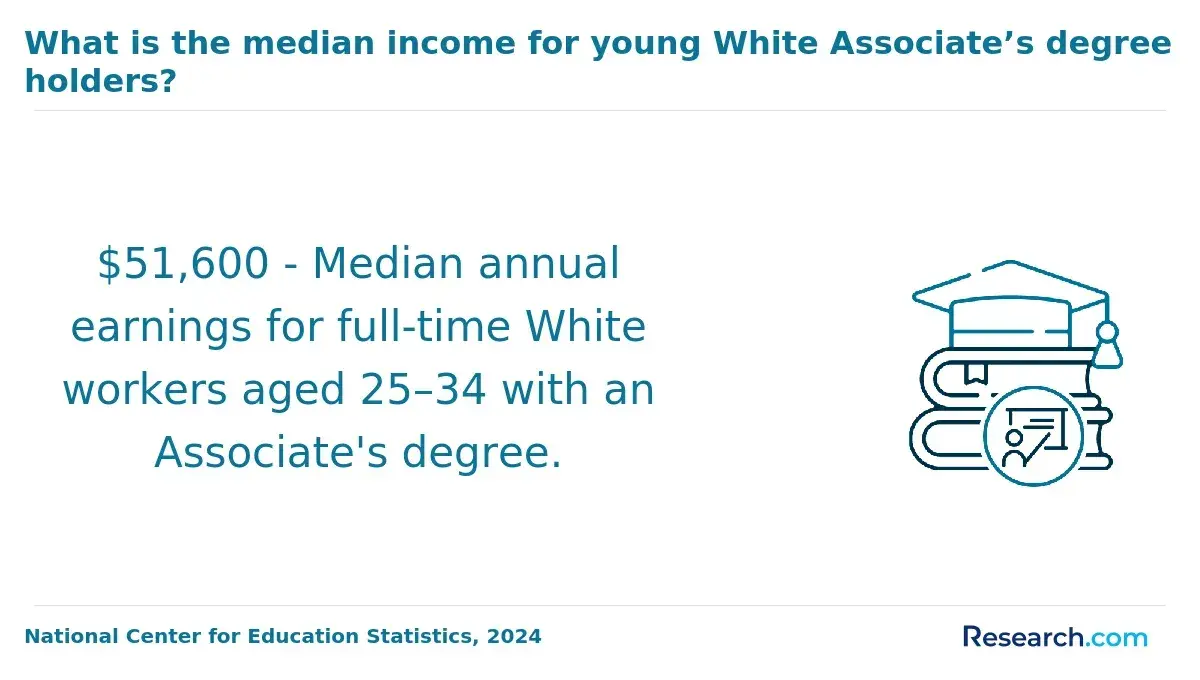
Projected demand for criminal justice administration graduates through 2030 appears moderate but layered with regional and occupational variability rather than uniformly strong. The U.S. Bureau of Labor Statistics anticipates approximately a 6% employment increase in related roles like probation officers and correctional treatment specialists, a pace modestly above overall job growth. However, much of the hiring activity stems from replacement needs due to retirements and turnover rather than widespread sector expansion, meaning new graduates should expect competition in entry-level positions to remain firm, especially in metropolitan or government settings where candidate pools are largest.
Skill requirements are evolving alongside shifting policy and technological environments, emphasizing candidates who combine core criminal justice knowledge with administrative, analytical, and interagency coordination competencies. Graduates relying solely on general credentials risk limited opportunities unless supplemented with specialized skills or advanced degrees.
Location plays a critical role; for example, rural or less populous regions may offer fewer openings but less competition, while densely populated urban areas demand higher qualifications amid significant applicant volumes. These nuances suggest that prospective students and current degree holders must weigh the balance between stable but relatively slow-growing entry points and the preparation needed for more competitive or alternative roles emerging within rehabilitation, victim advocacy, and data-driven public safety contexts.
Lightcast's 2024 labor market data supports these trends, reporting about 18,000 annual openings primarily from turnover instead of sector growth, underscoring that hiring opportunities do not equate to expansion-driven job creation. Decision-making should therefore be informed by realistic assessments of regional demand, occupational specialization, and the increasing premium placed on versatile skill sets to navigate a criminal justice landscape pressured by reforms, budget constraints, and technology integration. In this context, graduates aiming for long-term career viability may benefit from strategic choices in geographic focus and credentialing beyond a baseline criminal justice administration degree.
Which Criminal Justice Administration Careers Will Experience the Most Job Growth?
Job prospects within criminal justice administration careers with highest job growth are notably concentrated in roles emphasizing rehabilitation and community-based approaches rather than traditional enforcement. Probation officers and correctional treatment specialists are projected to grow by about 7% through 2030, outpacing average occupational growth according to the U.S. Bureau of Labor Statistics.
This reflects increasing investment in alternatives to incarceration and a growing need for professionals skilled in offender management, mental health, and restorative justice. A student weighing career options should consider that these positions often require strong interpersonal skills and may offer more frontline community interaction compared to detective or law enforcement roles, which have slower growth and may face funding limitations.
Despite steady demand, detective and criminal investigator roles are expected to expand by only 3-4%, influenced by advances in crime-solving technology that reduce personnel needs. In contrast, emerging roles in community and social services within criminal justice administration emphasize cross-disciplinary expertise in behavioral science and technology. This shift suggests practical value in pursuing degrees that integrate administration with these fields to remain competitive.
Regional differences in demand and replacement needs mean that national growth trends do not guarantee easy entry or uniform salary levels. Prospective candidates might find it helpful to evaluate alignment between job market realities and their educational focus carefully, avoiding assumptions that fast growth equates to better employment outcomes overall. Those interested in related supportive roles may also want to assess whether is medical billing and coding worth it within broader healthcare systems linked to criminal justice services.
What Is the Salary Outlook for Criminal Justice Administration Graduates Through 2030?
Salary projections for criminal justice administration graduates must be evaluated in the context of inflation rates, fluctuating labor demand, evolving credential standards, and sector-specific occupational changes. Median starting salaries near $45,000 to $50,000, as reported by 2024 BLS data, offer a baseline but do not guarantee uniform growth across all job titles or regions. Advances in specialization, such as forensic or policy-oriented roles, tend to create distinct salary pathways. Moreover, public sector budget constraints often restrict wage growth, while private and consulting roles may provide higher compensation but require different skills and networks.
Below are key elements influencing salary outcomes through 2030.
- Regional Variability: Compensation varies significantly by geographic location due to cost-of-living differences and agency budgets. Graduates in metropolitan or high-crime areas often receive higher pay but face more competitive markets and demanding workloads.
- Educational Attainment: Advanced degrees and specialized certifications typically correlate with salary premiums of 15-25%, particularly for those targeting leadership or federal agency positions.
- Experience and Role Advancement: Mid-career professionals with management, data analysis, or policy development skills frequently surpass $75,000, while entry-level roles remain constrained, emphasizing the importance of continuous skill acquisition.
- Public vs. Private Sector: Public sector roles reflect budgetary limits that can cap salary growth, whereas private sector and consulting options-though less predictable-often reward niche expertise and flexible problem-solving abilities.
- Credentialing and Professional Development: Ongoing professional development and recognized credentials weigh heavily in hiring decisions and promotion eligibility, influencing upward mobility and pay scales.
- Labor Market Dynamics: Shifts in criminal justice priorities, including an emphasis on technological competencies or community-based programs, can alter demand patterns and introduce new salary differentials.
A recent graduate accepting an entry-level probation officer role faced a starting offer modestly below market median due to the agency's limited regional budget. While initially hesitant, the graduate balanced apprehension with pragmatic acceptance, considering the benefits of gaining field experience and pursuing certification concurrently. This strategic approach reflected an understanding that early-career salary limitations could improve with sector-specific skills and potential lateral moves, illustrating the nuanced trade-offs influencing long-term earnings in criminal justice administration careers.
Which Industries Will Hire the Most Criminal Justice Administration Graduates by 2030?
The demand for criminal justice administration graduates through 2030 is shaped by factors beyond mere hiring volume. Industry growth rates, workforce replacement needs, and evolving operational priorities such as criminal justice reform, technological integration, and community-based approaches substantially influence staffing patterns.
Employers increasingly seek candidates with skills spanning restorative justice, data analytics, and interagency collaboration to navigate shifting regulatory frameworks and public expectations. For example, law enforcement agencies may favor graduates with certifications in cybersecurity and crisis intervention, anticipating complex threat landscapes and public scrutiny.
Below are the main sectors expected to generate the strongest hiring demand for criminal justice administration graduates by 2030.
- Government Law Enforcement: Local, state, and federal agencies will continue to lead in hiring, driven by population growth and public safety needs. Entry-level roles often include patrol officers and compliance officers, with advancement depending on leadership credentials and specialized training in areas like cybercrime and emergency response.
- Correctional Services: While incarceration rates may decline due to reform, rehabilitation program management and restorative justice positions are increasing. Graduates with expertise in community-based alternatives and mental health support will find better access to roles addressing recidivism and inmate reentry.
- Private Security Firms: The rising emphasis on cybersecurity, corporate compliance, and advanced surveillance technology fuels recruitment. Candidates experienced in risk assessment, legal compliance, and technology integration hold competitive advantages in risk management and physical security roles.
- Healthcare and Social Services: Diversion programs, mental health courts, and victim advocacy are expanding within interdisciplinary frameworks. Graduates versed in social work collaboration and legal frameworks will be in demand for roles bridging criminal justice and health systems.
- Forensic Science and Consulting: Growth is tied to advances in data analytics and evidence processing, favoring graduates who supplement degrees with technical certifications. This sector remains competitive and specialized, with opportunities in investigative consulting and forensic technology.
Those evaluating criminal justice administration career growth in key sectors through 2030 should consider how evolving public safety priorities intersect with technological developments and social policy shifts. Prospective students might also explore complementary pathways such as online associate radiology tech programs to diversify their qualifications and improve employment prospects in adjacent fields.
Where Will Demand for Criminal Justice Administration Graduates Be Strongest?
Demand for criminal justice administration graduates will be most pronounced in metropolitan regions with concentrated government functions and higher crime rates, particularly in states like California, Texas, Florida, and New York. However, regional variations in funding priorities and cost of living significantly affect job availability and salary growth; for example, while Houston and Los Angeles offer numerous positions due to expanding correctional facilities and reform-driven staffing, competition may be intense and entry salaries may lag behind local expenses. Graduates targeting government roles should anticipate protracted hiring cycles but benefit from greater stability, whereas private security and nonprofit sectors afford quicker access yet carry less predictable long-term funding, complicating career progression.
The rise of cybercrime and data analytics within the justice system creates niche opportunities requiring interdisciplinary knowledge beyond traditional administration, rewarding those with technological fluency alongside legal expertise. Despite general employment growth projected by the U.S. Bureau of Labor Statistics through 2030, early-career applicants often face high competition in general administration roles, pressing candidates to specialize or seek locations with sustained health in justice infrastructure. National averages can mask these subtleties, making local employer density, credential expectations, and the balance between government and private sector jobs crucial factors in assessing the real attractiveness of a market for criminal justice administration graduates.
Which Criminal Justice Administration Specializations Will Be Most in Demand by 2030?
Criminal justice administration specializations are evolving unevenly through 2030, reflecting shifts in law enforcement priorities and judicial system modernization. While overall growth varies by niche, certain areas show clear expansion due to technological advances and changing societal demands. Students comparing career pathways should weigh specialization growth rates against the technical and behavioral skills each field requires, as well as the geographic and institutional variability of hiring.
For instance, cybercrime and digital forensics demand advanced IT proficiency and adaptability to fast-changing threats but may offer broader cross-sector mobility than more narrowly focused roles in correctional administration. Below are key specializations projected to see the strongest employer interest into the next decade:
- Cybercrime Investigation: Rising cyber threats drive significant demand for experts in tracking digital evidence and addressing online criminal activity. Agencies increasingly seek candidates with backgrounds in computer science, network security, and forensic software tools, reflecting a blend of law enforcement and cybersecurity disciplines.
- Forensic Psychology: The application of behavioral analysis and criminal profiling remains critical as jurisdictions rely on psychological expertise to improve investigative accuracy and offender rehabilitation, a field benefiting from growing integration with social services and mental health systems.
- Community Policing Strategies: Emphasis on restorative justice and relationship building fuels demand for administrators skilled in alternative conflict resolution, community engagement, and cultural competency, especially in urban or diverse populations.
- Correctional Administration: While growing more moderately, this area focuses on managing facility operations, overcrowding issues, and implementing technology to improve inmate outcomes, requiring strong policy knowledge and leadership capabilities.
- Homeland Security Management: Sustained concerns about terrorism and disaster response support steady hiring of professionals versed in emergency planning, risk assessment, and interagency coordination.
- Digital Evidence Analysis: Closely tied to cybercrime, this specialization prioritizes the expertise to preserve, authenticate, and interpret digital data, critical for prosecutions reliant on electronic records.
How Will AI and Technology Affect Criminal Justice Administration Careers Through 2030?
Technology is poised to augment rather than purely automate criminal justice administration roles, shifting the focus from routine tasks to oversight, data interpretation, and ethical decision-making. Automation will handle repetitive functions such as data entry and scheduling, but professionals who can interpret AI-driven analytics, manage cybersecurity risks, and ensure compliance with data governance will become indispensable. For example, a case manager using predictive policing tools must critically assess algorithm outputs while maintaining transparent and just procedures, underscoring the hybrid nature of emerging job profiles.
As technology reshapes criminal justice administration career impact of artificial intelligence, hiring will prioritize candidates with hybrid skill sets combining legal knowledge and technical proficiency. Organizations value ongoing upskilling in areas like AI auditing and technology management, as static expertise risks obsolescence amid evolving workflows. Graduates and current professionals must critically evaluate educational pathways-seeking programs that balance foundational law and ethics with applied technology training-to remain competitive and command salary premiums tied to digital fluency.
These trends reflect broader technology and automation trends in criminal justice administration jobs, where the ability to adapt to machine learning tools and complex case management platforms defines employability. While traditional credentials remain relevant, integrating targeted certifications and applied projects in AI tools can boost practical readiness. Those committed to continuous professional development stand a better chance of navigating evolving demands, a consideration applicable even in related fields such as the accelerated PharmD pathways, highlighting the cross-disciplinary value of integrating emerging technology skills in career planning.
Is a Criminal Justice Administration Degree Worth Pursuing Based on 2030 Projections?
Employment projections for a criminal justice administration degree through 2030 indicate steady but moderate growth, roughly aligned with overall occupational averages. While the job market's expansion suggests continued demand for professionals familiar with criminal justice systems, this demand is not exceptional and varies by specialization, such as forensic administration or cybercrime.
Students should be aware that many employers emphasize practical experience and additional certifications alongside academic credentials, which can significantly affect hiring prospects and salary progression. Starting salaries for graduates hover around $70,000 median annually but differ based on geography, role, and industry, often lagging behind STEM fields, thus warranting careful consideration of tuition costs and time-to-completion tradeoffs.
Prospective students weighing criminal justice administration degree career prospects 2030 must balance stable but unremarkable hiring growth against the risk of oversupply in some regions and roles. Those targeting advanced administrative positions should expect heavy competition and persistent requirements for internships or networking, reflecting employer preferences for candidates beyond degree qualification alone.
This nuanced job outlook places a premium on strategic educational choices, including specialization and practical skill development. For individuals seeking accelerated pathways within related fields, programs like the accelerated BCBA program online illustrate alternative, focused graduate options enhancing employability in adjacent public safety and social services sectors.
The value of criminal justice administration degree based on job market projections is thus contingent on aligning educational investment with realistic career trajectories and employer expectations. Geographic disparities and sector-specific demand influence compensation and promotional opportunities, making flexibility and ongoing credentialing crucial. Ultimately, while the degree remains a viable entry point into public safety and legal frameworks, its long-term payoff depends on integrated career planning that prioritizes experience, field specialization, and a clear understanding of labor market conditions through 2030.
References
- Criminal Justice Jobs - June 2026 - The High Court https://thehighcourt.co/criminal-justice-jobs/
- Is a BS in Criminal Justice Worth It? | University of Bridgeport https://www.bridgeport.edu/news/is-a-criminal-justice-bachelors-degree-worth-it/
- Law Enforcement and Justice Administration Major https://www.wiu.edu/academics/majors/law-enforcement-and-justice-administration.php
- Analyze the Jobs Available for Criminal Justice Majors https://www.criminaljusticeprograms.com/articles/10-jobs-you-can-get-with-a-criminal-justice-degree/
- The Value of a Criminal Justice Degree: Skills, Evolution, and Degree Pathways | University of Arkansas Grantham https://www.uagrantham.edu/blog/the-value-of-a-criminal-justice-degree/
- Is Getting an Associate’s Degree in Criminal Justice Worth it in 2025? https://www.neit.edu/blog/is-getting-an-associates-degree-in-criminal-justice-worth-it
- Shrinking enrollments lead to rethinking of criminal justice programs https://www.ccdaily.com/2023/07/shrinking-enrollments-lead-to-rethinking-of-criminal-justice-programs/
- How AI is Changing the Criminal Justice Field https://www.allcriminaljusticeschools.com/blog/artificial-intelligence-in-criminal-justice/
- The Implications of AI for Criminal Justice - Council on Criminal Justice https://counciloncj.org/the-implications-of-ai-for-criminal-justice/
- Is Criminal Justice a Good Major? https://www.husson.edu/online/blog/2022/12/reasons-to-earn-criminal-justice-degree
Other Things You Should Know About Criminal Justice Administration
Not all criminal justice administration degrees are viewed equally by employers. Programs with regional or specialized accreditation often signal more rigorous curricula and adherence to industry standards, which can influence hiring decisions, especially within government or federal agencies. Prospective students should prioritize accredited programs with strong employer connections to maximize employment prospects, rather than opting simply for convenience or perceived prestige that lacks external validation.
Yes, programs that integrate practical components such as internships, case studies, and applied research tend to better prepare graduates for real-world criminal justice roles. This hands-on experience often translates into higher starting salaries and faster career advancement because employers expect candidates who require less on-the-job training. Students should weigh more experiential programs even if they demand heavier workloads or longer time commitments, as these investments typically improve both competitiveness and long-term earnings.
While online programs offer flexibility and accessibility, they often limit access to networking opportunities, mentorship, and practical fieldwork that are crucial in criminal justice careers. Employers especially in law enforcement or administrative government roles frequently prefer candidates with in-person experiential learning. For students targeting such career paths, prioritizing hybrid or on-campus formats that include structured internships or partnerships may enhance employability and better future-proof their careers.
Specializing too narrowly can limit job opportunities in an already competitive market, as demand fluctuates across different criminal justice sectors. Graduates with broader administrative and management skills typically enjoy greater flexibility and resilience if a particular niche softens. Therefore, while specialization can provide edge in selected positions, balancing it with versatile competencies in leadership, policy, and organizational management better aligns with employer expectations and reduces vulnerability to market shifts.