2027 Criminal Justice Administration Degree Enrollment Trends by Age Group: Traditional Students vs Adult Learners

Co-Founder and Chief Data Scientist
The demand for criminal justice administration professionals grows amid increasing public safety challenges and evolving regulatory standards. This dynamic shapes enrollment patterns distinctly between traditional students, typically aged 18-24, and adult learners navigating career shifts or advancement. Licensing mandates and practicum requirements pose unique barriers and motivators across age groups, influencing program selection and completion rates. Data from the Bureau of Labor Statistics projects a 9% growth in law enforcement and related roles through 2031, with nearly 40% of new entrants holding degrees earned later in life. These trends suggest shifting workforce demographics and heightened credential expectations within the field, affecting both educational access and professional trajectories.
Key Things to Know About Criminal Justice Administration Degree Enrollment Trends by Age Group
- Traditional college-age students dominate criminal justice administration enrollment but often face limitations in practical work experience, which can delay workforce readiness compared to older peers.
- Employers increasingly value adult learners' real-world experience combined with criminal justice administration degrees, highlighting a hiring bias toward applicants balancing theory with applied skills.
- Older students encounter higher cost and time tradeoffs due to family and job commitments, influencing decisions around part-time or accelerated criminal justice administration programs for feasible credential attainment.
- Key Things to Know About Criminal Justice Administration Degree Enrollment Trends by Age Group Key Things to Know About Criminal Justice Administration Degree Enrollment Trends by Age Group
- Which Age Groups Represent the Largest Share of Criminal Justice Administration Students? Students by Age Group
- Why Do Traditional Students Choose Criminal Justice Administration Degree Programs? Traditional Students
- Why Do Adult Learners Return to School for a Criminal Justice Administration Degree? Adult Learners
- How Do Academic Goals Vary Between Younger and Older Criminal Justice Administration Students? Academic Goals by Age Group
- How Do Financial Concerns Differ Between Traditional Students and Adult Learners? Financial Concerns by Age Group
- What Challenges Do Adult Learners and Traditional Students Face While Earning a Criminal Justice Administration Degree? Student Challenges by Age Group
- How Does Age Affect Criminal Justice Administration Degree Student Retention? Age and Student Retention
- Which Criminal Justice Administration Specializations Are Most Popular Among Adult Learners? Top Specializations for Adult Learners
- How Does Age Affect Job Opportunities for Criminal Justice Administration Graduates? Impact of Age in Job Opportunities
- What Do Current Criminal Justice Administration Enrollment Trends Reveal About Future Demand? What Do Current Criminal Justice Administration Enrollment Trends Reveal About Future Demand?
Which Age Groups Represent the Largest Share of Criminal Justice Administration Students?
Criminal justice administration programs attract a diverse student body spanning multiple life stages, yet enrollment predominantly clusters around distinct age groups shaped by career timing, financial capacity, and educational access. These enrollment patterns mirror broader labor market entry points and the structure of higher education pathways instead of mere academic preference. Understanding which age groups hold the largest shares offers insight into how career trajectories and program formats adapt to evolving workforce demands and personal circumstances.
- Ages 18-24: Representing the largest cohort, traditional college students enrolling immediately after high school generally pursue criminal justice administration to enter entry-level roles quickly. Their full-time, on-campus enrollment is often supported by fewer external obligations, allowing greater immersion in practical internships and campus resources that align with early career exploration.
- Ages 25-39: Adult learners within this range often pursue degrees part-time or online to facilitate mid-career shifts or meet advancing credential requirements in public safety sectors. Balancing work, family, and education, this group demonstrates how criminal justice administration programs accommodate working professionals seeking specialization or advancement.
- Ages 40 and above: The smallest share but a steadily growing segment, older adult learners enroll primarily for upskilling or transitioning to supervisory roles within correctional agencies or law enforcement. Their enrollment reflects the flexibility of online learning formats, such as online health administration degree structures that accommodate complex financial and scheduling constraints.
While traditional college students have a more direct pathway with fewer competing responsibilities, adult learners often navigate enrollment decisions influenced by workforce stability and family obligations. These enrollment distinctions underscore how criminal justice administration education adapts to diverse motivations-from early career entry to strategic reskilling-thereby reflecting the dynamics of labor force participation and credential demand documented by national educational data.
Why Do Traditional Students Choose Criminal Justice Administration Degree Programs?
Traditional students often select criminal justice administration programs as a strategic combination of academic interest and a clear signal to employers about their commitment to law enforcement and public safety careers. Their motivations typically extend beyond a general curiosity about the justice system to include the desire to explore early career options with tangible pathways, supported by structured curricula that integrate theory and practical skills. The perceived value of these degrees lies in their alignment with defined roles in policing, corrections, and legal administration, making them a practical choice for recent high school graduates seeking direction during a critical career decision phase. According to data from the National Center for Education Statistics (2024), approximately 35% of students in criminal justice administration programs are traditional-age, reflecting a significant cohort driven by these focused educational motivations.
Deeper factors influencing enrollment include university recruitment strategies and the role of guidance counselors who often frame criminal justice administration as a stable and accessible profession, especially in regions with heightened public safety concerns. Early exposure to criminal justice topics in secondary education or introductory college courses helps solidify student interest by providing concrete understanding of career demands and employer expectations. This exposure, combined with optimistic labor market forecasts, incentivizes traditional students to commit to these programs even before fully exploring alternative paths. Additionally, the choice of criminal justice administration intersects with practical realities such as internship availability and workforce demand, which are critical considerations for students aiming to bridge academic preparation with real-world employment outcomes. These enrollment dynamics mirror trends observed in other fields where structured pathways and job market stability are dominant influences, similar to the factors shaping decisions around a medical coding job outlook.
Why Do Adult Learners Return to School for a Criminal Justice Administration Degree?
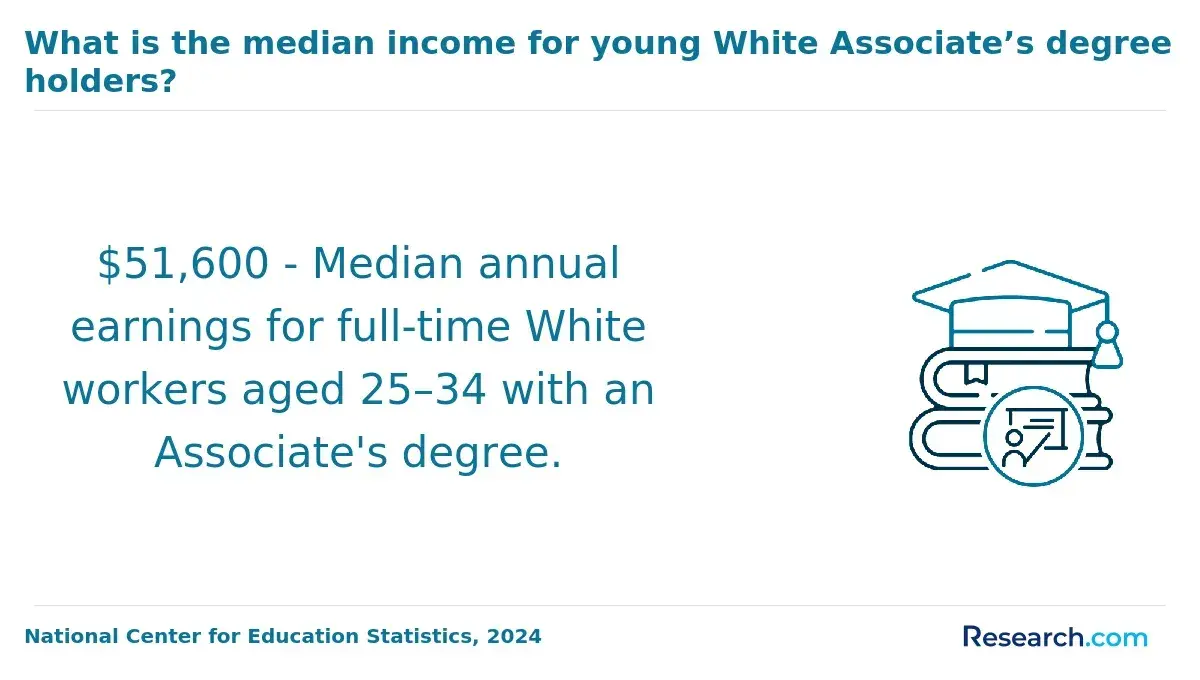
Adult learners returning to school for a criminal justice administration degree often do so driven by the need to move beyond stagnant roles into supervisory or policy-related positions that demand formal credentials. Wage progression and career mobility in this sector increasingly hinge on earning recognized degrees rather than solely relying on on-the-job experience. The evolving organizational expectations within law enforcement, corrections, and public safety agencies mean many adults find themselves pursuing these degrees mid-career to meet baseline qualifications for advancement. According to a 2024 report from the National Center for Education Statistics, over 40% of criminal justice enrollees aged 25 and older cite employment promotion or career shifts as the primary impetus for re-enrollment, reflecting a strategic response to credential inflation and sector-specific labor market dynamics.
Additional factors shaping adult learners' decisions include the expansion of employer tuition assistance programs paired with the increased availability of online and part-time formats tailored to working professionals. These flexible options help accommodate the complex balance adults maintain between education, work, and family obligations. Meanwhile, employers' growing preference for candidates with updated management, policy analysis, and ethical decision-making skills reinforces the appeal of formal academic programs to refresh or broaden expertise. This convergence of industry requirements and accessible learning modalities is a response to the sector's ongoing regulatory and operational transformations, which demand continuous skill renewal beyond initial training.
The rising participation of adult learners in criminal justice administration has influenced program design to prioritize flexibility and relevance, resulting in more asynchronous learning options and competency-based assessments. This demographic shift also diversifies classroom interactions, enriching peer learning through a mix of practical experience and academic rigor. Such trends underscore the role of lifelong learning in workforce resilience and highlight how adult re-entry shapes higher education landscapes in professionally oriented fields. By accommodating adult students' specific needs, programs better reflect labor market realities and support workforce reskilling essential for career sustainability within the criminal justice system.
How Do Academic Goals Vary Between Younger and Older Criminal Justice Administration Students?
Younger students in criminal justice administration programs typically engage with their studies as a form of exploration and foundational training. Their academic priorities center on acquiring broad theoretical knowledge and entry-level competencies that are portable across various early-career roles or graduate education paths. This cohort often pursues full-time enrollment aiming for degree completion within two to four years to capitalize on timely entry into the workforce. According to recent data from the National Center for Education Statistics, these students frequently emphasize efficiency and credential attainment to align with employer expectations for fresh graduates entering law enforcement, corrections, or related public safety sectors.
Adult learners, in contrast, approach their education with distinct pragmatism shaped by existing professional experience and responsibilities. Their goals tend to emphasize strategic skill development, career mobility, and credentialing aligned with specific workplace demands such as promotions or role specialization. This population usually favors flexible learning formats and part-time study arrangements to accommodate work and family obligations. The 2024 NCES report further highlights that nearly 65% of these mature students pursue degrees in criminal justice administration explicitly to enhance job security or fulfill professional certification mandates, illustrating a lifecycle learning pattern oriented toward immediate applicability and professional validation.
One adult learner reflected on returning to school after a decade in law enforcement, describing a cautious approach to enrollment driven by competing work schedules and uncertainties about program fit during a rolling admissions period. Initially hesitant to interrupt a stable job, they delayed application despite strong interest, evaluating courses carefully for alignment with their promotion goals. When they finally committed, the flexibility of evening classes and online modules was decisive, reducing stress and ensuring progress without sacrificing income or family time. This experience underscored how timing, preparation, and adaptability critically shape adult learners' paths in criminal justice administration programs.
How Do Financial Concerns Differ Between Traditional Students and Adult Learners?
Traditional students pursuing a criminal justice administration degree generally depend on a combination of family support, federal aid, and student loans to finance their education. This cohort, mostly aged 18 to 24, often benefits from targeted financial aid options such as Pell Grants, which alleviate tuition cost concerns for low-income individuals. Their financial decisions are shaped by a longer career horizon that typically allows greater debt tolerance, viewing educational loans as an investment with delayed but substantial returns. As such, financial aid options for traditional criminal justice administration students often factor heavily into their enrollment patterns and persistence in degree programs.
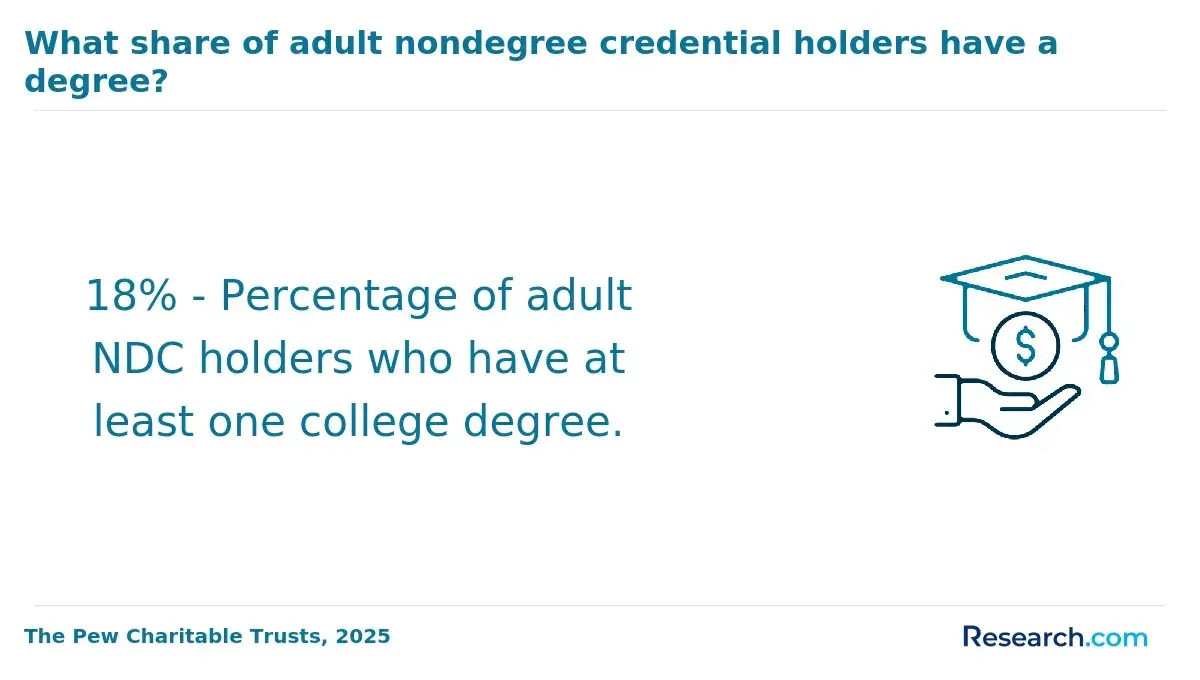
Adult learners face a distinct financial landscape influenced by immediate income loss and competing responsibilities. Many juggle family obligations, existing job roles, and higher living expenses while pursuing degrees, which makes opportunity costs-like reduced work hours-more acute. Employer tuition assistance programs serve as a critical funding source for about 42% of these students, shifting their dependency away from grants and toward out-of-pocket payments or federal loans. The financial calculus for adult learners in criminal justice administration is often less about tuition sticker price and more about balancing short-term earnings sacrifices with indirect employer-driven incentives for degree attainment.
These divergent financial realities impact not only enrollment decisions but also choices between online, part-time, or campus-based programs suited to each group's constraints. Traditional students might prioritize campus resources and comprehensive financial aid packages, while adult learners emphasize program flexibility and employer alignment. Understanding these distinctions is crucial for assessing long-term return on investment, as financial pressures directly influence persistence and completion rates. Prospective students weighing these factors may also explore related fields or credentials, such as a nutritionist degree online, where program accessibility and workforce demand differ markedly from criminal justice administration pathways.
What Challenges Do Adult Learners and Traditional Students Face While Earning a Criminal Justice Administration Degree?
Traditional students pursuing a criminal justice administration degree often face challenges rooted in academic transition and time management. Coming directly from high school or similar settings, they typically need to develop disciplined study habits and adjust to the structured demands of higher education, which can prove difficult without previous exposure to college-level rigor. Scheduling conflicts frequently arise as these students balance coursework with social integration and emerging independence, including mental health concerns tied to identity development. Their full-time enrollment status generally allows more consistent study time but also intensifies pressure to maintain academic performance without interruption.
In contrast, adult learners in criminal justice administration programs confront a different set of obstacles tied to their concurrent professional and personal responsibilities. Managing full-time employment alongside part-time study restricts available time for coursework and often necessitates accelerated or flexible learning modalities. Family caregiving duties and logistical constraints, such as childcare or transportation, further complicate sustained academic engagement. According to the Council for Adult and Experiential Learning's 2024 data, nearly 70% of adult learners report financial stress as a primary challenge, underscoring how financial obligations intersect with time scarcity and academic demands to influence persistence and completion rates.
Institutions are increasingly tasked with tailoring support frameworks that recognize these divergent needs, incorporating flexible course scheduling, targeted advising, and technology-enabled learning environments to accommodate varied life stages. Effective support for traditional students often revolves around foundational skill development and integration resources, while for adult learners, success hinges on blending academic access with work-life balance strategies. These nuanced approaches reflect an acknowledgment that degree completion pathways in criminal justice administration require adaptive structures to mitigate attrition rooted in the unique pressures of each student demographic.
How Does Age Affect Criminal Justice Administration Degree Student Retention?
Younger students in criminal justice administration programs often struggle with retention due to challenges tied to acclimating to academic rigor, fluctuating motivation, and unclear professional objectives. The transition to college-level expectations including managing coursework, deadlines, and balancing social dynamics tends to hinder consistent persistence. Many in this age group are still exploring career pathways, which can lead to wavering commitment and a higher likelihood of pausing or leaving their studies early. Data from the National Student Clearinghouse Research Center (2024) shows traditional students in this field have retention rates notably lower by about 10-15% compared to their older peers, underscoring the influence of developmental and situational factors on enrollment continuity.
In contrast, adult learners pursuing criminal justice administration degrees typically demonstrate stronger goal orientation rooted in professional aims, which boosts their retention despite competing pressures. Work obligations, family responsibilities, and time constraints create real hurdles that can risk dropout unless institutions offer adaptable scheduling and targeted support services. Their practical experience often reinforces the relevance of coursework, fostering engagement and persistence. However, balancing these external demands means retention for this group is less about academic adjustment and more closely tied to effective institutional accommodation and personal resilience.
One graduate recalled applying to a criminal justice administration program while working full-time and managing family care, initially delaying enrollment due to uncertainty about balancing these commitments. Throughout the rolling admissions period, the graduate hesitated, weighing how shifting work schedules might impact class attendance and study time. Eventually, a flexible online option became available, relieving the timing pressure and enabling enrollment without sacrificing income or family obligations. This experience illustrated how adult learners' retention often hinges on timing and program flexibility rather than traditional campus engagement alone.
Which Criminal Justice Administration Specializations Are Most Popular Among Adult Learners?
Adult learners pursuing a criminal justice administration degree often prioritize specializations that align closely with their existing work experience and provide tangible opportunities for immediate career mobility or salary growth. Unlike traditional students who might explore theoretical or broader fields, adult learners focus on practical skills that reinforce leadership roles or enable smooth transitions within the criminal justice workforce. Enrollment data shows a clear preference among adult students for specializations that reflect current labor market demands and support upskilling or reinvention within operational contexts. This focused approach helps meet employer expectations for mid-career professionals seeking advancement or lateral movement without prolonged retraining periods.
- Law Enforcement Administration: Accounting for about 42% of adult enrollment in criminal justice administration programs, this specialization attracts working professionals aiming for supervisory or managerial roles in local police, federal agencies, or homeland security sectors. Its alignment with leadership development and agency-specific operational knowledge makes it a pragmatic choice for those with prior law enforcement experience.
- Homeland Security: Representing roughly 27% of adult specializations, homeland security appeals to learners seeking to merge criminal justice expertise with emergency management and counterterrorism skills. The expansion of federal funding and evolving threat landscapes encourage professionals to update their skill set to remain competitive in this dynamic area.
- Corrections Administration: With about 18% enrollment among adult students, this track is suited for those already in correctional roles who want to move into administrative or policy-making positions. It reflects the trend of employees leveraging practical experience toward leadership roles that can influence system operations and reform efforts.
- Juvenile Justice: Though less common, this specialization draws adults interested in navigating the unique challenges within youth-focused criminal justice systems. Its appeal often lies in niche expertise required for community-based programs and rehabilitation initiatives.
- Forensic Science: Despite technical demands and narrower career pathways, a segment of adult learners opts for this specialization due to interest in evidence-based investigation. However, its lower enrollment among non-traditional students highlights the tradeoff between specialized technical training and broader administrative career goals.
According to the U.S. Department of Education's 2024 Integrated Postsecondary Data System, adult learners gravitate toward these specializations because they often provide clear pathways to enhanced roles or functional diversification within criminal justice administration degree specializations favored by adult learners. This pragmatic selection pattern contrasts with the broader or more research-centered interests typical of traditional college-age students. For those evaluating program accessibility and career outcomes, understanding these enrollment dynamics is essential to aligning educational investment with workforce objectives.
For adult learners interested in allied healthcare fields, comparing career and upskilling pathways with options such as an accelerated SLP master's program may also provide insights into balancing time, costs, and labor market demand across professions.
How Does Age Affect Job Opportunities for Criminal Justice Administration Graduates?
Graduates in criminal justice administration who enter the workforce at a traditional college age, typically between 18 and 24, often benefit from access to a wide range of entry-level positions and internship opportunities designed to build foundational skills. Employers frequently see these younger candidates as adaptable and long-term investments, favoring them for roles that emphasize career progression potential. However, these graduates face competition in densely populated applicant pools, where early-career hiring patterns prioritize credentials combined with demonstrated motivation. This dynamic shapes how age impacts job opportunities for criminal justice administration graduates in the United States, positioning younger students primarily within the early stages of workforce entry focused on skill acquisition and professional development.
Conversely, adult learners who pursue criminal justice administration degrees later in life often leverage substantial prior work experience, transferable skills, and established networks to seek roles aligned with mid-career advancement or transitions. While some employers may harbor biases regarding technological adaptability or long-term tenure, many recognize the leadership and problem-solving capabilities embedded in these candidates. A 2024 U.S. Bureau of Labor Statistics report noted that workers aged 35 to 44 in criminal justice sectors experienced employment growth rates approximately 5% higher than younger cohorts, underscoring labor market demand for advanced competencies. For those evaluating educational pathways, considering accredited easiest counseling degree programs can reveal models that effectively support both traditional and adult learners in navigating career advancement and job prospects for adult learners in criminal justice administration programs.
What Do Current Criminal Justice Administration Enrollment Trends Reveal About Future Demand?
Shifts in enrollment patterns for criminal justice administration programs reveal nuanced changes in student priorities and the perceived utility of these degrees. The growing proportion of adult learners-now nearly 37% of enrollees according to the National Center for Education Statistics in 2024-signals elevated interest from mid-career professionals seeking practical and flexible education aligned with evolving career objectives. Traditional-aged students continue to pursue these programs primarily as a gateway into foundational roles within law enforcement and corrections. This demographic divergence reflects broader acceptance of criminal justice administration as a viable pathway not only for entry-level positions but also for those desiring career transitions or specialization in emerging subfields.
Enrollment trends correspond closely with labor market developments such as increasing employer demand for credentials combined with work experience, especially in specialized areas like cybercrime, forensic analysis, and criminal policy. The rise in hybrid and online formats accommodates the increasing presence of working adults while anticipating future workforce shortages and technological shifts in justice-related roles. These factors suggest future program expansions will emphasize stackable credentials and customizable curricula to address practical workforce needs, making criminal justice administration degrees pivotal in responding to the justice system's dynamic staffing and skill requirements.
References:
- Mass Incarceration Trends – The Sentencing Project https://www.sentencingproject.org/reports/mass-incarceration-trends/
- 8 Reasons to Earn a Criminal Justice Degree | All Criminal Justice Schools https://www.allcriminaljusticeschools.com/blog/why-higher-ed-in-criminal-justice/
- Why Transfer into Criminal Justice? | University of Bridgeport https://www.bridgeport.edu/news/transfer-into-online-criminal-justice-program/
- Education https://www.prisonpolicy.org/research/education/
- Criminal Justice (BS) (AAS) | Undergraduate Programs | Commonwealth University of PA https://www.commonwealthu.edu/academics/programs/criminal-justice-as-ba
- Returning to School https://www.criminaljustice.com/resources/returning-to-school/
- How Higher Education Institutions Can Address the Needs of Adult Learners https://www.higheredtoday.org/2022/04/18/how-higher-education-institutions-can-address-the-needs-of-adult-learners/
- Traditional Vs. Non-Traditional Students in Higher Education https://moderncampus.com/blog/traditional-vs-non-traditional-students-in-higher-education.html
- REACHing for more: How Higher Education Can Better Serve Adult Learners by Addressing Time Poverty - Education Strategy Group https://edstrategy.org/reaching-for-more-how-higher-education-can-better-serve-adult-learners-by-addressing-time-poverty/
- How to Go Back to School as an Adult https://www.callutheran.edu/programs/articles/how-to-go-back-to-school-as-an-adult/
Other Things You Should Know About Criminal Justice Administration
Traditional students typically benefit more from cohort models where peers progress together, fostering teamwork skills and mutual accountability valued in criminal justice administration roles. However, this structure can reduce scheduling flexibility and may not suit all learning preferences. For students focused on immersive learning and peer collaboration, choosing programs with cohort systems can enhance preparation for the collaborative nature of many public safety and organizational roles within criminal justice.
Accelerated programs appeal to both age groups but present tradeoffs: adult learners might face intense time pressures that conflict with existing responsibilities, risking burnout; traditional students may manage pace better but potentially miss depth. Employers may favor graduates who demonstrate both subject mastery and experiential learning, which accelerated paths can compromise. Prospective students should assess their ability to sustain high-intensity study against the need for comprehensive understanding and practical skill development in criminal justice administration.
Adult learners often enter programs with relevant professional backgrounds, which can enhance classroom learning and lead to better employment outcomes post-degree. In contrast, traditional students usually start with limited field experience, requiring more foundational instruction to build practical competencies. Adult students should prioritize programs that integrate experiential learning with academic content, maximizing their work history, while traditional students might benefit from curriculum emphasizing foundational knowledge before specialization.