2027 Criminal Justice Administration ROI by Institution Type: Public vs Private vs Nonprofit Online Programs

Co-Founder and Chief Data Scientist
A prospective student evaluating online criminal justice administration programs quickly finds tuition ranges and completion rates vary widely despite similar course descriptions. Public institutions often offer lower sticker prices but may present longer time-to-degree risks, increasing indirect costs. Private programs frequently boast higher graduation rates yet carry more significant debt burdens, complicating return prospects.
A 2024 National Student Clearinghouse report highlights that 45% of online students from nonprofit institutions complete programs within six years, compared to 38% at public entities, emphasizing that completion likelihood influences ROI as much as cost. This article dissects these trade-offs to clarify institutional impact on criminal justice administration program returns.
Key Things to Know About Criminal Justice Administration ROI by Institution Type
- Public institutions typically offer lower tuition and reduced student debt exposure, but their longer average time-to-completion can delay workforce re-entry, impacting cumulative ROI despite affordability advantages.
- Employer preference often favors private or nonprofit graduates due to perceived stronger learner support and accreditation, which can accelerate career advancement but may increase initial educational expenses.
- Nonprofit online programs balance flexibility for working adults and decent completion rates; however, higher costs require weighing immediate affordability against potential long-term professional gains in criminal justice administration.
- Key Things to Know About Criminal Justice Administration ROI by Institution Type Key Things to Know About Criminal Justice Administration ROI by Institution Type
- What Does ROI Mean for a Criminal Justice Administration Program and How Is It Measured? Understanding Criminal Justice Administration Program ROI
- How Do Public, Private, and Nonprofit Online Criminal Justice Administration Programs Differ in Overall Value? Value by Institution Type
- How Do Tuition Costs Affect the ROI of a Criminal Justice Administration Program Across Institution Types? Tuition Costs and ROI
- How Do Graduation Rates Influence Criminal Justice Administration Program ROI? Graduation Rates Impact ROI
- What Role Do Career Outcomes Play in the ROI of a Criminal Justice Administration Degree? Career Outcomes and ROI
- How Does Student Debt Impact the Long-Term ROI of a Criminal Justice Administration Program? Debt vs. Long-Term ROI
- How Do Flexibility and Adult Learner Support Affect Criminal Justice Administration Program Value? Flexibility and Program Value
- How Do Accreditation and Institutional Reputation Influence Criminal Justice Administration ROI? How Do Accreditation and Institutional Reputation Influence Criminal Justice Administration ROI?
- How Does Time-to-Degree Affect the ROI of Public, Private, and Nonprofit Criminal Justice Administration Programs? How Does Time-to-Degree Affect the ROI of Public, Private, and Nonprofit Criminal Justice Administration Programs?
- How Can You Choose the Best Criminal Justice Administration Program Based on Your ROI Goals? Choosing Programs by ROI
What Does ROI Mean for a Criminal Justice Administration Program and How Is It Measured?
ROI calculation for criminal justice administration programs hinges on balancing the entire educational cost against measurable career outcomes and time investment. For a working professional, choosing a public institution with lower tuition may reduce upfront expenses but could extend time-to-degree, delaying workforce reentry and impacting total earnings.
Conversely, private or nonprofit programs might demand higher tuition yet offer accelerated tracks or stronger employer connections, which can shorten job search durations and enhance salary potential. Prospective students must weigh these tradeoffs, recognizing that a lower-cost option does not always yield the best long-term value if program quality or completion rates are suboptimal.
Measuring return on investment in criminal justice education requires a broader perspective beyond sticker price, incorporating student debt, graduation rates, and institutional reputation. A 2024 report from the National Center for Education Statistics notes that nonprofit programs often demonstrate lower loan default rates, suggesting graduates benefit from manageable debt loads and sustainable earnings.
Different student goals-such as part-time enrollment, career change ambitions, or desire for specialized career services-also shift the ROI equation, making it necessary to analyze how well a program's support systems align with personal circumstances. Those evaluating options should consider the holistic costs and benefits, which is why comparing programs as if they were commodities oversimplifies vital decisions about educational investments.
Opportunity cost, often overlooked, plays a critical role in ROI, affecting adult learners who must balance work, study, and family commitments. Forgone income during study periods, along with the quality of networking and internships, can substantially influence the financial and professional payoff. Evaluating these elements alongside direct costs helps illuminate a more accurate picture of value-often clarifying why some students prioritize accredited, workforce-aligned programs over less established pathways. For those considering the nuances of affordable online education, resources like a healthcare administration degree online accredited can provide relevant insights on cost-effective choices with enduring career benefits.
How Do Public, Private, and Nonprofit Online Criminal Justice Administration Programs Differ in Overall Value?
Public online criminal justice administration programs often present the strongest financial value for students sensitive to upfront costs, offering lower tuition and typically higher graduation rates compared to private nonprofit and private for-profit options. These institutions tend to carry established reputations that resonate well with employers, especially in public sector roles, which can be decisive for those targeting law enforcement careers.
However, private nonprofit programs frequently provide enhanced advising and tailored scheduling aimed at working professionals, which can be critical for adult learners balancing ongoing careers. The tradeoff often lies in higher tuition and increased student debt-federal data from 2024 indicates public university graduates in this field usually incur less than $20,000 in average debt, whereas private nonprofit graduates face 30-50% higher borrowing, a factor that weighs on long-term financial flexibility.
Examining student outcomes and employer recognition reveals additional nuance: while degrees from public universities are most widely acknowledged, nonprofit credentials aligned with specialized concentrations or professional certifications may open niche career pathways or accommodate nontraditional schedules better. However, lesser-known private nonprofits, despite offering flexibility, risk heightened skepticism unless paired with strong internships or relevant certifications.
Choosing between these program types involves balancing immediate affordability and institutional prestige against career focused supports, completion likelihood, and debt potential. For many, these considerations determine not just the cost of education but its ultimate return measured in employability and personal financial stability.
One adult learner weighed these factors carefully while selecting an online criminal justice administration program. Initially drawn to a prestigious private nonprofit due to its personalized advising and flexible classes, the higher tuition and potential debt prompted hesitation. Comparing that to a reputable public university's program with stronger graduation statistics and significantly lower cost, the student was concerned about less individualized support but valued the reduced financial burden. Ultimately, the decision hinged on balancing the likelihood of timely completion and minimal debt against perceived benefits from tailored resources, illustrating the complex calculus adult learners face in seeking maximum value from their degree investment.
How Do Tuition Costs Affect the ROI of a Criminal Justice Administration Program Across Institution Types?
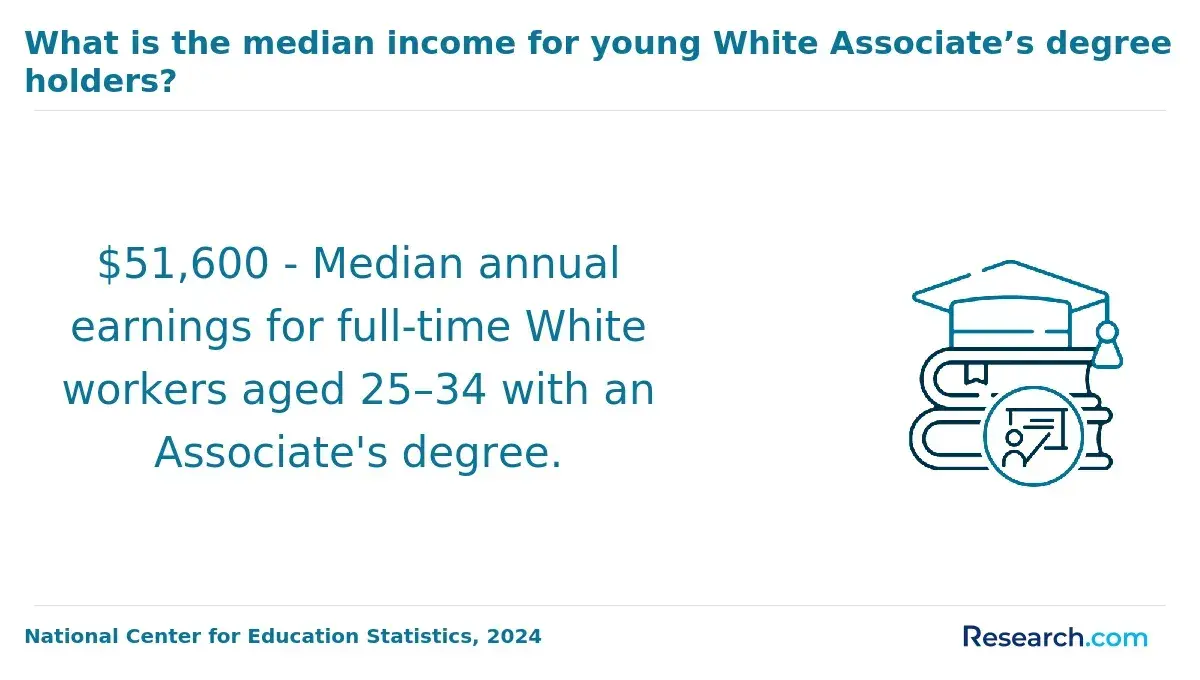
Tuition costs significantly influence the return on investment for criminal justice administration programs, but lower tuition alone does not guarantee better financial outcomes. Public institutions typically offer the most affordable options, with an average annual tuition around $10,500 according to a 2024 report from the National Center for Education Statistics. This lower price point often translates into reduced borrowing and debt burdens, which can improve net earnings post-graduation for many students. However, the quality of instruction, program completion rates, and flexibility to balance work and study also critically shape how well graduates can leverage their degrees in the labor market.
Higher tuition at private and nonprofit online programs can be offset by scholarships and enhanced learner support, such as smaller class sizes or more targeted career services, but these advantages do not always produce substantially higher salaries. For example, evidence from the Georgetown University Center on Education and the Workforce shows only modest earnings differences between graduates of public and private criminal justice programs.
Additionally, students who accumulate larger debt loads are at greater risk of financial strain, particularly when cohort default rates climb as high as 15% in some private and for-profit settings compared to under 8% at public schools. The decision to invest in a costlier program should therefore hinge on demonstrated outcomes, personal circumstances, and whether the added expense aligns with career goals and long-term financial resilience.
How Do Graduation Rates Influence Criminal Justice Administration Program ROI?
Graduation rates influence the return on investment (ROI) for criminal justice administration programs by reflecting institutional capacity to support students through completion, yet these rates alone do not capture the full picture of educational value. Public institutions may show rates between 40% and 60%, while private nonprofits can report up to 70%, but this discrepancy often stems from differences in student demographics, academic support structures, and program flexibility rather than pure quality.
For working adults balancing employment and family, programs offering flexible scheduling and robust advising can significantly enhance persistence and timely degree completion, thereby improving ROI despite potentially lower headline graduation numbers. Evaluating graduation rates impact on criminal justice administration program ROI requires considering these contextual factors alongside affordability and time-to-degree tradeoffs.
While employers generally prioritize practical experience and credentials, a program's graduation outcomes provide a proxy for its effectiveness in helping students navigate common obstacles such as debt and attrition. For example, some private online programs prioritize accelerated completion but at higher tuition costs, whereas public offerings often require longer timelines with lower expenses, influencing net benefit differently across student profiles.
Prospective students should assess graduation statistics carefully, recognizing their limitations and weighing these against career services and flexibility. This balanced approach aligns with findings from the Urban Institute and underscores that graduation rates affect but do not solely determine degree value or career trajectory in criminal justice administration. For those exploring career shifts, understanding nuances similar to those highlighted in discussions on whether is medical coding a dying career can inform how educational metrics translate into real-world outcomes.
What Role Do Career Outcomes Play in the ROI of a Criminal Justice Administration Degree?
The return on investment for online criminal justice administration programs varies significantly based on career outcomes tied to institution type. Public universities, due to more extensive partnerships with law enforcement and government agencies, often yield faster job placements-with employment rates around 78% within six months-enhancing early income potential and accelerating debt repayment. In contrast, private programs show lower immediate employment results, which can delay financial recovery and impact overall ROI. Nonprofit programs frequently emphasize community-oriented skills that may not command top starting salaries but align with sustained employment in specialized or rehabilitative roles, offering a different dimension of long-term career value beyond initial earnings.
Employer recognition and relevant skill application strongly influence graduates' marketability, with preference often given to candidates demonstrating practical knowledge over purely academic credentials. Career trajectories also depend on institutional networks and regional demand, making geographic and sector alignment critical considerations for candidates weighing tuition costs, expected debt, and timing to degree completion. Programs offering clear graduate certification pathways can boost lifetime returns by facilitating advanced career options, even if upfront costs or time commitments are higher. Ultimately, students must balance immediate employment outcomes with specialized skill development and potential promotion avenues when comparing public, private, and nonprofit offerings to optimize both financial and professional returns.
One graduate of a nonprofit online criminal justice administration program recalled uncertain expectations about the degree's payoff. Although initial salary improvements were modest, she valued the credential's role in securing a midlevel supervisory position within a community corrections agency. The employer's recognition of her specialized skill set, particularly in rehabilitative strategies, translated into expanded responsibilities and a clearer promotion track. Reflecting on her investment, she noted the challenge of quantifying ROI solely in financial terms yet found reassurance in the degree's practical contribution to her career shift and job stability over time.
How Does Student Debt Impact the Long-Term ROI of a Criminal Justice Administration Program?
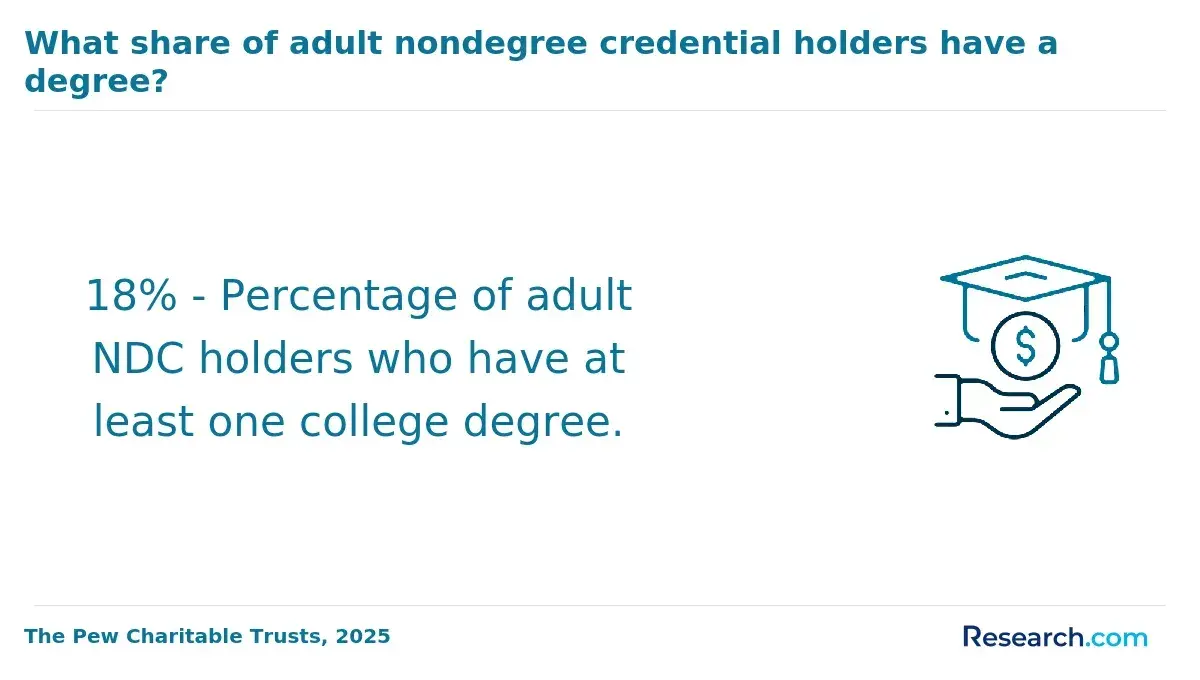
Student debt levels critically shape the long-term ROI of criminal justice administration programs by influencing repayment capacity and financial flexibility after graduation. Graduates from private online institutions often incur median debt roughly 40% higher than public counterparts, creating repayment challenges that can undermine career ROI, especially when starting salaries hover between $40,000 and $50,000. For example, a borrower facing monthly payments exceeding 10% of discretionary income may struggle with defaults or delayed repayment, eroding the financial benefits of the degree despite smaller class sizes or personalized support offered by private providers.
Graduation and repayment rates factor heavily into how student loan repayment affects criminal justice administration career ROI, with public programs typically exhibiting 12% higher completion rates compared to private online schools. This completion gap directly affects a student's ability to begin loan repayment on time, while lower debt burdens at public and nonprofit schools improve graduates' financial resilience, enabling them to pursue additional training or navigate career shifts without heightened default risk. Cost-conscious students must evaluate debt within a broader context of educational quality, career advancement prospects, and institutional support rather than assuming private options inherently guarantee better outcomes.
The balance between borrowing and long-term value is nuanced, and prospective students should weigh their choices carefully. Exploring financial aid and tuition strategies, as well as verified program outcomes, is vital in maximizing ROI from a criminal justice administration program. Those interested in related fields might also consider an online nutritionist degree, where debt and career trajectory tradeoffs similarly shape educational investment decisions.
How Do Flexibility and Adult Learner Support Affect Criminal Justice Administration Program Value?
Programs that offer asynchronous scheduling and part-time options significantly improve persistence and degree completion for working adults in criminal justice administration, with a 15% higher retention rate noted in primarily asynchronous formats according to the National Center for Education Statistics (2024). However, flexibility alone does not guarantee success; the availability of comprehensive support services like academic advising, career counseling, and transfer credit assistance often differentiates program value across institution types. Public institutions typically integrate these resources affordably and at scale, which can reduce the total time and cost to degree completion, while private programs may provide more personalized faculty interaction but often at higher tuition rates, increasing financial strain for students managing debt alongside career demands.
Nonprofit institutions tend to target working professionals by blending flexible scheduling with specialized supports such as military accommodations and technology help, although their smaller size may limit network reach and experiential opportunities compared to public universities. These tradeoffs influence not just educational costs but also employment prospects and long-term earnings, given employer preferences for candidates who demonstrate both timely completion and consistent workforce readiness. The Adult Learner Success Initiative (2024) underscores that students with access to tailored support and flexible formats boost their graduation likelihood by up to 25%, directly impacting their initial job placement success and career trajectory within the criminal justice sector.
How Do Accreditation and Institutional Reputation Influence Criminal Justice Administration ROI?
Accreditation and institutional reputation critically shape the return on investment for criminal justice administration programs, especially for cost-conscious students weighing public, private, and nonprofit online options. Graduates from regionally accredited programs are statistically 30% more likely to secure relevant employment within six months, according to the Council for Higher Education Accreditation's 2024 report. This advantage often translates into better employer recognition, smoother licensure alignment, and greater credit transferability-factors that directly impact time-to-degree and career entry. For instance, a working professional transferring credits from a regionally accredited public institution may face fewer hurdles than one from a less recognized nonprofit program with different standards, affecting both cost and completion timeline.
Institutional reputation further influences employer perceptions and graduate opportunities beyond accreditation itself. Public universities frequently benefit from established connections with law enforcement agencies, potentially simplifying access to internships and job placements. In contrast, private and nonprofit programs may offer specialized curricula or flexible scheduling but sometimes encounter skepticism regarding credential value in broader job markets. The interplay of tuition costs, student support, and demonstrated graduate success should guide decision-making, as programs with lower prestige but solid accreditation can still provide strong long-term ROI if matched to evolving criminal justice workforce demands and ethical training expectations.
How Does Time-to-Degree Affect the ROI of Public, Private, and Nonprofit Criminal Justice Administration Programs?
Time-to-degree significantly influences the total cost and eventual ROI of online criminal justice administration programs, especially when comparing public, private, and nonprofit institutions. Public universities often extend completion times to four to six years due to flexible part-time enrollment and generous transfer credit policies. While this flexibility can support working adults juggling employment and family, it increases exposure to tuition payments and delays workforce entry, affecting lifetime earnings and debt accumulation.
Conversely, private institutions typically offer accelerated programs aiming for completion within three to four years, targeting full-time students who can handle more rigorous schedules. Although this shorter timeline minimizes opportunity costs and expedites career progression, higher tuition rates and reduced flexibility can escalate financial strain and attrition risks for those unable to sustain the pace.
Nonprofit online programs strike a middle ground, combining moderately paced degree timelines with strong student support services that drive higher graduation rates. These services can mitigate the risks associated with longer program lengths by sustaining student persistence and ultimately improving degree completion's impact on ROI.
For decision-making adult learners and transfer students, weighing program length against personal capacity for full-time study is crucial because program length influences both direct costs and indirect benefits like career momentum. Understanding how program length influences ROI in online criminal justice administration degrees means considering these tradeoffs within the context of individual circumstances and long-term employability. Students interested in detailed side-by-side comparisons can refer to WGU vs Chamberlain for practical insights.
How Can You Choose the Best Criminal Justice Administration Program Based on Your ROI Goals?
The best return on investment in a criminal justice administration program depends heavily on individual priorities rather than institution type alone. Public institutions often provide lower tuition and reduced debt burdens, appealing to cost-conscious students who can benefit from in-state rates and established financial aid. However, private and nonprofit online programs may justify higher costs by offering stronger learner support, flexible scheduling, and resources that can accelerate completion, which is especially beneficial for working adults balancing employment and family obligations. Graduation rates also play a role; a 2024 National Center for Education Statistics report shows private nonprofits generally achieve higher completion rates, impacting long-term ROI through reduced course repetition and faster workforce entry.
Student debt patterns reveal that graduates from public universities typically carry 20-30% less debt than those from private nonprofits, according to recent Federal Reserve Bank data. Yet, higher loan amounts may be offset if private program curricula and institutional reputation better align with employer expectations, increasing earning potential. Accreditation and program reputation further influence employability in competitive law enforcement and administrative roles, which should be weighed alongside flexibility and support services.
For those evaluating the best online criminal justice administration programs for return on investment, assessing personal employment status, time-to-degree needs, and career ambitions is crucial to determine where tuition and debt translate most effectively into meaningful career outcomes.
Practically, career changers or adult learners might prioritize specialized support and rapid progression over cost alone, while transfer students and working professionals often seek accredited public programs for lower overall expense. Exploring related fields or linked degrees, such as an online master's in forensic psychology, can also inform ROI by broadening post-graduate options. Ultimately, making a nuanced ROI comparison involves balancing tuition, debt, completion likelihood, and program quality within the context of evolving workforce demands and personal circumstances.
References
- What to do With a Criminal Justice Degree - Paladin Security https://paladinsecurity.com/security-careers/become-security-guard-canada/
- Adult Learning and Justice Reform: The Value of Literacy Programs for Incarcerated People https://www.unitedforliteracy.ca/About/News/Adult-Learning-and-Justice-Reform-The-Value-of-Literacy-Programs-for-Incarcerated-People
- ‘MBAs for the Public Good’? https://www.vitalcitynyc.org/mbas-for-the-public-good-does-getting-a-masters-degree-make-sense-for-nonprofit-professionals/
- Return on Investment for a College Degree in Criminal Justice ROI or a College Degree in Criminal Justice https://www.criminaljusticeprograms.com/articles/return-on-investment-for-a-college-degree-in-criminal-justice/
- Criminal Justice Education: Degree Levels & Accompanying Jobs https://www.allcriminaljusticeschools.com/criminal-justice/
- Graduated risk: Individual- and program-level predictors of drug court completion https://www.recoveryanswers.org/research-post/graduated-risk-individual-program-level-predictors-drug-court-completion/
- Criminal Justice Vs. Criminal Justice Administration: What's The Difference? https://www.ucumberlands.edu/blog/criminal-justice-vs-criminal-justice-administration-whats-difference
- Millions Could Soon Benefit from Student Debt Relief Policies, but… https://www.vera.org/news/millions-could-soon-benefit-from-student-debt-relief-policies-but-what-if-theyre-in-prison
- Does College Pay Off? A Comprehensive Return On Investment Analysis - FREOPP https://freopp.org/whitepapers/does-college-pay-off-a-comprehensive-return-on-investment-analysis/
- Considering Outcomes, Cost, and ROI in Developmental Education Reforms - Center for the Analysis of Postsecondary Readiness https://postsecondaryreadiness.org/considering-outcomes-cost-roi/
Other Things You Should Know About Criminal Justice Administration
Employer expectations often vary depending on whether the degree comes from a public, private, or nonprofit institution. Public institutions tend to have broader recognition among government agencies, which are major employers in criminal justice fields. Private and nonprofit schools may offer specialized or accelerated programs that appeal to certain sectors but might require graduates to demonstrate additional practical experience to compensate for perceived prestige gaps. For students aiming at public sector jobs, prioritizing well-known public institutions can provide clearer pathways and stronger initial employer trust.
Workload and program structure can differ significantly, with nonprofit programs often designed to accommodate adult learners with flexible pacing, while some private institutions may have more intensive schedules. Public programs usually balance rigor and schedule but might demand longer timeframes. Working professionals should prioritize program formats that align with their availability to avoid extended interruptions in employment or burnout, as workload mismatches can erode overall ROI by prolonging time out of the workforce or increasing stress without clear outcome advantages.
Private and nonprofit online programs sometimes invest more in personalized career services and professional networking opportunities, which can enhance job placement success despite higher tuition costs. Public institutions may offer less individualized support but often connect students to established local and governmental networks. For students whose career advancement depends heavily on employer connections, prioritizing institutions with robust career support services-even at a higher tuition-can improve ROI by accelerating employment or promotion prospects.
Higher tuition at private and nonprofit institutions can sometimes translate into more specialized curricula and better technology integration but does not always guarantee superior employment outcomes. Students should critically assess whether the program's unique features align with their specific career goals or if a public institution's lower cost and adequate curriculum provide equivalent practical benefits. When budget constraints are significant, public programs generally deliver stronger cost-effectiveness unless a private or nonprofit program has clear partnerships or experiential learning advantages linked to targeted career sectors.