2027 Criminal Justice Administration Salary Trends Report: Are Wages Keeping Up With Tuition and Inflation?

Co-Founder and Chief Data Scientist
A prospective criminal justice administration student or recent graduate often faces a critical question: does the financial return of this degree justify its escalating costs? With tuition rising each year and inflation eroding purchasing power, simply knowing the starting salary offers an incomplete picture. Understanding how graduate wages compare to these financial pressures is essential to assess whether the investment holds value over time.
Salary growth, tuition increases, and inflation rarely move in sync, complicating decisions about higher education affordability. Evaluating long-term earning potential demands more than surface-level salary figures, as overall financial outcomes depend on how these factors interact. This article examines criminal justice administration salary trends alongside tuition costs and inflation to clarify the return on investment, affordability, and key influences on the degree's lasting economic value.
Key Things to Know About Criminal Justice Administration Salary Trends
- Median starting salaries for criminal justice administration graduates rose only 1.5% in 2023, trailing inflation rates near 4%, signaling diminishing real income for recent entrants.
- Tuition growth outpaces wage gains, implying longer debt repayment periods and a delayed breakeven point for many graduates.
- Specializing in cybersecurity or policy analysis within criminal justice administration correlates with 20% higher long-term earnings, emphasizing strategic concentration selection for salary maximization.
- Key Things to Know About Criminal Justice Administration Salary Trends Key Things to Know About Criminal Justice Administration Salary Trends
- What Is the Current Salary Outlook for Criminal Justice Administration Graduates? Salary Outlook
- Are Criminal Justice Administration Salaries Keeping Up With Inflation? Inflation Impact
- How Do Tuition Costs Compare With Criminal Justice Administration Salary Growth? Tuition vs Salary
- Does a Criminal Justice Administration Degree Deliver a Positive Return on Investment? Degree ROI
- Which Industries Offer the Highest Salaries for Criminal Justice Administration Graduates? Which Industries Offer the Highest Salaries for Criminal Justice Administration Graduates?
- Which States and Cities Offer the Highest Pay for Criminal Justice Administration Professionals? Which States and Cities Offer the Highest Pay for Criminal Justice Administration Professionals?
- How Do Criminal Justice Administration Salaries Grow Throughout a Career? Career Growth
- How Do Criminal Justice Administration Salaries Compare With Similar Degrees? Salary Comparison
- How Is Employer Demand Affecting Criminal Justice Administration Salary Trends? Employer Demand
- How Can Students Maximize Their Lifetime Earnings With a Criminal Justice Administration Degree? Maximizing Earnings
What Is the Current Salary Outlook for Criminal Justice Administration Graduates?
The current criminal justice administration graduate salary trends reveal a nuanced landscape affected by geography, experience, and specialization. According to the U.S. Bureau of Labor Statistics in 2024, professionals in relevant roles such as probation officers and correctional treatment specialists earn a median wage near $55,000 annually, though entry-level salaries often fall between $40,000 and $50,000. For instance, two graduates with the same degree may experience very different outcomes: a recent graduate working in a smaller jurisdiction may start on the lower end, while another in a metropolitan area like Washington D.C. could command salaries pushing $80,000 due to higher living costs and demand. This variation highlights how location and job function critically shape earnings beyond the baseline degree value.
Examining current earnings for criminal justice administration degrees requires looking beyond just starting pay. Mid-career salaries commonly rise into the $60,000 to $75,000 range, especially for those who pursue supervisory or niche administrative positions. The National Center for Education Statistics and the Urban Institute both note that while salary growth has been steady, it often struggles to outpace inflation, presenting a real challenge for graduates balancing rising tuition debt with modest wage increases. Strategic investments in continuing education or advanced degrees significantly improve long-term earning potential and job security, an important consideration for anyone evaluating the financial viability of this degree. PharmD degree holders face similar economic pressures, underscoring the broader trend in professional education costs and returns.
Ultimately, interpreting the salary outlook for criminal justice administration graduates must include job market dynamics and promotion pathways rather than fixating on entry-level figures. While initial pay may seem modest, demand for expertise in public safety and law enforcement innovation supports incremental wage gains over time. Graduates who align their careers with evolving policy and administrative trends tend to unlock higher earnings, illustrating the importance of long-term planning when assessing the degree's value amid economic fluctuations.
Are Criminal Justice Administration Salaries Keeping Up With Inflation?
Nominal salary increases for criminal justice administration roles have averaged about 2.1% annually over recent years, lagging behind the roughly 3.4% yearly inflation reflected in Consumer Price Index data. This gap means that even as paychecks grow, their real purchasing power tends to shrink, pressuring graduates who expect their earnings to keep pace with rising living expenses. Consider a probation officer starting at $50,000 five years ago: despite incremental raises, their salary today would only be worth about $47,000 in constant dollars, illustrating how inflation outpaces wage growth and erodes financial stability over time.
Several factors influence whether criminal justice administration salaries truly hold steady against inflation. Geographic cost variations mean that urban employees may see higher nominal wages but face steeper costs for housing and essentials, neutralizing apparent pay gains. Additionally, wage growth often does not match tuition inflation, which surpasses 4% annually, weighing on recent graduates burdened by student debt. Prospective students might evaluate alternatives for reducing education costs, such as enrolling in a nursing school that does not require TEAS test, to better manage financial risks associated with an underperforming salary trajectory in their chosen field.
How Do Tuition Costs Compare With Criminal Justice Administration Salary Growth?
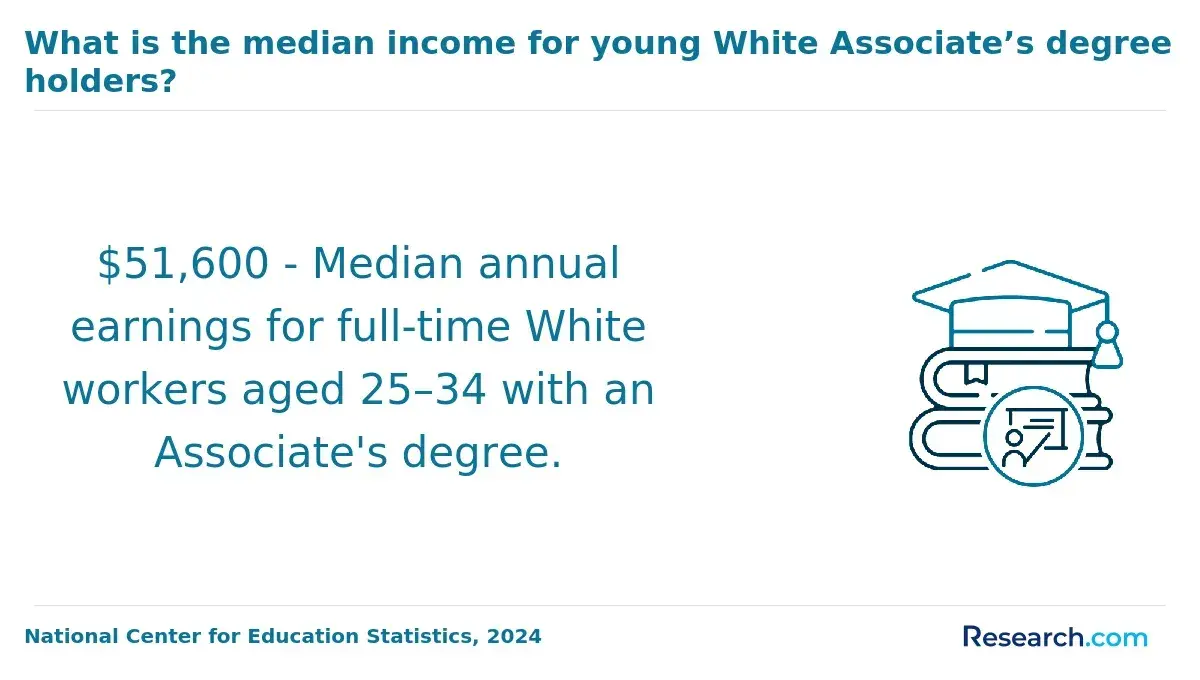
Examining the interplay between rising tuition costs and salary growth in criminal justice administration programs reveals a complex financial reality for students. According to 2024 data from the National Center for Education Statistics, undergraduate tuition in this field has grown about 4% annually over the last decade, surpassing average inflation rates. Meanwhile, early-career salaries typically range from $40,000 to $50,000, with modest annual increases of 2-3% hardly keeping pace with tuition inflation. This mismatch means that the financial burden of completing a degree is increasing faster than the returns graduates can expect shortly after entering the workforce, complicating decisions around funding education and estimating the time needed to break even on student loans.
Understanding how tuition and earnings evolve together offers a more insightful picture than looking at either in isolation. For example, a student who enrolled ten years ago might have paid significantly less for tuition and seen steady salary improvements, while a current student faces higher upfront costs with similar mid-career earnings potential, extending the payoff period. Factors such as geographic location, public versus private employment, and prior related experience also heavily shape salary trajectories, further influencing individual cost-benefit calculations. Hence, students must assess these dynamic variables and local job markets to realistically gauge the long-term financial value of their criminal justice administration degree.
One recent graduate recalls wrestling with these financial tradeoffs before committing to the degree. Initially hesitant due to escalating tuition rates, the decision hinged on evaluating job stability offered by a local public agency against the mounting debt. "It wasn't just about the tuition but whether the salary gains could realistically cover my living expenses and loan payments," they reflected. Despite the slow salary growth compared to tuition hikes, securing a position with pension benefits reassured them that the investment was worthwhile over time, though they emphasize the importance of understanding this balance before enrolling.
Does a Criminal Justice Administration Degree Deliver a Positive Return on Investment?
Return on investment (ROI) in higher education is not just about the initial salary after obtaining a degree but rather a comprehensive evaluation of the cost to earn the credential weighed against the long-term career trajectories and earning growth it enables. For students pursuing a criminal justice administration degree, this means considering tuition expenses, which have surged by nearly 25% at public four-year institutions over the past five years, against median starting salaries that generally fall between $45,000 and $55,000 as reported by the U.S. Bureau of Labor Statistics and the National Center for Education Statistics in 2024. A realistic scenario involves a graduate who begins in an entry-level role earning around $50,000; while this may not immediately offset rising educational costs, opportunities for advancement often emerge within a decade, boosting salaries closer to $70,000 or higher depending on specialization and region.
The factors that determine whether a criminal justice administration degree delivers a positive ROI include regional demand for public safety and administrative roles, individual career progress, and the degree's applicability across various sectors such as probation management or policy development. Despite modest wage growth of about 10% when adjusted for inflation in recent years, the long-term outlook improves notably with managerial or specialized positions, where salaries can approach six figures. Research from the Urban Institute emphasizes that these pathways, combined with a diverse employment landscape, contribute strongly to the degree's financial viability over time, balancing out early financial strain linked to escalating tuition and cost of living increases.
Which Industries Offer the Highest Salaries for Criminal Justice Administration Graduates?
Graduates with degrees in criminal justice administration face a complex labor market where salary potential varies significantly across industries. Choosing the right sector involves weighing not only starting pay but also factors like benefit packages, geographic location, and job stability. According to 2024 data from the U.S. Bureau of Labor Statistics and industry reports, certain fields consistently offer higher annual wages and demand specialized skills that justify their premium. For students and recent graduates considering which paths yield the strongest financial outcomes, the following industries typically rank at the top.
- Federal Law Enforcement: Federal agencies such as the FBI and DEA offer some of the highest median salaries for criminal justice administration graduates. Positions here often require advanced training and security clearances, but the pay-often surpassing state and local law enforcement-is complemented by robust retirement and healthcare benefits.
- Private Security Management: Particularly in finance, technology, and healthcare sectors, firms hire criminal justice professionals to lead security operations, fraud prevention, and regulatory compliance. These roles reward expertise in risk management and cybersecurity with competitive salaries above the national average.
- Correctional Facility Administration: Although generally lower-paying than federal or private sectors, management positions within prisons and juvenile detention centers provide steady income and significant long-term benefits. These roles emphasize operational leadership and policy enforcement.
- Cybercrime Investigation: As digital threats escalate, demand for professionals skilled in forensic analysis and cyber investigations has grown. Employers, including both governmental bodies and private firms, offer premiums for experience that aligns with evolving cyber laws and investigation techniques.
- Regulatory Compliance Oversight: Highly regulated industries such as finance and healthcare increasingly rely on criminal justice administration graduates to ensure adherence to legal and ethical standards. This role requires detailed knowledge of statutes and proactive fraud detection capabilities.
- Corporate Fraud Prevention: Large corporations employ specialists trained in criminal justice administration to identify and mitigate internal and external fraud risks. These positions are highly valued for their direct impact on protecting company assets and can come with lucrative incentive structures.
- Regional Law Enforcement Departments: While salaries vary widely by state and city, some metropolitan areas offer competitive pay reflecting local crime rates, budget allocations, and union agreements. Graduates must evaluate these regional salary differences in criminal justice administration careers when comparing opportunities.
A practical illustration involves a recent graduate choosing between a federal agency role offering $70,000 annually with full benefits and a private cybersecurity position offering $80,000 but requiring ongoing certification costs. Both paths offer different risk-reward profiles that hinge on individual career priorities and financial goals.
Students who want to understand the broader labor market may also explore allied fields; for example, those interested in health-related occupations can research programs like the ASN program, which enable parallel career tracks combining healthcare and security management insights.
Which States and Cities Offer the Highest Pay for Criminal Justice Administration Professionals?
Geographic location plays a crucial role in shaping the earning potential for criminal justice administration professionals, often outweighing degree level or tenure early in a career. Variations in state budgets, metropolitan infrastructure, and local demand create stark contrasts in compensation. According to 2024 data from the U.S. Bureau of Labor Statistics, certain states and cities consistently offer top salaries, but prospective professionals must weigh these against cost-of-living pressures and market competitiveness. Below are notable locations where criminal justice administration wages remain among the highest, accompanied by contextual insights on regional dynamics.
- California: As a heavyweight in criminal justice funding and policy innovation, California offers some of the nation's highest wages, particularly in urban centers like Los Angeles and San Francisco. Complex law enforcement agencies and large corrections systems drive demand, but candidates must navigate steep housing costs and intense competition.
- New York City: This metropolitan hub leverages its dense legal framework, federal agency presence, and nonprofit sector to support well-paid criminal justice administrators. While salaries often exceed $90,000 annually, the high cost of living and fast-paced job market require strategic career planning.
- Massachusetts: Boston and surrounding areas benefit from federal and state government headquarters focused on justice administration and social services. The salary premiums reflect advanced job requirements, including specialized certifications, though tuition and living expenses remain elevated.
- Washington, D.C.: The D.C. area combines substantial federal employer demand with policy-driven roles that command above-average pay. Candidates with graduate degrees or security clearances gain an edge, yet they face a competitive landscape and costly real estate markets.
- Texas: Offering a growing criminal justice sector with salaries more moderate than coastal hubs, Texas cities balance pay with affordable living. This makes it attractive for early-career professionals prioritizing entry-level opportunities alongside sustainable expenses.
- Florida: With expanding law enforcement and corrections agencies, Florida maintains reasonable wages relative to costs, especially outside major urban centers. This market suits those seeking geographic flexibility without sacrificing decent earning potential.
- Massive Metropolitan Areas Collectively: Larger metro regions with multilayered justice institutions-encompassing state, federal, and nonprofit actors-generally record salary averages above $80,000. Such ecosystems provide diverse advancement options but demand resilience against high cost-of-living hurdles.
How Do Criminal Justice Administration Salaries Grow Throughout a Career?
Early-career salaries for criminal justice administration roles commonly start between $40,000 and $50,000 annually, according to 2024 data from the U.S. Bureau of Labor Statistics. From these entry points, income tends to increase steadily with experience, certifications, and degree advancements. By mid-career, professionals with about five to ten years in the field often reach median salaries between $60,000 and $75,000. However, wage growth is influenced heavily by specialization and geographic location, with leadership positions like program directors or supervisors typically earning toward the higher end of this range, as highlighted by the National Center for Education Statistics and recent PayScale reports.
At the senior level, usually after 15 years or more, salaries can range from $80,000 to over $100,000, particularly in specialized or managerial roles. Yet, these nominal increases do not always translate to proportional real income growth given ongoing inflation and rising education-related debt. For example, two graduates with identical criminal justice administration degrees might diverge in earnings: one may progress quickly by pursuing advanced credentials and leadership positions, while the other remains in entry-level roles due to limited professional development or geographic constraints. Long-term salary gains are thus most strongly tied to continuous skill acquisition, role advancement, and strategic career moves rather than tenure alone.
An alum recalled starting as a probation officer near the lower salary band but hesitating to pursue a master's degree due to financial stress. After several years, observing stagnating income and rising expenses, the decision to earn an advanced degree and certification opened doors to supervisory roles, eventually surpassing the $90,000 mark. This experience underscored how deliberate investments in education and credentials, despite initial setbacks, proved crucial for realizing meaningful salary growth in criminal justice administration.
How Do Criminal Justice Administration Salaries Compare With Similar Degrees?
Graduates with a criminal justice administration degree face unique salary trajectories compared to those holding related degrees in social sciences and public service fields. The median annual salary for criminal justice administration graduates is approximately $60,000, according to 2024 data from the U.S. Bureau of Labor Statistics and the National Center for Education Statistics. This positions them moderately above social work but below public administration graduates. Understanding these distinctions can help prospective students and career changers make informed decisions about long-term earning potential and educational investment, especially given rising tuition and inflation. Below are key comparisons to related degrees:
- Sociology Graduates: Sociology holders earn slightly less, with median salaries near $57,000. Their roles often span diverse, non-specialized fields, which tend to offer lower starting wages and slower growth compared to criminal justice administration careers focused on law enforcement and policy.
- Public Administration Professionals: Those in public administration typically command higher median salaries around $65,000. These roles benefit from government budgets and administrative leadership tracks that provide stronger upward mobility and wage increases.
- Social Work Graduates: Averaging about $50,000 annually, social work salaries can vary widely with specialization. Clinical or licensed social workers may earn more, but overall this field remains below criminal justice administration in median income due to funding structures and demand.
- Real-World Scenario: A criminal justice administration graduate who advances into supervisory roles or acquires specialized certifications can surpass initial salary plateaus, which is essential to outpace inflation and tuition debt. This contrasts with some related fields where wage growth can be more linear or limited.
Prospective students should weigh these salary outcomes alongside education costs and consider exploring options such as the best 5 year speech pathology programs for comparative evaluation of career return on investment.
How Is Employer Demand Affecting Criminal Justice Administration Salary Trends?
Employer demand significantly shapes salary trends in criminal justice administration by driving competition for skilled candidates and informing hiring strategies. For example, graduates with specialized expertise in homeland security or cybercrime investigation often benefit from faster wage growth, as these high-demand niches face acute talent shortages. According to the U.S. Bureau of Labor Statistics projections for 2024, protective service occupations related to this field are expected to grow about 6% from 2022 to 2032, aligning closely with overall job growth but with notable variation across specialties.
A realistic scenario involves a recent graduate considering whether investing in advanced skills such as cybersecurity or data analysis will offset rising tuition and living costs. While employer demand for these skills can yield modest annual salary increases of 2% to 4%, as reported by the National Center for Education Statistics, these gains often lag behind inflation, which exceeds 5% yearly. Additionally, salary growth depends not only on market demand but also on factors like experience, geographic location, and individual organization's budget constraints.
The dynamics in the criminal justice administration job market trends highlight that employer demand alone does not guarantee rapid income growth but remains a critical factor influencing compensation strategies. Students and career changers weighing degree investments should also consider how specialized skills enhance employability in sectors with increasing demand. For those interested in complementary fields or related credentials, exploring options such as online marriage and family therapy programs may provide alternative or supplementary career pathways to maximize long-term earning potential.
How Can Students Maximize Their Lifetime Earnings With a Criminal Justice Administration Degree?
Maximizing lifetime earnings with a criminal justice administration degree demands a strategic blend of education, targeted experience, and professional engagement. Recent 2024 data from the U.S. Bureau of Labor Statistics and the National Institute of Justice highlight that specialized skills and sector choices distinctly influence salary trajectories. For instance, a graduate focusing on cybersecurity within federal law enforcement can expect steady salary growth coupled with strong job security, whereas entering private security may yield higher initial pay but with greater volatility. Effective planning involves balancing immediate income goals with long-term professional development. Below are focused strategies proven to enhance earning potential over a career.
- Advanced Certifications: Obtaining credentials in niche areas like forensic analysis or homeland security raises market value and unlocks specialized roles that command higher pay.
- Graduate Education: Completing a master's degree or higher elevates qualifications, accelerates promotion prospects, and correlates with significant salary increases in both public and private sectors.
- Industry Targeting: Pursuing positions in federal agencies or management roles offers stable salaries and benefits, presenting a tradeoff against the higher but less predictable income potential in private firms.
- Internships and Networking: Gaining relevant experience through internships and professional organizations enhances employability and opens doors to leadership positions that provide salary premiums.
- Continuous Skill Updating: Staying current with technological innovations and data-driven crime prevention methods maintains competitiveness in a constantly evolving field.
- Strategic Job Mobility: Periodically shifting roles or sectors within criminal justice administration can leverage accumulated expertise to negotiate better compensation packages.
- Leadership Development: Building management and administrative skills positions graduates for top-tier roles that offer markedly higher lifetime earnings.
References
- The Steep Costs of Criminal Justice Fees and Fines https://www.brennancenter.org/our-work/research-reports/steep-costs-criminal-justice-fees-and-fines
- Master’s In Criminal Justice Salary Guide | University of Bridgeport https://www.bridgeport.edu/news/masters-in-criminal-justice-salary-guide/
- 8 Reasons to Earn a Criminal Justice Degree | All Criminal Justice Schools https://www.allcriminaljusticeschools.com/blog/why-higher-ed-in-criminal-justice/
- Top 10 Highest Paying Criminal Justice Careers - Best Colleges Online https://www.bestcollegesonline.org/highest-paying-jobs/top-10-criminal-justice-careers/
- Criminal Justice Careers | Accredited Schools Online https://www.accreditedschoolsonline.org/criminal-justice-degree/careers/
- Return on Investment for a College Degree in Criminal Justice ROI or a College Degree in Criminal Justice https://www.criminaljusticeprograms.com/articles/return-on-investment-for-a-college-degree-in-criminal-justice/
- Is a Criminal Justice Degree Worth It? ROI Analysis for 2026 https://policeofficer.org/is-a-criminal-justice-degree-worth-it/
- Is College Worth it? | Return on Investment Analysis of College Degree https://educationdata.org/college-degree-roi
- Budget pressures erode capacity of the criminal justice system | Econ3x3 https://www.econ3x3.org/articles/budget-pressures-erode-capacity-criminal-justice-system/
- Do increases in public sector wages affect inflation? :: Public Sector Economics https://www.pse-journal.hr/en/archive/do-increases-in-public-sector-wages-affect-inflation_13377/
Other Things You Should Know About Criminal Justice Administration
Specializing in niche areas such as forensic analysis, cybercrime, or corrections management often leads to better salary growth compared to generalist roles. However, these specialized tracks may require additional certifications or training, increasing upfront costs and time investments. Prospective students should weigh whether the specialization aligns with market demand and their willingness to commit to the necessary ongoing education, as this tradeoff can impact long-term earning potential.
Programs embedded within agencies or offering experiential learning with direct employer connections tend to provide better placement and starting salaries despite higher tuition. The practical experience gained often offsets the initial financial burden by enhancing employability and reducing job search time. When deciding on a program, prioritizing those with robust industry ties is advisable for improving real-world outcomes, especially when salary advancement is a key concern.
Increasing responsibilities and administrative burdens can outpace wage growth, leading to dissatisfaction even if nominal salaries appear stable. This imbalance often results in high turnover rates, signaling that salary alone doesn't capture job value adequately. Candidates should consider work-life balance and organizational culture alongside pay, as these factors critically influence long-term career sustainability and financial well-being.
Early entry into criminal justice administration generally offers more time for salary progression and leadership opportunities, but initial wages may be modest relative to tuition costs. Mid-career entrants face tradeoffs of higher opportunity costs and potential credentialing challenges but might leverage prior experience for accelerated salary gains. For those balancing financial pressures, early degree completion combined with strategic specialization usually yields better lifetime earnings despite slower initial growth.