2027 Community Health Degree Outlook Through 2030: Enrollment, Salary, and Hiring Projections

Co-Founder and Chief Data Scientist
Deciding whether to pursue or continue a community health degree requires weighing complex factors beyond simple job growth or enrollment increases. While enrollment in related programs rose by over 5% nationally in 2023, this surge risks saturating certain regional markets and specialties, intensifying competition among graduates.
Hiring projections indicate steady demand, but employer preferences are shifting toward advanced certifications and tech proficiency, which many programs do not yet emphasize. Salary trends vary widely by location and sector, complicating the return on investment. This article examines community health enrollment, salary patterns, hiring projections, industry demand, geographic opportunity, and emerging workforce changes through 2030 to help readers make better-informed education and career decisions.
Key Things to Know About the Community Health Degree Outlook Through 2030
- Enrollment in community health programs declined 4% nationally since 2024, reflecting rising education costs and shifting student priorities, which may limit graduate supply and increase competition for specialized roles.
- Employers report a 12% growth in demand for community health specialists with data analytics skills, signaling a need for graduates to integrate technical proficiency to meet evolving workforce standards.
- Geographic hiring projections reveal faster growth in rural areas through 2030, but slower salary increases compared to urban centers, requiring candidates to assess cost-of-living tradeoffs and regional career trajectory.
- Key Things to Know About the Community Health Degree Outlook Through 2030 Key Things to Know About the Community Health Degree Outlook Through 2030
- How is Community Health Degree Enrollment Expected to Change Through 2030? Enrollment Trends Through 2030
- How Many Community Health Graduates Will Enter the Workforce by 2030? Graduate Workforce Entry Projections
- What Are the Hiring Projections for Community Health Graduates Through 2030? Hiring Projections Through 2030
- Which Community Health Careers Will Experience the Most Job Growth? Fastest-Growing Career Paths
- What Is the Salary Outlook for Community Health Graduates Through 2030? Salary Outlook Through 2030
- Which Industries Will Hire the Most Community Health Graduates by 2030? Top Hiring Industries
- Where Will Demand for Community Health Graduates Be Strongest? Strongest Geographic Demand
- Which Community Health Specializations Will Be Most in Demand by 2030? Which Community Health Specializations Will Be Most in Demand by 2030?
- How Will AI and Technology Affect Community Health Careers Through 2030? How Will AI and Technology Affect Community Health Careers Through 2030?
- Is a Community Health Degree Worth Pursuing Based on 2030 Projections? Degree Value Through 2030
How is Community Health Degree Enrollment Expected to Change Through 2030?
Enrollment in community health degree programs through 2030 will be shaped by a complex interplay of labor-market demand and evolving student demographics, making growth uneven across regions and institution types. While many programs experience steady increases driven by heightened employer demand for skills in data analytics and health informatics, local job market saturation in certain areas can restrict both enrollment volume and post-graduate opportunities.
For example, programs situated in metropolitan areas with expanding public health infrastructure may admit larger cohorts and diversify specializations, whereas rural or overserved regions could see stagnation or program consolidations, influencing class sizes and admission competition in noticeably different ways.
Increasing participation from underrepresented minorities and non-traditional students supports a broader applicant pool, but tuition pressures and institutional capacity often limit rapid scaling, affecting how programs balance accessibility with quality. This demographic shift coincides with rapid online program expansion, including accredited online health administration degree offerings that appeal to working professionals seeking flexible pathways. These hybrid and virtual options contribute to a rise in part-time enrollments, altering traditional metrics of student volume and complicating projections of full-time equivalent enrollment trends.
Prospective students and educators should interpret community health degree enrollment trends cautiously-growth does not uniformly translate to workforce surpluses; rather, it reflects shifting employer expectations and the need for adaptable program models that align with practical career trajectories in public health.
How Many Community Health Graduates Will Enter the Workforce by 2030?
The volume of community health graduates projected by 2030 does not directly translate into workforce opportunities due to varying regional demand, employer preferences, and credential requirements. While degree completions have steadily increased around 3% annually, resulting in an estimated 20,000 graduates per year by 2030, many of these individuals will either delay entering the workforce, pursue advanced education, or shift to roles outside traditional community health settings. Employers often seek candidates with specialized skills such as bilingual abilities or technical expertise, which means that even with growing degree output, competition for certain roles will intensify and geographic disparities in job availability will persist.
Graduation rates alone overstate the immediate labor market impact since some graduates may already be employed in related fields or opt for nonclinical career pathways that leverage their transferable skills. The Bureau of Labor Statistics' projection of a 12% growth in health educator and community health worker employment through 2032 supports the notion of an expanding field, yet this growth is sector-dependent and does not ensure uniform absorption of new graduates.
Program enrollment trends and completion data from recent years indicate robust supply, but practical barriers such as certification timelines and employer demand fluctuations will temper how quickly graduates secure relevant positions. Navigating these dynamics requires students and workforce planners to evaluate not just quantity but credential relevance and local labor market health.
One recent graduate shared that despite completing a community health degree on schedule, their entry into the workforce involved navigating a crowded field with multiple candidates holding similar qualifications. They noted that recruitment pipelines prioritized applicants with prior internships and language skills, pushing them to weigh pursuing additional certifications against accepting a role outside their preferred specialization. This experience underscored how evolving graduate volume interacts with employer standards, forcing careful career strategizing and sometimes delaying direct workforce entry as competition intensifies toward 2030.
What Are the Hiring Projections for Community Health Graduates Through 2030?
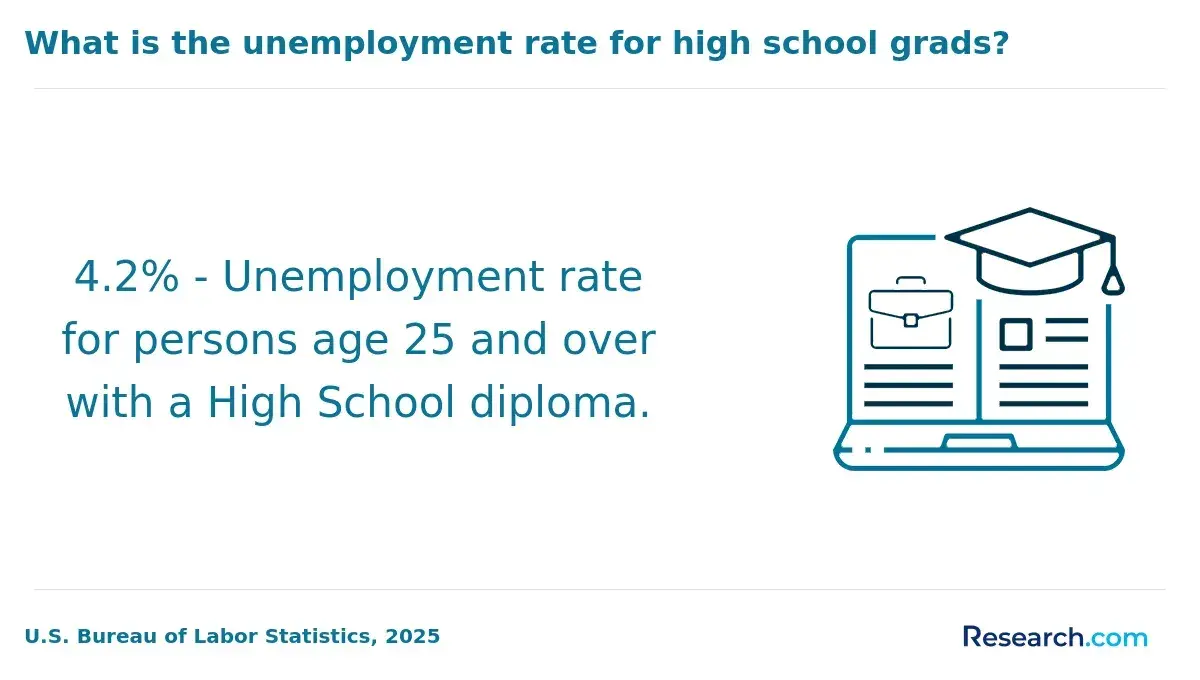
Employer demand for community health graduates through 2030 appears moderate but uneven, requiring careful consideration of regional and sector-specific factors. While overall employment for roles aligned with community health is projected to grow about 13% from 2022 to 2030, according to the U.S. Bureau of Labor Statistics, this growth masks significant variation by setting and location.
For example, job opportunities tend to be more robust in urban centers and underserved rural areas with acute social health challenges, whereas corporate wellness and private consulting roles show slower expansion. A graduate focusing solely on broad national trends without local market analysis may find entry-level positions more competitive or limited depending on geography and employer priorities.
Demand is also concentrated within public health agencies, nonprofits, and healthcare systems emphasizing population health, reflecting a shift toward interdisciplinary roles that blend community health expertise with data analytics and communication skills. Many employers now prefer candidates with practical experience and certifications like CHES, signaling that degree completion alone may not ensure employability.
Given the steady replacement demand-estimated at 5,000 to 7,000 openings annually-graduates face competition not only from peers but also from experienced professionals transitioning within the healthcare sector. Navigating these dynamics means balancing interest in mission-driven, community-facing roles, which often offer modest wages, against higher-paying clinical-adjacent positions that may require additional credentialing or specialization.
Which Community Health Careers Will Experience the Most Job Growth?
Growth in community health careers through 2030 will vary notably by role, with community health workers leading in percentage increase due to expanded efforts addressing healthcare disparities and chronic disease management locally. Although their projected growth rate exceeds 20%, these positions generally require only associate degrees or certificates, resulting in lower median salaries compared to roles demanding higher education.
In contrast, health educators and public health advisors benefit from stronger wage potential linked to bachelor's or master's degrees, yet their roughly 15% growth, while robust, comes with increased educational investment and competitive entry barriers. These distinctions highlight a critical tradeoff: quicker workforce entry versus longer-term economic gains.
Regional demand differences and sector-specific priorities mean that top community health job growth sectors by region through 2030 may emphasize varying roles, especially those focusing on strategic health interventions within government or nonprofit organizations. The U.S. Bureau of Labor Statistics projects overall health-related occupation growth around 8-10%, with certain community health areas surpassing this thanks to demographic shifts and preventive care initiatives.
Candidates must balance employer expectations for versatile communication skills and social determinants expertise against educational timelines. For those considering advanced academic paths, exploring PhD nursing programs online may offer complementary options aligned with broader public health goals.
What Is the Salary Outlook for Community Health Graduates Through 2030?
Salary projections for community health graduates through 2030 must be examined in the context of inflation, evolving labor market demand, credential inflation, and shifting occupational roles. While data from sources like the U.S. Bureau of Labor Statistics and Payscale suggest moderate wage growth, these figures often obscure how real earnings fluctuate regionally and by sector.
Moreover, public health budget constraints and the growing prevalence of contract or grant-dependent positions may limit wage increases despite rising employment opportunities. Understanding these complexities is essential for graduates navigating early offers and mid-career advancement.
Key factors shaping salary outcomes include:
- Employer Sector: Compensation differs significantly between public agencies, nonprofits, and private healthcare providers. Private-sector roles often offer higher starting pay, while public health positions may provide greater job stability but less immediate financial reward.
- Geographic Location: Salaries reflect local cost of living and public health investment. Graduates in metropolitan areas with robust healthcare systems tend to earn more than those in rural or economically constrained regions, emphasizing the need to weigh relocation decisions carefully.
- Experience and Career Progression: Entry-level pay typically ranges from $35,000 to $40,000, increasing to $55,000-$65,000 with five to ten years of experience. Advancing into supervisory or policy-focused roles often requires additional credentials and proven leadership skills.
- Educational Attainment and Certifications: Holding advanced degrees or certifications in specialized community health areas can unlock higher salary brackets, particularly in program management or health policy sectors.
- Demand Growth and Labor Market Dynamics: The projected 11% employment growth rate to 2030 outpaces many fields, yet wage growth may be restricted by limited public health funding and the reliance on temporary grants.
- Role Specialization: Subfields such as epidemiology, health education, and program evaluation impact compensation differently. Skills in data analysis and health informatics are increasingly valued and can enhance earnings.
- Grant and Funding Structures: The increasing role of externally funded projects creates variability in salaries and employment stability, affecting long-term income expectations especially in nonprofit and governmental roles.
A recent graduate entering a mid-sized urban health department shared that the initial offer at $38,000 was below their expectations but aligned with typical starting wages in local public health jobs. They carefully weighed the trade-off between the lower salary and the opportunity to gain meaningful field experience with benefits like loan repayment programs. Despite initial apprehension, the graduate chose pragmatism, understanding that early roles in community health often emphasize experience-building over high income, with potential for advancement linked to additional certifications and lateral moves into better-funded sectors.
Which Industries Will Hire the Most Community Health Graduates by 2030?
Projected demand for community health graduates through 2030 reflects complex shifts in industry growth, regulatory pressures, and evolving public health needs. While the healthcare and social assistance sector commands the highest hiring volume, competition is expected to intensify, particularly for roles requiring adaptability to changing public health priorities and preventive care models.
Complementing this, public administration remains a pivotal employer, emphasizing stability but demanding familiarity with policy frameworks and regulatory compliance. Job seekers aiming to align with these realities should carefully evaluate how their skills and certifications match sector-specific expectations. Below is an outline of the top industries projected to drive hiring growth, incorporating nuanced insights to aid decision-making for community health career opportunities in healthcare and government sectors.
- Healthcare and Social Assistance: Dominating employer demand due to population aging and chronic disease management, this sector offers roles such as care coordinators and health educators. Skills in care transitions, health literacy, and interdisciplinary collaboration strengthen employability here.
- Public Administration: Local and state agencies investing in health equity and social determinants of health projects seek graduates for policy development and outreach positions. Experience with regulatory environments and data-driven program management enhances candidacy.
- Nonprofit Sector: Growing focus on advocacy, education, and community-based prevention programs fuels hiring. Roles often combine program management with grant writing, requiring cultural competency and partnership development skills.
- Healthcare Technology: Emerging roles in digital health education tools, telehealth platforms, and patient engagement leverage graduates who understand community contexts. Although smaller in volume, these positions reward technological fluency paired with behavioral insight.
- Behavioral Health Services: Integration of mental health into community care promotes demand for graduates skilled in collaborative care models. Certification in behavioral health or substance abuse counseling can provide a competitive edge.
- Environmental Health and Safety: Increasing regulatory focus on environmental impacts on health opens roles in risk assessment and community education. Backgrounds in epidemiology or environmental science amplify opportunities.
Considering enrollment decisions or career moves, understanding these sector-specific hiring dynamics is critical for aligning long-term goals with job market realities. Some students may also explore 12-month accelerated nursing programs online to complement community health expertise, especially where clinical credentials broaden employment versatility.
Where Will Demand for Community Health Graduates Be Strongest?
Demand for community health graduates will be unevenly distributed, strongly influenced by regional demographics, public funding priorities, and the evolving healthcare ecosystem. For example, the Southern and Midwestern United States are projected to offer more openings due to older populations and persistent chronic disease burdens, creating a need for professionals who can address culturally diverse, rural health challenges.
However, these regions often face lower salary scales and fewer institutional resources compared to urban centers, which may affect candidate interest despite higher job availability. By contrast, metropolitan areas like California and New York present more competitive job markets with greater employer density, but higher living costs and credential expectations can narrow accessibility for many candidates.
Beyond traditional healthcare roles, emerging sectors such as telehealth and digital wellness are reshaping community health labor demand, emphasizing skills in technology-enabled patient engagement and program design responsive to behavioral insights. While government and larger nonprofits generally provide more stable compensation and benefits, smaller organizations or startups may offer innovative environments but involve greater financial unpredictability.
The average median salary for community health workers remains around $46,000 annually, though advanced specializations can lead to higher earnings. Prospective students should weigh these tradeoffs carefully, recognizing that employment volume, job security, and local economic conditions may outweigh general growth statistics in shaping real prospects.
Which Community Health Specializations Will Be Most in Demand by 2030?
Employer demand within community health specializations will increasingly favor roles that integrate data-driven decision-making with direct public health impact through 2030. While overall growth in community health professions is positive, prospective students should weigh specialization options against evolving skill requirements and geographic variability in hiring.
For example, a student deciding between epidemiology and health education must consider not only differential growth rates but also the necessity of advanced quantitative skills and graduate credentials in epidemiology versus broader program implementation skills in health education. Understanding these nuances is essential for aligning education choices with practical employability and adaptability in a shifting healthcare landscape.
Below are key specializations projected to see the strongest demand.
- Population Health Management: With healthcare systems emphasizing value-based care, specialists focusing on preventive interventions and chronic disease management are in demand. Skills in data analytics, risk stratification, and care coordination drive this growth, supported by projections of faster-than-average occupation increases from the U.S. Bureau of Labor Statistics.
- Health Education and Promotion: Professionals designing behavior change initiatives and addressing social determinants of health remain essential. Hiring growth is steady, bolstered by government and nonprofit investment in community-based wellness programs, requiring strong communication and program planning abilities.
- Epidemiology: Growth in infectious disease surveillance and outbreak response roles positions epidemiology as a high-demand specialization. It demands advanced quantitative and biostatistical skills, often necessitating graduate-level education, with employment anchored in public health agencies and research bodies.
- Environmental Health: While more regionally variable, this specialization grows alongside concerns over environmental determinants of health, requiring knowledge of regulatory frameworks and risk assessment techniques, often in governmental or industrial settings.
- Health Policy Analysis: As policy complexity rises, analysts able to interpret and influence health legislation are increasingly sought, blending data literacy with interdisciplinary collaboration. This specialization has uneven demand geographically and typically favors those with graduate qualifications.
How Will AI and Technology Affect Community Health Careers Through 2030?
Artificial intelligence and automation are more likely to augment rather than fully automate typical community health responsibilities through 2030, reshaping roles by streamlining data-heavy activities but reinforcing the need for complex interpersonal and analytical skills. Routine tasks such as data entry, risk stratification, and basic patient outreach will increasingly rely on AI-driven tools, while professionals must interpret outputs, exercise cultural competency, and manage ethical considerations.
A community health worker who embraces health informatics and digital health platforms will likely find greater employability, whereas those who do not adapt risk being sidelined as employers prioritize tech fluency alongside traditional public health expertise. This dynamic highlights a workforce transition where hiring standards emphasize hybrid skill sets and ongoing upskilling to navigate evolving software and telehealth delivery models.
Labor market trends suggest that technology-driven change will create differentiated demand across various community health jobs in the United States, affecting hiring projections unevenly depending on an organization's capacity to integrate advanced analytics and electronic health record systems. Educational programs focused solely on foundational community health knowledge may underprepare graduates for roles increasingly centered on digital competencies such as data analytics and technology management.
Students and current professionals must critically evaluate curriculum content and opportunities for applied projects and certifications to remain competitive, potentially supplementing with credentials related to areas like the professional coder certification. Understanding this technology impact through 2030 enables informed choices about enrollment and career pathways in community health that reflect practical realities and employer expectations.
Is a Community Health Degree Worth Pursuing Based on 2030 Projections?
Employment growth in community health is projected to outpace many other fields through 2030, driven primarily by population health management and expanding public health initiatives. However, the community health degree job market outlook 2030 suggests a mixed scenario for graduates: while demand for entry-level roles like health educators and community health workers remains steady, upward mobility without advanced credentials or specialized training can be limited.
For example, a student weighing tuition cost and program length might find a fast track medical billing and coding certificate online a more immediate gateway to healthcare employment, given its shorter timeline and focused skill set. Geographic and employer variations further influence salary prospects, with median wages typically ranging from $45,000 to $55,000 but rarely competing with clinical health professions.
The return on investment for community health degree graduates reflects moderate salary gains tied to job stability rather than rapid financial advancement. Employers increasingly emphasize applied experience and cultural competence over academic credentials alone, raising the importance of internships and networking during enrollment.
Graduates entering nonprofit or government roles may face a ceiling on earnings without continued education or obtaining certifications that enable policy or management responsibilities. Considering enrollment trends and job supply, prospective students must balance the degree's practical advantages with the realities of labor market competition and pay scale constraints through 2030.
References
- Enrollment in Higher Education https://odphp.health.gov/healthypeople/priority-areas/social-determinants-health/literature-summaries/enrollment-higher-education
- What Can You Do With a Community Health Degree | CUNE https://www.cune.edu/news/what-can-you-do-with-community-health-degree
- The Future of Healthcare in Europe: AI and Labor Market Transformations by 2030 - Interreg Baltic Sea Region https://interreg-baltic.eu/project-posts/caidx/the-future-of-healthcare-in-europe-ai-and-labor-market-transformations-by-2030/
- How community health workers are shaping the future of public health https://hria.org/community-health-workers/
- The Fastest-Growing Jobs in Health Care - USCI https://www.uscareerinstitute.edu/blog/the-fastest-growing-jobs-in-health-care
- Job Outlook For Community Health Workers https://pub-alachuacounty.escribemeetings.com/filestream.ashx
- Careers https://www.publichealthdegrees.org/careers/
- What does AI mean for the future of healthcare jobs? https://www.worldhealthexpo.com/insights/medical-technology/what-does-ai-mean-for-the-future-of-healthcare-jobs-
- Community Health Workers - NY Health Careers https://www.healthcareersinfo.net/profession/community-health-workers/
- Our 2030 Vision for the Health Workforce https://www.frontlinehealthworkers.org/blog/our-2030-vision-health-workforce
Other Things You Should Know About Community Health
Community health programs differ widely in curriculum depth, fieldwork requirements, and emphasis on data analytics or policy, which directly impacts employability. Students should prioritize programs balancing theoretical knowledge with practical experience and partnerships that offer internships or practicum placements. Graduates from programs with limited hands-on training may struggle to meet employer expectations for immediate workplace contribution, especially in roles requiring community engagement and program management.
Salary growth in community health tends to be moderate and often correlates with experience, additional certifications, or managerial roles rather than entry-level positions. Many positions demand significant emotional labor, community interaction, and sometimes irregular hours, so prospective students must weigh if potential compensation justifies these challenges. Prioritizing specialties or employers known for clearer career advancement paths can offset workload concerns by offering more predictable financial and professional growth.
Employers increasingly prefer candidates with specialized skills related to data management, grant writing, or health policy analysis, pushing students to consider credentials beyond a general community health degree. Choosing a specialization aligned with regional public health needs or emerging trends can improve job prospects but may narrow future flexibility. Evaluating local labor markets and employer job postings for required qualifications helps in selecting credentials that match both current demand and longer-term adaptability.
Immediate pursuit of advanced degrees can deepen expertise but may delay entry into an evolving job market where practical experience is highly valued. Many employers favor candidates combining education with real-world community health initiatives, so gaining workforce experience before graduate studies often enhances career trajectories. Prospective students should assess their readiness for advanced study and consider part-time or employer-supported programs that allow concurrent work and education.