2027 Community Health Career Outcomes by Degree Level Report: Pay, Employment, and Advancement Patterns

Co-Founder and Chief Data Scientist
Faced with multiple degree options in community health, many working professionals struggle to gauge which credential clearly leads to better pay, job stability, or upward mobility. A 2024 National Public Health Workforce Study revealed that employment growth and wage gains favor those with bachelor's or higher degrees, highlighting persistent gaps in opportunity for associate degree holders. This disparity underscores critical tradeoffs: quicker entry into the workforce versus longer-term advancement potential. Understanding these nuanced patterns is essential for adults balancing education costs, career timing, and family obligations. This article analyzes pay, employment rates, and promotion trends across degree levels to inform strategic decisions in community health careers.
Key Things to Know About Community Health Career Outcomes by Degree Level
- Associate degrees in community health provide faster entry but often limit advancement; many employers require bachelor's credentials for supervisory roles, reflecting a segmented labor market favoring mid-level degrees for management.
- Master's-level credentials correlate with higher employer preference for specialized roles, indicating that workforce demand increasingly prioritizes advanced skills to address complex population health challenges.
- The cost and duration of master's or doctoral programs present significant access barriers, meaning some students opt for certificates or associate degrees despite potential long-term credential devaluation.
- Key Things to Know About Community Health Career Outcomes by Degree Level Key Things to Know About Community Health Career Outcomes by Degree Level
- What Career Outcomes Can Students Expect From Each Community Health Degree Level? Career Outcomes by Degree
- How Much Do Community Health Graduates Earn by Degree Level? Salary by Degree Level
- Which Community Health Degree Level Offers the Strongest Employment Prospects? Best Degrees for Employment
- What Entry-Level Jobs Can You Get With a Community Health Degree? Entry-Level Career Opportunities
- How Do Community Health Degree Levels Affect Career Advancement and Promotion Opportunities? Career Growth by Degree
- Is a Community Health Degree Worth It Based on Salary, Employment, and ROI? Salary, ROI, and Value
- How Do Associate, Bachelor's, Master's, and Doctoral Community Health Degrees Compare? Comparing Degree Levels
- Which Industries and Employers Hire Community Health Graduates by Degree Level? Which Industries and Employers Hire Community Health Graduates by Degree Level?
- What Skills, Credentials, and Experience Improve Community Health Career Outcomes? What Skills, Credentials, and Experience Improve Community Health Career Outcomes?
- Which Community Health Degree Level Is Best for Your Career Goals? Choosing the Right Degree
What Career Outcomes Can Students Expect From Each Community Health Degree Level?
Career trajectories in community health vary considerably across degree levels, with each credential shaping employment access and advancement in distinct ways. Entry-level roles commonly filled by associate and certificate holders often emphasize foundational skills and outreach, but typically limit mobility without further certification or education. For example, working adults leveraging associate credits combined with internships may secure stable, hands-on positions yet face a clear ceiling compared to bachelor's degree holders, who are frequently targeted for roles demanding data analysis or program management. According to a 2024 Bureau of Labor Statistics report, employers increasingly favor bachelor's credentials for positions involving grant oversight or strategic program development, underscoring the practical tradeoff between shorter degree timelines and expanded professional scope within community health degree career outcomes by education level.
At the graduate level, master's degrees serve as a gateway to supervisory and specialized roles, where expectations often include certifications such as Certified Health Education Specialist (CHES) alongside advanced academic preparation. This intersection of credentialing and experience enhances leadership readiness, distinguishing those suited for epidemiology, policy analysis, or program director positions. Doctoral pathways, while offering access to high-tier research, academic, and policy careers, entail a narrower labor market with greater dependence on networking and grant acquisition skills, which may deter some working professionals seeking straightforward advancement. For adult learners balancing career and study commitments, planning transitions strategically-including transfer credit usage and alignment with employer expectations-can optimize long-term mobility and pay, especially when considering specialized pathways like online DNP programs that integrate clinical leadership with advanced public health expertise.
How Much Do Community Health Graduates Earn by Degree Level?
Pay scales for community health graduates reveal significant variation tied not only to degree level but also to factors like employer expectations, geographic market, and credential specificity. For example, certificate and associate degree holders often enter roles with median wages around $35,000 to $45,000, frequently in supportive or entry-level positions with limited supervisory duties, making rapid workforce entry their primary advantage. Conversely, bachelor's degree graduates, earning roughly $50,000 to $65,000 on average, can access positions requiring specialized knowledge and leadership potential, though such roles often demand proven experience or further certification. Master's credentials, with earnings commonly between $70,000 and $85,000, typically represent a strategic investment enabling access to management, policy formulation, and grant writing, yet these require balancing additional time, cost, and sometimes the challenge of bridging earlier credits or work experience into advanced programs.
Higher degrees bring tradeoffs beyond salary, influencing employment stability and job complexity more than raw compensation alone. Doctoral-level professionals command salaries exceeding $90,000 but confront a narrower job market concentrated in research, policy leadership, or academic tracks, where the return on extended education depends heavily on niche demand and long-term career goals. For adult learners and working professionals-especially those weighing transfer credits or military benefits-the decision to pursue advanced credentials must consider not only immediate pay but also role eligibility, promotion potential, and local labor market dynamics. According to 2024 data from the U.S. Bureau of Labor Statistics, employment continuity and wage ceilings rise alongside educational attainment, but the pace and cost of degree progression are critical variables shaping career outcomes and timing.
One graduate recalls initially pursuing an associate degree to enter the workforce quickly, only to find that local employers prioritized bachelor's credentials for program coordinator roles he aspired to. After confronting the unexpected wage gap and limited advancement opportunities tied to his existing credential, he carefully evaluated transfer options into a bachelor's program, weighing tuition costs against projected earnings growth. His cautious optimism grew as he mapped regional job postings and spoke directly with hiring managers, ultimately realizing the additional investment could unlock pathways that aligned better with his long-term goals despite delayed financial returns.
Which Community Health Degree Level Offers the Strongest Employment Prospects?
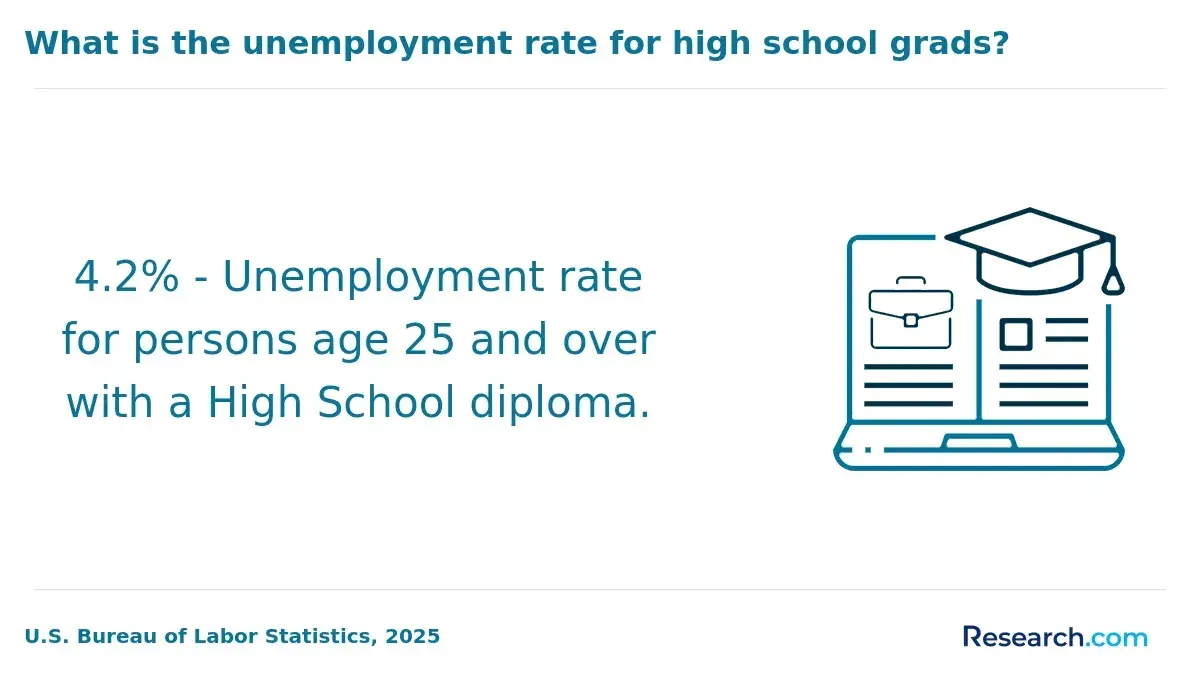
Employment outcomes in community health heavily favor those with bachelor's degrees due to employers' increasing insistence on credentialing and experience. For example, government and nonprofit sectors frequently require bachelor-level education for full professional roles, with completion-to-employment rates surpassing 85% for these graduates, whereas certificate holders often struggle below 60%. This discrepancy reflects practical barriers faced by those with lower credentials, who may gain entry-level assistant positions but encounter restricted wage growth and limited upward mobility, especially in urban markets where advanced qualifications command a premium.
While associate degrees and certificates allow faster workforce entry and may suit individuals prioritizing immediate employment, these pathways often lack alignment with licensing and certification prerequisites necessary for broader occupational access. In contrast, master's degrees offer access to specialized fields such as epidemiology and health policy, where strategic internships and applied research experience translate into roughly 30% higher median wages compared to bachelor-level holders. Doctoral qualifications, emphasizing research and academic leadership, require longer completion times and higher educational investments, often delaying entry but enabling careers unavailable at lower degree levels.
Prospective students must weigh these trade-offs carefully: bachelor's degrees provide a critical threshold balancing early labor-market participation and advancement potential, whereas graduate programs enhance specialization and leadership opportunities but extend educational timelines. Decisions about pursuing certificates, associate degrees, or advanced study should consider not only immediate job prospects but also the employer expectations for credentials, internship experience, and regional demand variability that influence long-term career viability in community health.
What Entry-Level Jobs Can You Get With a Community Health Degree?
Entry-level community health positions vary considerably depending on degree attainment, with associate degree holders typically entering roles that prioritize practical skills and direct engagement, such as health aides or outreach coordinators. These positions often require some technical proficiency, including familiarity with electronic health records or community assessments, but advancement often hinges on additional education or accumulating extensive experience. For instance, someone starting in a rural health setting may need to demonstrate hands-on capabilities and flexibility to secure stable employment, while urban roles might favor candidates with internships and certifications like the Certified Health Education Specialist (CHES) credential, which can tilt hiring decisions in competitive markets.
Those with bachelor's degrees generally access a wider range of jobs, including public health program assistants and case managers, where employers expect not only practical skills but also strategic thinking and data analysis capabilities. Data from the U.S. Bureau of Labor Statistics (2024) highlights that many employers prioritize candidates with field experience integrated into their academic programs, viewing it as a critical indicator of workplace readiness. This level often serves as a strategic midpoint, balancing entry into permanent roles with pathways to supervisory positions within a few years, especially in more resource-diverse, urban environments.
Choosing between associate and bachelor's pathways involves weighing faster entry with limited mobility against longer-term growth potential. For community health students assessing job prospects, understanding these tradeoffs alongside geographic job market nuances and employer expectations is crucial. Students interested in accelerated advancement might explore fast track degrees that combine practical experience with academic rigor, better positioning them for sustainable employment in an evolving healthcare landscape.
How Do Community Health Degree Levels Affect Career Advancement and Promotion Opportunities?
Higher degree levels in community health notably influence promotion trajectories and access to supervisory roles, as employers increasingly prioritize academic credentials combined with relevant certifications. According to the U.S. Department of Education's 2024 workforce data, individuals with bachelor's or advanced degrees are significantly more likely to move into leadership or policy-influencing positions within three to five years, whereas those holding associate degrees often see slower progression, requiring additional work experience or credentials to qualify for comparable roles. This disparity reflects employer expectations that leadership candidates not only possess foundational community health knowledge but also demonstrate competency in program management, grant writing, and strategic development-skills less emphasized in shorter programs. Consequently, adults weighing faster workforce entry against longer-term advancement face a tangible tradeoff, especially when balancing existing work commitments or prior credits that may accelerate bachelor's degree completion.
The interplay between degree level and licensure or certification demands adds complexity to career mobility. Many supervisors and specialized roles now require candidates to hold professional certifications in addition to degrees, reinforcing the notion that educational attainment alone is insufficient for promotion. Transfer pathways and continuing education options offer practical solutions for working professionals and military-affiliated learners seeking to bridge gaps in leadership readiness or meet evolving job standards. For mature students, evaluating whether pursuing a bachelor's versus an associate degree aligns with their promotion ambitions and employer screening criteria is critical, as credential level frequently intersects with internal advancement policies and readiness for decision-making responsibilities.
One community health learner recounted hesitating between pursuing an associate degree quickly to maintain income versus enrolling in a bachelor's program that would delay promotion eligibility. Observing coworkers with bachelor's degrees advance to supervisory roles within a few years, they recognized the degree's role in opening doors beyond frontline tasks. However, uncertainty about balancing work, family, and tuition made the decision difficult. Their eventual choice to leverage transfer credits and targeted leadership courses reflected cautious optimism aimed at meeting employer standards while minimizing time out of the salaried workforce.
Is a Community Health Degree Worth It Based on Salary, Employment, and ROI?
Salary outcomes for community health degree holders vary significantly by education level, influencing whether additional schooling justifies the disruption and expense. Graduates with a bachelor's degree generally command notably higher median pay than those with an associate degree, reflecting employer preferences for advanced credentials in urban or underserved labor markets. However, the increased earning potential must be weighed against longer time-to-completion and higher tuition costs, which often lead to greater student loan debt. For working adults or military-affiliated students, flexible, part-time options can lessen opportunity costs but often extend the program timeline, potentially delaying salary gains related to degree completion.
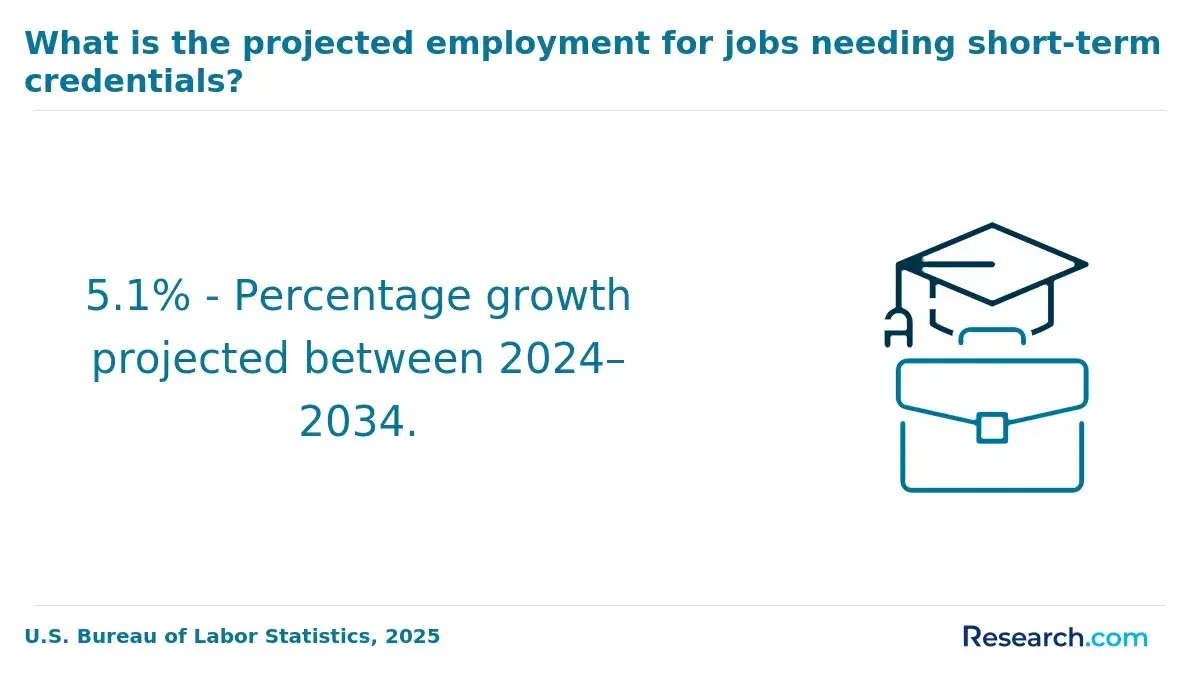
Employment stability and career mobility also hinge on credential level and regional demand. The projected growth in community health worker roles suggests a favorable job market, yet competition and hiring preferences may favor bachelor's degree holders and those with certifications, impacting promotion chances and role variety. Transfer students and those balancing employment must consider whether an associate degree, with quicker entry and lower financial burdens, offers sufficient prospects compared to investing in a bachelor's degree for long-term growth. Assessing community health degree salary comparisons alongside regional employment conditions sharpens this strategic decision.
Cost considerations, including debt accumulation and repayment, remain central to evaluating return on investment for community health graduates. Given disparities in total attendance costs, prospective students should integrate financial realities with practical workforce implications to identify the best fit for their circumstances. Those exploring related fields may also consult reputable resources on sonography programs online as alternative pathways within healthcare that balance training duration and earning potential.
How Do Associate, Bachelor's, Master's, and Doctoral Community Health Degrees Compare?
Entry-level associate degrees in community health typically provide limited access to positions focused on outreach or support, with minimal pathways for upward mobility without further credentials. Bachelor's degrees are often the baseline for stable employment and eligibility for key certifications like CHES or CPH, translating into roughly 15% higher employment rates within the initial five years compared to associate holders, according to the U.S. Bureau of Labor Statistics. Employers commonly expect bachelor's credentialed staff to assume broader responsibilities, and many programs enable credit transfer from associate degrees to ease educational progression, though advancing beyond the bachelor's level requires meeting GPA and experience benchmarks that constrain seamless graduate admissions.
Master's degrees open doors to specialized functions, management, and research roles, balancing additional time and cost with enhanced professional stature and job stability. These programs often train students in program evaluation, epidemiology, or policy analysis, positioning graduates for supervisory capacities. Doctoral studies demand significant investment and carry higher completion risks but yield access to policy influence, academic tenure, and consultancy positions valued for expertise. However, the delay before financial payoff is notable, and doctoral paths suit those committed to longer-term career strategies rather than immediate labor market entry.
Certification availability varies by degree level, with bachelor's and master's students better positioned to pursue formal credentials that improve marketability and mobility, whereas associate-level graduates may encounter barriers linked to coursework and professional experience requirements. Completion rates also diverge: bachelor's programs typically show a 50% four-year finish rate, while master's cohorts demonstrate stronger persistence, often driven by concurrent employment. Students weighing whether to pause at a bachelor's degree or invest in graduate study must consider these practical constraints alongside labor market demand, institutional transfer policies, and the real-world benefits versus time and cost tradeoffs inherent across degree tiers.
Which Industries and Employers Hire Community Health Graduates by Degree Level?
Hiring preferences for community health graduates reveal distinct employer expectations linked to degree level, which critically shape job functions and career trajectories. Associate degree holders typically secure entry-level roles in public health departments, nonprofits, or community clinics, where licensure requirements are minimal and work centers on direct service and outreach. In contrast, bachelor's degree graduates access broader sectors such as managed care organizations, health insurers, and government agencies, where job duties include program management and data analysis, reflecting a need for interdisciplinary skills blending technical knowledge with foundational leadership capabilities.
Master's-level community health graduates increasingly fill leadership or specialized positions in hospitals, large nonprofits, and academic settings, with roles focused on program direction, policy analysis, or epidemiology. These positions often require demonstrable experience, technical expertise, and occasionally licensure, signaling readiness for mid-to-senior management. Doctoral graduates concentrate in research-intensive environments-universities, government research, and policy think tanks-where deep specialization drives public health interventions and policy design. Certificates serve professionals targeting narrow skill enhancement, such as compliance or coaching roles, typically valued by employers prioritizing specific competencies over broad academic credentials. According to U.S. Bureau of Labor Statistics data, associate and certificate pathways facilitate faster employment entry but offer limited upward mobility compared to advanced degrees, which demand higher upfront investment yet open access to senior and specialized roles.
Students must weigh trade-offs between immediate labor market entry and long-term career flexibility. For example, a graduate with a bachelor's may find more robust demand in state health agencies than an associate holder but may face competition from master's candidates for leadership roles. Regional demand and licensure rules further complicate hiring, with public sector employers often more receptive to lower-degree credentials versus private or academic institutions that emphasize advanced degrees and demonstrated field expertise. This landscape advises targeted educational planning aligned with specific employer expectations and evolving sector demands.
What Skills, Credentials, and Experience Improve Community Health Career Outcomes?
Employers in community health increasingly prioritize candidates who combine technical competencies with applied experience, as these elements substantially improve job access and advancement prospects. At the associate degree level, internships and hands-on field placements bolster hiring potential by demonstrating client-interaction and data-gathering skills that compensate for limited theoretical coursework. For example, candidates who have completed practical internships are often preferred in entry-level roles because they require less supervision and adapt faster to workplace demands, reflecting essential experience and certifications for community health jobs.
Bachelor's degree holders must complement academic knowledge with proficiency in health information systems, data analysis, and outreach strategies to meet employers' elevated expectations. Certification pathways like Certified Health Education Specialist (CHES) serve as critical validators of expertise, often correlating with accelerated promotion timelines. Graduate degrees typically unlock leadership and policy roles, where advanced program management skills and interdisciplinary collaboration are indispensable. These layers of credentials and experience collectively influence career mobility by equipping professionals to navigate complex organizational roles and demonstrate leadership capability.
Working professionals, adult learners, and transfer students often face tradeoffs in stacking academic credits, prior military service, and experiential learning to optimize their profiles. Strategic choices, such as pursuing recognized certifications alongside degree programs or selecting programs like online BSN to MSN programs, can enhance advancement opportunities while balancing time and financial investment. Soft skills-including communication and cultural competence-remain pervasive factors in employer evaluations, underscoring their critical role in both client outcomes and team dynamics within community health career advancement skills and credentials.
Which Community Health Degree Level Is Best for Your Career Goals?
Choosing the best community health degree often depends on balancing immediate employment prospects with long-term advancement potential, particularly for adult learners and working professionals. An associate degree may secure entry-level roles like outreach assistant, but many employers require at least a bachelor's degree for supervisory or specialized positions. A bachelor's degree not only opens broader access to roles in health education or program coordination but is frequently a prerequisite for certifications and graduate study, which significantly enhance career options. According to the National Center for Education Statistics 2024, approximately 82% of bachelor's degree holders in health fields find employment within a year, underscoring strong demand tied to this credential.
Graduate degrees-master's and doctoral-are essential for those targeting senior management, research, or roles involving public health policy and epidemiology, where specialized certifications are common. These advanced degrees entail longer completion times and higher costs but correspond with greater professional mobility; the U.S. Department of Education's 2024 data shows master's graduates boast a 15% higher credential attainment rate linked to leadership roles compared to bachelor's holders. Transfer-credit policies, part-time options, and opportunity costs further impact decisions, especially for military-affiliated students and transfer candidates seeking to optimize their education timeline while meeting employer expectations. For those reassessing their community health degree career outcomes, carefully weighing these factors clarifies when pursuing additional credentials becomes a practical necessity rather than a choice.
Those considering non-traditional academic routes should also explore flexible pathways, including online programs; for example, online RN programs for non nurses offer complementary credentials that may enhance workforce readiness. Ultimately, selecting the best community health degree for advancement requires alignment with specific role qualifications and realistic assessment of time, cost, and employer credential demands in an increasingly competitive healthcare landscape.
References
- Highest Paid Public Health Careers https://www.publichealthdegrees.org/careers/highest-paid-public-health-jobs/
- Community Health Career - Public Health https://www.publichealthonline.org/community-health-career/
- Salary After Public Health Diploma | Real Data & Career Growth https://icmhs.co.ke/blog/salary-after-public-health-diploma
- What Skills Are Needed for Public Health Jobs? https://zabeelinstitute.ae/blog/skills-needed-for-public-health-jobs/
- What Can You Do With a Community Health Degree | CUNE https://www.cune.edu/news/what-can-you-do-with-community-health-degree
- What Is a Community Health Degree? https://www.nec.edu/news/what-is-a-community-health-degree
- Worried About Career Options? Here’s What You Can Do with a Health & Social Care Degree https://olceurope.com/blog/worried-about-career-options-here-s-what-you-can-do-with-a-health-social-care-degree
- Developing Sustainable Community Health Worker Career Paths | Milbank Memorial Fund https://www.milbank.org/publications/developing-sustainable-community-health-worker-career-paths/
- Health Promotion Careers 2025: Degrees, Jobs & Salary Guide - nutritioned.org https://www.nutritioned.org/what-is-health-promotion/
Other Things You Should Know About Community Health
Working adults often underestimate the increasing time and intensity demands from associate to doctoral programs in community health. Associate and bachelor's degrees tend to balance coursework with part-time study options more easily, whereas master's and doctoral programs require sustained, focused effort, often including internships or research projects. Prioritizing degree levels that align with your current work flexibility is crucial; aiming for advanced degrees without adequate time can lead to burnout and prolonged completion times.
Longer programs typically offer deeper specialization but restrict immediate career flexibility due to their duration and workload. For example, bachelor's degrees provide quicker entry into mid-level roles, while master's and doctoral degrees may delay job market entry but open pathways in leadership or policy roles later. Choosing the right program length depends on whether you need faster workforce integration or are strategically investing in future upward mobility with less short-term flexibility.
Employers often expect distinct competencies based on degree level, influencing hiring and role responsibilities. Bachelor's degree holders are usually expected to perform operational tasks with some autonomy, while master's level candidates must demonstrate analytical and management skills, including program evaluation. Doctoral graduates are generally sought for research leadership or high-level policy advising roles, making advanced degrees more advantageous but also demanding higher proof of practical impact and innovation in the field.
Master's and doctoral programs in community health sometimes assume candidates have significant field experience to contextualize advanced theory and research. Jumping into these programs without adequate professional background can limit comprehension and reduce practical benefit. It is often better to accumulate 2-5 years of relevant experience after a bachelor's degree before advancing to ensure the learning is grounded, maximizing both academic success and career leverage post-graduation.