2027 Top Industries Hiring Community Health Graduates: Demand, Pay, and Growth Trends

Co-Founder and Chief Data Scientist
A prospective community health graduate faces a critical crossroads: which industries will offer the strongest career opportunities after graduation? Navigating this decision requires more than identifying available jobs. It demands understanding where community health graduates are most in demand, how salary levels differ across sectors, and which industries show the fastest growth. Without this insight, students risk pursuing paths with limited advancement or earnings potential.
Evaluating these factors enables students to tailor their education and skill development toward fields with sustainable career prospects. This article examines the industries that hire the most community health graduates, highlights sectors offering the highest salaries, identifies where job growth is strongest, explores evolving employer expectations, and suggests how students can align their skills with the most promising opportunities.
Key Things to Know About the Top Industries Hiring Community Health Graduates
- Healthcare services employ over 60% of community health graduates, reflecting stable demand but concentrated job competition affecting entry-level wage growth.
- Public health and government roles offer 12% faster salary growth through 2030, rewarding policy expertise and cross-sector coordination skills.
- Nonprofit and private sectors show a 15% annual hiring increase, driven by expanded community outreach programs adapting to evolving social determinants of health.
- Key Things to Know About the Top Industries Hiring Community Health Graduates Key Things to Know About the Top Industries Hiring Community Health Graduates
- Which Industries Hire the Most Community Health Graduates? Top Industries
- Which Industries Offer the Highest Salaries for Community Health Graduates? Highest Salaries
- Which Industries Have the Fastest Growth for Community Health Careers? Growth Trends
- Which Employers Commonly Recruit Community Health Graduates? Top Employers
- Which Skills Are Most In Demand Across Community Health Industries? In-Demand Skills
- How Do Career Paths Differ Across Industries for Community Health Graduates? Career Paths
- How Do Industry Trends Affect Future Opportunities for Community Health Graduates? Industry Trends
- How Can Students Prepare for High-Demand Community Health Industries? Career Preparation
- How Do Different Community Health Degree Programs Prepare Students for Industry Careers? How Do Different Community Health Degree Programs Prepare Students for Industry Careers?
- Which Industry Is the Best Fit for Your Community Health Career Goals? Which Industry Is the Best Fit for Your Community Health Career Goals?
Which Industries Hire the Most Community Health Graduates?
Community health graduates find their skills increasingly valued in sectors dedicated to promoting public well-being and preventive care. Employment demand varies by region, employer focus, and specialization, yet certain industries consistently offer robust opportunities due to their ongoing need for health education, policy implementation, and population health management. For example, a recent 2024 report from the U.S. Bureau of Labor Statistics highlights that nearly 60% of community health-related roles are situated within healthcare and public health agencies, reflecting stable growth. The following industries are the primary employers of these graduates according to community health graduate job demand by sector.
- Healthcare Providers: Hospitals and outpatient care centers employ the largest share of community health graduates. These settings require expertise in educating patients on disease prevention, managing community wellness initiatives, and supporting chronic disease control programs. Healthcare institutions attract graduates by offering stable employment, opportunities to work directly with diverse populations, and pathways into clinical coordination roles.
- Government Public Health Agencies: Local, state, and federal health departments hire community health professionals to design and implement programs addressing chronic diseases, substance use, and health disparities. These roles often involve policy analysis, program evaluation, and community outreach, making the sector appealing for graduates seeking impact-driven positions with structured career tracks supported by public funding.
- Non-Profit Organizations: Health advocacy and social service organizations focus on underserved populations, where community health graduates develop educational programming and coordinate resources. The sector's collaborative environment and mission-oriented work attract those driven by social justice and equity, though job availability can fluctuate with funding variations.
- Private Sector Health Programs: Insurance companies and corporate wellness departments increasingly recruit graduates to develop population health strategies aimed at reducing healthcare costs and improving employee well-being. This industry appeals to graduates interested in combining health expertise with business acumen, though competition can be higher and roles more specialized.
- Academic and Research Institutions: Universities and research centers offer roles in health promotion research and teaching. Community health graduates with strong analytical skills may pursue these positions for long-term engagement in evidence-based interventions, although advanced degrees are often preferred for higher-level opportunities.
Prospective students aiming to enter fields with promising job prospects may also explore the best online nursing programs to complement community health expertise, expanding their clinical and educational qualifications.
Which Industries Offer the Highest Salaries for Community Health Graduates?
Salary disparities across industries for community health graduates primarily arise from the varying scale of resources, the complexity of job roles, and the strategic value assigned to public health expertise within different sectors. Federal roles often command higher wages due to the specialized nature of policy development and grant management responsibilities. Meanwhile, private industries like pharmaceuticals leverage community health skills alongside regulatory and clinical knowledge, which reflects in compensation levels. Geographic location and organizational size also play critical roles in wage differentiation, as does the balance between direct community engagement and administrative demands. Below are key industries generally offering the highest salaries for community health graduates.
- Federal Executive Branch: This sector pays a premium-approximately 25% above state and local government wages-due to the high-level administrative, policy, and program management tasks community health graduates undertake. Roles often involve handling large-scale public health initiatives and securing federal grants, demanding a combination of strategic and operational expertise that drives salary levels upward.
- Pharmaceutical and Biotechnology: Graduates in this sector typically earn well over $85,000 annually, reflecting the need for community health skills integrated with clinical trial coordination, health education, and corporate wellness programming. The industry's emphasis on regulatory compliance and innovative health solutions contributes to higher compensation compared to public health agencies.
- Healthcare and Social Assistance Organizations: Although these employers represent the largest hiring base, they tend to offer moderate salaries relative to federal and pharmaceutical sectors. Jobs emphasize patient interaction and community outreach, which provide diverse experiences but often come with more modest pay, especially in nonprofit health advocacy roles that may pay 10-20% below the national median.
For students assessing their options, salaries are just one factor alongside the opportunity for meaningful impact and work-life balance. Those interested in advancing their credentials might consider further education through programs like an RN to BSN online, which can open additional pathways and enhance earning potential in these competitive industries.
Which Industries Have the Fastest Growth for Community Health Careers?
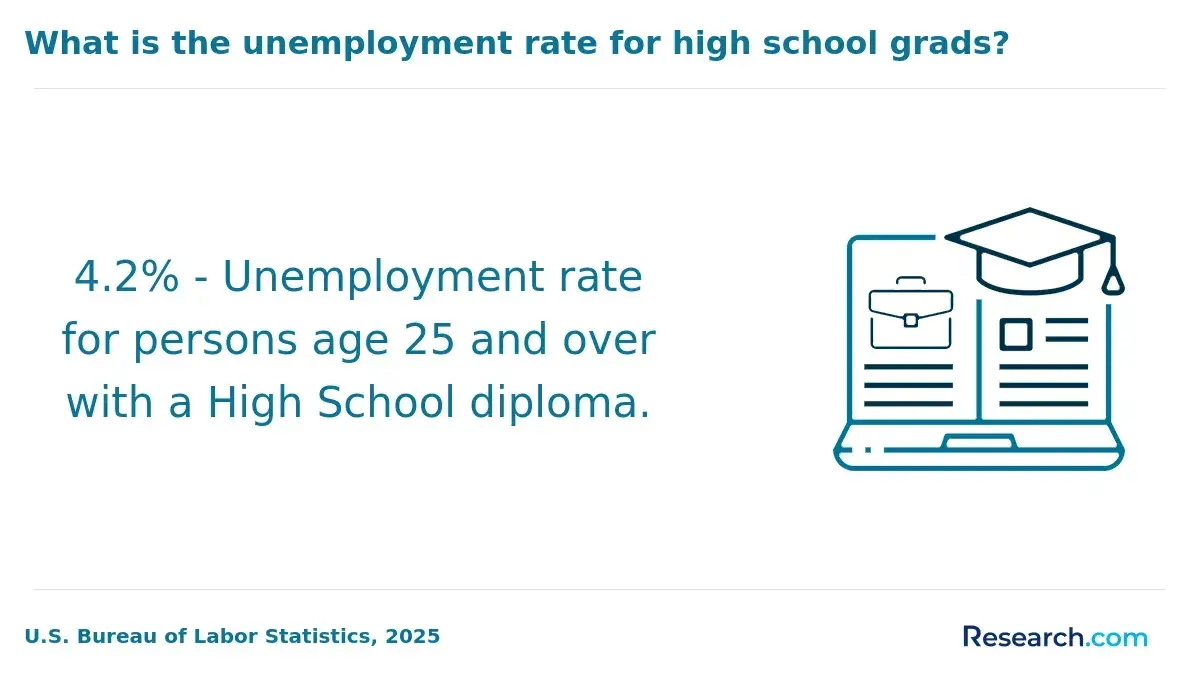
Industry growth rates play a critical role in shaping stable and sustainable career pathways for community health graduates. Understanding which sectors are expanding fastest helps graduates align their skills with areas where demand, salary potential, and advancement opportunities converge. This approach accounts for geographic variability, employer needs, and evolving healthcare models, leading to more strategic career choices rather than reactive job searches. The following highlights industries forecasted to deliver the strongest employment growth for community health professionals over the coming decade.
- Outpatient Care Centers: Poised to grow more than 20% by 2034, outpatient settings reflect a shift towards decentralized, preventive healthcare. These centers prioritize chronic disease management and patient education outside hospitals, creating demand for community health workers skilled in coordination and health promotion. Their growth is fueled by healthcare policy incentives and increasing patient preference for accessible, cost-effective care.
- Home Healthcare Services: Driven by an aging population requiring long-term, personalized in-home support, this sector is expanding rapidly. Community health graduates find varied roles here, balancing culturally competent care with teamwork across clinical disciplines. Pay scales vary widely, influenced by regional labor markets and the complexity of patient needs, but stable demand persists due to demographic trends.
- Public Health Agencies: Federal, state, and local health departments expect growth around 10-12%, propelled by rising investment in health equity and epidemic preparedness. Jobs in this sector offer relatively steady wages and benefits, often serving as entry points into specialized public health careers focused on behavioral health outreach and policy implementation.
- Environmental Health Organizations: Growing awareness of climate change and social determinants of health is expanding roles within government and nonprofit sectors. Community health workers here integrate environmental data analysis with community engagement to address emerging health risks, benefiting from interdisciplinary policy frameworks and funding increases.
A community health graduate recently facing a choice between a hospital-based role and a home healthcare position described feeling torn by job security and salary concerns. After weighing faster hiring trends and broader scope for patient interaction in home healthcare, they accepted a role delivering in-home chronic disease support in a growing suburban market. They found the experience challenging but rewarding, citing real-time problem solving and cultural sensitivity as key daily demands. This decision reflected a calculated risk aligned with both personal values and local industry growth data. Their story underlines how navigating these sector trends can profoundly affect both professional satisfaction and long-term career resilience.
Which Employers Commonly Recruit Community Health Graduates?
Recognizing which organizations frequently hire community health graduates helps students prioritize relevant skills, select appropriate internships, and tailor job searches pragmatically. Hiring demand in this field reflects specialization areas, regional healthcare needs, and sector-specific priorities, making it essential to align career planning with real-world employer patterns. For example, a graduate interested in chronic disease prevention might focus more on public health agencies or nonprofits, while those drawn to corporate wellness may explore private-sector employers. Below are principal employer categories that consistently recruit community health professionals based on recent data.
- Healthcare providers: Hospitals, outpatient clinics, and integrated health systems employ the largest share of community health graduates, according to the US Bureau of Labor Statistics and National Association of Community Health Workers. These settings require expertise in patient education, disease prevention, and reducing readmissions, creating roles such as care coordinators and health educators that impact clinical outcomes directly.
- Government public health agencies: Local, state, and federal departments prioritize community health expertise for designing and managing programs targeting chronic illness, vaccination efforts, and health equity. These employers offer positions focused on policy implementation and community outreach, often involving collaboration across multiple sectors to address systemic health challenges.
- Nonprofit and community organizations: Advocacy groups and nonprofits engage community health workers to serve vulnerable populations, addressing social determinants of health with educational campaigns and direct service. These employers provide opportunities to work closely with disadvantaged groups in environments that emphasize cultural competency and grassroots engagement.
- Educational institutions: Universities and vocational schools may hire community health graduates for outreach, health promotion, and literacy initiatives. While less common, these roles contribute to spreading health knowledge across diverse populations and can serve as a stepping stone toward research-related careers.
- Private sector wellness programs: Insurance companies and corporate wellness initiatives increasingly value community health professionals to design cost-saving prevention strategies and improve employee well-being. Growth in this area reflects expanding employer interest in holistic health but can vary widely by geographic location and company size.
Which Skills Are Most In Demand Across Community Health Industries?
The most valuable career skills often transcend individual sectors, particularly within community health industries where technical knowledge and interpersonal abilities intersect. Graduates who develop a versatile skill set are better equipped to navigate the evolving demands of healthcare providers, nonprofit organizations, government agencies, and private firms. Recognizing which competencies remain consistently in demand across these varied settings can help students and career changers align their education with real-world employment trends. This analysis draws on recent data reflecting employer priorities to clarify which abilities enhance career resilience and adaptability. Below are key skills that show persistent value across community health-related fields.
- Data Literacy and Analytics: Mastery of health information technology, including electronic health records (EHR) management and statistical software like SPSS or SAS, enables graduates to interpret complex datasets and inform strategic planning. This skill is critical for program evaluation and optimizing community interventions, making holders highly sought after across sectors.
- Cultural Competency: Employers emphasize the ability to work effectively within diverse populations, requiring graduates to practice cultural humility and sensitivity. Cultivating this competency involves direct community engagement and applied coursework, fostering trust and improving health outcomes in multicultural environments.
- Grant Writing and Program Evaluation: Securing funding is a pivotal function in many community health roles. Proficiency in grant writing, combined with skills to assess and report program effectiveness, allows graduates to support organizational sustainability, a priority recognized across nonprofits and government agencies alike.
- Communication and Interpersonal Skills: Clear, empathetic communication enhances collaboration with patients, colleagues, and stakeholders. These transferable skills, honed through group projects and fieldwork, are essential for leadership roles and multidisciplinary teamwork in any community health setting.
- Adaptability and Digital Literacy: Ongoing technological advances and shifting public health challenges demand flexibility. Graduates who can implement telehealth solutions or virtual education programs provide immediate value by expanding access and engagement, a capability increasingly requested by employers.
- Leadership and Problem Solving: The ability to guide teams and navigate complex issues supports innovation and responsiveness. Community health programs that include leadership training or internships develop these competencies, preparing graduates for rapidly changing environments.
A 2024 National Association of Community Health Centers report highlights that data analytics, cultural competency, and strong communication top the most requested skills among employers hiring community health graduates. For students exploring educational options, choosing programs that integrate these skill areas offers a pathway to enduring career flexibility. Those seeking the best online medical assistant programs often find curricula designed to build proficiency in these domains, enhancing readiness for diverse roles within the community health industry skills in demand.
How Do Career Paths Differ Across Industries for Community Health Graduates?
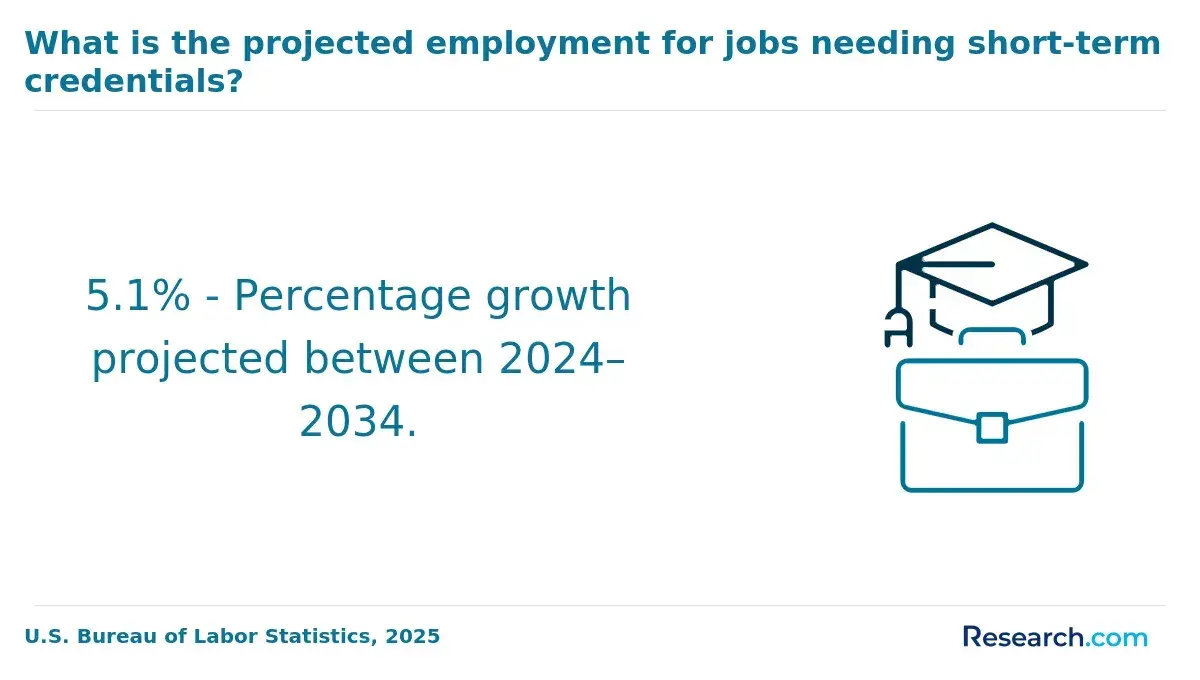
Choosing the industry after earning a community health degree influences career trajectories as much as the degree itself. Different sectors value particular expertise, experience, and professional ambitions, shaping not only daily responsibilities but also advancement speed and long-term stability. For instance, an individual starting as a health promotion specialist in a hospital system could expect more structured growth than someone entering a nonprofit focused on grassroots advocacy. Below are key ways career paths vary by industry for community health graduates.
- Advancement Speed: Healthcare delivery systems tend to feature more defined promotion ladders, with nearly 40% of professionals moving into supervisory roles within five years, according to the American Public Health Association. In contrast, government roles often require longer tenure and additional certifications before advancement is possible, making upward mobility slower but more stable.
- Compensation Differences: Salaries in clinical or hospital settings typically exceed those in nonprofit or public sector roles by 15-20%, reflecting funding sources and organizational priorities. Graduates prioritizing immediate income may lean toward healthcare institutions, while those valuing benefits and job security might favor government positions.
- Skill Specialization: Nonprofit roles often demand versatile skills such as grant writing and advocacy, offering opportunities to pivot across communities or related fields like social services. Healthcare jobs emphasize clinical knowledge and program management, whereas government work centers on policy implementation and regulatory compliance.
- Job Stability and Security: Government agencies usually provide stronger job security and robust benefits compared to private healthcare or nonprofits, which can be influenced by funding cycles. This tradeoff leads some graduates to accept slower promotions for steadier employment conditions.
- Role Diversity: Career paths in nonprofits frequently allow mobility between different programs or locales but with less formal promotion structure, requiring proactive personal development. Hospitals and government agencies generally offer more predictable roles but may limit cross-sector flexibility.
- Professional Development Opportunities: Structured training and clear career ladders in healthcare settings contrast with less formalized but broader experiential growth in nonprofit environments, where leadership skills and grant experience can open doors to other sectors.
- Long-Term Career Fit: Choosing an industry should align with personal goals: those seeking higher pay and faster promotion might prefer healthcare systems, while individuals valuing experience breadth, community impact, or job security often find government or nonprofits better suited. Recognizing this balance is critical for sustainable career satisfaction.
How Do Industry Trends Affect Future Opportunities for Community Health Graduates?
Industry trends shape the range and nature of career paths available to community health graduates by influencing employer demand, skill requirements, and workplace priorities. As public health challenges evolve, the sectors that employ these professionals are also shifting in focus and complexity. These dynamics mean that community health graduates must anticipate change and adapt to emerging roles, rather than rely solely on traditional job routes. Recent data from the U.S. Bureau of Labor Statistics (2024) confirm sustained growth in health-related fields, driven by demographic shifts and policy changes. Here are key trends affecting job prospects in community health:
- Social Determinants Integration: Employers increasingly expect community health workers to incorporate social and environmental factors into program design and intervention strategies. This trend expands roles beyond clinical education to include advocacy and cross-sector collaboration, encouraging students to build skills in policy analysis and community engagement.
- Chronic Disease Management: As chronic illnesses remain a top public health concern, especially in underserved populations, agencies prioritize community-driven prevention and management programs. Graduates with expertise in culturally competent outreach and data-driven evaluation methods find growing demand in public and nonprofit sectors.
- Telehealth and Digital Tools: The rise of telemedicine and health informatics is transforming care delivery models, requiring community health professionals to be proficient with digital communication and remote patient engagement technologies. Familiarity with these tools creates new opportunities in both urban and rural settings, broadening the scope of practice.
- Federal Funding and Grants: Positions supported by government grants often offer higher salaries and project management experience but may require adaptability to shifting funding priorities. Understanding grant cycles and fiscal reporting can distinguish candidates competing for these roles in large health systems and governmental agencies.
A community health graduate recalled feeling cautious yet optimistic when choosing between a stable position at a city health department and a rapidly growing telehealth startup. The transition to digital platforms was gaining traction, but the long-term sustainability of such roles was uncertain. Carefully weighing the expertise demanded by each path, the graduate ultimately embraced telehealth, driven by the potential to expand services to remote communities. This choice demonstrated how responding intelligently to industry trends means balancing immediate job security against emerging fields with high growth potential.
How Can Students Prepare for High-Demand Community Health Industries?
Success in high-demand community health industries depends on more than academic credentials alone. Combining theoretical knowledge with practical experience and interpersonal skills significantly increases employability. Data from the U.S. Bureau of Labor Statistics and the Association of Schools and Programs of Public Health (ASPPH) show that students engaging in relevant internships and certification programs have noticeably faster job placements. This analysis outlines strategic preparation steps crucial for students targeting community health roles marked by robust hiring and salary growth.
Key preparation strategies include:
- Targeted Internships: Securing internships or practicum placements within public health departments, community clinics, or advocacy organizations provides hands-on exposure to health disparities and operational practices. These experiences are strongly correlated with employability and help students apply classroom learning in real-world settings.
- Professional Certifications: Obtaining credentials like Certified Health Education Specialist (CHES) or certificates in epidemiology and data analysis adds measurable skills that employers value, enhancing both salary potential and career mobility.
- Soft Skills Development: Cultivating communication, cultural competency, and leadership through involvement in student organizations or volunteer projects, including fields highlighted in bioinformatics career paths, prepares students to work effectively with diverse populations, an essential asset in community health careers.
- Industry Networking: Joining professional bodies such as the American Public Health Association (APHA) and attending conferences exposes students to mentors and current trends, facilitating informed career decisions and connections in rapidly evolving sectors.
- Technological Competency: Staying abreast of health informatics and emerging data tools through workshops or coursework prepares graduates for data-driven decision-making increasingly central to community health roles.
- Experiential Learning Integration: Combining academic study with field-based projects ensures a holistic understanding of policy analysis, health education, and program management necessary for enduring career success.
Preparation strategies must be tailored to individual goals and industry demands, but graduates integrating these elements position themselves strongly for sectors with expanding opportunities. Prioritizing both experiential learning and skill diversification aligns with evolving employer expectations in community health career preparation strategies.
How Do Different Community Health Degree Programs Prepare Students for Industry Careers?
Different community health degree programs vary significantly in how effectively they prepare students for employment across distinct industry sectors. According to a 2024 report from the U.S. Bureau of Labor Statistics, programs emphasizing hands-on internships and fieldwork produce graduates with career readiness rates up to 25% higher than programs focused solely on classroom instruction. This practical experience is particularly relevant in industries like public health agencies and nonprofit organizations, where real-world skills in patient communication and program implementation are critical. Evaluating degree programs requires attention to several key factors that influence workforce outcomes. Below are major considerations to guide comparisons for preparing students for community health job sectors.
- Practical Experience Integration: Programs differ in the extent to which they embed internships, community projects, and fieldwork, which develop applied skills valued by employers. Students should assess the availability, diversity, and supervision quality of these experiential learning opportunities.
- Interdisciplinary Curriculum: Degree tracks incorporating epidemiology, health policy, and behavioral sciences tend to better equip students for diverse roles from advocacy to research, reflecting evolving industry demands.
- Digital Health Competency: With emerging fields like telehealth and health informatics growing, programs offering training in digital tools and data management expand career options and adaptability.
- Industry Partnerships: Collaboration with public health agencies, healthcare providers, and wellness corporations often facilitates smoother job placements and networking prospects after graduation.
- Flexible Learning Formats: Students balancing work or family commitments may benefit from online or hybrid programs, such as those featured among the fast online medical billing and coding certification programs, which provide accessible pathways without sacrificing critical content.
- Faculty Expertise and Research Opportunities: Programs staffed by faculty active in community health research or policy development offer enriched learning and exposure to cutting-edge issues.
- Graduate Outcomes and Support Services: Reviewing job placement rates, starting salaries, and career advising resources helps gauge a program's effectiveness in preparing students for their intended industry.
Recognizing no single community health degree program fits every industry or learner, prospective students should weigh these factors relative to their career goals, readiness for practical experiences, and preferred learning environments to identify the best match.
Which Industry Is the Best Fit for Your Community Health Career Goals?
The best industry fit for a community health career varies significantly based on individual priorities rather than a universal ranking. Factors such as preferred work environment, long-term advancement opportunities, specialization interests, earning expectations, and the desire to create specific types of impact shape this decision. For instance, one graduate aiming for a stable government role with solid benefits might choose state health departments, while another focused on innovation and community empowerment may gravitate toward nonprofit organizations or digital health startups. Both choices are valid, reflecting different professional goals and lifestyle preferences rather than an absolute hierarchy.
Making a well-informed industry choice requires researching employer expectations, industry growth projections, essential skills, internship opportunities, and possible career trajectories while honestly assessing one's strengths and interests. According to the 2024 Community Health Workforce Study, graduates increasingly value workplaces offering professional development, leadership paths, and alignment with personal values. Ultimately, prioritizing a strong match between personal goals and industry opportunities, rather than simply chasing the highest salary or fastest growth, leads to more sustainable, fulfilling careers across varied sectors such as public health agencies, healthcare systems, nonprofits, and emerging tech fields.
References
- Healthcare Graduate Career Profile | GRB https://www.grb.uk.com/industry-profiles/healthcare/
- Developing Sustainable Community Health Worker Career Paths | Milbank Memorial Fund https://www.milbank.org/publications/developing-sustainable-community-health-worker-career-paths/
- What Is a Community Health Degree? https://www.nec.edu/news/what-is-a-community-health-degree
- Highest Paid Public Health Careers https://www.publichealthdegrees.org/careers/highest-paid-public-health-jobs/
- How to Get Your First Public Health Job - PHERN https://phern.communitycommons.org/early-career-professional-learning-series/how-to-get-your-first-public-health-job/
- Professional and Business Support Careers https://www.ecommunity.com/careers/professional-business-support
- Careers in Community Health - MPH Online https://www.mphonline.org/community-health-jobs/
- Types of Health Careers & Career Pathways https://explorehealthcareers.org/careers/types-of-health-careers-and-pathways/
- Healthcare Job Growth Is Propping Up the 2026 Labor Market | Revelio Labs https://www.reveliolabs.com/news/macro/healthcare-job-growth-is-propping-up-the-labor-market-but-can-it-last/
- 11 Places Where CHWs Work Now - Community Health Worker Training https://chwtraining.org/where-do-chws-work/
Other Things You Should Know About Community Health
Workload intensity can differ sharply between industries such as healthcare, nonprofits, and government. Graduate roles in clinical or emergency-focused settings often involve high-stress, long hours, which may impact long-term job sustainability and burnout risk. Conversely, community-based organizations might offer more predictable schedules but with fewer resources, requiring graduates to prioritize flexibility and resilience. Evaluating workload expectations upfront can help graduates choose environments aligned with their personal stamina and career longevity goals.
Higher-paying roles, often found in private sector or hospital settings, may come with less structured professional development, leaning on individuals to seek out continued learning independently. Conversely, lower-paid roles in public health or NGOs frequently include formalized training and clear advancement pathways. Graduates prioritizing rapid skills growth and diverse experience gain more from the latter, while those motivated by immediate financial returns must plan for self-driven education to avoid career stagnation.
Some industries emphasize program design, data analysis, and policy implementation with limited face-to-face community interaction, common in governmental and research organizations. Other sectors, like nonprofit or school-based health settings, demand sustained direct client engagement. Graduates should assess their preference and skillset for either behind-the-scenes work or interpersonal communication to align with roles that suit their strengths and avoid early job dissatisfaction.
Nonprofit and community-focused employers often operate on grant-based funding, creating employment instability despite strong mission alignment. Graduates passionate about social impact may favor these roles but should prepare for potential turnover and frequent job searches. Those valuing job security might prioritize positions in more stable sectors like government or large healthcare systems, even if the role is less closely tied to their ideal community health mission.