2027 Community Health Admissions Trends Report: Acceptance Rates, GPA Expectations, and Test Policy Changes

Co-Founder and Chief Data Scientist
Community health programs face evolving admissions criteria shaped by shifting workforce demands and regulatory frameworks. Increased emphasis on interdisciplinary knowledge and practical skills within the field has pressured programs to refine GPA thresholds and testing policies to better align with licensure pathways and employer expectations. Limited enrollment capacity and faculty resources also contribute to fluctuating acceptance rates, signaling institutional adaptations to maintain program quality amid rising applicant diversity. Notably, the growing enrollment of nontraditional students reflects broader efforts to improve educational accessibility while meeting the sector's expanding labor needs. These trends offer a lens into the changing educational landscape that community health programs navigate today.
Key Things to Know About Community Health Admissions Trends
- Recent admissions data show community health programs tightening GPA thresholds to an average of 3.4, reflecting increased applicant volume; this selectivity elevates competition, requiring stronger academic profiles for successful entry.
- Many programs have moved to test-optional policies post-2023, which increases accessibility but shifts emphasis toward holistic assessments, meaning applicants must strategically highlight relevant experience to meet employer expectations.
- Rising selectivity and test-optional trends together extend time-to-admission decision cycles, potentially increasing costs and delaying workforce entry-a tradeoff applicants must weigh against long-term career goals.
- Key Things to Know About Community Health Admissions Trends Key Things to Know About Community Health Admissions Trends
- What Are the Current Acceptance Rates for Community Health Degree Programs? Current Acceptance Rates
- What Is the Average GPA of Accepted Community Health Students? GPA Requirement
- Are SAT or ACT Scores Still Required for Community Health Degree Programs? SAT/ACT Requirement
- How Many Community Health Programs Have Adopted Test-Optional Admissions Policies? Test-Optional Programs
- What Non-Academic Factors Do Community Health Admissions Committees Consider? What Non-Academic Factors Do Community Health Admissions Committees Consider?
- Which Types of Schools Are the Most Selective for Community Health Applicants? Which Types of Schools Are the Most Selective for Community Health Applicants?
- How Do Admissions Standards Differ Across States and Regions? Admission Standards by State
- How Do Admissions Requirements Compare Between Online and Campus Programs? Online vs On-Campus Admissions
- Is There a Relationship Between Admissions Standards and Student Success? Admission Standards & Student Success
- How Can Students Strengthen a Community Health Program Application? Program Application Preparation
What Are the Current Acceptance Rates for Community Health Degree Programs?
Recent data from the U.S. Department of Education College Scorecard and institutional reports from 2024 indicate that acceptance rates for community health degree programs at the bachelor's level generally range from 40% to 70%. This reflects a moderate selectivity that balances accessibility with academic readiness. Graduate programs, including master's and certificate tracks, tend to be more selective, with acceptance rates typically between 20% and 50%, emphasizing prior experience and competencies aligned with practical community health applications. These acceptance patterns highlight the evolving landscape where admissions increasingly weigh real-world skills over standardized testing, a shift evident as many programs adopt test-optional policies, affecting average GPA requirements for community health degree admissions.
Variation in acceptance rates largely stems from factors such as institutional prestige, program capacity, and applicant volume, which differ notably between public, private, and online institutions. Programs with strong experiential components or linked internships often exhibit heightened selectivity due to demand for graduates who meet employer expectations for applied skills and cultural competence. Regional workforce needs and institutional missions also influence these rates, with some schools prioritizing cohort diversity and practical readiness over purely academic metrics. Prospective students must therefore assess acceptance likelihood in the context of program quality and career alignment rather than viewing rates as uniform indicators of competitiveness.
The trend toward de-emphasizing traditional exam scores in favor of demonstrated competencies reflects broader changes in health workforce requirements, affecting how students should position themselves during application. Understanding these acceptance dynamics assists in making informed decisions about program selection and expectations, particularly for applicants seeking pathways that balance accessibility with meaningful skill development. Those interested in accelerated options might explore specialized offerings such as the fastest DNP program, which exemplify how time-to-completion and program rigor factor into evaluation of community health education routes.
What Is the Average GPA of Accepted Community Health Students?
The average GPA for accepted community health students generally falls between 3.0 and 3.5, according to recent admissions data from various U.S. institutions. This range reflects a balance where programs maintain academic standards necessary for managing the interdisciplinary demands of the field while offering accessibility to a broad applicant pool. More selective institutions and specialized programs tend to admit students with GPAs closer to or exceeding 3.5, indicating higher competitiveness and preparation levels. Data from university admissions profiles reveal that many community health programs commonly set a minimum GPA near 2.75 to 3.0, but admitted students often surpass this baseline, signaling the importance of academic rigor in advanced coursework and practical placements.
GPA expectations in community health degree programs are influenced heavily by institutional selectivity, public versus private status, and regional academic grading norms. Public universities frequently report average admitted GPAs between 3.1 and 3.4, whereas private health science programs may require higher averages near 3.6 due to intensified demand and program capacity constraints. Variations also emerge between undergraduate and graduate admissions, where the latter typically demands stronger academic records, often above 3.3 or 3.5, to ensure readiness for complex material and fieldwork. Additionally, online and hybrid program models sometimes adjust GPA requirements to reflect differences in applicant backgrounds, though academic competitiveness remains a key admission signal.
These GPA benchmarks shape applicant behavior by signaling the level of academic preparedness required for successful admission and progression. For transfer applicants and prospective students, understanding community health program GPA requirements by region offers a strategic lens for self-assessment and application targeting. The growing emphasis on GPA, especially given shifts to test-optional admissions policies, underscores the need for consistent academic performance alongside relevant experience. Applicants pursuing pathways like the cheapest RN to BSN online options should carefully calibrate their GPA goals in light of these evolving admissions patterns to navigate competitive program landscapes effectively.
Are SAT or ACT Scores Still Required for Community Health Degree Programs?
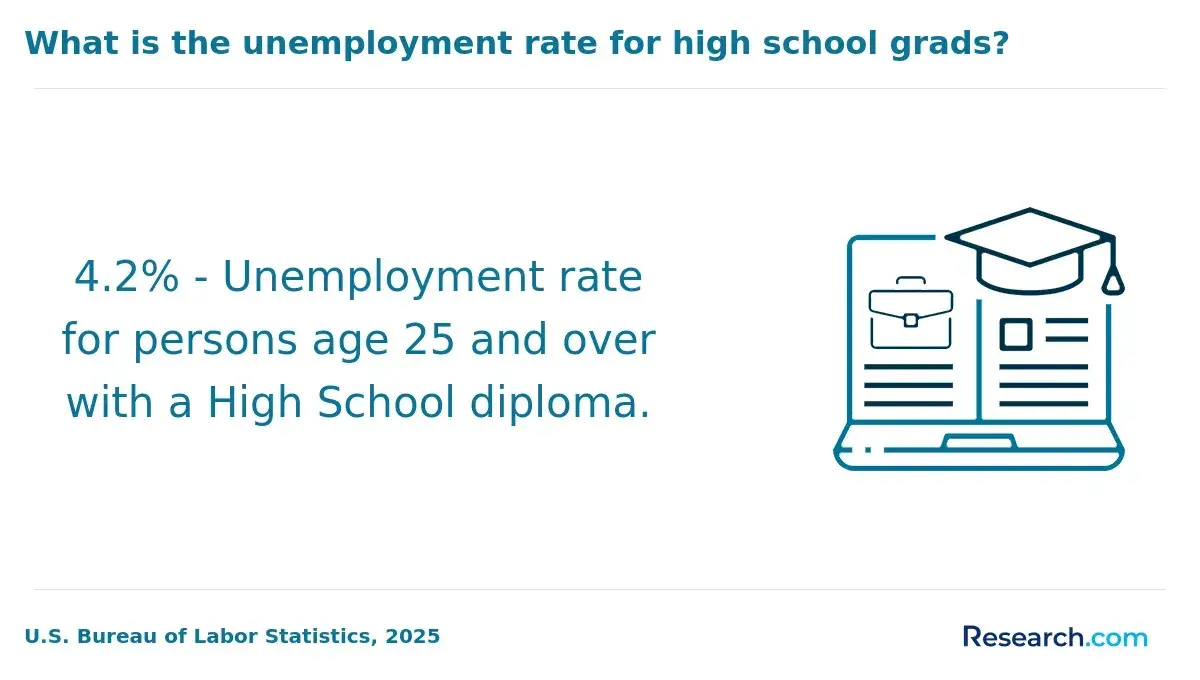
As of 2024, the majority of community health degree programs at public universities have moved away from mandating SAT or ACT scores for admission, a shift confirmed by recent data from the National Center for Education Statistics. Many institutions now adopt test-optional or test-blind policies, reflecting a reevaluation of standardized exams' predictive value for success in applied health fields. Although some competitive or research-focused programs may still request test results, admissions decisions prioritize academic performance metrics like GPA, relevant coursework, and holistic factors over standardized testing. This evolution aligns with guidance from bodies such as the College Board and ACT organization, which recognize these exams offer limited insight into practical competencies essential for community health roles.
Changes in testing requirements stem largely from equity-driven considerations and strategic admissions recalibrations. Schools seek to reduce barriers for underrepresented and economically disadvantaged applicants by limiting reliance on standardized tests known to correlate with socioeconomic status rather than readiness for career-centered programs. Public institutions lead this trend, while private and selective universities may retain testing due to broader institutional or ranking considerations. This disparity underscores the growing complexity for applicants evaluating program demands, making it imperative to research individual admissions frameworks and weigh standardized scores as a potential, but not universally required, component of a competitive application.
One community health student recalled hesitating to submit test scores during rolling admissions after delays in receiving ACT results. Balancing uncertainty about whether scores would strengthen their application or be disregarded, they ultimately prioritized timely submission of GPA and recommendation letters but felt compelled to provide test scores to avoid self-limiting options. This experience highlighted how the evolving admissions landscape necessitates agile decision-making, where applicants weigh incomplete information and institutional policies impacting the relevance of standardized metrics in the overall review process.
How Many Community Health Programs Have Adopted Test-Optional Admissions Policies?
Recent data from the National Center for Education Statistics and reports by FairTest indicate that between 45% and 55% of community health degree programs at accredited institutions have adopted test-optional admissions policies as of 2024. This notable shift reflects a broader nationwide trend in higher education, where many programs are re-evaluating the predictive value and fairness of standardized tests like the SAT and ACT. While some highly selective programs continue to require test scores for competitive tracks or scholarships, the majority now prioritize other academic indicators, such as GPA and recommendation letters, suggesting a substantial recalibration of admissions criteria in community health education.
Several factors have driven this movement toward test-optional admissions. The COVID-19 pandemic accelerated policy changes as institutions temporarily suspended testing requirements, later making these adjustments permanent after observing no decline in student success or diversity outcomes. Equity considerations play a central role, with public universities aiming to expand access for underrepresented groups, while smaller private programs use test-optional policies strategically to attract a broader and more diverse applicant pool. Changes in applicant behavior, including reduced test participation and increasing skepticism about standardized testing's relevance, further incentivize institutions to adapt their admissions frameworks.
Adopting test-optional policies influences application dynamics and admissions strategy across community health programs. Programs often see increased application volume, which can enhance selectivity but also complicate holistic review processes. For prospective students, these policies shift the emphasis toward comprehensive academic records and qualitative assessments, making it critical to maintain strong coursework and letters of recommendation. Overall, the trend suggests a continued reevaluation of standardized testing's role in community health education, aligning admissions more closely with the multifaceted competencies needed in evolving healthcare contexts.
What Non-Academic Factors Do Community Health Admissions Committees Consider?
Community health admissions committees increasingly balance academic metrics with non-academic criteria to form a comprehensive view of applicants. This holistic review process aims to evaluate broader potential indicators that grades and test scores alone cannot capture. By integrating diverse evaluation dimensions, programs seek candidates who demonstrate readiness for the practical, interpersonal, and adaptive challenges inherent in community health fields. Recent data shows that up to 65% of community health programs systematically embrace such multifaceted evaluation frameworks to refine their selections.
- Commitment to Community Engagement: Admissions panels assess sustained volunteering or service activities, prioritizing evidence of meaningful interaction with underserved populations. Such commitment signals motivation aligned with community health's real-world demands and complements academic readiness by demonstrating applied empathy and social responsibility.
- Interpersonal and Communication Skills: Since community health roles require collaboration across diverse groups, committees weigh behavioral interviews, letters of recommendation, and personal statements heavily. Structured assessments of these soft skills help identify candidates capable of navigating cultural complexities and effective teamwork, often on par with academic indicators.
- Relevant Life Experience: Prior healthcare-related work or non-traditional backgrounds, including bilingualism and resilience, are valued for their predictive value regarding adaptability and success in public health settings. When combined with academic performance, life experience portfolios help create a balanced profile reflecting practical readiness.
- Cultural Competence and Behavioral Insight: The increasing use of behavioral interviews in over 70% of programs reflects an emphasis on cultural awareness and emotional intelligence. These aspects are critical for effective community engagement and distinguish applicants who can contribute positively to diverse public health environments.
- Personal Motivation and Alignment: Personal statements are scrutinized not only for writing ability but to gauge intrinsic motivation and alignment with community health values. This factor helps admissions committees differentiate between applicants with similar academic profiles by considering genuine interest and purpose.
These non-academic criteria for community health admissions serve as key community health program application evaluation factors, helping programs identify candidates with comprehensive aptitude. Candidates who successfully integrate both academic achievement and these broader indicators demonstrate higher potential for long-term employability and contribution within community-based healthcare settings. Those navigating admissions should recognize that holistic review processes deliberately situate non-academic qualities alongside traditional metrics, reflecting the sector's multifaceted demands.
For prospective students exploring pathways into this field, evaluating program requirements in light of these factors can provide strategic insights. Institutional variations persist, but increasing demand across healthcare systems underscores why the interplay of academic and non-academic elements matters in candidate selection. For more nuanced guidance on program options that consider these dimensions, applicants might reference best kinesiology programs as a comparative point for interdisciplinary community health-related studies.
Which Types of Schools Are the Most Selective for Community Health Applicants?
Admissions selectivity in community health programs varies significantly across different types of institutions, influenced by factors such as institutional focus, program demand, and resource allocation. Private and specialized health sciences institutions often manage smaller, more competitive cohorts, placing greater emphasis on academic credentials and test scores. Conversely, public universities and community colleges frequently serve larger and more diverse student bodies, leading to relatively higher acceptance rates and more flexible admissions standards. These dynamics reflect deeper operational decisions about capacity, funding priorities, and labor market alignment within the field.
- Private Universities with Specialized Health Departments: These institutions typically exhibit the most stringent admissions standards due to limited program seats, grant-funded research emphasis, and strong employer networks tied to their reputations. Their acceptance rates frequently fall below 30%, reflecting a combination of high applicant volume and expectations for strong academic performance, often including minimum GPAs above 3.5 and standardized test requirements.
- Specialized Health Sciences Schools: Institutions focusing exclusively on health professions often maintain competitive admissions to preserve program quality and meet accreditation standards. Their selectivity arises from a concentrated applicant pool and targeted curricula demanding rigorous academic preparation, contributing to acceptance rates that mirror those of private universities, though sometimes with even more emphasis on specific skill sets and experience relevant to community health delivery.
- Public Universities: These institutions generally operate with larger enrollments and broader missions, leading to less restrictive admissions policies for community health programs. Acceptance rates commonly exceed 50%, and GPA thresholds are more flexible, sometimes accommodating students near or below a 3.0 GPA. Their selectivity varies regionally and by program funding but overall balances accessibility with maintaining academic standards appropriate for workforce readiness.
- Community Colleges with Articulation Agreements: Typically serving as entry points into community health education, community colleges emphasize open access and foundational training. While less selective in admissions, these programs may have fewer resources for research exposure or direct pathways to advanced degrees. Their role is often complementary, enabling students to transfer into more selective programs if desired, thereby influencing enrollment patterns and capacity distribution across the sector.
How Do Admissions Standards Differ Across States and Regions?
Admissions standards for community health degree programs show distinct variation influenced by regional factors identified in 2024 data from sources like the National Center for Education Statistics and state university systems. Northeastern programs often enforce higher academic thresholds, reflecting competitive applicant pools linked to denser populations and established healthcare sectors. In contrast, southern states typically adopt more inclusive GPA criteria and acceptance policies, addressing workforce shortages and aiming for broader demographic representation. Midwestern institutions tend to blend these approaches, balancing moderate GPA expectations with holistic reviews that incorporate practical experience to meet local healthcare demands.
These regional disparities stem largely from differences in public funding allocations, institutional capacity, and state education directives that shape admissions selectivity and program accessibility. Urban centers with robust healthcare infrastructures usually maintain higher admission standards to align with employer preferences for rigorous academic preparation, while rural or underserved regions prioritize practical skills and community connections to fill critical labor gaps. Growing program demand, variable state investments, and diverging population dynamics also contribute to how admissions policies adapt-some institutions waive standardized testing to encourage access, whereas others retain exam requirements to preserve consistency across educational backgrounds.
One community health graduate recalled that during their application process, the rolling admissions system created a tense waiting period. Initially hesitant to submit early, they weighed the risks of missing stronger acceptances against potential capacity limits. After several weeks of uncertainty, they decided to apply to a program with more flexible standards, reflecting a strategic choice informed by differing state-level competitiveness. This experience highlighted how regional admission timing and criteria can impose real stress on applicants needing to adapt quickly to shifting opportunities.
How Do Admissions Requirements Compare Between Online and Campus Programs?
Admissions requirements for online and campus community health programs reveal nuanced differences shaped by evolving educational policies and enrollment dynamics. Data from 2024 shows that both modalities generally expect a minimum GPA between 2.5 and 3.0, but online programs more frequently incorporate conditional admissions routes that consider professional experience or supplemental coursework to offset lower academic metrics. Unlike campus programs, which often maintain traditional requirements such as SAT or ACT scores for freshmen, a growing share of online community health degree programs have adopted test-optional or test-flexible policies to improve access for non-traditional students balancing work and family responsibilities. These distinctions reflect not only the differing student demographics but also the operational demand for programs that accommodate diverse learning styles and career trajectories.
The divergence in admissions criteria stems largely from accessibility goals and program delivery models. Online programs prioritize scalability and flexibility, attracting working adults who need adaptable scheduling and assessment methods, which in turn prompts admissions offices to value digital literacy and self-directed learning capabilities. Conversely, campus programs often emphasize in-person engagement, community involvement, and traditional evaluation frameworks aligned with hands-on experiential components like clinical placements. This distinction mirrors institutional strategies to balance enrollment demand with academic rigor and resource allocation across modalities. As a result, the variation in acceptance rates and gpa standards for online and traditional community health degree programs reflects deliberate policy adjustments tailored to meet different candidate profiles and logistical realities.
These admissions differences influence student decisions and employer perceptions. While employers generally prioritize accreditation and curriculum rigor over delivery mode, certain clinical internships still favor on-campus cohorts due to established local partnerships, potentially affecting graduate readiness. Understanding these tradeoffs is essential when evaluating program options, including how admissions flexibility in online pathways may impact long-term career trajectories. For applicants exploring accelerated tracks within healthcare fields, examining policies from programs like the accelerated FNP program can provide additional comparative insights into how admissions requirements translate into practical outcomes.
Is There a Relationship Between Admissions Standards and Student Success?
Recent data from the National Center for Education Statistics highlights a complex relationship between admissions standards and student outcomes in community health degree programs. Programs with more stringent GPA cutoffs above 3.0 only show a marginal 5% improvement in first-year retention, suggesting that stricter admissions criteria alone do not guarantee significant gains in graduation or employment rates. This nuance is important given the impact of community health program admissions criteria on student outcomes, which involves factors beyond academic selectivity. Employers increasingly prioritize practical skills and adaptability, which are not fully captured by GPA or standardized tests, indicating that admissions policies must align with these evolving workforce expectations.
The connection between acceptance rates and success in community health degrees is further complicated by variations in student demographics, the availability of academic support, and program design. Institutions offering comprehensive experiential training and support services often see better employment outcomes irrespective of higher admissions barriers. Raising GPA requirements can inadvertently reduce diversity and limit access for underserved populations, which poses challenges for workforce representation in community health. These dynamics underscore the role of institutional resources and holistic admissions approaches in fostering student achievement and long-term career development beyond mere selectivity metrics.
For prospective students and advisors, relying exclusively on admissions selectivity as a measure of program quality or career readiness may be misleading. Balanced admissions policies that consider real-world competencies alongside academic indicators tend to support student success more effectively. Those evaluating different programs, including types of therapy degrees, should weigh how admissions standards integrate with experiential learning opportunities and institutional supports crucial to outcomes in community health fields.
How Can Students Strengthen a Community Health Program Application?
Successful community health program applications typically combine solid academic preparation, relevant hands-on experiences, and clear evidence of alignment with program goals. Admissions committees assess applicants on demonstrated readiness and fit rather than just baseline qualifications. Understanding how various elements interplay to signal commitment and potential can provide a competitive advantage, especially as holistic review processes become more common in 2024.
- Strong Academic Performance: A GPA above 3.4 in relevant coursework remains a key academic indicator. Admissions panels view this as evidence of foundational knowledge and intellectual rigor, which correlates with success in challenging curricula and complex public health scenarios.
- Relevant Work or Volunteer Experience: Engagement in community health settings demonstrates practical understanding and authentic commitment. Committees weigh experience with underserved populations, such as internships or public health campaigns, as a sign applicants have realistic exposure to field challenges.
- Compelling Letters of Recommendation: Endorsements from professionals familiar with the applicant's skills and work ethic can validate claims made in the application. Such letters help translate personal attributes into credible evidence of future workforce reliability.
- Reflective Personal Statements: Essays that thoughtfully address motivation and systemic health disparities allow committees to gauge the applicant's insight and alignment with community health values. This narrative complements academic and experiential elements by revealing depth of understanding.
- Test Policy Adaptation: While many programs de-emphasize standardized tests, submitting strong scores can still differentiate competitive candidates. Demonstrating adaptability to changing requirements indicates strategic awareness and proactive preparation.
Data from national education research bodies in 2024 confirm that programs increasingly use holistic models evaluating academic metrics alongside personal and experiential evidence. This nuanced approach aims to identify individuals positioned for effective, long-term contributions to evolving community health environments.
References
- Improving the performance of community health workers: What can be learned from the literature? https://chwcentral.org/improving-the-performance-of-community-health-workers-what-can-be-learned-from-the-literature/
- Enrollment in Higher Education https://odphp.health.gov/healthypeople/priority-areas/social-determinants-health/literature-summaries/enrollment-higher-education
- Do Community Colleges Require The SAT or ACT? - Unmudl https://unmudl.com/blog/sat-act-requirement
- DataPoints: Healthcare education - AACC https://www.aacc.nche.edu/2023/08/03/datapoints-healthcare-education/
- College of Nursing | University of Manitoba - Non-academic admission requirements https://umanitoba.ca/nursing/student-experience/non-academic-admission-requirements
- How to Choose a Program https://www.publichealth.org/resources/choosing-a-program/
- Public Health - SUM Admission https://admission.sum.edu.pl/public-health/
- Community-centred practice: applying All Our Health https://www.gov.uk/government/publications/community-centred-practice-applying-all-our-health/community-centred-practice-applying-all-our-health
- Diversifying College Admissions: Why Test-Optional Is Not as Effective as We Hoped https://ssp.org/news/test-blind-admissions/
- Selective Schools and Holistic Admissions | HESA https://higheredstrategy.com/selective-schools-and-holistic-admissions/
Other Things You Should Know About Community Health
The move toward test-optional policies can broaden access but also raises concerns about objectively assessing academic preparedness. Without standardized tests, programs must rely more heavily on GPA and qualitative factors, which may emphasize consistency over the ability to handle fast-paced, data-driven tasks common in community health roles. Applicants should weigh how well their academic record and experiences demonstrate critical thinking and quantitative skills, as these are essential for real-world decision-making in community health settings.
Higher GPA thresholds often correlate with programs that offer more intense clinical simulations, data analysis components, or interdisciplinary collaboration opportunities. Choosing a program based solely on lower GPA requirements may limit exposure to rigorous training environments valued by employers seeking adaptable graduates. Applicants must balance the immediate accessibility of admission against the depth and challenge of the coursework, which can significantly impact job readiness and career advancement.
Relaxing standardized testing or modifying GPA expectations can enhance demographic diversity but may result in a wider range of academic preparedness within cohorts. This diversity demands that programs invest more in foundational skills development, potentially diverting resources from advanced topics. Prospective applicants and advisors should consider whether programs have robust support systems that maintain educational quality without compromising cohort cohesion and skill uniformity.
Employers increasingly value practical competencies such as data literacy, cultural competence, and community engagement-skills that strict GPA cutoffs or test scores alone don't guarantee. Applicants should prioritize programs that provide hands-on experiences and interdisciplinary skill-building, even if admissions are more competitive. Strategically targeting programs with demonstrated employer connections or internship opportunities can better position students for meaningful employment outcomes despite shifting admissions metrics.