2027 Community Health Job Market Report: Open Roles, Salary Bands, and Hiring Momentum

Co-Founder and Chief Data Scientist
Shifts in regulatory frameworks and the adoption of digital health tools are reshaping employment patterns within the community health sector. Open roles, salary bands, and hiring momentum now reflect more than simple supply and demand; they indicate how employers are adjusting to changing program funding cycles, geographic workforce disparities, and evolving credential requirements.
Increased emphasis on data literacy and culturally competent care reshapes skill demands, while economic pressures prompt realignments in hiring priorities. These labor market indicators reveal which expertise areas face talent gaps and how workforce demographics influence recruitment strategies. Understanding these factors provides clearer insight into the community health field's current labor dynamics and future trajectory.
Key Things to Know About Community Health Job Market
- Open roles in community health have grown 12% since 2023, reflecting healthcare's pivot to preventive care; however, many require specific local certification-limiting geographic mobility for some candidates.
- Salary bands vary widely by employer size and region, signaling employers prioritize experience over degree level, which affects recent graduates' negotiation power and career trajectory.
- Hiring momentum is strongest in public and nonprofit sectors, suggesting prospective students weigh program duration and costs carefully against slower private sector absorption.
- Key Things to Know About Community Health Job Market Key Things to Know About Community Health Job Market
- How Strong Is Demand for Community Health Graduates in Today's Job Market? Demand for Graduates
- Which Community Health Careers Have the Most Open Job Opportunities? In-Demand Careers
- What Salary Bands Are Employers Offering Across Community Health Careers? Offered Salary Bands
- Which Industries Are Hiring the Most Community Health Graduates? Top-Hiring Industries
- How Does Hiring Demand Vary by State, Region, and City? Hiring Demand by Location
- What Skills Are Employers Prioritizing in Community Health Job Postings? In-Demand Skills
- Which Certifications Increase Employability and Salary Potential? High-Value Certifications
- How Do Remote and Hybrid Opportunities Affect the Community Health Job Market? How Do Remote and Hybrid Opportunities Affect the Community Health Job Market?
- Which Community Health Careers Show the Strongest Long-Term Hiring Momentum? Strongest Careers
- How Can Students Use Job Market Data to Make Better Career Decisions? How Can Students Use Job Market Data to Make Better Career Decisions?
How Strong Is Demand for Community Health Graduates in Today's Job Market?
Recent labor market analysis from the U.S. Bureau of Labor Statistics and 2024 LinkedIn Workforce Reports show that demand for community health graduates remains robust but differentiated across sectors. Roles such as health educators and community health workers are expanding faster than many other health-related positions, driven by intensifying public health initiatives focused on prevention, chronic disease management, and addressing health disparities.
However, hiring momentum varies significantly by region, with urban areas and regions benefiting from sustained public health funding exhibiting stronger employment prospects than rural or economically challenged locations. These nuanced regional employment opportunities for community health professionals highlight that graduates must carefully assess local labor markets rather than assume uniform demand.
The drivers behind this demand are multifaceted. Technological advances require community health workers to possess data literacy and the ability to apply population health management tools, while employers increasingly seek candidates fluent in social determinants of health and cultural competence. Industry expansion within government, nonprofits, and healthcare providers emphasizing community outreach intensifies the need for workers with both academic credentials and practical experience.
Despite growth, competition remains firm due to a steady influx of graduates and shifts toward automation in routine tasks, emphasizing the value of internships and hands-on project involvement during training. Prospective students should also consider the realistic earning dynamics, as entry-level pay may appear limited but can improve notably with experience and advancement into supervisory roles.
Given the evolving economic landscape and persistent public health challenges, long-term workforce sustainability in community health depends on ongoing skill development beyond initial certifications or degrees. Graduates who adapt to changing expectations and broaden their competencies stand to navigate career paths with greater stability and upward mobility.
To approach this pragmatically, early-career professionals might explore complementary credentials, such as a medical billing and coding certificate, to enhance employability and support diverse job market entrances aligned with community health graduate job demand trends.
Which Community Health Careers Have the Most Open Job Opportunities?
Job opportunity distribution within community health careers is driven by industry expansion, persistent skills shortages, and rapidly evolving employer expectations. The sector's growth responds not only to demographic shifts such as aging populations but also to systemic changes emphasizing preventive care, integrated service delivery, and addressing health disparities.
Rather than isolated vacancies, current openings reflect labor market shifts in workforce specialization and resource allocation across healthcare systems and community settings.
- Community Health Workers: These roles have surged due to increased investment in outreach and education programs targeting underserved populations. Employers prioritize candidates with strong cultural competence, communication skills, and the ability to bridge clinical guidance with community realities. According to the U.S. Bureau of Labor Statistics, community health workers are projected to grow by 17% through 2032, reflecting heightened demand for prevention-oriented interventions.
- Public Health Nurses: Demand in this role grows as healthcare delivery models pivot toward community-based care and chronic disease management. Staffing shortages, accelerated retirements, and rising care complexity drive openings, especially for nurses skilled in case management and patient advocacy across diverse settings.
- Health Educators: Increasing public and private investments in programs that reduce health disparities fuel demand for educators who can design and implement culturally tailored wellness strategies. Employers seek professionals with expertise in behavioral change methods and data-driven program evaluation to meet accountability standards.
- Behavioral Health Specialists: Integration of mental health services into primary care and community health frameworks expands hiring for behavioral health specialists. These roles require competencies in trauma-informed care, interdisciplinary collaboration, and familiarity with social determinants influencing patient outcomes.
- Community Outreach Coordinators: These coordinators are in demand as organizations scale efforts to engage populations in preventive services and navigate social support resources. Organizational shifts toward holistic health approaches increase the need for coordinators adept at coalition-building, event management, and stakeholder communication.
- Chronic Disease Coordinators: Roles focusing on chronic condition management show rising openings due to longer life expectancy trends and healthcare cost control measures. Candidates often must demonstrate proficiency in care coordination, patient education, and health informatics tools.
- Data Analysts in Community Health: As agencies pursue evidence-based interventions, there's growing demand for analysts who can interpret health data, evaluate programs, and inform policy decisions. Employers look for strong quantitative skills combined with understanding of public health metrics and software.
Variation in community health job openings by region reflects differences in population health needs, funding allocation, and the maturity of local healthcare infrastructure. Areas with larger vulnerable populations tend to show greater hiring demand for outreach and education roles.
For individuals weighing educational pathways, it's important to balance role-specific skill development with awareness of regional hiring trends when exploring high demand community health careers. For those considering nursing roles, exploring options like what nursing school doesn't require TEAS may help mitigate entry barriers while aligning with market needs.
What Salary Bands Are Employers Offering Across Community Health Careers?
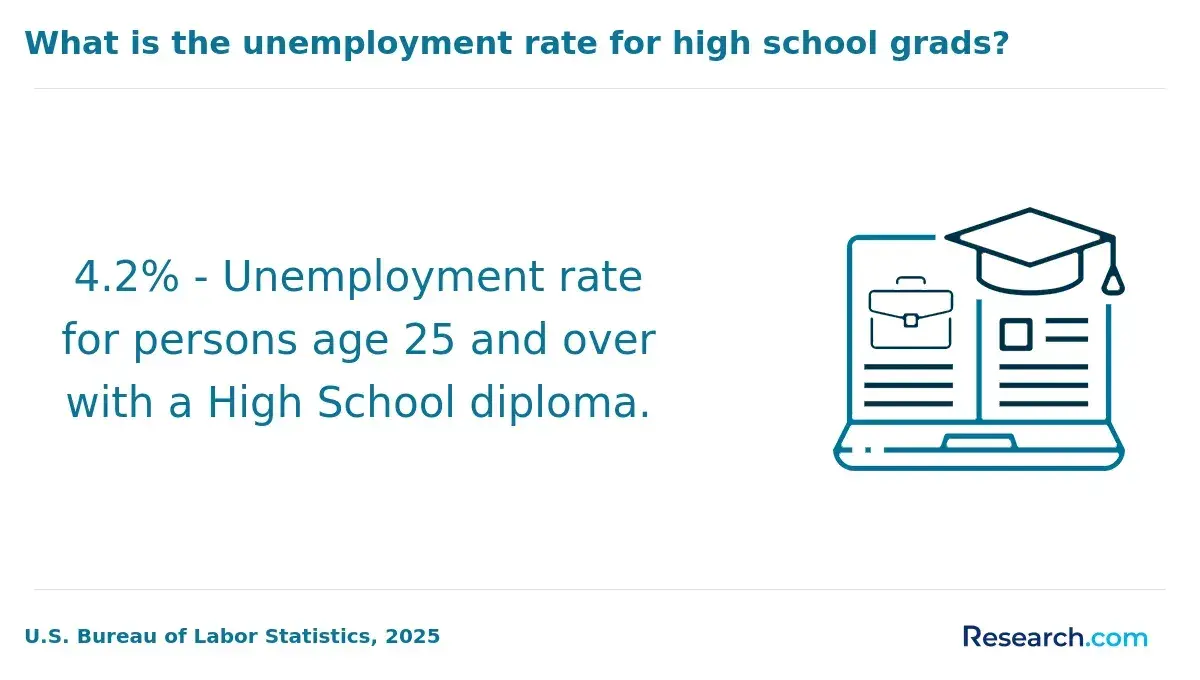
Compensation in community health careers reflects significant differentiation aligned with levels of responsibility, expertise, and educational attainment, with 2024 data from the U.S. Bureau of Labor Statistics and LinkedIn Salary Insights indicating clear stratification. Entry-level positions, often requiring minimal formal education beyond a high school diploma or short-term training, show annual salaries ranging roughly from $35,000 to $45,000.
Mid-tier roles such as health educators and program coordinators, typically demanding bachelor's-level qualifications and more specialized skills, command between $50,000 and $70,000. Senior positions, including managers and policy advocates who usually bring graduate degrees or extensive field experience, often earn between $75,000 and $110,000, reflecting higher leadership and strategic responsibilities in addition to operational oversight.
Variations in salary bands stem from several intersecting labor market drivers. Specialization intensity strongly influences pay, as workers with advanced skills in program design, data analysis, or policy engagement fill roles critical to organizational outcomes and funding success. Geographic location also plays a key role, with urban centers and large health systems offering premiums compared to rural or smaller nonprofits, partly due to cost-of-living disparities and competitive demand for talent.
Company size and sector further contribute, where public agencies may offer lower base wages but compensate with benefits like job security. These factors, combined with relative scarcity of experienced professionals able to navigate complex, cross-functional health initiatives, underpin the layered nature of community health salary structures.
One community health graduate recalled the challenge of navigating admissions during a rolling process, where she hesitated to submit her application early due to ongoing part-time work commitments. This delay added anxiety as she awaited a decision, balancing the risk of missing early acceptance against needing time to strengthen her candidacy. When her eventual offer arrived, the timing underscored how strategic preparation and responsiveness during application windows can impact career trajectory, especially in fields with competitive entry points and evolving labor market demands.
Which Industries Are Hiring the Most Community Health Graduates?
Hiring for community health graduates is concentrated in sectors experiencing significant digital evolution, workforce growth, or pronounced skill shortages. These dynamics mirror larger economic shifts and the increasing complexity of public and preventive health needs. Rather than isolated spikes, demand reflects structural changes such as heightened emphasis on health equity, data-driven outreach, and integrated care delivery models across multiple domains.
- Healthcare Providers: Hospitals and outpatient care centers remain dominant employers due to ongoing expansion in patient services and preventive care initiatives. Employers prioritize graduates with practical knowledge in care coordination, chronic disease education, and culturally competent communication to address diverse patient populations amid staffing shortages.
- Government Public Health Agencies: Federal, state, and local agencies are intensifying recruitment to support public education campaigns, epidemiological surveillance, and health equity programming. This sector values graduates capable of translating data into community-level interventions and navigating policy frameworks, with reported job openings increasing nearly 8% since 2023.
- Nonprofit Health Organizations: These entities focus on outreach, advocacy, and support for underserved populations, reflecting a demand for skills in program management, health literacy promotion, and community engagement. Nonprofits compose roughly one-fifth of new roles nationally, emphasizing mission-driven work over clinical care.
- Health Technology and Telehealth Companies: Startups and established firms in digital health are rapidly integrating community health expertise to bolster patient engagement and digital literacy in telemedicine platforms. This industry has seen approximately 12% growth in relevant roles, seeking candidates fluent in technology adoption, data interpretation, and virtual health communication strategies.
Across these sectors, hiring trends reinforce that community health graduates are increasingly expected to combine traditional public health knowledge with adaptable skills relevant to evolving care delivery models and technology-enhanced environments. Employers emphasize the ability to operate within interdisciplinary teams, leverage data for community-specific solutions, and contribute to scalable health interventions that address systemic inequities and accessibility challenges.
How Does Hiring Demand Vary by State, Region, and City?
Hiring demand for community health professionals by state and region reflects complex economic structures and workforce distribution patterns rather than mere population size. Larger states with diversified public health initiatives like California, New York, and Texas consistently report elevated job openings, driven by broader health policy investments and expansive healthcare networks emphasizing chronic disease management and preventive care.
Data from reputable labor market analytics underscore that disparities in state-level hiring also correspond with local funding priorities, socioeconomic profiles, and the scale of community-based programs. These variations contribute to distinct regional employment landscapes where workforce shortages may be acute despite overall lower demand, an important nuance for those researching community health job openings by state.
At the city level, urban centers with concentrated healthcare clusters, academic institutions, and nonprofit presence create dynamic, high-intensity hiring environments. Metro areas such as Boston, Seattle, and Chicago exemplify markets where employer density, robust talent pipelines, and healthcare innovation hubs elevate both salary levels and competition for skilled community health workers.
However, these localized advantages come balanced by higher costs of living and infrastructure demands that temper net earning potential. Smaller cities and rural hubs might offer more stable but less varied roles, reflecting narrower industrial ecosystems. Prospective job seekers should weigh these tradeoffs carefully, including the broader implications of regional hiring trends for community health careers, while considering strategic upskilling options like enrollment in a shortest online nurse practitioner program to enhance transferability across diverse labor markets.
What Skills Are Employers Prioritizing in Community Health Job Postings?
Employer priorities in community health job postings are shifting alongside advances in technology, automation, and evolving healthcare delivery models. Increasingly, interdisciplinary skills that bridge technical proficiency with cultural and communication competencies are critical.
As health programs expand their scope to address diverse populations and digital engagement, the demand for adaptable, multifaceted skill sets has intensified. This dynamic environment requires candidates who can integrate data-driven decision-making with community-centered approaches.
- Strong Communication and Interpersonal Skills: Nearly 68% of job listings emphasize effective communication, reflecting the need to engage diverse populations with varying literacy and cultural backgrounds. This skill is essential for translating complex health information into accessible messages, directly impacting outreach success and community trust.
- Health Informatics and Data Proficiency: With over half of employers prioritizing experience in data collection and electronic health records, proficiency in health information technology supports evidence-based interventions. Being adept in these tools not only improves program outcomes but also positions candidates competitively in a labor market increasingly reliant on data analytics.
- Cultural Competence and Adaptability: A significant share of listings-more than 60%-seek evidence of cultural humility and the ability to respect diverse ethnic, socioeconomic, and linguistic groups. This requirement signals that community health roles demand nuanced interpersonal skills to address disparities and foster inclusive environments.
- Critical Thinking and Problem-Solving: Employers value the ability to navigate complex and shifting community health landscapes, especially in underserved areas. Candidates who can identify evolving needs and develop adaptive strategies demonstrate the practical judgment required for impactful interventions and grant proposals.
- Grant Writing and Funding Acquisition: Reflecting financial constraints within community health programs, knowledge of grant processes is increasingly prized. This skill enhances a candidate's role in sustaining projects and securing resources vital to program longevity and success.
- Digital Literacy in Emerging Platforms: Beyond traditional EHR systems, proficiency with telehealth technologies and social media health promotion tools is becoming crucial. These competencies reflect how community health work is expanding into virtual and outreach-oriented modalities, demanding tech-savvy practitioners who can engage populations remotely.
Which Certifications Increase Employability and Salary Potential?
Certifications in the community health field function as critical signals of specialized expertise, practical competency, and readiness to meet industry demands. Beyond formal education, these credentials provide evidence of skill mastery that employers value when differentiating candidates, particularly where technical aptitude and regulatory knowledge matter.
Earning targeted certifications strengthens candidate competitiveness by addressing prevalent skill gaps and aligning with evolving workforce trends, thereby influencing hiring choices and salary progression.
- Certified Community Health Worker (CCHW): This credential is widely recognized as foundational, validating core abilities in patient education, outreach, and advocacy. Employers often consider it a prerequisite for entry- to mid-level roles, reflecting a verified baseline skill set that addresses persistent workforce shortages in chronic disease management and maternal health. Holding this certification is associated with a 12-15% increase in average annual earnings, underscoring its influence on compensation.
- Certified Health Education Specialist (CHES): CHES certification signals advanced proficiency in public health education and program planning, matching employer demand for staff who can design and evaluate community interventions. Data show that CHES holders are 20% more likely to receive promotions within five years, with corresponding salary increases averaging around $6,000 per year over non-certified peers, reflecting the premium placed on expertise beyond basic qualifications.
- Certified Public Health (CPH): This credential validates comprehensive public health knowledge applicable to supervisory and specialized roles, appealing to employers seeking leadership and analytical capabilities. Its association with enhanced promotion prospects and salary gains highlights how CPH certification supports upward mobility and access to higher-responsibility positions within community health organizations.
- CPR/AED Certification: Frequently mandated for health program compliance, this certification ensures readiness for emergency response-an essential skill area given increasing emphasis on preparedness and safety. While it may not directly boost salary, possessing CPR/AED certification expands job eligibility by fulfilling regulatory requirements and reassures employers regarding practical emergency skill competence.
- Substance Abuse Counseling Certifications: With rising behavioral health challenges, certifications in substance abuse counseling address a growing sector need. These credentials indicate specialized knowledge and regulatory compliance, often opening doors to niche community health roles and enabling wages that reflect the advanced skill set and sector demand.
One community health graduate recalled navigating the credential verification process during their application cycle. Despite completing coursework early, delays in certification exam scheduling under a rolling admissions model introduced uncertainty about meeting program prerequisites.
They hesitated to commit fully to advanced training without confirmation of required credentials, highlighting how timing and preparation for these certifications can critically affect enrollment and employment opportunities. Ultimately, strategic prioritization of foundational certifications proved essential for aligning with employer expectations and advancing their career path.
How Do Remote and Hybrid Opportunities Affect the Community Health Job Market?
Labor data from early 2024 reveals that remote and hybrid work opportunities are reshaping hiring trends in community health careers, particularly for roles focused on administrative support, research, and program coordination where in-person presence is less critical. Many employers now prioritize candidates' proficiency with digital communication and self-management skills, reflecting a shift toward distributed workforce models supported by emerging workforce analytics.
While entry-level community health positions may still require primarily on-site engagement, hybrid options for mid- to senior-level roles have become a practical standard, enabling organizations to maintain field connections alongside strategic planning functions. This evolving hiring landscape illustrates notable changes in talent sourcing and role structuring that emphasize flexibility without compromising core community engagement needs, thereby illustrating a nuanced remote work impact on community health job market dynamics.
The broader implications of hybrid work expand the geographic reach of hiring, offering access to talent pools beyond traditional urban hubs and enabling candidates in underserved areas to compete more effectively. Salary structures increasingly reflect regional cost-of-living adjustments, tempering wage disparities while maintaining competitive pay scales; data on DNP salary variations exemplify these localized economic influences.
Employers also raise expectations for digital collaboration and time management, shifting performance metrics toward independent productivity and cross-platform communication capabilities. Over time, these factors are likely to reinforce a more decentralized community health workforce, intensifying competition for adaptable professionals and reshaping long-term job market structures within this sector, underscoring the central role of hybrid job opportunities in community health careers.
Which Community Health Careers Show the Strongest Long-Term Hiring Momentum?
Long-term hiring momentum in community health careers reflects structural shifts in healthcare delivery and public health policy rather than short-term labor market fluctuations. This momentum is shaped by enduring economic factors such as value-based care models, demographic changes, and technological integration into health services.
Understanding these trends clarifies why certain roles experience sustained demand and how evolving employer needs influence workforce composition over time.
- Community Health Workers (CHWs): benefit from expanding preventive care initiatives and outreach programs targeting underserved populations. Their roles blend culturally competent communication with data collection, which is increasingly vital as healthcare systems emphasize equity and personalized care. The U.S. Bureau of Labor Statistics projects 21% employment growth for CHWs through 2032, underscoring widespread and lasting demand.
- Community Health Educators: maintain steady hiring momentum due to their critical role in health promotion and chronic disease management education. As regulatory frameworks increasingly mandate community engagement and patient education, these educators help translate clinical guidance into actionable behavior change, reinforcing their essential position in preventive healthcare.
- Patient Navigators: address systemic complexity by supporting healthcare access and care coordination for diverse populations. Growing healthcare technologies and fragmented service delivery systems augment the need for professionals who can guide patients effectively through multi-layered care pathways, ensuring compliance and reducing costly rehospitalizations.
- Care Coordinators: show strong long-term momentum as they facilitate communication between providers, patients, and payers within value-based care frameworks. Their expertise in managing chronic conditions and coordinating interdisciplinary teams aligns with the ongoing push toward integrated, outcomes-focused healthcare models.
These roles collectively illustrate top community health roles with sustained job growth rooted in the healthcare sector's structural evolution. Educational pathways for these careers vary, with certificates or associate degrees often sufficient for entry, while bachelor's credentials open doors to program development and leadership. For those exploring advanced study options, pursuing a doctorate in counseling online offers a route to specialize and adapt to emerging interdisciplinary demands within community health.
Employers increasingly value candidates with experience in culturally competent communication and data competency, especially in rural and urban underserved areas that offer competitive salary incentives. Demand longevity is reinforced by sustained healthcare system shifts toward preventive care and value-based reimbursement models, which keep these community health careers viable and resilient over the long term.
How Can Students Use Job Market Data to Make Better Career Decisions?
Students pursuing careers in Community Health can leverage 2024 labor market data, including hiring reports and salary databases, to pinpoint roles with sustained or growing demand. These sources reveal which positions-such as health educators and outreach coordinators-offer competitive compensation and exhibit employer growth forecasts. By analyzing regional vacancies and salary bands, students gain insight into market dynamics that inform whether investing in specialized certifications or broader skill sets aligns best with workforce needs.
Accessing data from reputable platforms helps clarify not only entry-level wages but also mid-career and senior salary trajectories, supporting financially sound education and career planning. Interpreting job market data requires balancing immediate demand signals with long-term stability and personal fit. Students must evaluate how geographic flexibility, employer expectations, and skill alignment interact with their professional interests to avoid overcommitting to transient trends.
Relying solely on short-term hiring momentum risks underestimating shifts in healthcare policy or funding that reshape opportunity landscapes. Integrating robust labor data with nuanced self-assessment empowers more strategic decisions, reducing uncertainty about credential investments and improving alignment between educational pathways and realistic employment outcomes in Community Health.
References
- Careers in Community Health - MPH Online https://www.mphonline.org/community-health-jobs/
- Careers at Community Health Choice https://jobs.communityhealthchoice.org/
- CHW Career Paths: Good Skills, Roles, and Growth Opportunities - Community Health Worker Training https://chwtraining.org/chw-career-paths/
- The Transformative Impact of Remote Work: How Online Jobs are Empowering Workers in Emerging Markets https://nextbillion.net/transformative-impact-remote-work-online-jobs-empowering-workers-emerging-markets/
- Community health workers: Salary, career path, job outlook, education and more - RaiseMe https://www.raise.me/careers/community-and-social-service/health-educators/community-health-workers/
- Future Skills Centre • Centre des Compétences futures https://fsc-ccf.ca/projects/hybrid-work-models/
- Careers at Community, Employment & Jobs | Community Health Network https://www.ecommunity.com/careers
- What Can You Do With a Community Health Degree | CUNE https://www.cune.edu/news/what-can-you-do-with-community-health-degree
- MGMA Stat | Remote and hybrid work are here to stay, but does healthcare have room to grow? https://www.mgma.com/mgma-stat/remote-and-hybrid-work-are-here-to-stay
- Community Health Career - Public Health https://www.publichealthonline.org/community-health-career/
Other Things You Should Know About Community Health
Salary bands in community health often reflect wide variability depending on employer size, funding source, and geographic location. Early-career professionals should prioritize understanding the underlying role scope and funding stability rather than fixate solely on the upper salary ranges. Negotiations grounded in demonstrated impact on community outcomes and relevant field experience tend to yield better results than generic market data. This means preparing clear examples of value-added initiatives and selecting roles where salary growth aligns with realistic job responsibilities.
Specialized positions often come with higher salary potential but can involve more narrowly defined responsibilities that limit cross-functional experience. Conversely, generalist roles provide broader exposure but may offer less competitive pay and slower advancement. Candidates should weigh whether early specialization fits their long-term goals or if developing diverse skills across community health functions better positions them for leadership roles. In fast-evolving sectors, cross-training can be an asset but may initially require managing heavier workloads due to mixed role expectations.
Hiring momentum in community health can fluctuate seasonally and according to funding cycles, with some periods witnessing rapid job postings followed by slowdowns. Waiting for "peak" hiring phases may improve choice variety but risks losing less advertised roles that close quickly. Early application is advisable when entering the market to secure roles that match skills and reduce time spent unemployed. However, candidates should remain flexible to revisit applications during slower periods, understanding that these may offer fewer immediate openings but potentially more negotiation leverage.
The community health sector's diversity means that employer standards vary widely, including expectations for educational credentials, field experience, and soft skills. Candidates must conduct targeted employer research to align applications with specific job requirements rather than adopting a one-size-fits-all approach. This heterogeneity also affects onboarding and training; some organizations expect immediate independent work while others provide extended support. Prioritizing roles with clear job descriptions and transparent advancement pathways enables better matching of candidate capabilities to employer realities.