2027 Entry-Level Hiring Trends for Community Health Graduates: Where New Grads Have the Best Odds

Co-Founder and Chief Data Scientist
Recent community health graduates often face the challenge of navigating job postings that demand prior experience or specialized skills, creating a barrier to entry despite formal education. For example, new graduates may struggle to prioritize between roles titled community health worker, health educator, or outreach coordinator, especially when demand varies widely across states.
According to 2024 Bureau of Labor Statistics projections, areas with the fastest growth-such as public health agencies in the Southwest-favor applicants with internships and bilingual skills. Without strategic focus, graduates risk competing in oversaturated metropolitan markets or overlooking regions with emerging opportunities. This article will pinpoint entry-level roles, industries, locations, skills, and hiring conditions that offer community health graduates the best chances of landing their first professional position.
Key Things to Know About Entry-Level Hiring for Community Health Graduates
- Employer demand concentrates on entry-level roles titled "Health Educator" and "Outreach Coordinator," reflecting a competitive landscape requiring targeted internships to differentiate candidates early.
- A 2024 survey shows 62% of employers prioritize candidates with practical experience over advanced degrees, emphasizing workforce readiness and signaling strategic credential choices for new grads.
- Geographic hiring trends favor urban areas with diverse populations, increasing both opportunity and cost of living tradeoffs that influence where recent graduates can sustainably secure roles.
- Key Things to Know About Entry-Level Hiring for Community Health Graduates Key Things to Know About Entry-Level Hiring for Community Health Graduates
- What Is the Entry-Level Hiring Outlook for Community Health Graduates? Entry-Level Hiring Outlook
- What Are the Best Entry-Level Jobs for Community Health Graduates? Best Entry-Level Jobs
- Which Industries Hire the Most Entry-Level Community Health Graduates? Top Hiring Industries
- Where Do Community Health Graduates Have the Best Hiring Odds? Best Entry-Level Markets
- What Starting Salaries Can Entry-Level Community Health Graduates Expect? Entry-Level Salaries
- Which Skills and Certifications Help Community Health Graduates Get Hired? Top Skills and Certifications
- How Much Experience Do Entry-Level Community Health Jobs Require? Entry-Level Experience Requirements
- What Do Employers Look for in New Community Health Graduates? What Do Employers Look for in New Community Health Graduates?
- How is AI Affecting Entry-Level Hiring for Community Health Graduates? How is AI Affecting Entry-Level Hiring for Community Health Graduates?
- How Can Community Health Graduates Improve Their Job Search Results? Job Search Strategies
What Is the Entry-Level Hiring Outlook for Community Health Graduates?
Entry-level demand for community health graduates shows uneven strength across industries and regions, reflecting a mix of expanding opportunity and heightened competition. Labor projections from the U.S. Bureau of Labor Statistics indicate a 13% growth in roles for health educators and community health workers through 2032, signaling favorable long-term prospects.
However, this growth is concentrated in specific sectors such as public health departments, nonprofits, and healthcare facilities with outreach programs, meaning that graduates focusing solely on traditional entry-level titles in oversaturated urban markets may face stiffer competition. For instance, a new graduate targeting metropolitan public health agencies in Washington, D.C. will encounter more openings but also higher candidate density compared to someone willing to work in under-resourced rural areas, where positions are fewer but may allow quicker job access despite often lower pay.
Understanding these dynamics is crucial to navigating entry-level hiring trends for community health graduates effectively. Employers increasingly prioritize candidates with demonstrated field experience, particularly through internships or service-oriented programs, which aligns with findings from the National Association of Colleges and Employers highlighting that up to 70% of roles expect prior practical exposure.
Additionally, emerging skills in data literacy and culturally competent communication have become differentiators in competitive job markets. Graduates who spread their search across varied sectors and consider geographically flexible options while upskilling in telehealth or health informatics will better position themselves. Those exploring advanced roles might also consider bridging to related online DNP FNP programs to expand their eligibility in allied health fields, as market adaptation continues to favor multifaceted skill sets.
What Are the Best Entry-Level Jobs for Community Health Graduates?
Entry-level roles that offer the strongest prospects for community health graduates are those balancing immediate hiring demand with realistic skill requirements and clear pathways for growth. Positions like health education specialists and community health workers are particularly accessible, as they often prioritize practical communication and cultural competency over extensive prior experience.
The U.S. Bureau of Labor Statistics projects a 13% growth rate for health education specialists through 2032, underscoring sustained demand driven by preventive care priorities. Roles such as public health analyst, while potentially requiring more technical skills, provide entry points for graduates with data proficiency and an interest in policy, offering routes into specialized fields like epidemiology.
Conversely, graduates who target positions lacking alignment with their data or outreach skills may face limited advancement and higher competition, highlighting the importance of matching job responsibilities with transferable expertise.
Care coordinators and outreach specialists present another viable avenue, especially for those seeking hands-on, community-focused roles with onsite training opportunities. These jobs benefit from broader industry shifts toward integrated, patient-centered care but often come with variable credential expectations.
Geographic factors also influence hiring viability, with urban and diverse markets showing more openings, while remote opportunities remain primarily concentrated in data-oriented positions. For new graduates, weighing these dynamics against personal skills and career goals is essential to avoid stalled progression and ensure meaningful early experience.
A recent graduate recounted the challenge of choosing between a community health worker role embedded in a local clinic and a data assistant position with a public health nonprofit. Although the clinic job aligned closely with her cultural outreach experience, the nonprofit offered a wider skill set in GIS mapping and report writing that she perceived as more versatile.
Faced with limited full-time offers, she ultimately selected the data role cautiously, recognizing it might delay direct community engagement but enhance long-term employability in emerging technical areas. This decision illustrated the nuanced tradeoffs between immediate job fit and strategic skill development that characterize early career navigation in this field.
Which Industries Hire the Most Entry-Level Community Health Graduates?
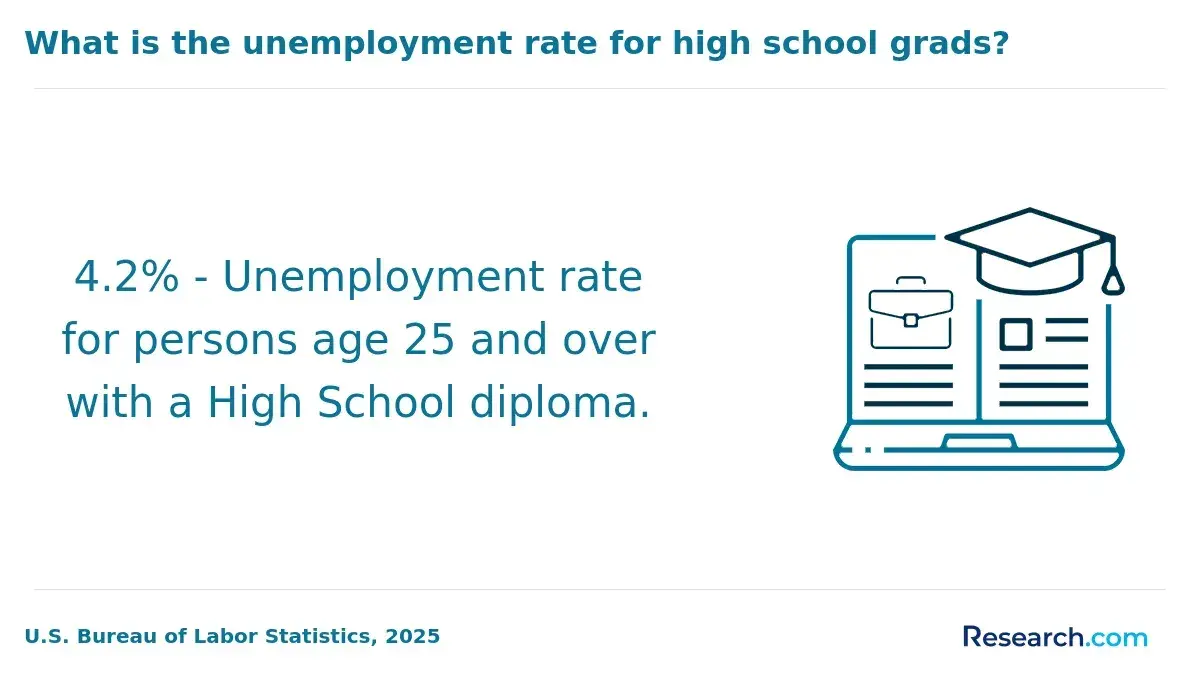
The healthcare and social assistance sector dominates entry-level hiring for community health graduates, accounting for over 40% of job postings in 2024 according to the U.S. Bureau of Labor Statistics. Positions such as community health worker, health educator, and patient advocate are prevalent, supported largely by public health agencies, hospitals, and nonprofits.
This sector values candidates who combine foundational public health knowledge with interpersonal and cultural competencies, often requiring only limited prior experience. Graduates targeting this industry should expect geographically concentrated opportunities, especially in metropolitan regions with established healthcare infrastructures.
Public administration provides a comparatively stable employment avenue, with state and local agencies expanding roles in regulatory compliance, environmental health, and disease prevention to address post-pandemic and demographic shifts. Though hiring volume is lower than healthcare, these positions often demand some familiarity with policy frameworks and data management, influencing candidate preparation.
Meanwhile, non-profit organizations offer broad exposure to underserved communities and health promotion but with tradeoffs in job security tied to fluctuating funding streams. Emerging growth areas include corporate wellness and digital health firms, which prioritize technical skills and behavioral strategy application but currently represent a smaller slice of the entry-level market.
Where Do Community Health Graduates Have the Best Hiring Odds?
Hiring prospects for community health graduates hinge less on location alone and more on the concentration of employers, industries, and entry-level job availability. Metro areas like Boston, Seattle, and San Francisco lead in community health graduate job postings due to dense healthcare infrastructures that include public health agencies and nonprofits.
However, these hubs also feature intense competition, which means graduates should balance volume against applicant density and local living costs when choosing where to apply. For example, a graduate targeting a large metro might encounter numerous openings but face lengthy applicant pools and higher credential requirements, potentially offsetting the advantage of sheer job numbers.
Markets vary considerably: public sector roles in smaller or underserved regions often require specific local credentials but benefit from less competition, while nonprofit organizations prioritize demonstrated community involvement and adaptability. Industries such as healthcare administration and community-based nonprofits consistently offer entry-level opportunities buoyed by internship pipelines and credential recognition.
A growing share of programs now emphasize practical experience, a factor that correlates with better hiring odds in these sectors. Graduates should assess how local industry strengths and accessibility intersect with their skillsets and career goals to optimize outcomes, especially considering trends toward remote and hybrid work that expand geographic reach without guaranteeing suitability. Those exploring their options may consider fast degree programs to accelerate readiness for in-demand markets.
What Starting Salaries Can Entry-Level Community Health Graduates Expect?
Starting salaries for entry-level community health graduates hinge on multiple factors beyond just holding a degree. Compensation varies notably depending on employer type, geographic region, specific job responsibilities, and any supplementary technical skills or certifications. For instance, a graduate applying for a public health outreach role in a rural area may face a lower base salary but could benefit from loan repayment programs or signing bonuses, unlike peers in urban nonprofits offering higher initial pay but less comprehensive benefits. Balancing these variables is critical for making informed decisions when considering offers.
Key elements influencing salary expectations for community health graduates include:
- Geographic Location: Salaries often mirror local cost of living and workforce demands. Graduates in metropolitan hubs or states with community health shortages commonly earn 10-15% more than those in rural or low-cost areas, reflecting regional economic disparities.
- Employer Sector: Public sector roles such as county or federal health programs typically offer steadier benefits and predictable raises but start near the lower salary spectrum. Private nonprofits or healthcare organizations may provide higher beginning wages when supported by grants or philanthropy but can have less structured long-term compensation.
- Role Specialization: Positions requiring expertise in epidemiology, chronic disease management, or digital health often command premium salaries, especially when combined with certifications like CHES and relevant internships enhancing practical readiness.
- Experience and Skills: Early career applicants with technical proficiencies or prior hands-on experience frequently access higher starting wages and quicker remuneration growth compared to peers entering without these advantages.
- Benefit Packages: Non-monetary incentives, including tuition reimbursement, professional development, and remote work options, influence overall compensation value and may offset lower base pay in certain roles.
A recent community health graduate shared uncertainty when weighing two offers: a higher-paying position in a crowded urban nonprofit and a lower-salaried public health role in a smaller city offering stable benefits and clear advancement pathways. The candidate ultimately hesitated, recognizing the importance of career trajectory and job security alongside initial salary, illustrating the complex tradeoffs new graduates navigate beyond headline figures.
Which Skills and Certifications Help Community Health Graduates Get Hired?
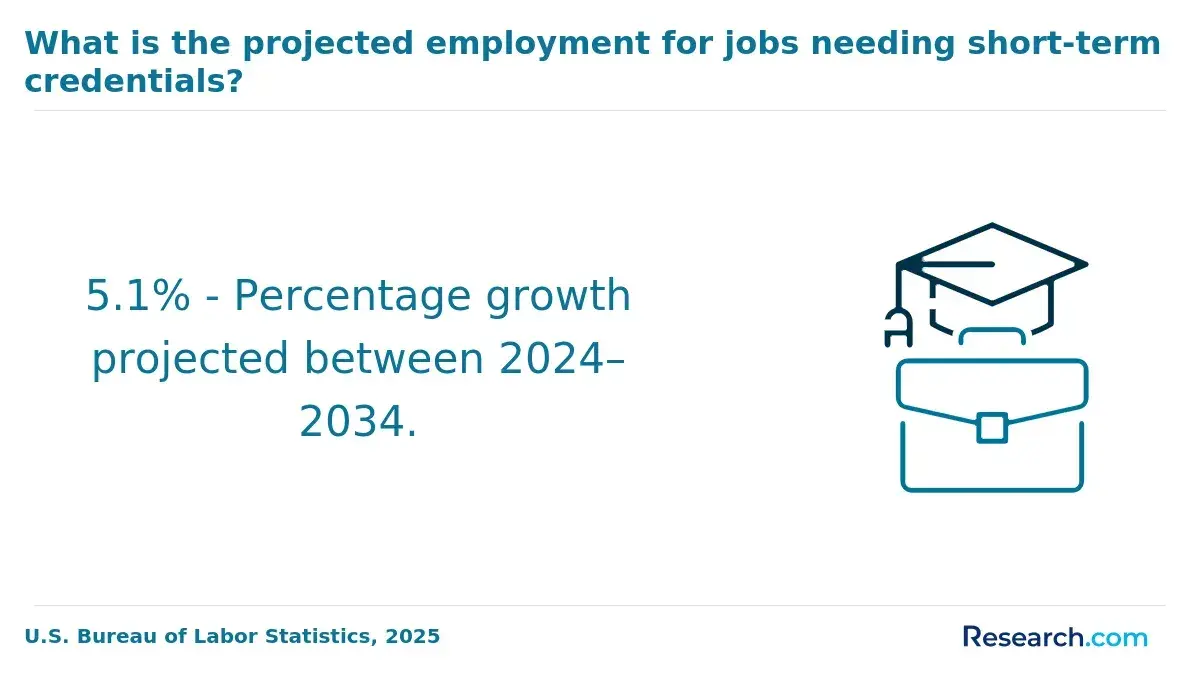
Employers hiring entry-level community health graduates increasingly expect more than just academic qualifications. Applied skills, practical digital fluency, and clear evidence of job readiness often determine who advances beyond initial resume screenings. For instance, a recent graduate with a Bachelor's degree but no direct work samples or relevant microcredentials may struggle against peers who bring demonstrable project results or familiarity with health informatics tools. In a competitive market, fluency with data and communication technologies complements degree knowledge to satisfy both healthcare providers and public agencies focused on outcomes.
Given the varied roles within community health, from clinical support to health education and program administration, candidates must strategically assess which credentials and skills genuinely enhance employability. Choosing among community health graduate certification programs or selecting projects that showcase analytical and interpersonal proficiencies can yield better positioning. One practical path some graduates explore is a hybrid skill set combining public health fundamentals with certifications in related competencies like project management or digital communications to meet nuanced employer demands. Below are critical skills and certifications to prioritize.
- Electronic Health Records: Proficiency with platforms like Epic or Cerner is essential for clinical and administrative roles, demonstrating familiarity with core healthcare technologies used by most employers. Certification may be available but hands-on experience ranks higher.
- Data Literacy & Analysis: Skills in Excel, Tableau, and interpreting epidemiological data are valuable in public health and community program roles, where evidence-based decision-making drives funding and outcomes. Practical portfolios or internship projects provide crucial proof.
- Certified Health Education Specialist: The CHES credential remains a widely recognized standard that validates knowledge of public health principles and education strategies, enhancing credibility in both nonprofit and government sectors.
- Project Management Microcredentials: Certifications like CAPM signal organizational and leadership capability on health initiatives and are respected differentiators, especially for program coordinator roles.
- Communication & Client Engagement: Clear, empathetic interaction skills are highly prized, particularly for roles involving diverse populations. Demonstrable experience through internships or client-facing projects supports these claims better than certificates alone.
- Basic Compliance Training: Credentials such as CPR certification are often minimum requirements, establishing baseline readiness and regulatory adherence in clinical or fieldwork contexts.
- Digital Health Communication: Emerging skills in using AI tools for health data and bilingual abilities offer competitive advantages, though these are more commonly preferred rather than mandatory.
For graduates seeking programs balancing flexibility with workforce relevance, options such as ASN online pathways may supplement community health graduate certification programs and broaden foundational healthcare skills applicable in many entry-level roles.
How Much Experience Do Entry-Level Community Health Jobs Require?
Entry-level jobs in community health often present a wide range of experience expectations, shaped by the specific nature of the role and employer priorities. While about 40% of postings explicitly require no full-time professional experience, many instead seek candidates with one to two years of related activity such as internships, volunteer roles, or part-time engagements. For example, a recent graduate might find that completing a practicum or managing a campus health initiative can substitute effectively for traditional work experience on their resume, especially when these experiences demonstrate relevant interpersonal and organizational skills.
Experience requirements vary considerably depending on job complexity, sector, and organization size. Positions involving technical tasks like data analysis or managing public health programs tend to demand more specialized internships or credentials, reflecting regulatory standards and higher accountability. Smaller employers frequently show more flexibility, valuing community involvement and volunteer service as adequate experience, whereas larger health systems commonly adopt stricter cutoffs to manage applicant volume, often listing one to three years of preferred-but not always mandatory-experience.
Graduates should critically assess job descriptions distinguishing between required and preferred experience; the latter often leaves room for alternative qualifications such as industry certifications or project portfolios. A 2024 survey by the National Association of Colleges and Employers found that 60% of employers recognize credentials and demonstrated skills as comparable to formal experience. This shift underscores the importance of targeted applications where practical skills and relevant applied work are clearly conveyed, enabling candidates to compete effectively even when traditional employment history is limited.
What Do Employers Look for in New Community Health Graduates?
Employers evaluating new community health graduates increasingly seek evidence of practical readiness beyond academic transcripts. Recruiters focus on applied skills, relevant experiences, and effective communication as indicators of workplace adaptability and problem-solving capacity. Technical proficiency, especially with public health data systems and regulatory frameworks, is considered baseline but insufficient without demonstrated use in real settings.
The rising adoption of digital tools and AI in healthcare further raises the bar for candidates to show fluency with emerging technologies. For example, a midsize urban health system may prioritize applicants who present completed internships and project portfolios highlighting telehealth initiatives or data visualization, viewing these as proxies for on-the-job effectiveness.
Below are key attributes commonly scrutinized in hiring decisions.
- Effective Communication: Employers prioritize candidates who articulate complex health concepts clearly and collaborate across diverse stakeholder groups. Evidence through presentations, internship feedback, or capstone projects is critical.
- Applied Experience: Practical involvement such as internships, community engagement, or guided research signals adaptability and mitigates limited organizational training capacity, which affects nearly 60% of job postings according to the U.S. Bureau of Labor Statistics.
- Technical Competence: Proficiency with public health data analysis, electronic health records, and compliance standards is expected. Candidates demonstrating certified skills or project-based application gain advantage.
- Problem-Solving Ability: Hiring managers assess how graduates approach real-world health challenges, often via case studies or scenario-based interview questions reflecting dynamic public health environments.
- Digital Fluency: Familiarity with telehealth platforms, AI tools, and data visualization software distinguishes candidates prepared for evolving population health management roles.
- Cultural Competence: Understanding diverse community contexts and demonstrating respectful engagement influences success, particularly in larger or urban systems demanding nuanced interpersonal skills.
How is AI Affecting Entry-Level Hiring for Community Health Graduates?
AI is reshaping entry-level hiring for community health graduates by prioritizing analytical and data-savvy capabilities over traditional administrative skills. Employers increasingly use AI-driven applicant-tracking systems for community health entry-level jobs, filtering resumes for keywords tied to digital proficiency and AI literacy.
This shift means candidates who only emphasize routine competencies risk exclusion, while those who demonstrate experience interpreting AI-generated data or managing hybrid tech-health workflows stand out. For example, job seekers targeting local health departments may face stronger competition and automation in assistant roles, whereas nonprofits integrating AI for community outreach may value interdisciplinary fluency more.
Automation reduces some traditional entry points, notably in scheduling and data entry, but simultaneously increases demand for workers who can manage AI outputs and ensure ethical data use in health interventions. Employers are balancing efficiency gains with a need for human judgment in tailoring AI insights to diverse populations, elevating roles that blend community health expertise with technical fluency.
This creates a practical consideration for graduates deciding whether to upskill in health informatics or focus on foundational public health skills. Understanding these dynamics can shape application strategies and portfolios, such as highlighting certifications or projects aligned with emerging AI-supported environments.
Given these evolving standards, students should explore pathways that integrate data competencies, potentially looking beyond community health roles alone to adjacent fields where AI use is prominent. Relevant guidance can be found by researching bioinformatics degree jobs, which illustrate how hybrid skill sets can open wider employment prospects. Graduates must recognize that AI proficiency complements but does not replace core human-centered skills, and selective positioning within diverse hiring markets offers the best odds of entry amid ongoing AI-driven transformation.
How Can Community Health Graduates Improve Their Job Search Results?
Targeted job searches significantly outperform high-volume, unfocused applications because employers prioritize candidates whose qualifications and terminology closely match specific entry-level roles. For instance, a recent community health graduate who targets job titles like "health educator" or "public health assistant" and customizes their resume to reflect employer language and relevant internship outcomes will likely secure more interview callbacks.
Conversely, applicants using broad job descriptions or generic resumes face lower visibility, often filtered out by Applicant Tracking Systems that rely on keyword precision. Prioritizing roles in industries and regions with stronger demand-such as metropolitan areas with dense public health infrastructures-further improves hiring odds for entry-level community health jobs in those regions.
Graduates should leverage practical market intelligence, including timing applications to align with key organizational recruiting cycles, to optimize interview conversion rates. Networking through professional and alumni groups remains essential for bypassing conventional screening, but it must be part of a broader, strategic approach that emphasizes demonstrable skills and outcomes from projects or certifications.
Understanding where community health degrees intersect with employer expectations-including in specialized sectors-helps graduates make informed tradeoffs about the volume and focus of applications. Integrating data-driven insights with a clear focus on well-matched opportunities enhances the likelihood of sustained employment and career progression. Those interested in augmenting their qualifications might explore accredited online health information management degree CAHIIM programs to expand their skill sets within evolving healthcare demands.
References:
- Public Health Career Salaries: What to Expect Across Roles https://www.scuhs.edu/bshs-article/public-health-career-salaries-what-to-expect-across-roles/
- AI's Impact on Graduate Jobs: A 2025 Data Analysis | IntuitionLabs https://intuitionlabs.ai/articles/ai-impact-graduate-jobs-2025
- What New Graduates Need to Know About the Healthcare Job Market in 2025 https://unitehealthcare.com.au/healthcare-jobs-graduates/
- 24 Entry-Level Healthcare Jobs to Consider (Salary & More) https://www.stepful.com/post/entry-level-healthcare-jobs
- 17 of the Best Entry-Level Careers in Healthcare https://credenzahealth.com/career-advice/17-of-the-best-entry-level-careers-in-healthcare
- Discover the How for Community’s hiring https://jobs.communityhealthsystem.org/how-we-hire/
- Careers in Community Health - MPH Online https://www.mphonline.org/community-health-jobs/
- HHS Careers: Entry-Level Options, Training, and More https://www.ultimatemedical.edu/blog/health-and-human-services-career-options/
- What does a nursing assistant do? https://apexlearning.org.uk/how-to-get-a-job-in-health-and-social-care-without-experience/
- What Can You Do With a Community Health Degree | CUNE https://www.cune.edu/news/what-can-you-do-with-community-health-degree
Other Things You Should Know About Community Health
The variance in program structures-such as the balance between theoretical coursework and field practica-significantly affects employability. Graduates from programs with extensive hands-on community engagement tend to fare better in entry-level hiring, as employers prioritize demonstrated practical experience over academic credentials alone. New grads should evaluate how deeply their education integrates real-world community interaction and highlight these experiences to offset limited job tenure.
While interdisciplinary training in areas like public policy or data analytics can expand opportunities, it may dilute core community health competencies if not carefully integrated. Entry-level hires who focus too broadly risk lacking the specialized skill set employers seek for frontline roles. A practical approach is to prioritize depth in community health fundamentals first, then selectively add complementary skills that align with targeted job markets or agencies.
Smaller nonprofits often offer broader role variety and more immediate responsibility but typically have limited training resources and lower initial pay. Larger public health institutions may have clearer career pathways and formal mentoring but often emphasize narrow, protocol-driven tasks for new grads. Candidates should weigh their tolerance for job role ambiguity against the desire for structured development, prioritizing environments that match their learning needs and career timeframe.
Geographic flexibility substantially increases hiring chances given job concentration patterns in urban or regional hubs. Even highly reputable programs can't fully compensate for location preferences that conflict with market demand. For most new graduates, prioritizing willingness to relocate or target underserved areas offers a pragmatic advantage over program prestige, especially early in their careers when establishing practical experience is critical.