2027 Community Health Student Debt Report: Borrowing, Monthly Payments, and Repayment Risk

Co-Founder and Chief Data Scientist
Community health degree programs often require extended fieldwork and internship commitments that influence borrowing behaviors distinct from other disciplines. Licensing requirements and varied accreditation standards shape program length and cost, impacting student debt accumulation and timely repayment. Unlike professions with predictable salary trajectories, community health roles exhibit broad wage variability based on location, employer type, and specialization, complicating repayment risk assessments.
Recent data from the National Center for Education Statistics reflect a growing enrollment of nontraditional students, suggesting evolving workforce demands and flexible educational pathways. This report examines how these factors affect borrowing patterns, monthly payment obligations, and repayment risks for community health graduates.
Key Things to Know About Community Health Student Debt
- Community health student debt often accumulates due to extended program durations; this tradeoff can delay workforce entry, increasing overall repayment periods and impacting long-term financial stability.
- Employers in public health sectors increasingly scrutinize debt burdens, as high monthly payments may signal potential retention risks, influencing hiring preferences toward candidates with manageable debt.
- A 2024 study reveals over 40% of community health graduates experience repayment strain within five years, highlighting timing sensitivity in loan decisions and the importance of realistic income projections.
- Key Things to Know About Community Health Student Debt Key Things to Know About Community Health Student Debt
- How Much Student Loan Debt Do Community Health Graduates Typically Have at Graduation? Average Studen Loan Debt
- What Factors Have the Biggest Impact on Community Health Student Loan Debt? Student Debt Key Factors
- What Is the Average Monthly Student Loan Payment for Community Health Graduates? Average Monthly Payment
- How Do Repayment Rates Compare Between Public and Private Institutions? Public vs. Private Institution Repayment Rates
- Do Online Community Health Graduates Have Different Repayment Outcomes Than Campus-Based Students? Online vs. On-Campus Student Loan Repayment
- Which Industries Provide the Best Financial Return Relative to Borrowing Costs? Which Industries Provide the Best Financial Return Relative to Borrowing Costs?
- Does Student Debt Affect Which Jobs Community Health Graduates Accept? Does Student Debt Affect Which Jobs Community Health Graduates Accept?
- What Factors Increase Student Loan Repayment Risk for Community Health Graduates? Loan Repayment Risk Factors
- How Can Community Health Students Reduce Student Loan Debt While Earning Their Degree? Tips to Reduce Student Debt
- How Should Prospective Students Evaluate Borrowing Risk Before Enrolling? Evaluating Student Debt Risk
How Much Student Loan Debt Do Community Health Graduates Typically Have at Graduation?
Graduates of community health degree programs typically carry student loan debt ranging from $20,000 to $40,000 at graduation, reflecting recent data trends from higher education sources in 2024. This range corresponds with national averages at public and private nonprofit institutions where community health is emphasized, capturing the typical borrowing amounts for community health graduates. The moderate debt level often results from relatively shorter program durations, generally between two and four years, and limited additional costs beyond tuition and fees. These borrowing patterns indicate a balance between financing educational costs and preparing for entry-level roles in community health fields.
Variations in debt levels arise from multiple factors, including the institutional type-public universities tend to be more affordable than private ones-and residency status, where out-of-state tuition significantly increases borrowing needs. The availability of scholarships, grants, and work-study options also alters reliance on federal or private loans, influencing the final debt burden. Enrollment status, such as part-time versus full-time study, impacts both total expenses and time to degree completion, further shaping borrowing behavior. These complexities highlight why student loan debt distributions differ substantially among graduates, emphasizing the importance of evaluating financial aid opportunities and program structures before committing to a course of study.
Given entry-level salaries in community health roles often do not support quick loan repayment, managing debt becomes critical to long-term financial stability. Income-based repayment plans can offer relief, but considerable debt relative to wages may constrain post-graduation decisions, including career advancement and personal financial planning. Prospective students should weigh the tradeoffs between debt accumulation and expected earnings, considering options like the healthcare administration degree as a comparative benchmark for cost-effectiveness and repayment feasibility within health-related education pathways.
What Factors Have the Biggest Impact on Community Health Student Loan Debt?
Student loan debt levels among students in community health programs result from a complex interaction of institutional pricing, program structure, and individual financial circumstances. Borrowing is not driven by a single cause but by how tuition rates, financial aid access, enrollment decisions, and living costs converge. Understanding these intertwined factors clarifies why debt burdens vary widely across community health learners and highlights the structural forces shaping borrowing behavior.
- Institution Type and Tuition Pricing: Public in-state programs typically feature substantially lower tuition rates than private or out-of-state schools, greatly influencing borrowing needs. The National Center for Education Statistics reported average annual tuition and fees of about $10,940 for public four-year institutions versus $39,500 at private nonprofit colleges in 2024. This pricing disparity remains a primary driver of community health graduate borrowing differences by institution type, often determining baseline loan amounts before aid and other factors are considered.
- Program Length and Credential Level: Community health pathways range from short diploma certificates to graduate degrees, with longer programs accruing more tuition and living costs. Extended enrollment periods increase exposure to inflation and living expenses, pushing students toward higher debt loads. Graduate-level programs also usually carry higher tuition and often require borrowing beyond undergraduate debt levels, reflecting in the overall variation seen in community health debt among students choosing different credentials.
- Financial Aid Availability and Utilization: Scholarships, grants, and work-study opportunities significantly mitigate borrowing, yet uneven access and awareness create substantial debt disparities. Students missing out on non-loan aid must substitute with greater borrowing, while effective aid packaging can reduce loan reliance. The role of financial aid is amplified in community health programs where average wages remain modest, shaping repayment capacity and debt sustainability.
- Living Expenses and Economic Background: Socioeconomic factors influence loan size as students from lower-income backgrounds borrow to cover both tuition and substantial living costs. In contrast, those with family support often limit debt accumulation. Geographic cost-of-living differences also interact with program modality decisions-such as online versus campus attendance-affecting overall borrowing. For some, pursuing a 6 month LPN program online reduces these living costs but may come with tradeoffs in credential and earnings potential.
- Expected Earnings and Labor Market Realities: Entry-level roles in community health frequently offer median salaries around $46,000 annually as reported by the Bureau of Labor Statistics. This wage outlook constrains reasonable borrowing as students must weigh debt levels against realistic repayment prospects. Employers in the field value practical experience and certain credentials, so borrowing decisions often reflect attempts to balance upfront costs with employment opportunities and long-term financial stability.
What Is the Average Monthly Student Loan Payment for Community Health Graduates?
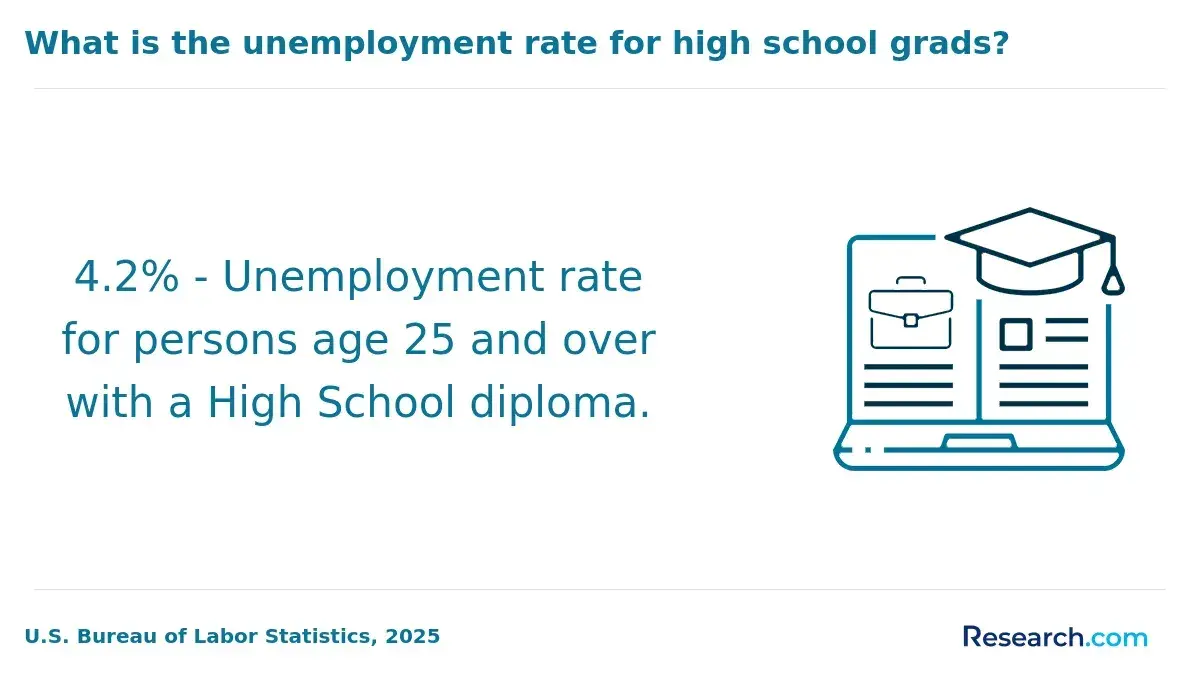
Recent analyses from the U.S. Department of Education and the Federal Reserve indicate that community health graduates typically face monthly student loan payments ranging from approximately $200 to $350. This estimate reflects common borrowing levels and standard repayment schedules but masks significant variability rooted in the diversity of educational paths and institutional costs. Associate degree holders generally encounter lower balances and thus smaller payments compared to those with bachelor's or master's credentials, while repayment timelines and interest rates also shape monthly obligations. Such payments correspond to roughly 5% to 10% of entry-level salaries, which often fall between $40,000 and $55,000 annually, underscoring the importance of managing debt relative to modest income expectations in the field.
Monthly payment differences arise mainly from actual loan amounts, which vary by program length and institutional type, as well as the repayment plan selected-standard, income-driven, or public service forgiveness options. Income-based plans can substantially reduce immediate payment burdens but require sustained eligibility and may increase total interest accrued over time. Additionally, disparities in starting salaries, geographic cost of living, and employer sector influence how manageable these payments feel for graduates. Interest capitalization during deferment or forbearance periods can also elevate balances, complicating repayment dynamics. Understanding these financial interactions is critical for anticipating the real cost implications and long-term fiscal health following a community health degree.
One graduate recalled grappling with uncertainty during a rolling admission timeline, hesitating to submit applications without clear financial aid estimates. They delayed enrollment until late acceptance notices arrived, which limited their prep time but allowed them to better evaluate loan repayment scenarios against expected income. This cautious approach helped them avoid overborrowing despite pressure to commit quickly, illustrating how strategic timing and attention to repayment realities can influence both educational and financial outcomes.
How Do Repayment Rates Compare Between Public and Private Institutions?
Recent data from the U.S. Department of Education's College Scorecard reveals that graduates of public universities in community health fields show notably higher loan repayment rates within three years of entering repayment compared to their private nonprofit peers. Specifically, around 53% of public institution graduates make measurable progress on federal student loans by that milestone, versus approximately 46% from private nonprofits. Meanwhile, graduates from private for-profit schools lag behind both sectors, with repayment rates below 40%, highlighting substantial variation across institutional types that affects long-term debt risk and financial stability.
This disparity stems partly from structural differences in cost and borrowing behavior. Public institutions typically charge lower tuition, leading to smaller student debt burdens that are easier to manage post-graduation. Additionally, public graduates often benefit from more extensive state-supported loan repayment or forgiveness programs, boosting repayment capacity. Private nonprofit programs, although sometimes associated with stronger brand prestige, tend to have higher tuition and more diverse student financial backgrounds, which can result in greater loan amounts and uneven repayment outcomes. These factors intersect with employment realities in community health, where wages vary widely and directly influence graduates' abilities to keep pace with loan obligations.
The consequences extend beyond immediate repayment challenges, influencing long-term financial mobility and perceptions of program value. Lower repayment success increases the risk of default, which carries broader economic ramifications for borrowers and may also affect institutional accountability measures. For students evaluating community health pathways, these repayment patterns underscore the importance of considering both the economic demands of their education and the post-graduation income prospects inherent to their chosen institutions and programs.
Do Online Community Health Graduates Have Different Repayment Outcomes Than Campus-Based Students?
Repayment rates among online community health graduates reveal distinct patterns when comparing public and private institutions, with data from the National Center for Education Statistics (NCES) showing that 48% of borrowers from public universities fully repay their student loans within a decade versus 39% from private institutions. These differences highlight how institutional financing structures and borrower profiles influence repayment outcomes beyond simple enrollment modes. The nuances of campus-based versus online community health student debt repayment are evident in how graduates from public institutions often benefit from lower overall debt burdens despite comparable earnings, contributing to higher repayment success. This dynamic reflects varying institutional missions, cost bases, and targeted financial aid distribution that shape graduation financing and subsequent capacity to meet loan obligations.
The factors driving repayment disparities include tuition levels, with public universities generally offering more affordable programs and access to subsidized financial aid, which reduces the average debt load. Graduates from private schools frequently carry higher principal balances, in part due to elevated tuition and sometimes less generous aid packages, resulting in increased repayment pressure relative to post-graduation income. Employment outcomes also matter: graduates from reputable public programs often secure stable roles with earnings that better align with debt levels, while some private-sector counterparts face greater risk of default or deferment. Institutional prestige and networks that affect job placement and earnings potential play a significant role, as campus-based programs generally provide more hands-on career support paths than some online options, influencing loan repayment behavior in lasting ways.
These repayment patterns have broader consequences for borrower financial stress and long-term mobility, as delayed or incomplete repayment can limit future borrowing opportunities and affect credit profiles. Understanding these outcomes helps clarify the real-world value and risks associated with different community health education pathways, moving beyond upfront costs to consider the enduring debt-to-income relationship. For students evaluating options, reviewing institutional repayment outcomes is crucial, especially in the context of tightening loan terms and evolving healthcare workforce demands. Those interested may explore resources that detail cost-effective program alternatives, such as the online nutrition degree offerings, which illustrate affordability considerations relevant to community health financing.
Which Industries Provide the Best Financial Return Relative to Borrowing Costs?
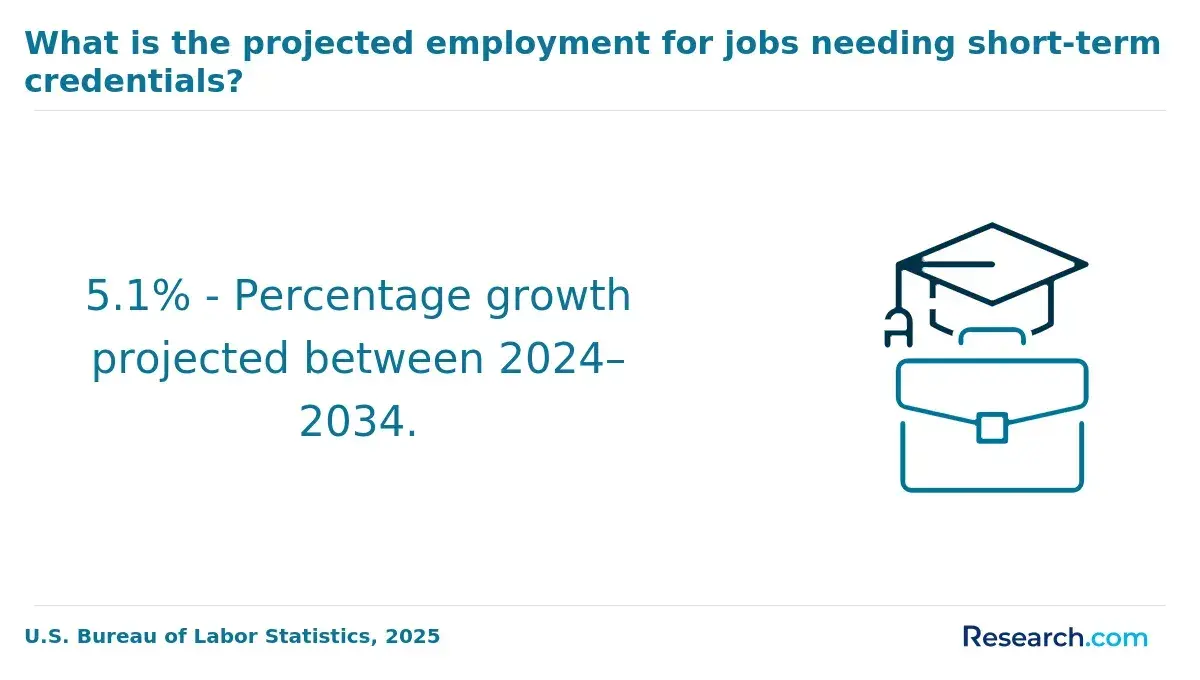
Financial returns for graduates with community health degrees vary considerably depending on the industry entered, with earning potential and typical student borrowing levels shaping overall ROI more than raw salary figures. Effective return on investment hinges on how quickly salary progression and labor demand offset the debt burden carried by graduates. Evaluating this balance requires attention to debt-to-income ratios, career advancement speed, and the stability of employment pathways within each field.
- Health Services Administration: Roles in this sector tend to offer entry salaries approximately 15-20% above median community health graduate earnings, but crucially, borrowing levels are often moderate, averaging between $30,000 and $40,000. This combination makes monthly student loan payments manageable relative to income, decreasing repayment risk and supporting a smoother financial transition after graduation.
- Public Health Policy: Often within government or nonprofit frameworks, this industry's salaries start closer to the median graduate level but benefit significantly from loan forgiveness programs and steady public-sector employment. These factors mitigate long-term debt challenges despite slower salary growth, making it a viable path where financial stability outweighs immediate earnings.
- Healthcare Informatics: Emerging as a high-growth area, healthcare informatics integrates data analytics with health outcomes and commands starting salaries that can surpass $60,000. Although some positions require additional certifications adding upfront costs, rapid career progression and expanding demand support improved debt-to-income ratios over time, enhancing overall financial returns.
- Community Health Education and Outreach: Salaries in this sector tend to be moderate and growth incremental, but demand remains consistent across public and private settings. Borrowing burden is generally moderate, though slower income growth makes managing student debt more challenging unless supplemented by external funding or employer support.
- Health Promotion and Wellness Programs: This field often offers entry-level salaries below other community health-related industries, coupled with similar borrowing levels. However, the potential for career advancement and specialization can improve financial outcomes, though graduates should carefully weigh early repayment capacity.
Does Student Debt Affect Which Jobs Community Health Graduates Accept?
Graduates carrying significant student debt often face constrained choices when evaluating job offers within community health fields. The necessity to cover monthly loan payments pushes many to prioritize roles offering competitive starting salaries or employer-sponsored repayment programs, even if these positions diverge from their preferred areas of interest. Recent data from the 2024 Healthcare Workforce Report reveals that nearly half of indebted community health graduates declined job offers due to inadequate compensation relative to their repayment obligations. This financial pressure can overshadow early career aspirations, compelling graduates to favor job security and cash flow stability over roles in underserved or nonprofit sectors where funding is typically lower.
These financial realities create a behavioral divide: graduates with heavier debt loads disproportionately select employment in larger healthcare systems or government agencies that provide loan assistance and more predictable incomes, while those with limited or no debt are freer to pursue mission-driven opportunities in rural or community-based organizations. Geographic factors also limit job mobility since higher cost-of-living areas can exacerbate repayment burdens, influencing graduates to remain in or relocate to regions with better financial prospects. Over time, this dynamic shapes not only immediate job acceptance but also long-term career trajectories, potentially narrowing the diversity of roles pursued and altering workforce distribution in community health sectors.
One community health graduate recalled the recruitment season during which mounting loan repayments intensified the urgency to secure a dependable position. Despite initially aiming for a rural outreach role, uncertainty about the timing of admissions decisions and the rolling application process led to hesitation, delaying responses to offers from larger hospital systems. Ultimately, the pressure to stabilize finances forced the graduate to commit to a government agency job with structured repayment benefits, illustrating how debt and administrative factors collectively shape critical early employment decisions.
What Factors Increase Student Loan Repayment Risk for Community Health Graduates?
Student loan repayment risk among community health graduates arises from a complex interplay of financial, academic, and labor market factors rather than any single cause. This risk is fundamentally tied to both the level of debt accumulated during education and the stability of post-graduation income. Borrowing amounts, employment consistency, and awareness of repayment options all contribute to whether graduates can manage their monthly obligations effectively. Understanding these dynamics is crucial given the average monthly student loan payments in community health programs often strain graduates' budgets.
- Moderate Salary Levels Relative to Debt: Many community health roles provide meaningful employment but typically offer median salaries that do not align comfortably with high loan balances. Nearly 35% of graduates hold debt exceeding $40,000 according to a 2024 U.S. Department of Education report, creating repayment challenges when income fails to keep pace with monthly payment demands.
- Income Volatility Due to Underemployment: Employment instability, including part-time work or contract-based roles, reduces predictable income streams. Hiring pauses tied to licensing delays or regional job market constraints further undermine repayment capacity by delaying workforce entry and steady earnings.
- Limited Access and Use of Income-Driven Repayment Plans: Graduates who are unaware of or unable to use income-based repayment options often commit to higher standard payments. Without these flexible plans, financial stress intensifies, heightening default risk, particularly in economic downturns impacting employment opportunities.
- Socioeconomic and Financial Literacy Barriers: First-generation college students and those with significant family financial obligations face an elevated risk due to less accumulated financial knowledge and greater vulnerability to economic shocks. These factors reduce their ability to navigate loan servicing effectively, increasing repayment struggles.
Given these factors, prospective and current community health students should carefully evaluate borrowing relative to expected income and employment prospects within this labor sector. Those seeking alternative educational routes might explore an accelerated NP program as one example of a path with distinct repayment and earning profiles. In all cases, understanding the nuanced relationship between average monthly student loan payments in community health programs and actual income stability remains critical to managing long-term debt risk.
How Can Community Health Students Reduce Student Loan Debt While Earning Their Degree?
Reducing student loan debt while earning a community health degree requires deliberate, ongoing effort in both financial planning and academic decision-making. Borrowing levels can be meaningfully lowered by integrating cost-conscious enrollment strategies with effective use of institutional aid and work-study resources. This combination of financial awareness, academic efficiency, and strategic resource utilization is essential for students navigating the challenges of community health student loan repayment strategies.
- Enroll in Flexible or Hybrid Programs: Choosing accredited programs with online or part-time options can help maintain employment during studies, allowing students to generate income to offset costs. The 2024 National Center for Education Statistics report found that such flexible enrollment reduced loan amounts by an average of 20%, reflecting a practical way to minimize debt through work-study balance.
- Maximize Targeted Scholarships and Grants: Actively pursuing scholarships and grants specific to community health fields provides non-repayable financial support that directly lessens loan dependence. Early and thorough application to these aid opportunities can significantly cut borrowing needs.
- Leverage Academic Acceleration: Programs granting credit for prior healthcare experience or summer course options shorten time-to-degree, thereby decreasing total tuition and living expenses. Students must carefully gauge workload intensity to avoid burnout that could compromise academic success.
- Utilize Institutional Work-Study Opportunities: Engagement in work-study aligned with community health domains enables practical skill development while earning income to defray tuition. This dual benefit can reduce loan reliance compared to borrowing for living expenses.
- Implement Early Financial Literacy Education: Developing budgeting skills and understanding loan terms early helps students make informed borrowing decisions and avoid unnecessary debt accumulation throughout their academic career.
- Choose Programs with Clear Cost Transparency: Selecting degree paths that clearly outline tuition, fees, and ancillary expenses aids students in realistic financial planning, allowing them to anticipate borrowing needs and explore external aid proactively.
- Consider Programs with Easy Admission Online MPH Programs: Some community health students benefit from seeking easy admission online MPH programs that maintain affordability and offer flexible pacing, helping to manage debt levels while earning credentials valued by employers.
How Should Prospective Students Evaluate Borrowing Risk Before Enrolling?
Evaluating borrowing risk before enrolling in a community health degree is critical for understanding the long-term financial impact of pursuing this credential. Borrowing risk essentially reflects the balance between total anticipated student debt and projected earnings after graduation. Careful debt-to-income analysis allows prospective students to make informed decisions that align educational investments with realistic repayment capacity.
- Program Cost Versus Regional Salary Data: Comparing total tuition and fees against median starting salaries for community health roles in the intended employment area helps determine if debt levels are proportionate to expected income, guiding affordability assessments.
- Loan Repayment Options and Terms: Analyzing availability of federal income-driven repayment plans or deferment options clarifies how flexible repayment structures might mitigate risk but potentially increase total interest costs over time.
- Graduation and Job Placement Rates: Reviewing a program's historical success in graduating students and securing relevant employment is vital to estimate realistic timelines for generating income needed to service debt.
- Debt-to-Income Ratios: Benchmarking projected monthly loan payments against 8%-10% of anticipated entry-level salaries, based on National Center for Education Statistics 2024 data, signals whether borrowing risk is excessive or manageable.
- Long-Term Career Growth Potential: Considering employer demand and pay progression in community health helps evaluate if initial debt burdens can be offset by increasing earnings over time.
- Institutional Financial Aid Counseling and Tools: Utilizing tailored advising and online calculators that incorporate local market data supports precision in estimating realistic repayment scenarios specific to one's chosen path.
- Economic and Geographic Factors: Factoring in cost of living variations and regional healthcare funding climates aids in contextualizing salary expectations and loan affordability beyond raw figures.
References
- Houston community college loan debt weighs on students https://www.houstonlanding.org/how-much-debt-do-community-college-students-take-on-more-than-you-might-think/
- Nonprofit vs. Private Sector: PSLF for Healthcare Workers | KeyBank https://doctors.key.com/healthcare-banking/nonprofit-vs-private-sector-pslf-for-healthcare-workers/
- The Impacts of Individual and Household Debt on Health and Well Being https://www.apha.org/policy-and-advocacy/public-health-policy-briefs/policy-database/2022/01/07/the-impacts-of-individual-and-household-debt-on-health-and-well-being
- How much debt do community college students take on? More than you might think. - Open Campus https://www.opencampus.org/2025/04/23/how-much-debt-do-community-college-students-take-on-more-than-you-might-think/
- FAQ | Community HealthCare Resources https://www.chr501.org/faq
- Public Health Initiatives Deliver Big Returns on Investment https://www.pew.org/en/research-and-analysis/articles/2025/07/08/public-health-initiatives-deliver-big-returns-on-investment
- Should colleges help students pay down their debt? https://www.ccdaily.com/2025/06/should-colleges-help-students-pay-down-their-debt/
- What is the typical debt load for graduates of four-year public universities - APLU https://www.aplu.org/our-work/4-policy-and-advocacy/publicuvalues/student-debt/
- The influence of loan repayment on rural healthcare provider recruitment and retention in Colorado https://www.rrh.org.au/journal/article/1605/
- When Dedication Meets Debt: How Student Loan Burdens Put Public Health at Risk https://debeaumont.org/news/2026/when-dedication-meets-debt/
Other Things You Should Know About Community Health
The duration and format of community health programs significantly influence borrowing levels and repayment challenges. Longer programs increase total tuition costs and living expenses, raising debt burdens without guaranteeing higher wages immediately after graduation. Students should prioritize shorter, competency-based programs where possible, as these reduce exposure to prolonged financial strain and accelerate workforce entry, lowering repayment risk.
Employers in community health often value relevant experience and certifications over advanced degrees, meaning extended education may not translate directly into better-paying roles. Graduates who incur high debt for degrees without clear employer alignment may struggle with monthly payments if job offers do not meet compensation expectations. Prioritizing programs with strong employer partnerships or built-in practicum opportunities can improve job placement and payment feasibility.
Full-time study shortens time to degree completion but increases immediate borrowing and limits income during studies, potentially creating repayment pressure soon after graduation. Part-time students can earn simultaneously, possibly reducing total borrowed amounts and smoothing repayment but may face longer overall debt accumulation periods. Students with employer tuition support or steady relevant employment might benefit most from part-time options to balance debt and income.
Careers in nonprofit or public health organizations often have lower starting salaries, raising the likelihood of repayment strain for borrowers with substantial debt. Graduates anticipating such roles should carefully limit borrowing or explore income-driven repayment plans and forgiveness programs frequently available in these sectors. Making borrowing decisions with realistic salary expectations and repayment options in mind can mitigate financial distress.