2027 Business Administration Degree Oversupply or Undersupply? Student Volume vs Employer Demand

Co-Founder and Chief Data Scientist
A prospective student evaluating a business administration degree must weigh whether the volume of graduates matches employer demand in their target region. In 2024, the National Center for Education Statistics reported over 389,000 business administration degrees conferred nationwide, yet recent Bureau of Labor Statistics data shows slower job growth in related management roles, signaling possible oversupply in some markets. Conversely, certain metropolitan areas report persistent vacancies due to evolving skill requirements and digital transformation pressures. Such imbalances can heighten competition, reduce degree value, and increase underemployment risk. This article compares student enrollment with employer demand, job growth, industry needs, regional factors, and skill gaps to assess the field's sustainability and competition trajectory.
Key Things to Know About Business Administration Graduate Supply and Employer Demand
- The 2024 Bureau of Labor Statistics projection of just 5% job growth for business administration roles reflects modest employer demand, suggesting graduates face a competitive landscape that slows rapid career advancement.
- Employer surveys reveal a preference for candidates with specialized skills like data analytics, indicating general business administration degrees risk skill mismatches that limit hiring opportunities in emerging sectors.
- The consistent annual graduation rate near 350,000 increases applicant pools annually, creating a tradeoff where lower tuition programs offer access but amplify regional oversaturation and lengthen job searches.
- Key Things to Know About Business Administration Graduate Supply and Employer Demand Key Things to Know About Business Administration Graduate Supply and Employer Demand
- Is There an Oversupply or Undersupply of Business Administration Graduates? Graduate Oversupply or Shortage
- How is Business Administration Degree Enrollment Changing? Degree Enrollment Trends
- How Many Business Administration Graduates Enter the Workforce Each Year? Annual Graduate Workforce Entry
- Does Job Growth Support the Rising Supply of Business Administration Graduates? Job Growth Versus Supply
- How Competitive is the Entry-Level Market for Business Administration Graduates? Entry-Level Market Competition
- Which Industries Have the Greatest Demand for Business Administration Graduates? Top Hiring Industries
- Where are Business Administration Graduates Most in Demand? Top Geographic Demand
- Which Business Administration Specializations and Degree Levels Face the Strongest Demand? Which Business Administration Specializations and Degree Levels Face the Strongest Demand?
- Are Employer Skill Gaps Affecting Demand for Business Administration Graduates? Are Employer Skill Gaps Affecting Demand for Business Administration Graduates?
- What is the Future Supply-and-Demand Outlook for Business Administration Graduates? Future Supply-Demand Outlook
Is There an Oversupply or Undersupply of Business Administration Graduates?
Despite the substantial volume of business administration graduates-estimated at around 350,000 bachelor's degrees awarded in the 2022-2023 academic year-the landscape does not suggest a uniform oversupply at the national level. Employer demand exhibits significant variation by region and industry, creating pockets of both oversupply and undersupply. For example, finance and consulting sectors in metropolitan hubs like New York and San Francisco face tighter labor markets and relative undersupply, driven by specialized skill requirements and competitive credentials. This unevenness means recent graduates from less dynamic regions or those without targeted competencies often encounter more intense competition, illustrating how regional demand for business administration degree holders compared to graduate output must be assessed beyond aggregate numbers.
Employer expectations increasingly favor specialization and graduate-level skills within business administration to match evolving management roles, blurring the simple volume-to-vacancy ratio. Master's degree holders in areas such as data analytics or supply chain management frequently face less competition and enjoy higher placement rates compared to their bachelor's counterparts. Furthermore, the growing importance of internships and professional networking intensifies entry-level challenges even when job openings align broadly with graduate output. Prospective students weighing a general business administration degree should consider whether their program offers relevant skills or pathways to specialization, keeping in mind that an easiest online degree in business might not suffice to overcome these nuances in job market dynamics.
How is Business Administration Degree Enrollment Changing?
Enrollment in business administration programs is shifting in ways that both diffuse and concentrate graduate competition rather than clearly alleviating or worsening employer shortages. Undergraduate numbers are stabilizing or slightly declining after years of growth, while MBA and specialized master's programs continue to attract more candidates, reflecting employer demand for deeper expertise and adaptable skill sets. The rise of online delivery has introduced greater access, especially for non-traditional and working adult students, but it also complicates quality consistency and employer perceptions, potentially creating uneven competitiveness among graduates. Regional economic trends further skew supply, making national enrollment totals an unreliable predictor of job market saturation or shortage in specific areas.
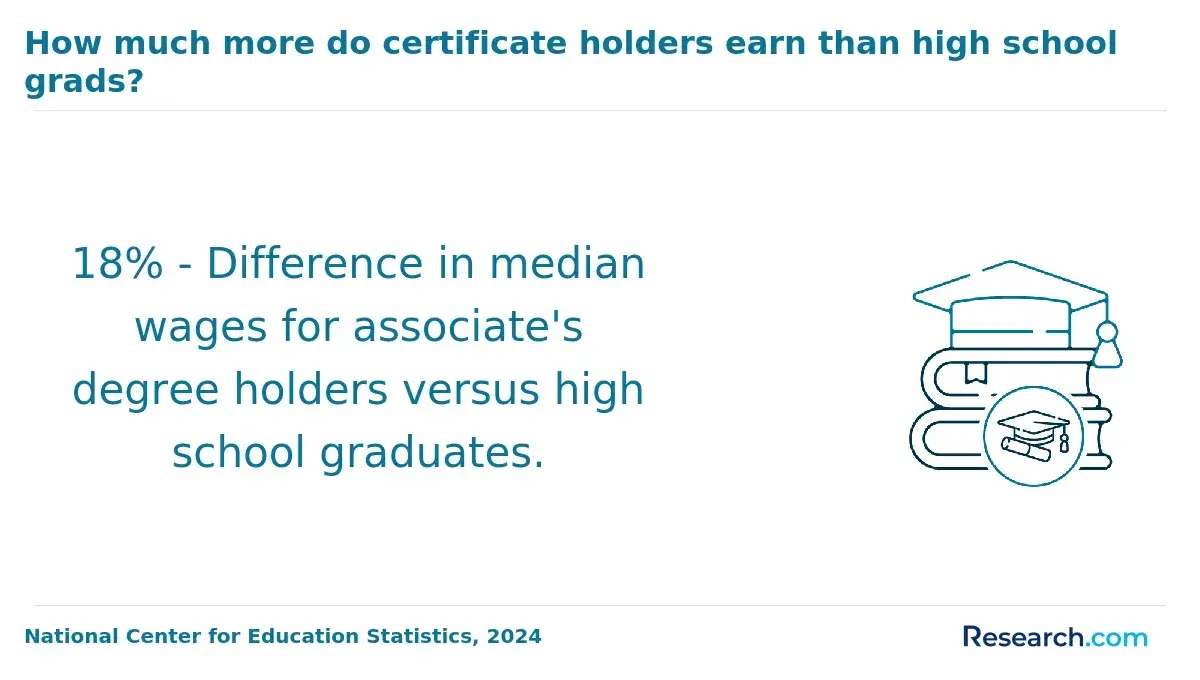
Declining associate degree enrollment contrasts with sustained or growing interest in graduate certifications and degrees, signaling shifting employer preferences toward advanced credentials rather than entry-level qualifications. This divergence means students must carefully weigh the value of shorter programs against rising competition among master's graduates. For example, an oversupply of bachelor's graduates in saturated metropolitan markets can depress wages, while regions experiencing economic growth may still face talent gaps despite fewer overall program entrants. Misinterpreting these dynamics risks investing in pathways with limited return or missing emerging niche demand for particular specializations aligned with local industry needs.
A current business administration student noted that the cohort size in their online MBA program had noticeably increased compared to five years ago, sparked by flexible scheduling and broader marketing. However, they also observed that some foundational undergraduate courses were downsized or merged, suggesting fewer incoming freshmen. This raised questions about whether growing master's enrollment reflected genuine job market openings or simply heightened competition for advanced roles. They felt cautious but optimistic, recognizing that adapting to changing enrollment patterns was crucial in planning their career trajectory.
How Many Business Administration Graduates Enter the Workforce Each Year?
The sheer number of business administration graduates each year does not straightforwardly indicate whether the field is oversupplied or undersupplied; rather, nuanced factors mediate how graduate output aligns with employer demand. Data from the National Center for Education Statistics and IPEDS show about 388,000 bachelor's degrees in business administration are awarded annually, but only roughly 70% to 80% of these graduates seek jobs directly related to their degree within the first year. This gap reflects diverse post-graduation paths, including further education, career shifts outside business, or geographic and economic constraints that delay labor market entry.
Employer demand varies widely by sector and region, with consistent need in finance, consulting, and healthcare administration, yet intense competition for entry-level roles where hundreds of applicants may compete for limited vacancies. Workforce data underscore that practical experience, internships, and transferable skills often weigh more than degree titles alone in hiring decisions. Importantly, not every graduate targets the same job markets simultaneously, nor do all roles require identical qualifications, complicating simplistic supply-demand assessments based solely on volume.
For decision-makers reviewing these trends, overreliance on raw graduate numbers risks misjudging labor market saturation or opportunity. A realistic appraisal considers job replacement rates, employer skill demands, and the temporal distribution of new applicants. The practical implication is clear: educational pathways must emphasize skill development aligned with employer expectations and regional labor market conditions to enhance graduate employability rather than assume degree volume guarantees a stable or abundant job market.
Does Job Growth Support the Rising Supply of Business Administration Graduates?
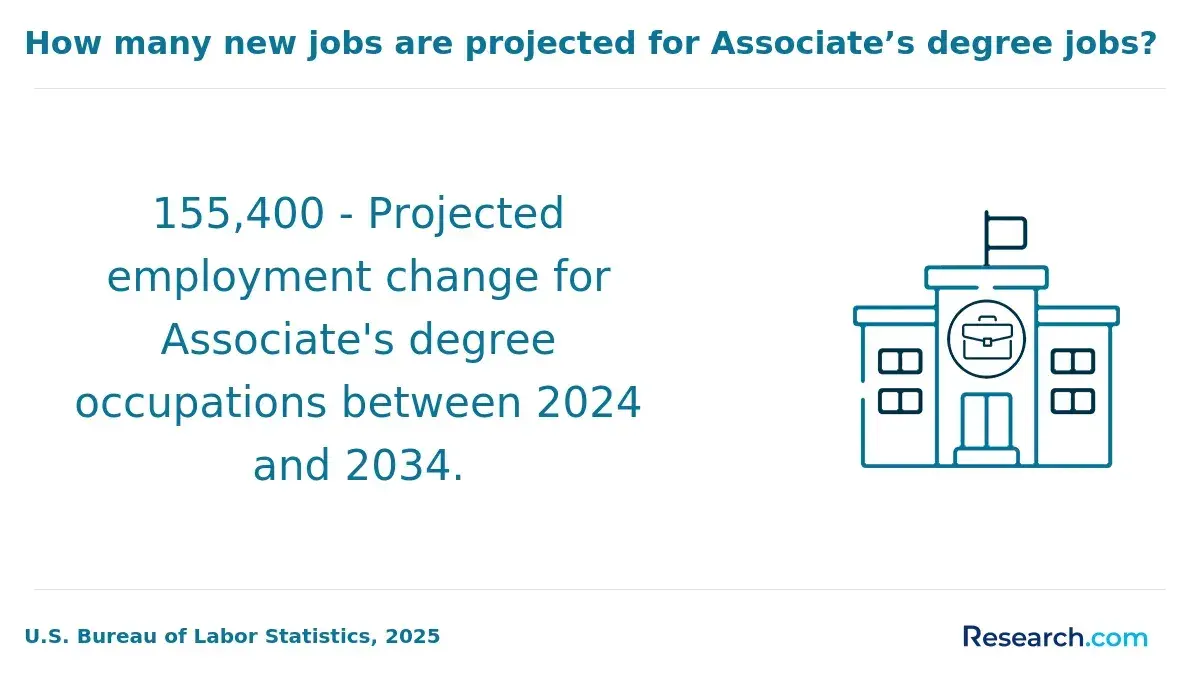
Projected job growth in fields related to business administration graduate job growth trends, such as management and financial analysis, suggests moderate expansion but does not fully absorb the increasing number of degree holders entering the labor market. While the U.S. Bureau of Labor Statistics anticipates 6-8% growth through 2032, much of the hiring demand stems from replacement needs rather than new positions. Graduates without targeted skills or experience frequently compete in saturated metropolitan areas, where employer demand fails to match the surge, heightening underemployment risks for generalist degree holders.
Employers increasingly favor candidates with specialized competencies-like data analytics, supply chain expertise, or healthcare management-particularly in industries showing stronger employer demand for business administration graduates in the US. Additionally, regional disparities mean some states face tighter labor markets, while others experience surpluses. Those pursuing advanced credentials or masters in construction management online and related fields may find better alignment between supply and demand, underscoring the importance of strategic academic and career decisions.
Misreading this dynamic can lead graduates into crowded sectors where job openings require experience or licensure, limiting entry-level access despite promising occupational outlooks. Conversely, slower-growing industries with steady replacement demand or localized shortages may offer more stable opportunities. Understanding these nuances helps career-focused professionals and educators assess long-term workforce viability beyond headline growth rates and static output figures.
How Competitive is the Entry-Level Market for Business Administration Graduates?
Entry-level positions for business administration graduates in 2024 reveal a clear imbalance where the number of qualified candidates surpasses available roles, intensifying competition. Employer demand is steady but has not grown proportionally to the increasing graduate output. This dynamic often forces recruiters to filter large applicant pools, heightening requirements beyond academic credentials alone. Job seekers must navigate a market where practical experience, specialized skills, and geographic considerations substantially influence hiring outcomes. The following factors define the competitive landscape for recent business administration graduates:
- Applicant Volume: High candidate-to-position ratios-often 50 to 100 applicants per job-present significant screening challenges. Graduates should prepare for competitive selection processes and prioritize meaningful differentiators in applications.
- Experience Expectations: Many so-called entry-level roles demand internships, part-time work, or certifications aligned with business functions. Lack of relevant practical exposure can limit interview opportunities despite degree completion.
- Geographic Variation: Market tightness varies across metro areas; for example, urban centers commonly experience a three- to fourfold oversupply compared to job openings. Graduates may find less crowded hiring climates in smaller cities or regions with emerging industries.
- Skill Differentiation: Proficiency in data analytics, digital platforms, and soft skills increasingly distinguishes candidates. Employers prioritize these alongside traditional competencies, reflecting evolving operational needs.
- Industry Demand Mismatch: Not all sectors expand at the same rate; some industries maintain stable hiring while others stagnate, creating uneven opportunities. Graduates should assess specific industry trends rather than assume uniform prospects.
- Remote Work Competition: The rise of remote hiring broadens geographic competition, placing local candidates in more competitive applicant pools and complicating initial networking advantages.
- Selective Job Creation: Entry-level business roles often emerge from limited new job creation rather than replacement demand, constraining vacancies and extending search durations.
A recent graduate from a Midwest university recounted applying to over 60 entry-level business administration roles within six months across three states. Despite strong academic credentials, repeated requests for internship experience became a barrier, especially in larger city markets saturated with candidates. After multiple near-interviews and rejections, the graduate strategically shifted focus to emerging industries in smaller metropolitan areas, where fewer applicants competed. This recalibration led to an eventual job offer but underscored how localized demand and tangible experience influence early career success more than the degree itself.
Which Industries Have the Greatest Demand for Business Administration Graduates?
Industries showing the strongest demand for business administration graduates tend to prioritize strategic management, operational efficiency, and regulatory compliance. The supply of graduates is often outpaced by demand in sectors where specialized industry knowledge and practical experience are crucial. For example, a graduate weighing job volume against competition might find finance roles plentiful but highly competitive, while healthcare management offers growing openings with a premium on compliance skills and leadership. Understanding these nuances helps candidates align their coursework and internships to improve employability in targeted fields.
The top industries hiring business administration graduates include:
- Finance and Insurance: This sector's demand stems from complex financial operations and regulatory oversight. Business administration graduates fill roles in banking, investment, and insurance firms, where analytical skills and risk management capabilities are essential from entry-level analyst positions to advanced managerial roles.
- Professional and Technical Services: Encompassing consulting, legal, marketing, and IT services, this broad category requires adaptable graduates who can manage projects, cultivate client relationships, and drive business growth amid rapidly changing environments.
- Healthcare Management: Growth and complexity in healthcare delivery create steady demand for graduates capable of navigating budgeting, regulatory compliance, and workforce coordination in hospitals, outpatient centers, and insurance organizations.
- Retail and Wholesale Trade: Despite digital transformation challenges, this industry seeks graduates to optimize supply chains, improve customer experience, and manage inventory, emphasizing operational competence and strategic planning.
- Manufacturing and Logistics: Business administration graduates support process improvements, quality management, and distribution networks, where experience with technology integration and lean operations is highly valued.
- Government and Public Administration: These roles focus on policy implementation, budgeting, and organizational management, favoring graduates with public sector knowledge and compliance expertise.
- Education Administration: Educational institutions require business administration skills for resource management, strategic planning, and operational oversight, often privileging candidates with experience in academic environments or nonprofit management.
Employer preferences typically favor graduates blending practical experience with degree-relevant technology and specialized industry knowledge. Accordingly, those evaluating business administration job demand by industry should consider regional variations, size and sector of employers, and potential career pathways. Balancing these variables enables better navigation of supply and demand dynamics in the workforce.
For those exploring options, pursuing an affordable online master's degree in communications can complement business administration skills with enhanced communication abilities, further improving competitiveness in diverse industries.
Where are Business Administration Graduates Most in Demand?
National demand statistics for business administration graduates often mask significant regional disparities shaped by economic composition and industry presence. Metropolitan hubs with dense corporate ecosystems may show high vacancy numbers; however, these markets also attract large graduate cohorts, increasing competition and diminishing realistic hiring odds without specialized skills or direct experience. For example, a newly graduated business administration student targeting New York City's finance sector must weigh the premium cost of living and saturated applicant pools against advantages like access to large employer networks and potential remote work flexibility.
States such as California and Texas illustrate divergent employer landscapes where tech innovation hubs and diverse economies fuel ongoing needs for graduates who combine management knowledge with digital or healthcare sector expertise. Conversely, smaller metros and rural areas face slower growth and fewer specialized roles, often leading to an oversupply of general business administration graduates. This imbalance underscores the importance of matching academic preparation with targeted industry sectors and geographic realities rather than relying solely on bulk job posting volumes when making relocation or further education decisions.
Moreover, emerging sectors like healthcare administration and professional services increasingly demand business administration graduates capable of navigating regulatory complexity and strategic advisory roles, creating pockets of undersupply despite overall market saturation. The practical value of a degree thus hinges on a candidate's ability to align with specific employer expectations and regional labor needs, instead of broad assumptions about "high-demand" markets. Graduates should systematically assess variables such as applicant density, credential expectations, and available specialization options within local economies to optimize their employment prospects over time.
Which Business Administration Specializations and Degree Levels Face the Strongest Demand?
Employer demand within business administration is concentrated in specialized fields that emphasize quantitative skills, technology, and targeted industry knowledge rather than spread uniformly across all degree levels or concentrations. Graduates focused on traditional areas like general management or marketing often encounter a saturated job market where competition exceeds openings, particularly at the bachelor's level. In contrast, those with advanced degrees or specialized skills aligned with operational challenges hold stronger bargaining positions. For example, a bachelor's graduate in general management may face prolonged job searches amid an oversupply of candidates, whereas a master's holder specializing in business analytics may access more leadership roles with higher starting salaries. The following examples illustrate which specialization and degree combinations currently attract the strongest employer interest.
- Supply Chain Management Master's: Growing complexities in global logistics drive demand for advanced skills in procurement, inventory control, and distribution optimization. Employers seek candidates who can leverage analytics software and demonstrate experience managing supply network risks across industries.
- Business Analytics Master's: Data-driven decision-making propels hiring in sectors like finance, consulting, and technology. Master's graduates with proficiency in statistical modeling and data visualization tools are favored for strategic roles requiring evidence-based insights.
- Healthcare Administration Master's: Increasing demand across healthcare systems for administrators who integrate business principles with regulatory compliance and patient care coordination. Credentials that combine healthcare knowledge and leadership skills enhance employability.
- Finance Bachelor's with Certifications: Undergraduate finance concentrators who supplement degrees with industry certifications such as CFA or CPA stand out in competitive entry-level positions in banking, asset management, and corporate finance.
- General Business Bachelor's-Limited Demand: Programs emphasizing broad business concepts without technical or specialized skills face oversupply. Graduates often require additional credentialing or experience to access stable employment.
Are Employer Skill Gaps Affecting Demand for Business Administration Graduates?
Employer skill gaps in business administration jobs do not reflect a simple shortage of graduates but rather a shortage of candidates who meet specific, technical, and interdisciplinary competency requirements. For instance, hiring managers often prioritize candidates with demonstrated experience in data analytics, digital proficiency, and familiarity with industry-specific software over those with general business administration credentials. In practice, this means roles in sectors like supply chain management or financial technology may remain vacant despite a high volume of applicants, as graduates without targeted certifications or hands-on experience struggle to compete.
The impact of skill mismatches on business administration graduate demand distorts perceptions of oversupply in some regions and industries while creating pockets of undersupply in niche areas requiring specialized expertise. Employers increasingly seek candidates whose academic programs included relevant internships, projects, or fields such as sustainability analytics, which align with evolving business priorities. Without such alignment, graduates face intensified competition for entry-level positions, which can undermine long-term career progression and workforce fit. For those evaluating program options, including an easiest MBA specialization that builds these skills strategically may improve labor market outcomes.
Consequently, understanding the nuances behind employer skill gaps in business administration jobs is critical for prospective students and educators alike. Effective educational pathways emphasize applied skills, adaptability, and industry-relevant toolsets rather than broad theoretical knowledge alone. This approach better equips graduates to meet fragmented demand patterns and ensures stronger alignment with real-world hiring practices across diverse business sectors and geographic locations.
What is the Future Supply-and-Demand Outlook for Business Administration Graduates?
Graduates of business administration programs often find that targeted job searches substantially outperform broad, high-volume application strategies in a competitive hiring environment. Identifying precise entry-level job titles that align with their skill set allows candidates to focus efforts where employer demand and qualification requirements closely match. For example, a recent graduate aiming for roles in healthcare management should prioritize regions and industries demonstrating stronger demand, such as states with expanding healthcare systems, thereby improving chances of interview conversion. Tailoring resumes to reflect employer language and demonstrating relevant skills through practical projects or internships can further differentiate candidates amid oversupply pressures.
Regional hiring trends for business administration entry-level positions also highlight important tradeoffs: metropolitan areas with slower employer growth often produce saturated applicant pools, causing graduates to face significant competition unless they possess niche expertise or measurable experience. Effective job seekers allocate efforts toward sectors showing dynamic growth, including tech-driven firms or sustainability-focused companies, and prioritize application timing based on market research. Networking and evidence of job readiness are influential but do not override the fundamental need for strategic alignment between candidate profiles and evolving employer demands. Such informed decision-making is crucial given sustained high graduate volumes contrasted with moderate employment growth projected by the U.S. Bureau of Labor Statistics.
Prospective candidates exploring less conventional applications of their degree might also consider alternative or hybrid roles; for instance, roles highlighted by the child life specialist salary with bachelor degree data underline opportunities where business skills are paired with specialized knowledge. Recognizing these nuanced paths and adjusting job search strategies accordingly helps mitigate oversupply challenges and better positions graduates for meaningful employment outcomes.
References:
- Fresh Graduates Of Business Administration Jobs (with Salaries) - SEEK https://au.seek.com/fresh-graduates-of-business-administration-jobs
- 8 Reasons Why You Should Study Business Administration I CBS https://www.cbs.de/en/blog/why-study-business-administration
- Entering the job market with a BA degree in Business https://www.berlin-international.de/magazine/blog/entering-job-market-ba-degree-business-administration/
- Scope of the labor market for MBA graduates - AEEN https://www.aeen.org/scope-of-the-labor-market-for-mba-graduates/
- Job Outlook for Business Adminstration https://www.nobledesktop.com/careers/business-administrator/job-outlook
- Business School Enrollment Shifts From Growth to Strategic Transformation | Insight Into Academia https://insightintoacademia.com/business-school-enrollment-shifts/
- Is there an oversupply of university graduates? - VDC https://vdc.edu.au/vdc-news/is-there-an-oversupply-of-university-graduates/
- Annual Grad Report — ZipRecruiter Economic Research https://www.ziprecruiter-research.org/annual-grad-report
- Entry-Level Jobs With a Business Administration Degree https://www.warnerpacific.edu/blog/top-entry-level-jobs-ba-business-administration/
- Career Outlook for Business Administration| University of Bridgeport https://www.bridgeport.edu/news/career-outlook-for-business-administration/
Other Things You Should Know About Business Administration
General business administration degrees offer broad exposure but often saturate the job market with similar skill sets, creating tougher competition for standard roles. Those prioritizing differentiation and clearer employer demand may find better returns by selecting programs with focused specializations like supply chain management, data analytics, or entrepreneurship. Such specialization can enhance practical skill acquisition aligned with market niches, but it requires early clarity on career goals and may limit flexibility if changing paths later.
Programs with robust experiential learning-such as internships, case projects, and direct employer engagement-tend to offer a competitive edge in markets crowded with business administration graduates. Purely theoretical curricula can leave graduates less prepared for practical workplace demands, reducing immediate employability. Prospective students should prioritize programs emphasizing applied skills and networking opportunities that demonstrate real-world competence beyond academic credentials.
The institutional reputation and employer connections significantly affect job placement chances, especially when graduate volume exceeds entry-level job openings. Graduates from schools with strong industry ties often access exclusive recruiting channels and tailored professional development, mitigating oversupply challenges. Prioritizing institutions with proven placement records and alumni networks can be more impactful than just program content, though it may entail higher cost or geographic constraints.
Given the volume of graduates, supplementing a business administration degree with certifications in areas like digital marketing, project management, or data analytics often becomes necessary to maintain relevance and command higher salaries. Continuous learning shows adaptability and deepens expertise beyond foundational knowledge, which employers increasingly expect. Students and graduates should assess which additional credentials align with their target industries and invest accordingly, as relying solely on the initial degree limits long-term career progression.