2027 Business Administration Salary Trends Report: Are Wages Keeping Up With Tuition and Inflation?

Co-Founder and Chief Data Scientist
A prospective business administration student weighing the decision to enroll faces a complex financial puzzle. Tuition fees continue to climb steadily, while inflation pushes costs of living higher, prompting concerns about whether future salaries will compensate for these rising expenses. Recent graduates encounter similar dilemmas, questioning if their degree yields sufficient financial returns or if wage growth lags behind increasing educational debt and overall inflation. Understanding how earnings from a business administration degree align with these economic factors is essential for informed career planning.
Salary growth, tuition hikes, and inflation rarely advance in sync, complicating straightforward assessments of a degree's value. Evaluating salary figures without accounting for inflation and education costs can obscure the real purchasing power graduates retain over time. This article examines current salary trends for business administration graduates alongside tuition rates and inflation data. It explores return on investment, affordability, and the multiple factors influencing the long-term financial benefits of earning a business administration degree.
Key Things to Know About Business Administration Salary Trends
- Despite a 15% increase in median graduate wages for business administration since 2022, rising tuition and inflation have outpaced income growth, reducing real post-degree purchasing power for recent graduates.
- Long-term earning potential correlates strongly with specialization within business administration, such as finance or supply chain management, as generalized degrees show slower salary growth amid market volatility.
- Employer preference for candidates with practical experience and graduate credentials drives higher salaries, indicating that internships and advanced certifications critically influence return on education investment.
- Key Things to Know About Business Administration Salary Trends Key Things to Know About Business Administration Salary Trends
- What Is the Current Salary Outlook for Business Administration Graduates? Salary Outlook
- Are Business Administration Salaries Keeping Up With Inflation? Inflation Impact
- How Do Tuition Costs Compare With Business Administration Salary Growth? Tuition vs Salary
- Does a Business Administration Degree Deliver a Positive Return on Investment? Degree ROI
- Which Industries Offer the Highest Salaries for Business Administration Graduates? Which Industries Offer the Highest Salaries for Business Administration Graduates?
- Which States and Cities Offer the Highest Pay for Business Administration Professionals? Which States and Cities Offer the Highest Pay for Business Administration Professionals?
- How Do Business Administration Salaries Grow Throughout a Career? Career Growth
- How Do Business Administration Salaries Compare With Similar Degrees? Salary Comparison
- How Is Employer Demand Affecting Business Administration Salary Trends? Employer Demand
- How Can Students Maximize Their Lifetime Earnings With a Business Administration Degree? Maximizing Earnings
What Is the Current Salary Outlook for Business Administration Graduates?
The 2024 salary outlook for business administration graduates reveals a nuanced landscape influenced by specialization, geography, and broader economic factors. While median wages for management positions hover around $105,000 nationally, entry-level salaries vary significantly, generally ranging from $55,000 to $70,000. For instance, a graduate entering financial management might start near $65,000, whereas a peer focusing on marketing could see initial offers closer to $95,000. This variation underscores the need to consider specific career tracks rather than relying solely on aggregated figures when evaluating the current earnings outlook for business administration degrees.
Consider two graduates holding the same business administration degree: one pursues human resources in a mid-sized city, starting at $58,000, while the other enters consulting in a major metropolitan area earning $75,000. Despite their identical academic credentials, their salary trajectories diverge due to industry demand, location cost of living, and the premium placed on consulting skills. Moreover, starting salary is only one piece of the equation. Long-term earning potential depends heavily on career progression and ongoing skills development-factors that can amplify wage growth well beyond initial figures. Graduates who invest in professional certifications or advanced studies often see the strongest returns, though they must also weigh these costs against rising tuition expenses highlighted in recent college pricing trends.
When interpreting business administration graduate salary trends, it is essential to contextualize wage data within job market fluctuations and anticipated sector growth. National reports from reliable sources indicate that starting salaries have recently outpaced inflation slightly, suggesting modest real income gains for new graduates overall. Still, rising tuition costs continue to tighten financial margins for those entering the field. Prospective students can benefit from examining outcomes beyond first-year paychecks, including longer-term trajectories and opportunities to enhance earning power through targeted skill acquisition or advanced credentials such as 1 year MSW programs online that complement their business foundation.
Are Business Administration Salaries Keeping Up With Inflation?
Nominal wage increases in business administration roles often give the impression of financial progress, but when adjusted for inflation, the reality can be less encouraging. For example, while the U.S. Bureau of Labor Statistics data from early 2024 shows average wage growth for business administration-related occupations between 3.0% and 4.0%, inflation measured by the Consumer Price Index for 2023 was approximately 5.0%. This means many graduates actually face a decline in real earning power despite receiving pay raises, a situation that underscores the importance of examining salary growth relative to inflation rather than in isolation. A recent graduate working as a management analyst might see a nominal salary bump but still struggle with increased costs in housing, healthcare, and education debts, illustrating how wage growth versus inflation impacts day-to-day financial stability.
The debate over whether Business Administration salary growth versus inflation remains favorable is complex, as regional differences, industry sectors, and job functions greatly influence outcomes. For instance, roles centered on technology-driven business analytics tend to offer stronger wage gains that may outpace inflation, while more traditional administrative positions often fall behind. Additionally, the steady rise in tuition fees necessitates that prospective students carefully consider long-term salary trajectories against immediate financial pressures. Those seeking alternatives might explore options like online universities that are accredited, which can offer more affordable pathways to a business administration degree and mitigate some of the financial risk connected to rising education costs.
How Do Tuition Costs Compare With Business Administration Salary Growth?
Evaluating the financial value of a business administration degree requires looking beyond raw tuition fees or earnings figures alone and focusing on their relative growth rates. Tuition for undergraduate business programs at public institutions has risen about 3.8% annually over the past five years, surpassing inflation, while private schools have seen even steeper increases near 4.5% per year, according to the National Center for Education Statistics 2024 report. In contrast, early-career salaries for business administration graduates start between $55,000 and $65,000 but have grown only around 2% annually, trailing tuition hikes. By mid-career, salaries improve to $85,000-$105,000 with a slightly faster growth rate close to 2.5%, yet this delayed salary progression means many recent graduates endure significant financial pressure upfront to manage loan repayments and living costs relative to escalating education expenses.
This gap between tuition inflation and salary growth complicates financial planning for prospective students. Consider a student choosing between two programs: a public university with lower tuition increases versus a private college with higher immediate costs but possibly better long-term salary prospects due to stronger reputation or regional demand. The student must weigh the upfront financial burden against slower early earnings growth, factoring in geographic job market differences and the degree's perceived value. Ultimately, assessing net returns depends not just on averages but on personal circumstances including debt tolerance, career goals, and local economic conditions that influence how tuition costs compare with earning potential over time.
One graduate reflected on the decision to attend a private business administration program amid rising tuition costs. They recalled hesitating because the initial debt seemed daunting given the modest early-career salary growth reported, but chose the program for its network and geographic placement. Early on, the financial strain was real, with loan payments consuming a significant share of income, prompting lifestyle adjustments. Over several years, however, the graduate saw salary growth exceeding their initial projections, eventually easing financial stress and validating the upfront investment-though they noted this outcome wasn't guaranteed and depended heavily on staying in a strong job market and continuous career development.
Does a Business Administration Degree Deliver a Positive Return on Investment?
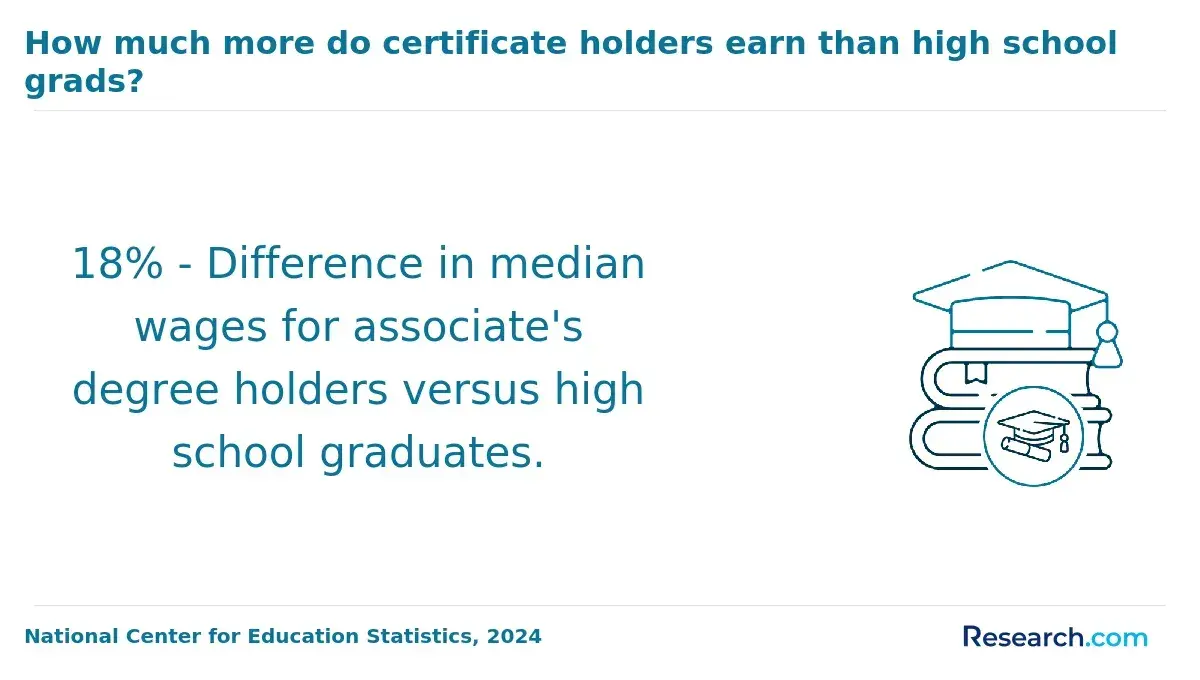
Return on investment (ROI) in higher education goes beyond initial tuition costs, focusing instead on the balance between what students pay to earn a business administration degree and the long-term financial and professional benefits they gain. Recent data from the National Center for Education Statistics in 2024 show that graduates with this degree earn median annual salaries roughly 20% to 40% higher than those with only a high school diploma or associate degree. However, this wage premium does not materialize instantly; for many, it takes several years of career development before their earnings surpass the total cost of education.
Consider a student who finances tuition through loans and enters the workforce with an entry-level salary that might feel modest compared to their debt obligations. Over a decade, as the student gains experience, builds a professional network, and leverages the degree's broad applicability across industries, salary growth typically accelerates. Research from Georgetown University's Center on Education and the Workforce suggests that most business administration graduates break even on their educational investment within ten years, illustrating that ROI is heavily influenced by time, economic conditions, and individual career trajectories.
Multiple factors shape whether a business administration degree delivers positive returns. Rising tuition costs, often outpacing inflation, raise upfront financial risk, while regional job markets and the reputation of the awarding institution can significantly affect earnings potential. Additionally, blending academic credentials with practical experience and strategic networking often determines a graduate's ability to capitalize on the degree's versatility. Ultimately, ROI varies widely among individuals and economic landscapes, requiring prospective students to carefully weigh immediate costs against expected long-term advantages rather than relying solely on starting salary figures.
Which Industries Offer the Highest Salaries for Business Administration Graduates?
Business Administration graduates face a diverse job market where salary potential varies significantly by industry. Strategic choices can lead to roles that not only pay well but also offer strong long-term career trajectories. Recent findings from the U.S. Bureau of Labor Statistics and 2024 industry salary reports highlight several sectors that consistently surpass others in compensation for professionals with business administration credentials. Understanding these industries helps prospective students and recent graduates align their education and skill development with market realities. Below are key industries recognized for the highest-paying roles for business administration graduates.
- Finance and Insurance: This sector leads in compensation due to its critical role in managing monetary assets, investments, and risk. Graduates often work as investment bankers, financial analysts, and risk managers, where performance bonuses significantly boost base salaries. Strong quantitative and analytical skills, combined with certifications like CFA, are highly valued here.
- Technology: Rapid industry expansion propels lucrative opportunities for business administration professionals as product managers, operations directors, and business analysts. Apart from competitive salaries, stock options and benefits enhance total compensation. Success in this sector depends on combining management expertise with an understanding of digital innovation and agile methodologies.
- Management Consulting: Leading consulting firms offer above-average starting salaries and extensive career growth for graduates advising on corporate strategy and operational efficiency. The intellectual rigor and client-facing nature of the roles necessitate problem-solving ability and strong communication skills to drive client value and justify premium pay.
- Healthcare Administration: The complexity and growth of health services fuel demand for skilled professionals managing finance, compliance, and operations in hospitals and clinics. Regulatory knowledge and cost control expertise contribute to higher salaries in this sector relative to other service industries.
- Energy and Utilities: Often overlooked, this sector provides substantial remuneration for graduates managing large-scale projects, regulatory frameworks, and sustainability initiatives. Specialized knowledge in energy markets and environmental regulations enhances earning potential.
- Real Estate and Construction: Graduates managing financial planning, project development, and investment portfolios in real estate benefit from market cycles that can drive high commissions and profits. Negotiation skills and a strong grasp of market analysis are essential here.
- Pharmaceuticals and Biotech: Companies in these industries combine scientific innovation with business management, offering lucrative roles in supply chain, marketing, and financial planning. Familiarity with regulatory environments and product lifecycle management supports higher earnings.
For those balancing family and educational advancement, exploring available college programs for moms can provide flexible paths into these high-paying industries. Being attuned to salary trends by industry in the US and making informed decisions about specialization can substantially affect both immediate earnings and long-term career success for business administration graduates.
Which States and Cities Offer the Highest Pay for Business Administration Professionals?
Geographic location significantly impacts salaries for business administration professionals, with the highest pay often concentrated in major metropolitan hubs on the East and West Coasts. According to 2024 figures from the U.S. Bureau of Labor Statistics and corroborated by the National Association of Colleges and Employers, these regions offer a median salary that can exceed the national average by 20 to 30 percent. However, these potential earnings come with substantial costs in housing, living expenses, and tuition, which can diminish net financial gains. Students and career changers must weigh these tradeoffs carefully, factoring in long-term career growth and regional economic trends. Below are key states and cities where business administration wages stand out due to their unique industry landscapes and economic conditions.
- California Metropolitan Areas: Areas like San Francisco and San Jose top the list, driven by tech giants and headquarters of multinational corporations demanding advanced managerial expertise. The salary premium here is significant but offset by some of the highest living and educational costs nationwide, making careful budgeting essential.
- New York City: As a global finance and consulting nexus, NYC offers elevated compensation for business administration roles linked to banking, investment, and corporate strategy. The city's intense professional environment provides opportunity but comes with a steep cost of living that narrows disposable income.
- Boston, Massachusetts: A blend of established corporations and innovation-driven startups supports competitive pay in business administration, augmented by proximity to top universities supplying skilled graduates. While salaries are attractive, the regional tuition and housing costs require strategic financial planning.
- Chicago, Illinois: Chicago balances competitive wages with a relatively lower cost of living compared to coastal cities, fueled by diverse industries including finance, manufacturing, and healthcare management. This offers upward mobility for graduates seeking a mix of opportunity and affordability.
- Dallas, Texas: Rapid growth in technology and healthcare sectors positions Dallas as a strong contender for business administration roles, with salaries rising steadily amid a moderate cost of living. Graduates here often find room to increase earnings without the premium expenses found on coasts.
- Seattle, Washington: Technological expansion propels wage growth in business administration, with companies like Amazon and Microsoft driving demand. Despite rising living costs, Seattle remains attractive for professionals prioritizing industry growth and long-term career prospects.
How Do Business Administration Salaries Grow Throughout a Career?
Business administration salaries tend to follow a trajectory closely tied to experience and role seniority. Entry-level graduates might start in the $50,000 to $60,000 range, reflecting typical starting points reported by the U.S. Bureau of Labor Statistics in 2024. By mid-career-roughly five to fifteen years in-professionals often see their earnings climb substantially, with averages rising between $75,000 and $100,000 as they take on managerial or specialized positions. This phase is critical, as salary growth is largely influenced by the acquisition of relevant skills and certifications, a fact confirmed by the National Association of Colleges and Employers in its 2024 report.
The path from mid-career to senior roles introduces greater variability but also potential for higher salaries, often exceeding $125,000. Factors such as leadership responsibility, industry sector, and even geographical location become increasingly significant. For example, two graduates with identical Business Administration degrees might diverge dramatically if one pursues continuing education and certification while moving into finance management, whereas the other remains in entry-level sales roles; the former can expect faster salary increases and broader opportunities. Real wage growth, however, may still lag behind inflation and tuition hikes, underscoring that strategic upskilling and career planning play pivotal roles in long-term earnings potential.
One graduate recounted facing a crossroads five years post-graduation, uncertain whether to invest time and resources into an MBA or specialized certifications. Initially hesitant due to cost concerns, this choice felt urgent after realizing peers with advanced credentials were advancing faster and commanding higher salaries. Opting for a targeted certification in financial analysis while remaining in her company's leadership track, she saw her salary jump significantly within two years. This experience reflects how thoughtful professional development can decisively alter salary trajectories in business administration careers, beyond the baseline degree credential alone.
How Do Business Administration Salaries Compare With Similar Degrees?
When evaluating how business administration salary compares with related degrees like finance, marketing, and management, the differences are often nuanced and tied to specialization and industry demand. Recent data from U.S. government sources and the National Association of Colleges and Employers highlight that starting salaries for business administration graduates hover around $58,000 annually. This figure is competitive but slightly lower than some closely aligned fields. Understanding these variations helps students prioritize degrees based on long-term earnings and career flexibility rather than immediate salary alone. Below is a focused comparison to assist in this critical decision.
- Finance: Finance graduates typically command higher starting salaries, averaging near $62,000, according to the most recent reports. Careers often lead to roles in investment banking, corporate finance, or financial analysis where specialized knowledge and higher stakes justify the premium pay. This field's emphasis on quantitative skills and risk management usually translates into faster mid-career salary growth compared to business administration.
- Marketing: Marketing degrees see median salaries ranging from $55,000 to $57,000 initially, reflecting the wide variety of industries and roles involved. Marketing's creative and strategic demands produce variability in earnings, with some sectors paying less but offering more opportunities for lateral movement. Business administration grads may find more stable growth with diverse management options, but marketing specialists often fill niche positions commanding competitive compensation.
- Management: Business administration salary figures are closely aligned with broader management degrees, where a median starting salary also hits about $58,000. While finance outpaces these fields in early earnings, management and business administration share advantages in skill versatility and long-term upward mobility-especially for those moving into senior leadership roles.
- Accounting: Though not always lumped directly with business administration, accounting often surpasses it in mid-career earning potential by roughly 10%. This is due to its technical rigor and regulatory expertise, which are increasingly in demand. Business administration may lag somewhat in specialization but compensates with broader job options beyond just finance-related roles.
For prospective students weighing tuition costs against potential salary outcomes amid inflation, such tradeoffs are essential. Those targeting a generalist business education will find that business administration remains popular and reasonably priced compared to specialized fields. However, specializations within the degree can meaningfully alter earning trajectories. Considering this, it is wise to explore how specific concentrations might influence long-term compensation and job market resilience. For example, individuals choosing more technical or finance-adjacent concentrations may see enhanced salary prospects that justify higher program costs.
In a practical scenario, a recent graduate with a business administration degree faced a choice between a specialized finance track and a broader management role. The finance track promised a roughly 6-7% higher starting salary but with greater volatility and workload intensity. Conversely, the management path offered steadier growth and wider job flexibility but required accepting a slightly lower initial salary. Such decisions exemplify the importance of balancing immediate and long-term financial and lifestyle goals.
Those interested in comparing how their degree might stack against diverse options might also research unrelated fields like the trends in an online architecture degree, which, while not a business field, represent how specialization and market demand shape earnings across disciplines.
- Business Administration salary comparison with related degrees
- Earnings differences between Business Administration and similar fields
How Is Employer Demand Affecting Business Administration Salary Trends?
Employer demand is a primary driver shaping business administration salary trends in the United States by intensifying competition among companies for qualified candidates. For example, a mid-sized firm in a metropolitan area might significantly increase salaries and offer targeted bonuses to attract professionals skilled in data analysis and project management due to the rising complexity of financial operations. This heightened competition prompts employers to prioritize specialized certifications and practical experience, often leading to differentiated compensation packages within the same field. The U.S. Bureau of Labor Statistics projects an 8% growth in business and financial operations occupations over the next decade, underscoring sustained demand that influences wage negotiations and hiring activity.
However, strong employer demand does not guarantee wage growth that fully offsets economic pressures. While salaries for business administration roles generally rise faster than average occupation growth, reports from the National Association of Colleges and Employers show that starting salaries are increasing by just 3% annually, trailing inflation around 4%. This pattern illustrates how broader economic factors, organizational budgets, and geographical cost-of-living differences moderate the impact of employer demand. Prospective students evaluating a business degree should consider these dynamics alongside tuition inflation and explore flexible options like an online MFA degree for potentially better return on investment in related management fields.
Ultimately, employer demand creates the conditions for potentially faster wage growth in business administration but intersects with experience levels, specialization, and macroeconomic trends to produce varied salary outcomes. This complexity means that while demand remains robust, individuals must weigh these factors carefully when projecting long-term earnings relative to their education costs.
How Can Students Maximize Their Lifetime Earnings With a Business Administration Degree?
Maximizing lifetime earnings with a business administration degree requires deliberate choices beyond simply obtaining the credential. Recent 2024 data from the U.S. Bureau of Labor Statistics and the National Association of Colleges and Employers identify industry selection, relevant certifications, and graduate education as key drivers of higher long-term income. For example, a student focusing on financial management in the technology sector, combined with certifications like CMA or PMP, often sees accelerated wage growth. Understanding these leverage points can make the difference between median earnings and top-quartile salaries over a career. Below are practical strategies aligned with current labor market insights to enhance earning trajectories.
- Industry Specialization: Targeting industries such as finance, technology, or healthcare management positions graduates in high-demand fields where salaries and growth rates exceed averages, providing a competitive advantage.
- Professional Certifications: Earning credentials like Certified Management Accountant (CMA) or Project Management Professional (PMP) typically adds 10-20% to annual wages, reflecting employer recognition of specialized skills.
- Work Experience Early: Gaining relevant internships or entry-level roles during studies builds practical skills and networks, creating a foundation for quicker promotions and salary increases.
- Advanced Education: Pursuing an MBA or other graduate degrees from accredited programs often results in significant lifetime earning uplifts, as supported by Georgetown University research.
- Networking Strategically: Building connections within influential business sectors accelerates access to opportunities and leadership roles that command higher pay.
- Geographic Cost-Benefit: Choosing metropolitan areas with strong business ecosystems can increase salary potential but requires balancing against local living expenses.
References
- How much does Business Administration make today https://vinuni.edu.vn/how-much-does-business-administration-make/
- Why Inflation & Salary Increases Are Different https://wcbc.ca/inflation-vs-salaries/
- Career Outlook for Business Administration| University of Bridgeport https://www.bridgeport.edu/news/career-outlook-for-business-administration/
- Do increases in public sector wages affect inflation? :: Public Sector Economics https://www.pse-journal.hr/en/archive/do-increases-in-public-sector-wages-affect-inflation_13377/
- How Much Do Business Administrators Earn? https://www.allbusinessschools.com/business-administration/salary/
- Top 15 Highest Paying Business Degree Jobs in 2025 UK & Global Guide https://apexlearning.org.uk/highest-paying-business-degree-jobs-2025-2026/
- The Return on Investment for Business Degrees https://www.higheredtoday.org/2022/07/15/the-return-on-investment-for-business-degrees/
- Average Cost of College [2025]: Yearly Tuition + Expenses https://educationdata.org/average-cost-of-college
- what does business administration workforce want https://www.randstad.com.sg/hr-trends/employer-brand/what-does-business-administration-workforce-want/
- Business Administration Salary: A Guide to Earning Potential https://www.yorkvilleu.ca/blog/business-administration-salary/
Other Things You Should Know About Business Administration
Business administration programs that emphasize experiential learning, internships, and industry connections tend to yield higher initial salaries than programs focused mainly on theory. Graduates from institutions with strong employer networks often receive better job placements and signing bonuses, impacting wage outcomes more than just the prestige of the degree. Prospective students should weigh program design carefully, prioritizing hands-on opportunities that enhance real-world skills over purely academic rankings to improve earning potential.
Intense business administration programs requiring heavy course loads and complex projects may delay immediate income due to limited time for part-time work or internships. Conversely, those who balance manageable academic demands with practical work experiences early on often achieve faster salary progression. Students must consider whether the short-term stress of a demanding curriculum outweighs the advantage of gaining work experience concurrently, as employers increasingly value demonstrated applied skills alongside GPA.
Employers now prioritize advanced technical skills and data literacy in business administration roles, which may not be uniformly covered in all programs. Salaries tend to grow faster for graduates who proactively develop competencies in analytics, technology platforms, and cross-functional team leadership. This means graduates from programs that fail to integrate evolving employer needs risk slower wage growth despite holding the same degree, highlighting the importance of selecting curriculum aligned with current market demands.
Choosing lower-cost business administration programs can significantly reduce debt burden, improving net financial outcomes even if starting salaries are modestly lower. However, program reputation and alumni networks remain critical for premium salary opportunities in competitive markets. Decision-makers should balance immediate financial relief from cheaper tuition against potential long-term salary advantages associated with stronger program brand and career services, focusing on which factor more directly supports their individual financial goals.