2027 Business Administration Tuition Inflation Report: How Fast Are Program Costs Rising?

Co-Founder and Chief Data Scientist
Rising tuition in business administration programs reflects complex shifts in educational delivery and workforce demands. Increased reliance on specialized faculty with industry experience drives labor costs higher, while expanding partnerships with corporations require investments in experiential learning platforms and technology infrastructure. Accreditation bodies now emphasize soft skills and ethical leadership, encouraging schools to enhance curriculum design and student support services.
Additionally, enrollment trends reveal a growing number of mid-career professionals seeking advanced credentials, pushing institutions to offer flexible, often costlier formats. Examining these factors clarifies why tuition inflation in business administration diverges from other fields and signals evolving expectations for future managers and leaders.
Key Things to Know About Business Administration Tuition Inflation
- Rising tuition for business administration programs, up 6.8% annually since 2022, pressures students to weigh immediate debt against long-term career returns, especially in competitive job markets.
- Employers increasingly expect diverse skill sets beyond core business administration knowledge, making purely academic investment less predictive of employability without complementary experiential credentials.
- Delayed enrollment due to steeper costs risks misalignment with evolving industry demands, reducing graduates' relevance in rapidly changing business environments and affecting career trajectory timing.
- Key Things to Know About Business Administration Tuition Inflation Key Things to Know About Business Administration Tuition Inflation
- How Much Has Business Administration Tuition Increased Over the Past Decade? How Much Has Business Administration Tuition Increased Over the Past Decade?
- How Does Business Administration Tuition Inflation Compare to Overall Inflation? How Does Business Administration Tuition Inflation Compare to Overall Inflation?
- Which Types of Schools Have Experienced the Fastest Business Administration Tuition Growth? Tuition Growth by School Type
- What Factors Are Driving Rising Costs in Business Administration Degree Programs? Tuition Cost Drivers
- How Does Business Administration Tuition Growth Vary by State and Region? Tuition Growth by State
- Are Online Business Administration Programs Becoming More Affordable Than Campus-Based Programs? Online Program Affordability
- How Have Financial Aid and Scholarships Changed as Business Administration Tuition Has Increased? Impact on Financial Aid and Scholarships
- How Does Rising Business Administration Tuition Affect Student Debt After Graduation? Impact on Student Debt
- Do Higher-Cost Business Administration Programs Deliver Better Career Outcomes or Earnings? Impact on Career Outcomes
- What Do Current Tuition Trends Suggest About the Future Cost of a Business Administration Degree? What Do Current Tuition Trends Suggest About the Future Cost of a Business Administration Degree?
How Much Has Business Administration Tuition Increased Over the Past Decade?
Over the past decade, tuition for business administration programs at public four-year institutions has increased by nearly 40% after adjusting for inflation, with private colleges experiencing even sharper rises of up to 50%, according to recent data from the National Center for Education Statistics. This trend outpaces general inflation and reflects growing financial commitments for students pursuing this field. The average business administration program cost growth in the United States has been fueled by sustained demand for these degrees, as they remain among the most sought-after undergraduate options nationwide, exerting upward pressure on tuition levels. This cost escalation is not uniform, with institutional type and regional funding variations playing significant roles in shaping the differential price increases observed.
Several factors contribute to these rising tuition rates beyond basic operational inflation. Declining state support for public colleges has pushed institutions to shift more expenses to students, while expanding academic and student support services also add to costs. Investments in technology and infrastructure designed to enhance career outcomes have further increased spending, though these enhancements do not always produce proportional gains in graduate salaries. Enrollment trends, especially sustained interest in business administration despite rising prices, amplify institutional incentives to grow these programs, reinforcing a cycle of demand-driven tuition inflation.
The financial implications of this escalation extend to affordability and return on investment for prospective students. Many face tough choices balancing significant upfront tuition costs against uncertain salary premiums, which drives consideration of alternative educational pathways, including community college transfers or more affordable online options such as online MBA programs. The growing cost burden may disproportionately affect lower-income students, potentially limiting access and diversifying the field. As a result, understanding these tuition trends and their underlying drivers is essential for students and families to make informed decisions about degree selection and long-term economic outcomes.
How Does Business Administration Tuition Inflation Compare to Overall Inflation?
The tuition inflation for business administration programs consistently surpasses general consumer price increases, reflecting a distinct cost trajectory from typical economic inflation measures like the Consumer Price Index (CPI). Recent data show annual tuition and fees rising between 3% and 5% over the past decade, while CPI growth has hovered closer to 2% to 3%, indicating a widening affordability gap. This disproportionate growth is notable given it exceeds many standard living costs, underscoring structural pressures unique to higher education funding and cost management. These trends demonstrate that business administration tuition inflation rates in the United States compared to overall consumer price increases reveal fundamental disparities in how educational services escalate compared to broader economy dynamics.
Structural factors explaining why tuition grows faster than general inflation include shrinking public subsidies and changes in institutional funding models that shift more financial responsibility onto students. Administrative overhead has expanded considerably, alongside investments in modern educational technology, infrastructure, and expanded support services, all of which drive costs independently of general price inflation. Facilities upgrades and expansive experiential learning programs, such as internships and study abroad options, further differentiate the cost curve. This divergence not only reflects escalating operational complexity but also institutional responses to competitive pressures, regulatory demands, and market expectations in business education.
The widening gap between tuition inflation and overall inflation creates tangible affordability challenges, influencing borrowing patterns and shaping student decision-making regarding program selection and value assessment. Prospective students must reconcile rising costs with return on investment calculations, especially since wage growth tends to align more closely with general inflation than with tuition surges. Those planning to pursue degrees should also consider cost containment strategies and alternatives, including the well-documented affordability of programs offering the cheapest online computer engineering degree, which can provide perspective on cost-efficiency across disciplines. Ultimately, understanding these price dynamics is essential for navigating evolving higher education markets.
Which Types of Schools Have Experienced the Fastest Business Administration Tuition Growth?
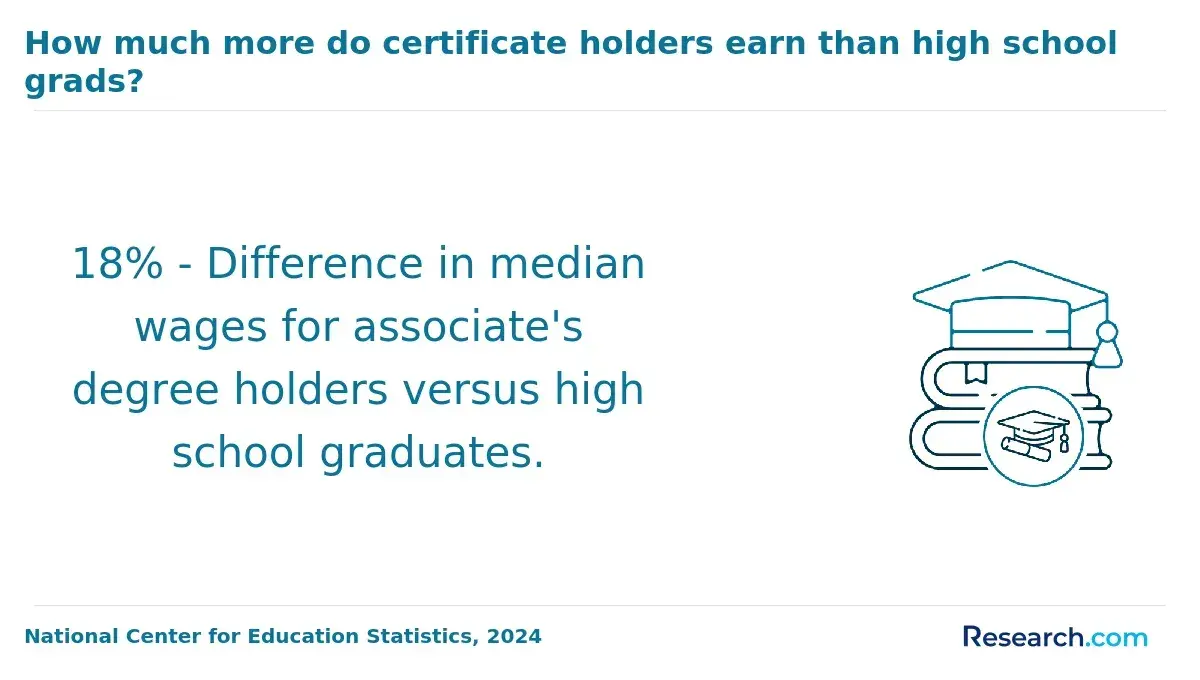
Tuition growth for business administration programs varies notably across different types of institutions, shaped by funding mechanisms, enrollment demand, and program delivery strategies. Recognizing these variations is essential for students and analysts assessing cost trajectories and value propositions in higher education. Recent data from the National Center for Education Statistics highlight that private nonprofit institutions have experienced average annual tuition increases close to 6%, outpacing the more moderate 2-3% rise seen at public two-year colleges. These differences reflect deeper financial and operational distinctions among institutional categories.
- Private Nonprofit Universities: These institutions typically rely heavily on tuition revenue to offset limited state funding and expanded program offerings. Their emphasis on maintaining campus facilities, investing in specialized business resources, and enhancing faculty credentials drives higher operational costs, which translate into steeper tuition growth for business administration degrees.
- Public Universities: Public flagships often benefit from state appropriations and larger endowments, tempering tuition increases despite rising demand. However, reductions in government support in many states have nudged these institutions toward moderate tuition hikes, especially when expanding business program capacities or investing in hybrid and online formats.
- Community and Two-Year Colleges: These schools generally exhibit slower tuition growth due to constrained funding models and missions focused on accessibility and affordability. The typically smaller scale and limited specialization of business administration offerings also contribute to more stable cost structures.
- For-Profit Institutions: For-profit providers may demonstrate variable tuition trends influenced by market competition and flexible delivery modes. Their business models often leverage cost efficiencies via online platforms, but reliance on tuition as a sole revenue source can lead to aggressive pricing adjustments responding to enrollment shifts.
- Research-Intensive Universities: These universities often bundle business administration degrees within broader graduate and professional education initiatives, passing the costs of research infrastructure and interdisciplinary collaboration partially onto tuition. This complexity can lead to higher relative tuition growth compared to less research-focused schools.
What Factors Are Driving Rising Costs in Business Administration Degree Programs?
Rising costs in business administration degree programs stem from a complex interplay of institutional and economic dynamics rather than a single driving factor. These programs must balance the heightened demand for specialized faculty, technological sophistication, and comprehensive student services with constrained funding environments. The increasing financial pressure is compounded by shifts in institutional priorities and the redistribution of resources across public and private sectors, making cost growth a systemic outcome of evolving higher education models. Tuition inflation for business-related fields, for example, has surpassed general higher education increases by roughly 15% over the past five years, highlighting how market forces and academic adaptations accentuate this trend.
Several key elements influence these escalating costs. Declines in state funding have intensified reliance on tuition revenues at public universities, transferring budgetary shortfalls directly onto students. At the same time, attracting faculty with relevant industry experience and research prowess requires competitive compensation adjustments, which further inflate labor expenses. Administrative expansion to support enhanced advising, career services, and regulatory compliance adds layers of cost beyond instruction. Additionally, investments in hybrid and online learning platforms, including digital infrastructure and software, raise operational expenses by about 10% annually according to recent sector analyses, reflecting the evolving delivery methods business administration programs employ to meet market expectations and accessibility demands.
One graduate recounts how the unpredictability of the rolling admissions process influenced their enrollment decision. Facing delayed responses from several programs, they hesitated to commit while weighing the rising tuition and financial aid uncertainty. This created pressure to expedite preparations, including test scores and supplemental materials, as available seats dwindled. The anxiety of balancing timing and costs underscored the opaque interplay between institutional demand management and individual financial planning, illustrating how system-wide cost factors ripple down to students navigating admissions complexity amid escalating expenses.
How Does Business Administration Tuition Growth Vary by State and Region?
Tuition growth for business administration programs varies significantly across U.S. states and regions, driven by a complex interaction of state funding, institutional types, and local economic factors. States with robust higher education appropriations often exhibit slower tuition inflation, while those facing budgetary shortfalls rely more heavily on tuition increases to sustain operations. The presence of extensive public university systems, combined with regional economic conditions such as cost of living and workforce demand, creates distinct tuition growth patterns that go beyond mere geography. A nuanced understanding of these drivers is crucial to interpret business administration tuition growth by state accurately.
Key factors shaping this variation include state appropriations for public institutions, which in many northeastern states have not kept pace with expenses, prompting steeper tuition hikes. In contrast, Midwest and southern states often show slower tuition growth due to comparatively stronger or more stable public funding and competitive pressures to maintain accessibility amid shifting demographics. The concentration of private institutions and research universities, particularly in urban centers with higher living costs, also accelerates tuition increases in some regions. Additionally, workforce demand within certain industries influences program pricing strategies, as areas with strong employment networks may justify higher tuition based on expected graduate outcomes.
These regional disparities in business administration program costs affect student mobility and long-term affordability, with cost differences influencing program selection and the return on educational investment. High-tuition areas might offer better initial salaries but also impose greater upfront financial burdens, while more affordable states may limit job market access but reduce debt load. For prospective students evaluating these tradeoffs, considering net costs and institutional support remains essential. Similarly, those comparing specialized degrees, such as MFT masters programs, should weigh tuition trends alongside sector-specific demand and financing to identify feasible educational pathways.
Are Online Business Administration Programs Becoming More Affordable Than Campus-Based Programs?
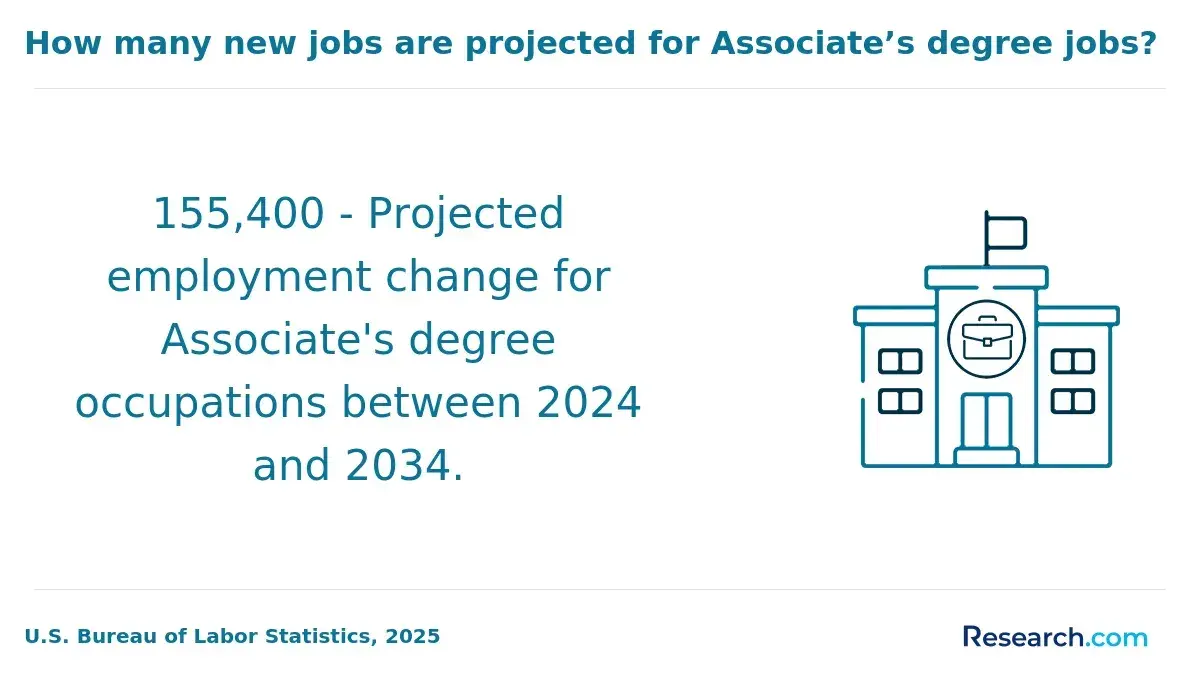
Online business administration programs have generally become more financially accessible than their campus-based counterparts, a trend shaped by distinct institutional pricing approaches tied to delivery models. While tuition inflation averages about 5.2% annually for traditional campus offerings, it tends to rise closer to 3.6% for online formats, according to the National Center for Education Statistics 2024 report. This slower cost growth partly reflects a strategic effort to attract geographically diverse students by leveraging technology for scalability. However, pricing is not solely driven by platform efficiencies; institutions often calibrate rates to balance market competitiveness with investment recoupment in digital infrastructure and student engagement tools.
The cost structure differences between online and in-person programs hinge on both savings and new expenditures unique to each format. Online degrees avoid significant physical infrastructure expenses such as campus maintenance, facilities, and on-site services, which often constitute a sizable portion of traditional tuition. Yet investments in digital learning environments, instructional design tailored for remote delivery, faculty training for virtual engagement, and robust remote student support partially offset these savings. Additionally, online programs require ongoing technology upgrades and licensing costs, while campus programs sustain costs linked to utilities, security, and property. This mix means cost advantages in online education are neither guaranteed nor uniform but depend heavily on institutional scale, platform sophistication, and the extent of asynchronous versus synchronous delivery.
One graduate recalled applying to several online business administration programs during a rolling admissions cycle, initially hesitant as application responses came slowly. The candidate balanced the risk of waiting for preferred institutions' acceptance against enrolling quickly to secure lower tuition rates expected to rise. As delays mounted, the student chose a program with transparent cost structures and timely updates, ultimately appreciating the combination of affordability and structured digital support. This experience underscores how cost-effectiveness is influenced not only by sticker price but also by administrative responsiveness and strategic timing in the admissions process.
How Have Financial Aid and Scholarships Changed as Business Administration Tuition Has Increased?
As tuition for business administration programs continues to escalate, the evolution of financial aid and scholarships has not uniformly matched these cost increases, resulting in complex affordability challenges. While many institutions have expanded their financial aid portfolios, including merit-based and targeted scholarships, the overall aid growth often falls short relative to tuition inflation. Increasingly, aid models emphasize performance benchmarks or specific academic focuses, which narrows eligibility and complicates access for many students. Institutional aid tends to prioritize attracting top-performing applicants or underrepresented demographics rather than broadly reducing net costs for the wider student body.
The changing landscape of financial support reflects several driving forces. Federal and state grant programs, such as Pell Grants, have incrementally increased their maximum awards, but these adjustments lag significantly behind rapid tuition growth, diminishing their relative value. Universities use tuition discounting strategically to manage enrollment and competitiveness, yet this approach generally favors certain cohorts over equitable need-based increases. The growing reliance on merit scholarships aims to enhance institutional profiles and recruit high-achievers but may inadvertently reduce the availability of funds for middle-tier students who often have significant unmet need. This shifting interplay between governmental aid constraints, institutional pricing strategies, and targeted scholarship offerings shapes the complex financial calculus facing prospective students.
The practical outcome of these trends has been a relative stagnation or decline in net price affordability for many business administration students, despite nominal increases in financial aid. Rising tuition coupled with more restrictive and conditionally awarded aid intensifies dependence on loans, raising post-graduation debt burdens and influencing program choice based on financial viability rather than purely academic or career considerations. These dynamics underscore the necessity for prospective students to critically evaluate expected net costs and long-term earnings potential, as the evolving aid environment increasingly impacts accessibility and the economic return on investment in business administration education.
How Does Rising Business Administration Tuition Affect Student Debt After Graduation?
Rising tuition costs in business administration programs have led to substantially higher borrowing among students, intensifying reliance on student loans to bridge affordability gaps. As tuition fees escalate, many students increasingly take on debt that exceeds traditional financial aid, pushing total borrowing to levels that translate into elevated repayment obligations after graduation. This trend is especially significant given that the growth in tuition often outpaces increases in grant aid, creating a growing financial void. The impact of these rising costs on student loan debt is underscored by recent 2024 studies showing a proportional increase in average debt levels among business administration graduates, which complicates their financial situation post-degree completion.
Several factors amplify the effect of tuition inflation on student debt. First, disparities between public and private institution tuition rates mean students at private schools often face far higher loan amounts. Additionally, during the program tenure, interest accrual on unsubsidized loans can substantially increase total debt burden before repayment even begins. Income variability post-graduation further complicates repayment; graduates entering sectors with salaries below the median for business administration degree holders may struggle to manage these debts without refinancing or income-driven repayment options. These dynamics feed into the broader phenomenon of business administration tuition impact on student loan debt, affecting repayment trajectories and long-term financial health.
The rising debt levels have broader implications for repayment stress and educational decision-making. Increasing borrowing pressures influence student choices, making some prospective learners opt for shorter certificates or programs with lower price points to mitigate long-term financial strain. Employers' expectations for practical skills alongside academic credentials heighten the stakes, forcing students to weigh the cost versus perceived value of their degree carefully. Many adult learners juggling tuition, work, and family obligations face compounded financial strain. For those exploring cost-effective alternatives, programs like the cheapest online masters in finance represent one strategic pathway within the evolving landscape of student debt trends after rising business administration program costs.
Do Higher-Cost Business Administration Programs Deliver Better Career Outcomes or Earnings?
Assessing whether higher-cost business administration programs deliver better career outcomes or earnings reveals a complex dynamic where tuition price alone is an insufficient predictor of success. While more expensive programs often correlate with higher starting salaries-about 15% greater according to a 2024 National Center for Education Statistics report-this advantage declines over time, with median earnings differences dropping to roughly 5% after a decade. These figures indicate that the initial salary premium linked to costly degrees narrows significantly as careers progress, complicating direct associations between program cost and long-term return on investment for Business Administration degrees in the United States.
Key factors beyond cost influence employment and salary outcomes, including institutional reputation, access to internship pipelines, employer partnerships, specialization depth, and alumni networks. More expensive programs typically provide extensive career placement services and stronger industrial connections, which can facilitate early job placement and skill development. However, employer demand increasingly emphasizes practical experience and demonstrated competencies, allowing graduates of mid-tier or public institutions that integrate experiential learning to remain competitive. Geographic location and regional industry presence also play critical roles in shaping employment opportunities and earning potential, reinforcing that program quality is multidimensional and not solely defined by tuition.
For prospective students, balancing program cost against anticipated debt and realistic career trajectories is essential. Higher tuition can produce substantial financial burdens that may erode initial earnings advantages, necessitating a nuanced evaluation of education return on investment. Decisions should factor in the full scope of career outcomes, including debt load, time to degree completion, and alignment with targeted sectors. Additionally, exploring related fields and credentials, such as reviewing types of paralegals and salaries, can provide broader context for understanding labor market variability and career planning strategies.
What Do Current Tuition Trends Suggest About the Future Cost of a Business Administration Degree?
Current tuition trends for business administration degrees indicate a cost trajectory exceeding general inflation, with historical increases outpacing broader college tuition rises. Data from the National Center for Education Statistics' 2024 report shows that undergraduate business administration tuition has grown by approximately 4.7% annually over the past five years, compared to a 3.2% overall inflation rate in higher education. This persistent divergence suggests ongoing upward pressure on program costs, reflecting not only traditional inflation but also shifting institutional priorities and market dynamics in higher education pricing.
Key factors driving future tuition include constrained public funding, intensifying demand for business-related competencies, and the expansion of technologically enhanced program delivery. Institutions are investing heavily in digital infrastructure, student support services, and experiential learning components which add to operational costs. Meanwhile, growing employer expectations for both credentials and applicable skills reinforce demand, enabling institutions to sustain price increases despite affordability concerns.
These dynamics imply that prospective students must weigh tuition inflation alongside borrowing burdens and return on investment, particularly as cost increases may outpace available financial aid growth. Enrollment behaviors already reflect this reality, with traditional-age students more sensitive to price hikes while adult learners seek flexible, potentially more affordable options like part-time or online studies. Understanding how tuition patterns intertwine with program format and accessibility is crucial for informed decision-making about pursuing a business administration degree.
References
- ABSL - Enhancing business strategies with an inflation mindset https://absl.pl/pl/news/p/enhancing-business-strategies-inflation-mindset
- UNRAVELING THE TRUE DRIVERS OF RISING COLLEGE TUITION AND POLICY PATHWAYS https://ijeber.com/unraveling-the-true-drivers-of-rising-college-tuition-and-policy-pathways/
- Cost of Online College vs. In-Person | Touro University Worldwide https://www.tuw.edu/school-news/cost-of-online-college-vs-in-person/
- Inflation and Its Impact on Education Loans in 2026 https://www.wemakescholars.com/blog/how-inflation-impacts-education-loan
- Effects of Student Loan Debt on Economy [2026]: Data Analysis https://educationdata.org/student-loan-debt-economic-impact
- Education Inflation: Bad for Education, Bad for Business? - Audit Beacon https://www.richardchambers.com/education-inflation-bad-for-education-bad-for-business/
- 5 Key Things To Know When Studying Business Administration - Taylor Pro College https://taylorprocollege.com/key-things-to-know-when-studying-business-administration/
- Do Student Loans Drive Up College Tuition? https://www.richmondfed.org/publications/research/economic_brief/2022/eb_22-32
- A New Approach for Curbing College Tuition Inflation https://manhattan.institute/article/a-new-approach-for-curbing-college-tuition-inflation
- What Are Today’s Students Willing To Pay for an Online MBA? https://encoura.org/resources/wake-up-call/what-are-todays-students-willing-to-pay-for-an-online-mba
Other Things You Should Know About Business Administration
Students should assess the tuition cost against factors like curriculum quality, career support, faculty expertise, and program flexibility. Comparing these with post-graduation job prospects and salary potential helps determine if the investment aligns with career goals.
Higher tuition may reflect investment in experiential learning like case competitions, consulting projects, or access to strong industry networks. However, not all expensive programs deliver these benefits equitably. Students must critically assess whether the premium price corresponds to substantial experiential opportunities that enhance employability or if the cost largely covers brand-name prestige without meaningful skill development.
Accelerated programs cost more per credit hour but reduce time-to-degree, potentially lowering indirect costs such as lost wages. For students focused on quickly entering or advancing in the workforce, paying higher tuition for an accelerated track can be a rational tradeoff if the curriculum maintains rigor and employer recognition. Nevertheless, costlier accelerated paths may not be worthwhile if they sacrifice comprehensive skill-building or network development crucial for long-term career growth.
When tuition rises faster than reimbursement caps, professionals face tougher cost-benefit decisions regarding continuing education. They must evaluate whether the specific business administration program aligns closely with career advancement goals to justify out-of-pocket expenses. Prioritizing certifications or shorter credential programs with clearer, immediate employer value might be more practical than investing in full degrees that exceed reimbursement limits.