2027 Business Administration Degree Outlook Through 2030: Enrollment, Salary, and Hiring Projections

Co-Founder and Chief Data Scientist
Deciding whether to pursue or continue a business administration degree requires more than noting the 4% projected growth in business and financial operations jobs through 2030. While increased enrollment reflects sustained interest, it also signals intensified competition among graduates, especially as regional job markets vary widely. Rising automation and evolving employer expectations prioritize specialized skills, complicating the value of a general business administration credential.
Moreover, salary trends differ by industry and geography, masking disparities that affect long-term career trajectories. This article examines business administration enrollment, salary patterns, hiring projections, industry demand, geographic opportunity, and emerging workforce changes through 2030 to inform better education and career decisions.
Key Things to Know About the Business Administration Degree Outlook Through 2030
- Enrollment in business administration programs grew 4.7% nationally in 2024, signaling increased competition that may dilute graduate market value and necessitate distinctive specializations for differentiation.
- Employers increasingly value dual expertise in business administration and data analytics, reflecting a workforce shift towards hybrid skill sets, which influences hiring priorities and demands adaptive curricula.
- Rising tuition costs paired with projected moderate hiring growth suggest timing degree completion to align with emerging sectors, balancing upfront investment against sector-specific job availability.
- Key Things to Know About the Business Administration Degree Outlook Through 2030 Key Things to Know
- How is Business Administration Degree Enrollment Expected to Change Through 2030? Enrollment Trends Through 2030
- How Many Business Administration Graduates Will Enter the Workforce by 2030? Graduate Workforce Entry Projections
- What Are the Hiring Projections for Business Administration Graduates Through 2030? Hiring Projections Through 2030
- Which Business Administration Careers Will Experience the Most Job Growth? Fastest-Growing Career Paths
- What Is the Salary Outlook for Business Administration Graduates Through 2030? Salary Outlook Through 2030
- Which Industries Will Hire the Most Business Administration Graduates by 2030? Top Hiring Industries
- Where Will Demand for Business Administration Graduates Be Strongest? Strongest Geographic Demand
- Which Business Administration Specializations Will Be Most in Demand by 2030? Specializations
- How Will AI and Technology Affect Business Administration Careers Through 2030? AI and Technology Impact
- Is a Business Administration Degree Worth Pursuing Based on 2030 Projections? Degree Value Through 2030
How is Business Administration Degree Enrollment Expected to Change Through 2030?
Business administration degree enrollment trends in the United States through 2030 reflect a balancing act between rising demand for flexible program delivery and the risks of market saturation. As hybrid and fully online options expand, institutions can attract a broader demographic, including working adults and part-time students, but this also intensifies competition among programs and can lead to uneven class sizes and selective admissions.
A working professional might choose an online business administration program over a traditional campus option, valuing convenience over face-to-face networking, which may impact cohort diversity and peer interaction dynamics. Educators and program planners must navigate these factors while considering employer demand for graduates with specialized skill sets, which shapes the emphasis on concentrations and experiential learning within program offerings.
Projected changes in business administration student enrollment by region 2030 underscore notable geographic variability that informs both labor market and institutional capacity decisions. Urban centers with expanding industries and higher education infrastructure are likely to see stronger growth in enrollments, whereas rural areas may experience slower increases or stagnation, affecting workforce supply and regional talent pipelines. This uneven enrollment pattern has implications for tuition revenue stability and the availability of niche specializations critical to certain sectors.
Prospective students weighing a business administration degree must also consider shifting employer expectations that increasingly reward cross-disciplinary skills and practical experience, rather than generic credentials alone, a reality heightened by growing competition from related fields. Additionally, those interested in healthcare management may explore integrated pathways like RN to BSN online no clinicals accredited programs, which reflect broader educational hybridization and modular credentialing trends.
How Many Business Administration Graduates Will Enter the Workforce by 2030?
The sheer number of business administration graduates projected to enter the workforce by 2030 should not be interpreted as a direct indicator of employment opportunity. While data from the National Center for Education Statistics and the Bureau of Labor Statistics estimate roughly 380,000 to 400,000 new graduates annually through the late 2020s, many factors complicate how these figures translate to labor market impact.
Some graduates opt for advanced degrees or pivot into entrepreneurial or niche career paths, reducing immediate competition for traditional business roles. Additionally, fluctuations in online and non-traditional program enrollments, combined with demographic shifts, may alter the timing and distribution of degree completions, influencing hiring dynamics differently across regions and sectors.
Employers generally value adaptable skill sets but face a growing pool of qualified candidates, which sometimes leads to saturation in certain entry-level positions or specialties. The anticipated 7% growth in business and financial occupations through 2030 aligns with average workforce expansion, meaning businesses may not increase hiring proportionally with graduate output.
Real-world tradeoffs arise when deciding between immediate workforce entry and further credentialing, as underemployment risk exists amid rising graduate volumes. Success increasingly depends on supplementing core business knowledge with technical skills such as digital literacy or data analysis, which can distinguish candidates in competitive markets shaped by evolving industry demands.
What Are the Hiring Projections for Business Administration Graduates Through 2030?
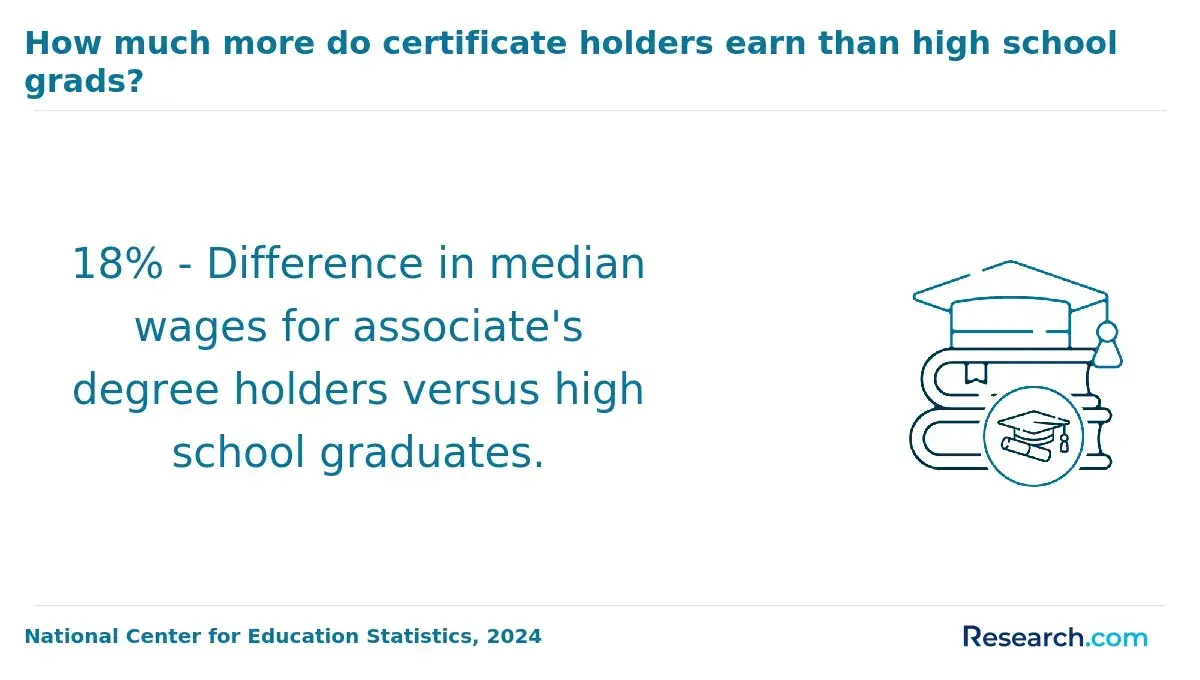
Projected demand for business administration graduates through 2030 appears moderate but uneven, influenced heavily by economic shifts and sector-specific trends. While management analysts, financial managers, and operations specialists are expected to see growth rates between 7% and 10%, these figures mask significant variability across industries and regions.
Industries such as technology and healthcare administration show stronger hiring activity, whereas traditional sectors may offer fewer new roles. This creates a mixed outlook where graduates in certain specialties or locations might encounter more competition despite overall positive job growth. A typical graduate relying solely on national projections could overestimate accessible opportunities without accounting for regional economic disparities or the evolving technical skill demands employers prioritize.
An entry-level candidate in a rural area may face limited openings compared to peers in metropolitan financial hubs. Additionally, increasing automation and the rise of AI-driven processes are reducing routine administrative roles, pushing employers to seek candidates proficient in data analytics, technology integration, and strategic innovation alongside core business principles.
The U.S. Bureau of Labor Statistics highlights that tens of thousands of annual openings arise chiefly from turnover, underscoring the importance of practical experience and continual upskilling to remain competitive. Consequently, degree holders who do not complement their education with interdisciplinary skills or hands-on experience may find their marketability constrained, particularly in hybrid and dynamic work environments.
Hiring gains are not uniform across specializations or geographies, and a narrow academic focus can translate into stiffer competition. This nuanced landscape suggests that business administration graduates weighing their career prospects must critically evaluate how sector growth patterns, local demand, and technological fluency intersect to shape real-world employability beyond headline projections.
Which Business Administration Careers Will Experience the Most Job Growth?
Projected job growth in business administration careers through 2030 highlights the increasing importance of roles that blend strategic management with technological adeptness and data analytics. While human resources specialists and managers show the highest growth rate near 9%, this often reflects evolving workforce dynamics like remote work and diversity initiatives rather than sheer job volume. Operations managers, with a projected 6% increase, benefit from automation and supply chain advances but face stronger competition due to their broader presence across industries, underscoring a tradeoff between growth rate and scale of opportunity.
Financial managers' demand is driven by volatility in global markets and regulatory complexity, favoring candidates skilled in data literacy and forecasting, which raises entry barriers beyond traditional business administration degrees. Marketing managers and management analysts, growing around 8%, also emphasize digital and strategic consulting skills that increasingly intersect with technology platforms. Prospective students weighing these top growing business administration specialties in the US must balance these trends with regional hiring variations and realistic role requirements. For instance, a student pursuing HR must build technical proficiency alongside interpersonal skills to meet employer expectations.
These workforce shifts urge graduates to consider cross-functional fluency and evolving job responsibilities rather than assuming traditional paths guarantee access or salary growth. Employers prioritize candidates who can integrate business knowledge with analytics, which appears consistently across these occupations. Interested individuals might also explore adjacent data-driven roles to broaden prospects. For those assessing long-term potential, understanding how factors such as automation or regulatory changes affect each role is essential. Exploration of related fields, such as exploring what is medical coding salary, may offer alternative routes within the growing healthcare sector.
What Is the Salary Outlook for Business Administration Graduates Through 2030?
Salary projections for business administration graduates should be viewed through the lens of inflation, shifting labor demand, evolving credential requirements, and occupational changes within the marketplace. While projected wage growth appears modest-typically between 3% and 6% inflation-adjusted by 2030 according to the U.S. Bureau of Labor Statistics-actual earnings diverge considerably based on industry sector, geographic region, and additional qualifications.
Demand fluctuations across consulting, finance, and technology sectors contrast with relatively stable but lower-paying public service positions, shaping long-term income trajectories. Candidates combining managerial skills with technology fluency and data competency tend to secure higher starting salaries and better advancement opportunities. These factors outline a nuanced salary outlook shaped by experience, specialization, and market realities rather than a uniform increase.
The key elements influencing business administration salary trends include:
- Industry Variation: Compensation levels differ widely, with finance and technology roles generally offering salaries above entry-level norms due to rapid growth and profit margins, while non-profits and government tend to offer lower starting pay but benefit from alternative incentives like job security and benefits.
- Credential Inflation: Employers increasingly expect advanced degrees such as MBAs or professional certifications, which often correlate with mid-career salary boosts and access to leadership roles, creating a growing divide in earning potential.
- Geographic Disparities: Salaries vary based on location cost of living and economic concentration, with urban centers and financial hubs providing higher wages but also higher expenses that may offset financial gains.
- Technological Proficiency: Mastery of analytics, digital tools, and data-driven decision-making commands premium salaries as firms prioritize innovation, especially in sectors like consulting and tech-focused businesses.
- Experience Progression: Early-career wages typically start around $50,000 to $60,000 but can rise to $90,000 or more within a decade, contingent on demonstrated leadership and results.
- Economic and Labor Market Trends: Inflation rates, recession risks, and labor supply influence salary trajectories, underscoring that projected growth is not guaranteed and may fluctuate.
Which Industries Will Hire the Most Business Administration Graduates by 2030?
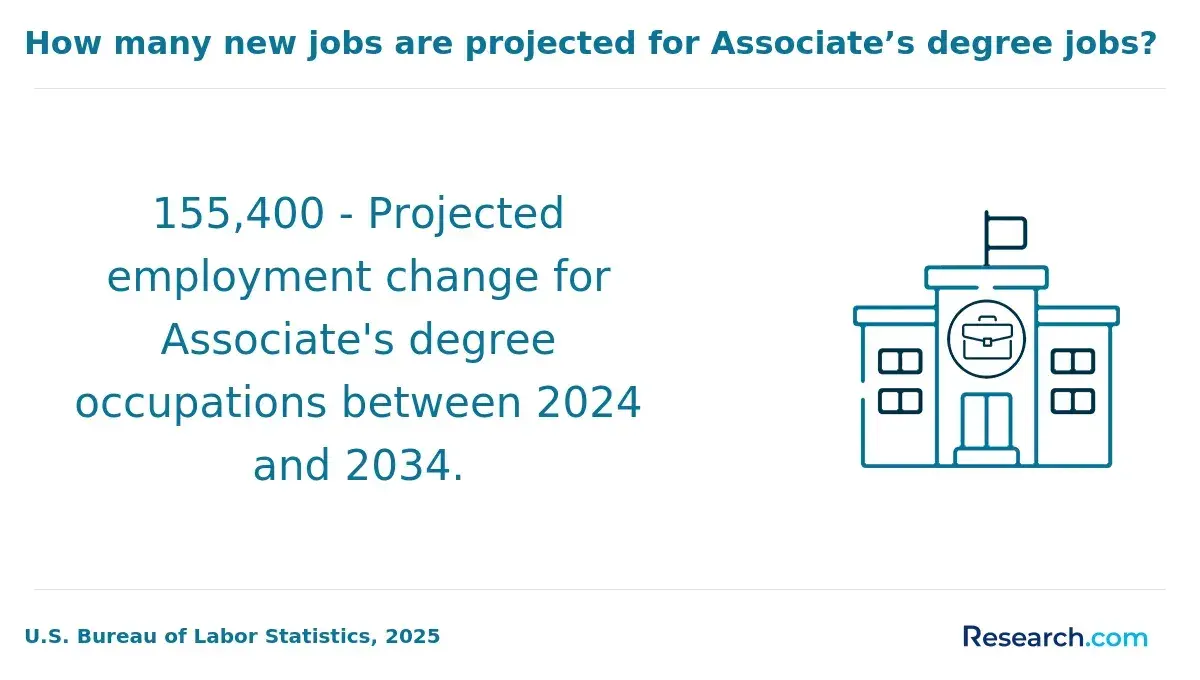
Demand for business administration graduates in the United States will be shaped by industry-specific growth, regulatory complexity, and technological advances through 2030. Hiring volumes will hinge not only on economic expansion but also on replacement needs as the workforce turns over and companies modernize operations. Graduates should weigh sector dynamics alongside skill requirements, including data literacy, sustainability familiarity, and compliance knowledge.
Considering these factors, the career path is not uniform across industries, posing practical tradeoffs between volume of openings and competitive entry conditions. Below are the top growing sectors for business administration degree holders in North America expected to drive the strongest hiring demand.
- Professional and Technical Services: This sector includes consulting, accounting, and management firms where regulatory navigation and organizational optimization are critical. Graduates with experience in digital transformation and sustainability initiatives will find opportunities in roles such as management analysts and operations specialists, often requiring strong analytical and project management skills.
- Finance and Insurance: As fintech innovations reshape risk management and compliance, hiring focuses on graduates versed in financial planning, data analytics, and regulatory frameworks. Mid- to senior-level positions in financial analysis and compliance monitoring dominate hiring, with career growth tied to demonstrated business acumen and technological fluency.
- Healthcare Administration: Rising healthcare complexity and aging populations drive demand for managers adept at data-driven decision-making and policy compliance. Business graduates may enter as healthcare managers or administrators, benefiting from credentials related to healthcare regulations and informatics to navigate this fast-evolving environment effectively.
- Retail Trade: The shift toward e-commerce and omnichannel marketing necessitates skills in supply chain management, customer analytics, and digital marketing. Business graduates with adaptable operational competencies will support ongoing retail transformation projects despite automation reducing some entry-level roles.
- Technology-Driven Roles: Although not a distinct industry, the infusion of AI and data analytics across sectors creates roles for business graduates specializing in technology integration and process innovation. Skillsets in data interpretation and digital platform management give candidates an edge in this cross-cutting area.
For prospective students whose interests might overlap with healthcare or technical pathways, exploring options like a 4-week medical assistant program online may complement a business administration degree by expanding practical, specialized skill sets. Balancing broad business knowledge with targeted credentials improves employability in the competitive labor market.
Where Will Demand for Business Administration Graduates Be Strongest?
Demand for business administration graduates will remain highly concentrated in sectors where operational complexity, regulatory oversight, and technology integration intensify, with healthcare and financial services standing out prominently. For example, metropolitan areas such as New York and Chicago offer abundant opportunities in healthcare management and fintech compliance but come with elevated living costs and fierce applicant pools, tempering raw demand with practical barriers.
In contrast, emerging secondary markets in the Sun Belt and Midwest provide cost advantages and growing industry hubs, although these regions often require more specialized local credentials or multitasking capabilities due to smaller employer ecosystems and less role differentiation. Industries like professional and technical services leverage business administration graduates for their adaptability in managing cross-functional projects and client relations, but the expected increase in e-commerce roles highlights a shift toward digital operational expertise alongside traditional business management skills.
Graduates focusing on e-commerce supply chain optimization or online marketing strategy will find more opportunities in innovation-driven urban centers where employer density supports specialization, whereas in less dense regions, broader operational roles predominate. As labor market data from 2024 underscores, aligning skill development with regional industry strengths and acknowledging tradeoffs related to cost of living, job competition, and credential expectations proves crucial for realistic workforce planning.
Which Business Administration Specializations Will Be Most in Demand by 2030?
Anticipating employer demand through 2030 reveals that certain specializations within a business administration degree will outperform others in both growth and salary potential, influenced by ongoing technological shifts and sector-specific dynamics. Candidates must weigh not only job market expansion but also the evolving technical skills and credentials employers require.
A student deciding between supply chain management and data analytics should consider the broader application of analytical capabilities against the industry-specific logistics expertise and certifications that supply chain roles demand. The U.S. Bureau of Labor Statistics and Lightcast data highlight nuanced tradeoffs in specialization selection grounded in real-world hiring trends, wage trajectories, and sector adaptability.
Below are key specializations poised for stronger demand.
- Supply Chain Management: Post-pandemic disruptions have intensified the importance of logistics optimization and inventory control. Projected job growth in operations management outpaces the average for many occupations, favoring graduates with practical experience in ERP systems, demand forecasting, and cross-functional coordination.
- Data Analytics: Growing across multiple sectors, analytics expertise tied to machine learning, business intelligence, and data visualization tools drives strategic decision-making. Employers increasingly seek graduates who blend technical abilities with business acumen, making this a high-entry barrier but high-reward field.
- Healthcare Administration: Fueled by an aging population and regulatory complexity, this area demands knowledge of healthcare finance, compliance, and management. Growth rates exceed many general business roles, but success often requires ongoing certification and sector-specific expertise.
- Financial Analysis and Risk Management: Steady demand continues for professionals adept at interpreting financial data and assessing risk. This specialization benefits from certifications like CFA and strong quantitative skills, serving diverse industries from banking to corporate strategy.
- Digital Marketing and E-Commerce: Driven by the shift toward online consumer engagement, this specialization blends creative strategy with data-driven campaign analysis. Skill sets include SEO, content management systems, and digital advertising platforms.
- Project Management: Emphasizing applicability across industries, graduates with PMP or equivalent certifications and strong leadership competencies find opportunities in technology, construction, and professional services, reflecting broad-based employer demand.
How Will AI and Technology Affect Business Administration Careers Through 2030?
Technology is poised more to augment and redefine business administration roles than to fully automate them by 2030, particularly in the United States where technology trends reshaping business administration jobs demand a blend of digital fluency and critical thinking. Routine tasks like data gathering and report generation face high automation risks, but positions requiring judgment, negotiation, ethical oversight, and complex problem-solving will sustain demand and reward adaptive professionals.
An entry-level administrator lacking skills in emerging AI tools may find fewer opportunities, whereas those proficient in digital transformation initiatives can expect enhanced employability and premium salary prospects, underscoring the practical tradeoff of continuous upskilling. The evolving job landscape requires students and current degree holders to evaluate curricula and certifications that integrate technology management and analytics alongside traditional business skills. Employers increasingly prioritize hybrid competence, combining core business knowledge with data interpretation and collaboration software mastery.
This shift is reflected in enrollment trends, where programs that marry foundational business administration content with technology components attract talent aligned with workforce needs. Professionals ignoring such trends risk stagnation, especially as hiring for AI-savvy business administrators outpaces traditional candidates by an estimated 30%. Prospective students may also consider interdisciplinary options like 5-year accelerated speech pathology programs to diversify career pathways where technology integration differs substantially from business-oriented roles.
In practice, this means balancing investment in evolving hard skills with interpersonal and leadership capabilities that technology cannot replicate, such as ethical judgment and innovation management. Salary disparities will likely widen, favoring those demonstrating strategic impact via tech-enabled roles. The long-term picture is complex and sector-specific, demanding nuanced decision-making that weighs automation effects on entry-level versus specialized roles. Understanding business administration career impact of AI and automation through 2030 helps clarify that adaptation, not abandonment, of traditional competencies offers the most viable path forward.
Is a Business Administration Degree Worth Pursuing Based on 2030 Projections?
The projected 7% growth rate for management-related occupations suggests a steady but not expansive demand for business administration degree holders through 2030. Prospective students should recognize that this growth aligns with average occupational trends, indicating that graduates face a competitive hiring market where practical skills and relevant experience often outweigh the degree alone.
An applicant with a general business administration degree may find improved prospects by pursuing internships or certifications, aligning with employer preferences for candidates who demonstrate applied skills alongside academic credentials. This dynamic affects the degree's career outlook 2030 United States, underlining the importance of differentiation amid market saturation. Salary projections indicate median earnings near $65,000 annually for bachelor's degree holders, with potential to surpass $100,000 in managerial roles after gaining experience.
However, entry-level wages vary significantly based on industry and location, reinforcing that immediate financial returns may be moderate and tied closely to employment sector and geographic market. Enrollment data points to a plateau, which combined with this salary variability, underscores that long-term returns depend more on strategic career choices than on degree prestige alone. Students weighing tuition cost and completion time might also consider accelerated pathways, such as those outlined in the easiest ABSN to get into programs, for complementary skills that can expand employability.
Given the risks of graduate oversupply and evolving employer expectations, the business administration degree's future value hinges on how well candidates integrate specialization, technical proficiencies, and networking into their career frameworks. Understanding these workforce conditions through 2030 can guide realistic expectations and informed decisions, avoiding reliance on generalized projections and focusing instead on aligning educational investments with specific job market realities.
References:
- In U.S. Higher Ed, Business Is Booming — But International Enrollment May Bust https://poetsandquantsforundergrads.com/news/in-u-s-higher-ed-business-is-booming-but-international-enrollment-may-bust/
- How Artificial Intelligence Will Transform Jobs in 2030 https://novaschool.ai/blog/how-artificial-intelligence-will-transform-jobs-in-2030
- Business Administration Degree Salary | UE Amsterdam https://www.ue-amsterdam.com/blog/business-administration-degree-salary-how-much-can-you-earn
- Career Outlook for Business Administration| University of Bridgeport https://www.bridgeport.edu/news/career-outlook-for-business-administration/
- Top 10 In-Demand MBA Specializations in Modern Business World https://mbalondon.org.uk/top-10-in-demand-mba-specializations-in-modren-business-world/
- 23 Best Business Majors for the Future Job Market | University of the Potomac https://potomac.edu/best-business-majors/
- Careers in business administration: paths & opportunities https://pathwise.io/careers-in-business-administration/
- Careers That Will Dominate the U.S. Job Market by 2030 https://www.floridacoastaluniversity.com/jobs-of-the-future-careers-that-will-dominate-the-u-s-job-market-by-2030/
- The Future of Jobs: Which Skills Will Matter by 2030? https://www.global-business-school.org/event/future-of-jobs-skills-2030/
- 7 Emerging Business Careers for the Future | StudyNext Australia https://studynext.com/au/resources/careers-for-the-future
Other Things You Should Know About Business Administration
Programs with broad, generic curricula often prioritize theoretical knowledge but may lack depth in critical, practical skills that employers expect, such as data analysis or digital marketing. Graduates from more specialized or experiential programs tend to have an advantage in competitive job markets, as they can demonstrate applicable proficiencies and project experience. Prospective students should prioritize programs that balance foundational business principles with hands-on learning components to better meet employer demands and reduce onboarding time.
Salary potential often aligns with fast-evolving fields like finance or technology management but may come with higher volatility and longer hours, affecting work-life balance. Specializations related to nonprofit management or public administration might offer greater job stability but typically lower salaries. Students should weigh their personal tolerance for risk and career priorities rather than defaulting to salary figures alone; choosing stability can support longer-term career satisfaction if workload and sector downturns are manageable.
Business administration programs that emphasize interdisciplinary electives or require internships can extend time-to-degree but often enhance employability through networking and practical experience. Conversely, accelerated programs reduce tuition and entry time but may limit exposure to diverse business contexts, potentially restricting flexibility in future roles. Decision-makers should assess whether a longer program that builds richer skills justifies upfront costs or if quicker graduation aligns better with their immediate financial and career timelines.
Even with strong demand, competition remains intense, especially from candidates with advanced degrees or specialized certifications. Entry-level roles may require multi-disciplinary skills and digital literacy that are not always covered comprehensively in general business administration curricula. Graduates should proactively seek opportunities to supplement their education with certifications or cross-sector experience to differentiate themselves and navigate employer expectations more effectively.