2027 How Employers Are Changing Hiring Criteria for Business Administration Graduates in the AI Era

Co-Founder and Chief Data Scientist
A prospective business administration student reviews job postings and realizes that a degree alone may no longer guarantee marketability. Employers increasingly expect candidates to demonstrate AI literacy and adaptable skills alongside academic credentials. According to a 2024 report by the World Economic Forum, over 75% of businesses worldwide have integrated AI technologies into their operations, reshaping the roles and competencies required in the workforce.
This shift forces recent business administration graduates to rethink traditional hiring criteria, emphasizing practical AI knowledge and transferable soft skills. This article examines how employer expectations are evolving, highlights the rising importance of AI fluency, and explores strategies students can adopt to maintain a competitive edge in the AI era.
Key Things to Know About the Changing Hiring Criteria for Business Administration Graduates in the AI Era
- AI integration demands business administration graduates demonstrate data-driven decision-making over traditional intuition, shifting employer preference toward candidates skilled in interpreting AI outputs, influencing hiring to favor analytical rigor.
- With 68% of employers in 2024 prioritizing AI literacy, candidates who combine domain expertise with AI tool proficiency secure a competitive edge, reflecting a trend where transferable skills in technology interface augment career adaptability.
- Employers increasingly value cognitive flexibility and ethical reasoning as core traits, linking these to effective AI governance and risk mitigation, thereby altering hiring criteria beyond technical ability to strategic judgment.
- Key Things to Know About the Changing Hiring Criteria for Business Administration Graduates in the AI Era Key Things to Know About the Changing Hiring Criteria for Business Administration Graduates in the AI Era
- How Is AI Changing What Employers Look for in Business Administration Graduates? How Is AI Changing What Employers Look for in Business Administration Graduates?
- Which AI Skills Are Employers Expecting Business Administration Graduates to Have? AI Skills
- Which Human Skills Are Employers Looking for in Business Administration Graduates? Human Skills
- How Are AI Tools Changing Daily Work in Business Administration Careers? AI Workplace Tools
- How Are Employers Evaluating Business Administration Candidates Beyond Academic Credentials? Hiring Criteria
- How Are Business Administration Degree Programs Adapting to AI? AI Curriculum
- Which Industries Are Changing Hiring Expectations Most for Business Administration Graduates? AI and Industry Expectations
- How Is AI Changing Career Growth for Business Administration Professionals? AI and Career Growth
- How Should Business Administration Students Prepare for AI-Driven Hiring? Career Preparation
- How Should Students Choose a Business Administration Program for the AI Era? How Should Students Choose a Business Administration Program for the AI Era?
How Is AI Changing What Employers Look for in Business Administration Graduates?
Employers are increasingly valuing business administration graduates who can collaborate effectively with AI-driven technologies rather than simply executing routine technical tasks. As reported by the World Economic Forum, more than half of global companies now incorporate AI into core operations, fundamentally changing the hiring landscape. This shift prioritizes candidates who not only understand traditional business principles but also demonstrate competency in interpreting AI-generated data to support strategic decisions.
For instance, a graduate who can analyze customer trends using AI-enhanced CRM platforms will be more attractive to employers than one proficient only in standard management techniques. This evolving dynamic significantly influences the skills and mindset employers seek. Employers now emphasize adaptability, technical fluency, and continuous learning as essential traits alongside critical thinking and ethical judgment about AI's business applications.
According to a 2024 survey by the National Association of Colleges and Employers, 62% of recruiters look for graduates skilled in leveraging AI insights to inform strategy. Despite AI's growing role, human capabilities such as problem-solving and ethical decision-making remain crucial, underscoring that technology complements rather than replaces foundational workplace skills. For business administration students and early-career professionals aiming to remain competitive, integrating interdisciplinary learning is vital.
Pursuing opportunities that combine AI coursework with business fundamentals prepares graduates for emerging hybrid roles like AI project managers or business analysts. Engaging with programs such as 1-year EdD programs online can enhance technical proficiency and strategic perspectives, which are increasingly valued in AI-era business graduates. Developing this comprehensive skillset positions candidates to meet the transforming demands of today's global employers.
Which AI Skills Are Employers Expecting Business Administration Graduates to Have?
Employers across industries are recalibrating their expectations, no longer viewing traditional business skills as sufficient for new hires. The integration of AI into everyday business processes means graduates must now demonstrate practical AI competencies alongside their foundational business knowledge. This hybrid skill set signals an ability to navigate and leverage advanced technologies in decision-making, strategy development, and operational efficiency.
For early-career professionals, the demand revolves around actionable AI knowledge rather than theoretical familiarity. Below are the essential AI skills employers expect business administration graduates to have.
- Data-Driven Decision Making: Business roles increasingly rely on interpreting large datasets through AI-powered analytics platforms. Employers seek graduates who can translate complex data findings into strategic insights, informing everything from marketing tactics to supply chain management. Students should build experience with analytic tools and cultivate an ability to question data quality and relevance, if possible through an online doctorate.
- AI-Powered Automation Literacy: Familiarity with automation software that leverages AI, such as robotic process automation (RPA), is essential for improving organizational efficiency. Graduates who understand how to identify and implement automation opportunities stand out, as they help reduce operational costs and speed workflows. Developing skills in this area requires hands-on practice with automation platforms and an understanding of when AI tools can complement human tasks effectively.
- Customer Relationship Management (CRM) Competency: Modern CRM solutions are increasingly infused with machine learning algorithms to optimize customer engagement and sales forecasting. Employers expect graduates to navigate these systems adeptly, using AI insights to personalize communication, predict client needs, and enhance retention. Business administration students should seek exposure to leading AI-enabled CRMs and practice aligning AI outputs with customer-centric strategies.
- Natural Language Processing (NLP) Application: The ability to work with NLP tools enables the extraction of meaningful information from unstructured text data, such as social media sentiment or automated reports. This skill is particularly valuable in market research and communications roles. Graduates who can harness NLP technologies provide businesses with timely, actionable intelligence, helping shape campaigns and product development direction.
- Ethical AI Implementation Awareness: As AI applications expand, understanding ethical considerations-including transparency, bias mitigation, and accountability-has become a core expectation. Employers value graduates who can critically evaluate AI systems' limitations and advocate for responsible use aligned with organizational values. Preparing for this involves studying AI ethics frameworks and engaging in case studies related to AI decision-making challenges.
Which Human Skills Are Employers Looking for in Business Administration Graduates?
AI's rise is steadily automating routine and repetitive tasks within organizations, reshaping the expected profile of business administration graduates. This shift means that uniquely human abilities-those that enable nuanced judgment, empathy, and creative problem-solving-are increasingly prized because they complement rather than compete with AI.
Employers are placing greater value on skills that machines struggle to replicate, especially as hybrid and remote work complicate interpersonal dynamics. Below are five key human-centered skills gaining prominence for those entering the business workforce.
- Advanced Communication: The ability to convey complex ideas clearly and influence diverse stakeholders remains critical. As AI handles data analysis, graduates who excel in storytelling and negotiation help bridge the gap between technical outputs and strategic decision-making. Developing this skill involves active listening, practice with public speaking, and engagement in collaborative projects.
- Emotional Intelligence: Empathy and conflict resolution drive stronger team cohesion and leadership effectiveness, particularly when automated processes create workflow tensions. This skill supports trust-building and adaptive management, refined through real-world exposure to varied workplace personalities and reflective feedback.
- Critical Thinking: Interpreting AI-generated insights requires questioning assumptions and synthesizing information across sources. Graduates must learn to assess the context around data outputs and anticipate implications, which improves through case study analysis and scenario-based learning.
- Adaptability and Lifelong Learning: Given the acceleration of technological tools, the ability to pivot quickly and acquire new competencies is vital. Cultivating a growth mindset and seeking continuous professional development opportunities are effective strategies to sustain relevance amid evolving business ecosystems.
- Collaborative Problem-Solving: AI excels in optimization but lacks the social intuition needed for multi-stakeholder negotiations and innovation under uncertainty. Building this skill means engaging in cross-functional teams and exercises that emphasize joint accountability and diverse perspectives.
One recent business administration graduate recalls a moment when her team's AI-driven cost model highlighted unexpected risks. Instead of accepting the data at face value, she convened a remote meeting to surface frontline employee concerns the algorithm missed.
Her ability to listen actively and synthesize emotional undercurrents led to a revised strategy that balanced technological insights with human factors. Though initially hesitant to challenge the AI results, she found this integrative approach crucial for gaining stakeholder buy-in and delivering practical solutions that machines alone could not achieve.
How Are AI Tools Changing Daily Work in Business Administration Careers?
Artificial intelligence is reshaping the daily responsibilities of business administration professionals by automating routine, time-consuming tasks such as scheduling, invoice processing, and report generation. This shift enables workers to redirect their efforts from repetitive chores toward more strategic activities like problem-solving and innovation. For example, a business operations manager might rely on AI-driven software to quickly analyze financial trends, which supports smarter forecasting and reduces manual data entry, thereby enhancing decision-making speed and accuracy.
According to the 2024 Future of Work Report by the World Economic Forum, nearly 60% of business administration roles have integrated AI tools to streamline workflows, demonstrating how technology adoption has become a standard rather than an exception. Beyond task automation, AI is transforming how communication and collaboration occur within organizations.
Tools that filter emails, monitor project milestones, and personalize internal messaging refine workplace efficiency and responsiveness, particularly in finance and operations sectors where over 70% of businesses have adopted AI platforms according to the U.S. Bureau of Labor Statistics early in 2024. This technological integration raises the bar for employees, requiring them to cultivate skills in data literacy and AI oversight rather than simply executing manual functions.
The evolving role demands not only technical proficiency but also ethical judgment and critical thinking to validate AI-generated insights and maintain responsible use of technology. As AI assumes more operational duties, business administration professionals must adapt by focusing on higher-value contributions that AI cannot easily replicate, such as creative problem-solving, strategic foresight, and collaborative innovation.
Employers increasingly seek candidates who can manage AI tools effectively while interpreting their outputs and applying context-aware decisions. This paradigm shift underscores the importance of developing a sophisticated understanding of AI's capabilities and limitations to remain competitive and meet the evolving expectations of the workforce today.
How Are Employers Evaluating Business Administration Candidates Beyond Academic Credentials?
Employers recruiting for business administration roles are moving beyond traditional academic credentials, placing greater emphasis on practical experience, internships, and demonstrable skills. According to a recent NACE report, over 75% of recruiters prioritize real-world problem-solving abilities and adaptability over GPA or degree prestige. For example, a candidate who can showcase a portfolio of projects involving AI-powered analytics or digital communication tools often stands out more than one with solely strong academic marks.
This reflects a shift toward evaluating how well candidates can integrate interdisciplinary insights and navigate the AI-driven aspects of business environments. Incorporating essential soft skills for business administration graduates in the AI era-such as emotional intelligence, teamwork, and cross-cultural collaboration-has become critical. Employers increasingly use simulation exercises, case studies, and skills assessment platforms to assess these competencies and a candidate's AI literacy.
Certifications and badges in AI-related software or data analytics, while not substitutes for formal education, provide important signals of technical readiness. This holistic hiring approach acknowledges that thriving in AI-augmented workplaces demands a balance of technical proficiency and human-centric skills, making continuous upskilling through online courses or collaborative projects a key advantage. Real-world hiring practices now favor candidates who prove they can apply knowledge in dynamic settings rather than relying solely on academic qualifications.
As the Society for Human Resource Management highlights, 68% of hiring managers prioritize evidence of continuous learning that addresses real business challenges involving AI solutions. This trend underscores the need for business administration students and early-career professionals to build a versatile profile, actively gaining experience and demonstrating problem-solving capabilities. Those interested in expanding their credentials may also consider specialized training such as a paralegal school online, which can complement their business skills and enhance career flexibility.
How Are Business Administration Degree Programs Adapting to AI?
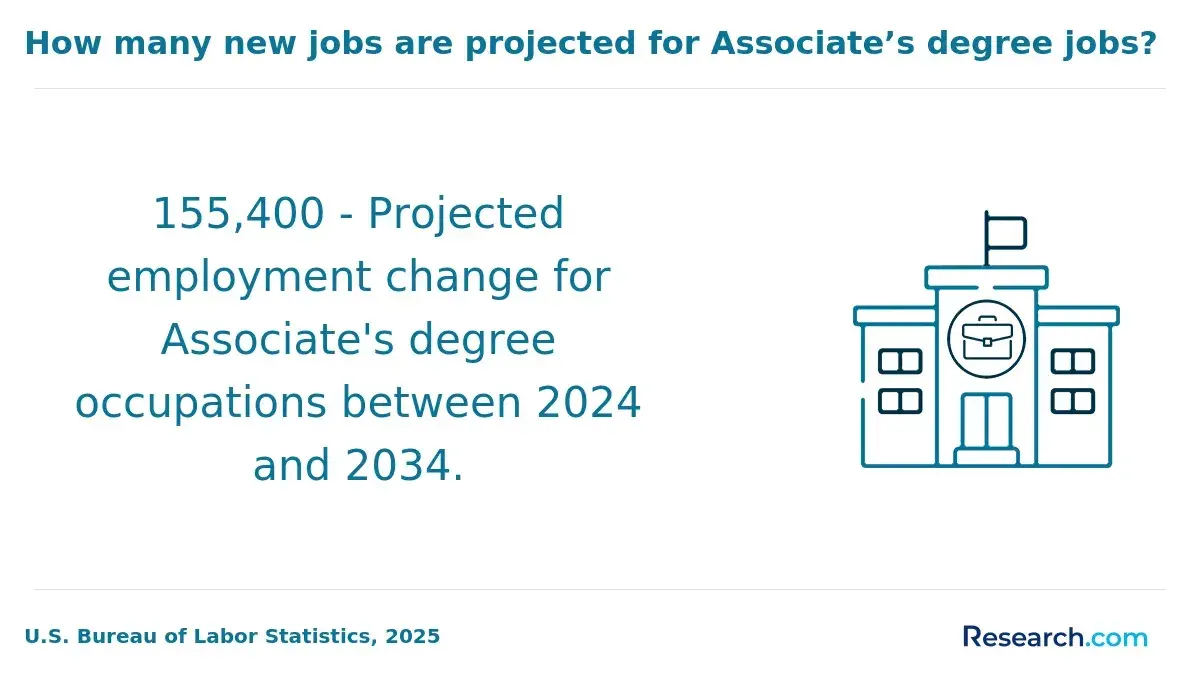
Business administration degree programs have integrated AI-related content to meet shifting employer demands, blending traditional management principles with technology fluency. Over 65% of U.S. accredited business schools now include AI modules or embed AI competencies directly into core courses, according to the National Center for Education Statistics (2024). This evolution reflects the necessity for students to interpret AI-driven data critically rather than relying on automation alone.
For instance, a student might apply predictive analytics learned in class to optimize marketing strategies, while simultaneously deploying ethical judgment to assess algorithmic bias, illustrating how programs balance technical skills with human-centered decision-making. Institutions are advancing through curriculum revisions that feature interdisciplinary subjects, such as AI-enhanced supply chain management and automated finance auditing, while also promoting experiential learning like AI-focused internships and capstone projects.
These hands-on opportunities help bridge academic theory and practical problem-solving, aligning with LinkedIn's 2024 Workforce Report that highlights a 45% surge in demand for candidates skilled in both AI and business. Additionally, schools emphasize responsible AI use and advocate lifelong learning to prepare graduates for ongoing technological evolution. However, disparities in resources among institutions may affect equitable access to these advancements, challenging students to navigate both foundational business theory and rapidly developing AI capabilities to stay competitive.
Which Industries Are Changing Hiring Expectations Most for Business Administration Graduates?
The rate at which artificial intelligence is adopted varies significantly across industries, creating distinct shifts in employer expectations for business administration graduates. This uneven pace means that what skills are prioritized in one sector might differ notably from another, forcing students and early-career professionals to carefully assess where their competencies best align.
For instance, a recent graduate evaluating job offers across finance and healthcare quickly realized that the types of AI expertise and data literacy demanded differ substantially, influencing not just hiring decisions but also the nature of daily responsibilities. Understanding these nuanced expectations can guide graduates to target industries where their evolving skill sets will have the greatest impact.
Here are five industries rapidly redefining hiring criteria for business administration graduates in light of AI integration:
- Finance: This sector leads AI adoption, with over half of firms implementing AI-driven analytics to enhance decision-making, according to the World Economic Forum's 2024 report. Employers seek graduates who combine foundational financial knowledge with advanced data literacy, including the ability to navigate machine learning models and interpret algorithmic outputs that shape investment strategies and risk assessments.
- Healthcare: Rapid AI integration in patient management and operational workflows demands graduates skilled in health informatics and predictive analytics. The U.S. Bureau of Labor Statistics highlights a growing need for professionals who can leverage AI tools to streamline supply chains and improve patient outcomes, requiring adaptability beyond traditional management practices.
- Retail: With AI-powered consumer behavior analysis and inventory control transforming the sector, retailers favor candidates versed in machine learning applications and customer data platforms. The National Retail Federation's 2024 Industry Outlook emphasizes the importance of blending marketing acumen with AI fluency to personalize experiences and optimize logistics.
- Manufacturing: Embracing Industry 4.0 technologies, manufacturers increasingly expect business graduates to understand AI-enhanced automation and supply chain digitalization. A recent McKinsey study notes that leadership in cross-functional digital initiatives is a critical skill as production systems rely more heavily on AI capabilities.
- Logistics and Supply Chain: Although not as widely recognized, this sector is rapidly evolving as AI-driven route optimization and demand forecasting become standard. Employers look for graduates who can integrate AI insights into complex network management, making these skills essential for those targeting roles in global distribution and operations.
A graduate recalled feeling overwhelmed when choosing between entry-level roles in finance and healthcare after graduation. While the finance position emphasized proficiency in quantitative AI models and financial forecasting software, the healthcare role required fluency in predictive analytics tied to patient care metrics. The graduate hesitated, aware that excelling in either role meant committing to different learning paths.
Ultimately, by consulting with industry mentors and reviewing emerging workforce data, they decided to pursue healthcare, recognizing the sector's demand for adaptable skills that extend beyond finance's narrower AI applications. This decision underscored the practical importance of understanding how AI reshapes industry hiring standards rather than relying solely on traditional degree credentials.
How Is AI Changing Career Growth for Business Administration Professionals?
The pace of AI adoption differs significantly across industries, driven by factors such as regulatory environments, existing technological infrastructure, and the nature of their core business operations. These differences influence how rapidly employer expectations for Business Administration graduates evolve. For example, sectors heavily reliant on regulatory compliance or with legacy systems may adopt AI more cautiously, while technology-driven industries integrate AI rapidly, shifting desired skill sets accordingly.
Understanding this variability is critical for prospective students aiming to align their educational paths with market demands. Below are five industries leading the transformation of hiring expectations for business administration professionals in response to AI and technological advancement.
- Financial Services: The financial sector has accelerated AI adoption for risk assessment, fraud detection, and customer analytics. Employers are increasingly seeking graduates with quantitative data skills and familiarity with AI-powered financial software, emphasizing strong analytical acumen combined with regulatory knowledge.
- Healthcare Administration: AI enables improved patient data management and operational efficiencies. Graduates must understand both healthcare regulations and AI applications in process automation and predictive analytics to meet evolving hiring criteria in this highly regulated environment.
- Manufacturing: Integration of AI-driven supply chain optimization and predictive maintenance reshapes workforce needs. Business administration professionals with skills in process automation, technology project management, and data-driven decision-making are prioritized.
- Retail and E-commerce: The rise of AI-powered customer insights and inventory management is changing hiring priorities. Employers value the ability to leverage AI tools for personalized marketing strategies and agile supply chain responses, demanding combined digital literacy and business strategy skills.
- Information Technology Services: As a front-runner in AI innovation, this sector demands graduates who can bridge technical teams and business goals. Competencies include interpreting AI insights for strategic planning and managing interdisciplinary AI implementation projects.
Adapting to these industry-specific AI-driven expectations requires early-career professionals to pursue continuous skill development, such as certifications in AI-adjacent tools and participation in AI-related projects, alongside foundational business knowledge. For those exploring pathways to gain these skills, an online associate degree can offer flexible access to essential business and technology coursework. Recognizing the AI impact on business administration career growth empowers candidates to strategically target industries evolving most rapidly under AI influence.
How Should Business Administration Students Prepare for AI-Driven Hiring?
Preparing for AI-driven hiring involves much more than simply earning a Business Administration degree. Employers increasingly seek candidates who blend traditional management expertise with technical fluency in artificial intelligence and data literacy. According to a 2024 report by the World Economic Forum, over 60% of companies prioritize applicants skilled in AI tools alongside interpersonal abilities like critical thinking and emotional intelligence.
For business administration students, this means adapting to an evolving skill landscape with both technological and human-centered capabilities. Below are key strategies to enhance readiness for AI-integrated roles.
- Gain Hands-On AI Experience: Direct engagement with AI-powered analytics platforms or automation software helps students develop practical skills employers demand. Real-world familiarity improves the ability to interpret AI outputs and apply data-driven insights to business decisions, distinguishing candidates in competitive hiring processes.
- Pursue Cross-Disciplinary Learning: Combining coursework in machine learning fundamentals, ethical AI use, or business intelligence with core business studies builds versatile expertise. This approach aligns with growing hybrid roles highlighted by the U.S. Bureau of Labor Statistics that require both business acumen and AI fluency.
- Develop Critical Soft Skills: Despite advances in automation, creativity, emotional intelligence, and strategic thinking remain crucial. Employers value individuals who can integrate AI insights with nuanced judgment, enabling more effective leadership and problem-solving in dynamic environments.
- Engage in Relevant Internships: Securing internships in sectors leveraging AI for operations or marketing exposes students to real-world applications and expands professional networks. Such experience enhances profiles by demonstrating adaptability and technology integration.
- Explore Compact Certificate Programs: Short-term credentials focusing on AI-related business skills can quickly boost employability. Programs like 6-month certificate programs that pay well provide targeted learning opportunities without lengthy time commitments, ideal for supplementing traditional degrees.
Adapting to AI-driven hiring requirements is essential for staying competitive in today's evolving job market. Business administration students preparing for AI-driven business administration jobs should adopt these strategies to navigate the intersection of technology and management effectively.
How Should Students Choose a Business Administration Program for the AI Era?
Selecting a business administration program today demands looking past traditional factors like prestige or tuition and focusing on how well the curriculum prepares students for an AI-driven workforce. Employers increasingly expect graduates to have practical experience with AI tools and data analytics, not just theoretical knowledge.
For example, a graduate from a program offering hands-on AI projects and industry partnerships often gains a competitive edge when interviewing for roles requiring automation or predictive decision-making skills. This shift means students must critically evaluate program content, delivery methods, and experiential learning opportunities. Below are essential factors to weigh when choosing a business administration degree suited for the AI era.
- AI-Integrated Curriculum: Programs should embed AI concepts within core business courses. Coursework covering predictive analytics, machine learning, and AI ethics equips students to apply technology strategically, supporting adaptability as AI evolves in business.
- Interdisciplinary Opportunities: Combining business administration with computer science or information systems fosters technical skills alongside management acumen. This blend cultivates versatile graduates ready for hybrid roles increasingly common in AI-enhanced workplaces.
- Practical Experience: Internships, capstone projects, and collaborations with tech firms provide real-world exposure. According to EDUCAUSE 2024, such experiential learning significantly boosts employability in sectors leveraging AI innovations.
- Soft Skills Development: Critical thinking, ethical leadership, and adaptability remain indispensable. Programs prioritizing these areas prepare students to navigate complex AI-driven decisions that technology alone cannot resolve.
- Employer Alignment: Look for programs that maintain active advisory boards with industry representatives. This ensures curricula reflect the latest employer expectations and emerging AI competencies vital for long-term career relevance.
References
- Evolving MBA Job Market: How AI Is Reshaping MBA Careers https://fortunaadmissions.com/mba-job-market/
- How AI Skills in Business Can Improve Productivity and Career Growth - Toronto Innovation College https://torontoinnovationcollege.ca/how-ai-skills-in-business-can-improve-productivity-and-career-growth/
- How MBA Graduates can stand out in 2025 https://www.spjain.org/blog/news/mba-hiring-trends-artificial-intelligence-skills-and-the-new-job-market
- Skills Employers Look for in Business Graduates – EU Business School https://www.euruni.edu/blog/skills-employers-look-for-in-business-graduates/
- AI and recruitment: The ultimate 2025 guide to AI-driven hiring | MiHCM https://mihcm.com/resources/blog/ultimate-guide-to-ai-and-recruitment-strategies-tools-and-best-practices/
- The Business Master's Degrees That Will AI-Proof Your Career in 2026 https://mastergradschools.com/master-jobs/business-masters-for-ai-proof-jobs-2026
- AI in Recruitment - A Best Practices Guide - Global Management Academy https://globalmanagementacademy.com/ai-in-recruitment/
- How to Use AI for Hiring and Recruiting: A Guide for Small Businesses and Agencies | FaithlineAI Blog https://www.faithlineai.com/blog/ai-hiring-recruiting-small-business
- Research: AI Is Changing What Employers Want from New Hires https://hbr.org/2026/07/research-ai-is-changing-what-employers-want-from-new-hires
- 4 Types of AI Skills for Business: Full Breakdown https://www.cambridgespark.com/blog/ai-skills-for-business
Other Things You Should Know About Business Administration
Yes, many employers are increasingly prioritizing business administration graduates who demonstrate a versatile understanding of multiple digital and AI-driven tools rather than deep specialization in a narrow AI discipline. This reflects a tradeoff: companies need adaptable employees who can integrate AI insights into broader business contexts, not just AI technicians. Graduates should therefore focus on cross-functional skills that combine AI awareness with core managerial competencies to remain competitive.
Given that AI automates many routine tasks, employers expect graduates to complement AI proficiency with strong leadership and strategic decision-making skills. Focusing solely on technical AI skills risks producing candidates who lack the judgment to apply AI outputs effectively. Graduates should prioritize developing critical thinking and change management capabilities alongside AI literacy to meet employer demands for well-rounded business administrators.
Practical AI experience from internships or real-world projects is often valued more than purely academic coursework because it demonstrates an ability to apply AI concepts within business settings. Employers typically assess how candidates use AI tools to solve problems rather than their theoretical knowledge alone. Therefore, prioritizing hands-on experience-even if informal or self-directed-can improve hiring prospects more than pursuing advanced AI courses without application opportunities.
Yes, employers understand that the rapid evolution of AI requires graduates to engage in continuous, accelerated learning beyond traditional academic timelines. This shift means new hires must be prepared to upskill dynamically on the job, balancing AI tool mastery with ongoing operational responsibilities. Prospective graduates should seek programs and roles that foster agility and time management, as sustained learning capacity is now a critical criterion for successful adaptation.