2027 Business Administration Degree Popularity by Gender, Region, and Degree Level

Co-Founder and Chief Data Scientist
A prospective business administration student researching degree popularity notices stark contrasts: women constitute nearly 60% of enrollments nationwide in 2024, yet this ratio shifts dramatically by region, with some states showing near gender parity and others maintaining male dominance. Such variations impact more than statistics-they affect classroom diversity, peer networks, and employer perceptions.
Regional demand differences also signal distinct workforce needs, possibly guiding students toward programs with stronger local industry ties. Degree-level trends further complicate decisions when bachelor's enrollments plateau but master's-level completions surge, signaling evolving employer expectations. This article examines business administration degree popularity across gender, region, and degree level to inform educational and professional choices.
Key Things to Know About Business Administration Degree Popularity by Gender, Region, and Degree Level
- Women comprise nearly 55% of undergraduate business administration enrollees in the Northeast, reflecting evolving workforce gender balances but highlighting persistent leadership representation gaps.
- Southern U.S. regions show higher associate degree participation, indicating cost and access tradeoffs that may delay career advancement compared to bachelor's degree holders in metropolitan areas.
- Master's level business administration programs attract mid-career professionals, which influences employer expectations toward specialized skills but can disadvantage recent graduates without practical experience.
- Key Things to Know About Business Administration Degree Popularity by Gender, Region, and Degree Level Key Things to Know About Business Administration Degree Popularity by Gender, Region, and Degree Level
- How Does Job Market Demand Influence Business Administration Degree Popularity? Market Demand and Degree Popularity
- How Does Online Business Administration Degree Enrollment Compare to Traditional Campus Programs? Online vs. Campus Enrollment
- What Degree Level Is Most Common Among Business Administration Students? Most Common Degree Levels
- How Do Enrollment Trends Differ Between Associate, Bachelor's, Master's, and Doctoral Business Administration Degrees? Enrollment Trends by Degree Level
- How Popular Is the Business Administration Degree Compared to Other College Majors? Degree Popularity vs. Other Majors
- Why Is the Business Administration Degree More Popular in Certain States and Regions? Regional Popularity Drivers
- What Demographic Groups Are Driving Growth in Business Administration Degree Programs? Growth by Demographic Groups
- What Is the Future Outlook for Business Administration Degree Enrollment by Gender, Region, and Degree Level? Future Outlook
- How Have Business Administration Degree Enrollment Trends Changed Over the Past Decade? Enrollment Trends
- Where Is the Business Administration Degree Most Popular Across the United States? Geographic Popularity Analysis
How Does Job Market Demand Influence Business Administration Degree Popularity?
Labor market demand for business administration degrees in North America shapes enrollment patterns in ways that extend beyond simple supply-and-demand logic. For example, regions with concentrated financial centers or rapidly growing tech industries tend to attract more business administration students due to employer emphasis on skills like project management and financial analysis tailored to those sectors.
However, even in these areas, students may face tradeoffs, as some employers increasingly require advanced qualifications or specialized credentials, prompting a portion of the prospective workforce to consider graduate study or alternative fields. This dynamic partially explains why bachelor's degree enrollment growth may lag despite robust 9% job growth projections in management occupations reported by the U.S. Bureau of Labor Statistics Occupational Outlook Handbook 2024.
Regional employment trends affecting business administration degree popularity also reflect labor market segmentation and economic variation. While metropolitan areas with expanding industries often report higher enrollment, less dynamic regions experience muted interest as stagnant economies offer fewer immediate opportunities for business graduates. Gender participation follows similar patterns, with recent near parity in bachelor's completions emerging alongside employer initiatives promoting inclusion and diversification in managerial roles.
Still, female students weighing enrollment decisions must consider how evolving employer expectations and localized market conditions might influence the return on a business administration degree compared to specialized or STEM-oriented paths. These enrollment fluctuations underscore practical challenges for students choosing business administration programs.
Enrollment decisions hinge not only on job availability but also on nuanced interpretations of regional job markets, employer certification preferences, and career trajectories that may require advanced education or interdisciplinary skills. For individuals balancing such considerations, exploring related professional fields or certifications can be crucial, as evidenced by growing demand across healthcare systems for management expertise-a trend prompting some to consider alternative pathways such as MSW programs alongside traditional business degrees.
How Does Online Business Administration Degree Enrollment Compare to Traditional Campus Programs?
Online business administration degree programs have significantly shifted enrollment dynamics, increasingly drawing students who require flexibility due to work, family, or geographic constraints. According to National Center for Education Statistics data from 2024, nearly 45% of business administration undergraduates now study primarily online, a notable rise from 30% in 2018. This growth reflects a demographic tilt toward older students, often aged 25 and over, who gravitate to remote programs for accessibility and scheduling adaptability, contrasting with younger cohorts more prevalent on traditional campuses. These modality-driven differences shape regional enrollment patterns since online offerings enable students from rural or underserved areas to participate without relocation, expanding educational reach but also altering campus diversity profiles.
Despite broader access, completion rates remain lower in online formats, generally between 40% and 50%, compared to 55% to 65% for campus-based programs, underscoring the tradeoffs inherent in self-directed study environments. The divergence in outcomes signals that prospective students must weigh institutional support frameworks and their own capacity to engage independently against the convenience of online attendance. Furthermore, employer acceptance varies by industry, with some still favoring traditional credentials or hybrid experiences that combine online learning with face-to-face internship opportunities. Thus, modality choice implicates not only immediate academic pathways but also longer-term professional positioning based on regional labor market expectations and degree recognition.
One recent graduate recalled struggling to decide between an online program accessible from her rural home and a campus option requiring significant relocation and rigid scheduling. While initially skeptical about online education's rigor, she ultimately chose the remote path to maintain her job and family commitments. Her experience highlighted an unexpected benefit: the ability to connect with a wider, geographically diverse peer group, which offset concerns about limited in-person interaction. Yet, she acknowledged ongoing challenges with self-motivation and navigating institutional resources that felt less immediate than on campus, illustrating the nuanced personal and practical balancing act students face in this evolving enrollment landscape.
What Degree Level Is Most Common Among Business Administration Students?
The predominance of the bachelor's degree among business administration students reflects its established role as the baseline credential for many entry-level and mid-tier professional roles. As of the 2023-2024 academic year, about 60% of students in this field pursue bachelor's degrees, underscoring how employers typically require this level for broad career access and graduate study prerequisites. This saturation also signifies that most workforce applicants align their educational trajectory to meet widespread market expectations rather than advanced specialization or immediate workforce entry without further education.
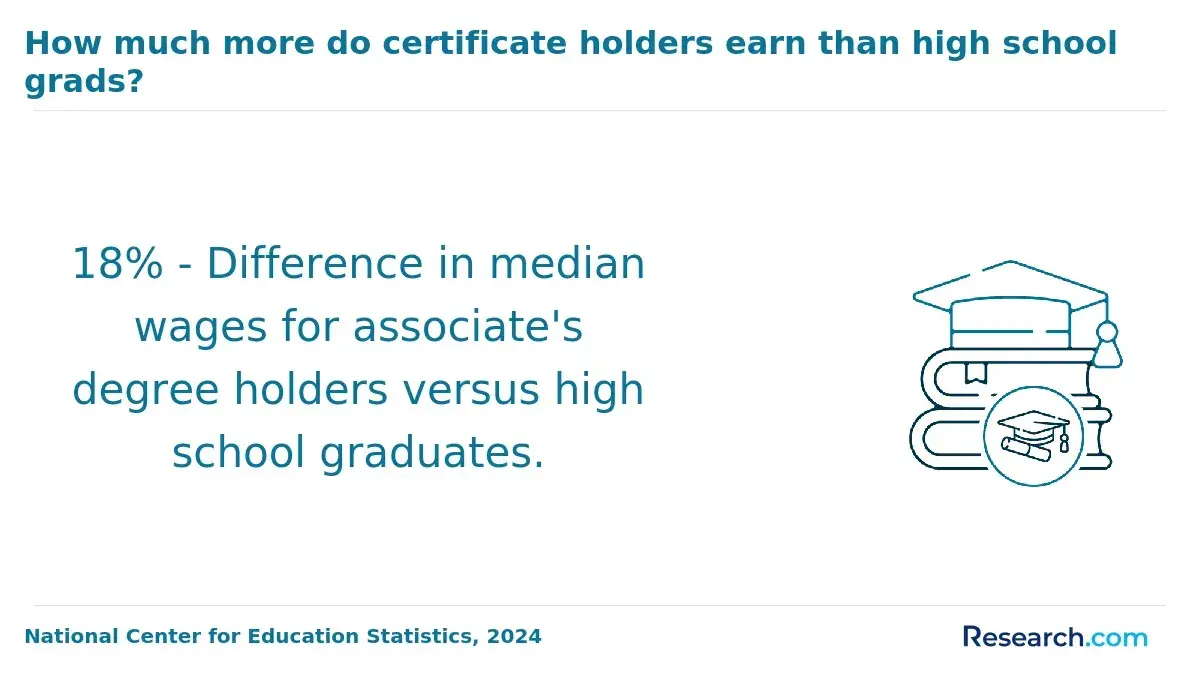
In contrast, associate degrees, representing roughly 20% of enrollments, often serve as cost-effective entry points or lateral transfers rather than terminal qualifications. They cater to students balancing affordability and shorter time frames but generally funnel individuals toward bachelor's-level completion for better career mobility. Meanwhile, master's programs-including MBAs-make up close to 18% of students, attracting professionals who prioritize leadership roles or niche expertise and can leverage flexible schedules like online or part-time offerings. Doctoral degrees remain rare in this population, under 2%, reflecting their focus on research and academic careers rather than conventional business practice, which limits their appeal to most students focused on practical, scalable outcomes.
How Do Enrollment Trends Differ Between Associate, Bachelor's, Master's, and Doctoral Business Administration Degrees?
Enrollment patterns for associate versus bachelor's business administration degree programs reveal a distinct emphasis on scalability and demographic reach. Bachelor's degrees account for roughly 60% of all enrollees, reflecting their strong alignment with entry-level business roles and widespread employer recognition. In contrast, associate programs tend to attract cost-sensitive, part-time learners-often balancing work or family commitments-with regional convenience playing a significant factor. For individuals evaluating flexibility and affordability, the easiest associate degree to get online may present a practical entry point, especially when immediate workforce integration is prioritized over advanced specialization.
Master's and doctoral business administration programs popularity differences underscore the varying career trajectories and investment thresholds trainees are willing to accept. Master's enrollment has surged by approximately 15% over recent years, driven by mid-career professionals and a rising share of women seeking targeted skill development and leadership roles, often facilitated by online or hybrid learning formats. Doctoral programs maintain stable but low enrollment, reflecting their niche appeal to those focused on academia, research, or consultancy where the payoff requires a significant commitment and a narrower set of career options. Understanding these nuances is critical for prospective students and workforce strategists alike when planning educational paths and anticipating how degree choices influence professional opportunities and long-term development.
How Popular Is the Business Administration Degree Compared to Other College Majors?
High enrollment in business administration programs reflects broad market demand but does not guarantee superior educational outcomes or job placement relative to other majors. Data from 2023-2024 by the National Center for Education Statistics shows business-related degrees account for almost one-fifth of all bachelor's degrees awarded, outpacing many traditional fields like social sciences and education. However, this popularity often corresponds with larger class sizes and more generalized curricula, which can dilute specialization opportunities and challenge students seeking niche expertise. The sustained appeal-particularly with MBA programs ranking among the top three master's degrees nationally-indicates employer recognition of these skills, yet students must weigh whether the competitive landscape and program scale align with their career objectives.
Enrollment trends reveal slight demographic imbalances; men currently have a modest edge over women in these programs, though female participation is steadily rising in urban and economically diverse states where business sectors thrive. Regional demand also shapes program availability and peer networks, affecting the depth of local internship and job placement pipelines. While growth in STEM disciplines attracts attention, business administration retains cross-industry relevance, especially in management and finance roles, maintaining a stable base of student interest despite broader shifts in education funding and labor market trends.
One recent graduate recalled initially feeling uncertain about choosing business administration due to unusually large lecture halls and frequent mentions of its popularity compared to emerging tech fields. Conversations with academic advisors highlighted regional variability in demand as well as potential tradeoffs between mass enrollment advantages-like network size-and the challenge of standing out in a crowded job market. This graduate found that understanding the program's market saturation helped frame clearer goals in selecting specializations and internships, shaping a more informed career path than mere popularity rankings might suggest.
Why Is the Business Administration Degree More Popular in Certain States and Regions?
The regional variance in Business Administration degree popularity closely aligns with local economic structures and workforce demands rather than mere student preference. States like California and Texas demonstrate higher enrollment in business administration programs due to their diverse economies and concentrations of major industries such as technology, energy, and finance. This clustering influences both employer demand and the perceived value of such degrees, affecting student opportunities for internships, networking, and employment post-graduation. For example, California's tech and entertainment sectors consistently require graduates with competencies in business management and marketing, creating a reinforcing feedback loop that sustains strong program interest.
Differences in educational access and state policies further shape these enrollment patterns. Regions with expanded online and hybrid business administration offerings, especially in the Southeast, have mitigated geographic barriers, allowing students to balance programs with work and other responsibilities more effectively. Demographics also play a role; states with younger populations and higher educational attainment, like Massachusetts or Virginia, tend to see elevated business administration degree popularity reflecting both labor market needs and aspirational trends. Such regional demand for business administration graduates reflects employer hiring realities and influences the strategic decisions students make about where to pursue their degrees and which programs offer practical advantages, including pathways available through online MBA entrepreneurship programs.
What Demographic Groups Are Driving Growth in Business Administration Degree Programs?
The increasing enrollment of women in business administration programs, now accounting for around 55% of bachelor's degrees awarded, signals a shift in workforce preparation that aligns with broader trends in gender representation and leadership roles. This demographic expansion influences program content, peer dynamics, and networking opportunities by fostering environments that prioritize managerial skills and strategic planning relevant to diverse leadership trajectories. Meanwhile, growth in the Southern and Western United States, fueled by economic expansion and population diversity, corresponds with a rise in online education models designed to accommodate adult learners juggling professional and familial commitments. This shift toward flexibility affects program delivery and may widen access but also demands institutions maintain rigor and relevance to meet employer expectations.
Enrollment trends reveal a move away from associate degrees toward bachelor's and master's credentials, reflecting labor market preferences for candidates equipped with advanced analytical and decision-making skills. First-generation students comprise a rising share of business administration cohorts, drawn by pragmatic appeals of the degree as a gateway to stable employment, supported by targeted institutional resources. However, disparities persist among racial groups, with Hispanic and Asian American students enrolling at higher rates while Native American and Black students face ongoing systemic obstacles. These patterns underscore enduring equity challenges that shape educational outcomes and workforce readiness across demographic lines, highlighting the importance of nuanced support strategies within programs.
For prospective students and workforce analysts, understanding these enrollment shifts is critical in evaluating the practical value of business administration degrees. The intersection of gender, geography, and degree level influences not only who pursues these credentials but also how curricula evolve to address real-world management complexities. As employer demands grow for adaptable, skilled business professionals, program design must balance inclusivity, flexibility, and rigor to prepare graduates effectively for increasingly complex organizational environments.
What Is the Future Outlook for Business Administration Degree Enrollment by Gender, Region, and Degree Level?
Enrollment in business administration degree programs is poised for continued diversification and regional realignment, shaped by shifting demographics and evolving workforce demands. Female representation in undergraduate programs has climbed to nearly 48%, reflecting a narrowing gender gap driven by targeted recruitment and retention efforts. This shift influences classroom dynamics and employer expectations, with greater gender parity increasingly seen as a factor in fostering inclusive leadership pipelines. However, prospective students should recognize that gender balance also correlates with varying program emphases and outcomes across institutions.
Geographically, enrollment growth is concentrated in the Southern and Western United States, particularly in populous states like Texas, Florida, and California, where expanded access to higher education meets rising local labor market demand. In contrast, some Northeastern and Midwestern states experience stagnation or decline, linked to demographic challenges such as aging populations and lower high school graduation rates, which may limit program availability and affect institutional resource allocation. Additionally, increased uptake of online and hybrid graduate business administration programs-accelerated by the pandemic-provides flexible pathways for working professionals, expanding access beyond traditional student demographics. These trends underscore important tradeoffs for students and institutions balancing degree accessibility, program quality, and labor market relevance.
Graduate-level business administration degrees, including MBAs and specialized master's, are increasingly valued for their emphasis on leadership, digital skills, and adaptability, matching employer demands for advanced competencies. The growing integration of online education platforms allows institutions to broaden their geographic reach, but students must weigh the benefits of flexibility against potential differences in networking opportunities and employer perceptions. Understanding these nuanced shifts in enrollment patterns, gender representation, and regional demand is critical for students making informed decisions about the timing, format, and location of their business administration studies.
How Have Business Administration Degree Enrollment Trends Changed Over the Past Decade?
Long-term shifts in business administration degree enrollment reflect changing workforce needs and evolving student priorities more than simple numeric growth. While total undergraduate numbers saw moderate fluctuations with a dip around the COVID-19 pandemic, the nuanced gender participation changes reveal important shifts in access and appeal. Women now constitute nearly 45% of business administration degree earners, a marked rise from around 38% a decade ago, showing the impact of targeted recruitment and the slow dismantling of traditional gender barriers in business fields. These shifts affect not only classroom diversity but also employer perceptions of candidate pools and the competitive dynamics of entry-level hiring in business roles.
Regionally, demand patterns also illustrate the interaction between economic conditions and educational choices. Business administration degree enrollment remains strongest in the South and West, where local industries and economic expansions sustain student interest, while the Northeast and Midwest exhibit steadier, less pronounced growth. Such patterns reflect the practical realities students face balancing program availability, cost considerations, and regional labor market prospects. Prospective students should evaluate these regional dynamics alongside program formats, as online options increasingly influence accessibility and enrollment choices-highlighted in analyses of most affordable online colleges. Understanding these factors is crucial for making informed decisions about educational pathways in business administration.
These enrollment trends and demographic changes underscore the importance of aligning business administration studies with evolving employer expectations and market demands. The rise in bachelor's completions, as indicated by IPEDS data, suggests sustained underlying interest, but the concurrent growth of interdisciplinary and specialized degree options challenges traditional program structures. This context matters for students weighing program relevance, graduate outcomes, and how gender and regional trends influence long-term career trajectories in business administration degree enrollment trends in the United States.
Where Is the Business Administration Degree Most Popular Across the United States?
Business administration degree popularity clusters significantly in states with large, diverse economies and advanced educational infrastructures rather than being evenly distributed nationwide. Regional hubs such as Texas, California, and Florida demonstrate this clustering effect due to the presence of extensive corporate headquarters, dynamic technology sectors, and international trade networks. These factors create robust demand for management- and leadership-focused graduates, directly influencing regional trends in business administration degree enrollment. Students in these areas benefit from higher-quality networking environments and greater local employment opportunities, but this concentration can also narrow perspectives by fostering competitive markets with elevated expectations for practical experience alongside academic credentials.
Metropolitan areas with well-developed universities offering flexible online and hybrid business programs attract a broad demographic, including working adults seeking career advancement. This flexibility aligns with workforce requirements and enhances degree appeal across various age groups and professional stages, emphasizing the degree's practical relevance. Lower-population or economically homogenous regions show less enrollment, illustrating how economic opportunity strongly conditions degree popularity by state. For those weighing their educational pathways and career options, understanding these regional dynamics-especially how geographic concentrations impact program choices and perceived degree value-is crucial. Prospective students should also consider transfer options highlighted in resources discussing the online MBA accepting transfer credits, which reflects growing program adaptability.
Economic growth fueled by service industries and start-ups in these key states creates a positive feedback loop where increased business-related job openings spur higher degree attainment rates. This pattern underscores the interplay between regional workforce demands and educational offerings, shaping which states become degree popularity centers. Consequently, the business administration degree popularity by state traces a clear link to localized industry presence and institutional access, making it a vital consideration for students who want their education to align closely with practical employability and long-term career trajectories.
References:
- What is the difference between a DBA and a PhD in Business Administration? https://edamba.eu/difference-between-dba-and-phd-in-business
- Press Room https://www.validatedinsights.com/press-room/
- Gender Parity in Business Schools: Are We There Yet? | Articles | Unimy https://www.unimy.com/article/gender-parity-in-business-schools-are-we-there-yet
- What is a Business Administration degree? - UBI Business School - QS Top 20 worldwide https://ubi.edu/what-is-a-business-administration-degree/
- In U.S. Higher Ed, Business Is Booming — But International Enrollment May Bust https://poetsandquantsforundergrads.com/news/in-u-s-higher-ed-business-is-booming-but-international-enrollment-may-bust/
- Ten Types of Business Degree Specializations | AIU https://www.aiuniv.edu/degrees/business/articles/10-types-of-business-degree-specializations-you-can-pursue
- 8 Reasons Why You Should Study Business Administration I CBS https://www.cbs.de/en/blog/why-study-business-administration
- Online BBA vs. On-Campus BBA: What You Should Know Before You Choose | CourseCompare.ca https://www.coursecompare.ca/online-bba-vs-on-campus-bba/
- Types of Business Degrees: Your Complete Guide | UWA Online https://online.uwa.edu/news/types-business-degrees/
- Business Administration Degrees (Types, Courses & FAQ) https://www.allbusinessschools.com/business-administration/degrees/
Other Things You Should Know About Business Administration
Gender imbalances often reflect deeper industry trends and networking opportunities within certain specializations like finance or marketing. Male-dominated fields might offer broader peer networks for men but could mean fewer mentorship opportunities for women, and vice versa in female-dominated areas. Prospective students should assess how gender representation might affect their access to internships, professional groups, and workplace culture, adjusting specialization choices to optimize career support and advancement in their target environments.
Regional differences can lead to curriculum adjustments emphasizing different business practices, regulatory knowledge, or local industry needs. For example, students in technology hubs may encounter more data analytics or entrepreneurship courses, while those in traditionally industrial regions might see a focus on operations or supply chain management. Understanding these variations helps students align their education with regional employer expectations, improving job readiness and geographic mobility.
The cost-benefit balance of pursuing advanced degrees in business administration can differ substantially based on local economies and demographic employment patterns. In areas where entry-level jobs are abundant and less credential-sensitive, a bachelor's degree might suffice, especially for those prioritizing quicker workforce entry. Conversely, regions with competitive markets or industries valuing deep specialization may reward master's or doctoral degree holders with higher salaries and leadership roles. Gender factors also play a role, as wage gaps and career advancement disparities might increase the urgency for women to pursue higher degrees to achieve parity.
High degree popularity regions often mean more competitive cohorts, larger alumni networks, and potentially better employer connections, but also increased competition for internships and jobs. Conversely, pursuing a degree in less saturated regions might provide individualized attention and unique local opportunities but risk lower national visibility. Prospective students should weigh their career goals: those aiming for widely recognized credentials and networks may prefer popular markets, while those targeting regional industries or personalized learning benefit from less crowded settings.