2027 Business Administration Degree Completion Rates by Format: Online, Hybrid, and Campus Programs Compared

Co-Founder and Chief Data Scientist
Choosing how to complete a business administration degree can be challenging for many students. Some face work and family commitments that make on-campus attendance difficult, while others seek the flexibility of online programs. Hybrid options promise a balance, but each format comes with different demands on time management and learning style.
Completion rates vary notably across online, hybrid, and traditional campus programs, influenced by factors like student engagement, support services, and program structure. Understanding these differences provides insight into real-world outcomes beyond marketing claims. This article compares completion rates by format, explores factors affecting student success, and offers guidance on selecting the format best aligned with educational and career objectives.
Key Things to Know About Business Administration Degree Completion Rates by Format
- Data from 2024 shows on-campus business administration programs have roughly a 70% completion rate, reflecting stronger peer and faculty engagement critical for persistence in rigorous curricula.
- Hybrid formats exhibit a 60% completion rate, balancing in-person accountability with remote flexibility, which suits students managing work-life demands but requires disciplined self-management.
- Online business administration completion rates near 50%, influenced by higher dropout risks tied to limited direct interaction and challenges in sustaining motivation, affecting long-term career preparation.
- How Do Completion Rates Compare Across Online, Hybrid, and Campus Business Administration Programs? Completion Rate Comparison
- What Factors Have the Greatest Impact on Business Administration Degree Completion? Degree Completion Factors
- Which Business Administration Degree Format Is Hardest to Complete? Completion Difficulty
- How Does Each Business Administration Learning Format Affect Student Success? How Does Each Business Administration Learning Format Affect Student Success?
- How Does Enrollment Status Affect Business Administration Completion Rates? How Does Enrollment Status Affect Business Administration Completion Rates?
- Can Transfer Credits Improve Business Administration Degree Completion? Transfer Credits
- What Student Support Services Improve Business Administration Completion Rates? Student Support Services
- How Do Business Administration Completion Rates Affect Career Outcomes? Impact on Career Outcomes
- How Should Students Choose the Best Business Administration Learning Format? Choosing the Best Format
- What Are the Long-Term Pros and Cons of Each Business Administration Learning Format? Learning Format Pros & Cons
How Do Completion Rates Compare Across Online, Hybrid, and Campus Business Administration Programs?
Completion rates provide insight into student persistence and outcomes rather than serving as a definitive measure of program quality. Differences in graduation success often reflect the varied demographics, commitments, and preparedness of students selecting online, hybrid, or campus business administration formats. For instance, working professionals balancing employment and family might lean toward flexible online schedules, influencing completion statistics distinctively from full-time campus students.
Variations in completion rates across online, hybrid, and campus programs usually stem from factors such as scheduling flexibility, availability of academic support, and enrollment intensity. Online formats can present challenges related to self-discipline and limited direct interaction, while hybrid programs blend convenience with some face-to-face engagement that can boost accountability. Meanwhile, traditional campus programs benefit from structured environments but may be less accessible for those with significant outside responsibilities. Ultimately, student success depends as much on individual circumstances as on the chosen learning format.
When evaluating business administration degree completion rates by program format, prospective students should weigh these statistics alongside their learning preferences, time availability, and career objectives. A student with demanding work hours and family obligations might prioritize an online format's adaptability, whereas one desiring structured routine and peer connection might opt for campus programs. Exploring resources like 1 year master's programs online can further clarify options for accelerated and flexible study paths suited to diverse needs.
What Factors Have the Greatest Impact on Business Administration Degree Completion?
Degree completion for a business administration program hinges on a complex mix of personal commitment, academic environment, and program structure rather than motivation alone. Students navigating diverse life responsibilities, learning preferences, and institutional supports find that these elements together shape their persistence. Recognizing this interplay helps prospective students make informed choices aligned with their circumstances and goals. The following outlines key factors most commonly influencing business administration degree completion rates.
- Academic and Social Integration: Strong connections with peers and faculty increase persistence by creating a support network that encourages active engagement. Campus programs typically promote this through face-to-face interaction, benefiting students who thrive in interactive environments. Those in online or hybrid formats can bolster integration by participating in virtual groups and seeking mentorship opportunities.
- Self-Regulation and Time Management Skills: Online students particularly depend on disciplined scheduling and motivation to avoid disengagement. Effective time management directly correlates with persistence as students balance coursework with external demands. Developing consistent study habits and utilizing digital planning tools can improve these skills and completion odds.
- Financial Stability and Support: Tuition affordability and access to scholarships substantially influence enrollment continuity across formats. Students managing work and family commitments face higher attrition when financial pressures mount or programs lack flexible payment and scheduling options. Proactively securing financial aid and exploring work-study opportunities can mitigate these risks.
- Career Goal Clarity and Relevance: Perceiving the degree as directly connected to attainable career objectives increases motivation to complete the program. Students engaging in internships or applied learning report higher persistence, as real-world experience reinforces academic purpose. Clear goal-setting aligned with labor market outcomes strengthens commitment through practical relevance.
- Institutional Support Services: Access to advising, tutoring, and mental health resources enhances student retention by addressing academic and personal challenges. Completion rates improve when support services are proactive and tailored to diverse learner needs. Seeking out and utilizing these resources early can prevent common attrition triggers.
- Program Format Flexibility: Hybrid models often help students maintain progress by balancing structure with convenience, accommodating work and family responsibilities better than strictly campus-based programs. However, flexibility without adequate support can hinder engagement. Choosing a program that aligns format with support mechanisms is critical.
- Student Engagement in Learning Activities: Active participation in discussions, group projects, and feedback opportunities fosters deeper learning and persistence. Students who regularly interact with instructors and peers, whether online or on-campus, are more likely to complete their degrees. Developing a habit of involvement can offset format limitations and enhance success.
For example, a working parent enrolled in a hybrid business administration program may face scheduling conflicts but can leverage campus visits for peer connection, utilize online resources to study flexibly, and access institutional counseling services to navigate stress. This multifaceted approach to addressing the impact of learning formats on business administration graduation success illustrates how balancing personal, academic, and program factors results in higher degree completion likelihood. Prospective students should weigh these real-world dynamics carefully when selecting their path.
Students exploring flexible options might also consider programs highlighted in the best online accounting program rankings for examples of affordability blended with support, offering additional insights into cost-effectiveness and completion supports that are transferable across business disciplines.
Which Business Administration Degree Format Is Hardest to Complete?
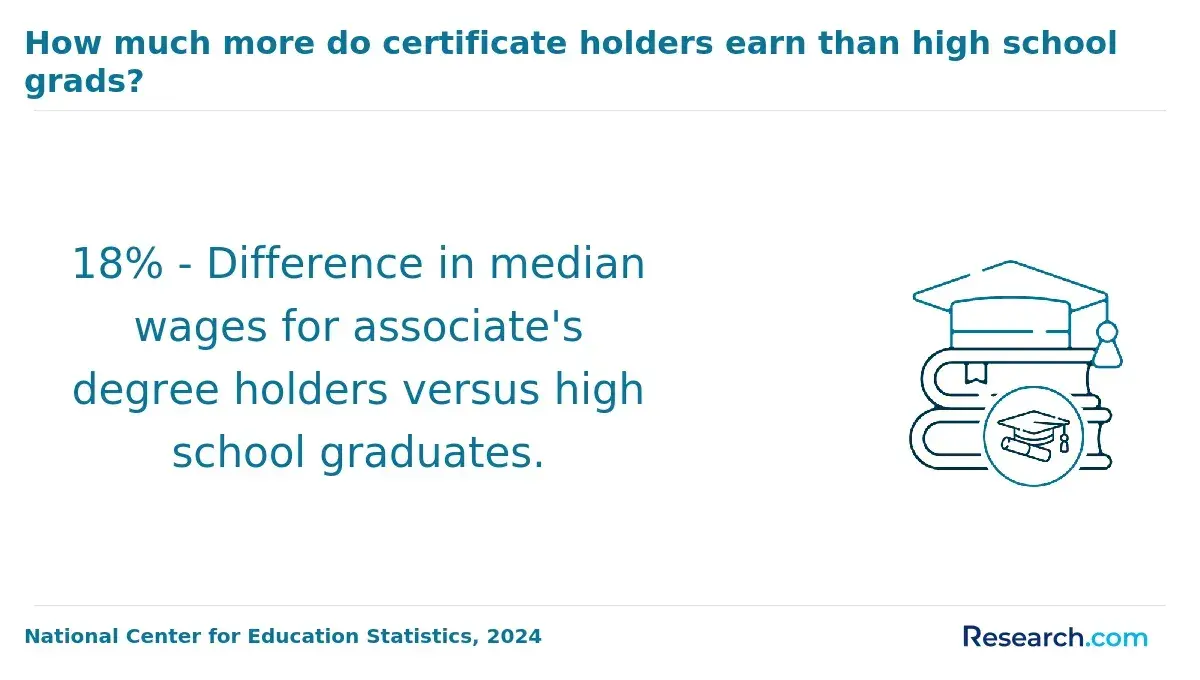
Recent data from the National Center for Education Statistics in 2024 reveals that campus-based Business Administration programs achieve degree completion rates near 70-75%, while fully online programs lag behind at roughly 50-60%. Hybrid formats, combining in-person and online learning, fall between these ranges around 65%. This suggests the challenges online students face-such as limited direct engagement and greater need for self-motivation-directly affect persistence. Conversely, the structured environment of campus programs supports steady progress, but may not be feasible for those juggling work or family commitments. Hybrid models attempt to balance flexibility with personal interaction, though coordinating between different learning modes can introduce additional complexity that some students find difficult to manage.
Beyond raw completion figures, these formats also influence employability through varied networking and experiential learning opportunities. Campus students often benefit from immediate access to peers, faculty, and internships, offering practical insights that can boost job prospects. Online learners, despite greater schedule flexibility, need to be proactive in cultivating professional connections. Hybrid learners might enjoy periodic face-to-face contact but still risk feeling disconnected during remote sessions. Ultimately, a student's success often depends on their ability to navigate these distinct program demands alongside their personal circumstances rather than any innate simplicity or difficulty of the format itself.
One Business Administration graduate reflects on choosing an online program after relocating for work, initially overwhelmed by the lack of regular campus interaction. Though motivated, balancing night classes with a demanding job and family duties tested their discipline extensively. They found setbacks in staying accountable without in-person checkpoints, often questioning if the online path was sustainable. However, occasional virtual office hours and peer discussion groups provided crucial support, ultimately allowing completion. This experience underscores how the effectiveness of each format depends heavily on individual situations and access to support rather than a universal standard of difficulty.
How Does Each Business Administration Learning Format Affect Student Success?
Success in business administration programs hinges less on the mode of delivery itself and more on how well the chosen format fits a student's learning style, availability, and external responsibilities. For example, a working parent balancing job duties may thrive in a hybrid format that blends flexibility with in-person support, while an individual seeking deeper peer interaction might find campus programs more conducive. Conversely, highly self-directed learners motivated by convenience often gravitate toward online options, though this requires strong discipline. Understanding these nuances is crucial for aligning educational goals with realistic completion strategies. Below are key factors showing how different learning formats affect student outcomes.
- Engagement Through Physical Presence: Campus-based programs offer sustained face-to-face interaction with faculty and peers, which correlates with higher persistence rates. The National Student Clearinghouse Research Center (2024) reports that on-campus formats typically show superior degree completion, largely because physical presence bolsters motivation, academic support, and networking opportunities essential for retention.
- Balanced Flexibility and Support: Hybrid learning blends online convenience with scheduled face-to-face elements, providing personalized assistance without sacrificing adaptability. Students juggling work and study often benefit from this format's active learning environment, which recent research in the Journal of Higher Education (2024) links to better GPA and persistence compared to fully online cohorts.
- Challenges of Isolation Online: Fully online learners frequently face isolation and limited real-time academic resources, which can undermine progress. Success in this format demands self-motivation and structured engagement strategies. Institutions that include synchronous classes and virtual advising have shown improvement, as noted by the National Center for Education Statistics (2024).
- Access to Academic Resources: Students on campus or in hybrid formats generally have easier access to tutoring, advising, and library services, while online learners must rely on virtual alternatives. This difference impacts how quickly students can resolve academic difficulties that might otherwise delay degree completion.
- Social Networking Opportunities: Campus programs foster informal peer connections and professional networking that can translate into internships or job leads. Hybrid models offer some of these advantages, whereas purely online students may need deliberate effort to build networks, affecting long-term career prospects.
- Self-Discipline and Time Management: Online programs emphasize autonomy; learners who excel here tend to have strong organizational skills. Those struggling in self-paced environments often face higher dropout rates unless they receive structured guidance and frequent instructor interaction.
How Does Enrollment Status Affect Business Administration Completion Rates?
Enrollment status is one of the most important factors influencing completion rates for business administration degrees, but its impact goes beyond merely the number of courses taken. Whether a student is full-time or part-time often reflects deeper lifestyle and economic realities that shape their ability to persist and finish the program. For example, a part-time student balancing a full workload and family commitments might struggle more than a full-time peer with fewer outside pressures. Below are key ways enrollment status affects business administration degree completion.
- Time Availability and Focus: Full-time students typically allocate more dedicated hours to coursework, resulting in stronger continuity and deeper engagement. Those with external demands like jobs or caregiving may struggle to maintain this focus as part-timers, which can extend their time to completion or increase dropout risks.
- Access to Support Resources: Campus-based full-time enrollees benefit from immediate access to academic advisors, tutoring, and peer interactions, which foster persistence. Part-time students, especially online, may experience delays or gaps in accessing these resources, impacting their completion rates.
- Structured Scheduling Benefits: Full-time students on campus follow more regimented schedules that encourage consistent study habits and reduce procrastination. Part-timers often juggle varied hours, making it harder to create stable routines essential for staying on track.
- Engagement and Accountability: The social and academic engagement seen in full-time cohorts supports motivation through peer networks and faculty interaction. Part-time and online learners face challenges sustaining similar accountability without daily in-person contact.
- Economic and Lifestyle Factors: Enrollment status often correlates with financial stability and personal responsibilities. Students choosing part-time paths frequently balance substantial work or family obligations that can slow progress despite strong motivation.
- Completion Rate Differences by Format: According to the National Center for Education Statistics, full-time campus students have completion rates exceeding 70% within six years, while part-time counterparts often fall below 50%. Similar trends appear in online and hybrid programs, with full-time learners outperforming part-timers by roughly 15-20 percentage points, per the Online Learning Consortium.
- Program Format and Enrollment Interplay: Hybrid programs offer balance for full-time students, blending flexibility with community connection to support completion. Part-time hybrid enrollees see better outcomes than fully online part-timers but still face more obstacles than full-time peers.
For prospective students exploring an online MBA under 30k, understanding how full-time versus part-time enrollment shapes completion can clarify which pace aligns with their personal circumstances and career goals. Thoughtful choice here helps maximize the likelihood of finishing the degree and moving forward professionally.
Can Transfer Credits Improve Business Administration Degree Completion?
Transfer credits can notably shorten the time needed to complete a business administration degree by eliminating the need to retake previously mastered courses. For example, a student who accumulated credits through military training or community college may skip foundational requirements, focusing instead on upper-level coursework. However, the actual time saved depends heavily on how well those credits align with the specific program's curriculum and degree requirements. Not all transferred credits fulfill core or elective requirements equally, meaning some students may still face significant coursework despite prior credits.
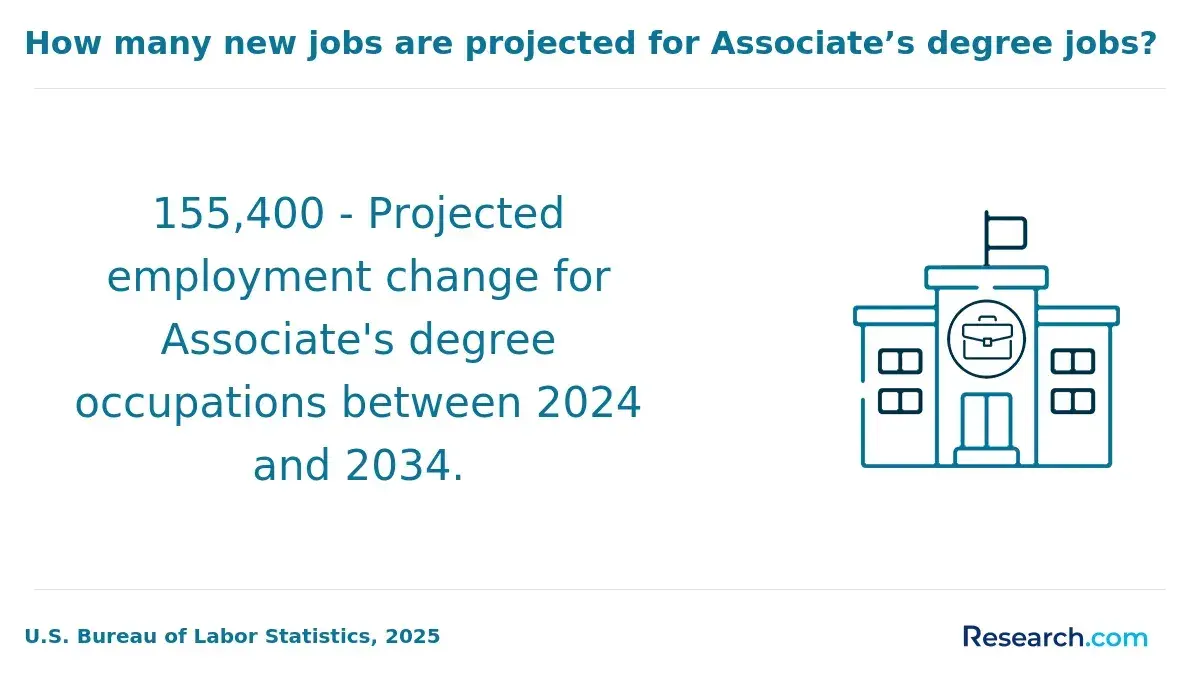
Data from the National Center for Education Statistics (NCES, 2024) indicate that students with accepted transfer credits typically reduce their degree timelines by around 20%, which accelerates workforce entry and can ease financial burdens. Yet, transfer credits are not a universal solution; their utility varies by institution, delivery format, and the student's prior educational background. For instance, online business administration programs tend to offer more flexible credit acceptance policies, which can especially benefit adult learners balancing education with other commitments.
Conversely, campus-based programs often have stricter transfer guidelines shaped by articulation agreements but may provide more personalized advising to maximize transfer credit application. Hybrid formats fall somewhere in between, but inconsistent evaluation practices may cause delays or confusion that disrupt academic momentum. In all cases, students must carefully assess how their credits apply to prerequisite and core course sequences to avoid prolonging degree completion unnecessarily.
Prospective students should request an official credit evaluation early, comparing the number and relevance of transferred credits with remaining degree requirements and their planned enrollment intensity. This analysis informs realistic expectations about how much time and effort transfer credits can save. Ultimately, while transfer credits improve completion rates for many, they represent just one factor among others-such as course load, institutional support, and personal circumstances-that influence graduation success in business administration programs.
What Student Support Services Improve Business Administration Completion Rates?
Student support services are pivotal in shaping business administration degree completion rates, yet their impact varies notably across online, hybrid, and campus formats. Effective advising, tutoring, mental health resources, and career support intersect differently with each learning environment, influencing persistence in distinct ways. Understanding these nuances helps prospective students make informed decisions about which support combinations align best with their circumstances. Key services linked to higher completion rates include:
- Format-specific academic advising: Tailored advising is essential, with campus students gaining from regular in-person guidance that anticipates obstacles early, while online learners rely on virtual advisors familiar with digital challenges. Hybrid students benefit from a mix of both approaches. The 2024 Community College Research Center study highlights that frequent advisor engagement can boost completion by up to 20%.
- Accessible tutoring and supplemental learning: Campus students tap into on-site centers fostering peer interaction, whereas online learners need flexible, on-demand tutoring that compensates for the lack of physical proximity. Hybrid programs often yield the best results by combining live sessions with asynchronous tools, supporting diverse schedules and learning preferences.
- Mental health and counseling availability: The increased isolation in online formats magnifies the importance of accessible mental health services, particularly telehealth options. Students facing personal hurdles report better persistence when institutions offer these supports, as reflected in the 2024 American Council on Education survey.
- Integrated career services: Campus programs leverage direct employer connections for internships and networking, which strongly motivate degree completion. Virtual career fairs and digital mentoring platforms extend similar opportunities to online and hybrid students, though engagement depends on proactive institutional investment.
- Technological support for digital learning: Online and hybrid students often struggle with platform access and software navigation. Responsive tech help reduces frustration and dropout risk by enabling smoother course participation, a less visible but critical factor in persistence.
- Community-building initiatives: Peer support through study groups or online forums enhances accountability and reduces the sense of isolation, particularly for remote learners. Hybrid learners gain the most by mixing virtual communities with occasional in-person interaction.
- Flexible scheduling and deadlines: Accommodations tailored to working students or those with family obligations, especially prominent in hybrid and online formats, help sustain momentum toward graduation despite life's unpredictability.
One online business administration graduate recalled hesitating to continue after juggling a full-time job and unexpected family responsibilities. The availability of prompt virtual tutoring and personalized advisor check-ins proved decisive. The student mentioned, "Knowing I could reach out after hours for support made all the difference," underscoring how responsive, convenient services can sustain motivation when personal pressures mount. This nuanced experience highlights that success hinges on well-implemented, differentiated resources rather than a one-size-fits-all solution.
How Do Business Administration Completion Rates Affect Career Outcomes?
Degree completion rates in business administration heavily influence long-term career success, connecting persistence in education with measurable outcomes like employment and earnings. While completing a bachelor's degree in business administration doesn't guarantee instant job placement or advancement, the association between completion and key career milestones is well supported by recent labor market data. Understanding these impacts helps prospective students navigate choices among online, hybrid, and campus formats based on their individual situations and priorities.
Below are primary ways finishing a business administration program can shape career trajectories:
- Increased likelihood of securing full-time relevant employment within six months: Completion signals to employers a level of discipline and competence that enhances candidacy for full-time roles. Those who combine degree completion with networking, especially via traditional campus programs, gain an additional edge.
- Higher median earnings with a bachelor's degree compared to non-completers: This wage premium reflects employer valuation of completed education and indicates the importance of finishing the program to maximize return on investment, especially for students balancing family or work through hybrid or online pathways.
- Improved promotion rates linked to on-campus cohort experiences and faculty engagement: Campus program graduates generally benefit from stronger professional networks and access to career resources that facilitate early advancement. While hybrid and online students might develop valuable adaptability and digital fluency, the campus setting often fosters smoother transitions to leadership roles.
- Enhanced graduate school admission prospects tied to demonstrated persistence: Completing a business administration degree acts as proof of perseverance valued in competitive advanced programs. Students aiming at leadership or specialized roles should consider this credential's role in unlocking further educational opportunities.
Prospective students evaluating business administration degree completion rates and career success should reflect on the trade-offs each format presents. For some, prioritizing online or hybrid formats supports life balance and career continuation despite lower average completion, while others may benefit more from traditional campus resources and networking. Similar to exploring high-paying jobs with environmental science degree pathways, effectively analyzing these variables ensures realistic expectations and informed decisions.
How Should Students Choose the Best Business Administration Learning Format?
Choosing the right learning format for a business administration degree directly affects completion rates and career readiness. The 2024 data from the National Center for Education Statistics confirms that students balancing work and family obligations typically succeed best in hybrid or online programs, though these require strong self-discipline and time management. Conversely, those who thrive in structured environments with frequent peer interaction and direct faculty support often complete degrees more reliably in traditional campus settings. Deciding on a learning format means evaluating key personal and academic factors. Consider these points when choosing the best business administration learning format:
- Work and Family Commitments: Students with full-time jobs or caregiving roles benefit from the flexibility of online or hybrid formats. These options allow asynchronous study but require self-motivation to maintain progress, whereas campus programs demand a more fixed schedule that may conflict with outside responsibilities.
- Self-Discipline and Time Management: Online programs show higher attrition among students lacking prior experience with independent learning. Assess your ability to adhere to deadlines without direct supervision and seek readiness assessments to gauge fit before enrolling.
- Learning Environment Preference: Campus learners gain from immediate peer networking and instructor feedback, boosting retention. Hybrid models blend in-person and online elements, supporting comprehension when integration is intentional and well designed.
- Academic Support Needs: Direct access to tutors, advisors, and study groups may enhance persistence in campus programs. Online formats must provide virtual support networks to replicate these benefits and reduce dropout risks.
- Long-Term Career Goals: Employers increasingly value graduates who demonstrate adaptability across various learning settings. Choosing a format that matches your lifestyle and career timeline optimizes employability and degree completion prospects.
- Program Completion Data: Studies reveal that student demographics influence success by format, highlighting the necessity of personalized format selection rather than one-size-fits-all solutions.
- Program Specialization Requirements: Some concentrations may require specific formats; for example, those exploring a bachelor of project management online often require hybrid approaches for practical experience alongside flexible study.
Ultimately, the decision on format should balance realistic assessments of personal circumstances with evidence-based insights into how various formats affect business administration degree completion rates by format and long-term success.
What Are the Long-Term Pros and Cons of Each Business Administration Learning Format?
Choosing between online, hybrid, and campus formats for a business administration degree significantly impacts long-term outcomes. Each offers unique advantages and challenges that affect completion rates, career trajectories, and professional networking. Below are key considerations that help prospective students align their learning format with personal circumstances and career goals.
- Completion Rates and Accountability: Campus programs typically show the highest completion rates due to structured schedules and in-person support, fostering accountability. Hybrid programs offer a balance but may require strong time management, while online formats, despite flexibility, see lower completion rates linked to reduced direct engagement.
- Networking and Professional Relationships: Campus students gain direct access to peers and faculty, enhancing connections important in traditional industries. Hybrid learners benefit from some face-to-face interaction, whereas online students must rely mostly on virtual networks, which can limit immediate relationship building.
- Flexibility Versus Discipline Needs: Online programs excel in flexibility, suiting working adults or those with family commitments but demand high self-motivation. Hybrid formats provide scheduling adaptability with occasional campus presence, helping diverse learning styles. Campus attendance is less flexible but creates routine structures.
- Employer Perceptions and Hiring Outcomes: Graduates from accredited online programs report comparable earnings to campus peers, though some sectors maintain skepticism of online credentials. Hybrid degrees often mitigate this by demonstrating in-person engagement.
- Isolation and Support Systems: Fully online students may experience isolation affecting persistence, while hybrid and campus formats offer richer social support, aiding emotional well-being and sustained motivation.
- Resource Accessibility: Campus programs provide immediate access to libraries, labs, and career centers, which hybrid students partly share. Online learners depend on remote services, which can be less comprehensive but are improving with technology advances.
References
- Hybrid vs Fully Online MBA Programs - Key Differences https://www.onlinecu.in/blog/cu/differences-between-hybrid-and-fully-online-mba-programs.php
- Business Administration Degree Completion Pathways https://www.uwindsor.ca/business/641/business-administration-degree-completion-pathways
- Education Graduation Requirements Department of Business Administration https://kbiz.khu.ac.kr/biz_eng/user/contents/view.do
- What Can You Do with a Business Administration Degree? - MANCOSA https://www.mancosa.co.za/blog/what-can-you-do-with-a-business-administration-degree/
- Accredited Online DBA Program: Doctor of Business Administration https://www.umgc.edu/online-degrees/doctoral/dba-business-administration
- How Long Does It Take to Get a Business Administration Degree? - Team Academy https://teamacademy.nl/how-long-does-it-take-to-get-a-business-administration-degree/
- How Hard is an MBA? What You Need to Know Before Starting Your Degree | ACE Blog https://ace.edu/blog/how-hard-is-an-mba-what-you-need-to-know-before-starting-your-degree/
- Jobs after studying business administration: opportunities at a glance | JobTeaser https://www.jobteaser.com/en/advices/jobs-after-studying-business-administration-opportunities-at-a-glance
- Top Skills Gained from a Business Administration Program - Cyprus West University https://www.cwu.edu.tr/top-skills-gained-from-a-business-administration-program/
- Impact of Online Learning on the Performance of Business Students https://bbejournal.com/BBE/article/view/571
Other Things You Should Know About Business Administration
While online programs offer unmatched scheduling flexibility, this freedom often requires stronger self-discipline and time management skills than hybrid or campus formats. Students who lack these may struggle to maintain consistent progress, leading to higher dropout rates. For those who prioritize flexibility but struggle with structured routines, hybrid programs may better balance autonomy and accountability, improving completion likelihood.
Employers increasingly recognize online and hybrid business administration degrees, but some still regard campus programs as more rigorous due to the traditional learning environment. Completion from a respected campus program can carry an implicit endorsement of in-person skill development and networking, which may enhance early career opportunities. Students prioritizing employer recognition should weigh program reputation alongside completion prospects, as perceived prestige can affect job placement despite similar academic content.
Campus programs tend to follow fixed schedules with weekly in-person commitments, fostering steady study habits but less flexibility for handling external stressors. Online programs allow self-paced completion, which can lead to uneven workload distribution and potential burnout if students overcommit in shorter periods. Hybrid models often offer a middle ground, combining structured interaction with flexible components, which may help maintain manageable workloads and support sustained progress toward degree completion.
For students juggling significant external obligations, hybrid programs often represent the best compromise, providing essential face-to-face engagement for motivation and peer support while retaining flexibility to work remotely. Fully online programs risk isolation and require high self-motivation, which might delay completion or increase dropout risks for this group. Campus programs, though immersive, may be impractical for those with tight schedules, making hybrid formats generally more conducive to balancing commitments and finishing the degree.