2027 Business Administration Career Outcomes by Degree Level Report: Pay, Employment, and Advancement Patterns

Co-Founder and Chief Data Scientist
Determining whether to invest in an associate, bachelor's, or master's degree in business administration involves more than personal preference; it can shape career trajectories in significant ways. Recent 2024 data indicates that individuals with a bachelor's degree in business administration experience a notably higher employment rate within six months post-graduation compared to those holding only an associate degree, highlighting substantial differences in workforce access and stability.
However, the relationship between degree level and advancement speed is nuanced, with some employers prioritizing experience over credentials in certain management roles. This article analyzes pay, employment, and career progression patterns by degree level to inform strategic education decisions.
Key Things to Know About Business Administration Career Outcomes by Degree Level
- Associate degrees often lead to quicker workforce entry but limit access to managerial roles, emphasizing tradeoffs between immediate employment and long-term advancement potential in business administration.
- Employers increasingly prefer candidates with bachelor's degrees for mid-level positions, reflecting a labor-market trend where credentials shape access to larger professional networks and specialized roles.
- Master's and doctoral credentials offer expanded advancement but involve significant time and cost; this delay can affect opportunity timing and return on investment for working adults balancing career growth.
- Key Things to Know About Business Administration Career Outcomes by Degree Level Key Things to Know About Business Administration Career Outcomes by Degree Level
- What Career Outcomes Can Students Expect From Each Business Administration Degree Level? Career Outcomes by Degree
- How Much Do Business Administration Graduates Earn by Degree Level? Salary by Degree Level
- Which Business Administration Degree Level Offers the Strongest Employment Prospects? Best Degrees for Employment
- What Entry-Level Jobs Can You Get With a Business Administration Degree? Entry-Level Career Opportunities
- How Do Business Administration Degree Levels Affect Career Advancement and Promotion Opportunities? Career Growth by Degree
- Is a Business Administration Degree Worth It Based on Salary, Employment, and ROI? Salary, ROI, and Value
- How Do Associate, Bachelor's, Master's, and Doctoral Business Administration Degrees Compare? Comparing Degree Levels
- Which Industries and Employers Hire Business Administration Graduates by Degree Level? Which Industries and Employers Hire Business Administration Graduates by Degree Level?
- What Skills, Credentials, and Experience Improve Business Administration Career Outcomes? What Skills, Credentials, and Experience Improve Business Administration Career Outcomes?
- Which Business Administration Degree Level Is Best for Your Career Goals? Choosing the Right Degree
What Career Outcomes Can Students Expect From Each Business Administration Degree Level?
Career outcomes for students in business administration differ notably by degree level, shaping both immediate employment access and longer-term advancement trajectories. Entry-level credentials like certificates often provide a rapid route into roles such as administrative support or sales coordination, but these positions typically face a ceiling without further education or hands-on experience. For adult learners balancing work and study, associate degrees offer more operational roles, such as junior analysts or office managers, which can improve job stability but may still require completion of a bachelor's degree to enter supervisory or specialized positions. According to U.S. Bureau of Labor Statistics data in 2024, employment rates increase with credential level, yet employers frequently expect bachelor's degrees as a baseline for leadership tracks, influencing career mobility and pay progression.
Bachelor's degree holders tend to occupy professional roles with greater responsibility and promotional potential, benefiting from a blend of theoretical and practical learning that enhances role readiness across industries. Graduate-level credentials, including master's and doctoral degrees, open pathways to senior management, strategic roles, or academic research, where expertise in complex organizational issues and evidence-based decision-making is essential.
Transfer pathways and credit use from associate or certificate programs are critical considerations for working professionals and military-affiliated students aiming to optimize time and financial investment. Those evaluating education options should consider how employer credential preferences, licensure requirements, and regional market demands intersect with their long-term goals, especially when exploring online degrees that pay well, to ensure their chosen level of business administration maximizes both employability and advancement potential.
How Much Do Business Administration Graduates Earn by Degree Level?
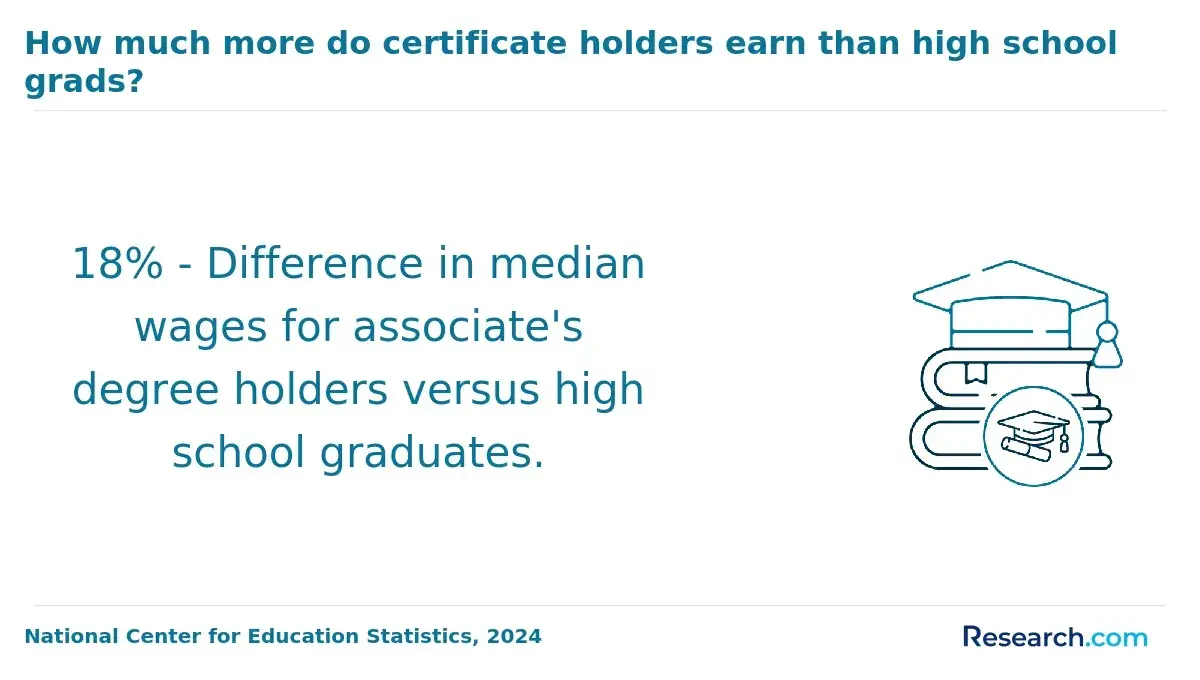
Wages for business administration graduates reveal clear disparities tied to credential type and career positioning rather than simple degree hierarchies. Bachelor's degree holders commonly report median salaries around $70,000 according to the latest figures from the U.S. Bureau of Labor Statistics, reflecting access to supervisory roles and a competitive edge in mid-level management. However, advancing to a master's degree can increase earnings by 20 to 30 percent, particularly in specialized sectors such as consulting or finance, though this step entails tradeoffs in time and tuition. Associate and certificate holders often face lower starting wages near $40,000 with correspondingly higher unemployment risks, highlighting challenges in securing roles beyond entry-level administration without further education or proven experience. Understanding these nuances is crucial for working adults or transfer students evaluating whether the incremental investment in education aligns with realistic career gains and local labor market demands.
Employment stability and advancement pathways also vary across degree levels, with advanced credentials generally facilitating stronger chances at promotion and lower joblessness rates near 3 to 4 percent, compared to 6 to 8 percent for less credentialed graduates. Yet, regional industry differences and employer expectations mean that credentials don't guarantee a straightforward upward trajectory; strategically leveraging transfer credits or pursuing targeted certifications can sometimes expedite career progress for nontraditional students. For professionals balancing work and study, assessing the total cost in time and lost income versus anticipated pay increments-and how these tradeoffs interact with evolving employer preferences-remains a pivotal consideration in degree progression decisions.
A recent graduate who initially completed a certificate in business administration shared a cautious approach to further schooling after comparing local job listings and salary data. They discovered that, despite gaining essential skills through their certificate, many advertised management roles explicitly required a bachelor's degree, prompting them to enroll in a degree-completion program while working part-time. This individual expressed mixed feelings about the extended timeline and added expenses, yet felt relief upon recognizing the clearer pathway toward roles aligned with their long-term salary goals and industry standards. Their experience underscores how pay information, when combined with on-the-ground employer criteria and personal circumstances, shapes pragmatic education planning in this field.
Which Business Administration Degree Level Offers the Strongest Employment Prospects?
Employers increasingly regard a bachelor's degree in business administration as the baseline credential for many managerial and supervisory roles, reflecting a broader trend of degree inflation in the labor market. While associate degrees or certificates can provide quicker workforce entry, these credentials often limit candidates to administrative or operational positions with lower advancement ceilings, especially in competitive regions where a bachelor's degree reduces unemployment risk to approximately half that of lower-level qualifications, according to 2024 U.S. Bureau of Labor Statistics data. For instance, a recent graduate with an associate degree may secure an entry-level job rapidly but encounter stagnant career growth without pursuing further credentials or substantial experience.
Advanced degrees such as MBAs and doctoral programs primarily serve those aiming for leadership, specialized expertise, or academic roles rather than immediate employment access. These graduate paths demand significant prior experience and a commitment to extended study but offer 20-40% higher median earnings and eligibility for upper-management positions that a bachelor's degree alone rarely unlocks. Decision-making for prospective students should consider not only early-career job placement but also long-term occupational mobility; many find value in starting with an associate degree and transferring credits to a bachelor's program before potentially advancing to graduate study, balancing income needs with career trajectory. Ultimately, regional labor market conditions and employer preferences play crucial roles in determining which credential best aligns with an individual's timing, financial capacity, and career objectives.
What Entry-Level Jobs Can You Get With a Business Administration Degree?
Entry-level business administration jobs reflect a clear divide based on degree level, with associate degrees often funneling graduates into roles focused on fundamental operational support such as administrative assistants or customer service managers. These positions emphasize foundational skills but may limit upward mobility without supplemental credentials or experience. Conversely, those holding bachelor's degrees access positions demanding greater analytical rigor and leadership potential, like marketing coordinators or junior project managers, aligning better with employers' preference for candidates demonstrating both transferable skills and practical exposure. Data from the U.S. Bureau of Labor Statistics (2024) indicates that nearly 58% of entry-level roles explicitly require at least a bachelor's degree, underscoring the credential's significance in navigating competitive labor markets.
Internships and hands-on fieldwork embedded within programs critically affect hiring success, as more than 70% of employers identify real-world experience as a decisive hiring factor. Candidates without such exposure often encounter slower career trajectories and fewer stable opportunities, particularly in urban centers where remote and hybrid roles are expanding but competitive. Licensing requirements remain mostly peripheral at the entry point, aside from niche areas such as HR or financial services, implying that immediate credentialing is generally less pivotal than skill versatility and demonstrable adaptability. Students balancing their business administration degree job opportunities should carefully weigh these dynamics against their long-term goals, especially if they plan to pursue graduate study or specialized certifications to enhance career mobility available through bachelor's pathways.
Understanding the role of experiential learning alongside degree attainment reveals the practical trade-offs between quicker employment via associate programs and the broader advancement potential of bachelor's degrees enriched by meaningful internships. Those evaluating degrees must also consider geographic and sector-specific variations in hiring practices, particularly how early-career roles may differ in stability and skill complexity. For those exploring more technical or interdisciplinary routes, resources on whether can you get an engineering degree online offer comparative insights into program delivery and skill applicability that may inform cross-field academic decisions.
How Do Business Administration Degree Levels Affect Career Advancement and Promotion Opportunities?
Advancement opportunities in business administration closely align with degree level, yet the relationship is far from straightforward. Employers often require a bachelor's degree for supervisory roles, reflecting expectations for candidates to possess a strategic understanding of organizational leadership that associate degrees rarely provide. A 2024 assessment by the U.S. Department of Education's IPEDS found that 65% of management positions mandate at least a bachelor's credential, underscoring institutional preferences that significantly shape promotion eligibility. While associate degree holders frequently occupy entry-level or operational roles, their upward mobility depends more heavily on workplace experience or certifications, making formal degree advancement a slower and less certain pathway in many organizations.
Higher degrees not only improve eligibility for management but also facilitate access to internal leadership development programs, accelerating readiness for mid-level and specialized positions in financial analysis or supply chain fields. Adult learners, especially those with extensive work experience or prior credits, must weigh whether pursuing a bachelor's or graduate degree will translate into faster promotion timelines or merely extend education without immediate payoffs. Transfer credits and continuing education options add complexity to this calculus, affecting how quickly a candidate can meet employer requirements and navigate internal advancement. Ultimately, degree attainment interacts with professional development, employer norms, and individual career context to influence both when and how workers ascend organizational ladders.
One graduate reflected on juggling part-time work and family while deciding whether to upgrade from an associate to a bachelor's degree. Although initially uncertain if the additional time and expense would yield a tangible promotion, the broader curriculum's emphasis on leadership and strategy boosted confidence in applying for team lead roles that had previously seemed out of reach. This cautious optimism was tempered by recognition that real advancement would also demand proving managerial skills on the job, not just additional credentials, illustrating the nuanced decision process many face when balancing immediate professional demands against long-term career growth.
Is a Business Administration Degree Worth It Based on Salary, Employment, and ROI?
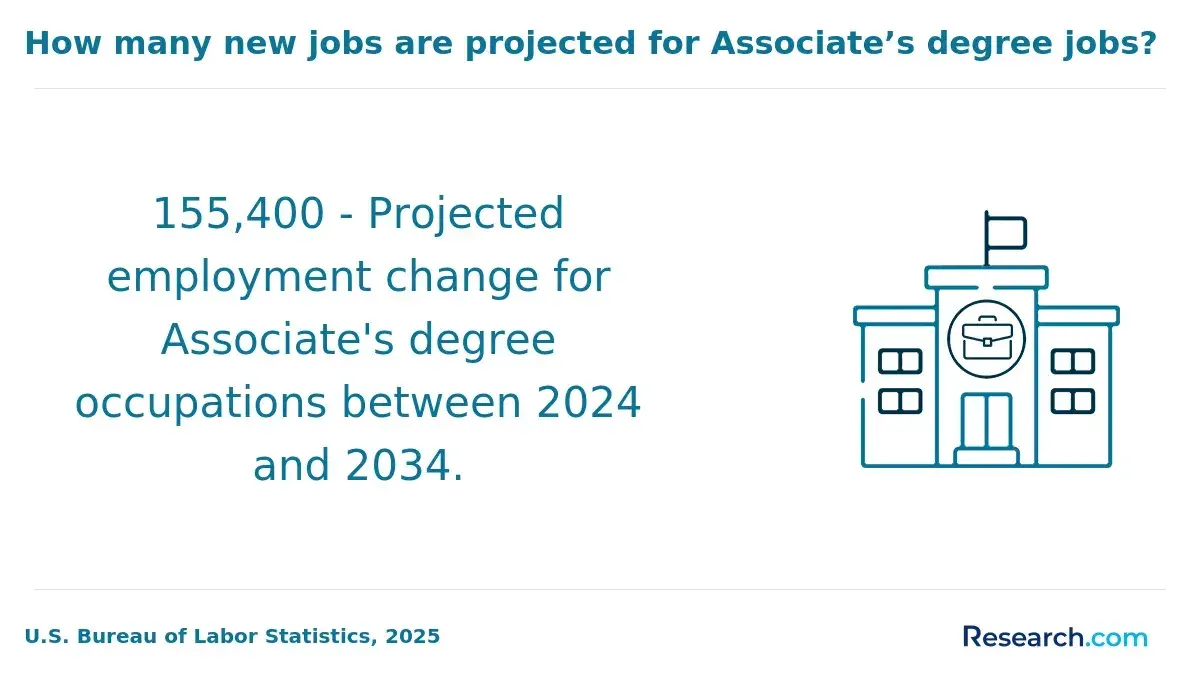
Salary outcomes and employment stability for business administration graduates vary notably by degree level, regional labor conditions, and prior work experience. Bachelor's and master's degrees generally lead to higher median earnings and lower unemployment rates, reflecting employer demand for comprehensive skills in leadership and strategic planning. However, these salary gains must be weighed against the increased time and financial investment required, particularly for adult learners balancing work or military commitments where part-time study options and credit transfers significantly influence program completion and ROI.
For those holding associate degrees or some college credits, entry-level roles in administrative support may offer immediate access to the workforce but with slower advancement and lower pay ceilings unless supplemented by relevant experience or further study. Mid-career professionals aiming to accelerate progression into management or specialized functions should consider how a master's credential can open doors, though the opportunity costs of extended enrollment and potential debt need careful assessment. Regional differences also matter; graduates in urban centers with concentrated industries will typically see stronger demand and pay, making program cost and timelines crucial considerations in those competitive markets.
Evaluating business administration degree salary outcomes alongside employment and ROI involves balancing these factors pragmatically. Prospective students must consider their local job market and career goals against program affordability and duration. Additionally, specialized credentials in areas like supply chain or digital marketing increasingly shape employability beyond a standard degree. For those exploring alternatives or complementary credentials within workforce planning, programs such as lMFT programs may offer different pathways worth investigating.
How Do Associate, Bachelor's, Master's, and Doctoral Business Administration Degrees Compare?
Choosing how far to advance in Business administration education hinges on balancing entry speed, role requirements, and long-term career flexibility. Associate degrees accelerate workforce entry with foundational skills suitable for administrative or junior analyst positions but typically restrict upward mobility due to limited leadership exposure. For many, transferring credits to pursue a bachelor's degree becomes essential, as employers increasingly expect that credential for mid-level roles and supervisory responsibilities. Data from the College Scorecard in 2024 indicates that bachelor's degree graduates not only enjoy higher employment rates but also experience more substantial salary growth compared to associate-level holders, making the additional time and cost investment often worthwhile for sustained career progression.
Master's degrees, especially MBAs, pivot toward strategic leadership and specialized management fields, enhancing prospects in executive and consulting roles where advanced expertise commands a premium. However, these programs demand greater financial and time commitments, with working professionals needing to carefully juggle study and career obligations to avoid completion hurdles. Doctoral studies, by contrast, focus narrowly on research, teaching, and high-level policy advising, offering limited labor market demand but significant intellectual authority in academic or consultative domains. Candidates must weigh whether the extended duration and opportunity costs align with their professional ambitions, as many senior business roles value practical leadership experience alongside or instead of terminal degrees.
Which Industries and Employers Hire Business Administration Graduates by Degree Level?
Hiring patterns for business administration graduates demonstrate clear differentiation tied to degree level, reflecting distinct employer demands and career trajectories. Those holding associate degrees typically enter roles within operational, retail, or administrative support sectors, where practical skills and technical proficiency outweigh advanced managerial training. For example, an associate degree graduate may quickly secure a position as an administrative assistant in a retail firm, but advancement into management generally requires additional credentials or extensive experience. This contrasts sharply with bachelor's degree holders, who are recruited across a wider range of industries like finance, healthcare, and manufacturing, often in mid-level management or specialized professional roles where analytical capability and leadership potential are critical.
At the master's level, business administration graduates-especially MBAs-tend to access executive leadership or strategic consulting roles in sectors such as investment banking, healthcare management, and technology firms. Employers increasingly prioritize strategic insight and cross-functional expertise, with 65% of senior management job postings citing a master's degree as preferred or required, according to 2024 data from the U.S. Bureau of Labor Statistics. In contrast, doctoral graduates typically find limited industry hiring and are predominantly absorbed into academia, high-level consulting, or policy research, emphasizing research leadership over operational roles. Shorter-term certificates mostly serve incumbent workers aiming to update skills in areas like data analytics or compliance rather than providing entry into managerial positions, highlighting a practical tradeoff for those balancing education costs and immediate employment needs.
What Skills, Credentials, and Experience Improve Business Administration Career Outcomes?
Career outcomes in business administration hinge on the strategic alignment of credentials, skills, and experience with employer demands and advancement pathways. Employers increasingly value candidates who combine technical competencies like data analysis and financial literacy with applied experience such as internships or military service, which provide essential real-world context and leadership development. For example, professionals holding certifications like PMP or CFA often access a broader range of mid-level management roles more rapidly, highlighting how stacking credentials beyond the degree can directly impact employment access and promotion readiness. The emphasis on role-relevant soft skills-communication, teamwork, and problem-solving-intensifies as individuals advance, reinforcing the need for demonstrated leadership exposure early in the career trajectory.
Differences in credential requirements for career advancement become particularly pronounced when evaluating associate, bachelor's, and graduate degree holders. Associate-level graduates rely heavily on robust experiential learning to offset limited theoretical training, whereas bachelor's degree earners benefit from greater flexibility to specialize or accumulate professional certifications that enhance upward mobility. Graduate degrees typically gear learners toward strategic and executive roles, demanding a combination of advanced leadership skills and decision-making acumen.
This tiered progression affects long-term career mobility, especially for adult learners, transfer students, and working professionals who must weigh prior credits and experience against the opportunity costs of additional credentials. Students exploring credential pathways should also note the growing intersection with related programs, as shown in fields like clinical psychology where cross-disciplinary knowledge enhances niche expertise, exemplified by options such as online clinical psychology masters programs.
Which Business Administration Degree Level Is Best for Your Career Goals?
When choosing which business administration degree level offers the best career advancement opportunities, aligning the credential to specific employment goals is crucial. Associate degrees often provide quick, affordable entry into operational roles but limit upward mobility and specialization, making them less suitable for long-term leadership trajectories. Bachelor's degrees remain the primary credential for mid-management and provide broader access to diverse roles; the U.S. Bureau of Labor Statistics notes that bachelor's holders have about an 85% employment rate versus 70% for those with associates. For working adults and transfer students, understanding credit transfer policies between associate and bachelor's programs can shorten time to completion and reduce opportunity costs, directly impacting career momentum.
Graduate degrees, including MBAs, significantly improve prospects for senior management and specialist roles by offering targeted leadership training and networking, though they require a substantial financial and time investment. National data suggests nearly 40% of business graduate students choose part-time or accelerated pathways to maintain employment while studying. Some employers may still prioritize relevant experience or certifications over advanced degrees, especially in roles where practical skills dominate. Students aiming for doctoral study or research-focused careers should consider graduate degrees essential, as these credentials unlock formal licensure and deep specialization unavailable at lower levels. Prospective learners balancing work, family, and education, including military-affiliated individuals, often weigh programs similarly to how one might choose from photography programs online for veterans, balancing flexibility with outcome relevance.
How to choose the right business administration degree for long-term employment success often depends on evaluating these tradeoffs: time, cost, employer expectations, and eventual career role. While advanced degrees boost promotion paths, they are not universally necessary, and those prioritizing rapid workforce entry should carefully consider the limitations of lower-level credentials. Understanding the nuanced differences among degree levels allows learners to make informed decisions tailored to their circumstances, minimizing risk and maximizing return on education investment.
References
- Is College Worth it? | Return on Investment Analysis of College Degree https://educationdata.org/college-degree-roi
- Is a Business Administration Degree Worth It? | University of Bridgeport https://www.bridgeport.edu/news/is-a-business-administration-degree-worth-it/
- Business Administration Degree Salary | UE Amsterdam https://www.ue-amsterdam.com/blog/business-administration-degree-salary-how-much-can-you-earn
- Careers in business administration: paths & opportunities https://pathwise.io/careers-in-business-administration/
- Why Business Administration Is the Ultimate Career Investment - Voices Digital https://www.pacificoaks.edu/voices/business/business-administration-career-investment/
- What jobs can Business Administration get you in 2026 https://vinuni.edu.vn/what-jobs-can-business-administration-get-you/
- 9 Different Types of Business Degrees and Career Paths https://www.umassglobal.edu/blog-news/9-different-types-business-degrees-and-career-paths
- Developing Business Management Skills https://www.aiuniv.edu/degrees/business/articles/business-management-skills
- Entry-Level Jobs With a Business Administration Degree https://www.warnerpacific.edu/blog/top-entry-level-jobs-ba-business-administration/
- Top Skills Gained from a Business Administration Program - Cyprus West University https://www.cwu.edu.tr/top-skills-gained-from-a-business-administration-program/
Other Things You Should Know About Business Administration
Advanced degrees like MBAs or doctorates often require significant time investment that may conflict with full-time work and personal obligations. Candidates must evaluate whether the expected boost in leadership opportunities and salary justifies the delay in entering or advancing in the workforce. For many mid-career professionals, part-time or executive programs that prioritize applied learning may offer a better balance than traditional full-time study, allowing continuous income while enhancing skills.
While compensation tends to increase with degree level, networking opportunities and program reputation can sometimes have an outsized impact on career trajectory. Graduates from highly regarded programs often access exclusive alumni networks and recruitment channels that can facilitate faster advancement. However, this advantage varies widely, so prospective students should prioritize programs with demonstrable connections in their target industry rather than assuming all advanced degrees provide equal strategic value.
Associate degrees can offer quicker entry into administrative roles and cost savings, but they often limit advancement potential compared to bachelor's-level credentials. For those constrained by finances or needing immediate workforce entry, an associate degree may be a pragmatic start. However, students with long-term leadership or management ambitions should plan to transition to bachelor's or master's programs to remain competitive in increasingly credential-focused markets.
Employers often balance degree level against relevant work experience when making hiring decisions. For entry-level positions, a bachelor's degree may suffice, but for mid-level or managerial roles, many expect advanced degrees complemented by practical experience. This means that simply possessing a higher degree without adequate applied experience might not yield better job offers. Candidates should seek programs with strong experiential components, internships, or co-op opportunities to align more closely with hiring preferences.