2027 Business Administration Job Market Report: Open Roles, Salary Bands, and Hiring Momentum

Co-Founder and Chief Data Scientist
The business administration job market reflects a complex interplay of shifting employer priorities, evolving technological demands, and sector-specific regulatory developments. Open roles and salary bands increasingly signal not just talent scarcity but the nuanced recalibration of skills that organizations require to navigate automation, data analytics, and hybrid work models. Hiring momentum varies with investment cycles and geographic talent clusters, revealing how economic pressures and organizational restructuring shape workforce composition. Credential expectations and demographic patterns further influence these trends, suggesting that labor conditions in business administration diverge markedly from other fields.
This article examines these indicators to clarify what they reveal about workforce demand and the profession's trajectory.
Key Things to Know About the Business Administration Job Market
- Entry-level business administration positions typically offer starting salaries between $45,000 and $55,000, with growth to $70,000–$85,000 within five years for candidates who combine a bachelor's degree with relevant internships, certifications (such as project management or data analytics), or demonstrated leadership experience.
- Employers increasingly prioritize technical skills alongside traditional business acumen—data analysis, SQL, financial modeling, and basic coding competencies now differentiate competitive candidates in finance, operations, and strategic planning roles, yet many business programs emphasize theory over applied technical training.
- Business administration graduates face variable job placement outcomes depending on program reputation, location, and specialization; programs with strong alumni networks, employer partnerships, and experiential learning through case competitions or consulting projects significantly improve hiring outcomes and starting compensation compared to theory-heavy alternatives.
- How Strong Is the Demand for Business Administration Graduates in Today's Job Market? Demand for Graduates
- Which Business Administration Careers Have the Most Open Job Opportunities? In-Demand Careers
- What Salary Bands Are Employers Offering Across Business Administration Careers? Offered Salary Bands
- Which Industries Are Hiring the Most Business Administration Graduates? Top-Hiring Industries
- How Does Hiring Demand Vary by State, Region, and City? Hiring Demand by Location
- What Skills Are Employers Prioritizing in Business Administration Job Postings? In-Demand Skills
- Which Certifications Increase Employability and Salary Potential? High-Value Certifications
- How Do Remote and Hybrid Opportunities Affect the Business Administration Job Market? How Do Remote and Hybrid Opportunities Affect the Business Administration Job Market?
- Which Business Administration Careers Show the Strongest Long-Term Hiring Momentum? Strongest Careers
- How Can Students Use Job Market Data to Make Better Career Decisions? How Can Students Use Job Market Data to Make Better Career Decisions?
How Strong Is the Demand for Business Administration Graduates in Today's Job Market?
Demand for business administration graduates remains solid but varies across sectors and regions in the US labor market. The U.S. Bureau of Labor Statistics (2024) reports that employment growth in management and business roles is expected to outpace the overall occupational average, reflecting sustained opportunities in areas such as operations, human resources, and financial analysis.
However, recent LinkedIn Workforce Reports illustrate that employers increasingly prioritize candidates who blend core business acumen with digital literacy and analytical skillsets, raising the bar for new graduates. This dynamic contributes to a competitive environment where those without additional competencies may experience slower hiring traction despite the overall demand.
The primary factors shaping the current hiring trends for business administration professionals include rapid technological adoption, evolving industry needs, and regional economic differences. Automation and data-driven decision-making are transforming traditional business functions, prompting employers to seek graduates who can navigate digital tools and interpret complex data.
Additionally, industries undergoing expansion or facing talent shortages are driving localized demand spikes, while some regions may offer fewer roles tied to particular specializations. This blend of technological evolution and geographic variability underscores the necessity for graduates to develop adaptable skills and consider targeted certifications to enhance employability.
Looking beyond immediate job openings, long-term stability and advancement for business administration graduates hinge on continuous upskilling and real-world experience. Internships and hands-on project involvement rank as crucial factors for hiring managers assessing readiness to contribute in dynamic environments.
Those pursuing a degree should weigh these market realities carefully and explore options such as the cheapest online MBA programs or specialized credentials to remain competitive. Understanding these demand signals enables prospective students and early-career professionals to align educational choices with evolving workforce expectations effectively.
Which Business Administration Careers Have the Most Open Job Opportunities?
Job opportunity distribution within business administration careers is heavily influenced by ongoing industry growth, persistent skills shortages, and shifting employer demands. Open roles reflect broader labor market dynamics such as economic uncertainty, technological adoption, and an intensified focus on operational resilience. This means some positions with traditionally strong employment outlooks now emphasize a blend of domain expertise and digital proficiency, while others respond to newly evolving organizational priorities. Understanding these factors clarifies why certain business administration careers currently exhibit the highest volumes of job openings across the United States.
- Operations Manager: Operations managers lead due to their central role in streamlining processes across manufacturing, logistics, and healthcare sectors, all of which face increasing complexity from supply chain disruptions and regulatory pressures. Employers prioritize candidates who can integrate analytics with hands-on management to improve efficiency and reduce costs, fueling demand for professionals skilled in both strategic thinking and operational execution. The U.S. Bureau of Labor Statistics reports over 400,000 job openings nationwide for this position, underlining its enduring necessity.
- Financial Analyst: Growing at a projected rate of 9% through 2032, financial analysts benefit from heightened emphasis on data-driven fiscal strategies amid volatile markets. Companies in banking, investment, and corporate finance seek analysts proficient in predictive modeling, risk assessment, and regulatory compliance to inform budgeting and investment decisions. This trend highlights the premium placed on analytical rigor and technological fluency in financial tools.
- Business Analyst: Business analysts serve as vital links between IT departments and business objectives, a role gaining momentum as organizations accelerate digital transformation projects. Their ability to translate complex data and system capabilities into actionable business insights makes them indispensable in technology-driven industries. Employers increasingly expect these professionals to combine communication skills with expertise in process optimization and agile methodologies.
- Human Resources Specialist: The expansion of talent acquisition and retention efforts driven by competitive labor markets has lifted demand for human resources specialists. Their responsibilities now extend beyond traditional recruitment to include cultivating employee engagement and organizational culture in a hybrid work environment. Proficiency in HR analytics and employment law is frequently requested to support strategic workforce planning and compliance.
- Recruitment Coordinator: Recruitment coordinators are essential as companies ramp up hiring to secure skilled workers amid talent shortages. Their operational role in managing candidate pipelines, coordinating interviews, and supporting onboarding processes places them at the heart of corporate growth strategies. Employers often look for candidates with strong organizational abilities and familiarity with applicant tracking systems.
- Administrative Assistant: While entry-level, administrative assistants remain integral to business administration teams by managing communication flows and supporting project activities. Demand reflects an evolution requiring candidates to be digitally literate and adaptable to new office technologies, balancing routine tasks with dynamic organizational needs.
- Junior Project Manager: The rise in project-based work across industries fosters openings for junior project managers who can oversee smaller-scale initiatives and support senior leadership. Employers favor those who bring a mix of fundamental project management knowledge and collaboration skills, essentially serving as bridges to align diverse teams within complex environments.
These roles illustrate the continuing intersection of traditional business administration functions with evolving technical and strategic requirements. Prospective job seekers should note the growing value of combining foundational business knowledge with digital competencies, a trend critical across sectors with expanding openings in business administration job openings in the United States.
For candidates evaluating educational paths to meet these demands, resources that discuss the answers to "What is the cheapest online master's degree program?" can offer guidance in balancing investment against long-term employability and salary expectations.
What Salary Bands Are Employers Offering Across Business Administration Careers?
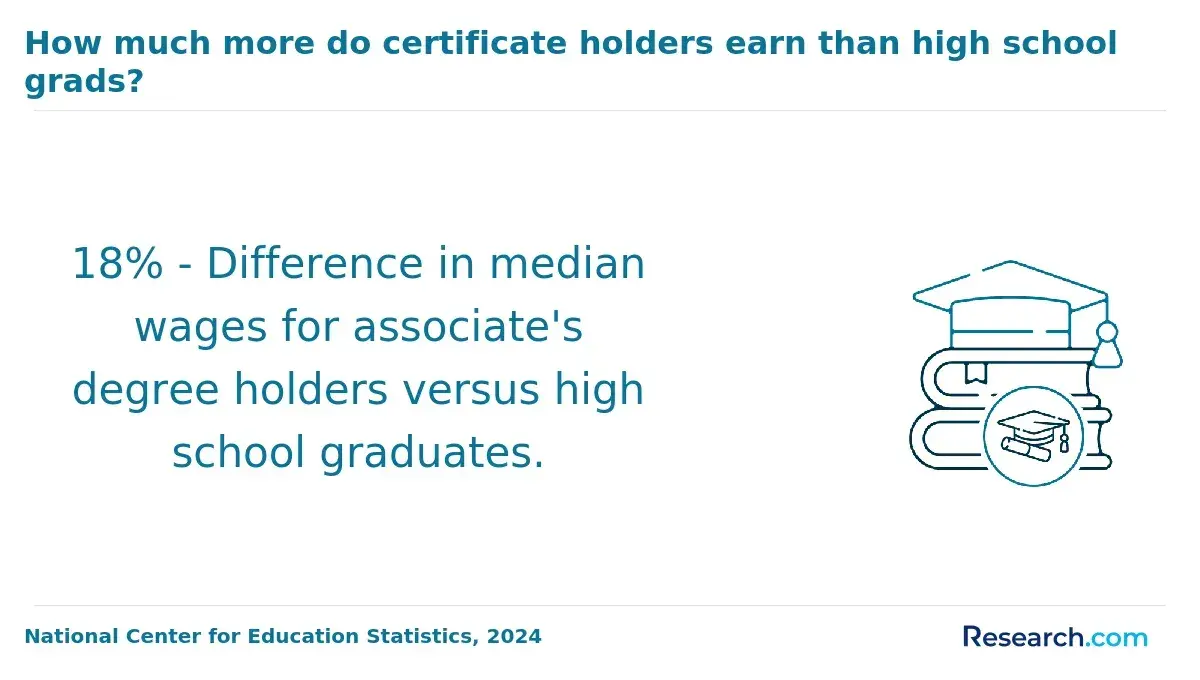
Salary bands within business administration careers reveal distinct patterns tied closely to experience and role complexity. Entry-level positions such as administrative assistants or junior analysts generally earn between $40,000 and $55,000 annually, reflecting foundational operational responsibilities and limited strategic input. Mid-tier roles-including project managers and financial analysts-typically command salaries ranging from $60,000 to $85,000, as practitioners are expected to manage workflows and cross-functional collaboration with growing autonomy. Senior-level professionals, like business development directors or chief administrative officers, often see compensation start near $90,000 and rise beyond $140,000, underscoring the intrinsic value placed on leadership, strategic oversight, and proven results, with these figures aligning with 2024 labor insights from LinkedIn and the U.S. Bureau of Labor Statistics.
The variation in these salary bands is driven by multiple interrelated factors such as specialization intensity, regional economic conditions, and organizational scale. Niche expertise in areas like supply chain management or financial strategy can push compensation toward the upper limits within tiers, while metropolitan markets generally offer higher wages to offset living costs and attract talent. Larger companies and sectors with elevated competition tend to offer premium pay for proven leadership and technological adaptability, reflecting current employer demands. Furthermore, the scarcity of candidates balancing advanced credentials with practical experience often creates a wage premium higher than what certifications alone might justify, emphasizing the strategic weighting of hands-on skills in compensation determination.
A graduate recounting their experience shared that during the rolling admissions for a business administration program, uncertainty about acceptance timing complicated their plans to transition from an internship to full-time employment. They hesitated to commit fully to a new role without knowing if enrollment would begin that semester, causing a stressful wait period. Only after receiving a late but confirmed acceptance did they manage to sync their career decisions with academic goals, illustrating how admissions timing can critically impact career and salary trajectory planning in this field.
Which Industries Are Hiring the Most Business Administration Graduates?
Hiring for business administration graduates is concentrated in industries experiencing rapid digital transformation, workforce growth, or persistent skill gaps. These sectors leverage graduates' capacity to integrate management fundamentals with data analysis and strategic operations amid shifting market demands. Rather than isolated recruitment cycles, the elevated demand reflects structural economic changes and evolving organizational priorities.
- Healthcare: The healthcare sector is expanding its administrative workforce to manage complex patient workflows, regulatory compliance, and the growing integration of digital health technologies. Demand for graduates skilled in operational efficiency, healthcare policy interpretation, and cross-functional coordination is rising alongside broader healthcare system growth and modernization, as highlighted by recent U.S. Bureau of Labor Statistics projections showing strong hiring momentum in healthcare administration roles.
- Financial Services: Finance firms prioritize candidates with robust analytical abilities to address increasing regulatory scrutiny, risk management challenges, and data-driven decision-making. Business administration graduates who can navigate financial modeling, compliance frameworks, and strategic planning are well-positioned as the sector adapts to volatile markets and evolving fintech innovations.
- Technology and Software: Rapid expansion in software development and cloud services drives demand for business administration graduates who can bridge technical teams with customer-focused strategy. Skills in product lifecycle management, project coordination, and agile methodologies are especially valued as companies accelerate digital offerings and require more integrated business-technology fluency.
- Professional Services and Consulting: Firms within this category seek graduates capable of managing complex client engagements, analytical problem-solving, and organizational efficiency. The need for versatile managers who understand cross-sector challenges supports sustained hiring, reflecting the profession's reliance on adaptable, data-informed strategic thinkers.
How Does Hiring Demand Vary by State, Region, and City?
Hiring demand for business administration professionals varies considerably across states and regions, shaped by economic diversity and industry presence. States such as California, Texas, and New York lead in openings due to their large metropolitan areas and diverse economic bases, reflecting a concentration of corporate headquarters, financial institutions, and tech firms, as reported by recent labor market analytics.
In contrast, the Midwest and Southern states tend to show steadier but more specialized demand centered around manufacturing, logistics, and healthcare management roles. These regional distinctions highlight how economic structure, business density, and sector specialization drive hiring patterns beyond mere location, with implications for job seekers evaluating how business administration hiring demand differs by state. This multifaceted variation requires candidates to assess industry clusters and economic resilience when choosing where to build their careers.
At the city level, the labor market landscape grows even more complex as urban hubs like New York City, San Francisco, and Chicago see robust hiring volume paired with competitive salaries and higher qualification expectations. These metro areas combine established corporate ecosystems with emerging startups, creating demand for advanced skills in digital tools and data analytics.
Meanwhile, smaller cities and suburban areas, often less saturated with applicants, offer more accessible entry points, albeit with typically lower compensation adjusted for the cost of living. Local infrastructure and strong talent pipelines further shape hiring intensity, reflecting how regional workforce ecosystems influence the availability and quality of business administration roles.
For those exploring educational pathways, it is essential to consider these localized dynamics alongside program accessibility, such as the growing options for most affordable online MBA programs no GMAT, which may provide flexible routes aligned with evolving regional job markets.
What Skills Are Employers Prioritizing in Business Administration Job Postings?
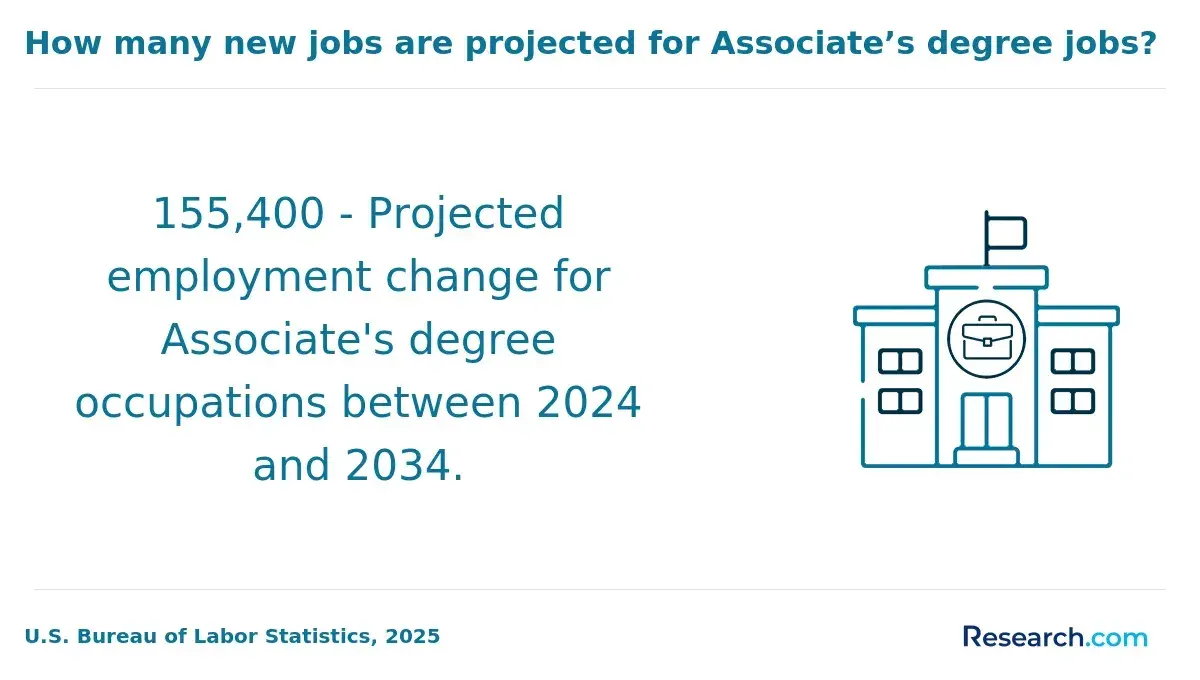
Employer demands for business administration candidates in 2024 reflect a labor market shaped by rapid technological advancement, automation, and sector-specific complexities. Hiring managers increasingly seek professionals who combine technical expertise with adaptable interpersonal skills, driven by the need for agile decision-making and integrated problem-solving across departments. Shifts toward data-driven strategies and collaborative workflows are reshaping the profile of in-demand competencies rather than relying on static lists.
- Data Analysis and Digital Tool Proficiency: With nearly 70% of roles emphasizing skills in data analytics software, candidates adept at extracting actionable insights through platforms like advanced Excel, CRM systems, and business intelligence tools position themselves for higher employability. This reflects the increasing digitization of business functions and the rising value placed on evidence-based operational decisions.
- Effective Communication: Clear and concise written and verbal communication is fundamental, with approximately three-quarters of postings prioritizing this. It underpins cross-functional collaboration and stakeholder engagement, essential for navigating today's interconnected organizational structures and ensuring alignment across diverse teams.
- Project Management Expertise: Familiarity with Agile, Lean, and similar methodologies aligns with the growing complexity of business initiatives that require iterative processes and adaptive planning. More than 60% of recent postings indicate a preference for candidates capable of managing multi-faceted projects, signaling that employers expect business administrators to facilitate efficient resource coordination and timely delivery.
- Adaptability and Problem-Solving: As industries face volatility and continuous change, employers favor candidates who demonstrate flexibility and critical thinking. These capabilities distinguish professionals able to identify inefficiencies and innovate solutions under uncertainty, thereby contributing to organizational resilience and sustained performance.
- Leadership and Emotional Intelligence: While harder to quantify in job descriptions, leadership potential and emotional intelligence increasingly influence hiring decisions for mid-level and senior roles. These qualities foster effective team motivation, conflict resolution, and strategic influence, which are critical in environments that demand both results and relational agility.
Which Certifications Increase Employability and Salary Potential?
Certifications in business administration frequently act as clear indicators of specialized expertise, practical knowledge, and readiness to meet industry demands. They serve as strategic supplements to formal education, distinguishing candidates in crowded applicant pools. Employers often look for these credentials to identify professionals capable of addressing complex challenges, especially in leadership, process management, and data-driven decision-making roles.
The 2024 Workforce Credentialing Report by the U.S. Bureau of Labor Statistics confirms that certified professionals typically earn 15% to 25% more than those without such qualifications, underscoring their tangible impact on career outcomes.
- Project Management Professional (PMP): Recognized across industries, this credential validates leadership, risk mitigation, and process optimization skills. Organizations facing increasing project complexity prioritize PMP holders for their ability to deliver results on time and within budget, which corresponds to a median salary uplift around 20% compared to uncertified peers.
- Certified Business Analysis Professional (CBAP): As companies emphasize data-informed strategies and operational efficiency, CBAP certification signifies mastery in these areas. Employers value the identifier for roles centered on process improvement and strategic planning, leading to markedly higher hiring rates, about 18% above average among applicants.
- Certified Management Accountant (CMA): This finance-focused certification reflects aptitude in budgeting, financial planning, and executive decision-making. Its alignment with leadership duties in managing fiscal operations makes it a preferred credential, often translating to a 22% salary advantage in the business administration workforce.
- Data Analytics and Six Sigma Certifications: With digital transformation accelerating, these credentials emphasize analytical and operational efficiency skills. Although salary impacts vary, they significantly boost employability in niche markets where technology adoption and process refinement are critical.
An early-career business administration graduate recalled navigating application choices amid rolling admissions for certification programs. Initially hesitant due to the unpredictability of acceptance timelines, they weighed waiting for PMP certification eligibility against pursuing a CBAP course with immediate start options.
Ultimately, securing the CBAP credential first provided timely validation of their analytical skills, enhancing their job prospects. This experience underscored the importance of flexible planning and priority-setting when timing certification pathways to align with immediate career opportunities.
How Do Remote and Hybrid Opportunities Affect the Business Administration Job Market?
Remote and hybrid work arrangements are significantly reshaping hiring trends in business administration roles. According to recent labor market reports, including 2024 data from LinkedIn Workforce Analytics, a growing proportion of job listings explicitly offer flexible work options, impacting how employers source and evaluate candidates. This shift broadens geographic boundaries for talent acquisition, allowing organizations to tap into a wider, more diverse applicant pool.
However, it also introduces complexity in salary structuring, with some employers adjusting pay based on local cost-of-living while others maintain consistent nationwide salary bands to remain competitive in attracting skilled professionals in this expanded market for remote business administration jobs in North America.
The broader implications of these evolving work models affect workforce distribution and employer expectations around collaboration and communication. Hybrid roles demand strong digital literacy and interpersonal skills to navigate on-site and remote interactions effectively, increasing emphasis on adaptability alongside traditional business acumen. Competition intensifies as candidates in lower-cost regions vie for positions traditionally concentrated in urban centers, contributing to some wage compression across regions.
Looking ahead, these dynamics suggest a continued rebalancing of salary normalization and productivity expectations in business administration, while prospective candidates may find value in aligning skills development with the digital and flexible work environment demands currently reshaping this sector. For those considering pathways into related fields, exploring options such as SLP bridge programs can also reflect growing demand and hybrid career models seen across various professions.
Which Business Administration Careers Show the Strongest Long-Term Hiring Momentum?
Long-term hiring momentum in business administration careers reflects deep structural shifts in industries rather than temporary labor market fluctuations. This momentum is driven largely by transformations in technology, globalization, regulatory complexity, and strategic decision-making processes reshaping organizational priorities.
Understanding these enduring economic and technological trends is essential for evaluating which roles will sustain demand well into the future, signaling stronger career stability and growth potential. Such analysis is especially relevant given the high demand for business administration careers with sustained job growth across the US.
- Data Analytics Specialists remain in strong demand as companies increasingly embed data-driven decision-making in their operations. The rise of big data, machine learning, and business intelligence tools make these roles critical for interpreting complex datasets and informing strategic initiatives. Structural dependence on data insights reinforces ongoing hiring, with management analyst employment projected to grow 14% through 2032 according to the U.S. Bureau of Labor Statistics.
- Supply Chain and Logistics Managers benefit from globalized markets and the need for resilient, optimized supply chains, a demand underscored by recent disruptions. The persistent importance of logistics efficiency and risk mitigation sustains a robust 10% projected growth for logisticians, reflecting how industry structural changes around operations create lasting hiring momentum.
- Financial Analysts and Advisors maintain steady demand fueled by increasing financial market complexity and evolving regulatory standards. Firms rely on these professionals to navigate compliance, risk assessment, and planning—functions that remain vital regardless of economic cycles. Their steady 6-7% growth outlook highlights the enduring value of financial expertise amid expanding advisory and corporate planning needs.
Those evaluating business administration pathways should weigh these workforce demand realities alongside program scope and credential length. For example, pursuing a flexible yet outcomes-focused Spanish online degree may intersect with broader skillsets in analytics or operations complemented by language proficiency, though careful scrutiny of employability and credential purpose is crucial. Aligning educational choices with long-term hiring trends ensures graduates are positioned for sustainable careers marked by both opportunity and resilience.
How Can Students Use Job Market Data to Make Better Career Decisions?
Students can leverage current job market data from sources such as recent labor reports, hiring platforms, and salary databases dated 2024 or later to identify demand patterns and compensation ranges within Business Administration fields. These data highlight which specialties, like data analytics or supply chain management, are expanding and where salary bands vary significantly based on role complexity and experience. By analyzing hiring momentum and regional growth signals, students gain insight into sectors offering sustainable employment rather than short-lived trends, allowing more strategic educational and career planning rooted in concrete workforce dynamics.
Interpreting this data requires balancing immediate job openings with long-term career stability and geographic flexibility while factoring in skill alignment and personal interests. Students should be cautious about overemphasizing short-term surges that may not translate into enduring demand, instead integrating labor insights with individual career goals and market realities. Combining quantitative indicators with qualitative factors such as employer expectations for hybrid skills enhances decision frameworks, helping students avoid reactive choices and fostering resilient career pathways in Business Administration.
References
- Careers in Business Administration: Roles, Pay, Outlook https://pathwise.io/careers-in-business-administration-2/
- How much does Business Administration make today https://vinuni.edu.vn/how-much-does-business-administration-make/
- 7 Soft Skills for Business Administration Students + 3 Bonus https://aoltoronto.com/blogs/soft-skills-business-administration-students/
- The most important professional certificates in business administration with MDIT https://mdit.edu.sa/en/blog/professional-certificates-in-business-administration
- 7 in-demand certifications in 2025 | edX https://www.edx.org/resources/in-demand-professional-certifications
- Future Skills Centre • Centre des Compétences futures https://fsc-ccf.ca/projects/hybrid-work-models/
- Entering the job market with a BA degree in Business https://www.berlin-international.de/en/magazine/blog/entering-job-market-ba-degree-business-administration/
- Professional Business Certifications to Boost Your Career in 2025 https://www.business.com/articles/best-business-certifications/
- Skills Employers Look for in Business Graduates – EU Business School https://www.euruni.edu/blog/skills-employers-look-for-in-business-graduates/
- Your Career in Business Administration - Career Services https://careerservices.myyu.ca/your-career-in-business-administration/
Other Things You Should Know About Business Administration
Higher-paying positions in business administration often come with significantly increased responsibilities, longer hours, and higher stress levels. Entry-level or mid-tier roles may offer more manageable workloads but lower salaries, which can influence work-life balance and job satisfaction. Candidates should assess their tolerance for intensive workload demands against their financial goals and consider how sustainable their chosen role is over time, rather than focusing solely on immediate salary figures.
While specialized credentials can open doors to niche roles with potentially higher pay, broad management experience is often favored for leadership positions that require wide-ranging business acumen. Prioritizing diverse functional experience typically prepares candidates for more strategic roles, which offer longer-term career advancement. Therefore, early-career professionals should focus on accumulating varied management responsibilities alongside targeted certifications that align with their career goals.
Hiring momentum in business administration fluctuates seasonally and across sectors, creating timing risks for job seekers. Applying during peak demand periods can increase chances but also intensifies competition, while pursuing opportunities in slower cycles may mean fewer roles but less competition. Strategically, candidates should monitor industry-specific hiring patterns and remain flexible, balancing immediate need for employment with optimal timing to maximize offer quality.
The wide salary ranges reflect diverse employer expectations regarding candidate experience, industry sector, and geographic location, which complicates straightforward salary comparisons. Candidates must interpret these bands with context, understanding that lower salary offers may correspond to roles with limited advancement or heavier workloads. Job seekers are advised to evaluate compensation alongside role scope and growth prospects rather than fixate on base salary alone.