
2027 Best Accounting Schools in Colorado – How to Become a CPA in CO

Co-Founder and Chief Data Scientist
Choosing an accounting school in Colorado is not just a question of finding a nearby business program. The better question is whether the program fits your career goal: staff accountant, CPA, auditor, tax specialist, forensic accountant, financial analyst, controller, or business owner. Colorado’s economy includes technology, healthcare, energy, real estate, finance, manufacturing, government, and nonprofit employers, all of which rely on accurate financial reporting and compliance.
This guide explains how accounting education works in Colorado, what credentials matter, how long programs usually take, what they may cost, and how to compare schools before enrolling. It is written for students considering an associate, bachelor’s, or master’s degree; working adults looking at online or accelerated options; and future CPAs who need to understand licensing and return on investment.
Nationally, the accounting labor market remains broad. The field is expected to have 124,200 annual job openings for accountants and auditors across the U.S. by 2034. That does not guarantee a job for every graduate, but it does show why employers continue to need professionals who can prepare records, interpret financial data, support audits, and help organizations meet tax and regulatory obligations.
Best Accounting Schools in Colorado Table of Contents
- Quick answer: Is accounting a strong career option in Colorado?
- Steps to become an accountant or CPA in Colorado
- How long accounting programs take in Colorado
- Tuition, fees, and total cost considerations
- Return on investment for accounting degrees in ColoradoCost factors that affect ROI
- Colorado schools with accounting programs for 2027
- How interdisciplinary skills can widen accounting opportunities
- How to choose an accounting specialization
- How forensic training can support an accounting career
- When forensic accounting may be worth considering
- Certifications and adjacent credentials that can strengthen your profile
- CPA licensing issues Colorado students should watch closely
- Non-traditional education routes for accounting students
- Digital tools Colorado accounting students should learn
- Trends shaping accounting education in ColoradoSchool selection checklist
- How legal knowledge can complement accounting work
- What to look for in a Colorado accounting program
- Alternatives to accounting for students with related interests
- Why internships and mentorship matter in accounting
- Accelerated vs. traditional accounting programs in Colorado
Quick Answer: Is Accounting a Good Career in Colorado?
Accounting can be a practical career choice in Colorado if you want a business role with clear credential pathways, transferable skills, and opportunities across multiple industries. The strongest outcomes usually go to candidates who combine a relevant degree with internships, software skills, strong communication, and, for higher-level public accounting or audit work, CPA eligibility.
Colorado’s cost of living is slightly above the national baseline, with an index of 102.7 compared with 100 nationally. That means salary should be evaluated alongside housing, transportation, tuition debt, and whether you plan to work in a higher-cost metro area or a smaller market. Business and finance roles may offer stronger income potential than many occupations, but program cost and career planning still matter.
| Question | Short answer |
| Is an accounting degree useful in Colorado? | Yes, especially for students targeting audit, tax, corporate accounting, government accounting, financial analysis, or CPA-track roles. |
| Do you need to be a CPA to work in accounting? | No. Many accounting jobs do not require CPA licensure, but the CPA credential can improve access to public accounting, audit, senior accounting, and management roles. |
| What salary should students use for planning? | In Colorado, accountants earn an average annual salary of $71,846, while CPAs earn $96,719 on average, according to ZipRecruiter, 2026. |
| What is the biggest school-selection risk? | Choosing a program without confirming accreditation, CPA education alignment, transfer policies, internship access, and total cost. |
Steps to Become an Accountant in Colorado
The Colorado Society of CPAs reports that the state has more than 6,400 CPAs. You can work in accounting without becoming a CPA, but CPA licensure is often important for public accounting, audit leadership, firm advancement, and roles that require signing or reviewing certain financial reports.
The path depends on your goal. A bookkeeper, accounting assistant, payroll specialist, tax preparer, staff accountant, auditor, and CPA do not all need the same credentials. Use the steps below as a planning framework rather than a single required route for every accounting job.
1. Choose the right starting credential
A bachelor’s degree in accounting or a closely related business field is the common entry point for many professional accounting roles. Students who want a lower-cost start or a quicker entry into support roles can begin with an associate degree in accounting and later transfer credits into a bachelor’s program if the receiving school accepts them.
2. Build a CPA-ready academic plan if licensure is your goal
If you plan to become a CPA, do not assume that any business degree will satisfy the education requirements. Ask each school how its accounting curriculum maps to Colorado CPA expectations, whether graduate courses may be needed, and whether advisors routinely work with CPA-track students.
3. Consider a graduate degree only when it supports your target role
A master’s degree can be useful for students who need additional credits for CPA eligibility, want deeper accounting coursework, or are pursuing advanced roles in audit, tax, analytics, consulting, or controllership. A graduate program may also help students compare the overlap and differences between finance and accounting before choosing a long-term specialization.
4. Gain supervised experience and prepare for the CPA exam
CPA candidates generally need relevant experience under appropriate supervision and must pass the Uniform Certified Public Accountant Examination. The exam is demanding, so students should ask schools about CPA review support, pass-rate transparency, accounting faculty availability, and whether coursework builds toward exam readiness.
5. Apply for Colorado licensure and maintain compliance
After meeting education, examination, and experience requirements, candidates apply through the Colorado State Board of Accountancy. Licensed CPAs must also complete continuing professional education, so the commitment does not end after the license is issued.
| Career goal | Typical education path | Credential focus |
| Bookkeeper or accounting clerk | Certificate, associate degree, or relevant coursework | Software skills, payroll, accounts payable, accounts receivable |
| Staff accountant | Bachelor’s degree in accounting or business with accounting coursework | General ledger, reconciliations, reporting, tax basics |
| Auditor or tax associate | Bachelor’s degree; CPA-track coursework often preferred | Audit standards, taxation, documentation, compliance |
| CPA | Bachelor’s plus any additional education needed to meet licensing rules | CPA exam, supervised experience, continuing education |
| Controller or accounting manager | Bachelor’s or master’s degree plus experience | Leadership, internal controls, reporting systems, analysis |
Accounting Program Length in Colorado
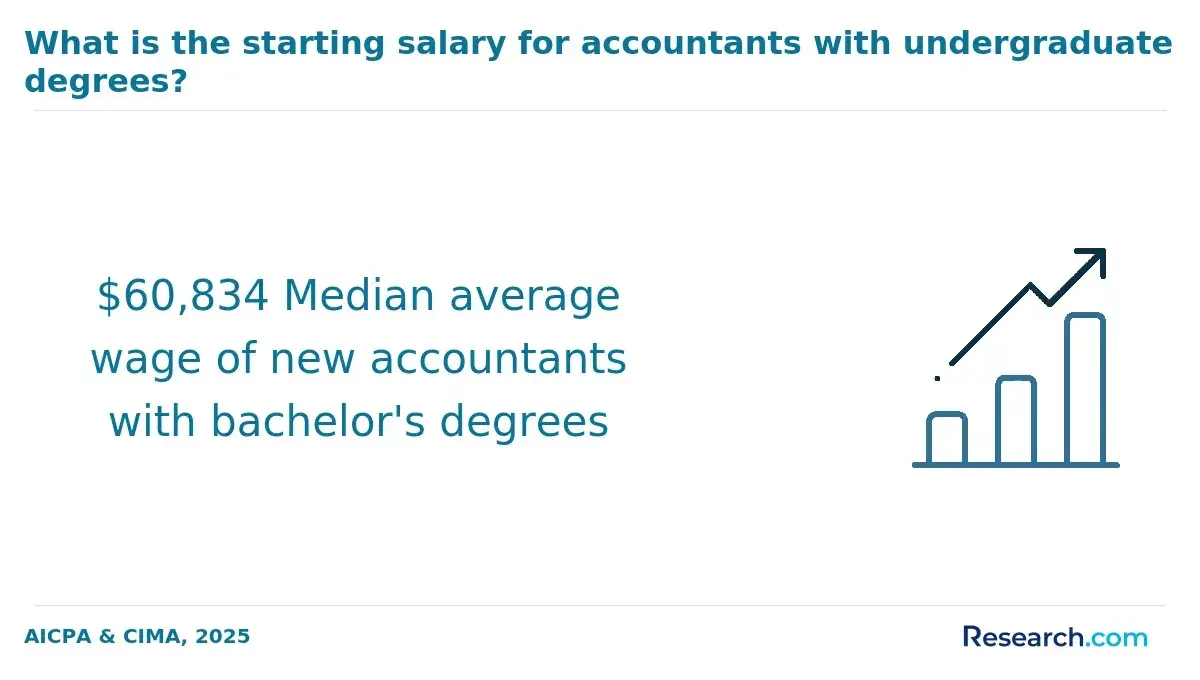
Program length depends on your starting point, enrollment pace, transfer credits, and whether you need CPA-aligned coursework. A bachelor’s in accounting commonly takes three to four years, while an associate degree usually takes about two years. A master’s degree can add roughly two more years, although some programs are shorter for students who already have the right prerequisites.
Students interested in CPA or CMA credentials should also budget time for exam preparation, application steps, and experience requirements. Certification timelines can range from several months to a few years depending on preparation time, exam scheduling, and whether the candidate passes on the first attempt. Students who want a narrower finance credential after an associate or bachelor’s program may also compare graduate finance certificate options.
| Path | Approximate time | Best fit |
| Associate degree in accounting | About two years | Students seeking lower-cost entry, transfer preparation, bookkeeping, payroll, or accounting assistant roles |
| Bachelor’s degree in accounting | About three to four years | Students targeting staff accountant, auditor, tax, corporate accounting, or CPA-track preparation |
| Master’s degree in accounting | About two additional years | Students needing advanced coursework, CPA-aligned credits, or specialization |
| CPA or CMA preparation | Several months to a few years | Professionals pursuing licensure or advanced management-accounting credentials |
Tuition and Costs of Accounting Programs in Colorado
Accounting students should compare the full cost of attendance, not only tuition. Books, technology fees, CPA review materials, exam fees, commuting, housing, lost work hours, and transfer-credit loss can significantly affect the final price of a degree.
The cost of an undergraduate degree in Colorado can range from $13,710 for in-state students to $38,230 for out-of-state students at public four-year institutions (Ma et al., 2025). Students considering graduate study can also review online master’s degrees in accounting, which may cost about $20,000 to $45,000 depending on residency and program structure. Some Colorado institutions offer scholarships, and students may also explore aid through the Colorado Department of Higher Education.
| Cost item | Why it matters | Question to ask |
| Tuition and mandatory fees | This is the clearest published cost, but it is not the total cost. | Are online, hybrid, and campus students charged different fees? |
| Residency status | In-state and out-of-state pricing can differ substantially. | Can I qualify for in-state tuition, and when? |
| Transfer credits | Lost credits can add semesters and increase debt. | How many of my credits apply to the accounting major, not just electives? |
| CPA preparation | Review courses and exam-related costs may not be included in tuition. | Does the program include CPA review support or discounted materials? |
| Work schedule impact | Full-time study may reduce income; part-time study may extend time to graduation. | Can I complete required courses while working? |
Financial ROI for Accounting Degrees in Colorado
The return on an accounting degree depends on tuition, debt, time out of the workforce, salary after graduation, and whether the credential qualifies you for the role you actually want. A low-cost program with weak internship access may not be the best value, while a higher-cost program may be reasonable if it has strong employer connections, CPA alignment, and flexible scheduling.
In Colorado, accountants earn an average annual salary of $71,846, while CPAs earn an average of $96,719 (ZipRecruiter, 2026). Those figures are helpful for planning, but individual earnings vary by location, employer, experience, specialization, certification, and industry. Before enrolling in a graduate program, students should compare cost against realistic career outcomes and review whether a master’s in accounting is worth the investment for their target role.
How to estimate your own ROI
- Calculate total program cost: Include tuition, fees, books, software, exam prep, commuting, housing, and interest on loans.
- Estimate time to completion: A cheaper program may cost more if it extends your graduation date or does not accept transfer credits.
- Compare target jobs: Look at entry-level accounting roles, CPA-track roles, and advancement opportunities in the region where you plan to work.
- Check employer access: Internships, recruiting relationships, alumni networks, and career services can affect outcomes.
- Match degree level to goal: Do not pay for a master’s degree if a bachelor’s plus CPA prerequisites is enough for your next step.
Colorado Schools Offering Accounting Programs for 2027
The schools below illustrate several types of accounting options in Colorado, including accelerated, online, undergraduate, graduate, and completion pathways. The best choice depends on your budget, residency status, desired format, CPA plans, and whether you want a specialized concentration.
| School | Program highlights | Program length | Cost per credit | Credits | Accreditation |
| Regis University | Accelerated BSA with online courses in five- or eight-week terms; options to work toward bachelor’s and master’s study together; tracks include Accounting Information Systems, Forensic and Fraud Auditing, and more. | Two to four years | $589 | 120 | Higher Learning Commission (HLC) |
| University of Colorado, Denver | Online MAcc described as the only fully online AACSB Accounting Accredited program in Colorado; designed with CPA education requirements in mind. | Two years or less | $667 in-state; $780 out-of-state | 30 | Association to Advance Collegiate Schools of Business |
| University of Colorado Boulder | Accounting study within business, management, and marketing; Bachelor’s Accelerated Master’s option; tracks include Taxation and Business Analytics. | Four years | $265 in-state; $500 out-of-state | 120 | Association to Advance Collegiate Schools of Business |
| University of Colorado, Colorado Springs | Several undergraduate accounting-related options; online completion pathway for students who already hold an associate degree; tracks include Business Innovation and Specialization. | Four years | $287 in-state; $753 out-of-state | 120 | Higher Learning Commission |
| Colorado Christian University | Bachelor’s accounting options including major, minor, and dual-degree pathways through CCU’s School of Business and Leadership; Christian academic framework may appeal to some students but not all. | Four years | $1,045 | 120 | Higher Learning Commission |
How Interdisciplinary Skills Can Expand Accounting Opportunities in Colorado
Accounting is no longer limited to recording transactions and preparing statements. Employers often value accountants who understand the business environment behind the numbers. In Colorado, that may mean healthcare operations, energy projects, technology startups, government grants, nonprofit reporting, real estate, or legal compliance.
Healthcare is one example. Accountants who understand clinical operations, reimbursement, or regulatory structures may be better prepared for finance roles in hospitals, clinics, insurers, and healthcare organizations. Students exploring that sector can use resources such as how to become a nurse practitioner in Colorado to understand how healthcare roles are regulated and organized, even if they do not plan to become clinicians.
Which Accounting Specialization Matches Your Career Goals?
The best accounting specialization is the one that matches the work you want to do every day. Tax work is deadline-driven and technical. Audit requires documentation, evidence, and client communication. Corporate accounting emphasizes close processes, reporting, and internal controls. Forensic accounting focuses on fraud, disputes, and investigations. Analytics-oriented accounting blends financial knowledge with data tools.
Students who are unsure should compare job descriptions before choosing electives. A specialization can help, but it can also narrow your path too early if you choose without understanding the work. A structured guide to accounting specializations can help you compare options by responsibilities, skills, and career direction.
| Specialization | Best for students who like | Common skill emphasis |
| Tax accounting | Rules, research, planning, seasonal deadlines | Tax law, documentation, client communication |
| Audit | Evidence gathering, controls, financial statement review | Testing, risk assessment, professional skepticism |
| Forensic accounting | Investigations, fraud detection, dispute support | Analysis, interviewing, litigation support, reporting |
| Management accounting | Internal decision-making and performance measurement | Budgeting, forecasting, cost analysis |
| Accounting analytics | Technology, dashboards, large data sets | Spreadsheets, databases, visualization, automation |
Could a Forensic Background Enhance Your Accounting Career in Colorado?
Forensic knowledge can be useful for accountants who want to work in fraud examination, insurance claims, litigation support, compliance, internal investigations, or risk management. It is not required for every accounting role, but it can be valuable if you enjoy investigative work and detailed documentation.
Students considering this direction may benefit from learning how evidence, investigation, and scientific reasoning work. A resource on earning a forensic science degree in Colorado can provide context for the investigative side of the field, while accounting coursework supplies the financial analysis foundation.
Should You Consider Forensic Accounting as a Career Specialization in Colorado?
Forensic accounting may be worth considering if you are interested in fraud detection, regulatory investigations, divorce or business disputes, insurance losses, or financial misconduct cases. It is a specialized path, so students should not choose it only because it sounds interesting. Review actual job postings and credential expectations before committing to electives or graduate study.
Because forensic accounting often involves complex records and sensitive conclusions, employers may prefer candidates with strong audit fundamentals, investigative judgment, professional writing, and relevant certifications. Students evaluating long-term demand can review the forensic accountant job outlook before deciding whether this niche supports their goals.
Interdisciplinary Certifications That Can Strengthen Your Accounting Practice
Certifications can help when they support a clear career strategy. CPA and CMA credentials remain central in accounting, but adjacent credentials in data analytics, project management, compliance, fraud, healthcare administration, or information systems can make sense for certain roles.
For example, healthcare finance employers may value accountants who understand billing workflows, coding systems, and reimbursement documentation. Students targeting medical groups, hospitals, insurers, or revenue-cycle teams can benefit from learning how to become a medical coder in Colorado, even if their primary role remains accounting or finance.
CPA Licensing Challenges Colorado Students Should Watch Closely
Colorado CPA candidates need more than a degree. They must plan coursework, exam timing, experience documentation, application requirements, and continuing professional education. The most common mistake is waiting until graduation to confirm whether the degree plan satisfies CPA expectations.
Students should document relevant work experience carefully, confirm whether supervisors meet the required criteria, and monitor state board updates. For a more focused breakdown, review CPA requirements in Colorado before choosing electives or enrolling in a graduate program.
How Non-Traditional Education Pathways Can Support an Accounting Career
Not every student needs a traditional four-year residential path. Colorado learners may consider online courses, hybrid degrees, accelerated terms, community college transfer plans, certificates, graduate certificates, employer tuition benefits, or dual-degree options. These formats can be especially useful for working adults and students who need schedule flexibility.
The trade-off is that flexibility requires careful verification. Students should confirm accreditation, transfer policies, proctored exam rules, internship access, CPA alignment, and whether online students receive the same advising and career support as campus students. Those considering broader career pivots can also compare education-focused pathways, including what degree you need to be a teacher in Colorado, if they are drawn to instruction, training, or academic roles.
Digital Tools and Technologies Accountants Should Learn
Modern accounting work increasingly depends on software, automation, cloud systems, data analytics, and secure digital workflows. Students should graduate with more than textbook knowledge. They should be able to use spreadsheets well, understand accounting systems, interpret dashboards, clean data, and communicate results to non-accountants.
Depending on the role, useful tools may include enterprise resource planning systems, cloud accounting platforms, tax software, audit documentation systems, business intelligence tools, and advanced spreadsheet functions. Accountants who want stronger analytical and visualization skills can also learn from adjacent fields that rely heavily on data-driven planning, such as resources explaining how to become an urban planner in Colorado.
Emerging Trends in Accounting Education in Colorado
Accounting programs are adapting as employers expect graduates to understand both financial rules and technology-enabled workflows. Data analytics, artificial intelligence, automation, cybersecurity awareness, and blockchain concepts are increasingly relevant to accounting education, especially for students entering audit, advisory, systems, and analytics-heavy roles.
Online and hybrid learning are also more common, giving working students additional flexibility. Some of the best business schools in Colorado now use virtual platforms, online coursework, and applied projects to help students build skills without relying only on traditional classroom delivery.
Another trend is career-focused specialization. Programs may offer tracks or electives aligned with industries such as technology, healthcare, energy, and renewable energy. These options are most valuable when paired with internships, employer projects, or applied coursework rather than only a concentration label on a transcript.
Professional certification alignment also remains important. Students planning for CPA or CMA credentials should choose programs that clearly explain prerequisite coverage, advising support, and how coursework prepares students for exam expectations.
Can Legal Expertise Complement an Accounting Career in Colorado?
Legal knowledge can strengthen accounting work in compliance, audit, forensic accounting, contract review, tax, mergers and acquisitions support, and corporate governance. Accountants do not need to become lawyers to benefit from understanding legal processes, documentation standards, and regulatory risk.
Students interested in financial investigations, corporate compliance, or litigation support may find it useful to study how legal professionals gather information and prepare documents. A guide on how to become a paralegal in Colorado can provide context for legal workflows that often intersect with financial records.
What to Look For in an Accounting Program in Colorado
A strong accounting program should help you graduate with the credits, skills, experience, and employer access needed for your target role. Rankings can be useful, but they should not replace a detailed program comparison.
| Factor | Why it matters | What to ask before enrolling |
| Accreditation | Accreditation helps signal academic quality and may affect transfer, employer recognition, and graduate admission. | Is the institution accredited, and does the business or accounting program hold AACSB, ACBSP, or another relevant recognition? |
| CPA alignment | Students pursuing licensure must meet state-specific education expectations. | Does this degree plan satisfy Colorado CPA education requirements, or will I need extra courses? |
| Cost and aid | Total cost affects ROI and debt burden. | What is the full cost after fees, books, scholarships, and expected time to completion? |
| Specializations | Concentrations can support careers in tax, audit, forensic accounting, analytics, or management accounting. | Are specialization courses offered regularly, and are they available online or only on campus? |
| Faculty experience | Faculty with practice experience can connect theory to current accounting work. | Do instructors have CPA, audit, tax, corporate, analytics, or consulting experience? |
| Internships and recruiting | Experience often matters for first jobs. | Which firms, companies, government agencies, or nonprofits recruit students from this program? |
| Technology training | Accounting roles increasingly require data and software skills. | Which accounting systems, spreadsheet tools, analytics platforms, or audit technologies are taught? |
Common mistakes when choosing an accounting school
- Looking only at tuition: A low tuition rate can be misleading if fees are high, credits do not transfer, or courses are not offered when you need them.
- Assuming every accounting degree is CPA-ready: Always confirm the exact coursework needed for Colorado CPA eligibility.
- Ignoring internship access: A degree without practical experience can make the first job search harder.
- Choosing a specialization too early: Explore audit, tax, corporate accounting, analytics, and forensic work before narrowing your focus.
- Overlooking online student support: If you enroll online, ask whether you receive the same advising, career services, tutoring, and recruiting access.
- Relying only on rankings: A highly ranked school is not automatically the best fit for your cost, schedule, transfer credits, or career plan.
Is Becoming an Accountant in Colorado a Good Career Choice?
Becoming an accountant in Colorado can be a strong choice for students who want a business career with structured advancement options. The path is especially promising for those who build technical accounting knowledge, learn widely used software, complete internships, communicate well, and consider credentials such as CPA, CMA, or a targeted bookkeeping certificate when relevant.
The decision is not automatic. Students should compare tuition against likely earnings, decide whether CPA licensure is necessary for their goals, and choose a program with strong academic advising and employer connections. Colorado’s technology, healthcare, energy, and business sectors can create opportunities, but career outcomes still depend on preparation, location, experience, and specialization.
Alternative Career Paths for Students Who Do Not Want to Pursue Accounting
If you like numbers, organization, teaching, or problem-solving but do not want a traditional accounting career, you still have options. Related paths may include financial analysis, operations management, compliance, business analytics, payroll administration, budgeting, investment roles, or education.
Students who enjoy explaining concepts and working with younger learners may want to compare accounting with teaching. For example, reviewing elementary school teacher requirements in Colorado can help clarify whether an education career fits better than a finance or accounting role.
How Internships and Mentorship Programs Improve an Accounting Career
Internships can turn classroom knowledge into practical experience. They expose students to month-end close processes, tax preparation, audit documentation, client communication, accounting systems, and workplace expectations. They also help students test whether they prefer public accounting, corporate accounting, government, nonprofit, tax, audit, or advisory work.
Mentorship is equally useful. A mentor can explain licensing decisions, review resumes, suggest electives, introduce professional networks, and help students avoid common early-career mistakes. Students who enjoy mentoring or teaching others may also explore adjacent paths such as how to become a high school math teacher in Colorado, particularly if they want to combine analytical ability with instruction.
Accelerated vs. Traditional Accounting Programs in Colorado
Accelerated accounting programs can help motivated students finish faster, but they are not the right fit for everyone. Condensed courses require strong time management, consistent study habits, and fewer schedule disruptions. Traditional programs may take longer, but they can provide more time for internships, campus involvement, networking, and gradual skill development.
| Feature | Accelerated accounting program | Traditional accounting program |
| Program length | May be completed in as little as 12–18 months in some formats. | Typically follows a four-year bachelor’s timeline. |
| Course pace | Faster, more compressed, and often more demanding week to week. | More spread out, with additional time to absorb material. |
| Best fit | Working adults, transfer students, career changers, or highly focused students who can handle intensive study. | First-time students who want a broader college experience, internship windows, and a more gradual schedule. |
| Flexibility | Often available online or in short terms, depending on the school. | May offer more campus-based interaction and structured sequencing. |
| Cost impact | Can reduce time-related expenses if credits transfer cleanly and the student finishes on schedule. | May cost more over time but can provide additional access to activities, faculty, and recruiting cycles. |
| Career timing | Can move students into the workforce or CPA preparation sooner. | May allow more time to complete internships before graduation. |
Students who want to shorten their timeline should compare an accelerated accounting degree with traditional Colorado options, paying close attention to transfer credits, workload, CPA alignment, and career services.
Key Insights
- Accounting can be a practical Colorado career path: The field serves employers across technology, healthcare, energy, finance, government, manufacturing, and nonprofit sectors.
- CPA licensure is optional but powerful: You can work in accounting without becoming a CPA, but the credential can improve access to public accounting, audit, leadership, and higher-compensation roles.
- Program fit matters more than name recognition alone: Compare accreditation, CPA alignment, cost, transfer policy, faculty experience, technology training, internships, and career support.
- Costs vary by residency and degree level: Colorado undergraduate costs can range from $13,710 for in-state students to $38,230 for out-of-state students at public four-year institutions, while online master’s options may cost about $20,000 to $45,000.
- Salary planning should be realistic: Colorado accountants earn an average annual salary of $71,846, while CPAs earn $96,719 on average, but outcomes depend on role, city, employer, experience, and credentials.
- Specialization should follow career research: Tax, audit, forensic accounting, management accounting, and analytics lead to different daily work and skill requirements.
- Technology skills are no longer optional: Spreadsheet fluency, accounting systems, analytics, automation awareness, and cloud tools can strengthen entry-level and advancement prospects.
- Accelerated programs are useful but demanding: They can shorten the timeline, but students should confirm workload, support, credit transfer, and CPA readiness before enrolling.
Related Articles for Nearby States
- 2027 Best Accounting Schools in Wyoming – How to Become a CPA in WY
- 2027 Best Accounting Schools in Nebraska – How to Become a CPA in NE
- 2027 Best Accounting Schools in Kansas – How to Become a CPA in KS
- 2027 Best Accounting Schools in New Mexico – How to Become a CPA in NM
- 2027 Best Accounting Schools in Utah – How to Become a CPA in UT
- 2027 Best Accounting Schools in Oklahoma – How to Become a CPA in OK
- 2027 Best Accounting Schools in Arizona – How to Become a CPA in AZ
- 2027 Accounting Schools in Texas: How to Become a CPA in TX
- 2027 Best Accounting Schools in South Dakota – How to Become a CPA in SD
- 2027 Best Accounting Schools in Nevada – How to Become a CPA in NV
References:
- ZipRecruiter. (2026). Accountant Salary in Colorado. Retrieved February 2026, from https://www.ziprecruiter.com/Salaries/Accountant-Salary--in-Colorado
- ZipRecruiter. (2026). CPA Salary in Colorado. Retrieved February 2026, from https://www.ziprecruiter.com/Salaries/Cpa-Salary--in-Colorado
- Colorado Society of CPA. (n.d.). History of COCPA. Retrieved February 2026, from http://cocpa.org/vision-history
- Ma, J., Pender, M., & Hu, X. (2025). Trends in College Pricing and Student Aid 2025. https://research.collegeboard.org/trends/college-pricing
- AICPA & CIMA. (2025). 2025 MAP Survey Executive Summary. https://www.aicpa-cima.com/resources/download/map-survey-executive-summary
- National Student Clearinghouse Research Center. (2025). Clearinghouse Enrollment Insights Series: Final Fall Enrollment Trends. https://nscresearchcenter.org/final-fall-enrollment-trends/
Other Things You Should Know About the Best Accounting Schools in Colorado
In 2027, to become a CPA in Colorado, you must complete 150 semester hours of education, pass the Uniform CPA Exam, and have one year of work experience in accounting or a related field under the supervision of a licensed CPA.
The top accounting schools in Colorado for 2027 are the University of Colorado Boulder, Colorado State University, and the University of Denver. These institutions offer robust programs that prepare students for the CPA exam and successful careers in accounting.
The cost of an undergraduate accounting program in Colorado ranges from $13,710 for in-state students to $38,230 for out-of-state students. Graduate programs can cost between $20,000 and $45,000, depending on residency status.
When choosing an accounting program in Colorado, consider the following factors:
- Accreditation by recognized accrediting bodies such as AACSB or ACBSP.
- Availability of financial aid and scholarships.
- Specializations or tracks within accounting that align with your career interests.
- Faculty qualifications and real-world experience.
- Internship and job placement opportunities to gain practical experience.
- Cost and overall value of the program.


