2027 Administration Student Debt Report: Borrowing, Monthly Payments, and Repayment Risk

Co-Founder and Chief Data Scientist
Program length and accreditation standards uniquely shape borrowing patterns among administration students. Many administration programs include internships or practicum requirements that can extend time to degree and increase costs, influencing loan amounts. Unlike fields with fixed certification timelines, varying pathways-such as entry into graduate studies or direct workforce absorption-affect repayment duration and monthly obligations. A 2024 report from the National Center for Education Statistics notes that administration graduates often face salary variability tied to sector and region, impacting debt management. This analysis contextualizes student debt as part of complex educational choices tied to workforce entry and career progression in administration.
The age distribution of administration students, with significant enrollment beyond traditional college ages, suggests ongoing professional development and career shifts rather than linear trajectories. This trend may signal evolving workforce needs and greater educational accessibility, influencing how debt is incurred and repaid. Understanding these dynamics aids in grasping the practical challenges administration graduates encounter with borrowing, monthly payments, and longer-term financial risk.
Key Things to Know About Administration Student Debt
- Administration student debt often requires consistent monthly payments that can strain graduates lacking employer-sponsored repayment assistance, increasing default risk despite moderate initial borrowing.
- Employers in management fields may prioritize candidates with practical experience over those with high debt burdens, affecting career advancement and job mobility for heavily indebted graduates.
- Delaying repayment or enrollment in income-driven plans can extend overall debt duration, reflecting a tradeoff between immediate cash flow relief and higher long-term financial costs.
- Key Things to Know About Administration Student Debt Key Things to Know About Administration Student Debt
- How Much Student Loan Debt Do Administration Graduates Typically Have at Graduation? Average Studen Loan Debt
- What Factors Have the Biggest Impact on Administration Student Loan Debt? Student Debt Key Factors
- What Is the Average Monthly Student Loan Payment for Administration Graduates? Average Monthly Payment
- How Do Repayment Rates Compare Between Public and Private Institutions? Public vs. Private Institution Repayment Rates
- Do Online Administration Graduates Have Different Repayment Outcomes Than Campus-Based Students? Online vs. On-Campus Student Loan Repayment
- Which Industries Provide the Best Financial Return Relative to Borrowing Costs? Which Industries Provide the Best Financial Return Relative to Borrowing Costs?
- Does Student Debt Affect Which Jobs Administration Graduates Accept? Does Student Debt Affect Which Jobs Administration Graduates Accept?
- What Factors Increase Student Loan Repayment Risk for Administration Graduates? Loan Repayment Risk Factors
- How Can Administration Students Reduce Student Loan Debt While Earning Their Degree? Tips to Reduce Student Debt
- How Should Prospective Students Evaluate Borrowing Risk Before Enrolling? Evaluating Student Debt Risk
How Much Student Loan Debt Do Administration Graduates Typically Have at Graduation?
Graduates holding administration degrees typically graduate with student loan debt ranging between $25,000 and $40,000, according to recent 2024 data from sources like the National Center for Education Statistics. This figure reflects typical borrowing patterns across undergraduate and combined undergraduate and graduate administration programs.
Variations in debt levels depend heavily on whether the student pursued a bachelor's degree alone or added advanced credentials such as a master's or MBA, where debt can sometimes exceed $50,000 by the time of graduation. These figures represent an aggregate view of administration graduate student loan debt averages, emphasizing the financial burden many borrowers face upon entering the workforce with this degree.
Key factors influencing how much debt administration students accumulate include the type of institution attended-public versus private-as well as residency status impacting tuition costs, such as in-state compared to out-of-state fees. Students enrolled full-time often incur higher immediate borrowing compared to part-time peers, although the latter may accumulate debt over a longer timeframe.
Financial aid packages, including scholarships and grants, further shape borrowing levels, with some students able to reduce loan dependency through these means. Reflecting on typical borrowing amounts for Administration students, program length also plays a role, as longer or dual-degree tracks increase cumulative borrowing and extend the repayment horizon.
These debt burdens carry significant weight in post-graduation financial decision-making, affecting repayment strategy and career flexibility. Monthly repayment obligations can challenge graduates, particularly when entry-level salaries grow modestly relative to borrowing levels. Some borrowers may rely on income-driven repayment plans to mitigate short-term burdens, but the interplay between debt size and early-career earnings influences long-term financial stability. For prospective students weighing options among the best college degrees for the future, understanding these dynamics helps align borrowing with realistic post-graduation outcomes and career trajectories.
What Factors Have the Biggest Impact on Administration Student Loan Debt?
Student loan debt levels among administration students reflect a complex interplay of institutional pricing models and individual financial circumstances rather than a single dominant cause. Borrowing patterns are shaped not only by tuition rates but also by enrollment choices, financial aid accessibility, and personal borrowing strategies. Understanding these interconnected factors is essential to decoding why student loan debt varies so markedly within administration programs.
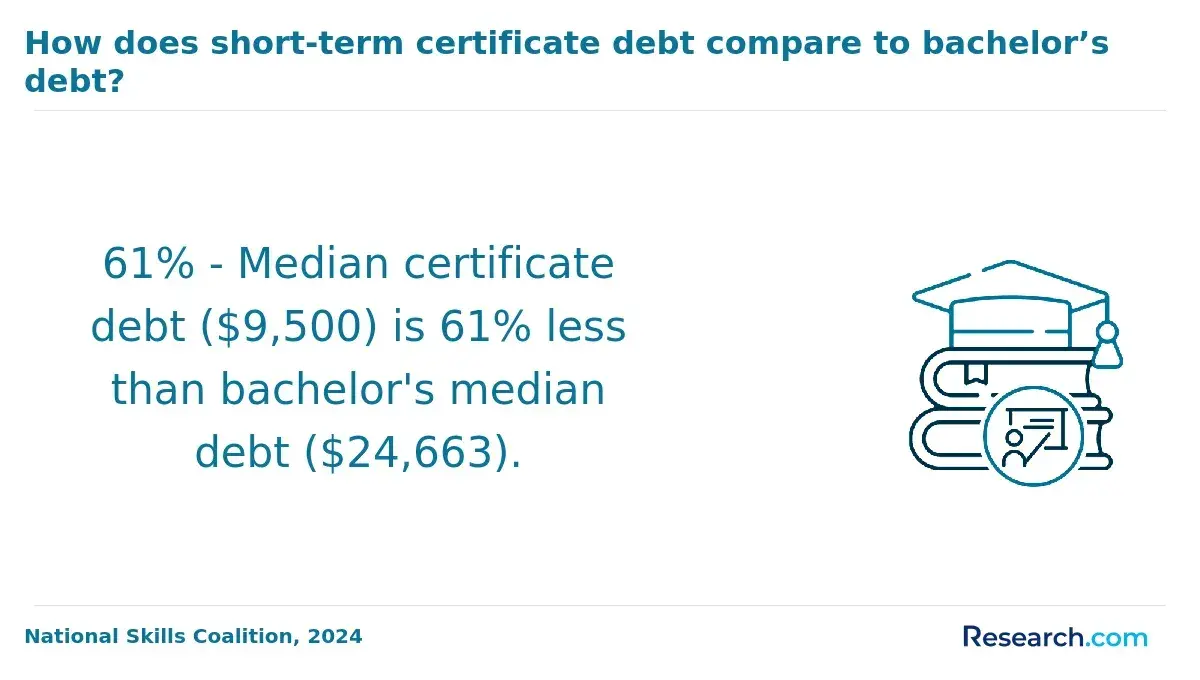
- Program Length and Structure: Longer programs, such as four-year bachelor's degrees in administration, inherently require higher borrowing due to extended tuition costs and longer periods without full-time employment income. Students in shorter certificate or associate degree tracks typically accrue less debt, but these pathways may offer fewer opportunities for extensive work experience, which ties directly to monthly repayment trends for administration graduates.
- Institution Type and Tuition Pricing: Public versus private institution tuition differences strongly influence borrowing, with private institutions often charging substantially higher rates. Additionally, out-of-state tuition premiums at public universities can escalate debt burdens considerably, especially when combined with limited financial aid, magnifying administration student loan borrowing differences among similar program types.
- Financial Aid Availability and Personal Circumstances: Access to grants, scholarships, and need-based aid varies greatly, disproportionately affecting students from lower-income backgrounds who rely more heavily on loans. Limited aid coverage pushes these students to borrow beyond tuition, often to cover living expenses, intensifying debt accumulation and complicating repayment, especially given the diversity in monthly repayment trends for administration graduates.
- Enrollment Patterns and Employment Status: Students attending full-time without part-time employment sources tend to face higher overall living costs funded through loans. Meanwhile, part-time enrollees or those balancing work and study might limit borrowing but often extend program duration, also influencing total debt. This dynamic interplay affects both immediate borrowing and longer-term repayment obligations.
- Borrowing Behavior and Incremental Costs: Beyond tuition and standard fees, compulsory expenses like technology requirements, internships, and textbooks increase debt but often go underestimated. Additionally, some students borrow more than immediate academic costs to cover daily living, a behavior linked by recent Brookings Institution research to increased long-term financial risk for administration graduates.
Recent data from the National Center for Education Statistics (NCES) shows that the average student loan debt for administration bachelor's degree completers reached around $32,000, a figure reflecting the cumulative effect of these diverse factors rather than tuition alone. Prospective students should weigh these drivers thoughtfully, factoring in their own financial background and program choices to navigate the inherent tradeoffs in administration student loan borrowing differences.
For those comparing program affordability within social sciences, options like the cheapest online master's degree in psychology illustrate how alternative pathways and institutional choices can alter borrowing outcomes significantly.
What Is the Average Monthly Student Loan Payment for Administration Graduates?
Data from recent 2024 reports by the U.S. Department of Education indicate that graduates holding administration degrees generally face monthly student loan payments ranging from approximately $250 to $400. This range reflects moderate borrowing levels compared to other fields but also accounts for diverse repayment structures and income variations. Many graduates accumulate between $20,000 and $35,000 in debt, which, combined with typical starting salaries of $45,000 to $60,000 annually, shapes payment affordability and timing. Fluctuations within this average are strongly influenced by the chosen repayment plan and the interest rates applied to outstanding balances.
The variation in monthly payments arises chiefly from differences in total loan amounts, repayment options like income-driven plans versus standard schedules, and the relative earning capacity of graduates within administration-related roles. Income-driven repayment plans can reduce immediate monthly obligations, sometimes under $200, but lengthen the repayment horizon and increase overall interest costs. In contrast, those on standard or graduated plans might face higher initial payments but benefit from faster amortization. Salary growth in administration careers typically progresses steadily but at a less accelerated rate than STEM fields, resulting in some graduates managing tighter payment-to-income ratios over longer periods, which influences financial flexibility and long-term debt outcomes.
One recent graduate recalled entering the rolling admissions cycle for an administration master's program with considerable uncertainty, hesitating initially due to unclear timelines and concerns about loan costs. Waiting weeks for confirmation, this individual weighed accepting an early offer against the possibility of better financial aid later. The delay in decision-making underscored how timing and planning interplay with the realities of student debt, as the choice to commit affected not only enrollment but also the anticipated monthly loan payments and eventual financial tradeoffs following graduation.
How Do Repayment Rates Compare Between Public and Private Institutions?
Graduates from private institutions offering administration degrees typically demonstrate higher student loan repayment rates within the first five years after graduation compared to their public institution counterparts. Data from the 2024 U.S. Department of Education's College Scorecard indicates that about 52% of private institution administration graduates have reduced their loan balances within that timeframe, whereas public institution graduates average closer to 46%. These disparities align with findings from the Federal Reserve's 2024 report, which also notes elevated default rates among borrowers from public universities, underscoring persistent challenges in managing debt post-graduation in that sector.
Several structural factors shape these repayment patterns beyond mere institutional categorization. Administration graduates from private colleges often carry higher tuition debt but tend to secure employment that offers elevated starting salaries, enabling more aggressive repayment. Conversely, public institution attendees, who may finance longer or more affordable programs with larger loan volumes due to limited access to private scholarships, often face suppressed earnings prospects and increased financial strain. Additionally, public universities enroll a greater proportion of first-generation and lower-income students, introducing socioeconomic hurdles that can delay consistent repayment and increase default risk despite federal repayment programs designed to mitigate income volatility.
The divergence in repayment outcomes also reflects broader implications for financial mobility and program valuation across institutions. Higher repayment rates from private institution graduates can enhance perceptions of institutional accountability and influence future borrowing decisions, while ongoing repayment difficulties in the public sector highlight the need for more tailored support mechanisms. Understanding these nuanced dynamics equips administration students and graduates to anticipate realistic debt servicing scenarios, weigh the long-term cost-benefit of their educational paths, and engage strategically with financing options to reduce repayment stress after entering the workforce.
Do Online Administration Graduates Have Different Repayment Outcomes Than Campus-Based Students?
Recent data from the U.S. Department of Education's National Postsecondary Student Aid Study highlights a notable disparity in loan repayment rates between graduates of public and private institutions in administration degree programs. As of 2024, approximately 62% of public university administration graduates successfully repay their loans within three years, compared to 54% among private institution counterparts. This difference in repayment performance reflects broader financial and labor market dynamics rather than mere institutional preference. These figures help contextualize online administration graduate repayment differences by revealing how institutional factors influence debt outcomes.
The higher repayment rates at public institutions largely stem from lower tuition fees and, consequently, smaller average borrowing amounts among their students. Graduates from private institutions often assume greater debt burdens, which may outpace their early-career salaries, exacerbating repayment challenges. Furthermore, private schools commonly attract student populations with diverse financial profiles, including those pursuing niche administration tracks with less predictable labor market demand. These variations affect post-graduation earnings and, by extension, the borrowers' ability to comfortably manage monthly loan payments and avoid default.
These repayment differences have tangible implications for borrower financial health and institutional accountability. Graduates facing heightened repayment risk may experience greater financial stress, which can inhibit long-term mobility and wealth accumulation. Consequently, understanding these patterns encourages prospective administration students to weigh the real-world debt-to-income dynamics alongside program accessibility-for example, those offered through online formats or among the best degrees for stay-at-home moms. This nuanced perspective helps clarify how employment outcomes and institutional characteristics shape repayment trajectories in campus versus online administration loan repayment rates.
Which Industries Provide the Best Financial Return Relative to Borrowing Costs?
Financial returns for administration graduates vary widely across industries, shaped not only by entry-level salaries but also by sector-specific hiring patterns, promotion velocity, and the scale of typical student debt. Rather than focusing solely on nominal wages, evaluating return on investment requires balancing earning trajectories against borrowing burdens to assess practical repayment capacity. This perspective emphasizes which labor markets align more effectively with average educational costs, thereby reducing long-term financial risk for graduates.
- Finance: Positions in finance often start with above-average salaries near $65,000, supported by persistent demand for analytical and managerial skills. The relatively high initial income paired with steady career progression enhances graduates' ability to manage student loans, making finance one of the most favorable sectors for offsetting borrowing costs.
- Technology Management: The technology sector's management roles offer competitive compensation and rapid advancement opportunities driven by innovation cycles and skills shortages. This dynamic contributes to strong earnings growth, which mitigates debt repayment pressures over time despite comparable borrowing levels to other industries.
- Consulting: Consulting firms typically recruit administration graduates into roles with premium wages and clear performance-based increments. The faster pace of salary increases and high entry pay combined improve the overall debt-to-income ratio, reducing repayment duration and financial strain.
- Healthcare Administration: Though entry salaries here may be moderate, increasing demand for administrators in complex healthcare systems supports stable employment and incremental pay rises. This stability can help manage loan repayment steadily, though lower starting wages mean a longer repayment horizon compared to finance or tech.
- Non-Profit and Public Sector: These fields generally offer lower starting salaries around $45,000, often close to typical loan principal amounts. Without robust salary growth, graduates in these sectors face higher relative debt burdens, elevating repayment risk and extending the timeline to financial breakeven.
Data from the U.S. Bureau of Labor Statistics and Institute for College Access & Success in 2024 confirms that industries with premium starting wages and strong advancement prospects better counterbalance administration graduates' borrowing, emphasizing the importance of industry selection for risk-conscious education financing decisions.
Does Student Debt Affect Which Jobs Administration Graduates Accept?
Student debt repayment obligations significantly shape the job acceptance choices of administration graduates, especially in the early stages of their careers. With about 68% of graduates reporting that loan repayment influenced their employment decisions, the pressure to secure positions with sufficient salaries to cover monthly payments-often ranging from $300 to $500-cannot be understated.
This financial burden encourages many to prioritize immediate income over alignment with their academic interests or long-term career objectives, often steering them toward higher-paying roles in corporate administration, finance, or consulting rather than public or nonprofit sectors known for lower initial compensation. The necessity to maintain manageable debt-to-income ratios restricts their flexibility to pursue jobs offering professional growth but lower pay, thereby narrowing their employment options.
Debt levels also shape broader employment behaviors, with high-debt graduates tending to accept jobs that offer stronger financial stability even at the cost of geographic mobility or sector mismatch. Conversely, those with lighter debt obligations demonstrate greater latitude to pursue public administration or nonprofit roles, which may better suit their career goals despite smaller starting salaries.
This dynamic reflects structural variations in how debt influences the negotiation of risk and reward in early employment decisions, affecting not only which industries graduates enter but also their capacity for further education or certification pursuits. Over time, these constraints can have lasting effects on career trajectories, as graduates must balance immediate fiscal demands against professional development and sector-specific advancement opportunities.
One administration graduate recalled wrestling with job offers during a rolling admissions period, hesitating to commit to a position while waiting to hear back from programs better aligned with their goals. The urgency to start repaying loans made this waiting period stressful, ultimately pushing them to accept a more lucrative but less preferred corporate role rather than risk unemployment or lower initial earnings. This strategic compromise, shaped by the timing of admissions decisions and looming financial obligations, reflected the real-world tension between long-term aspirations and immediate economic necessities common among indebted graduates.
What Factors Increase Student Loan Repayment Risk for Administration Graduates?
Student loan repayment risk for administration graduates is shaped by multiple interconnected factors beyond just total debt. This risk arises from the interplay between borrowing amounts, variability in post-graduation income, and the stability of employment in the administration sector. A holistic view of these influences reveals why many administration graduates face heightened repayment challenges relative to peers in other fields. Understanding this dynamic is essential for grasping the full scope of administration graduate borrowing and repayment challenges.
- High Initial Debt Balances: Many administration graduates start repayment carrying loan amounts above $30,000, which is substantial given that average starting salaries often fall below $50,000. This debt-to-income imbalance increases monthly payment burdens, reducing financial flexibility and elevating default risk, especially without employer assistance or income-driven repayment options.
- Variable Income Trajectories: Earnings in administration roles can vary widely, with some graduates obtaining lower-paid support or clerical positions lacking clear advancement pathways. This income variability undermines consistent repayment capacity, particularly for borrowers without supplemental income or increased wages over time.
- Limited Employer-Sponsored Repayment Assistance: Unlike sectors such as healthcare or STEM, administration careers rarely provide employer benefits that alleviate loan repayment pressures. Without these supports, graduates bear the full financial weight of their debt, compounding repayment vulnerability when coupled with modest wages.
- Economic Sensitivity and Job Instability: Administration roles are especially susceptible to economic downturns and organizational restructuring, which can disrupt steady income sources. This labor market volatility increases repayment strain by causing income interruptions or unemployment spells that hinder timely debt servicing.
According to the National Postsecondary Student Aid Study (NPSAS), almost 27% of administration graduates in repayment reported difficulty meeting monthly payments within the first year after graduation, underscoring a disproportionate burden in this group.
For prospective borrowers comparing options, evaluating these risk factors alongside borrowing levels is critical. The more volatile income outlook and limited repayment support in administration reinforce the importance of disciplined budgeting and exploring programs with income-based repayment plans. Students interested in related areas might consider alternatives such as a forensic psychology major, where labor market outlooks and repayment conditions differ materially.
How Can Administration Students Reduce Student Loan Debt While Earning Their Degree?
Reducing student loan debt while earning an administration degree demands proactive planning and strategic decision-making throughout the academic journey. This process hinges on a combination of financial awareness, academic efficiency, and effective utilization of available institutional resources. Rather than relying solely on generic budgeting tips, students must focus on actionable strategies that directly influence borrowing levels and long-term financial outcomes.
- Part-Time Enrollment or Extended Program Duration: Opting for part-time study or spreading out coursework lowers semester costs, which can reduce reliance on loans per term. While this may extend time to graduation, it allows students to better balance work and school, limiting the need for large lump-sum borrowing.
- Securing Paid Internships or Part-Time Jobs Related to Administration: Employment in relevant fields not only offsets tuition but also builds marketable skills and professional networks. This reduces debt by supplementing income without compromising program engagement.
- Accessing Targeted Grants and Scholarships: Maximizing applications for federal, state, and institutional grants or scholarships aimed specifically at administration students eliminates borrowing needs since these funds do not require repayment.
- Choosing Cost-Effective Institutions Strategically: Starting at in-state public universities or community colleges with transfer agreements significantly lowers per-credit costs, reducing total debt load before advancing to more specialized four-year programs.
- Limiting Private Loan Usage: Prioritizing federal student loans that feature income-driven repayment plans helps manage repayment risk. Private loans often carry higher interest rates and less flexible terms, increasing long-term financial burdens.
- Leveraging Institutional Aid and Work-Study Programs: Engaging with campus resources such as work-study reduces out-of-pocket expenses and lightens reliance on high-interest borrowing, especially when coordinated with academic commitments.
- Academic Planning for Efficiency: Careful course selection to avoid excess credits or retaking courses decreases costs and shortens time to degree, effectively minimizing cumulative borrowing.
A 2024 report from the National Center for Education Statistics confirms that students who adopt these strategies tend to incur lower cumulative debt. Furthermore, research from the Brookings Institution highlights that administration graduates with less than $20,000 in cumulative debt encounter fewer repayment difficulties five years after graduation, directly impacting financial stability and career mobility.
For students comparing program affordability, exploring options such as an online computer science degree may provide additional context on structuring cost-efficient pathways within and beyond administration-related disciplines.
Ultimately, effective reduction of student loan debt for administration students is a product of combining strategic academic planning, financial aid optimization, and targeted employment-all tailored to minimize borrowing while maintaining steady progress toward degree completion.
How Should Prospective Students Evaluate Borrowing Risk Before Enrolling?
Evaluating borrowing risk before enrolling in an administration degree program is critical to understanding the long-term financial impact of this educational investment. Borrowing risk centers on balancing the total anticipated debt against realistic post-graduation earnings, which affects one's capacity to repay loans without undue hardship. Prospective students should move beyond simple cost comparisons and engage with detailed analyses of debt exposure, repayment obligations, and program-specific career outcomes to make informed decisions.
- Total Debt Burden: Assess the full cost of the program including tuition, fees, and living expenses to estimate realistic borrowing needs. This provides a baseline for evaluating if expected debt levels align with future income potential and personal financial resilience.
- Projected Earnings: Examine reliable salary data for administration graduates, such as median starting salaries reported around $45,000 to $55,000 by the National Center for Education Statistics. Accurate earning projections allow calculation of sustainable monthly loan payments relative to gross income.
- Repayment Terms and Interest: Analyze repayment duration and total interest costs to understand long-term payment commitments. Longer terms may reduce monthly payments but increase total interest, affecting affordability and financial stability.
- Income-Driven Repayment and Forgiveness Options: Investigate availability of income-based plans or loan forgiveness for administration graduates. These programs can reduce repayment risk by adjusting payments to earnings or offering debt relief under qualifying conditions.
- Employment Market Realities: Evaluate demand trends, job stability, and turnover rates within administration fields to gauge consistency of income streams essential for loan repayment. Market volatility can directly affect borrowing risk and career sustainability.
- Institutional Cost Structure and Resources: Consider the specific program's tuition model, financial aid offerings, and debt default rates. Programs with lower costs or robust support services may mitigate borrowing risk and improve net returns on education.
- Debt-to-Income Ratio Guidelines: Use benchmarks such as monthly loan payments not exceeding 10-15% of gross income to assess affordability. For example, a monthly loan payment between $350 and $450 could be manageable on a starting salary near $50,000, according to research from the U.S. Department of Education.
Thorough evaluation of these factors enables prospective students to anticipate the financial tradeoffs of an administration degree and avoid committing to unsustainable debt levels. This approach prioritizes evidence-based planning over generic budgeting advice, ensuring a clearer view of the degree's value relative to long-term economic well-being.
References
- Average Calculator https://www.calculator.net/average-calculator.html
- Proposal to Implement Loan Caps Threatens Access to Professional Degree Programs | Association of American Universities (AAU) https://www.aau.edu/newsroom/leading-research-universities-report/proposal-implement-loan-caps-threatens-access
- The ROI potential of offering a 401(k) match on student loan payments https://www.betterment.com/work/resources/the-roi-potential-of-offering-a-401k-match-on-student-loan-payments
- Definition of AVERAGE https://www.merriam-webster.com/dictionary/average
- Average - Wikipedia https://en.wikipedia.org/wiki/Average
- Student Loan Calculator: Estimate Your Payments https://www.salliemae.com/college-planning/tools/student-loan-repayment-calculator/
- The Impact of Student Debt on the Low-Wage Workforce https://workrisenetwork.org/working-knowledge/impact-student-debt-low-wage-workforce
- Federal Loans vs. Private Loans - Student Loan Borrowers Assistance https://studentloanborrowerassistance.org/for-borrowers/basics-of-student-loans/federal-loans-vs-private-loans/
- CFPB Highlights Default Risk Factors for Student Loans https://www.consumerfinancialserviceslawmonitor.com/2022/04/cfpb-highlights-default-risk-factors-for-student-loans/
- AVERAGE - Translation in Polish - bab.la https://en.bab.la/dictionary/english-polish/average
Other Things You Should Know About Administration
Administration programs often involve intensive coursework and internships that increase short-term financial strain. Since many entry-level roles in administration offer modest salaries, students must carefully balance borrowing against realistic starting pay, as overborrowing can lead to repayment struggles. Prioritizing programs with strong employer connections or specialization tracks that boost job placement can mitigate this risk by enhancing early career income prospects.
Federal loans typically offer more flexible repayment options, including income-driven plans, which provide critical safeguards for graduates in administration whose salaries may fluctuate early in their careers. Private loans often lack these protections, increasing financial risk if job progression stalls or salaries remain stagnant. Administration students should prioritize federal borrowing when possible to maintain repayment flexibility aligned with uncertain career trajectories.
Part-time attendance or extended graduation timelines can reduce immediate borrowing but lengthen the period during which interest accrues, increasing total debt and repayment duration. For administration students balancing work and study, understanding this tradeoff is key: spreading out costs may ease monthly cash flow initially but lead to heavier long-term financial obligations. Evaluating personal workload capacity and employer tuition support is crucial to optimize borrowing against program length.
Refinancing can lower interest rates but often strips away federal loan protections like income-driven repayment and deferment options, which are vital given administration graduates' variable income growth paths. Students with stable, well-established employment and predictable salary increases might benefit from refinancing, while those early in their careers or in volatile job markets should weigh the loss of flexibility carefully. Prioritizing loan terms that align with career stability is essential before refinancing decisions.