2027 Administration ROI by Institution Type: Public vs Private vs Nonprofit Online Programs

Co-Founder and Chief Data Scientist
A prospective administration student researching online programs notices three options with similar curriculums but vastly different tuition fees. One public university boasts a 60% graduation rate for online administration students, while a private nonprofit program reports nearly 85%; however, the private option demands twice the debt. A 2024 study from the National Center for Education Statistics highlights that higher debt doesn't always align with better career outcomes, reflecting ongoing shifts in enrollment priorities and affordability concerns.
These nuances expose the hidden costs and benefits within institution types that influence long-term ROI beyond sticker price. This article analyzes administration ROI across public, private, and nonprofit online programs, guiding readers through critical financial and outcome-based comparisons for smarter decisions.
Key Things to Know About Administration ROI by Institution Type
- Public online administration programs typically offer lower tuition and reduced student debt exposure, enhancing affordability but sometimes limited employer awareness may influence perceived credential value.
- Private institutions often emphasize robust learner support and career services, which can improve job placement rates post-completion, though these gains may come with higher overall cost burdens.
- Nonprofit offerings balance flexible pacing and accredited credentials, yet slower graduation timelines reflect tradeoffs between access and timely ROI realization, critical for working adult professionals managing opportunity costs.
- Key Things to Know About Administration ROI by Institution Type Key Things to Know About Administration ROI by Institution Type
- What Does ROI Mean for a Administration Program and How Is It Measured? Understanding Administration Program ROI
- How Do Public, Private, and Nonprofit Online Administration Programs Differ in Overall Value? Value by Institution Type
- How Do Tuition Costs Affect the ROI of a Administration Program Across Institution Types? Tuition Costs and ROI
- How Do Graduation Rates Influence Administration Program ROI? Graduation Rates Impact ROI
- What Role Do Career Outcomes Play in the ROI of a Administration Degree? Career Outcomes and ROI
- How Does Student Debt Impact the Long-Term ROI of a Administration Program? Debt vs. Long-Term ROI
- How Do Flexibility and Adult Learner Support Affect Administration Program Value? Flexibility and Program Value
- How Do Accreditation and Institutional Reputation Influence Administration ROI? How Do Accreditation and Institutional Reputation Influence Administration ROI?
- How Does Time-to-Degree Affect the ROI of Public, Private, and Nonprofit Administration Programs? How Does Time-to-Degree Affect the ROI of Public, Private, and Nonprofit Administration Programs?
- How Can You Choose the Best Administration Program Based on Your ROI Goals? Choosing Programs by ROI
What Does ROI Mean for a Administration Program and How Is It Measured?
Return on investment for an administration program hinges on a nuanced balance between total educational costs, time-to-degree, and career outcomes rather than simple tuition comparisons. A student selecting between a lower-cost public program with longer average completion times versus a nonprofit online program with higher retention but increased tuition must weigh opportunity costs carefully, as delayed entry into the workforce can erode potential salary gains.
According to the U.S. Department of Education's College Scorecard, nonprofit online programs often have superior completion rates, which can reduce debt accumulation and improve long-term financial outcomes. For many adult learners, the calculation extends beyond sticker prices to include factors such as institutional reputation and how well a program's curriculum aligns with evolving employer expectations.
Measuring administration program return on investment requires a realistic appraisal of both immediate expenses and longer-term career implications. Total educational costs encompass tuition, fees, materials, and potential hidden expenses that contribute to a student debt load, influencing financial flexibility after graduation. Programs at private institutions may carry higher upfront costs but often offer enhanced learner support and stronger employer networks, which can translate into better job placement and salary progression over time.
Prospective students should consider varying career goals and life circumstances; for example, working professionals balancing family obligations might prioritize a program that minimizes time-to-degree and maximizes support even at a greater cost. Evaluating ROI with this practical lens helps avoid simplistic comparisons and reflects the true value of an administration program tailored to individual aspirations and constraints.
Given the complexity of these factors, administration students must also incorporate industry data and workforce trends into their decision-making process. For those investigating career trajectories, consulting sources like the bachelor's degrees job outlook can provide insight into salary expectations and demand in administrative roles, informing a more data-driven ROI assessment.
Ultimately, the best ROI emerges from a balanced evaluation of cost, educational quality, time investment, and career outcomes rather than a sole focus on affordability. This comprehensive approach allows students to align program selection with their long-term financial and professional goals, ensuring that their investment supports sustainable career advancement.
How Do Public, Private, and Nonprofit Online Administration Programs Differ in Overall Value?
Cost-conscious learners often find the value contrast among public, private, and nonprofit online administration programs hinges on how tuition, support, and outcomes align with their circumstances rather than any institutional label alone. Public programs generally offer lower tuition, particularly for residents, and tend to demonstrate better graduation rates-reported to be 10-15% higher on average than private for-profit counterparts according to the 2024 National Center for Education Statistics.
Yet, these programs might compromise on personalized support and smaller class sizes that nonprofit programs often provide, creating tradeoffs between affordability and individualized guidance. Private for-profit programs, while sometimes faster and more flexible, frequently leave graduates with 20-30% more debt without commensurate salary gains, impacting long-term financial returns and career stability.
Employer perception plays a crucial role in determining the practical value of an online administration degree. Credentials from public and nonprofit programs benefit from broader recognition and credibility, which can ease job placement and reduce the need for supplementary experience validation. Conversely, graduates from private for-profit schools may face heightened scrutiny and be required to demonstrate additional skills to bridge employer skepticism.
Nonprofit institutions' investments in career services and networking opportunities often translate into stronger employment outcomes for students balancing work and study, but these advantages must be weighed against sometimes higher tuition costs and varying regional accreditations. Ultimately, choosing the optimal program depends on a nuanced evaluation of flexibility, debt impact, credential trust, and support infrastructure tailored to specific financial situations and career goals.
One graduate recalled wrestling with whether to prioritize the lower cost and higher graduation rates of a public online administration program or the stronger career services and perceived prestige of a nonprofit institution whose tuition was significantly higher. Concerned about accumulating debt yet wanting flexible scheduling alongside meaningful employer recognition, the student carefully analyzed graduation statistics, accreditation details, and employer feedback. After narrowing options, the choice rested on finding a nonprofit program with regional accreditation offering robust career support and manageable financial aid, providing a clearer path to both degree completion and sustainable job prospects. This decision illustrated that beyond sticker price, long-term value hinges on balancing affordability with tangible post-graduation outcomes and institutional resources.
How Do Tuition Costs Affect the ROI of a Administration Program Across Institution Types?
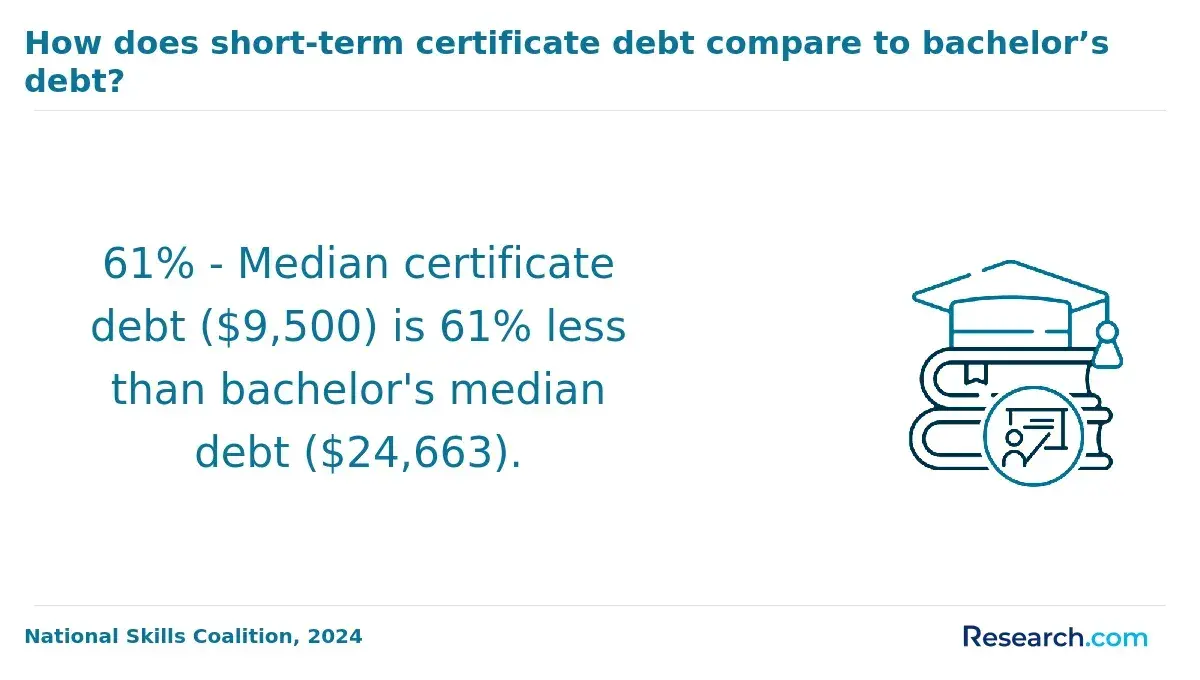
Tuition costs alone do not determine the true return on investment for administration programs across public, private, and nonprofit online institutions. While public programs generally offer lower tuition-averaging around $10,000 annually according to 2024 National Center for Education Statistics data-this affordability can be offset by factors such as varied graduation rates and limited career services. Conversely, private nonprofit programs often exceed $30,000 in tuition but may deliver stronger long-term value through focused student support, enhanced networking opportunities, and smaller class sizes that can directly impact salary growth and timely degree completion. For example, graduates from private nonprofit institutions have reported median salaries 15-20% higher within five years, reflecting how higher upfront costs might translate into better financial outcomes for some learners.
However, this premium comes with tradeoffs; increased borrowing at private nonprofits extends repayment horizons and accumulates more interest, raising the total debt burden. In contrast, public institutions tend to leave graduates with less debt but potentially greater variability in program completion, which can dilute immediate return on investment.
Nonprofit programs often occupy a middle ground, balancing moderate costs with targeted support that can improve graduation rates and debt management. Ultimately, adult learners must weigh tuition alongside program flexibility, net price after aid, and post-graduation earnings potential to determine which pathway aligns best with their financial constraints and career objectives, recognizing that lower tuition does not always equate to greater value or faster financial recovery.
How Do Graduation Rates Influence Administration Program ROI?
Graduation rates offer a practical lens to gauge the return on investment for administration programs but should not be treated as definitive on their own. For instance, public institutions often report lower six-year graduation rates-around 57% according to 2024 National Center for Education Statistics data-compared to 65% at private nonprofit schools. These disparities frequently reflect differences in student demographics, such as higher proportions of part-time or nontraditional learners in public settings, who face distinct persistence challenges.
Thus, while a private nonprofit's higher completion rate may stem from more robust academic support and flexible course options, these rates must be weighed alongside factors like time-to-degree and overall affordability to assess true financial and career outcomes.
Graduation rates directly influence administration program ROI by affecting students' debt burdens and workforce entry timelines. Longer paths to completion can increase loan costs and delay employment gains, particularly impacting working adults balancing other commitments. Yet, this metric only partially captures program value since employers prioritize practical skills alongside credentials.
Prospective students comparing institutions should consider how graduation success interacts with employment prospects and program cost, ensuring a nuanced evaluation rather than relying solely on completion statistics. For those exploring related fields, reviewing options such as an online game design degree highlights the importance of aligning program outcomes with personal and market goals.
What Role Do Career Outcomes Play in the ROI of a Administration Degree?
Career outcomes are a pivotal element in assessing the return on investment of online administration programs, especially when comparing public, private, and nonprofit institutions. Public programs tend to yield higher immediate employment rates, with about 85% of their graduates finding relevant jobs within two years, outperforming nonprofit and private programs, which stand closer to 78% and 74%, respectively, according to the 2024 National Center for Education Statistics report. This differential has real implications for students balancing tuition costs and debt against the likelihood of swift job placement. Private and nonprofit programs may offer deeper specialization or niche networking, but often at a premium and with less predictable employment results, which can affect long-term financial and career mobility outcomes.
Employer recognition and program alignment with industry needs also shape how these degrees translate to professional opportunities. Public institutions' regional partnerships can facilitate smoother entry into local job markets, while private and nonprofit options sometimes enable access to specialized sectors or emerging fields, albeit with varying degrees of employer validation.
For cost-conscious adult learners, the challenge lies in weighing these tradeoffs alongside program length, affordability, and the degree's ability to foster adaptable skills for evolving roles. ROI isn't solely about initial placement but how the credential supports career sustainability and upward mobility amid shifting labor demands.
For instance, a graduate from an online administration program initially questioned whether the degree's return justified the time and expenses, uncertain if employers would value it beyond a formal credential. Over time, the individual found incremental benefits through internal promotions and broader responsibilities, driven not only by the credential but also the networking and practical skills gained. This experience underscored the complexity of measuring ROI simply via salary or job title changes, highlighting how career outcomes ultimately intertwine with personal employment context and institutional connections.
How Does Student Debt Impact the Long-Term ROI of a Administration Program?
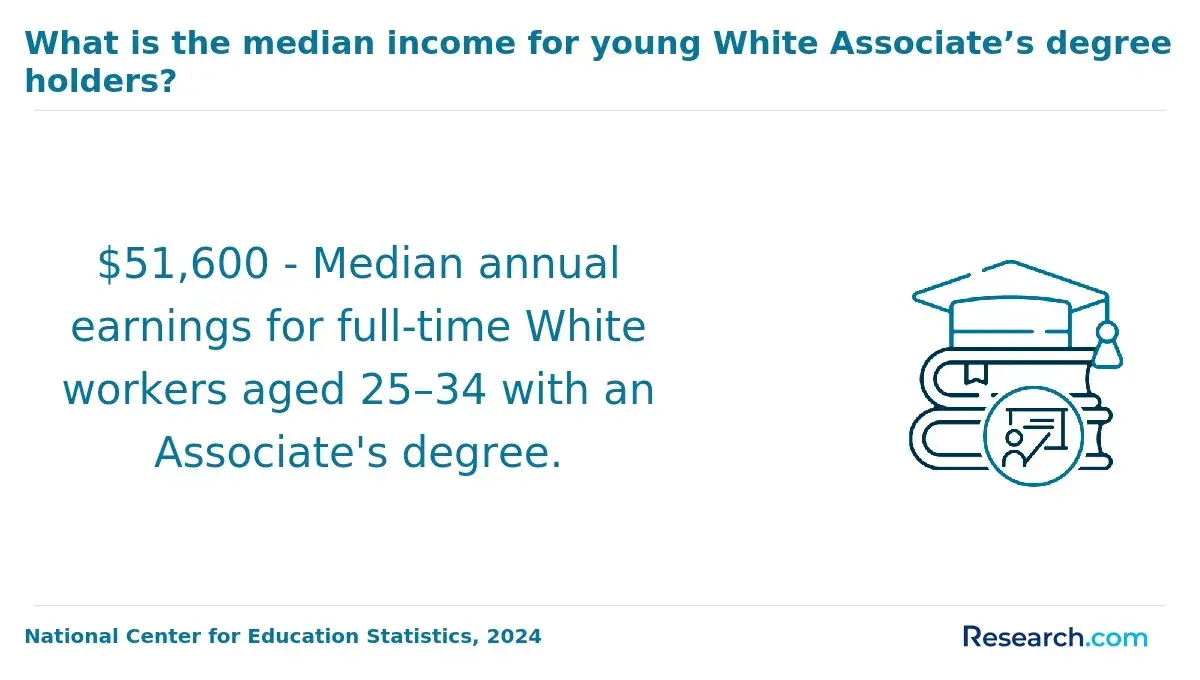
Debt levels and borrowing strategies critically shape the long-term ROI of administration programs, with clear differences across public, private, and nonprofit online institutions. For example, private program attendees often face higher debt burdens due to elevated tuition costs and more limited access to state financial aid, pushing their monthly repayment obligations higher and potentially reducing financial flexibility.
This dynamic reflects how administration student debt impact on long-term ROI goes beyond sticker price, requiring careful evaluation of repayment timelines against expected salary growth and employment stability. Choosing a program with moderate costs but solid graduation and employment rates can sometimes yield better net returns despite a higher initial price.
Public online programs tend to present lower debt loads because of more substantial state subsidies, which influence default rates and repayment success positively, as documented by federal data. Nonprofit online administration programs typically fall between these extremes, balancing tuition and aid that vary widely. Working professionals and adult learners must weigh these tradeoffs while factoring in potential income trajectory and program quality.
Those prioritizing debt management alongside career outcomes will find that understanding how student loan repayment affects administration program value is essential when comparing options. Contextually, some may also explore flexible pathways like online degrees for stay at home moms to align educational goals with personal and financial realities.
How Do Flexibility and Adult Learner Support Affect Administration Program Value?
Program flexibility and adult learner support critically shape the return on investment for online administration degrees, but the impact varies distinctly by institution type. Public programs often offer wider asynchronous options and established transfer credit pathways, which can lower direct costs and reduce time to completion-key factors for working adults balancing jobs and families. However, these programs may lack intensive career services or personalized advising, potentially limiting employability gains unless students proactively seek external resources. Conversely, private institutions tend to invest more in tailored support like dedicated career counseling and military student accommodations, which can improve graduation rates and job placement but at a higher tuition premium that may only pay off if industry recognition aligns with these credentials.
Nonprofit online universities typically provide a hybrid approach, emphasizing streamlined curricula and targeted mentoring to sustain persistence while controlling costs. For instance, a part-time adult learner using comprehensive advising and accessible faculty helps mitigate dropout risk and keeps opportunity costs low over the duration of study.
The critical tradeoff across these sectors lies in balancing program price against the quality and relevance of support services, which directly influence completion timelines and workforce readiness. According to a 2024 report by the National Center for Education Statistics, adult learners who engage in robust academic and career support show notably better retention and earnings post-graduation, underscoring the practical value of these features beyond mere flexibility.
How Do Accreditation and Institutional Reputation Influence Administration ROI?
Accreditation and institutional reputation directly shape the return on investment (ROI) of an administration program by influencing graduate credential credibility, employer trust, and educational pathways. For instance, students enrolling in regionally accredited public universities often benefit from clearer credit transfer options and recognized degree value that align with employer expectations, as confirmed by a 2024 survey from the National Association of Colleges and Employers showing 78% of employers favor candidates from such institutions. Conversely, private nonprofit programs with specialized programmatic accreditation may better serve niche professional requirements but often come with higher tuition, complicating ROI calculations for cost-conscious learners balancing debt and career timeline considerations.
Institutional reputation can open initial doors but does not guarantee sustained salary growth, which more strongly correlates with skill mastery and applied experience. A well-known university brand may enhance employability at entry but adult learners should weigh this against actual program outcomes like graduation rates and student support quality, which serve as more reliable proxies for academic rigor and persistence. Importantly, accreditation status impacts graduate eligibility for licensure or certifications critical in many administration-related roles, influencing long-term employability and the practical value of the credential.
Ultimately, prioritizing accredited programs with transparent outcomes over prestige alone helps students navigate tradeoffs between cost, debt burden, and career alignment across the diverse landscape of public, private, and nonprofit online offerings.
How Does Time-to-Degree Affect the ROI of Public, Private, and Nonprofit Administration Programs?
Longer time-to-degree in public administration programs often extends overall costs and delays entry into the workforce, increasing opportunity costs for working professionals juggling employment and family demands. In contrast, private and nonprofit online administration programs frequently offer accelerated pathways and structured cohorts to reduce completion time, although at higher per-term tuition rates. This dynamic illustrates how graduation speed influences roi in administration online degree programs, since shorter programs can limit debt accumulation and speed up career transitions but may sacrifice flexibility needed by part-time students.
Transfer credits and enrollment intensity shape these timelines significantly. Public institutions typically enroll more part-time students, which can stretch degree completion beyond six years but lower immediate expenses. Nonprofit programs, meanwhile, may encourage full-time accelerated study that benefits students able to commit more time upfront. Balancing these factors is critical; programs with robust transfer credit policies correlate with about 15% higher completion rates among non-traditional students, supporting persistence and overall value. For cost-conscious learners assessing asha accredited online SLP programs, such tradeoffs between timeline, cost, and flexibility directly impact the real return on educational investments.
Understanding time-to-degree impact on roi for public, private, and nonprofit administration programs requires nuanced judgment about how institutional structures align with student circumstances and career goals. A longer, more flexible enrollment may enhance persistence and eventual degree completion despite delayed financial benefits, while faster completion can reduce debt but demands greater upfront intensity. Ultimately, these operational differences affect employability trajectories and lifetime earnings, making time-to-degree one of several vital considerations when evaluating administration online degree options.
How Can You Choose the Best Administration Program Based on Your ROI Goals?
Determining the best administration program ROI hinges more on a student's specific priorities than institution type alone. Public online programs generally offer lower total costs and greater federal aid access, easing upfront financial pressure and debt accumulation. However, private institutions often provide stronger learner support and richer networking opportunities, which can translate into higher employment rates and faster career advancement for certain fields. This tradeoff means students balancing work, family, and education should evaluate not only tuition but also graduation rates, program flexibility, and credential recognition within their target industry.
Nonprofit online programs tend to show slightly better graduation rates and timely degree completion, crucial for minimizing extra costs and lost income. Yet, financial aid availability varies widely-private programs may offer competitive scholarships, while public institutions focus more on federal grants. When considering administration online programs ROI comparison, weighing average debt at graduation against median starting salaries is essential. Linked to this, many graduates from private programs carry heavier debts without guaranteed salary advantages, underscoring the need for realistic assessments of cost versus long-term earnings.
Ultimately, working professionals and transfer students should align choices with career goals and personal constraints. Flexibility in scheduling and transfer credit policies common among public and nonprofit programs can boost ROI for part-time learners. For those seeking a low cost online general studies degree model, prioritizing accredited programs with strong retention and proven post-graduate employment metrics will better ensure meaningful returns on their educational investment.
References
- ROI of Higher Education - Signal49 Research https://www.signal49.ca/focus-areas/roi-of-higher-education/
- The Impact of Student Debt on the Low-Wage Workforce https://workrisenetwork.org/working-knowledge/impact-student-debt-low-wage-workforce
- Is Rising Student Debt Harming the U.S. Economy? | Council on Foreign Relations https://www.cfr.org/backgrounders/us-student-loan-debt-trends-economic-impact
- What Is ROI in Education? A Practical Guide for K–12 Leaders https://leveldata.com/what-is-roi-in-education/
- The ROI of Accreditation: Why It Matters More Than Ever https://www.kramah.com/the-roi-of-accreditation-why-it-matters-more-than-ever/
- The Long-Term Effects of Student Loans | ACE Blog https://ace.edu/blog/the-long-term-effects-of-student-loans/
- Flexible Programs Assist Adult Learners to Thrive - The EvoLLLution https://evolllution.com/opinions/flexible-programs-assist-adult-learners-to-thrive
- Effects of Cancelling Student Loan Debt (2026) : Short & Long-Term https://educationdata.org/what-happens-if-student-loan-debt-is-canceled
- 2 ways to address adult learners’ concerns about program flexibility | EAB https://eab.com/resources/blog/adult-education-blog/address-adult-learners-concerns-about-program-flexibility/
- Is Grad School Worth It? A Comprehensive Return on Investment Analysis - FREOPP https://freopp.org/whitepapers/is-grad-school-worth-it-a-comprehensive-return-on-investment-analysis/
Other Things You Should Know About Administration
The type of institution significantly influences the emphasis on practical leadership skills. Public programs often prioritize theoretical foundations aligned with government and large organizational settings, which may limit exposure to entrepreneurial or innovative management approaches. Private institutions sometimes integrate more case-based learning and mentorship opportunities tailored to corporate environments. For students aiming to enter dynamic or startup-driven sectors, private or nonprofit programs with hands-on leadership modules typically offer better alignment with employer expectations.
Workload intensity and pacing vary notably by institution type. Public university programs tend to have structured semesters with less flexibility, often requiring consistent weekly engagement that can challenge full-time workers. Private and nonprofit programs often offer accelerated formats or modular courses designed for professionals balancing work and study. Choosing a program with adaptable workload management is crucial for minimizing stress and maintaining job performance during completion.
Employers' preferences depend heavily on industry and geographic context but generally focus on perceived program rigor and graduate competencies over institutional prestige alone. Public institutions may be favored for roles tied to public sector management, while private and nonprofit degrees can resonate more in business, nonprofit, or health services sectors, especially when paired with relevant experience. Prospective students should prioritize alignment between their target employers' expectations and the practical skill sets emphasized by the institution.
Nonprofit programs often specialize in community-centric leadership, emphasizing stakeholder engagement and social impact metrics integral to nonprofit management. For students committed to mission-driven work, these programs typically offer curriculum and networking opportunities uniquely tailored to those sectors. Prioritizing nonprofit programs can enhance both relevance and ROI if the career goal is within social services or nonprofit administration, as these programs better prepare students for sector-specific challenges beyond what general public or private administration programs provide.