2027 Administration Career Outcomes by Degree Level Report: Pay, Employment, and Advancement Patterns

Co-Founder and Chief Data Scientist
Choosing the right degree level in administration often means confronting unclear outcomes amid competing job market signals. A 2024 National Center for Education Statistics report reveals that bachelor's degree holders in administration experience notably higher job retention and faster promotion rates than associate degree completers, highlighting a critical consideration for students balancing cost with career trajectory.
Yet, this advantage varies widely by sector and role, complicating straightforward comparisons. Working professionals must weigh immediate employability against long-term advancement potential. This article analyzes pay, employment, and advancement patterns across degree levels in administration to equip readers with actionable insights for informed educational and career decisions.
Key Things to Know About Administration Career Outcomes by Degree Level
- Associate degrees in administration often offer faster entry into the job market but limit advancement; a 2024 BLS report shows 40% lower managerial placement rates compared to bachelor's holders, reflecting employer preferences for higher credentials.
- Bachelor's degree graduates tend to access broader leadership roles, yet some employers prioritize master's credentials for strategic positions, implying a key tradeoff between early employment and long-term advancement potential.
- Master's and doctoral paths demand higher upfront costs and time, with credential attainment rates dropping 15% beyond the bachelor's level, underscoring access barriers and necessitating careful timing decisions for career return on investment.
- Key Things to Know About Administration Career Outcomes by Degree Level Key Things to Know About Administration Career Outcomes by Degree Level
- What Career Outcomes Can Students Expect From Each Administration Degree Level? Career Outcomes by Degree
- How Much Do Administration Graduates Earn by Degree Level? Salary by Degree Level
- Which Administration Degree Level Offers the Strongest Employment Prospects? Best Degrees for Employment
- What Entry-Level Jobs Can You Get With a Administration Degree? Entry-Level Career Opportunities
- How Do Administration Degree Levels Affect Career Advancement and Promotion Opportunities? Career Growth by Degree
- Is a Administration Degree Worth It Based on Salary, Employment, and ROI? Salary, ROI, and Value
- How Do Associate, Bachelor's, Master's, and Doctoral Administration Degrees Compare? Comparing Degree Levels
- Which Industries and Employers Hire Administration Graduates by Degree Level? Which Industries and Employers Hire Administration Graduates by Degree Level?
- What Skills, Credentials, and Experience Improve Administration Career Outcomes? What Skills, Credentials, and Experience Improve Administration Career Outcomes?
- Which Administration Degree Level Is Best for Your Career Goals? Choosing the Right Degree
What Career Outcomes Can Students Expect From Each Administration Degree Level?
Entry-level credentials such as certificates and associate degrees in administration typically provide access to support or clerical roles but impose clear limits on advancement. Many employers in administrative fields value these credentials for their practical preparation in operational tasks; however, the preference for candidates with higher qualifications often restricts long-term upward mobility.
For working adults or military-affiliated students balancing time investment against career flexibility, this creates a challenging tradeoff: faster entry into the workforce versus slower progression into supervisory roles. These patterns underscore the importance of considering employer expectations and the scope for credit transfer when planning a pathway beyond foundational credentials.
Bachelor's degrees in administration unlock broader employment and promotional opportunities, acting as a critical pivot between entry-level work and mid-tier management. According to recent U.S. Bureau of Labor Statistics data, degree holders at this level experience notably lower unemployment rates and are often expected to bring strategic communication and decision-making skills shaped by coursework and internships.
This degree is an essential planning point for those aiming to leverage transfer pathways into graduate studies or specialized fields where licensing and credential alignment matter. Adult learners and degree completers will find that this investment often correlates to a wider spectrum of roles and higher organizational impact compared to associate-level credentials, as seen in varied highest-paying jobs driven by administration skill sets.
At the master's and doctoral levels, administration graduates meet increasingly complex role demands that emphasize strategic leadership, professional licensure, and research competencies. Fields like healthcare administration and public administration exhibit growing demand for these credentials, with master's programs often incorporating experiential learning that accelerates career mobility and access to senior roles.
Doctoral studies, while requiring a significant time and resource commitment, position graduates uniquely for executive leadership, policymaking, or academic research roles, where influence and long-term stability outweigh initial employment speed. Recognition of these progression and specialization dynamics is vital for learners aiming to synchronize academic investment with practical workforce advancement within administration career outcomes by degree level.
How Much Do Administration Graduates Earn by Degree Level?
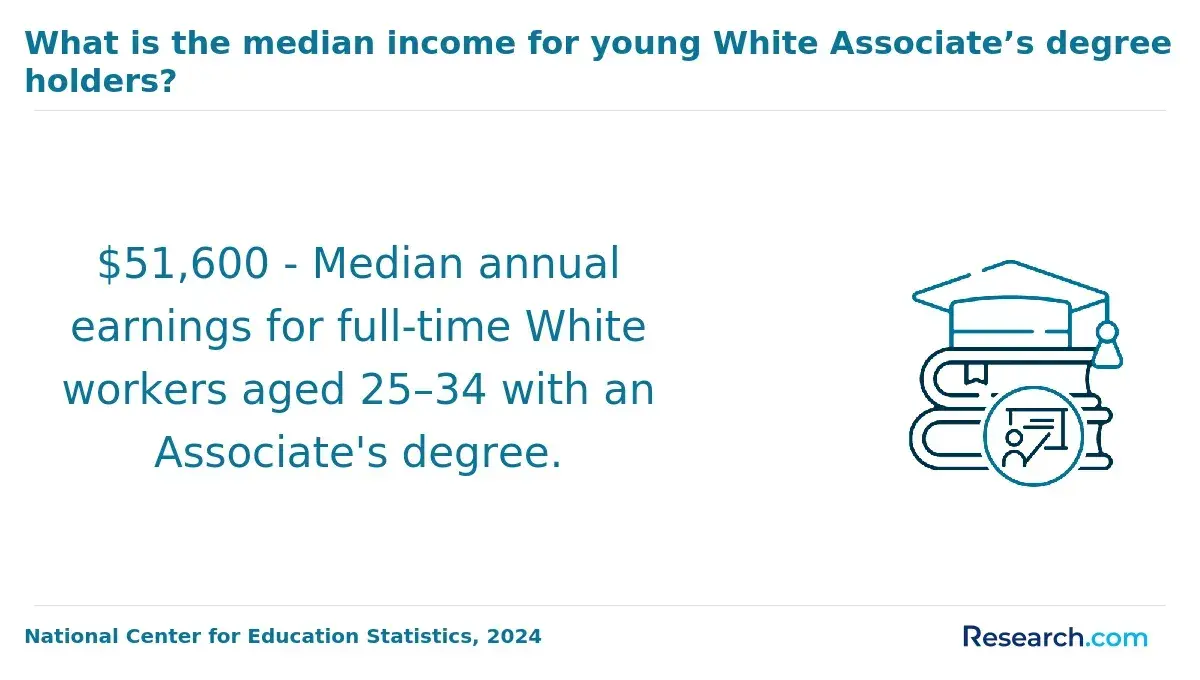
Earnings for administration graduates vary notably by degree level, reflecting not just credential prestige but the underlying qualifications employers require for different roles. For example, associate degree holders often start with median wages near $45,000 annually, a figure that suits entry-level or support positions but may limit advancement unless supplemented by experience or certifications.
Bachelor's degree holders typically see median pay rise to about $60,000, positioning them for mid-level management roles where a combination of academic foundation and practical skills are expected. This gap widens among master's degree holders, who commonly command salaries in the $70,000 to $80,000 range due to eligibility for supervisory and specialized administrative positions, especially in sectors where advanced certifications and strategic expertise are prioritized.
Interpreting these figures requires balancing potential income with time and financial investments in education, along with local labor market nuances. Unemployment rates tend to decrease as degree levels increase-for instance, under 3% for bachelor's level graduates versus around 5% for certificate holders-indicating stronger employer preference for more comprehensive qualifications.
Yet geographic location, transferability of credits between degree programs, and the pace at which working adults can complete advanced studies heavily shape actual returns. Those already in the workforce or military-affiliated must consider whether additional schooling delays earnings or unlocks higher roles over a realistic timeline. Ultimately, the decision to pursue higher degrees in administration hinges not solely on potential pay but on how well additional credentials align with career timing, employer expectations, and personal circumstances.
A recent graduate shared how initial plans to stop at an associate degree shifted after reviewing local job postings and industry feedback, which revealed a clear preference among employers for bachelor's credentials even in operational roles. This student hesitated due to concerns about doubling education time and costs but gradually recognized that transferring credits from their associate degree and enrolling part-time could make a bachelor's attainable without excessive disruption.
Which Administration Degree Level Offers the Strongest Employment Prospects?
Employment outcomes for administration credentials vary significantly based on degree level, with bachelor's degrees generally providing the most robust access to stable and diverse job opportunities. Employers increasingly treat a bachelor's as the baseline for many roles that previously accepted associate degrees or certificates, reflecting higher expectations for strategic thinking, leadership, and problem-solving skills.
For example, a candidate holding only an associate degree may secure quicker entry into support roles but face a much narrower career ceiling and lower median wages compared to someone with a bachelor's degree, whose completion-to-employment rate exceeds 85% within a year according to 2024 NCES data. While certificates and associate degrees can expedite workforce entry, they typically limit candidates to technician or assistant positions, where advancement requires either work experience or further education.
In contrast, master's and doctoral degrees open pathways to senior management, policy development, and specialized consulting roles but demand significant time and financial investment alongside competitive labor markets. These advanced credentials correlate with salaries 20-40% higher than bachelor's degree holders, although their value often depends on regional demand, relevant certifications, and professional experience, which can strongly influence employability in public administration or regulated sectors.
Choosing the right administration pathway depends on balancing immediate employment needs against long-term growth potential. Students aiming to enter the workforce quickly might start with certificates or associate degrees but should consider transferring credits toward a bachelor's to improve job prospects and earning power. Those able to pursue advanced degrees while working can leverage experience to secure leadership positions, but must weigh whether the narrower job market and credential inflation justify the additional education.
What Entry-Level Jobs Can You Get With a Administration Degree?
Entry-level administration jobs in the United States vary substantially depending on degree level, practical experience, and employer expectations. Candidates with an associate degree often find roles limited to clerical or support functions, which typically provide foundational skill-building but come with slower advancement. In contrast, those holding a bachelor's degree access a broader range of opportunities such as project coordination or office management positions that require stronger organizational competence and communication skills.
Employers frequently prioritize candidates with internship experience or demonstrated proficiency in office technology, reflecting a preference for individuals who can reduce onboarding time and immediately contribute to workplace efficiency. Licensure requirements rarely restrict entry into administration roles, but credentials like the Certified Administrative Professional (CAP) can enhance career mobility beyond initial hires.
Geographic and sector-specific conditions also influence access; metropolitan areas with diverse employers tend to offer more stable positions and remote work options, whereas rural locations may have fewer openings and limited growth potential. Data from the National Center for Education Statistics shows that around 57% of administration graduates with a bachelor's degree secure jobs related to their field within six months, illustrating the concrete advantage of targeted degree programs and practical exposure.
Students weighing degree options should interpret entry-level roles not only as immediate employment but also as stepping stones for skill acquisition, long-term mobility, and potential advanced study, which some pursue through pathways such as lMFT programs or specialized certificates.
How Do Administration Degree Levels Affect Career Advancement and Promotion Opportunities?
Degree attainment in administration critically shapes eligibility for supervisory roles and influences the trajectory of career advancement, particularly within organizations that enforce credential requirements for leadership tracks. Data from the National Center for Education Statistics in 2024 illustrates that employees with bachelor's degrees or higher are significantly more prone to secure mid- and upper-level management positions within five to seven years, compared to those holding associate degrees or certificates.
Employers commonly view bachelor's-level credentials as a baseline for roles demanding strategic oversight, financial management, and team leadership, while master's degrees often open doors to specialized leadership training emphasizing organizational change and development. These distinctions affect not only promotion timing but also access to licensure or professional certification prerequisites, especially in regulated sectors where continuing education complements degree credentials.
For working adults and transfer students balancing employment with education, bachelor's completion pathways serve as critical accelerators for leadership eligibility without sacrificing job continuity. Conversely, associate degrees predominantly prepare candidates for entry-level positions with fewer advancement prospects, highlighting a key tradeoff between immediate workforce entry and longer-term mobility.
Employers tend to evaluate candidates on the intersection of formal credentials, practical experience, and demonstrated skill acquisition, underscoring that a higher degree is a strategic tool rather than an automatic guarantee of promotion. The Integrated Postsecondary Education Data System's recent reports confirm a rising trend in adult learners leveraging transfer credits to build toward credentials that better align with internal promotion pipelines and employer expectations.
One administration student shared that after earning an associate degree and working two years in a healthcare system's administrative office, uncertainty about future advancement motivated enrollment in a bachelor's completion program. Despite hesitating whether the additional credential would materially change eligibility for supervisory roles, the student noticed formal job postings increasingly required bachelor's-level education, and supervisors cited those qualifications during internal review cycles.
Balancing coursework with ongoing job responsibilities was challenging, but the student found that progressing toward a bachelor's degree improved both confidence and competitiveness when applying for team lead positions, validating the decision to pursue higher-level credentials as a calculated step rather than an abstract ideal.
Is a Administration Degree Worth It Based on Salary, Employment, and ROI?
Salary outcomes for administration degree holders vary significantly by credential level, affecting the overall practical value of the degree. Those with a bachelor's degree generally command higher median wages and exhibit more stable employment trajectories than associate degree holders, whose roles often face automation risks and slower growth. For working adults or transfer students weighing return on investment for administration degrees, it is vital to consider how extended program lengths or part-time attendance can delay earning potential and increase opportunity costs.
Employment growth for administration degree holders aligns closely with credential requirements, with positions necessitating a bachelor's degree projected to expand faster than entry-level roles. Yet regional labor market demand and industry specialization can sway these figures, as healthcare administration, for example, tends to offer stronger wage and stability prospects compared to general office administration.
Adult learners or military-affiliated students should account for credential preferences and relevant certifications alongside degree completion time, as these factors affect career mobility and hiring outcomes. Students exploring advancement routes may also find value in comparing administration-related pathways with alternatives such as an online social work master's degree depending on personal career goals and local market dynamics.
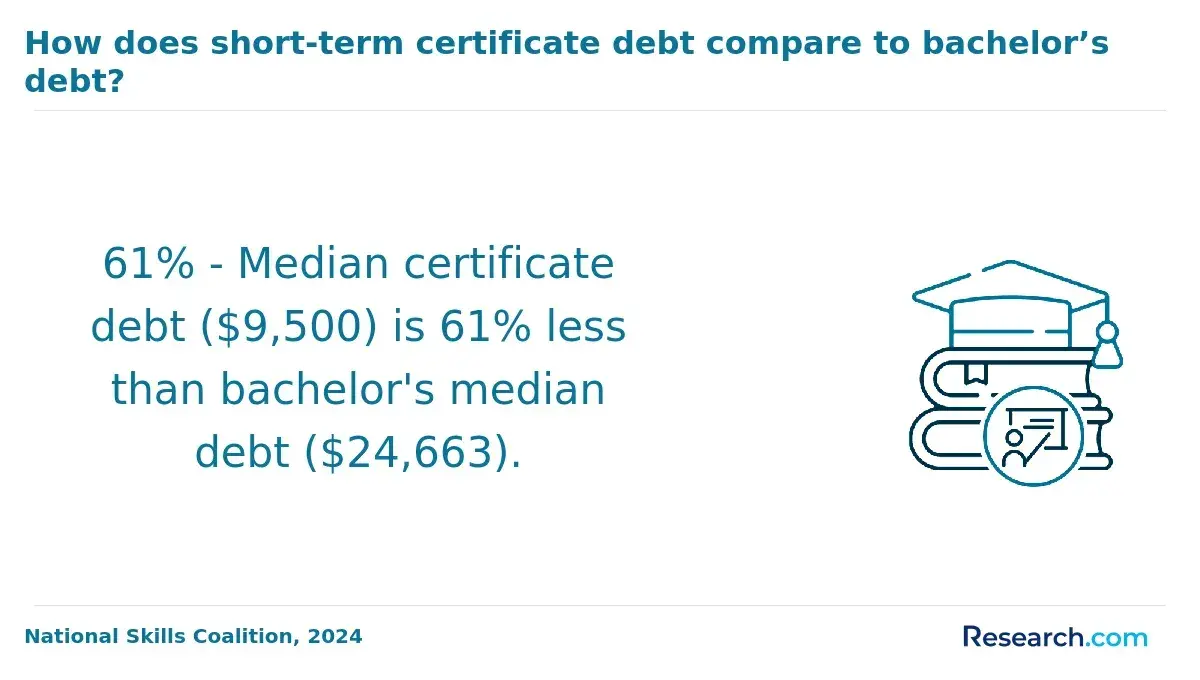
Ultimately, the decision to pursue further education in administration depends on the intersection of salary potential, employment stability, and program affordability. The median student debt burden for bachelor's degree holders in related fields can extend financial strain well beyond graduation if job placement is delayed. Hence, it is crucial to balance the expected pay premium against the costs of attendance and the typical time-to-degree for each credential level to ensure an informed, realistic approach to administration degree salary and employment outcomes.
How Do Associate, Bachelor's, Master's, and Doctoral Administration Degrees Compare?
Employers increasingly treat bachelor's degrees as the minimum credential for supervisory and mid-tier administrative roles, with roughly 78% of bachelor's graduates securing full-time administration jobs within a year, according to 2024 National Center for Education Statistics data. While associate degrees offer quicker labor-market entry and lower student debt, they often limit upward mobility and lead to less job stability compared to four-year credentials.
Transfer complexities can also hinder transitioning from associate to bachelor's programs, compelling many to weigh immediate employment against potential credential stacking and long-term career momentum. Master's degrees typically unlock access to senior leadership or specialized positions-such as policy advisors or department directors-particularly in sectors requiring licensure or certification, like healthcare or public administration.
Despite higher time and financial investments associated with graduate studies, this level often enhances strategic, legal, or financial competencies sought in executive roles. Doctoral studies cater mainly to those targeting top executive leadership, research, or academic positions, but the extensive commitment does not always translate to broader employment prospects outside niche areas, making the return on investment increasingly uncertain for many working professionals.
Labor market forecasts project a 7% growth in administrative management roles through 2030, favoring candidates who combine advanced credentials with practical experience. However, employers sometimes prioritize comprehensive skill sets over degree level alone, highlighting the value of credentials that complement hands-on expertise. Prospective students should critically assess how much additional education aligns with their specific career ambitions, balancing the time, cost, and completion risks of graduate or doctoral programs against the tangible professional gains each degree tier realistically offers.
Which Industries and Employers Hire Administration Graduates by Degree Level?
Employers differentiate hiring preferences for administration graduates based largely on degree level, often aligning these credentials with distinct operational needs and management responsibilities. Associate degree holders typically enter roles within retail, healthcare support, or government services focusing on entry-level administrative tasks, where practical experience can offset limited formal education.
By contrast, bachelor's degree graduates are recruited across finance, corporate business services, and education administration sectors, roles that demand supervisory skills, budgeting acumen, and project management capabilities. The tradeoff for many students is balancing earlier workforce entry against the potential delay and cost of pursuing higher-level credentials that open more advanced opportunities.
Graduates with master's degrees often target specialized sectors such as nonprofit management and healthcare administration, where strategic leadership, regulatory knowledge, and complex problem-solving are expected. According to the 2024 Occupational Employment and Wage Statistics, master's-level professionals are notably more likely to secure mid- to upper-management positions requiring nuanced understanding of compliance and human resources than those with lower credentials.
Doctoral graduates, meanwhile, tend to be concentrated in academia, research organizations, and consulting firms, roles demanding deep theoretical expertise and data-driven strategy development. Certificate holders commonly fill technical or narrowly focused roles in industries like logistics and telecommunications, where targeted skills can provide functional advancement without the time investment of a full degree.
Employer screening practices further shape hiring outcomes, often weighing experience and licensure alongside formal education. For example, public sector employers may accept associate degrees for certain administrative roles, particularly where organizational complexity is moderate, while private industries frequently prioritize bachelor's and master's degrees for leadership tracks. This landscape compels administration students to consider how their credential choices align with industry expectations and personal career timelines.
What Skills, Credentials, and Experience Improve Administration Career Outcomes?
Proficiency in both soft and technical skills distinctly shapes administration career outcomes, with communication, problem-solving, and adaptability increasingly prioritized alongside competencies like data analysis and project management software. At associate and bachelor's degree levels, combining foundational knowledge of organizational behavior with internships or apprenticeships significantly boosts employment prospects by providing practical context employers demand.
This blend of applied experience and academic credentials forms the baseline for entry and mid-level roles, aligning closely with observed patterns that experiential learning raises employment rates by around 15% within six months after graduation. Advancing to graduate-level credentials typically involves pursuing specialized certifications or licensure, such as Certified Administrative Professional (CAP) or Project Management Professional (PMP), which substantively enhance promotion potential and career stability.
Candidates often face tradeoffs weighing broad skill acquisition against focused credential stacking to meet employer expectations for leadership readiness and specialized expertise. Military experience or prior industry roles contribute transferable strategic and discipline-related skills, valued for leadership credibility, especially for good online colleges for military students navigating career transitions.
Documentation of tangible project outcomes or leadership roles via portfolio evidence can differentiate candidates in competitive advancement contexts where academic degrees alone insufficiently demonstrate practical impact. For adult learners and professionals balancing prior credits and work history, understanding how experience and certification impact administration employment outcomes is critical to making informed decisions that maximize career mobility and compensation throughout the education-to-employment trajectory.
Which Administration Degree Level Is Best for Your Career Goals?
An associate degree in administration often appeals to individuals seeking rapid workforce entry with lower tuition costs and manageable time commitments, though this path generally limits upward mobility and specialization options. For working adults or military-affiliated students balancing multiple responsibilities, associate credentials can provide essential skills for support roles but rarely suffice for supervisory or policy-making positions, where a bachelor's or master's degree is increasingly expected.
According to the U.S. Department of Education's 2024 Integrated Postsecondary Education Data System, bachelor's degree holders experience notably higher employment rates within a year of graduation compared to those with associate degrees. The best administration degree for career advancement depends on long-term goals and tolerance for opportunity cost, as master's programs typically open doors to specialized leadership tracks but require greater financial investment and time.
Adult learners aiming for career switch pathways benefit from bachelor's degree completion programs that accept prior credits, reducing redundant coursework and smoothing transitions. Meanwhile, master's candidates often carry heavier student debt burdens but gain deeper specialization and higher pay potential, aligning with industry demands for advanced credentials in mid- to senior-level positions. These realities underscore how degree choices affect employability, advancement potential, and salary prospects across the administration field.
For students comparing administrative credentials, understanding distinct tradeoffs is crucial. Those planning higher-level management roles must anticipate advanced degrees as a practical eligibility factor. Meanwhile, practical recognition of prior learning and structured credit transfer can optimize time-to-completion for career changers. To explore related credentials and salary outcomes, consider the insights provided by research on the paralegal degree landscape, which parallels many workforce dynamics in administration education.
References
- What jobs can Business Administration get you in 2026 https://vinuni.edu.vn/what-jobs-can-business-administration-get-you/
- entry - Tłumaczenie po polsku - Słownik angielsko-polski Diki https://www.diki.pl/slownik-angielskiego
- Careers in business administration: paths & opportunities https://pathwise.io/careers-in-business-administration/
- Planit : Career Areas https://www.planitplus.net/CareerAreas/View/1
- Entry-Level Jobs With a Business Administration Degree https://www.warnerpacific.edu/blog/top-entry-level-jobs-ba-business-administration/
- 7 Essential Administrative Skills That Will Boost Your Career https://www.zandax.com/education-blog/7-essential-administrative-skills-that-will-boost-your-career
- Business Administration Opportunities for Career Advancement https://online.maryville.edu/online-bachelors-degrees/business-administration/careers/opportunities-for-advancement/
- Career Paths with A Business Administration Degree & The Benefits Involved - Kingston Open College https://www.kingstonopencollege.co.uk/career-paths-with-a-business-administration-degree-the-benefits-involved/
- Business Administration Degree Salary | UE Amsterdam https://www.ue-amsterdam.com/blog/business-administration-degree-salary-how-much-can-you-earn
- Top 7 Administration Courses to Boost Your Career in 2026 - Blog | Summit Institute https://summitinstitute.ac.nz/blogs/administration-courses/
Other Things You Should Know About Administration
For many working adults, pursuing advanced administration degrees requires balancing significant time and financial investments with uncertain career returns. Master's and doctoral programs often demand a greater workload and may take multiple years to complete, which can impact current employment and income. Given that not all employers distinctly reward these degrees with higher pay or faster promotions, professionals should carefully assess whether their specific career trajectory and employer expectations justify the costs and time required.
While online and part-time administration programs offer necessary flexibility, especially for working students, some employers may perceive them differently based on program reputation and the rigor of the curriculum. Graduates should research how their target industries and companies view non-traditional formats, as the perceived learning experience and networking opportunities can vary and affect employability and advancement. Prioritizing programs with strong employer connections and accredited status can help mitigate risks associated with flexible delivery methods.
Associate and some bachelor's degrees in administration can open doors to entry-level roles but often limit long-term career mobility within competitive fields. Employers may require higher credentials for leadership positions or specialized roles, meaning graduates might face stagnant wages or a ceiling without further education. Prospective students should consider whether the immediate employment benefits align with their ambition for career growth or if investing in higher degrees sooner would better facilitate advancement.
Curriculum emphasis-such as on strategic leadership, technology integration, or regulatory compliance-differs widely between administration degree programs, impacting graduates' job readiness and sector fit. Programs with a narrow or outdated focus may limit graduates' adaptability in fast-evolving markets. Students should prioritize programs with practical, updated content aligned to current employer needs and their targeted career path to maximize the value of their education across degree levels.