2027 Administration Degree Enrollment Trends by Age Group: Traditional Students vs Adult Learners

Co-Founder and Chief Data Scientist
Age-specific enrollment disparities in administration degree programs reflect distinct career trajectories shaped by workforce demands and credentialing nuances. Traditional students primarily enter amid growing demands for entry-level supervisory roles, with the Bureau of Labor Statistics projecting a 9% increase in management occupations through 2032. Meanwhile, adult learners often pursue administration qualifications to overcome credential inflation and shift careers amidst economic disruptions.
These factors influence program accessibility, with practicum and portfolio requirements disproportionately affecting nontraditional students balancing employment and study. The measurable dominance of adult learner enrollments signals evolving employer expectations and a sector increasingly reliant on experienced professionals updating their formal credentials for upward mobility.
Key Things to Know About Administration Degree Enrollment Trends by Age Group
- Enrollment among traditional college-age students in administration programs declined by 12% since 2023, reflecting increased workforce entry preference over extended education, which limits early career credential accumulation.
- Adult learners, now 45% of enrollees, often balance education with employment, causing extended program durations; employers increasingly value demonstrated experience, potentially diminishing the relative impact of degree speed.
- Rising tuition inflation disproportionately affects older enrollees financing studies independently, introducing cost-timing tradeoffs that influence whether to pursue full degrees or targeted certifications within administration fields.
- Key Things to Know About Administration Degree Enrollment Trends by Age Group Key Things to Know About Administration Degree Enrollment Trends by Age Group
- Which Age Groups Represent the Largest Share of Administration Students? Students by Age Group
- Why Do Traditional Students Choose Administration Degree Programs? Traditional Students
- Why Do Adult Learners Return to School for a Administration Degree? Adult Learners
- How Do Academic Goals Vary Between Younger and Older Administration Students? Academic Goals by Age Group
- How Do Financial Concerns Differ Between Traditional Students and Adult Learners? Financial Concerns by Age Group
- What Challenges Do Adult Learners and Traditional Students Face While Earning a Administration Degree? Student Challenges by Age Group
- How Does Age Affect Administration Degree Student Retention? Age and Student Retention
- Which Administration Specializations Are Most Popular Among Adult Learners? Top Specializations for Adult Learners
- How Does Age Affect Job Opportunities for Administration Graduates? Impact of Age in Job Opportunities
- What Do Current Administration Enrollment Trends Reveal About Future Demand? What Do Current Administration Enrollment Trends Reveal About Future Demand?
Which Age Groups Represent the Largest Share of Administration Students?
Administration programs draw students spanning various life stages, but enrollment is often concentrated in distinct age brackets shaped by differences in career onset, financial capacity, and educational access. These age distributions mirror larger workforce and educational systems rather than mere academic preference.
Enrollment patterns in administration reflect how learners navigate transitions from secondary education to the labor market and how mid-career professionals adjust to evolving economic demands. Understanding these dynamics sheds light on why certain age segments dominate administration degree participation.
- Ages 18-24: This group typically represents the largest enrollment share due to the conventional academic pipeline, where recent high school graduates pursue administration degrees as foundational credentials. Free from extensive work or family obligations, they engage in campus-based, full-time study, often with an eye toward immediate entry into management roles. Their presence aligns with broader higher education trends observed by the National Center for Education Statistics, showing younger students as the primary population across many degree programs.
- Ages 25-34: Adult learners in this range increasingly populate administration enrollments, drawn by the necessity to upskill or pivot careers amid changing economic conditions. Many balance part-time or online formats to maintain employment, reflecting a practical, experience-oriented approach. This segment's growth signals employer demand for applied leadership skills, often supplementing existing work expertise without requiring a traditional academic timeline.
- Ages 35 and older: Enrollment here tends to be smaller but meaningful, representing professionals deepening or redirecting their administration skills later in their careers. Their participation is driven by targeted goals, such as leadership development or specialization, rather than foundational education. Financial considerations and life commitments often constrain full-time study, making flexible program structures essential to their involvement.
The enrollment distribution of administration degree students by age highlights not only demographic differences but also the alignment of educational pathways with career strategies and labor market realities.
Adult learners, in particular, seek credentials that complement rather than replace experience, emphasizing program accessibility and timing. These trends correspond with shifts in workforce participation where ongoing skill acquisition is necessary for maintaining competitiveness.
For prospective administration students analyzing these patterns, it is critical to weigh how age-related circumstances influence availability, motivation, and employer expectations. Those navigating choices may also benefit from reviewing the best college majors for the future to align educational decisions with sustainable career outcomes.
Why Do Traditional Students Choose Administration Degree Programs?
Traditional students pursuing administration degrees are often drawn by the perceived versatility and practical application of these programs within early career planning. Their academic interests typically align with developing foundational management, organizational, and leadership skills that signal readiness to employers across multiple sectors.
Choosing administration programs allows them to explore early career pathways in business, public service, or nonprofit work while building a credential that supports lateral mobility. Labor market analyses show that administration-related roles are projected to grow by around 7%, reinforcing the appeal of administration degrees as a pragmatic option for those anticipating stable employment opportunities.
Deeper influences on why traditional students choose administration programs include structured university recruitment pathways and targeted guidance and counseling that highlight the field's alignment with broad career prospects. Exposure to administration topics in high school or even 6 week college courses often shapes interest by demonstrating real-world applications and underscoring job market stability.
This guidance typically emphasizes hands-on learning, internships, and clear post-graduate trajectories, which legitimize administration as a strategic choice within an increasingly complex employment landscape.
Additionally, many employers in sectors like healthcare and government look for candidates with administration acumen, making these degree pathways particularly relevant for students evaluating practical outcomes early in their educational journeys.
Why Do Adult Learners Return to School for an Administration Degree?
Adult learners typically return to pursue an administration degree driven by practical considerations tied to career progression, wage enhancement, and occupational shifts. Unlike recent high school graduates, these students often arrive with extensive work experience and clearer goals centered on moving into supervisory or managerial roles.
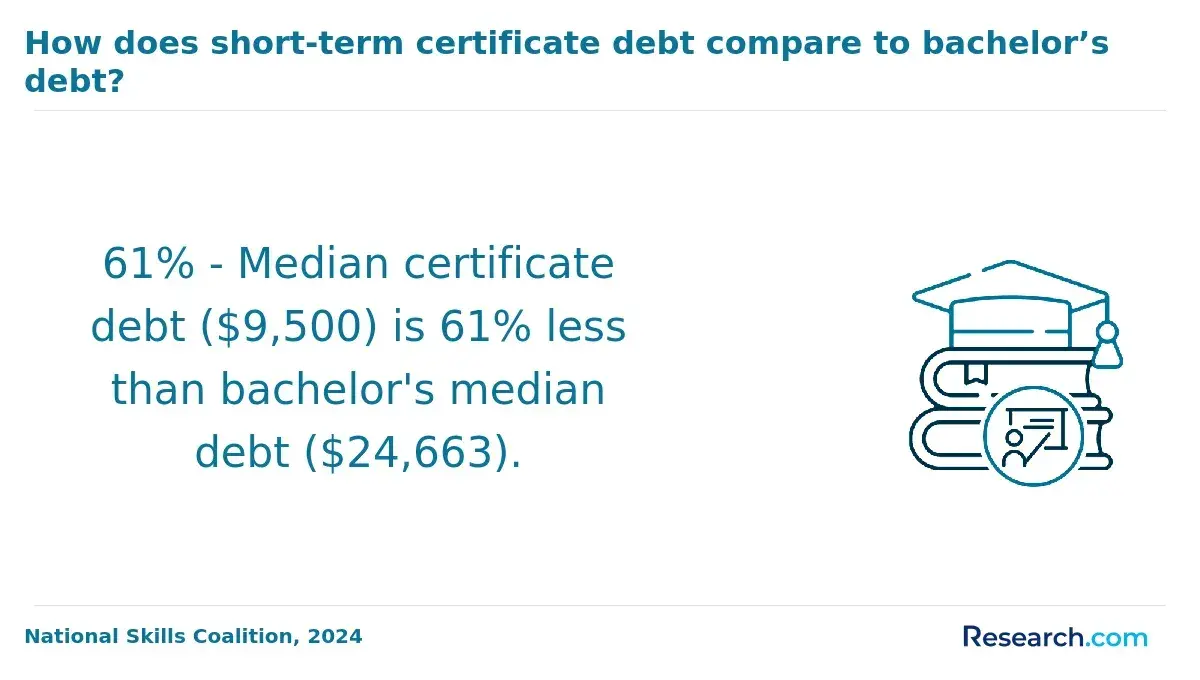
The credential provides a necessary signal to employers, verifying leadership and business acumen, especially in sectors where formal qualifications increasingly dictate eligibility for advancement. According to the National Center for Education Statistics 2024 report, about 60% of adult degree recipients cite career-related motivations as the main reason for re-enrollment, underscoring the degree's role in facilitating upward mobility amid evolving job requirements.
Additional dynamics influencing this return include the expanding availability of flexible program formats such as online and hybrid classes, which accommodate adults juggling employment and family responsibilities. Employer-sponsored tuition benefits and the need to stay current with shifting industry standards also play significant roles in decision-making.
Many fields represented by administration graduates demand ongoing skill refreshment in areas like strategic planning and organizational communication, making continued education essential to maintain relevance. These contextual factors combine with broader trends in credential inflation and lifelong learning, pressuring adult learners to secure formal credentials to remain competitive in increasingly credential-dependent labor markets.
How Do Academic Goals Vary Between Younger and Older Administration Students?
Younger administration students often engage with their studies from a perspective centered on exploration, broad skill development, and establishing foundational knowledge crucial for early career entry. Their academic goals typically emphasize preparing for entry-level positions or internships that offer practical exposure in diverse organizational settings.
This exploratory phase reflects the 2024 National Center for Education Statistics finding that 58% of traditional-age administration students prioritize foundational learning and career exploration. Such students frequently seek networking opportunities and extracurricular involvement to build versatile resumes, viewing their degree as a stepping stone toward multiple potential career paths or further graduate education.
In contrast, adult learners returning to administration programs usually approach their education with sharply defined objectives tied to immediate professional outcomes. The same NCES data shows that 72% of adult administration students pursue degree completion primarily for advancement within current careers, salary improvement, or to obtain specific credentials relevant to their workplace.
Their academic focus narrows toward specialized knowledge application and skill sets that support transitions into leadership roles or new occupational niches. Balancing education alongside full-time jobs and family responsibilities, these students often prefer flexible schedules and targeted coursework that minimizes time investment while maximizing tangible career benefits.
For example, an adult student who re-enrolled after a decade in middle management described navigating the rolling admissions process with cautious timing. Initially hesitant about applying, she delayed submission until securing clarity on financial aid and course schedules compatible with her job demands.
Once admitted, the relief of having a structured, flexible program aligned with her career goals reinforced her decision to balance studies with work. Her experience underscores how older learners weigh practical constraints and immediate professional impact when setting academic priorities, differing fundamentally from the exploratory mindset typical of younger peers.
How Do Financial Concerns Differ Between Traditional Students and Adult Learners?
Traditional students pursuing an administration degree often depend on a combination of family support, federal student loans, and scholarships to finance their education. Their financial concerns typically revolve around managing tuition costs and understanding the long-term implications of debt accumulation.
According to the National Center for Education Statistics, about 70% of traditional students take out federal loans, often at lower overall amounts due to shorter study durations and fewer external financial obligations. This dynamic places emphasis on how these younger learners navigate tuition expenses alongside the prospect of debt that may impact wealth-building over time, reflecting key financial challenges faced by traditional vs adult learners.
Adult learners, however, face a more complex financial landscape marked by the immediate impact of foregone income, childcare expenses, and mortgage payments. The Strada Education Network highlights that over 55% of adult learners experience significant financial strain linked to lost wages and added family responsibilities when enrolled in degree programs.
Many also weigh the availability of employer tuition assistance against the opportunity costs of reduced work hours or the necessity of part-time enrollment. These factors shape debt tolerance and enrollment decisions differently than they do for traditional students, affecting how adult learners assess comparative tuition concerns for administration degree students and their return on investment within compressed timelines.
The financial realities between these cohorts influence enrollment patterns and program preferences, including the increasing appeal of flexible or online formats, such as accelerated paths found in some specialized areas.
For prospective students evaluating educational pathways, considering both the immediate and long-term financial tradeoffs is essential for aligning education with career goals. Those interested might also explore an accelerated masters in psychology as an example of how program design can intersect with financial and scheduling priorities across learner demographics.
What Challenges Do Adult Learners and Traditional Students Face While Earning an Administration Degree?
Traditional students pursuing an administration degree often confront challenges tied to transitioning from structured high school frameworks to more autonomous learning environments. This shift requires them to quickly develop effective time management and self-discipline, skills critical for academic progression but sometimes lacking due to their relative inexperience.
Financial pressures also loom large, as many rely on part-time work alongside coursework, complicating their ability to engage fully with studies and campus life. Social adaptation issues and mental health concerns tied to identity exploration can further impact their focus and persistence within academic programs.
In contrast, adult learners face a markedly different set of obstacles rooted in their broader life roles and responsibilities. Balancing full-time employment and often caregiving duties significantly restricts the time and energy they can allocate to academic commitments, with 62% managing multiple roles according to recent National Center for Education Statistics data.
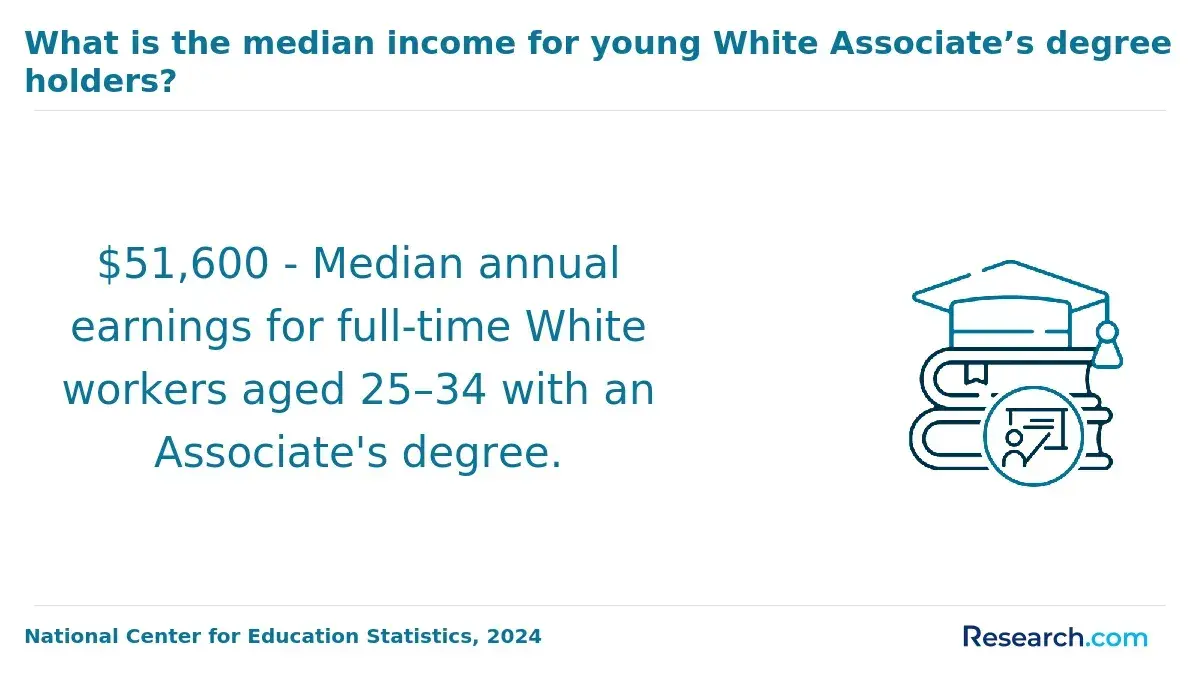
Returning to academic settings also demands updating skills in technology and research methods, areas where they may encounter steep learning curves compared to younger peers. Financial burdens tend to be heavier for adult learners, given higher tuition rates per credit and limited access to traditional financial aid, adding practical constraints that affect enrollment and completion rates.
Institutions offering administration programs increasingly recognize these divergent needs by adapting support services and delivery formats. Flexible scheduling, online or hybrid coursework, and targeted advising aim to accommodate adult learners' complex schedules while offering traditional students structured guidance and community engagement.
Tailoring academic resources and financial planning assistance to each group's distinct challenges remains essential to improving outcomes, as the variable time availability and external pressures significantly shape how both populations navigate their degree pathways and ultimately succeed.
How Does Age Affect Administration Degree Student Retention?
Retention challenges for younger administration students often stem from the transitional demands of adapting to higher education's academic rigor and campus dynamics. Many in this group navigate fluctuating motivation as they explore various interests while forming professional identities, which can dilute focus on degree completion.
Additionally, insufficient preparation for time management and the self-discipline required in college settings contributes to retention rates hovering around 60% during the first year. These factors highlight how early engagement with structured learning and institutional support systems plays a critical role in sustaining enrollment among traditional college-age students.
Older administration students generally show higher persistence, with retention rates near 72%, aided by clear career objectives and work experience that reinforce their commitment to finishing the program. However, this demographic faces notable obstacles balancing education with competing responsibilities like employment and family obligations, which can strain their ability to maintain consistent enrollment without flexible scheduling and accessible support.
Their retention reflects a complex dynamic where goal-oriented focus coexists with practical constraints, underscoring the importance of institutions tailoring offerings such as online courses and adaptable deadlines to accommodate adult learners' lifecycle demands.
One graduate recalled hesitating during the rolling admissions cycle, uncertain whether to apply immediately due to incomplete work documentation and shifting job commitments. Aware that delaying enrollment might jeopardize prioritization, they balanced urgency against readiness, ultimately submitting an application after securing confirmation on employer tuition assistance.
This measured approach allowed them to enter the program equipped with clearer financial support and time management plans, illustrating how timing and preparation critically shape an older student's decision-making and persistence in administration studies.
Which Administration Specializations Are Most Popular Among Adult Learners?
Adult learners pursuing administration degrees tend to select specializations that directly align with urgent career goals such as upward mobility, industry transition, or skill updating. These students often bring substantial professional experience and seek fields that maximize the immediate applicability of their studies, improving job security and salary potential.
Preferences reflect pragmatic choices aimed at enhancing existing roles or pivoting to in-demand sectors, distinguishing them from younger students more inclined toward broad or theoretical administration paths.
- Healthcare Administration: This remains the leading specialization due to the healthcare sector's expansive growth and evolving regulatory demands. Adult learners attracted to healthcare administration typically leverage prior experience to move into leadership roles within medical organizations, driven by stable employment prospects and competitive compensation. More than 30% of adult students in administration programs choose this path, indicating clear workforce demand.
- Human Resources Management: Focused on talent acquisition, compliance, and organizational behavior, HR management appeals to professionals aiming to formalize and advance HR-related careers. Many enrollees have workplace exposure to HR functions and select this specialization to sharpen skills in managing workforce dynamics and regulatory complexity, which supports promotion and salary growth.
- Project Management: Adult learners often seek project management specialization for its practical frameworks applicable across industries. This path suits individuals experienced in overseeing initiatives who require formal credentials to validate their capabilities and facilitate leadership roles that demand effective process optimization and outcome measurement.
- Business Analytics: Increasingly popular among data-informed decision makers, this specialization attracts adults aiming to complement their operational roles with analytical skills. It supports transitions into roles focused on interpreting complex business data to guide strategy, enhancing job versatility and growth potential.
- Supply Chain Management: This field draws those with backgrounds in logistics or operations, providing methods to optimize resource flows. Adult learners use this specialization to meet rising employer needs for efficient supply networks, strengthening both their tactical expertise and managerial standing.
Adult learners weigh the labor market alignment of administration degree specializations carefully, preferring those that deliver tangible career outcomes within a compressed timeframe. This selectivity contrasts sharply with that of younger peers and reflects a distinct strategic approach to education based on work experience and clear objectives.
For students exploring degree options, considering fields with practical applicability and robust demand, such as healthcare administration or project management, can be critical to realizing long-term professional advancement.
Supplementary fields aligned with the practical needs of adult learners include nonprofit administration, which attracts mission-driven professionals, and evolving technical areas increasingly integrated into administration curricula.
Prospective students might also investigate related credentials to complement their administration studies, such as those in graphic or creative fields; for example, those evaluating interdisciplinary pathways can consult resources on a graphic design bachelor degree to understand skills that boost versatility in diverse workforce contexts.
How Does Age Affect Job Opportunities for Administration Graduates?
Younger administration graduates most often benefit from structured entry points into the workforce, such as internship pipelines and entry-level programs designed for recent degree recipients. Employers frequently prioritize these traditional students for roles requiring current academic knowledge and flexibility in relocation or work hours.
According to data from the U.S. Bureau of Labor Statistics in 2024, younger graduates encounter a competitive job market but can leverage employer preferences for fresh graduates with up-to-date skills. This dynamic shapes how administration graduate job prospects by age group tend to favor early career positioning through initial employer investment in developing talent within defined career ladders.
Older administration graduates bring a distinct profile shaped by prior work experience, transferable skills, and often clearer career transition objectives, which can translate into faster access to mid-level or specialized roles. However, these candidates may face employer biases related to adaptability or perceived overqualification, affecting some opportunities despite their practical advantages.
Research from the National Center for Education Statistics highlights how adult learners leverage professional networks and adult education resources to navigate these challenges. This interplay between age and opportunity underscores the impact of career lifecycle and workforce segmentation in shaping the impact of age on administrative career opportunities.
For those considering flexible degree routes, reviewing the best accelerated project management degree programs online can offer insights into relevant educational pathways supporting diverse student needs.
What Do Current Administration Enrollment Trends Reveal About Future Demand?
Changes in enrollment patterns within administration degree programs reveal shifting perceptions about career trajectories and educational value among different student groups. While traditional college-age students show relatively stable or slightly declining enrollment, a noticeable increase in adult learners re-engaging with education highlights a growing recognition of administration degrees as tools for career transition and skill upgrading.
This demographic shift points to a broader acceptance of flexible, online, and part-time program formats that better align with working professionals' needs. According to recent data from the National Center for Education Statistics, enrollment of adult learners in administration-related fields has risen by approximately 12% since 2021, indicating a redefined market interest that values practical business competencies balanced with academic grounding.
These enrollment trends are tightly linked to evolving labor market demands where managerial roles are projected to expand by 7% over the next decade, especially within healthcare, technology, and service industries facing workforce shortages. Employers increasingly seek candidates combining experiential knowledge with updated industry-relevant skills, a demand reflected in higher education's pivot toward stackable credentials and hybrid learning models.
This confluence of workforce needs and student profiles suggests continued program growth focused on specialization and accessibility, with enrollment data serving as a leading indicator of which segments and delivery formats will remain viable in preparing graduates for a dynamic administration labor market.
References
- 5 Strategies to Boost Student Retention in Higher Education https://moderncampus.com/blog/factors-affecting-student-retention.html
- Two Views of Adult Student Retention: Small Liberal Arts Institutions | UNBOUND https://unbound.upcea.edu/leadership-strategy/continuing-education/two-views-of-adult-student-retention-small-liberal-arts-institutions/
- 5 Enrollment Trends You Need to Know for 2025 https://www.ruffalonl.com/events/5-enrollment-trends-you-need-to-know-for-2025/
- Top 5 Reasons Why Adults Go Back to School https://www.georgefox.edu/adult-degree/articles/back-to-school-reasons.html
- When the Exception Becomes the Norm: The Rise of Nontraditional Students in Higher Education | Manhattan Institute https://manhattan.institute/article/rise-of-nontraditional-students-in-higher-education
- It’s Time to Prepare for the Future of Graduate Enrollment https://encoura.org/resources/wake-up-call/its-time-to-prepare-for-the-future-of-graduate-enrollment
- Business School Enrollment Shifts From Growth to Strategic Transformation | Insight Into Academia https://insightintoacademia.com/business-school-enrollment-shifts/
- Adult Postsecondary Learners: Reviewing the Data and Evidence https://www.jff.org/idea/adult-learners/
- Trump's Impact (So Far) On B-School Application Trends, Explained In 9 Charts https://poetsandquants.com/2025/07/20/trumps-impact-so-far-on-b-school-application-trends-explained-in-9-charts/
- Adult learners: who they are and what they want out of college | EAB https://eab.com/resources/blog/adult-education-blog/adult-learners-who-they-are-what-they-want-college/
Other Things You Should Know About Administration
Traditional students usually benefit from in-person interaction and a campus environment that supports networking, which can enhance engagement in administration programs. Adult learners, however, may find online or hybrid formats more practical but risk missing spontaneous collaboration opportunities valued by employers. Institutions must offer support structures tailored to these modalities to ensure learning retention and practical skill application align with workplace expectations for all age groups.
Traditional students often enter programs with limited work experience, so prioritizing internships and experiential learning components can compensate for this gap and improve employability. Overemphasizing academic theory without practical exposure may hinder readiness for administration roles that increasingly expect applied skills. Integrating hands-on projects and employer partnerships within the curriculum is critical for these students to meet real-world demands effectively.
Employers may expect adult learners to leverage their prior experience when pursuing advanced or niche administration specializations, favoring candidates who align credentials with demonstrated expertise. Conversely, younger students without extensive backgrounds should often prioritize broad, foundational tracks to maximize entry-level opportunities. Strategic specialization choice aligned with career stage and employer needs is crucial; adult learners should focus on areas enhancing immediate job performance, while traditional students benefit from versatility.