2027 Administration Salary Trends Report: Are Wages Keeping Up With Tuition and Inflation?

Co-Founder and Chief Data Scientist
A prospective administration student or recent graduate often faces a difficult question: does the financial return on an administration degree justify the soaring costs of higher education and the persistent impact of inflation? Tuition fees have risen steadily, but salaries upon graduation may not always keep up.
This gap can complicate decisions about whether pursuing an administration degree offers a viable path to career growth and financial security. Comparing graduate salaries with education costs and inflation rates has become crucial for realistic assessments of a degree's value.
Salary growth, education expenses, and inflation rarely increase in sync, which affects the true purchasing power of earnings over time. Considering only salary numbers without context may obscure long-term earning potential and affordability.
Analyzing these interconnected trends helps clarify the real economic tradeoffs involved in earning an administration degree. This article examines salary trends, tuition costs, inflation, return on investment, affordability, and the factors shaping the long-term financial value of an administration degree.
Key Things to Know About Administration Salary Trends
- Recent 2024 data shows graduate salaries in administration have lagged 5% behind inflation-adjusted tuition rises, indicating wage gains often do not offset increasing educational costs over time.
- Long-term earning potential hinges on specialization within administration fields; managerial and policy roles demonstrate 20% higher wage growth than generalist positions, affecting return-on-investment calculations.
- Economic volatility and technological disruptions reshape demand for administration skills, emphasizing adaptability as a critical factor for sustaining salary progression beyond initial graduate paychecks.
- Key Things to Know About Administration Salary Trends Key Things to Know About Administration Salary Trends
- What Is the Current Salary Outlook for Administration Graduates? Salary Outlook
- Are Administration Salaries Keeping Up With Inflation? Inflation Impact
- How Do Tuition Costs Compare With Administration Salary Growth? Tuition vs Salary
- Does a Administration Degree Deliver a Positive Return on Investment? Degree ROI
- Which Industries Offer the Highest Salaries for Administration Graduates? Which Industries Offer the Highest Salaries for Administration Graduates?
- Which States and Cities Offer the Highest Pay for Administration Professionals? Which States and Cities Offer the Highest Pay for Administration Professionals?
- How Do Administration Salaries Grow Throughout a Career? Career Growth
- How Do Administration Salaries Compare With Similar Degrees? Salary Comparison
- How Is Employer Demand Affecting Administration Salary Trends? Employer Demand
- How Can Students Maximize Their Lifetime Earnings With a Administration Degree? Maximizing Earnings
What Is the Current Salary Outlook for Administration Graduates?
The administration graduate salary trends 2024 reveal a nuanced reality shaped by stagnating wage growth relative to inflation and rising educational costs. According to the U.S. Bureau of Labor Statistics, median annual earnings for administrative services managers hover around $102,590, reflecting moderate increases but falling short of keeping pace with the Consumer Price Index's 4-5% inflation rate.
This disparity implies that while salaries nominally improve, their actual purchasing power may erode, particularly affecting recent graduates facing rising tuition debt and living expenses.
Consider two recent administration graduates: one chooses human resources, starting near the average $55,000 entry-level salary reported by the National Association of Colleges and Employers, while the other pursues project coordination in a high-demand sector.
Despite similar academic backgrounds, their salary trajectories may diverge significantly, influenced by industry, geographic location, and experience accumulation. This illustrates why the current earnings outlook for administration degree holders should not be assessed solely on initial salaries but viewed through the lens of long-term career progression and sector-specific job demand.
Graduates who navigate their careers strategically, leveraging professional development and performance, often access salary growth opportunities exceeding headline starting figures. Moreover, considering alternatives such as flexible learning options through online masters programs might reduce education costs and expedite earning potential.
Ultimately, understanding administration graduate salary trends 2024 requires balancing realistic entry-level expectations with an appreciation for evolving job market conditions and personal career management strategies.
Are Administration Salaries Keeping Up With Inflation?
Nominal wage growth for administration-related occupations has averaged about 4.3% annually over the past two years, slightly outpacing the Consumer Price Index inflation rate of roughly 3.8%, according to the U.S. Bureau of Labor Statistics Employment Cost Index.
However, these headline figures can be misleading because they fail to account for regional cost differences and rising expenses beyond general inflation, such as housing, healthcare, and education. A recent graduate working in administration in a high-cost city might see their salary rise by 4% but face rent increases exceeding 7%, effectively shrinking their real purchasing power despite a higher paycheck.
This divergence illustrates how administration salary trends versus inflation rates often conceal the challenges workers face in maintaining economic stability. When adjusted for these broader cost pressures, real wages may be flat or slightly negative, which means that even as salaries look like they are keeping pace, the financial burden on administration professionals remains heavy.
Additionally, soaring tuition costs mean students or career changers pursuing an administration degree must consider whether these modest wage gains justify the investment, especially when weighted against tuition inflation that outstrips salary increases. Exploring options like an affordable online bachelor's degree can help manage these costs but is one of many factors prospective students must weigh.
Ultimately, these dynamics highlight the complex factors influencing whether administration salaries are truly keeping pace with rising tuition and everyday expenses. Industry-specific wage growth data alone does not capture the varying economic realities professionals face, underscoring the need for a nuanced examination of net earning potential after inflation and escalating costs are considered.
For those evaluating an administration career, understanding how these elements interact is critical to making informed decisions about education and long-term economic well-being.
How Do Tuition Costs Compare With Administration Salary Growth?
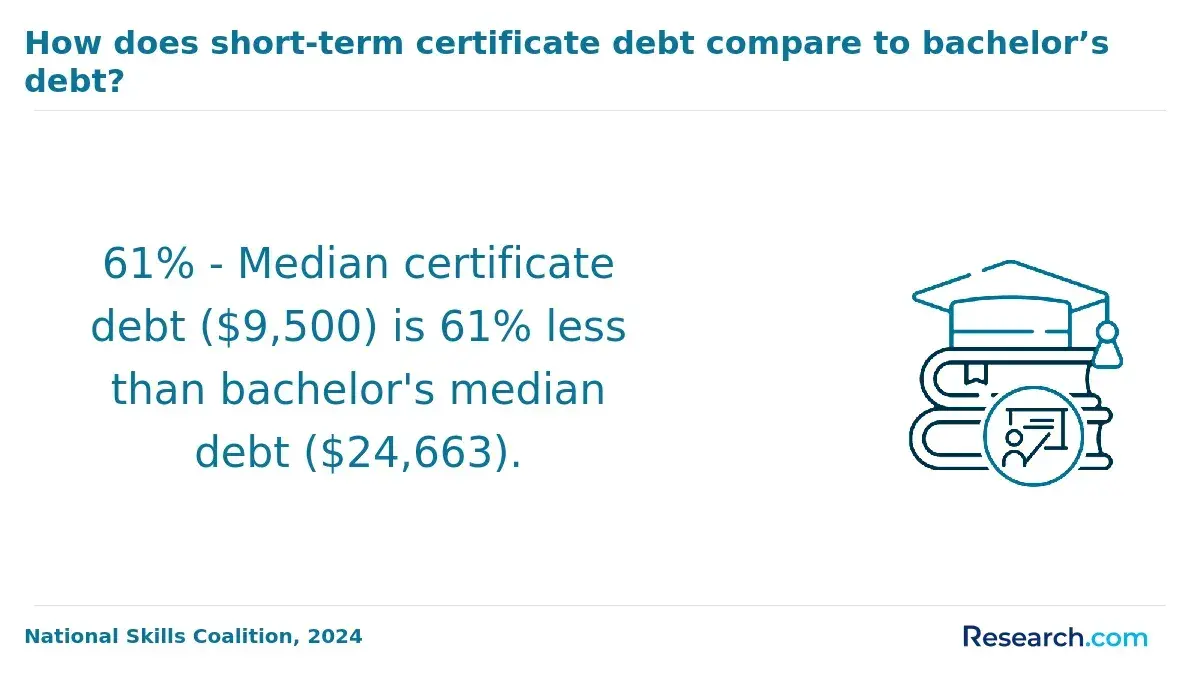
Examining tuition increases alongside salary growth for administration graduates offers a clearer picture of the degree's financial viability than observing either metric alone. Average tuition at public four-year schools has grown by about 3.5% annually over the last five years, according to the National Center for Education Statistics, outpacing inflation at 2.8%.
Meanwhile, starting salaries for administration graduates have only risen around 2.2% per year in nominal terms, based on Bureau of Labor Statistics data. This gap means that a student beginning an administration degree today is likely to face a heavier upfront cost relative to their initial earning potential, complicating repayment and return-on-investment calculations when considering tuition compounding over four years.
Mid-career salary growth at roughly 3.1% annually, reported by Georgetown University's Center on Education and the Workforce, narrows but does not close this gap. Factors like regional job markets, institutional reputation, and specialization within administration profoundly influence how tuition and salaries compare for individual students.
For instance, one student attending a higher-cost urban university may encounter greater debt burdens with modest early salaries, while another at a lower-cost institution or in a strong job market could see better alignment between costs and earnings. Hence, evaluating this relationship demands nuanced, personalized financial planning beyond surface-level statistics.
One graduate recalls hesitating before enrolling as tuition had risen sharply, while early career positions paid below expectations. They carefully weighed opportunities for internships and network building to boost mid-career prospects.
Though initial months felt financially tight, strategic specialization eventually led to salary gains aligning more closely with education costs, mitigating early concerns. Their experience underscores how decisions around timing, location, and earning opportunities can make the difference between tuition becoming an overwhelming burden or a manageable investment.
Does a Administration Degree Deliver a Positive Return on Investment?
Return on investment (ROI) for an administration degree should be evaluated by weighing the total costs of education-tuition, fees, and potential debt-against long-term career earnings, advancement opportunities, and job market resilience rather than relying solely on entry-level salary figures.
For example, a graduate who finances their degree primarily through loans at an increasingly high tuition rate may face delayed financial benefits despite starting with salaries above the national median, as reported by the National Center for Education Statistics and the U.S. Bureau of Labor Statistics in 2024. This scenario highlights how rising education expenses combined with inflation can extend the time needed to recoup investments, making the ROI highly sensitive to how education costs are managed.
Several factors influence whether an administration degree yields a positive ROI. Graduates entering public administration might accept lower initial salaries compared to their private-sector counterparts but gain in job security, pension plans, and non-wage benefits-all vital but often overlooked components of total compensation.
Additionally, shifts toward remote work and an increasing emphasis on technology and strategic management skills are reshaping demand, potentially enhancing long-term salary growth for administration graduates aligned with these trends.
According to data from the Postsecondary Education Research Center in 2024, while administration degrees generally confer earnings premiums relative to general degree holders, the variability across industries and roles means prospective students must carefully consider sector trends and educational financing to optimize returns.
Which Industries Offer the Highest Salaries for Administration Graduates?
Graduates with administration degrees face an essential decision: which industries best maximize their salary potential against the backdrop of rising tuition and economic challenges. Data from the U.S. Bureau of Labor Statistics (BLS) and 2024 salary reports from the National Association of Colleges and Employers (NACE) indicate clear leaders in wage competitiveness for administration-related roles.
For administration students and recent graduates, understanding where the demand and pay intersect is key to evaluating the real return on investment of their education. The following industries typically provide the highest salaries for administration graduates:
- Finance and Insurance: This sector leads in compensation due to the complexity of financial operations and regulatory compliance. Roles such as financial managers and compliance officers are common, requiring strong analytical skills and regulatory knowledge, which drive salaries well above national medians.
- Technology: Technology firms demand administration professionals adept in project management and business analysis as digital transformation accelerates. The need for operational efficiency and strategic planning rewards administration graduates with competitive pay and opportunities for advancement.
- Healthcare: Growing populations and expanding health services fuel demand for healthcare administrators, particularly in hospital management and healthcare services coordination. Administration graduates in this field benefit from both strong wages and sector stability amid ongoing healthcare reforms.
- Professional, Scientific, and Technical Services: Management consulting, legal administration, and engineering management roles provide lucrative salaries here. This industry values industry-specific knowledge combined with advanced organizational skills, enhancing compensation prospects for administration professionals.
- Manufacturing and Wholesale Trade: As companies streamline supply chains and operations, administration roles focused on process optimization often receive bonuses and salary increases. The sector rewards graduates who improve efficiency and profitability with higher wages.
- Education: Though an important employer of administration graduates, the education sector generally offers lower salaries compared to finance, technology, and healthcare. Rising tuition costs ironically put upward pressure on earnings expectations that these roles often do not meet.
For example, an administration graduate weighing a position in healthcare administration may experience more stable long-term employment but lower initial pay compared to finance.
Conversely, entry into finance or technology might offer better salary growth but demand rapid adaptation to shifting regulatory or technological environments. Prospective administration students should also consider professional certifications or specialized skills to enhance their value in these high-paying sectors.
Those interested in expanding their qualifications might explore programs such as an art therapy certification as a complementary skill set, depending on their targeted industry or career focus.
Which States and Cities Offer the Highest Pay for Administration Professionals?
Geographic location plays a crucial role in shaping the earning potential for administration professionals after graduation. While some regions offer notably higher salaries driven by local economic sectors, these benefits often come with increased living costs that impact net financial gain. Assessing whether a higher salary compensates for location-based expenses is essential for students and recent graduates contemplating career paths.
The following list highlights areas with top-tier compensation, accompanied by considerations on their unique economic landscapes and cost realities:
- California Metro Areas: San Francisco and San Jose dominate with median annual salaries for administration roles surpassing $90,000 in 2024, the highest nationwide according to recent labor data. These figures reflect the region's dense cluster of tech firms and corporate headquarters. However, students must weigh these wages against soaring housing costs and high tuition fees prevalent across California.
- Massachusetts - Boston: Boston's strong presence of research universities and thriving biotech and healthcare industries boosts demand for skilled administration staff. Salaries here closely rival California's peaks but come with an equally steep cost of living, particularly in housing and education-related expenses.
- New York City: Administration salaries typically exceed national averages by 15 to 20 percent, reflecting the city's status as a financial and commercial hub. Still, the average cost of living, including transportation and rent, can significantly reduce disposable income, especially for early-career individuals.
- Washington State - Seattle: Fueled by a growing tech ecosystem and corporate presence, Seattle offers competitive wages for administrative positions. While costs here have risen, they remain generally lower than in California or New York, potentially offering better net financial returns for graduates.
- Texas - Major Cities: Cities such as Dallas and Houston provide solid administration salaries balanced with lower living expenses and moderate tuition costs. This combination favors quicker financial stability despite salaries falling short of the highest-paying coastal markets.
- Florida - Urban Centers: With a moderate salary range and affordable living costs relative to top-tier states, cities like Miami and Tampa appeal to graduates prioritizing immediate affordability. However, long-term wage growth may be slower due to less concentration of corporate headquarters.
- Colorado - Denver: Emerging as a growing professional hub with increasing administration job availability, Denver offers wages above many Midwestern cities but below coastal areas. The moderate cost of living and expanding industries may provide a balanced option for administration students evaluating return on investment.
How Do Administration Salaries Grow Throughout a Career?
Salary growth in administration careers generally reflects a steady climb aligned with experience and role complexity. Entry-level positions often start with moderate compensation, typically increasing by as much as 100% over the first decade as professionals accumulate skills and take on more responsibility.
By mid-career, many administration workers transition into supervisory or managerial roles, which generally offer a 20% to 40% salary boost compared to non-managerial peers, according to the U.S. Bureau of Labor Statistics 2024 data. Senior-level roles involving leadership and strategic duties typically command the highest pay, but reaching these positions requires purposeful skill development and often additional education.
Consider two graduates with the same administration degree: one pursues advanced certificates and actively seeks leadership roles, while the other remains in entry-level roles without additional credentials. The former is likely to see their salary progress well above industry averages, potentially doubling initial pay within 10 to 15 years.
The latter may experience slower growth, closely matching the modest 2-3% annual increase typical for base-level administration roles. Factors such as continued education, networking, and willingness to accept more complex responsibilities most strongly influence whether salary growth surpasses inflation and tuition cost increases, which according to College Board data, have averaged around 3% per year.
One administration graduate reflects that early in their career, uncertainty about specializing delayed pursuing a management track. "There was a hesitation in committing to extra coursework or leadership roles," they recall, "but once I engaged in a mentorship program and took on project management, my salary and confidence both improved noticeably."
They admit the decision to invest time outside their regular job felt urgent at times, especially as tuition debt accumulated, but those choices ultimately distinguished their trajectory. Their experience illustrates how proactive professional development amid financial pressures can crucially affect long-term earnings within administration careers.
How Do Administration Salaries Compare With Similar Degrees?
Salaries for administration degree holders typically fall within a competitive range but often lag behind some closely aligned fields. The median annual wage for graduates with an administration degree is about $68,000 according to the U.S. Bureau of Labor Statistics and National Center for Education Statistics data from 2024. For a student deciding between programs, these differences have practical implications-especially when weighed against tuition costs and the potential return on investment.
Below is a comparison of how administration salaries stack up against similar degrees to help prospective students and career changers evaluate their options:
- Business Administration: The median salary for graduates with a business administration degree stands around $75,000, reflecting broader industry demand in corporate, finance, and management roles. This higher average is often attributed to the versatility and marketability of business-focused skills across various sectors, offering graduates a wider variety of higher-paying career paths.
- Public Administration: This field typically yields median salaries near $65,000, slightly below general administration but competitive within government and nonprofit sectors. Those pursuing public administration often prioritize mission-driven work, which can come with tradeoffs in terms of salary but potential stability and benefits.
- Finance and Human Resources: Degrees in these areas often start with compensations ranging between $70,000 and $80,000, driven by specialized knowledge applicable to industries like banking, consulting, and technology. The premium pay is linked to the demand for expertise in regulatory, financial analysis, and talent management roles.
- Cost Considerations: Wage growth for administration degree holders hasn't consistently matched rising tuition and inflation rates nationwide. Career changers evaluating whether pursuing administration makes sense financially may find it worthwhile to compare alternatives such as the cheapest mechanical engineering degree online or other cost-effective options with higher mid-career salaries.
How Is Employer Demand Affecting Administration Salary Trends?
Employer demand has a direct impact on administration salary trends by shaping competition for qualified candidates and influencing hiring practices. When businesses expand or adopt new technologies, they increase the need for skilled administrative professionals, which often drives salaries upward as employers compete to attract talent.
For example, a midsize company upgrading its digital infrastructure may seek administrative staff familiar with advanced software, leading to higher starting offers and selective recruitment. However, although strong employer demand can accelerate wage growth, salaries are also affected by factors such as experience levels, specialization within administration, broader economic conditions, and organizational budget constraints.
Recent data from the U.S. Bureau of Labor Statistics in 2024 shows a steady rise in job openings for administration-related roles, confirming that employer demand influences wages positively. Still, the overall increase in salaries tends to be moderate rather than rapid, partly due to inflation and rising tuition costs that dilute the financial advantages of an administration degree.
Prospective students should recognize that while demand supports improved pay, the administration salary trends and job market demand fluctuate with economic cycles and cost pressures, leading some to explore alternative pathways. Those aiming for quicker financial returns might consider short certificate programs that pay well online as potential options alongside traditional degrees.
Balancing these variables requires careful evaluation of how employer demand aligns with personal career goals and financial realities. Understanding the nuanced relationship between staffing needs and salary structures helps prospective administration professionals make informed decisions amid shifting market dynamics.
How Can Students Maximize Their Lifetime Earnings With a Administration Degree?
Maximizing lifetime earnings with an administration degree requires more than just completing coursework; it demands strategic planning aligned with market realities and career dynamics.
Recent 2024 analyses from the U.S. Bureau of Labor Statistics and the National Association of Colleges and Employers highlight specific factors that influence long-term financial outcomes. For instance, consider a graduate who prioritizes certifications and targeted industry entry-they often surpass peers who solely rely on their degree.
The following strategies distill these insights into actionable steps for students aiming to optimize their financial trajectory:
- Industry Selection: Choosing growing sectors like healthcare administration, financial services, or technology leads to above-average starting salaries and faster promotions, reflecting sustained market demand.
- Professional Certification: Obtaining credentials such as Certified Administrative Professional (CAP) or Project Management Professional (PMP) boosts lifetime earnings by 15% to 20%, as certified individuals leverage enhanced skills and credibility.
- Internship Experience: Securing relevant internships correlates with a 25% higher median starting salary, enabling earlier access to better roles and professional networks.
- Networking Engagement: Active participation in professional associations opens channels for mentorship and job leads, accelerating career growth beyond textbook learning.
- Geographic Consideration: Weighing the tradeoff between higher metropolitan salaries and living costs helps graduates maximize net income over time rather than just gross earnings.
- Continuous Skills Development: Staying current with evolving management tools and practices enhances adaptability and positions graduates for leadership roles.
References
- Public Administration Pay Raises 2026: Salary Trends & Data – PublicAdministrationPolicy.org https://publicadministrationpolicy.org/articles/public-administration-salary-trends-2026-06-21/
- Business Admin Salary After Graduation: Australia Guide | MCI Institute https://www.mciinstitute.edu.au/mci-live/business-administration-salary-after-graduation-australia
- Does College Pay Off? A Comprehensive Return On Investment Analysis - FREOPP https://freopp.org/whitepapers/does-college-pay-off-a-comprehensive-return-on-investment-analysis/
- Business Administration Degree Salary | UE Amsterdam https://www.ue-amsterdam.com/blog/business-administration-degree-salary-how-much-can-you-earn
- Salary progression in Salesforce Administrator https://www.whitecarrot.ai/resources/templates/progression-salary/salesforce-administrator
- How Much Do Business Administrators Earn? https://www.allbusinessschools.com/business-administration/salary/
- Healthcare Administration Job Outlook: 2025 Trends | IntuitionLabs https://intuitionlabs.ai/articles/healthcare-admin-job-market-2025
- Information Technology Salary Guide 2026 | Ashdown Group https://www.ashdowngroup.com/salary-guide/informationtechnology
- The price of college is rising faster than wages for people with degrees | USAFacts https://usafacts.org/articles/is-college-worth-it-the-price-of-college-is-rising-faster-than-wages-for-people-with-degrees/
Other Things You Should Know About Administration
Salary trends in administration can differ significantly between public, private nonprofit, and for-profit institutions, which affects long-term earnings trajectories. Students should prioritize understanding how their chosen institution type aligns with compensation growth relative to tuition hikes and inflation. For example, public institutions often offer more stable salaries but may lag in rapid wage increases, while private firms might provide faster growth at the cost of higher tuition or less job security. Making enrollment decisions means balancing the cost of education against the realistic salary potential given the institution's sector.
Many administration positions with competitive salaries require extended hours, increased responsibilities, or multitasking across departments, often intensifying stress and reducing work-life balance. Prospective graduates need to evaluate whether the incremental salary gains justify these heightened demands. Prioritizing roles with reasonable workload expectations can protect long-term career satisfaction even if it means slower salary growth. Thus, seeking employers with transparent workload policies is a practical step for balancing compensation and quality of life.
Employers in administration increasingly expect advanced degrees or specialized certifications, which can lead to higher initial debt and delayed entry into the workforce. Students must consider whether investing in costly postgraduate credentials results in meaningful wage premiums that offset tuition inflation. In some contexts, relevant experience may substitute for additional degrees without sacrificing salary growth. Deciding whether to pursue further credentials should involve analyzing potential salary increases against additional costs and opportunity losses.
There is a clear tension between enrolling in lower-cost, shorter administration programs and aiming for degrees that enhance job stability despite higher tuition. Lower-cost programs may enable quicker workforce entry but might limit access to positions with stronger wage growth, especially during economic downturns. Conversely, investing in programs from established institutions-even at higher costs-can yield resilience in turbulent markets and steadier salary advancement. This tradeoff suggests prioritizing program quality and long-term stability over initial expense reduction for career sustainability.