2027 Administration Job Market Report: Open Roles, Salary Bands, and Hiring Momentum

Co-Founder and Chief Data Scientist
Shifts in organizational priorities and technology integration are reshaping the administration job market, influencing the availability and nature of open roles. Automation and digital workflow tools increasingly redefine required skill sets, prompting employers to seek candidates with both traditional administrative competencies and technical adaptability.
Salary bands reflect not only geographic and sectoral variations but also evolving credential expectations and workforce demographics, including the impact of retirement trends on talent pipelines. Hiring momentum signals areas where investment cycles and regulatory pressures create demand pressures, revealing how administration functions adjust to broader economic and structural changes.
This report analyzes these dynamics to clarify what open roles and compensation trends indicate about the profession's trajectory and workforce needs.
Key Things to Know About the Administration Job Market
- Open roles in administration are concentrated in mid-sized enterprises, reflecting a preference for candidates with adaptable skills rather than industry-specific experience, which shapes program specialization tradeoffs.
- Salary growth in administration positions remains modest, signaling employer caution and emphasizing the need for candidates to develop cross-functional competencies to enhance career resilience.
- Despite steady hiring momentum, recent 2024 labor reports highlight longer recruitment cycles, impacting timing and cost for candidates balancing educational commitments with job search intensity.
- Key Things to Know About Administration Job Market Key Things to Know About Administration Job Market
- How Strong Is Demand for Administration Graduates in Today's Job Market? Demand for Graduates
- Which Administration Careers Have the Most Open Job Opportunities? In-Demand Careers
- What Salary Bands Are Employers Offering Across Administration Careers? Offered Salary Bands
- Which Industries Are Hiring the Most Administration Graduates? Top-Hiring Industries
- How Does Hiring Demand Vary by State, Region, and City? Hiring Demand by Location
- What Skills Are Employers Prioritizing in Administration Job Postings? In-Demand Skills
- Which Certifications Increase Employability and Salary Potential? High-Value Certifications
- How Do Remote and Hybrid Opportunities Affect the Administration Job Market? How Do Remote and Hybrid Opportunities Affect the Administration Job Market?
- Which Administration Careers Show the Strongest Long-Term Hiring Momentum? Strongest Careers
- How Can Students Use Job Market Data to Make Better Career Decisions? How Can Students Use Job Market Data to Make Better Career Decisions?
How Strong Is the Demand for Administration Graduates in Today's Job Market?
Demand for administration graduates in today's job market, while steady, reflects moderate growth closely aligned with broader occupational trends outlined by the U.S. Bureau of Labor Statistics in 2024. Roles such as administrative services managers and office administrators maintain consistent openings, yet hiring momentum varies significantly by industry and location.
Recent LinkedIn Workforce Reports underscore that employers increasingly seek candidates who complement traditional administrative skills with technological fluency and data management capabilities, signaling a shift in qualifications beyond conventional office roles. This evolution intensifies competition for desirable positions, particularly in regions with concentrated economic activity and industries like healthcare and finance, suggesting a nuanced labor market for administration graduates.
Key factors influencing administration graduate job market trends in the US include technological advancements driving automation of routine tasks and the growing demand for hybrid skill sets. Employers prioritize adaptability to software platforms that facilitate project management, communications, and resource coordination, often favoring graduates with practical experience.
Regional economic conditions also play a role, with metropolitan areas and professional service centers offering more frequent and varied opportunities than more rural or economically stagnant regions. These dynamics necessitate a strategic approach for graduates, who must pair their credentials with technology proficiency and real-world exposure to remain competitive amid shifting employer expectations.
Long-term job prospects for administration graduates depend heavily on continuous skill development and an understanding of evolving workplace technologies. While entry-level salaries remain moderate, advancing into specialized or managerial administrative roles typically requires additional certifications or focused training.
Prospective students and job seekers should interpret current demand cautiously, recognizing the importance of integrating internships, digital literacy, and networking into their preparation. For those evaluating degree options in relation to career outcomes, it can be informative to consider data from the top 10 highest paying degrees as part of broader decision-making around employment potential and return on educational investment.
Which Administration Careers Have the Most Open Job Opportunities?
Job opportunity distribution within administration careers is influenced by several intersecting factors, including industry expansion, localized skills shortages, and shifting employer expectations. These dynamics mean open roles in administration reflect broader labor market shifts rather than just isolated hiring events. Certain positions, particularly those combining foundational organizational skills with evolving digital and strategic competencies, are experiencing sustained demand.
Moreover, economic pressures and workforce restructuring across sectors like healthcare, education, and government have intensified recruitment efforts for versatile administrative professionals. Recognizing these trends helps clarify why administration job openings in the US remain concentrated in specific yet diverse career pathways.
- Administrative Assistants: These roles maintain the highest volume of openings, driven largely by their indispensable support in scheduling, correspondence, and workflow coordination across all industries. Employers increasingly seek candidates adept at digital communication tools and multitasking under hybrid work models, reflecting ongoing operational complexity.
- Office Managers: Sustained demand in small to midsize businesses stems from their critical function overseeing daily administrative operations and staff coordination. Versatility and problem-solving skills are emphasized, as these professionals must address varied organizational challenges with limited resources.
- Executive Assistants: Job postings for executive assistants have risen sharply due to organizations valuing strategic support and trusted leadership partnership at higher levels. Proficiency in project management software, confidentiality, and stakeholder communication distinguishes top candidates in sectors with complex executive ecosystems.
- Project Coordinators: Growing investment in project-driven work models across industries has propelled demand for project coordinators with strong organizational and technical skills. These positions often require knowledge of workflow software and an ability to align cross-functional teams, reflecting expanding administrative roles in operational strategy.
- Records Management Specialists: Increasing regulatory and compliance burdens, especially in healthcare and government, underscore the need for skilled records professionals. These roles demand expertise in data governance and legal requirements, making them less common but strategically important in regulated environments.
- Human Resources Administrative Assistants: Rising talent management challenges and attention to employee lifecycle processes drive recruitment in this niche. Candidates who combine administrative proficiency with knowledge of HR technologies and compliance trends gain an advantage in a competitive labor market.
For individuals considering pathways to capitalize on these openings, developing competencies beyond basic administrative tasks is essential. Digital fluency, communication prowess, and specialized credentials are increasingly prerequisites for standing out. Those deciding on educational routes might examine which programs align with these emergent job skill demands, particularly beyond the traditionally viewed easiest associate degree to get, focusing instead on credentials that enable practical workplace effectiveness and adaptability.
What Salary Bands Are Employers Offering Across Administration Careers?
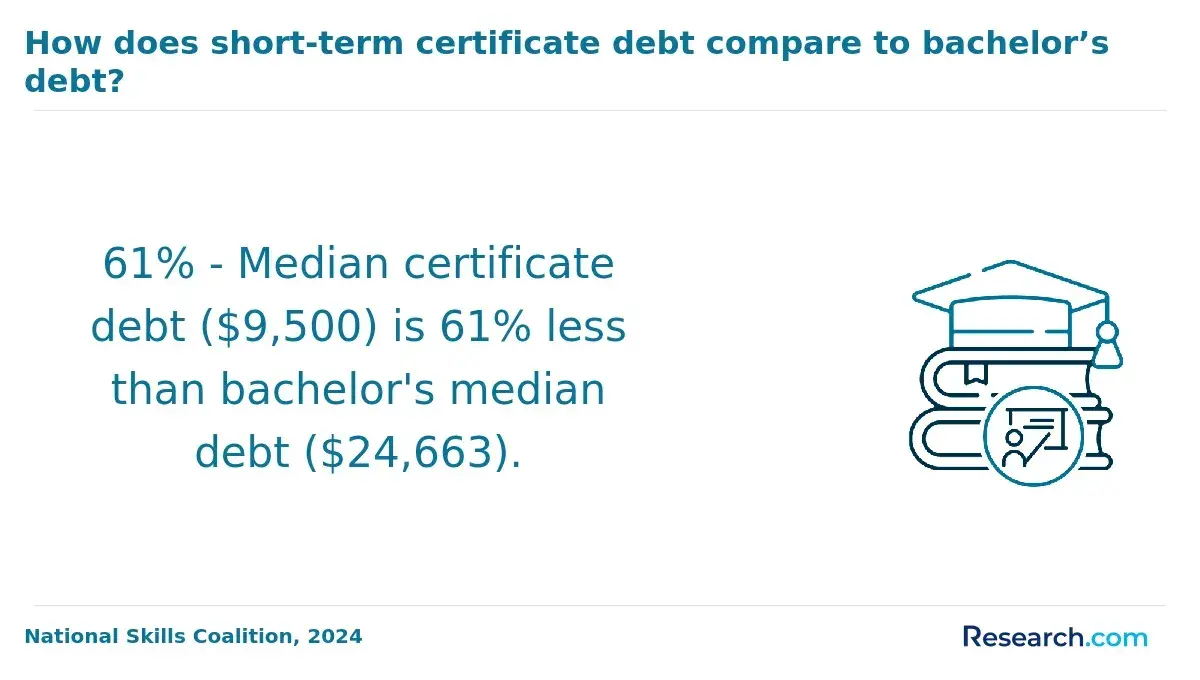
Compensation across administration careers in 2024 exhibits distinct salary bands reflecting varying levels of responsibility and expertise. Entry-level positions such as administrative assistants generally start between $35,000 and $45,000 annually, aligning with roles that emphasize routine tasks and foundational skills. Mid-level roles, including executive assistants and office managers, typically command salaries from $50,000 to $70,000, which corresponds to expanded duties like team oversight and operational coordination. At the senior tier, administrative directors or senior executive assistants supporting top executives can earn from $75,000 up to $100,000 or more, indicating compensation tied to strategic decision-making and broad organizational impact, according to data from the U.S. Bureau of Labor Statistics and LinkedIn Salary Insights.
The variation in these salary bands is shaped by several interrelated factors, including the degree of specialization, geographic considerations, and market competition for skills. Higher salaries often appear in metropolitan areas or industries demanding nuanced organizational expertise and leadership, where scarcity of seasoned administrative professionals drives wage premiums. Company size and complexity also influence pay scales, with larger firms offering more substantial compensation to reflect greater administrative throughput and responsibility. Furthermore, skill diversification-combining technical software competence with managerial capabilities-allows candidates to command higher wages, underscoring how practical experience and targeted credentials increasingly differentiate compensation within the field.
One administration graduate recalled facing uncertainty during a rolling admissions cycle for a specialized training program that aligned with these salary realities. Early application submission didn't guarantee timely decisions, prompting a careful balancing act between waiting for acceptance and pursuing current job opportunities. The candidate described feeling hesitant to commit without clarity, as the timing affected eligibility for certain entry-level roles critical to gaining the requisite experience for higher pay brackets. Ultimately, the delay underscored how timing and preparedness in education and certification pathways directly influence progression opportunities and earning potential in administration careers.
Which Industries Are Hiring the Most Administration Graduates?
Demand for administration graduates in 2024 is notably concentrated within sectors undergoing significant digital transformation, workforce expansion, or facing structural skill gaps. These industries require adaptable administrative skills that support complex operational needs, regulatory compliance, and evolving communication frameworks. The patterns of hiring reflect how organizational shifts—such as increased remote work, technology integration, and demographic changes—drive the need for capable administrative professionals who can navigate these environments.
- Healthcare: The healthcare sector is expanding due to an aging population and the growing complexity of service delivery models, increasing reliance on specialized administrative support. Employers prioritize graduates skilled in managing healthcare compliance, coordinating multidisciplinary teams, and handling sensitive patient data. Recent reports note an over 8% growth in administrative roles within hospitals, medical offices, and insurance organizations.
- Technology: Tech firms are scaling rapidly and demand administrators who can juggle project coordination, cross-functional communication, and dynamic scheduling in fast-evolving contexts. Proficiency in digital collaboration tools and an ability to adapt to fluid organizational structures are essential. Early 2024 data indicates a near 10% increase in administration-related positions within this sector.
- Financial Services and Banking: Regulatory pressures and client management complexities in finance fuel steady recruitment of administration graduates who understand compliance frameworks and reporting requirements. Strong organizational skills and attention to detail are critical as institutions navigate tighter oversight. The Financial Industry Regulatory Authority highlights a 6% rise in administrative openings this year.
- Education: Growing integration of online learning platforms has led to heightened administrative demands around student support and resource coordination. Administrators adept at managing digital tools and collaborating across academic units are increasingly sought after in schools and universities.
- Government and Public Sector: Agencies require administrators to implement policies effectively and manage public services, often under evolving legislative conditions. Demand favors candidates with skills in policy interpretation, stakeholder communication, and bureaucratic navigation.
How Does Hiring Demand Vary by State, Region, and City?
Hiring demand for administration roles varies significantly across states and broader regions, shaped by distinct economic bases and sector concentrations. States like California, Texas, and New York consistently report stronger openings, reflecting extensive corporate headquarters, healthcare systems, and governmental institutions. According to recent Bureau of Labor Statistics data and regional economic analyses, these states benefit from diversified economies and dense urban populations, which sustain ongoing need for administration professionals with adaptable skills.
Regional demand also responds to industry specialization: the Northeast's finance and education focus elevates opportunities for administration graduates managing complex organizational tasks, while the South's healthcare and manufacturing growth shifts demand toward compliance and operations expertise. This geographic differentiation aligns closely with how hiring demand for administration jobs varies across states and metropolitan areas, underscoring the need for candidates to assess local industry ecosystems alongside labor market data when evaluating career prospects.
At the city level, metropolitan hubs exert an outsized influence on administration job availability, salary bands, and employer competition due to concentrated industry clusters and infrastructure. Cities such as Atlanta, Chicago, and Seattle lead with higher-than-average wages, frequently exceeding national benchmarks by 10 to 20 percent, a premium that corresponds with elevated living costs and employer preferences for advanced digital proficiency. These metros also benefit from stronger talent pipelines, educational institutions, and technological adoption that collectively raise the skill requirements for entry-level roles.
Conversely, smaller cities and rural areas may offer less intense competition and more supportive community networks, reflecting different labor dynamics and workforce development challenges. Career planning should incorporate this localized variability, recognizing that regional salary trends for administration roles by city and state often hinge on industry density, commuting logistics, and the surrounding economic fabric.
Prospective students or job seekers exploring educational pathways might find value in specialized credentials such as those highlighted in the admin assistant degree programs, which can enhance alignment with evolving employer expectations in diverse geographic markets.
What Skills Are Employers Prioritizing in Administration Job Postings?
Employer demand for skills in administration roles is influenced by ongoing technological advances, automation of routine tasks, and shifting organizational structures that increasingly value cross-disciplinary abilities. Job postings reflect a dynamic landscape where technical know-how must pair with adaptable communication and problem-solving capacities. This evolving profile emphasizes candidates who can navigate digital tools and support fluid workflows while maintaining organizational efficiency and stakeholder engagement.
- Advanced Software Proficiency: Employers consistently seek expertise in office productivity suites like Microsoft Office 365 and Google Workspace, as these platforms remain central to document management and remote collaboration. Mastery here not only streamlines operational tasks but also signals an ability to adapt to evolving digital work environments, boosting a candidate's immediate value and long-term adaptability.
- Effective Communication: Strong written and verbal communication skills are essential, as administration professionals often act as the nexus for internal and external information flow. This includes clear email correspondence, concise report writing, and interpersonal interactions that facilitate team alignment and stakeholder trust, reflecting the increasing complexity of organizational communication channels.
- Critical Thinking and Problem-Solving: Nearly 60% of administration roles, according to LinkedIn Talent Solutions, demand individuals who can independently anticipate issues and manage competing priorities. This skill supports autonomous decision-making in scheduling, workflow adjustments, and conflict resolution, marking a shift away from purely task-oriented positions toward roles requiring strategic thinking.
- Adaptability to Remote and Hybrid Work: The sustained prevalence of flexible working arrangements requires administrators to be comfortable with virtual tools and dynamic job scopes. Adaptability not only ensures operational continuity but is increasingly viewed as a core competency shaping employability amid fluctuating workplace models.
- Time Management and Organization: Handling multiple simultaneous projects effectively remains foundational, enabling administrators to prioritize competing demands in fast-paced settings. This skill underpins organizational resilience and is critical for maintaining productivity without compromising quality.
- Customer Service Orientation: Frequent interactions with clients and stakeholders elevate the importance of interpersonal skills beyond internal communication. An orientation toward service enhances relationship management and supports organizational reputation, reflecting broader expectations for administrators to contribute to external engagement.
- Basic Financial Literacy: Familiarity with budgeting or accounting principles, including financial tracking, increasingly appears in job requirements. This highlights expanding role scopes where fiscal responsibility integrates with operational tasks, requiring administrators to bridge administrative and financial domains for efficient resource use.
Which Certifications Increase Employability and Salary Potential?
Certifications in the administration field function primarily as indicators of targeted expertise, technical capability, and job readiness. They act as strategic complements to formal education by signaling to employers a candidate's grasp of essential skills and operational knowledge essential for administrative roles. Given the competitive nature of hiring and the evolving skill demands in this sector, possessing recognized credentials can materially enhance a professional's standing in the labor market and influence compensation outcomes.
- Certified Administrative Professional (CAP): Valued for demonstrating comprehensive proficiency across office management, communication, and technology application, the CAP credential aligns closely with the multifaceted demands of corporate and government administrative positions. Employers often interpret this certification as evidence of a candidate's ability to navigate complex workflows, which correlates with increased hiring likelihood and salary premiums.
- Microsoft Office Specialist (MOS): With the Microsoft Office suite being ubiquitous in administrative functions, MOS certification validates advanced software skills that drive productivity and accuracy. Industry data notes that MOS-certified professionals can boost efficiency by approximately 25%, a factor many organizations reward through accelerated promotion tracks and higher pay levels.
- Project Management Professional (PMP): Particularly for administrators involved in project coordination, this credential signals capability in managing timelines, resources, and team collaboration. The Project Management Institute reports that PMP holders in administration-related positions earn salaries roughly 22% above their uncertified counterparts, reflecting the premium placed on structured project oversight competencies.
- Certified Executive Assistant (CEA): This designation emphasizes advanced organizational and communication competencies, fitting administrators tasked with supporting senior leadership. It addresses a skill niche often underrepresented in general certifications and positively influences prospects in specialized executive support roles.
- Human Resources Certifications (e.g., SHRM-CP): For administrative roles intersecting with human resources functions, certifications such as SHRM-CP provide validation of knowledge in compliance, recruitment, and employee relations. This specialization meets rising employer demand for administration staff who can effectively bridge operational and HR responsibilities.
A graduate with an administration degree once described navigating certification timing as a critical factor affecting their job prospects. After submitting their program application early in the admissions cycle, they hesitated on enrolling in the CAP exam preparation due to uncertain schedules and costs. This delay compressed their certification timeline, making it challenging to present credentials during initial interviews.
Eventually completing CAP certification months after starting a new role, the individual noted how aligning certification completion with job search timing would have reduced stress and improved negotiation leverage, underscoring the importance of strategic planning within rolling admissions and credentialing frameworks.
Administrative professionals thinking beyond current certifications toward long-term career resilience may also want to research top degrees for the future, since pairing credentials like PMP or SHRM-CP with a strategically chosen degree can help position them for growth areas in project management, HR, and operations leadership.
How Do Remote and Hybrid Opportunities Affect the Administration Job Market?
Remote and hybrid work arrangements are reshaping hiring trends in administration roles by broadening the talent pool beyond traditional geographic boundaries. Labor market data from early 2024 indicate that organizations increasingly prioritize candidates who demonstrate digital fluency and adaptability to virtual workflows, reflecting evolving workforce demands.
This accelerates recruitment cycles as employers adjust strategies to accommodate remote and hybrid administration job opportunities in the US while managing wider salary bands linked to varied cost-of-living regions. Consequently, hiring practices now emphasize technical skills and remote work experience as decisive factors in candidate selection, moving beyond traditional criteria centered on in-person office presence.
The expansion of remote and hybrid models also normalizes salary expectations across diverse locations, affecting compensation structures and heightening competition among applicants nationwide. Employers balance local market conditions with the need for collaborative virtual communication, prompting a reevaluation of essential competencies in administration careers. These trends suggest a sustained transformation in job market dynamics, where geographic mobility is less of a barrier but demands on self-management and technological proficiency rise.
For individuals exploring educational pathways, integrating skills aligned with remote work contexts-rather than relying solely on conventional office training-can improve employability, as reflected in programs including bachelors in photography online that emphasize digital competency alongside practical expertise.
Which Administration Careers Show the Strongest Long-Term Hiring Momentum?
Long-term hiring momentum in administration careers reflects structural shifts in industries rather than temporary job market changes. This sustained demand results from broader economic and technological trends that redefine workplace functions, requiring administrative roles to integrate digital proficiency and strategic support. The steadiness in employment growth across key administration positions signals these roles' adaptability to evolving organizational needs and tech-driven workflows. Such momentum is best understood as a response to persistent changes in industry operations rather than transient hiring surges.
- Administrative Services Managers remain in high demand due to their role in optimizing increasingly complex office operations and budgets. As companies embrace digital tools and data-driven management, these professionals ensure operational efficiency aligned with strategic goals, reinforcing the long-term necessity of their skill set amid structural shifts in organizational design.
- Executive Assistants supporting senior leadership continue to show strong hiring momentum, propelled by growing organizational complexity and remote work frameworks. Their expanded responsibilities often include managing digital communication platforms and coordinating cross-functional projects, making them pivotal for leadership effectiveness in hybrid environments.
- HR Administrative Specialists combine compliance with benefits administration and staffing support in ways that align with evolving labor regulations and workforce diversity initiatives. This role's demand growth is sustained as businesses navigate increasingly intricate legal and operational frameworks to maintain employee well-being and regulatory adherence.
- Project Coordinators have a growing presence in administration fields as organizations prioritize detailed interdepartmental planning and communication. Digital project management tools' proliferation enhances their capacity to support technical and strategic objectives, making this role vital for sustaining operational momentum across sectors.
According to U.S. Bureau of Labor Statistics data updated in 2024, projected long-term growth in administration roles across North America ranges from 6% to 8%, underscoring how technology-enabled coordination and multi-functional expertise drive demand. The rise of remote and hybrid work models further reinforces the need for administrative professionals skilled in digital communication and project management software.
While entry-level administrative assistant positions remain available, their slower growth rate prompts job seekers to pursue certifications or experience in technology platforms and strategic office management to meet evolving employer expectations. These practical skills are essential for sustaining employability and advancing within administration career pathways.
For those considering advanced education options that complement these trends, pathways such as an online PhD data science can offer valuable expertise around data-driven decision-making, further differentiating candidates in a competitive landscape.
How Can Students Use Job Market Data to Make Better Career Decisions?
Students can leverage current job market data sources such as government labor reports, specialized hiring platforms, and up-to-date salary databases from 2024 onward to evaluate demand, compensation ranges, and growth trajectories within Administration fields. This approach enables analysis of which specializations are experiencing hiring momentum and geographic expansion, allowing candidates to align their educational investments with positions offering both immediate openings and sustainable advancement.
By carefully examining salary bands alongside entry-level requirements and mid-career earning potential, students gain a clearer understanding of the financial tradeoffs involved in pursuing various Administration roles, distinguishing between fast-growing but lower-paid roles and others that promise steadier incomes over time.
Interpreting this data requires balancing quantitative trends with individual career priorities, including geographic flexibility, skill alignment, and long-term stability. Overreliance on transient hiring spikes risks pursuing volatile segments lacking enduring opportunities, while ignoring skill demands such as digital proficiency or communication limits employability despite formal qualifications.
Effective decisions emerge from integrating labor market indicators with personal interests and realistic assessments of employer expectations beyond credentials. This nuanced use of job market intelligence helps students craft informed, adaptable career paths within administration, avoiding oversimplified conclusions and fostering strategic planning grounded in workforce realities.
References
- Exploring the Available Career Opportunities for Admin Professionals https://www.metierrecruitment.com.au/news/exploring-the-available-career-opportunities-for-admin-professionals/
- best administrative jobs for 2026 https://www.randstadusa.com/job-seeker/best-jobs/best-administrative-jobs-2026/
- Best Administration Certifications for Aspiring Professionals https://www.stunited.org/best-administration-certifications-for-aspiring-professionals/
- Job Market Trends: Comparison https://x0pa.com/glossary/job-market-trends/
- Campfire Company | The State of Hybrid and Remote Work: Trends, Challenges, and Futures https://www.campfire-company.com/blog/the-state-of-hybrid-and-remote-work-trends-challenges-and-futures
- What Does a Public Administrator Do? https://www.allbusinessschools.com/public-administration/career-paths/
- current hiring trends for administrative jobs https://www.randstad.ca/employers/workplace-insights/job-market-in-canada/current-hiring-trends-for-administrative-jobs/
- Salary Guidance – Office & Administration Roles - Eclipse Recruitment https://www.eclipserecruitment.co.nz/salary-guidance-office-administration-roles/
- Which pay structure is best for your organization? https://www.imercer.com/articleinsights/types-of-pay-structures
- Talent Acquisition | Momentum Employer Group https://www.momentumemployergroup.com/talent-acquisition/
Other Things You Should Know About Administration
The wide range of open administration roles means salary expectations can be highly inconsistent depending on job scope, employer size, and geographic location. Candidates should prioritize roles where the salary band aligns with workload and responsibility, not just headline pay. Accepting a job with a lower base but clearer advancement paths or better benefits may yield greater total compensation and professional growth long term.
Positions with stronger hiring momentum often indicate broader stability but may offer modest pay increases due to competition. Conversely, roles with slower hiring growth but higher salaries can be riskier, reflecting niche skills or employer-specific demands. Job seekers should weigh personal financial needs and risk tolerance-if immediate income is critical, favor roles with steady demand; if career growth and specialized expertise matter more, targeting higher-paying but less frequent openings could be worthwhile.
Gaining diverse experience improves adaptability and may open doors to a wider array of jobs when hiring momentum fluctuates. However, specialization often correlates with higher starting salaries in focused salary bands. Early-career professionals must assess their long-term goals: generalists benefit from broader employability during uncertain hiring periods, while specialists should seek strong employer demand for their niche skills to justify narrower role focus.
Stable salary bands usually reflect well-defined job functions and clear employer expectations, supporting predictable career planning. Volatile salary bands may reward exceptional performance or unique qualifications but introduce income uncertainty and possible role ambiguity. Job seekers should prioritize stability if consistent income and manageable workload are priorities; those comfortable with income fluctuations and potentially higher risk/reward scenarios might pursue the more volatile options, but only with a clear understanding of employer expectations.