2027 Administration Affordability by State: Where Students Pay the Most and Least

Co-Founder and Chief Data Scientist
Faced with choosing between an in-state public program charging $8,500 annually and a private out-of-state option exceeding $25,000, prospective administration students must navigate a terrain where tuition alone doesn't capture the full financial burden. A 2024 National Center for Education Statistics report highlights that average total cost of attendance varies by up to 300% between states, driven not only by tuition but also by differing mandatory fees and living expenses.
This disparity shapes loan dependency and long-term debt, influencing career flexibility post-graduation. This article examines state-by-state administration affordability to pinpoint where pursuing this degree is most and least financially feasible.
Key Things to Know About Administration Affordability by State
- States with lower in-state tuition often have higher living costs, pushing total attendance above national averages; prospective students must weigh this tradeoff when budgeting beyond sticker price.
- Out-of-state tuition premiums reflect regional workforce demand, affecting employer hiring preferences and signaling stronger local credential value for administration graduates.
- Expanding online administration programs reduces access barriers but timing enrollment near state budget cycles impacts financial aid availability and overall affordability.
- Key Things to Know About Administration Affordability by State Key Things to Know About Administration Affordability by State
- Which States Have the Most Affordable Administration Degree Programs? Most Affordable State Programs
- Which States Have the Highest Administration Degree Costs? Highest State Tuition Costs
- How Much Does a Administration Degree Cost by State? Degree Costs by State
- Why Does Administration Affordability Vary So Much Between States? State Affordability Variations
- How Do In-State and Out-of-State Tuition Rates Affect Administration Affordability? In-State vs. Out-of-State Rates
- How Does the Cost of Living Impact Overall Administration Affordability by State? Living Costs and Affordability
- Which States Offer the Best Value for a Administration Degree? Best Value State Degrees
- What Financial Aid and Scholarship Opportunities Can Reduce Administration Costs? What Financial Aid and Scholarship Opportunities Can Reduce Administration Costs?
- Are Online Administration Degree Programs More Affordable Than On-Campus Options? Are Online Administration Degree Programs More Affordable Than On-Campus Options?
- Is a Administration Degree Worth the Cost Based on Career Outcomes and ROI? Degree ROI and Outcomes
Which States Have the Most Affordable Administration Degree Programs?
States with robust public university funding and deliberate tuition policies create environments where the most affordable administration degrees by state flourish. These states often leverage targeted budget allocations that keep in-state tuition rates comparatively low, a critical factor for residents balancing tight budgets. For example, a student in Wyoming pays roughly half the in-state tuition of the national average, which can drastically reduce debt burdens and improve completion prospects. However, such affordability often comes with tradeoffs related to program availability and regional job markets, prompting many students to weigh these savings against potential relocation costs or the broader economic context of their degree's value.
In states with lower cost administration programs, affordability reflects not just tuition figures but also broader living costs and institutional support like financial aid initiatives for residents and tuition caps. These factors combine to make degree pathways more accessible but vary widely depending on residency status, program structure, and local financial aid landscapes. Cost-conscious students comparing options across states should also consider flexible options like quality online programs, which help offset geographic cost disparities and align with personal circumstances. For students prioritizing both cost and timely degree completion, understanding these dynamics helps navigate the often complex interplay between tuition affordability and long-term educational outcomes, especially when paired with informed choices such as pursuing accelerated online degrees.
Which States Have the Highest Administration Degree Costs?
The elevated cost of Administration degrees in certain states largely reflects a combination of reduced public funding, regional economic pressures, and institutional factors rather than tuition figures alone. For instance, states with large public university systems facing budget cuts often pass those costs onto students, particularly out-of-state enrollees who may see tuition exceed $15,000 annually. High living expenses in metropolitan hubs like New York City or San Francisco further compound these costs, pushing total annual outlays well above $30,000, which can sway a student's decision to pursue an onsite program or consider online alternatives. This fiscal landscape forces prospective students to weigh immediate financial burdens against the enhanced job prospects associated with graduating in economically robust regions where Administration graduates are in demand across sectors like finance and healthcare.
Moreover, the prevalence of private universities with premium programs in these states often attracts students seeking specialized credentials, driving up average costs but sometimes also offering niche curriculum advantages. Residency policies that impose steep surcharges on non-residents can create substantial disparities for students relocating for their degree, intensifying the need to evaluate the long-term return on investment. Students must also consider how institutional mix and scholarship availability influence affordability more than geographic factors alone. These complex tradeoffs mean that selecting where to enroll requires balancing whether the higher sticker price aligns with career goals and access to local industry networks or if more affordable out-of-state or online options present a better value proposition.
A recent Administration graduate recounted their dilemma after comparing a flagship public university in a high-cost state with considerably more affordable options elsewhere. Though initially drawn to the prestige and regional job connections offered by the costlier program, the student hesitated due to a nearly double tuition fee for out-of-state learners and limited financial aid. They explored online courses but worried about missing direct networking opportunities in major metropolitan economies. Ultimately, their final choice hinged on a combination of available scholarships and willingness to assume higher living expenses, highlighting how nuanced these decisions can be beyond raw tuition numbers.
How Much Does a Administration Degree Cost by State?
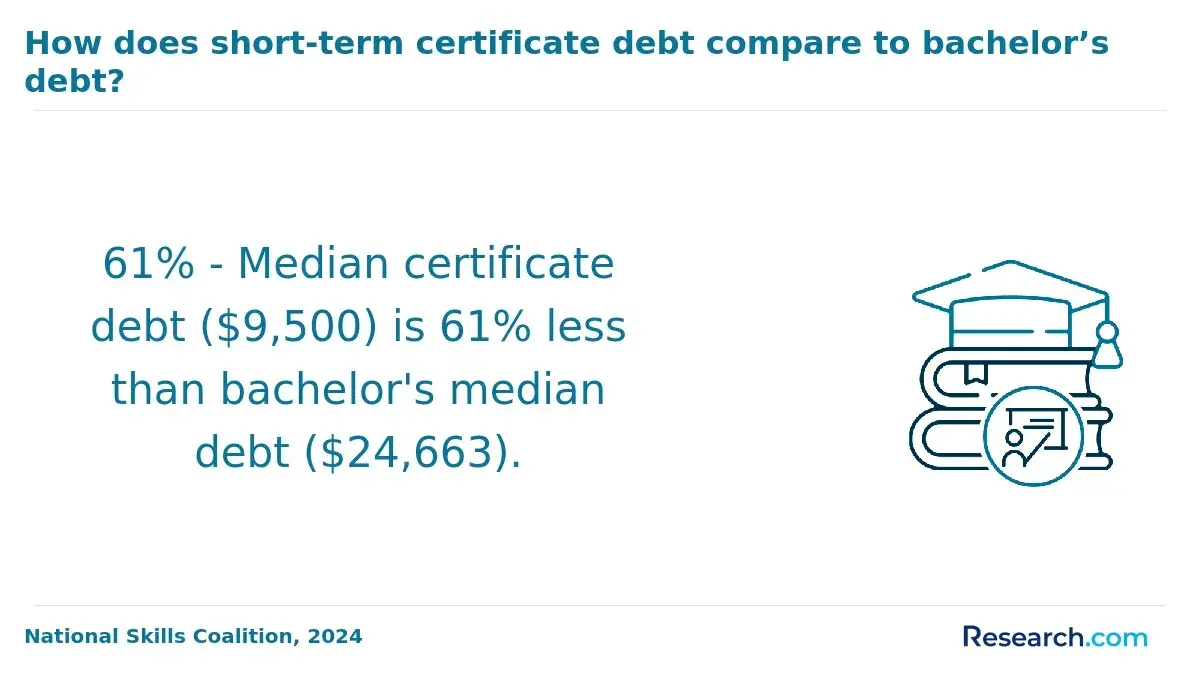
Tuition costs for administration degrees vary markedly by state, reflecting divergent state funding priorities and regional economic conditions that directly impact student choices and financial planning. For example, in 2024, average in-state tuition at public four-year institutions ranges from about $6,300 in Wyoming to upwards of $13,000 in California and Vermont, a disparity that can influence whether a student opts to attend locally or consider out-of-state options. Because many states charge non-residents more than double the in-state rate, students weighing relocation or online alternatives must also factor in these steep tuition increases alongside living expenses and potential debt burdens.
Beyond sticker price, differences in state subsidy levels and cost of living substantially affect total degree expenses, influencing accessibility and long-term investment calculations. States with generous public education funding like Florida tend to keep tuition more affordable, whereas high-cost states such as Massachusetts impose additional financial strain through elevated housing and transportation costs. Financial aid availability further complicates this picture-while some high-tuition states offer sizable merit- or need-based assistance, others do not, requiring students to thoroughly evaluate net costs relative to expected career outcomes and employer expectations. Understanding these layered factors is essential for administration students aiming to balance program quality, economic feasibility, and geographic mobility in their degree planning.
Why Does Administration Affordability Vary So Much Between States?
Differences in state appropriations for public higher education are a primary factor driving administration degree cost differences by state. States that allocate more funding per student typically offer lower in-state tuition, which directly benefits residents but can complicate choices for out-of-state learners facing premium rates. For instance, California's higher living expenses and reduced state subsidies translate into steeper tuition fees compared to Midwest states where operational costs and public investment levels are lower. This dynamic forces students to weigh residency policies and their eligibility carefully, influencing enrollment patterns and long-term educational planning.
Variations in institutional mixes contribute significantly to affordability, too. States with a larger proportion of private providers see elevated average costs, as private schools generally lack state funding buffers. Additionally, disparities in financial aid availability play a pivotal role; some states offer targeted grants reducing effective tuition, whereas others have limited support, affecting access for budget-conscious learners. Recognizing these complexities, some students turn toward online and out-of-state options to manage costs effectively, often evaluating resources like the cheapest online EdD programs no GRE as viable alternatives in their administration affordability considerations.
How Do In-State and Out-of-State Tuition Rates Affect Administration Affordability?
Residency-based tuition policies sharply influence the financial burdens faced by students pursuing administration degrees, shaping both program affordability and geographic flexibility. National Center for Education Statistics data from 2024 indicates a pronounced in-state versus out-of-state tuition gap, with public four-year institutions charging roughly $10,400 annually to residents and about $27,000 for non-residents. This disparity can compel students to weigh the cost savings of staying in-state against the appeal of specialized programs elsewhere, as out-of-state rates often exceed in-state tuition by over 150%, intensifying debt risk unless offset by scholarships or reciprocity agreements like those found in the Midwest Student Exchange Program. Moreover, residency rules affect total cost estimates beyond tuition, factoring in fees, housing, and commuting expenses, which can cumulatively influence decisions about relocation and enrollment.
The rise of online administration degrees offers alternative avenues where residency premiums may be diminished, allowing some students to access in-state-like pricing despite geographic distance, although this benefit is uneven due to some institutions still applying out-of-state surcharges for online learners. Private institutions commonly disregard residency distinctions but typically maintain higher base tuition, limiting affordability for those on tight budgets. For students targeting regional employment, attending an in-state public university often aligns best with financial prudence and employer expectations, while out-of-state enrollment might justify higher costs only through access to unique curricula or stronger financial aid packages, emphasizing prudent evaluation of long-term returns relative to upfront financial commitments.
One recent graduate recalled the challenging decision between a local public school and a well-ranked out-of-state program. Despite the non-resident tuition nearly tripling in-state costs, the student hesitated because the preferred out-of-state institution offered a niche administration concentration unavailable nearby. After months of considering financial aid offers and calculating living expenses, the student ultimately chose in-state enrollment but remained concerned about whether the opportunity cost of foregoing the specialized program might impact future job prospects. This experience underscores the complex interplay of residency status, tuition affordability, and program fit that administration students must navigate thoughtfully.
How Does the Cost of Living Impact Overall Administration Affordability by State?
Housing costs and local living expenses substantially reshape the financial reality of earning an administration degree beyond the sticker price of tuition. For instance, a student attending a university in California faces significantly higher housing and healthcare expenses compared to one in Mississippi, resulting in a much larger debt burden despite similar tuition rates. This state-by-state comparison of living expenses affecting administration tuition highlights how the interplay of housing, transportation, and essential services can determine the true cost of education and influence whether students must rely heavily on loans or financial aid.
Moreover, transportation options and regional price variations compel students to weigh enrollment and residency decisions carefully. Urban areas with strong transit systems may lower commuting costs, while rural students often incur additional expenses that inflate their budgets. Planning that overlooks these factors risks underestimating overall commitment and may complicate degree completion strategies, especially for those balancing work and study. Budget-conscious learners exploring alternatives might also consider online pathways like the cheapest online MBA to mitigate living costs without sacrificing accreditation or career outcomes.
Ultimately, cost of living and administration degree affordability by state must guide financial planning, loan strategies, and enrollment choices. Students and families who integrate these practical expenses can better anticipate long-term financial implications and select programs aligned with both their career ambitions and economic realities. Recognizing these tradeoffs helps avoid hidden costs that compromise graduation timelines and career entry, underscoring the importance of a nuanced approach rather than relying solely on tuition comparisons.
Which States Offer the Best Value for a Administration Degree?
Assessing value in states for an administration degree requires balancing tuition policies, completion rates, and local labor markets rather than simply opting for the cheapest option. For instance, states like Wyoming combine low in-state tuition-often below $5,000 annually-with higher graduation rates and manageable living costs, creating a financially sustainable pathway that limits student debt below $20,000. Conversely, states with lower affordability often see higher borrowing needs and completion challenges, undercutting long-term returns even when initial tuition seems competitive.
Financial aid availability and residency-based tuition rules also markedly influence cost-effectiveness; Iowa's strong public funding and financial support infrastructures help keep net costs down and employment rates high soon after graduation. Meanwhile, North Carolina's moderate tuition is offset by extensive employer connections and internship networks that increase graduate salaries beyond regional peers. Students should weigh these policy-driven supports, regional economic demand, and campus program flexibility when deciding whether to relocate, pursue online alternatives, or remain in-state, recognizing that the lowest sticker price may not correspond to optimal economic or professional outcomes.
What Financial Aid and Scholarship Opportunities Can Reduce Administration Costs?
Financial aid can substantially alter the true cost of earning an administration degree, with a significant 85% of undergraduates receiving some form of assistance, according to the National Center for Education Statistics. Federal grants like the Pell Grant offer essential no-repay support for low- and middle-income students, but state-specific grants often create sharp affordability divides-states such as New York and California exemplify the impact of generous need-based aid that can lower tuition effectively for in-state enrollees. However, eligibility restrictions, residency requirements, and application timing often determine whether a student can maximize these benefits, forcing many to carefully weigh where and how to pursue their degree to optimize financial aid access.
Institutional scholarships add another layer of complexity; public universities typically reserve merit-based awards for high-achieving residents, while private institutions might be more flexible but offer less predictable funding. Employer-sponsored tuition benefits provide valuable supplemental aid for working students but vary widely by employer policy and state labor laws, sometimes limiting reimbursement or excluding part-time learners-who often receive reduced federal aid. A student enrolling part-time to balance work and study faces compounded affordability challenges, making full-time status financially advantageous but not always feasible. Therefore, stacking aid from federal, state, and institutional sources while considering enrollment status and employer support is critical for realistic budgeting and long-term educational planning in administration fields.
Are Online Administration Degree Programs More Affordable Than On-Campus Options?
Online administration degree affordability comparison reveals significant variability that depends heavily on tuition structures, residency policies, and additional fees rather than a simple online-versus-campus cost gap. While public institutions often charge 15-20% less for online students by eliminating expenses such as campus facility fees and commuting costs, these savings can be offset by technology fees and the cost of reliable internet access. For example, a student living out of state may find that an online program's tuition matches or even exceeds on-campus rates due to lack of in-state tuition eligibility, reducing potential financial benefits and complicating straightforward affordability assumptions.
Cost differences of online versus on-campus administration programs also hinge on financial aid availability and institutional pricing models. Some states restrict certain grants or scholarships to on-campus learners, limiting aid for online enrollees, while federal aid remains broadly accessible. The practical implication is that students must assess total cost of attendance, including opportunity cost and employment flexibility, which online study can improve by minimizing lost wages. For budget-conscious learners, analyzing state residency rules and institutional fees alongside work-study balance often proves more meaningful than sticker price comparisons.
Students evaluating when and where to pursue an administration degree should also consider the broader context of employer expectations, which increasingly prioritize degree completion over delivery format. Those interested in specialized pathways might compare administrative degree affordability alongside options like an online photography degree to understand program-specific tradeoffs. Ultimately, choosing between online and campus programs involves nuanced financial planning and a realistic appraisal of personal circumstances rather than a default assumption that online is invariably cheaper.
Is a Administration Degree Worth the Cost Based on Career Outcomes and ROI?
Evaluating the administration degree return on investment in the United States requires more than comparing tuition costs; it demands understanding how affordability intersects with varied career outcomes across states. For example, graduates in high-cost states such as California incur greater debt burdens often exceeding $30,000, which can prolong financial strain even where salaries trend higher. Conversely, states like South Dakota and New Mexico offer more accessible tuition rates that improve the debt-to-income balance, but job market demand and wage levels may not be as robust, illustrating a clear tradeoff between upfront cost and regional employment prospects.
Beyond tuition alone, students must factor in program completion rates, opportunity costs, and alignment with long-term career goals when assessing the value of an administration degree. States with higher graduation rates and lower per-credit costs, including Florida and Texas, often enable better ROI by minimizing time and expense spent on degree completion. Attaining an administration degree also opens pathways to graduate education-explored through accredited EdS to EdD programs-which can enhance earning potential in competitive sectors such as healthcare and corporate management, where labor demand is projected to grow notably.
Prospective and current administration students, especially those prioritizing budget consciousness, should weigh geographic mobility and program quality alongside debt implications and the realistic hiring landscape. The national labor market indicates steady demand with roughly 7% growth in administrative roles over the next decade, but outcomes vary by sector and urbanization. Being mindful of these dynamics helps ensure the investment in an administration degree is measured against meaningful, data-informed career trajectories and not just sticker price.
References
- 50 Most Affordable Healthcare Administration School Programs | UniversityHQ https://universityhq.org/best-colleges/rankings/most-affordable-healthcare-administration-schools/
- US State Cost of Living 2025 https://www.timetrex.com/blog/us-state-cost-of-living-2025
- Bachelor of Business Administration (BBA): how much does it cost? https://yourdreamschool.com/bachelor-of-business-administration-bba-how-much-does-it-cost/
- Share On Social https://www.northampton.edu/news/online-vs-on-campus-degree-whats-the-best-option-for-me.html
- Cost vs. Value: How to Evaluate the ROI of Top MBA Programs | Articles | Unimy https://www.unimy.com/article/cost-vs-value-how-to-evaluate-the-roi-of-top-mba-programs
- In every corner of the country, the middle class struggles with affordability | Brookings https://www.brookings.edu/articles/in-every-corner-of-the-country-the-middle-class-struggles-with-affordability/
- Navigating Housing Affordability Challenges: An Agent’s Guide - The Realty School https://therealtyschool.com/market-trends-and-insights/navigating-housing-affordability-challenges-an-agents-guide/
- Most Affordable Online Bachelor's in Healthcare Administration https://www.edumed.org/online-schools/healthcare-administration-degrees/bachelors/most-affordable/
- The College Affordability Gap: Insights and Impact on Families https://encoura.org/resources/wake-up-call/the-college-affordability-gap-insights-and-impact-on-families
- This map shows how cost of living varies by state https://finance.yahoo.com/personal-finance/banking/article/cost-of-living-by-state-map-164246259.html
Other Things You Should Know About Administration
Students often assume that a lower-cost administration degree instantly means savings, but this can obscure differences in curriculum depth and employer preferences by region. States with more affordable tuition may have programs that emphasize generalist skills, while higher-cost states might offer specialized training that aligns closely with local industry demands. Choosing purely based on cost risks underpreparing for specific job markets, so budget-conscious students should also investigate how well a program's curriculum matches their career goals and the expectations of employers in their intended employment area.
Programs in states with relatively large administrative overhead can lead to higher non-tuition fees and less direct faculty access, increasing total costs without proportional improvement in learning outcomes. While a robust administration can support student services, excessive administrative costs often divert resources from faculty-led instruction. Students in these states should critically assess whether the added expenses translate to better support or just higher fees, prioritizing programs where administrative structures enhance rather than inflate the educational experience.
Lower administration costs may make some states attractive financially but can coincide with less-developed local industry connections and fewer practical training opportunities. Because networking and internships are key to job placement in administration fields, students must balance initial affordability with long-term career benefits. If a budget constrains options, choosing a more affordable program might be sensible temporarily, but students should actively seek external internships or transfer to states with stronger professional ecosystems to optimize employment outcomes.
States with lower administration tuition often have larger class sizes and compressed course schedules that increase academic workload intensity. This can create challenges for students juggling jobs or family duties, as time demands might be less flexible than at pricier institutions emphasizing smaller cohorts and personalized pacing. Budget-conscious students should consider not just sticker price but also program structure, prioritizing affordability without underestimating the real cost of time and stress when balancing external responsibilities.