2027 How to Become a Preschool Teacher Assistant in Georgia: Requirements & Certification

Co-Founder and Chief Data Scientist
Becoming a preschool teacher assistant in Georgia can be a practical entry point into early childhood education, especially if you want classroom experience before committing to a lead teaching role or a full education degree. The job involves much more than “helping the teacher.” Assistants support children’s daily routines, learning activities, behavior development, safety, and communication with families.
This guide explains how to become a preschool teacher assistant in Georgia, what education and credentials employers may expect, how long the process can take, what it may cost, and how the role can lead to higher-level teaching or education careers. It is written for career changers, high school graduates, college students, and current childcare workers who want a clear path into Georgia preschool classrooms.
Quick answer: How do you become a preschool teacher assistant in Georgia?
To become a preschool teacher assistant in Georgia, you generally need at least a high school diploma or GED, a cleared background check, and the ability to work safely and effectively with young children. Many employers prefer applicants with early childhood education coursework, a Technical Certificate of Credit, a Technical College Diploma, an associate degree, or a Child Development Associate credential. The CDA credential requires 120 hours of formal training and 480 hours of experience working with children.
| Decision point | What to know |
| Minimum entry requirement | A high school diploma or GED is commonly the baseline requirement. |
| Preferred preparation | Early childhood education coursework, a Technical Certificate of Credit, a Technical College Diploma, an associate degree, or a CDA credential can strengthen your application. |
| Typical training time | The route can take 6 months to 2 years, depending on whether you choose a certificate, diploma, or associate degree. |
| CDA requirements | The CDA includes 120 hours of formal training and 480 hours of work experience with children. |
| Common costs | The CDA application fee is approximately $425, and training courses may range from $200 to $1,000 depending on the provider. |
| College tuition range | Georgia community college early childhood education programs may average between $3,000 and $10,000 per year for in-state students. |
Key things to know before you start
- The fastest route is usually an entry-level assistant position paired with childcare training, CPR/First Aid, and employer-required background checks.
- The stronger route for long-term advancement is to complete early childhood education coursework and consider the CDA or an associate degree.
- A formal certification is not always required for every preschool teacher assistant job, but credentials can improve hiring chances and may affect pay or eligibility for specific Georgia Pre-K roles.
- Costs vary widely. Budget for tuition, textbooks, credentialing fees, transportation, and possible unpaid field experience.
- If your long-term goal is to become a lead preschool teacher, kindergarten teacher, elementary school teacher, or administrator, choose training that can transfer into a higher degree.
- What does a preschool teacher assistant do in Georgia?
- What education do you need to become a preschool teacher assistant in Georgia?
- What certifications or credentials can help you qualify?
- How do you keep your preschool teacher assistant credential current?
- How long does it take to become a preschool teacher assistant in Georgia?
- How much does it cost to become a preschool teacher assistant in Georgia?
- What advancement options are available after working as a preschool teacher assistant?
- Which specialized credentials can improve your career options?
- How can additional education support career growth?
- Can preschool assistant experience lead to middle school teaching?
- How can leadership training move your career forward?
- How can preschool assistants become kindergarten teachers in Georgia?
- Can preschool assistants move into specialized subjects such as music?
- How can special education preparation strengthen your role?
- How can you earn a teaching credential affordably in Georgia?
- How can you improve your application for preschool assistant jobs?
- How can online learning help you build skills?
- What career paths can preschool teacher assistants pursue?
- What is the job market like for preschool teacher assistants in Georgia?
- How much do preschool teacher assistants make in Georgia?
- What are the long-term benefits of this career?
- Key insights
What does a preschool teacher assistant do in Georgia?
A preschool teacher assistant supports the lead teacher and helps young children participate safely in classroom routines, play-based learning, and early academic activities. In Georgia preschool settings, the assistant’s work often blends supervision, instructional support, caregiving, and family communication.
| Responsibility | What it looks like in a preschool classroom |
| Classroom preparation | Setting up learning centers, preparing materials, organizing supplies, and helping maintain a clean and safe room. |
| Instructional support | Helping children follow lesson activities, practice early literacy or numeracy skills, and participate in guided play. |
| Individual child support | Giving extra help to children who need support with directions, routines, peer interaction, or transitions. |
| Behavior support | Reinforcing positive behavior, redirecting unsafe or disruptive actions, and applying classroom strategies set by the lead teacher. |
| Family communication | Sharing routine updates, noting concerns for the lead teacher, and helping maintain a respectful connection between home and school. |
| Safety and supervision | Monitoring children during indoor activities, outdoor play, meals, bathroom routines, arrival, and dismissal. |
The role can be especially important in classrooms where young children need frequent adult attention. In Georgia preschool environments, the student-to-teacher ratio can be as high as 20:1, according to the Georgia Department of Early Care and Learning, so assistants often help keep the room organized, calm, and responsive.
Common challenges in the role
- Turnover in early childhood education: Staffing changes can affect classroom routines and make consistency harder for children.
- Limited classroom resources: Some programs operate with tight budgets, so assistants may need to be resourceful with materials and activities.
- Emotional demands: Working with young children requires patience, calm communication, and the ability to respond to many needs at once.
- Physical demands: Assistants may spend much of the day standing, sitting on the floor, lifting supplies, and helping children with routines.
What education do you need to become a preschool teacher assistant in Georgia?
The minimum education for many preschool teacher assistant jobs in Georgia is a high school diploma or equivalent. However, employers often prefer applicants who have studied early childhood education, child development, classroom management, or a related subject.
| Education option | Best for | What to consider |
| High school diploma or GED | Applicants seeking entry-level childcare or assistant roles | This may meet the baseline requirement, but it may not be enough for more competitive preschool or Georgia Pre-K positions. |
| Early childhood education courses | Applicants who want targeted preparation without committing immediately to a degree | Courses in child development, learning environments, and behavior support can make you more job-ready. |
| Technical Certificate of Credit | Students seeking a shorter career-focused credential | This can be a practical option if you want faster entry into the workforce. |
| Technical College Diploma | Students who want more structured preparation than a short certificate | A diploma can provide broader coursework and may support future advancement. |
| Associate degree in early childhood education | Students who may later pursue lead teacher or bachelor’s-level pathways | An associate degree may take around 2 years and can provide stronger academic preparation. |
Who should choose a certificate, diploma, or associate degree?
- Choose a short certificate if you need a faster and lower-cost path into the classroom.
- Choose a diploma if you want more training but are not ready for a full associate degree.
- Choose an associate degree if you want broader career mobility or plan to continue toward a bachelor’s degree later.
- Choose a transfer-friendly program if your long-term goal is certification as a lead teacher in Georgia.
Whatever path you choose, make sure the school or training provider is recognized by employers and that any credits you earn can be used toward your next credential if you plan to continue your education.
What certifications or credentials can help you qualify?
Georgia does not require one single certification for every preschool teacher assistant job. Requirements depend on the employer, program type, funding source, and position. Still, several credentials can make an applicant more competitive and better prepared for the classroom.
| Credential or requirement | Required for every job? | Why it matters |
| High school diploma or GED | Often treated as the minimum requirement | It establishes basic eligibility for entry-level assistant positions. |
| Child Development Associate credential | Not always mandatory | The CDA shows training in early childhood education and requires 120 hours of formal training plus 480 hours of experience with children. |
| First Aid and CPR certification | Often preferred or required by employers | These certifications help assistants respond appropriately to health and safety situations. |
| Background check | Standard requirement for working with children | Georgia employers use background checks to support child safety and meet program requirements. |
| Ongoing professional development | May be required by employer or credential type | Continuing education helps assistants stay current with child development, safety, and classroom practices. |
Is the CDA worth it for preschool teacher assistants?
The CDA can be worth considering if you want stronger job prospects, plan to stay in early childhood education, or need a recognized credential that signals classroom readiness. It is not a guarantee of employment or higher pay, but it can help employers see that you have completed structured training and supervised experience with children.
Certification checklist
- Confirm the exact requirements for the employer or preschool program where you want to work.
- Complete any required childcare training, orientation, or safety coursework.
- Obtain First Aid and CPR certification if the employer expects it.
- Complete the required background check before working with children.
- Consider the CDA if you want a portable early childhood credential.
- Keep copies of transcripts, certificates, employment verification, and training documentation.
How do you keep your preschool teacher assistant credential current?
Maintenance requirements depend on the credential you hold and your employer’s policies. If your role requires a Georgia credential or renewal through the Georgia Professional Standards Commission, you should track deadlines, training hours, and background check requirements carefully.
- Renewal timing: Preschool teacher assistant certifications are typically valid for three years in Georgia, so renewal should be started before the expiration date.
- Professional learning: You are required to complete a minimum of 10 hours of professional learning every year. Training may include workshops, seminars, approved online learning, or early childhood education coursework.
- Documentation: Keep certificates, transcripts, attendance confirmations, and employer training records because you may need them during renewal.
- Background checks: Georgia requires educators to complete a criminal background check every five years. Do not wait until the last minute, because processing time can affect employment or credential status.
- Renewal application: When renewal is due, submit the application through the GaPSC online portal and be prepared for the renewal fee, which is currently $25.
- Requirement updates: Check official state or employer guidance regularly, because credential rules, acceptable training, and documentation procedures may change.
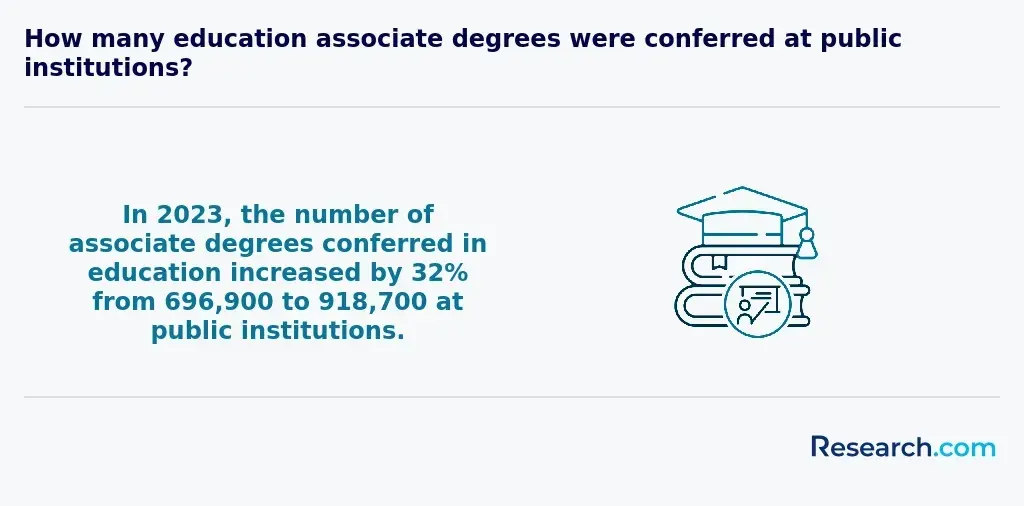
Professional learning is not just a compliance task. It can help you build skills in early literacy, trauma-informed care, inclusive classrooms, behavior guidance, and family engagement. It can also help you remain competitive in a field where nearly 260,000 preschool and kindergarten teachers have bachelor’s degrees and there are even holders of graduate degrees in the field.
How long does it take to become a preschool teacher assistant in Georgia?
The timeline depends on how much education you already have and which credential path you choose. Some applicants can qualify for entry-level assistant roles quickly after meeting employer requirements, while others spend 1 to 3 years completing formal education and credential steps.
| Step | Typical time involved | Practical advice |
| Meet minimum education requirement | Already complete if you have a high school diploma or GED | Collect transcripts or proof of equivalency before applying. |
| Complete certificate or diploma training | About 1 to 2 years depending on institution and course load | Ask whether credits can transfer into an associate or bachelor’s program. |
| Complete an associate degree | May take around 2 years | This is often a better option if you want future teaching advancement. |
| Gain classroom experience | Can often be completed while studying | Look for internships, volunteer roles, substitute aide work, or childcare employment. |
| Apply for required credential or employer clearance | A few weeks to a couple of months | Processing time can vary, so apply early and keep records organized. |
| Prepare for assessments if needed | A few weeks to a couple of months | Depending on your background, you may need to prepare for Georgia Assessments for the Certification of Educators. |
In most cases, the full process can take anywhere from 1 to 3 years when formal education, experience, credential paperwork, and possible exams are included. If you are comparing teacher preparation rules in another state, Research.com also provides a guide to Virginia teacher education programs.
How much does it cost to become a preschool teacher assistant in Georgia?
The cost depends on whether you pursue a short credential, a college certificate, a diploma, or an associate degree. The least expensive path may be employer-based training plus required safety certifications, while a degree path costs more but may create stronger advancement options.
| Cost category | Estimated amount stated in source material | How to think about it |
| Early childhood certificate or diploma tuition | $3,000 to $10,000 | Costs vary by school type, residency status, fees, and course load. |
| In-state community college tuition average | Between $3,000 and $10,000 per year | Confirm whether this includes fees, books, and program-specific costs. |
| Room and board | Between $8,000 and $12,000 per year | This may apply if you relocate or attend school away from home. |
| Textbooks and supplies | Around $500 to $1,000 per year | Ask whether courses use open educational resources or used books. |
| CDA application fee | Approximately $425 | This does not necessarily include training costs or preparation materials. |
| CDA or related training courses | $200 to $1,000 depending on the provider | Compare quality, format, instructor support, and employer recognition. |
| Credentialing fees | $300 to $600 depending on the certification pursued | Budget for application, testing, and renewal fees when applicable. |
How to reduce the cost
- Start with a community college or technical college if you want lower tuition and career-focused training.
- Ask employers whether they reimburse CDA training, CPR/First Aid, or professional development.
- Choose programs with transfer agreements if you may later pursue a teaching degree.
- Compare total cost, not just tuition. Fees, supplies, transportation, and unpaid fieldwork can change affordability.
- Look for scholarships, grants, and workforce development funding before using loans.
If your long-term goal is school leadership, a later graduate pathway such as an online EdD in educational leadership may eventually be relevant, but it is not needed for entry-level preschool teacher assistant work.
Is becoming a preschool teacher assistant in Georgia worth it?
This path can be worth it if you want direct experience with young children, need an accessible entry point into education, or plan to build toward a lead teaching credential. It may not be the best fit if you need high starting pay, want limited physical demands, or prefer work with less emotional intensity.
| Good fit if you... | Consider another path if you... |
| Enjoy working with young children and supporting routines, play, and early learning. | Do not want to manage crying, conflict, toileting accidents, transitions, or high-energy classrooms. |
| Want classroom experience before committing to a full teaching degree. | Need a role with strong salary growth without additional education. |
| Are willing to complete background checks, safety training, and ongoing professional learning. | Prefer a job with minimal compliance requirements. |
| Plan to advance into preschool teaching, kindergarten teaching, elementary teaching, or administration. | Do not want to continue training or education after entry-level employment. |
Online vs. campus training for preschool teacher assistants
Both online and in-person training can work, but early childhood education is hands-on. Even if coursework is online, you should expect field experience, observation, or supervised practice if you are pursuing a credential such as the CDA or a college program.
| Format | Advantages | Limitations |
| Online coursework | Flexible for working adults, parents, and students outside major metro areas. | You still need hands-on experience with children, and not every online course is accepted by every employer. |
| Campus-based programs | Often provide direct access to instructors, classmates, campus resources, and local field placements. | Schedules may be less flexible and commuting can add time and cost. |
| Hybrid programs | Can combine online convenience with supervised classroom practice. | Quality varies, so confirm field placement support before enrolling. |
What advancement options are available after working as a preschool teacher assistant?
Preschool assistant experience can help you decide whether you want to remain in early childhood education, move into K-12 teaching, or pursue education leadership. The next step usually requires additional coursework, a degree, or certification.
One common advancement route is becoming an elementary school teacher, which typically requires a bachelor’s degree and completion of a teacher preparation program. If that path interests you, review the elementary school teacher requirements in Georgia before choosing your next degree or certification program.
Which specialized credentials can improve your career options?
Specialized training can help preschool teacher assistants support children with broader developmental needs. For example, training related to early communication, language development, and intervention can be useful when working with young learners who struggle to express themselves or follow verbal directions.
A full speech-language pathology path is separate from preschool assistant work and requires its own education and licensure. If you are interested in that field, Research.com explains the process for an SLP license in Georgia.
How can additional education support career growth?
Further education can help you move from assistant-level work into lead teaching, curriculum support, child development roles, or school leadership. The key is choosing education that matches your intended next job, not simply collecting credentials.
- If you want to become a lead preschool teacher, prioritize early childhood education coursework and state-recognized preparation.
- If you want to teach in public schools, confirm Georgia certification requirements before enrolling.
- If you need flexibility, compare accredited online options carefully and ask about field experience.
- If you want a structured route into teaching, review teaching degree online options and compare transfer policies, cost, and certification alignment.
Can preschool assistant experience lead to middle school teaching?
Preschool classroom experience can build useful foundations in patience, behavior support, communication, and differentiated instruction. However, middle school teaching is a different licensure pathway with different subject knowledge, student development needs, and certification expectations.
If you are considering a move from early childhood into adolescent education, use your preschool experience as a foundation, then complete the required subject-area and teacher preparation steps. For a Georgia-specific example, review how to become a middle school math teacher in Georgia.
How can leadership training move your career forward?
Leadership preparation can help experienced educators move into roles involving staff supervision, program quality, curriculum planning, compliance, or center administration. Preschool assistants usually do not need advanced leadership training at the beginning, but it can become relevant after gaining experience and completing higher education.
If you eventually want to lead organizations, manage programs, or move beyond classroom support, a program such as a doctorate in organizational leadership online may fit a long-term leadership plan. It should be considered only after clarifying your career goals, time commitment, and return on investment.
How can preschool assistants become kindergarten teachers in Georgia?
Moving from preschool assistant to kindergarten teacher usually requires a deeper level of preparation because kindergarten teachers are typically responsible for full classroom instruction, assessment, curriculum delivery, and state-aligned learning goals.
Before enrolling in a program, compare your current credits with the requirements to become a kindergarten teacher in Georgia. Ask whether your early childhood coursework transfers, whether field placements include kindergarten settings, and whether the program leads to the credential you need.
Can preschool assistants move into specialized subjects such as music?
Preschool assistants who enjoy creative learning may use music, rhythm, songs, and movement to support language, memory, social participation, and classroom routines. Moving into a formal music teaching role, however, usually requires a separate subject-specific preparation pathway.
If you want to teach music as a specialty rather than simply integrate music into preschool activities, review the steps for how to become a music teacher in Georgia.
How can special education preparation strengthen your role?
Special education training can help preschool teacher assistants support children with developmental delays, disabilities, behavior challenges, communication needs, or individualized learning plans. Even when assistants are not the lead service provider, understanding inclusive practices can make classroom support more effective.
If you want to move into a licensed special education teaching role, you will need to meet separate requirements. Research.com outlines the process for special education teacher certification in Georgia.
How can you earn a teaching credential affordably in Georgia?
The most affordable route is not always the cheapest program on paper. A low-cost program that does not transfer, does not meet employer expectations, or does not align with certification goals can cost more over time.
- Use community and technical colleges when they provide recognized early childhood education pathways.
- Ask whether credits apply toward an associate or bachelor’s degree.
- Compare state aid, scholarships, grants, and employer tuition support.
- Check completion rates, placement support, and field experience requirements.
- Use resources such as the guide to the cheapest way to become a teacher in Georgia when planning a longer teaching pathway.
How can you improve your application for preschool assistant jobs?
Preschool employers want evidence that you can work safely with children, follow directions from a lead teacher, communicate calmly, and support routines consistently. Your application should make those strengths obvious.
Application checklist
- Write a resume that highlights childcare, tutoring, volunteer, camp, church nursery, coaching, or babysitting experience.
- List early childhood education courses, CDA progress, CPR/First Aid, and any required safety training.
- Use specific examples, such as helping with small-group activities, managing transitions, supporting children with routines, or communicating with families.
- Prepare for scenario-based interview questions about biting, separation anxiety, tantrums, playground safety, and parent concerns.
- Bring copies of transcripts, training certificates, references, and background check documentation if requested.
- Ask whether the employer provides paid training, CDA support, mentoring, or promotion pathways.
If you are comparing other teaching environments, you may also want to learn how to become a private school teacher in Georgia.
How can online learning help you build skills?
Online learning can be useful for preschool assistants who need flexible professional development while working. It can help you study child development, classroom management, health and safety, family engagement, inclusive practices, and early literacy strategies.
Before paying for any online course, confirm that your employer, credentialing body, or school accepts it. If you are interested in broader virtual instruction careers, see Research.com’s guide on how to be an online teacher in Georgia.
What career paths can preschool teacher assistants pursue?
Preschool teacher assistant experience can lead to several education and child development careers. The best next step depends on whether you want to stay with young children, move into K-12 teaching, specialize in support services, or enter leadership.
| Career path | Typical next preparation | Why preschool assistant experience helps |
| Lead preschool teacher | Additional early childhood education coursework, credentialing, and often a degree depending on employer requirements | You already understand preschool routines, child behavior, and classroom expectations. |
| Kindergarten or elementary teacher | Bachelor’s degree and approved teacher preparation route | You gain early experience with child development and classroom management. |
| Special education teacher | Specialized education and certification | Experience supporting diverse learners can clarify whether this specialization fits you. |
| Preschool administrator | Experience plus additional education, often including leadership or management preparation | You understand day-to-day program operations from the classroom level. |
| Child development specialist | Additional training in child development, assessment, and intervention | Direct observation of young children builds a strong practical foundation. |
| Curriculum developer | Education theory, instructional design, and classroom experience | Working with young children helps you understand which activities are realistic and developmentally appropriate. |
As you advance, skills such as active listening, patience, learning strategies, clear communication, and behavior support become increasingly important.
What is the job market like for preschool teacher assistants in Georgia?
Early childhood education continues to need qualified adults who can support children, teachers, and families. The cited labor-market information in this article includes a projected 7% growth in employment from 2020 to 2030 and a Georgia preschool teacher and assistant growth rate of 13.6% from 2016 to 2026. The Georgia figure translates to approximately 1,710 job openings annually, driven by both turnover and growth in early childhood education programs.
Those numbers point to opportunity, but applicants should still evaluate local hiring conditions. Demand can vary by county, employer type, pay scale, credential requirements, and availability of public or private preschool programs.
Current trends affecting preschool assistant jobs
- More emphasis on credentials: Employers may prefer candidates with formal early childhood training, even when a credential is not legally required for every assistant role.
- Ongoing workforce turnover: Turnover can create openings, but it can also signal challenging working conditions.
- Greater attention to developmental support: Assistants who understand speech, behavior, trauma-informed care, and inclusive practices may be more valuable in the classroom.
- More online professional development: Digital training can make continuing education easier, but candidates must verify acceptance before enrolling.
- Technology in classrooms: Preschool staff may use digital attendance tools, family communication apps, online training platforms, or child progress documentation systems.
If you are exploring education pathways outside early childhood, Research.com also provides information on online MFA programs low cost schools provide, though an MFA is not a standard requirement for preschool teacher assistant work.
How much do preschool teacher assistants make in Georgia?
Pay depends on the type of preschool, credential level, location, experience, and whether the position is tied to Georgia Pre-K salary rules. Salaries are not guaranteed, so applicants should confirm compensation directly with employers before accepting a job.
Salary overview for preschool teacher assistants in Georgia
- Minimum salary: Assistant teachers in Georgia Pre-K programs are guaranteed a minimum salary of approximately $25,741.35. This figure is set by the Georgia Department of Early Care and Learning and applies to individuals holding the required credentials for those roles.
- Credential differences: Applicants with stronger qualifications, such as a Bachelor’s degree or higher, may have better earning potential than those with only a Child Development Associate credential.
- Experience and employer type: Pay can vary by years of experience, public or private employer, program funding, and local hiring competition.
- Urban and rural differences: Preschool teacher assistants in urban areas may earn more than those in rural areas. Cities such as Atlanta, Savannah, and Augusta often offer higher salaries because of cost of living and demand for qualified educators.
- Benefits: Health insurance, retirement plans, paid time off, training support, and schedule stability can change the real value of a job offer.
Questions to ask before accepting a salary offer
- Is the position full-time, part-time, seasonal, or school-year only?
- Are benefits included, and when do they start?
- Does the employer pay for CPR/First Aid, CDA training, or professional development?
- Is there a written pay scale for credentials or years of experience?
- Can assistant teachers advance to lead teacher roles within the organization?
If you eventually want to move beyond classroom support into college, university, or education administration roles, Research.com’s overview of higher education management jobs can help you understand a very different education career track.
What are the long-term benefits of this career?
Working as a preschool teacher assistant can provide meaningful classroom experience and a realistic view of early childhood education before you invest in a higher degree. It can also help you build practical skills that transfer to teaching, childcare leadership, family services, and education support roles.
- Direct experience with child development: You learn how young children communicate, solve problems, build independence, and respond to routines.
- Transferable classroom skills: Patience, observation, behavior support, communication, and organization are useful in many education and caregiving roles.
- Career testing before a degree: Assistant work helps you decide whether teaching is the right long-term path before committing to a bachelor’s program.
- Advancement potential: With additional education, you may move into lead preschool teaching, kindergarten teaching, elementary teaching, special education, or administration.
- Professional network: Working with lead teachers, directors, families, and community partners can help you find mentors and future job opportunities.
- Purpose-driven work: Supporting children during the early years can be personally rewarding because daily routines and learning experiences shape later school readiness.
If your next goal is to lead a classroom, start by reviewing the steps for how to become a preschool teacher in Georgia.
Common mistakes to avoid
| Mistake | Better approach |
| Assuming every preschool assistant job has the same requirements | Check the specific employer, program type, and credential expectations before applying. |
| Choosing a training program based only on price | Compare accreditation, employer recognition, transfer options, field experience, and student support. |
| Paying for online training without verifying acceptance | Ask the employer or credentialing body whether the course will count before enrolling. |
| Ignoring background check timelines | Start required clearances early so paperwork does not delay hiring. |
| Overlooking total compensation | Compare salary, benefits, paid time off, training support, commute, and schedule stability. |
| Assuming a CDA automatically leads to a lead teacher job | Use the CDA as one step, then confirm what additional degree or certification is required for your target role. |
| Failing to document experience | Keep records of hours worked with children, training certificates, transcripts, and supervisor references. |
Questions to ask schools, training providers, and employers
- Does this program prepare students for preschool assistant roles in Georgia?
- Will the credits transfer into an associate or bachelor’s degree?
- Does the program include field experience with young children?
- What are the total costs, including fees, textbooks, supplies, testing, and credential applications?
- Does the school help students find placements, internships, or assistant teacher jobs?
- Will this training count toward CDA requirements or employer professional development requirements?
- Does the employer offer tuition assistance, CDA support, paid training, or a promotion pathway?
- What credential level is required for the salary being advertised?
- How many children are typically assigned to each classroom team?
- What support does the program provide for challenging behaviors, special needs, and family communication?
Here’s what graduates have to say about becoming a preschool teacher assistant in Georgia
"Working as a preschool teacher assistant in Georgia became a deeply meaningful start to my education career. Watching children discover new ideas each day has been incredibly motivating. I have built strong bonds with students, and the moment a child finally understands something we practiced together is hard to describe. The teamwork among educators has also helped me grow more confident and creative in the classroom." - Cody
"I entered this field because I wanted my work to matter for young children. Georgia’s focus on early learning helped me see how important the preschool years are. My training gave me a better understanding of child development, and I now feel more prepared to support children with different learning needs. It feels meaningful to play a small part in the beginning of a child’s school journey." - Arthur
"Being a preschool teacher assistant in Georgia showed me how much skill early education requires. The classroom experience taught me how to plan engaging activities, support routines, and respond to different behaviors. Mentorship from experienced teachers made a major difference in my growth. This role helped prepare me for teaching and strengthened my commitment to education." - Casey
Related Articles for Nearby States
- 2027 How to Become a Preschool Teacher Assistant in South Carolina: Requirements & Certification
- 2027 How to Become a Preschool Teacher Assistant in Florida: Requirements & Certification
- 2027 How to Become a Preschool Teacher Assistant in Alabama: Requirements & Certification
- 2027 How to Become a Preschool Teacher Assistant in Tennessee: Requirements & Certification
- 2027 How to Become a Preschool Teacher Assistant in North Carolina: Requirements & Certification
- 2027 How to Become a Preschool Teacher Assistant in Mississippi: Requirements & Certification
- 2027 How to Become a Preschool Teacher Assistant in Kentucky: Requirements & Certification
- 2027 How to Become a Preschool Teacher Assistant in Virginia: Requirements & Certification
- 2027 How to Become a Preschool Teacher Assistant in Louisiana: Requirements & Certification
- 2027 How to Become a Preschool Teacher Assistant in West Virginia: Requirements & Certification
Key insights
- A high school diploma or GED may be enough for some entry-level preschool assistant jobs, but early childhood education coursework and the CDA can improve competitiveness.
- The CDA is a valuable credential to consider because it requires 120 hours of formal training and 480 hours of experience with children, but it is not required for every preschool assistant position.
- The timeline can range from 6 months to 2 years for common training paths, while a broader education-and-certification plan may take 1 to 3 years.
- Budget carefully. Tuition, books, credentialing fees, training courses, room and board, and renewal costs can add up quickly.
- The minimum salary for assistant teachers in Georgia Pre-K programs is approximately $25,741.35, but actual pay varies by location, employer, credentials, and experience.
- The role is a strong starting point if you want to become a lead preschool teacher, kindergarten teacher, elementary teacher, special education teacher, or education administrator later.
- Before enrolling in any program, verify employer acceptance, transferability, field experience requirements, and whether the credential supports your long-term teaching goals.
References:
- Center for the Study of Child Care Employment. (2024). Georgia - Early childhood workforce index. cscce.berkeley.edu
- decal.ga.gov (n.d.). 2024 – 2025 Assistant Teacher Credentials and Salary. decal.ga.gov
- U.S. Bureau of Labor Statistics. (2024). Teacher assistants. bls.gov
- ZipRecruiter. (2024). Pre-K teacher assistant salary in Georgia. ziprecruiter.com
Other Things You Should Know About Becoming a Preschool Teacher Assistant in Georgia
To become a preschool teacher assistant in Georgia, a high school diploma or GED is typically required. Some positions may prefer or require further credentials, such as a Child Development Associate (CDA) or relevant coursework in early childhood education by 2027.
To become a preschool teacher assistant in Georgia in 2027, no specific state certification is required. However, many employers prefer candidates with a Child Development Associate (CDA) credential or an equivalent. High school diplomas and relevant coursework in early childhood education can enhance prospects. Here are four relevant PAA questions rephrased for clarity and focus on becoming a preschool teacher assistant in Georgia: 1. **Question** What are the educational requirements to become a preschool teacher assistant in Georgia? **Answer** In Georgia, to become a preschool teacher assistant in 2027, candidates typically need a high school diploma or GED. Pursuing coursework in child development or early childhood education is beneficial and may be preferred by employers. 2. **Question** Is experience necessary to work as a preschool teacher assistant in Georgia? **Answer** While not strictly required, prior experience in childcare or related fields can significantly enhance job prospects for preschool teacher assistants in Georgia in 2027. Many employers value practical experience in addition to necessary educational qualifications. 3. **Question** What role does a background check play in becoming a preschool teacher assistant in Georgia? **Answer** A background check is an essential part of becoming a preschool teacher assistant in Georgia. As of 2027, candidates must pass a comprehensive background check to ensure the safety and well-being of children in educational settings. 4. **Question** Are there continuous professional development requirements for preschool teacher assistants in Georgia? **Answer** In 2027, while Georgia does not mandate continuous professional development for preschool teacher assistants, engaging in ongoing education and training is recommended. This can help assistants stay informed about the latest educational techniques and childcare practices.
The Georgia Professional Standards Commission (GaPSC) does not issue a separate preschool teacher assistant certificate. Hiring rules for assistant roles are usually set by the school district, Head Start program, or child care center, while state child care licensing is regulated by the Georgia Department of Early Care and Learning.