2027 Which Communication Disorders Specializations Have the Best Job Outlook?

Co-Founder and Chief Data Scientist

Reviewed by Rhea Paul, PhD
SLP Education & Research Expert
Choosing a communication disorders specialization is not just an academic preference; it affects where you can work, how quickly you can qualify for roles, what credentials you will need, and how your salary may grow over time. Students comparing speech-language pathology, audiology, early intervention, dysphagia, assistive technology, and related tracks should weigh job volume, licensure requirements, clinical placement access, geographic demand, and long-term advancement potential.
The field is especially important for people who want stable healthcare or education careers tied to aging populations, childhood developmental services, hearing care, rehabilitation, and telepractice. For example, speech-language pathologists specializing in pediatric disorders often benefit from strong job volume and competitive compensation, with the U. S. Bureau of Labor Statistics projecting a 17% growth in demand through 2035. Professional credentials, including CCC-SLP certification, can also improve hiring prospects, particularly in schools, hospitals, rehabilitation centers, and private practice.
This guide explains which communication disorders specializations currently show the strongest job outlook, how employment projections compare, which entry-level roles are most accessible, how salary trajectories differ, and how location, technology, sector choice, and advanced credentials can shape career outcomes.
Key Things to Know About the Communication Disorders Specializations With the Best Job Outlook
- Specializations in speech-language pathology show strong job volume growth-projected 17% increase through 2035-outpacing many health professions and ensuring abundant employment opportunities nationwide.
- Advancement potential is highest for those with certifications in augmentative and alternative communication technologies, often leading to senior clinical or administrative roles within five years.
- Graduates holding a Certificate of Clinical Competence (CCC) and experience in pediatric or geriatric communication disorders report the most favorable compensation trajectories and geographic flexibility.
Which Communication Disorders Specializations Are Currently Showing the Strongest Employment Growth in the United States?
The strongest employment growth in communication disorders is concentrated in specializations connected to aging-related conditions, pediatric developmental services, hearing healthcare, swallowing disorders, and technology-supported communication. These areas benefit from steady demand in healthcare, education, rehabilitation, and telepractice.
| Specialization | Why demand is growing | Where graduates commonly work |
| Speech-Language Pathology | An aging population, stroke recovery needs, dementia-related communication changes, school-based speech services, and telepractice expansion continue to increase demand. | Schools, hospitals, rehabilitation centers, skilled nursing facilities, private clinics, and telehealth providers. |
| Audiology | More older adults need hearing evaluations, hearing aids, cochlear implant support, and auditory rehabilitation. Newborn hearing screenings also support demand. | ENT clinics, hospitals, hearing centers, pediatric clinics, universities, and device-related settings. |
| Early Intervention | Earlier identification of developmental communication delays creates demand for specialists who work with infants, toddlers, and families before school age. | Early childhood programs, public agencies, home-based services, schools, and community health programs. |
| Assistive Technology and AAC | Digital communication devices and software are expanding access for people with severe speech, language, or motor impairments. | Rehabilitation centers, specialty clinics, schools, hospitals, and assistive technology companies. |
| Swallowing Disorders (Dysphagia) | Hospitals and rehabilitation providers need clinicians who can support patients with swallowing problems after stroke, illness, injury, or age-related decline. | Hospitals, acute care settings, rehabilitation centers, long-term care facilities, and outpatient clinics. |
Speech-language pathology generally offers the broadest job market because it spans pediatric, school-based, medical, rehabilitation, and private practice settings. Audiology can offer strong clinical specialization and technology-focused career paths. Early intervention is a practical choice for students who want child-centered work, while dysphagia and assistive technology may appeal to those interested in more specialized medical or device-supported practice.
Students should not choose solely based on projected demand. The better decision is to match labor-market strength with required credentials, preferred work setting, clinical placement availability, and comfort with the population served. As a broader example of how healthcare education pathways are becoming more flexible, some students also compare options such as the easiest RN to BSN online program when evaluating long-term healthcare career mobility.
What Does the Bureau of Labor Statistics Project for Communication Disorders Specialization Employment Over the Next Decade?
The Bureau of Labor Statistics projects communication disorders-related occupations to grow faster than the roughly 5% employment increase expected nationally between 2022 and 2032. The strongest outlook is tied to speech-language pathology, audiology, early childhood support, and therapy services connected to aging, disability, and rehabilitation.
| Occupation or related role | Projected employment change | Main demand drivers |
| Speech-Language Pathologists | 21% | Aging-related speech and swallowing needs, school-based services, hospital and rehabilitation demand, and legal requirements supporting therapy access. |
| Audiologists | About 16% | Greater need for hearing evaluations, hearing technology, and auditory care among older adults. |
| Special Education Teachers, Preschool and Kindergarten | 7% | Earlier identification of developmental delays and continued need for speech, language, and learning support in early education. |
| Occupational Therapists | 11% | Expanded therapy services, Medicaid coverage, and aging-related needs that overlap with communication and functional support. |
These projections point to a favorable labor market, but they should be read carefully. National growth does not guarantee equal opportunity in every city, school district, clinic, or state. Hiring can vary by local funding, licensure rules, clinical site availability, and whether employers need specialists in pediatric, adult medical, hearing, swallowing, or telepractice services.
Several forces support continued demand. Retirements among experienced clinicians can create openings. The Individuals with Disabilities Education Act (IDEA) supports ongoing need for qualified professionals in schools and early childhood services. Telepractice and community-based care also extend services to clients who might otherwise have limited access.
For students planning beyond direct clinical practice, graduate study in adjacent healthcare leadership fields may also be relevant; one example is comparing health administration master programs for roles that combine clinical knowledge with operations, policy, or management responsibilities.
How Do Emerging Technologies and Industry Disruptions Shape Job Demand Across Communication Disorders Specializations?
Technology is changing communication disorders careers in two ways: it is expanding access to care and raising employer expectations for digital competence. Graduates who can combine clinical judgment with telehealth platforms, digital assessment tools, AAC systems, and data-informed therapy workflows may have stronger job prospects than candidates with only traditional clinical exposure.
Artificial intelligence and clinical decision support
AI-powered tools are increasingly used to support screening, documentation, speech analysis, therapy planning, and progress tracking. These tools do not replace licensed clinical judgment, but they can make clinicians more efficient and help standardize aspects of care. The World Economic Forum's Future of Jobs Report anticipates a 15% growth in demand for clinicians adept at integrating AI-driven workflows, which suggests that technical fluency can become a hiring advantage.
Students should be cautious, however, about treating AI skills as a shortcut. Employers still need candidates who understand ethics, privacy, evidence-based practice, cultural responsiveness, and scope of practice.
Telepractice and digital health
Telepractice has expanded demand for speech-language pathologists, AAC specialists, and some audiology-related services. Remote therapy, virtual consultations, digital home practice tools, and electronic records are now part of many workflows. McKinsey Global Institute projects telehealth services will increase by 30%, strengthening demand for professionals who can deliver care effectively through digital platforms.
Strong candidates can demonstrate comfort with virtual rapport-building, caregiver coaching, secure documentation, troubleshooting basic technology problems, and adapting treatment materials for remote delivery.
Assistive communication and device ecosystems
AAC and assistive technology are no longer narrow add-ons. They are central to communication access for many clients with severe speech, language, motor, or neurological conditions. Professionals who understand device selection, user training, family education, and interdisciplinary collaboration can find roles in schools, rehabilitation centers, specialty clinics, and technology-related settings.
Workplace and environmental hearing concerns
The clean energy transition affects communication disorders indirectly through occupational health and hearing conservation. As industries change equipment, worksites, and safety standards, professionals with hearing health expertise may contribute to noise-induced hearing loss prevention, workplace hearing conservation, and community education.
One communication disorders graduate described the shift this way: “Learning telepractice platforms felt overwhelming at first. But once I pursued additional training, I became more competitive for roles that required both clinical skills and digital confidence.” The lesson is practical: technology will not eliminate the need for specialists, but it will reward those who keep learning.
Which Communication Disorders Specializations Offer the Most In-Demand Entry-Level Positions for New Graduates?
New graduates often enter communication disorders through assistant, technician, early intervention, school-based, or device-support roles before advancing into fully licensed clinical practice. The best entry-level choice depends on state rules, supervision requirements, graduate school plans, and the population a candidate wants to serve.
| Entry-level role | Best fit for graduates interested in | Career value |
| Speech-Language Pathology Assistant | Speech therapy, school-based services, pediatric communication, and supervised clinical practice. | Builds direct therapy experience under licensed supervision and can support future speech-language pathology goals. |
| Communication Disorder Specialist Technician | Assessment, diagnostics, clinical operations, and research support. | Develops familiarity with testing procedures, documentation, and clinical workflows. |
| Early Intervention Specialist | Infants, toddlers, family coaching, and developmental communication delays. | Provides strong pediatric experience and exposure to community-based service systems. |
| Augmentative and Alternative Communication (AAC) Technician | Communication devices, assistive technology, rehabilitation, and severe communication impairments. | Builds technical and clinical support skills in a high-growth area. |
| Audiology Aide | Hearing screenings, clinic support, equipment maintenance, and patient care in audiology settings. | Offers early exposure to hearing healthcare and audiology clinic operations. |
| School-Based Speech-Language Therapist Assistant | K-12 services, IEP support, child language, and collaboration with educators. | Creates a practical bridge into school-based communication disorders work. |
Speech-language pathology assistant and early intervention specialist roles are often especially useful for graduates who want broad job access and a clear path toward advanced clinical preparation. AAC technician roles may be more specialized, but they can be valuable for candidates who want to combine healthcare, education, and technology.
Before applying, graduates should confirm whether their state requires registration, certification, specific coursework, supervised hours, or limitations on job title use. Requirements can affect how quickly a candidate can start work. Students comparing faster allied health credential routes sometimes also review LPN programs near me to understand how different healthcare fields structure entry-level training and job mobility.
What Salary Trajectory Can Graduates Expect From the Top Five Highest-Growth Communication Disorders Specializations?
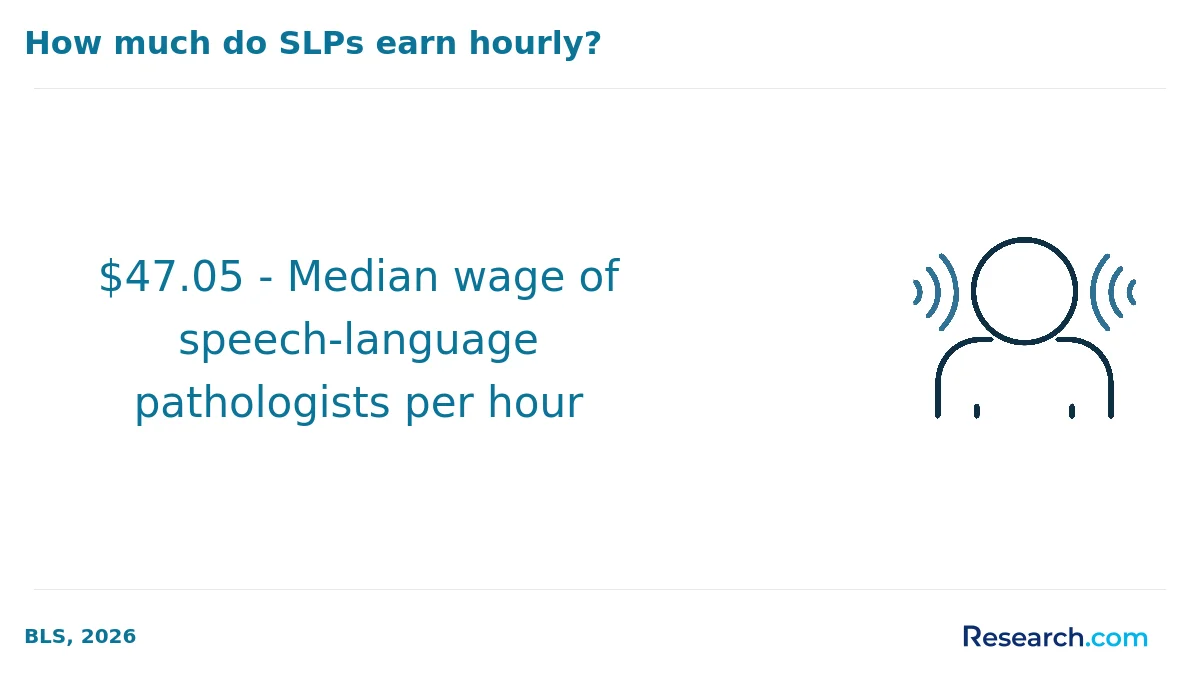
Salary growth in communication disorders usually depends on specialization, work setting, credentials, state licensure, location, and years of experience. The figures below, drawn from BLS Occupational Employment and Wage Statistics along with insights from NACE and PayScale, should be treated as general expectations rather than guaranteed offers.
| Specialization | Entry-level salary | Mid-career salary | Senior-level salary |
| Speech-Language Pathology | $55,000 to $65,000 | $70,000-$85,000 | $90,000 to over $110,000 |
| Audiology | $65,000-$75,000 | $80,000-$100,000 | Above $105,000 up to $130,000 or more |
| Assistive Technology Specialist | Around $50,000-$60,000 | $65,000 and $80,000 | $85,000 to $100,000+ |
| Voice Therapy | $52,000 and $62,000 | $68,000-$82,000 | $85,000-$105,000+ |
| Child Language Development Specialist | $50,000-$58,000 | $60,000-$75,000 | $80,000-$95,000 or higher |
Audiology stands out for strong starting pay, while assistive technology and voice therapy can reward professionals who build niche expertise. Speech-language pathology offers broad employment access and can produce strong long-term compensation when paired with the CCC-SLP, medical specialization, supervisory responsibility, private practice, or advanced clinical expertise.
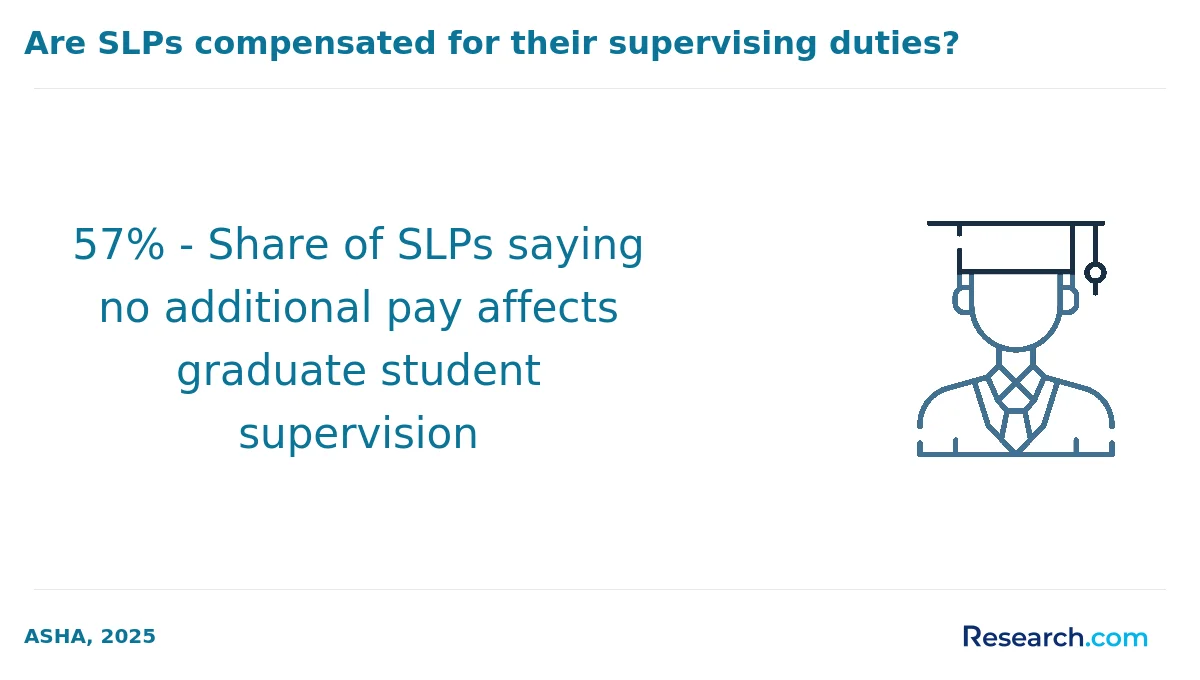
Salary growth is rarely automatic. Graduates improve their earnings outlook by choosing clinical placements strategically, documenting outcomes, pursuing recognized credentials, learning billing and documentation expectations, and building expertise in shortage areas such as dysphagia, AAC, pediatric language, neurogenic communication disorders, or telepractice.
One experienced professional described early offers as “modest but workable,” then noted that specialized training, supervised clinical hours, and consistent credentialing helped her move into higher-responsibility roles over time. That pattern is common: the strongest income gains usually come from combining experience with a clear specialization strategy.
How Does Geographic Location Influence Job Outlook and Earning Potential Across Communication Disorders Specializations?
Geographic location can strongly affect both job availability and earning potential in communication disorders. Large metropolitan areas such as Boston, New York City, Los Angeles, and Dallas often have more openings because they concentrate hospitals, school districts, universities, rehabilitation systems, private practices, and specialty clinics.
Pay also varies by region. Higher median salaries are often found in the Northeast and West Coast, partly because of cost of living and the presence of academic medical centers and specialized healthcare systems. Specialists in California and Massachusetts may see some of the strongest compensation packages, though higher pay does not always mean higher take-home value after housing, taxes, commuting, and licensing costs.
Key location factors to compare
- Industry concentration: Areas with hospitals, rehabilitation centers, pediatric clinics, ENT practices, and large school systems usually create more openings.
- Population trends: Aging populations can increase demand for audiology, dysphagia, neurogenic communication, and rehabilitation services. Diverse youth populations can increase need for school-based and early intervention services.
- University and research infrastructure: Regions with major universities may offer more research, clinical training, fellowship, and continuing education opportunities.
- State policies: Licensure rules, school funding, Medicaid reimbursement, telepractice regulations, and early intervention funding can all affect hiring.
- Rural access needs: Rural areas may have fewer employers but can face meaningful provider shortages, which may improve opportunities for candidates willing to work in underserved communities.
Remote and hybrid roles have made location more flexible, especially in speech-language pathology. Still, many jobs require in-person assessment, equipment use, school presence, or medical-team collaboration. Candidates considering telepractice should check state licensure requirements before assuming they can work across state lines.
The best location strategy is to compare salary, cost of living, licensure burden, clinical setting, advancement opportunity, and lifestyle together. A higher-paying metro is not always the best career move if expenses are high or advancement is limited. Likewise, a lower-paying region may be attractive if it offers strong mentorship, lower living costs, or faster movement into specialized roles.
Which Industries Are Hiring Candidates With Communication Disorders Specializations at the Highest Rates Right Now?
Communication disorders graduates are hired across healthcare, education, technology, research, academia, private practice, and consulting. The best industry depends on whether a candidate values clinical intensity, school calendars, salary upside, research, flexibility, or entrepreneurship.
| Industry | Common roles | Best-fit specialization areas |
| Healthcare | Speech-language pathologist, audiologist, dysphagia specialist, rehabilitation clinician, medical SLP. | Dysphagia, neurogenic communication disorders, audiology, adult rehabilitation, voice disorders. |
| Education | School-based speech-language clinician, speech-language pathology assistant, early intervention provider, district coordinator. | Pediatric speech-language pathology, child language, fluency, AAC, early intervention. |
| Technology and Assistive Devices | AAC specialist, clinical consultant, product trainer, user support specialist, digital communication specialist. | AAC, assistive technology, telepractice, accessibility, device-based communication. |
| Research and Academia | Research assistant, clinical researcher, faculty member, lab coordinator, doctoral trainee. | Neurogenic communication, language development, hearing science, clinical outcomes, speech science. |
| Private Practice and Consulting | Independent clinician, evaluator, contractor, consultant, program designer. | Pediatric therapy, voice, fluency, executive communication, AAC, school consultation. |
Healthcare usually offers broad clinical demand and exposure to complex cases. Education provides stable demand through schools and early intervention systems, though pay structures may be more standardized. Technology and assistive devices can offer stronger salary upside for candidates who combine clinical knowledge with product, training, or implementation skills. Research and academia suit candidates who want to build evidence, teach, or pursue advanced study. Private practice can offer flexibility and income growth, but it also requires business skills, referral development, billing knowledge, and risk tolerance.
Graduates who keep their skills transferable across industries are better protected from funding shifts in any one sector. For example, a pediatric speech-language specialist with AAC experience may qualify for school-based roles, clinic roles, telepractice positions, and assistive technology consulting.
What Advanced Certifications or Graduate Credentials Strengthen Job Prospects in Communication Disorders Specializations?
Advanced credentials matter in communication disorders because many roles are regulated, clinically supervised, or employer-sensitive. The right credential can expand eligibility, improve mobility, support higher pay, and signal readiness for specialized practice. The wrong credential, however, can be expensive without adding much value for a candidate’s target role.
Certificate of Clinical Competence (CCC)
The Certificate of Clinical Competence from the American Speech-Language-Hearing Association (ASHA) is one of the most recognized credentials in speech-language pathology and audiology. The CCC can strengthen hiring prospects in clinical, educational, and healthcare settings because it indicates that the professional has completed graduate preparation, supervised clinical experience, and a national exam process. For students comparing graduate pathways, affordable online slp masters options may be relevant when evaluating how to meet academic requirements while managing cost and flexibility.
Board certifications in specialty areas
Specialty board certifications, including the Board Certified Specialist in Child Language (BCS-CL) and Board Certified Specialist in Fluency and Fluency Disorders (BCS-F), can help experienced clinicians stand out for niche roles. These credentials are typically more useful after a professional has built substantial clinical experience and wants to move into advanced practice, leadership, teaching, or specialized referral-based work.
State licensure
State licensure is legally required to practice in most states. Requirements may include graduate education, supervised practice, exams, background checks, and continuing education. Because rules vary by jurisdiction, students should verify requirements early, especially if they plan to move or provide telepractice across state lines.
Graduate degrees with specialization
Graduate study can open doors to clinical practice, research, leadership, and advanced specialization. A master’s degree is commonly tied to speech-language pathology preparation, while an AuD, PhD, or SLPD can support audiology, research, academic, or advanced clinical goals. Concentrations such as neurogenic communication disorders, pediatric speech pathology, voice, AAC, dysphagia, or hearing science can improve alignment with high-demand roles.
Return on investment
The best credential is the one that qualifies a candidate for the role they actually want. Early-career professionals often see strong value from credentials tied directly to licensure and employability, such as the CCC. Mid-career professionals may benefit more from specialty certification, supervisory training, or a doctoral pathway if it supports leadership, academia, or advanced clinical practice.
Students considering adjacent allied health options may also compare fields such as ultrasound tech online programs to understand how credentialing, clinical requirements, and job-market entry differ across healthcare careers.
How Do Remote and Hybrid Work Trends Affect the Job Outlook for Communication Disorders Specialization Graduates?
Remote and hybrid work have improved the job outlook for some communication disorders graduates, especially those in speech-language pathology, AAC, and telepractice-related services. Workforce surveys by Buffer and SHRM report over 40% of roles offering at least partial remote work, showing that flexible work is now a meaningful part of the employment landscape.
Telepractice does not apply equally to every specialization. Some services can be delivered effectively through secure video platforms, digital materials, caregiver coaching, and remote documentation. Others still require in-person assessment, specialized equipment, physical examination, swallowing evaluation, hearing technology support, or direct collaboration with a medical or school team.
Why employers use remote and hybrid models
- Talent scarcity: Remote hiring helps employers reach qualified professionals outside their immediate area.
- Workflow digitization: Telehealth platforms, electronic records, and digital therapy tools make remote service delivery more practical.
- Productivity research: Studies indicate that remote communication healthcare workers can maintain productivity and client engagement when systems are well designed.
- Access needs: Telepractice can help serve clients in rural areas, underserved communities, or districts with limited local provider availability.
How remote work can affect compensation
Remote roles may allow professionals to work for employers in higher-paying markets while living in lower-cost regions. For example, a remote speech-language pathologist employed by a New York-based practice might live in a midwestern city and benefit from New York’s salary scale while paying lower local living costs. This arrangement is not guaranteed, and some employers adjust pay based on location.
How graduates should prepare
- Learn telepractice ethics and privacy expectations: Secure communication and documentation matter as much as clinical skill.
- Build digital therapy competence: Employers value candidates who can adapt materials, coach families remotely, and troubleshoot basic technology issues.
- Check licensure rules: Practicing across state lines may require additional authorization.
- Highlight remote readiness: Resumes and interviews should show self-management, digital collaboration, telehealth experience, and comfort with virtual client engagement.
Students comparing remote education models in related healthcare fields may find the Capella vs Chamberlain RN to BSN comparison useful for understanding how online learning structures can shape professional preparation.
What Role Does Specialization Depth Play in Long-Term Career Growth for Communication Disorders Professionals?
Specialization depth can improve long-term career growth by making a professional more valuable for complex cases, advanced referrals, leadership roles, and higher-responsibility positions. A generalist may have broader flexibility, but a well-chosen specialization can create clearer differentiation in competitive markets.
High-value specialization areas include:
- Speech-Language Pathology for Pediatrics: Strong demand in schools, clinics, early intervention, and child-focused healthcare settings.
- Audiology: Ongoing need for hearing evaluation, hearing technology, and rehabilitation services, particularly with an aging population.
- Neurogenic Communication Disorders: Relevant for stroke, brain injury, dementia, and neurodegenerative conditions in hospitals and rehabilitation centers.
- Swallowing Disorders (Dysphagia): Valuable in medical environments where swallowing safety, nutrition, and rehabilitation are priorities.
- Voice Disorders: Important in otolaryngology clinics, performing arts medicine, and rehabilitation of voice function.
The main advantage of deep specialization is credibility. Employers and referral sources are more likely to trust a clinician who has targeted coursework, clinical experience, continuing education, and outcomes in a specific area. Specialization can also support consulting, leadership, academic work, and private practice growth.
The trade-off is reduced flexibility. A professional who narrows too early may find it harder to switch populations or settings later. The best approach is often a “T-shaped” skill profile: broad competence across communication disorders, plus deep expertise in one or two high-demand areas.
Students should use graduate coursework, clinical placements, capstone projects, research assistantships, and continuing education to test a specialty before committing fully. Long-term growth is strongest when market demand, personal interest, clinical aptitude, and credential requirements align.
How Do Public Sector and Private Sector Career Paths Compare in Growth Potential for Communication Disorders Specializations?
Public and private sector communication disorders careers can both lead to strong growth, but they reward different priorities. Public sector roles often provide stability, structured advancement, benefits, and mission-driven work. Private sector roles may offer faster salary growth, innovation, flexibility, and higher upside, but can also involve more business pressure and market risk.
| Factor | Public sector | Private sector |
| Common settings | Public schools, government agencies, public hospitals, early intervention programs, and nonprofits. | Private clinics, hospitals, rehabilitation companies, hearing centers, technology firms, consulting, and private practice. |
| Growth trajectory | Steady and structured, often tied to tenure, credentials, budgets, and formal promotion systems. | Potentially faster, especially for specialists who bring revenue, referrals, technical expertise, or leadership skill. |
| Compensation | Often based on pay scales, with stronger retirement plans and benefits supporting long-term security. | May include higher starting pay, faster increases, bonuses, profit sharing, or higher salary ceilings. |
| Job security | Generally stronger during downturns, especially in essential education and public health roles. | Can offer autonomy and innovation but may be more exposed to layoffs, reimbursement changes, or business slowdowns. |
| Best fit | Professionals who value stability, public service, benefits, predictable schedules, and school or community impact. | Professionals who value earning upside, specialization, entrepreneurship, technology, and faster advancement. |
Hybrid pathways are becoming more common. Public-private collaborations, contract school services, telepractice vendors, healthcare partnerships, and government workforce initiatives can combine mission-driven work with private-sector flexibility or compensation structures.
The right choice depends on personal priorities. A pediatric clinician who values school calendars and student outcomes may prefer public education. A dysphagia specialist who wants hospital acuity and clinical advancement may prefer healthcare. An AAC expert who enjoys product training and implementation may find better growth in technology or consulting.
Graduates should compare total compensation, not just salary. Benefits, retirement, workload, caseload expectations, supervision, productivity targets, licensure support, continuing education funding, and advancement pathways can change the real value of a job offer.
What Graduates Say About the Communication Disorders Specializations With the Best Job Outlook
- : "Choosing a specialization with strong job volume was crucial for me, and the program's focus on speech-language pathology really delivered. The number of roles available nationwide made relocating for a better opportunity much less stressful. The credentials I earned also gave me a clearer hiring advantage in competitive markets. — Mordechai"
- : "What stood out most was the compensation trajectory in audiology. Starting salaries are impressive, but the consistent growth potential is what helped me plan long term. The curriculum also emphasized advanced certifications, which accelerated my advancement in clinical practice. — Casen"
- : "Geographic accessibility was a game changer for me, especially because I lived in a rural area. The program prepared me for telepractice and in-person roles, which gave me more flexibility. Specialized areas like speech therapy can offer both stability and meaningful work. — Walker"
Other Things You Should Know About Communication Disorders Degrees
Internships and early career experiences are crucial for students in communication disorders. They offer practical skills, real-world exposure, and networking opportunities, which are vital for securing roles in rapidly evolving specializations. In 2027, these experiences are expected to be key in aligning academic learning with industry needs, thus enhancing job prospects.
Internships and practicum placements provide valuable hands-on experience that aligns academic knowledge with real-world clinical settings. These opportunities introduce students to specialized populations, cutting-edge assessment tools, and therapeutic techniques that differentiate them in competitive job markets. Early career exposure also helps build professional references and clarifies personal interests within the broad field of communication disorders.
Active involvement in professional associations-such as the American Speech-Language-Hearing Association (ASHA)-offers access to mentorship, job boards, and continuing education. Attending conferences and local chapter meetings enables specialists to connect with industry leaders and peers, facilitating collaborative projects or job referrals. Networking both online and in person strengthens professional visibility and opens doors to leadership roles.
Increasing numbers of communication disorders graduates are pursuing entrepreneurial paths by establishing private practices or offering teletherapy services. Freelancing allows for flexible scheduling and client selection, which can be especially attractive in underserved areas. This trend expands job opportunities beyond traditional clinical or educational settings and supports specialists in adapting to changing healthcare and educational delivery models.
References
- U.S. Bureau of Labor Statistics - Speech-Language Pathologists https://www.bls.gov/ooh/healthcare/speech-language-pathologists.htm
- ASHA EdFind - Accredited Speech-Language Pathology Programs https://find.asha.org/ed/
- ETS Praxis - Speech-Language Pathology (5331) https://praxis.ets.org/test/speech-language-pathology-5331.html
- Ithaca College - Online Master of Science in Speech-Language Pathology https://slponline.ithaca.edu/programs/masters-speech-language-pathology-online
- University of Scranton - Master of Science (M.S.) in Speech-Language Pathology https://www.scranton.edu/academics/pcps/health-and-human-performance/programs/speech-language-pathology/index.shtml
- Delaware Valley University - Master of Science in Speech-Language Pathology (M.S.) https://delval.edu/programs/graduate-programs/speech-language-pathology
- Maryville University - Master of Science in Speech-Language Pathology https://www.maryville.edu/masters/speech-language-pathology/
- University of Wisconsin-Eau Claire - Master of Science in Speech-Language Pathology (Online) https://www.uwec.edu/speech-language-and-hearing-sciences-department/graduate-program/speech-language-pathology-online