2027 Industries Hiring Graduates With a Communication Disorders Degree

Co-Founder and Chief Data Scientist

Reviewed by Rhea Paul, PhD
SLP Education & Research Expert
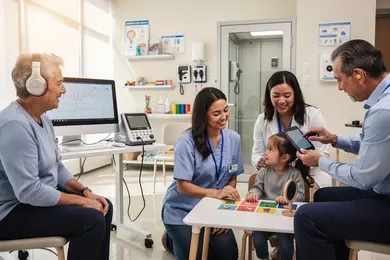
A communication disorders degree can lead to work in schools, hospitals, rehabilitation centers, private clinics, early intervention programs, assistive technology companies, research settings, and community organizations. The right path depends on the credential level you hold, the population you want to serve, and whether you are aiming for direct clinical practice, support roles, research, technology, advocacy, or administration.
This matters because demand is broadening. Employment for speech-language pathologists is projected to grow 17% through 2035, which signals strong need for professionals who understand speech, language, hearing, swallowing, and communication access. However, many clinical roles require graduate education, supervised experience, state licensure, or professional certification, so graduates should evaluate industries not only by job openings but also by credential requirements, pay structure, flexibility, and advancement potential.
This guide explains where communication disorders graduates are most often hired, which industries show the strongest outlook, what entry-level jobs are available, where starting salaries tend to be stronger, and how to choose the best setting for your goals.
Key Benefits of Industries Hiring Graduates With a Communication Disorders Degree
- Diverse industries such as healthcare, education, and technology provide communication disorders graduates with broader career options and flexible employment settings.
- Rising demand in sectors like healthcare supports long-term career growth and job stability for communication disorders professionals.
- Experience across varied industries helps graduates develop transferable skills, enhancing adaptability and expanding their professional expertise.
What industries have the highest demand for communication disorders majors?
The highest demand for communication disorders majors is concentrated in healthcare and education, with additional opportunities in long-term care, private outpatient therapy, early intervention, and technology-supported services. Approximately 60% of speech-language pathologists are employed in healthcare, which reflects how often communication and swallowing disorders appear in medical and rehabilitation settings.
Demand is strongest where communication barriers affect safety, learning, independence, recovery, or daily functioning. Graduates should also remember that job title matters: a bachelor’s-level graduate may qualify for assistant, technician, case support, or program roles, while independent clinical practice usually requires advanced credentials.
- Healthcare: Hospitals, outpatient clinics, rehabilitation centers, and specialty medical practices hire communication disorders professionals to support patients with speech, language, cognitive-communication, voice, hearing, and swallowing needs. These needs often follow stroke, traumatic brain injury, neurological disease, developmental conditions, surgery, or progressive illness.
- Education: Public schools, private schools, preschools, and special education programs rely on communication specialists to help students access instruction, participate socially, and meet developmental milestones. School-based demand is closely tied to early identification, individualized services, and inclusive education.
- Long-Term Care: Nursing homes and assisted living facilities need professionals who can support older adults with communication and swallowing challenges related to dementia, Parkinson's disease, stroke, and other age-related conditions. These roles often focus on safety, quality of life, and functional communication.
- Private Outpatient Therapy: Private practices and therapy clinics serve children and adults with needs such as speech sound disorders, language delays, voice disorders, fluency challenges, social communication needs, and accent modification. This setting may offer more specialized caseloads than some larger institutions.
- Early Intervention and Community Programs: Agencies serving infants, toddlers, families, and underserved communities need graduates who can support screening, parent education, care coordination, and developmental services.
These industries value graduates who can observe communication behavior carefully, document progress, collaborate with licensed professionals, and work respectfully with clients and families. Some students comparing broader healthcare education pathways may also review programs such as the easiest DNP program online, but communication disorders careers should be evaluated separately because licensure and scope of practice differ by profession and state.
Which industries have the strongest job outlook for communication disorders graduates?
The strongest job outlook for communication disorders graduates is in industries affected by aging populations, school service requirements, early childhood screening, rehabilitation needs, and communication technology. According to the U.S. Bureau of Labor Statistics, employment of speech-language pathologists is expected to increase by 17% from 2025 to 2035, far outpacing average occupational growth.
Job outlook is not identical for every graduate. Those with a master’s degree, clinical supervision, licensure, or school credentials may qualify for a wider set of professional roles than graduates entering the workforce with only an undergraduate degree. Still, the industries below show durable demand for communication-related expertise.
- Healthcare: Hospitals, outpatient clinics, rehabilitation hospitals, and specialty practices need professionals who can address speech, language, hearing, cognition, and swallowing disorders. The growing elderly population is a major driver because older adults often require communication and cognitive support after illness, injury, or neurological decline.
- Education: Schools continue to employ communication disorders professionals to support students with speech delays, language impairments, learning disabilities, autism-related communication needs, and social communication challenges. Federal laws like the Individuals with Disabilities Education Act (IDEA) help sustain demand by requiring appropriate services for eligible students.
- Assisted Living and Long-Term Care: Senior care settings are expected to remain important employers as more residents need support with safe swallowing, memory-related communication changes, and functional interaction with caregivers and family members.
- Biomedical and Research: Assistive communication tools, speech science research, hearing technology, and augmentative and alternative communication (AAC) devices create opportunities for graduates who understand both clinical needs and product development.
- Early Intervention Services: Programs for infants and toddlers with developmental delays continue to expand as families, pediatric providers, and public agencies emphasize earlier screening and support.
For graduates choosing among these industries, the best outlook is usually found where demand is paired with clear credential pathways, strong supervision, manageable caseloads, and opportunities to build specialized experience.
What entry-level jobs are available for communication disorders graduates?
Entry-level jobs for communication disorders graduates often support licensed clinicians, educators, audiologists, families, or research teams. These roles help graduates test career interests, build client-facing skills, and strengthen applications for graduate school or professional certification. Data from a 2023 American Speech-Language-Hearing Association (ASHA) survey shows that around 65% of recent graduates find entry positions within a year after finishing their degree.
Common entry-level options include:
- Speech-Language Pathology Assistant: Supports licensed speech-language pathologists by preparing materials, carrying out approved therapy activities under supervision, documenting progress, and helping clients practice communication goals. Requirements vary by state, so graduates should check local rules before applying.
- Audiology Technician: Assists audiologists with hearing screenings, equipment setup, basic testing procedures, patient intake, and hearing care education. This role can be useful for graduates considering audiology, hearing technology, or clinical operations.
- Early Intervention Specialist: Works with young children and families in programs focused on developmental delays, communication growth, parent coaching, and service coordination. Some positions may require additional child development credentials or agency-specific training.
- Rehabilitation or School Therapy Assistant: Helps organize therapy materials, track student or client progress, support classroom communication activities, and coordinate with therapists or special education teams. These jobs provide exposure to school-based and rehabilitation workflows.
- Behavioral, Developmental, or Program Support Roles: Some graduates work in autism services, disability support programs, community agencies, or nonprofit organizations where communication knowledge helps with goal tracking, family communication, and client support.
- Research Assistant: Universities, hospitals, and labs may hire graduates to support data collection, literature reviews, participant scheduling, language sampling, transcription, or assistive technology studies.
One graduate described the first months in an entry-level clinical support role as demanding because the work involved both learning procedures and building trust with clients. He said, "It was challenging to balance learning new procedures while ensuring clients felt supported and understood." With supervision and repeated practice, the role became a foundation for stronger documentation, observation, and professional judgment.
What industries are easiest to enter after graduation?
The easiest industries to enter after graduation are usually those with high service demand, frequent assistant-level hiring, and roles that do not require independent clinical licensure. Healthcare-related fields report up to 25% higher hiring rates for beginners compared to other sectors, but “easy to enter” does not always mean easy work. These settings can involve high caseloads, detailed documentation, and emotionally demanding client needs.
Graduates looking for accessible first jobs should look for clear supervision, training, and realistic job descriptions. Positions that advertise “clinical” responsibilities should be reviewed carefully to confirm that duties match the graduate’s legal scope of practice.
- Healthcare and Rehabilitation Services: Rehabilitation facilities, outpatient clinics, and hospitals may hire graduates for therapy support, patient services, scheduling, intake, documentation, or rehabilitation aide roles. These jobs can provide strong exposure to medical teams and patient care routines.
- Education and School Systems: Schools, special education departments, and contracted service providers often need support staff who understand child language development, classroom communication, and student documentation. Some positions follow the school-year calendar, while others may require summer programming.
- Nonprofit and Community Organizations: Disability service organizations, family support programs, literacy nonprofits, and child welfare agencies may offer entry-level roles in outreach, case support, advocacy, and program coordination.
- Early Childhood Development Centers: Preschools, early learning centers, and developmental programs can be good fits for graduates interested in child communication, parent engagement, and early screening.
- Research and University Programs: Research labs may be accessible for graduates with strong writing, organization, transcription, statistics, or participant-facing skills, especially if they want to pursue graduate study later.
Before accepting an entry-level position, ask who will supervise you, what training is provided, whether the role requires state registration, and how performance will be evaluated. A first job should build skills without asking you to perform duties reserved for licensed professionals.
What industries offer the best starting salaries for communication disorders graduates?
The best starting salaries for communication disorders graduates are often found in healthcare, private rehabilitation, research and development, specialized education, and insurance-related settings. Recent data shows entry-level wages average around $58,000 across top-paying sectors, though actual pay depends on degree level, licensure, location, employer type, caseload expectations, and whether the role is clinical, technical, administrative, or research-based.
Graduates should compare total compensation, not just base salary. Benefits, supervision, tuition support, continuing education funds, paid documentation time, school-year schedules, overtime expectations, and travel requirements can significantly affect the value of a job offer.
- Healthcare: Hospitals and private practices specializing in speech-language pathology and audiology tend to offer starting salaries between $55,000 and $70,000. Pay may be higher in specialized medical settings, but roles may also involve complex cases and strict documentation requirements.
- Research and Development: Biomedical firms, health technology companies, and communication technology organizations may employ graduates in product testing, data support, clinical research coordination, or user experience roles. Entry-level roles here often exceed $60,000 because they may require technical knowledge, research skills, or familiarity with assistive tools.
- Education: Specialized schools and districts serving children with communication challenges generally offer starting wages from $50,000 to $65,000. School roles may offer stable schedules and benefits, though salary is often tied to district pay scales and credential status.
- Private Healthcare and Insurance: Rehabilitation companies, therapy networks, utilization review teams, and insurance-related healthcare organizations can offer starting salaries of $58,000 or more for roles that combine communication disorders knowledge with documentation, care coordination, or service review.
- Additional Opportunities: Some graduates compare communication disorders with other allied health paths, including nursing or interdisciplinary healthcare careers. For readers weighing alternate routes, a nursing school without entrance exam may be useful to review, but salary comparisons should account for different licensure requirements and job duties.
Which skills do industries expect from communication disorders graduates?
Industries hiring communication disorders graduates expect a combination of communication science knowledge, documentation ability, ethical judgment, cultural responsiveness, technology comfort, and teamwork. A 2023 survey by the American Speech-Language-Hearing Association found that over 70% of employers prioritize candidates who demonstrate flexibility and strong communication skills.
The strongest candidates can explain what they know, show how they have applied it, and work within the limits of their role. Employers also look for graduates who understand confidentiality, professional boundaries, and the importance of supervision.
- Effective Communication: Graduates must explain information clearly to clients, families, teachers, clinicians, and administrators. This includes active listening, plain-language explanations, professional writing, and respectful communication with people under stress.
- Assessment Awareness: Even when graduates are not independently qualified to diagnose, they should understand the purpose of screenings, standardized measures, observation, language samples, hearing checks, and referral processes. This helps them support licensed professionals accurately.
- Critical Thinking: Employers value graduates who can notice patterns, ask appropriate questions, respond to feedback, and adjust support strategies when a client or student is not progressing as expected.
- Interpersonal Skills: Communication disorders work depends on trust. Graduates need patience, empathy, professionalism, and the ability to collaborate with families and multidisciplinary teams.
- Technological Proficiency: Familiarity with telepractice tools, documentation systems, diagnostic software, AAC devices, hearing-related technology, and educational platforms is increasingly useful across healthcare, schools, and technology companies.
- Documentation and Organization: Accurate notes, progress tracking, scheduling, and compliance with procedures are essential, especially in regulated settings such as schools, clinics, and hospitals.
- Cultural and Linguistic Responsiveness: Employers need graduates who can work respectfully with clients from diverse language backgrounds and avoid confusing language difference with communication disorder.
One professional described early practice as a lesson in adaptability: "It wasn't just about having the right knowledge, but also about being able to adjust quickly and work well with others under pressure." That balance of technical preparation and interpersonal judgment is often what separates a capable graduate from a competitive hire.
Which industries require certifications for communication disorders graduates?
Certifications, licenses, and school credentials are most important in healthcare, education, rehabilitation, and any role involving direct clinical services. Studies show that up to 70% of employers in healthcare and education prefer candidates with recognized credentials. In many cases, credentials are not just preferred; they are required by state law, payer rules, school systems, or employer policy.
Graduates should distinguish between three categories: a degree, a certification, and a license. A degree shows academic preparation. A certification may show professional competency or specialty training. A license gives legal permission to practice in a regulated role. Requirements vary by state and job title, so applicants should verify details before assuming eligibility.
- Healthcare: Hospitals, clinics, rehabilitation centers, and medical practices typically require state licensure and recognized professional credentials for speech-language pathologists and audiologists. These requirements protect patient safety, set ethical standards, and verify clinical preparation.
- Education: Public schools and specialized education programs may require school-based certification, state education credentials, or licensure tied to speech-language services. These credentials help ensure that professionals understand student rights, special education processes, documentation rules, and service delivery requirements.
- Rehabilitation: Rehabilitation hospitals, skilled nursing facilities, and therapy centers often expect credentials related to adult neurogenic disorders, swallowing, cognitive-communication disorders, or AAC, depending on the role and population served.
- Assistant-Level Settings: Some states regulate speech-language pathology assistant roles through registration, certification, or supervision rules. A bachelor’s degree alone may not be enough for every assistant position.
- Technology, Research, and Nonclinical Roles: These industries may not require clinical licensure, but they may value training in research methods, human subjects protection, data privacy, accessibility, product testing, or AAC systems.
Students planning to become licensed speech-language pathologists should confirm that their academic pathway meets graduate admission and licensure expectations; comparing slp programs online can help them evaluate cost, format, and preparation options before committing to a route.
Which industries offer remote, hybrid, or flexible careers for communication disorders graduates?
Remote, hybrid, and flexible careers are expanding in communication disorders, especially in telepractice, school contracting, assistive technology, publishing, research, advocacy, and nonprofit program coordination. Recent studies show that nearly 60% of professionals across fields now engage in remote or hybrid work at least part of the time.
Flexibility varies by role. Direct therapy may require licensure in the client’s location, secure technology, privacy protections, and careful documentation. Nonclinical roles may offer more location flexibility but less direct client interaction.
- Healthcare: Telepractice allows qualified professionals to deliver certain speech-language and hearing-related services online. Hybrid roles may combine remote documentation, virtual sessions, and in-person assessments. Not every client or disorder is appropriate for remote care, so clinical judgment matters.
- Education: School districts and contracted providers may use virtual or hybrid service models for therapy, meetings, IEP documentation, progress reporting, and family consultation. These roles can offer schedule flexibility but may require coordination across school calendars and state credential rules.
- Technology: Companies developing AAC devices, communication apps, hearing technology, educational software, or accessibility tools may offer remote jobs in research, training, customer success, product testing, content development, and user support.
- Publishing and Media: Graduates with strong writing skills may create therapy materials, educational content, training guides, accessibility resources, or professional learning products. These roles are often project-based and remote-friendly.
- Nonprofits: Advocacy groups, disability organizations, and community programs may offer remote or hybrid roles in outreach, training, resource development, program coordination, and family support.
- Research: Some research tasks, such as coding language samples, literature reviews, data management, participant communication, and manuscript support, may be performed remotely depending on the study design.
Graduates who want flexible work should ask employers about licensure coverage, required in-person days, documentation time, privacy platforms, equipment support, caseload size, and whether the position is employee-based or contract-based. For those looking to enter the workforce faster, accelerated programs may be worth comparing, although speed should not replace accreditation, supervision quality, or credential eligibility.
What industries have the strongest promotion opportunities?
The strongest promotion opportunities are usually found in industries with large teams, defined supervision structures, formal credential ladders, and specialized service lines. Studies show that over 70% of professionals advance internally when clear pathways for development exist. In communication disorders, advancement often comes through specialization, clinical leadership, program management, supervision, research responsibility, or business ownership.
- Healthcare: Hospitals, rehabilitation centers, and clinic networks may offer progression from staff clinician or assistant roles into senior clinician, lead therapist, clinical supervisor, department manager, quality improvement, or administrative leadership roles. Specialized expertise in areas such as swallowing, neurorehabilitation, voice, or AAC can strengthen advancement potential.
- Education: Schools and districts can provide pathways into lead SLP roles, special education coordination, program development, compliance, training, curriculum support, or district administration. Advancement may depend on education credentials, years of service, and leadership experience.
- Public Sector: Government agencies, public health programs, and community service systems often use formal promotion policies and pay structures. Graduates may advance into specialist, coordinator, policy, training, or program management roles.
- Private Practice and Corporate: Private clinics, therapy companies, consulting firms, and health service organizations may offer growth through caseload specialization, mentorship, operations, referral development, clinic management, or practice ownership.
- Research Institutions: Universities, hospitals, and grant-funded research centers may support advancement from research assistant to coordinator, project manager, senior researcher, principal investigator, or project director, depending on education level and publication or grant experience.
- Technology and Product Development: Graduates who combine communication disorders knowledge with product, accessibility, training, or data skills may move into product management, clinical education, customer success leadership, or research strategy roles.
Promotion is not automatic. Graduates should look for employers that provide mentorship, continuing education, supervision, transparent performance criteria, and support for required credentials. Some professionals also broaden their science background through options such as an online bachelor's degree in biology, but additional education should match a clear career goal.
How do you choose the best industry with a communication disorders degree?
Choose the best industry by matching your credential level, preferred population, work setting, income needs, schedule preferences, and long-term professional goals. A communication disorders degree is versatile, but the best choice for a future licensed clinician may differ from the best choice for someone interested in research, technology, nonprofit work, or school support.
Start with the type of work you want to do. If you want direct therapy, evaluate healthcare, schools, private practice, and early intervention, then confirm licensure and graduate degree requirements. If you prefer systems-level work, consider research, advocacy, assistive technology, publishing, public health, or program coordination. If flexibility matters most, compare telepractice, contract school roles, technology, and remote content or training jobs.
Work settings can range from hospitals and schools to corporate wellness programs, and each setting has different expectations for collaboration, documentation, supervision, and client contact. Notably, 72% of healthcare graduates report higher job satisfaction when employed in expanding sectors with clear advancement pathways, highlighting the importance of workforce trends, career structure, and professional support.
| Decision factor | What to compare | Why it matters |
| Credential requirements | Degree level, licensure, certification, supervision, school credentials | Determines which jobs you can legally and competitively pursue |
| Population served | Children, adults, older adults, families, schools, medical patients, technology users | Shapes daily work, emotional demands, and specialization options |
| Work environment | Hospital, school, clinic, home-based service, remote role, lab, nonprofit | Affects schedule, pace, team structure, and documentation burden |
| Compensation | Salary, benefits, contract terms, paid time off, continuing education support | Base pay alone may not reflect the true value of the role |
| Growth potential | Promotion ladders, specialization, leadership, graduate study, mentorship | Helps you avoid roles with limited advancement |
| Work-life fit | Caseload, travel, remote options, school calendar, evening hours, productivity targets | Influences long-term sustainability and job satisfaction |
Before choosing, review job postings in your target location, talk with professionals in each setting, confirm state rules, and ask employers about supervision and training. For broader healthcare education comparisons, resources such as the best RN to BSN programs can offer useful context, but communication disorders decisions should be based on the specific credentials and scopes of practice required in this field.
What Graduates Say About Industries Hiring Graduates With a Communication Disorders Degree
- : "Choosing to enter the healthcare sector after graduating with a communication disorders degree opened many doors for me. I found that hospitals and rehabilitation centers value professionals who can quickly assess and adapt to patient needs. This field sharpened my problem-solving skills and taught me how to communicate delicately yet effectively. — Mordechai"
- : "Starting my career in educational settings gave me a unique viewpoint on how communication disorders impact not just individuals but entire learning environments. It helped me develop patience and creativity, essential for tailoring interventions that truly resonate with students. I now appreciate how vital early support services are in shaping long-term outcomes. — Casen"
- : "Working within private practice was a transformative experience, allowing me to see firsthand how personalized therapy changes lives. The communication disorders field demands continuous learning and collaboration, which has greatly enhanced my professional growth. It's rewarding to know that my efforts contribute directly to improving daily interactions for clients. — Walker"
Other Things You Should Know About Communication Disorders Degrees
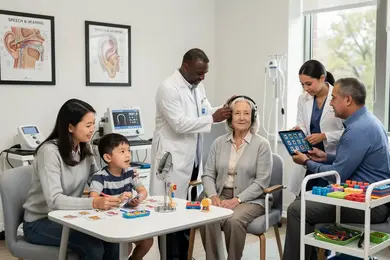
Graduates often find positions in varied settings such as hospitals, schools, rehabilitation centers, and private practices. These environments allow professionals to assess and treat speech, language, and hearing disorders among diverse populations. Additionally, some work in research institutions focusing on communication-related studies.
Yes, besides healthcare, settings like educational institutions, government agencies, and nonprofit organizations also employ communication disorders graduates. These roles may involve advocacy, policy development, or community outreach related to communication disabilities. Some graduates contribute to technology companies developing assistive communication devices.
Interdisciplinary collaboration is common across most industries employing communication disorders graduates. Professionals often work alongside educators, psychologists, occupational therapists, and audiologists to provide comprehensive care. This teamwork enhances assessment accuracy and the effectiveness of intervention plans.
References
- U.S. Bureau of Labor Statistics - Speech-Language Pathologists https://www.bls.gov/ooh/healthcare/speech-language-pathologists.htm
- ASHA EdFind - Accredited Speech-Language Pathology Programs https://find.asha.org/ed/
- ETS Praxis - Speech-Language Pathology (5331) https://praxis.ets.org/test/speech-language-pathology-5331.html
- University of Nebraska at Kearney - Speech-Language Pathology, Master of Science in Education (Online Track) https://www.unk.edu/online/degrees-programs/speech-language-pathology-online.php
- Auburn University, Montgomery - Master of Science in Speech-Language Pathology https://www.aum.edu/degree/ms-speech-language-pathology/
- Idaho State University - Master of Science in Speech-Language Pathology (Online/Distance Education) https://www.isu.edu/slp/programs-offered/slp-graduate-program/
- California State University-Northridge - Master of Science in Communicative Disorders (Online) https://tsengcollege.csun.edu/programs/CDS
- James Madison University - Master of Science (M.S.) in Speech-Language Pathology (Distance Education / Online) https://www.jmu.edu/chbs/csd/online_ms/index.shtml