2027 Communication Disorders Practicum Requirements Explained

Co-Founder and Chief Data Scientist

Reviewed by Rhea Paul, PhD
SLP Education & Research Expert
Communication disorders students often discover that practicum planning is as important as coursework. A placement is not just an internship to schedule near graduation; it is a supervised clinical requirement tied to program progression, graduation, certification preparation, and, in many cases, state licensure eligibility.
The challenge is that practicum requirements are controlled by several parties at once: the university, the clinical site, the supervisor, accrediting expectations, and state rules. Students may need to meet GPA standards, finish prerequisite courses, pass competency checks, complete background screenings, document immunizations, and secure an approved supervisor before they can begin counting hours. Delays in any one step can affect the academic timeline.
According to recent data, 78% of communication disorders students report concerns about securing timely internships essential for workforce readiness. This guide explains what a practicum is, how eligibility works, what paperwork is commonly required, how hours are supervised and documented, and how the experience supports licensure or certification preparation.
Key Things To Know About Communication Disorders Practicum Requirements
- Practicum training offers direct exposure to clinical settings-enhancing assessment and intervention skills critical for effective client communication support.
- Field experience fosters professional networking opportunities-connecting students with mentors and potential employers in diverse healthcare environments.
- Completing supervised hours ensures compliance with certification standards-preparing students for licensure exams and career readiness in communication disorders.
What Is A Practicum In Communication Disorders Program?
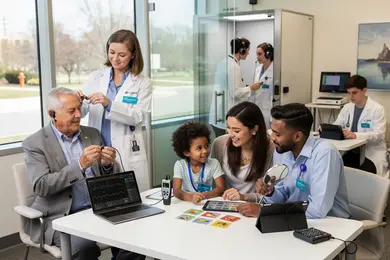
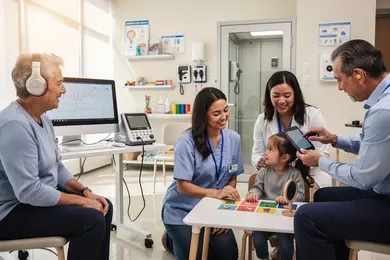
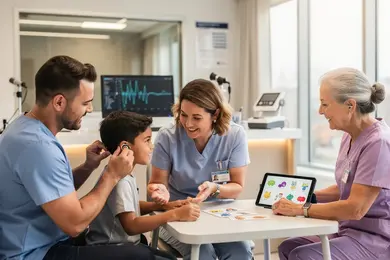
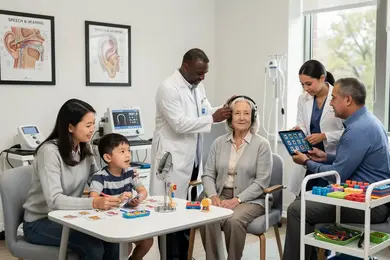
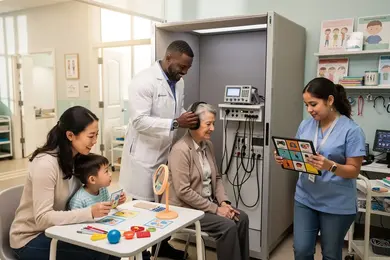
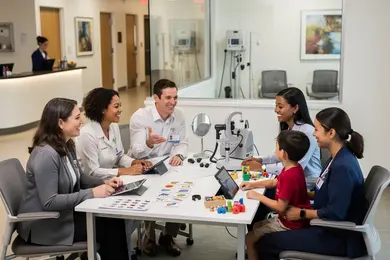
A practicum in a communication disorders program is a supervised clinical learning experience where students apply classroom knowledge to real client, patient, or student needs. Instead of only studying speech, language, hearing, swallowing, or communication development, students observe professionals, participate in assessments, support intervention plans, document progress, and receive structured feedback.
Practicum placements may take place in schools, university clinics, hospitals, rehabilitation centers, private practices, community agencies, or other approved clinical sites. The exact setting depends on the degree level, program design, site availability, student readiness, and applicable certification or licensure expectations.
Approximately 85% of employers emphasize practical experience as essential for graduate readiness in this field.
Core features of a communication disorders practicum include:
- Supervised client contact: Students work with individuals who have communication-related needs while being monitored by qualified professionals. The goal is to build clinical judgment, not simply complete hours.
- Required practicum hours: Programs commonly require a specified range of clinical hours, typically between 100 and 400, depending on degree level and accreditor expectations. Students should confirm which hours count, which do not, and how they must be documented.
- Observation and participation: Early experiences may emphasize observation, while later placements usually involve more direct service, documentation, and treatment planning responsibilities.
- Formal supervision: Licensed clinicians, credentialed site supervisors, or faculty members provide feedback, evaluate performance, and confirm whether a student is meeting clinical competencies.
- Connection to credentialing: Practicum completion is often required for graduation and may support eligibility for state licensure or professional certification. Students should never assume that all site hours automatically satisfy every credentialing requirement.
Students comparing health-related programs should pay close attention to clinical expectations across fields. For example, those exploring the fastest online DNP programs will also find that structured practicum or clinical experiences are central to professional preparation.
What Are The Eligibility Requirements For Communication Disorders Practicum?
Communication disorders programs set practicum eligibility rules to make sure students are prepared to work with clients safely, ethically, and professionally. These requirements also protect clinical sites, supervisors, and the populations served. A student who is academically enrolled may still be ineligible for practicum until every clearance, course, form, and approval is complete.
Research shows that over 80% of speech-language pathology programs mandate students prove competency before practicum placement, underscoring the emphasis on experiential learning readiness.
Common eligibility requirements include:
- Minimum GPA: Many programs require a cumulative or major-specific GPA, typically around 3.0. Falling below the required threshold can delay placement, even if the student has completed the right courses.
- Prerequisite coursework: Students are usually expected to complete foundational classes before entering a clinical environment. Common prerequisites include anatomy, phonetics, language development, speech and hearing science, assessment, and intervention-related coursework.
- Competency demonstration: Programs may require exams, skills checks, simulations, case presentations, documentation samples, or portfolios before approving a student for client-facing work.
- Faculty or clinical director approval: Approval often considers more than grades. Professional behavior, communication skills, ethical judgment, attendance, and responsiveness to feedback may all affect readiness decisions.
- Administrative compliance: Students may need background checks, immunization records, drug screenings, health clearances, confidentiality training, liability insurance verification, and site-specific onboarding documents.
- Availability and scheduling fit: Some students meet academic requirements but struggle to secure placements because of limited site availability, transportation barriers, work schedules, or geographic restrictions.
A practical way to avoid delays is to build a practicum checklist at least one term before the intended start date. Include deadlines, forms, required approvals, renewal dates for clearances, and contact information for the program’s placement coordinator.
Students considering broader healthcare leadership roles may also compare requirements in a health administration degree online, where field experience expectations can differ substantially from direct clinical training.
How Many Practicum Hours Are Required For Communication Disorders Program?
Practicum hour requirements vary by institution, degree level, accreditation expectations, state rules, and the specific professional pathway a student is pursuing. Some programs require a smaller clinical exposure component, while others require extensive supervised practice before graduation or certification eligibility.
These requirements vary widely depending on institutional policies, state regulations, and accrediting bodies, with some programs mandating as many as 400 clinical hours to meet certification standards.
Key factors that affect required hours include:
- Program level: Undergraduate programs may use practicum for observation or introductory experience, while graduate-level programs generally require more intensive direct clinical work.
- Typical hour ranges: Most programs require between 100 and 400 practicum hours. Students should verify whether the stated requirement includes observation, direct service, simulation, documentation time, or only supervised client contact.
- Observation versus direct training: Some hours may involve observing licensed professionals. Other hours require active participation in assessment, intervention, counseling, documentation, or family and team communication.
- Placement setting: Schools, hospitals, outpatient clinics, rehabilitation facilities, and private practices may expose students to different populations and service models. Programs may require students to complete hours across more than one setting.
- Supervisor qualifications: Hours generally must be completed under an approved supervisor. If a supervisor does not meet program or credentialing standards, the student may not be able to count those hours.
- Tracking and verification: Students usually need detailed hour logs, supervisor signatures, competency evaluations, and sometimes category-level breakdowns of services provided.
- Weekly time commitment: Typical expectations range from 8 to 20 hours weekly. Students should account for travel, preparation, documentation, and meetings, not just scheduled client sessions.
Students enrolled in flexible or distance-based programs should ask early how placements are approved in their local area. Those comparing speech language pathology programs online should review whether the school helps identify practicum sites, whether students must secure their own placements, and how local supervisors are vetted.
Reflecting on his practicum experience, a professional who enrolled in communication disorders shared that managing the required clinical hours was both demanding and rewarding. "Balancing the time commitment with coursework was tough," he remarked, "especially during rotations that required travel to off-site locations."
He also noted the importance of supervisor guidance and how hands-on patient interactions boosted his confidence. His reflections highlight that while completing practicum hours is challenging, it profoundly shapes clinical competence and readiness for professional practice.
What Courses Must Be Completed Before Starting Practicum?
Most communication disorders programs require students to complete specific coursework before practicum because clinical work depends on a strong academic foundation. Students need to understand typical communication development, disorder characteristics, assessment principles, intervention methods, ethics, and documentation standards before working with clients.
Academic programs require structured prerequisite training to ensure students are prepared for the demands of clinical settings—studies show that well-sequenced curricula increase student readiness for applied learning by up to 25%.
Courses commonly required before practicum include:
- Speech and language development: These courses help students distinguish typical development from possible disorders across age groups.
- Anatomy and physiology: Students study the structures and systems involved in speech, hearing, swallowing, and communication so they can understand clinical concerns more accurately.
- Phonetics and speech science: Training in sound production, transcription, acoustics, and speech mechanisms prepares students for observation, assessment, and treatment planning.
- Language disorders and communication disorders: These courses introduce common conditions, diagnostic features, and intervention considerations that may appear during placement.
- Assessment techniques: Students learn how standardized and informal tools are selected, administered, interpreted, and documented under supervision.
- Intervention methods: These courses cover treatment planning, goal writing, evidence-based strategies, and progress monitoring.
- Professional ethics and confidentiality: Students learn expectations related to privacy, informed consent, scope of practice, cultural responsiveness, and professional boundaries.
- Clinical documentation: Programs often require training in SOAP notes, evaluation reports, session plans, progress summaries, and other records used in clinical and educational settings.
Students should not assume that completing a course with a passing grade is always enough. Some programs require a minimum grade in prerequisite courses, successful completion of a competency exam, or faculty approval before practicum registration. Students exploring other hands-on healthcare pathways, such as accelerated LPN programs, will see similar emphasis on sequencing coursework before direct patient or client contact.
How Does The Communication Disorders Practicum Placement Process Work?
The practicum placement process is usually coordinated by the academic program, but students still play an active role. A placement must match the student’s readiness, program requirements, site capacity, supervisor availability, and sometimes state or district rules. Because multiple approvals are involved, the process should begin well before the term in which the practicum starts.
Research shows that over 85% of employers in allied health fields favor applicants with direct practicum experience, underscoring the critical role these placements play in professional preparation.
A typical placement process includes:
- Eligibility review: The program confirms that the student has completed required coursework, met GPA expectations, passed competency checks, and submitted required compliance documents.
- Student application or preference form: Students may identify preferred settings, populations, geographic areas, availability, career interests, and any constraints that could affect placement.
- Site matching: Placement coordinators compare student needs with available clinical sites. A student interested in pediatric language intervention, for example, may be matched differently from a student seeking adult neurogenic communication experience.
- Affiliation agreement review: Many universities require a formal agreement with the placement site before students can begin. If no agreement exists, approval can take longer.
- Supervisor verification: The program confirms that the site supervisor meets required credentials, experience expectations, and documentation responsibilities.
- Interview or site screening: Some placements require students to interview, submit a resume, complete onboarding modules, or pass additional screening before final approval.
- Final placement confirmation: Once the site, supervisor, schedule, and documentation are approved, the student receives instructions for orientation and the first day of practicum.
- Ongoing monitoring: Faculty and site supervisors track attendance, hours, performance, professionalism, and progress toward required competencies.
Common mistakes include missing compliance deadlines, assuming a preferred site is guaranteed, contacting sites without program approval, or failing to account for travel time. Students should keep written records of approvals and clarify who is responsible for submitting each form.
Reflecting on her practicum experience, a professional who launched her career after graduating from a communication disorders program described the process as simultaneously rigorous and rewarding. "Navigating the documentation and multiple approval steps was challenging, especially balancing it with coursework," she recounted.
"However, the structured onboarding and hands-on supervision were invaluable in building my confidence and clinical skills. It truly felt like a bridge from theory to real-world practice, which made the transition into my professional role much smoother."
What Documents And Paperwork Are Required Before Practicum?
Pre-practicum paperwork confirms that a student is eligible, safe to place, and prepared to follow professional and site-specific rules. Requirements differ by school and placement site, but students should expect several layers of documentation before they are allowed to begin direct clinical work.
These requirements promote safety, compliance, and program accreditation—over 90% of healthcare and education training programs mandate such paperwork to uphold high-quality supervision and protect clients.
Common pre-practicum documents include:
- Practicum application: This form usually confirms academic progress, requested placement term, completed prerequisites, preferred settings, and student availability. Late applications can limit placement options.
- Academic eligibility verification: Programs may require proof that GPA, course completion, competency checks, and faculty approvals have been satisfied.
- Medical clearances and immunization records: Students may need documentation of required vaccinations, tuberculosis testing, physical health clearance, or other health-related requirements set by the site.
- Background check results: Many sites require criminal history screening, fingerprinting, or third-party verification before a student can work with clients, children, patients, or vulnerable populations.
- Drug screening: Some healthcare or school-based placements require drug testing before onboarding.
- Confidentiality and consent forms: Students often sign forms acknowledging privacy responsibilities, site policies, and ethical obligations related to client information.
- Liability insurance verification: Some programs provide coverage automatically, while others require students to obtain or document professional liability coverage before placement.
- Training certificates: Sites may require completion of HIPAA training, infection control modules, mandated reporter training, CPR certification, safety training, or electronic health record orientation.
- Site-specific onboarding forms: These may include emergency contact forms, policy acknowledgments, identification badge requests, parking forms, technology access forms, or orientation checklists.
Students should create a secure folder for all practicum records and monitor expiration dates. A clearance that was valid during application may expire before or during placement, which can interrupt hours if not renewed on time.
What Background Checks, Immunizations, Or Clearances Are Needed?
Background checks, immunizations, and clearances are required because communication disorders students may work with children, older adults, patients, individuals with disabilities, and other protected or vulnerable populations. These requirements are not just administrative tasks; they are part of client safety, institutional liability management, and professional accountability.
More than 85% of healthcare training programs have strengthened their background and immunization protocols due to increased concerns about patient safety and institutional liability.
Common requirements include:
- Criminal background check: This may include local, state, and national database searches. Some sites also require fingerprinting. A finding does not always lead to automatic denial, but it may require review and can delay placement.
- Child abuse clearance: Students placed in schools, pediatric clinics, or child-focused programs may need documentation showing they are cleared to work with minors.
- Vulnerable adult clearance: Placements involving older adults, rehabilitation clients, or individuals with disabilities may require additional screening.
- Immunization records: Common requirements may include MMR, hepatitis B, influenza, and other vaccines required by the site or institution.
- Tuberculosis testing: TB screening is often required in healthcare, school, and community-based settings.
- CPR certification: Some placements require current CPR training before the student begins work at the site.
- Drug screening: Healthcare facilities and certain agencies may require a negative drug screen as part of onboarding.
- Health clearance: A physical exam or provider statement may be required to confirm that the student can safely participate in the practicum setting.
Processing times vary, so students should not wait until a placement is confirmed to gather documents. The safest approach is to ask the practicum coordinator which requirements can be completed early and which must be tied to a specific site.
What Should Students Expect During Communication Disorders Practicum Placement?
During a communication disorders practicum, students should expect a structured but demanding learning environment. The experience usually combines observation, supervised clinical work, documentation, meetings, feedback, and reflection. The level of independence typically increases as the student demonstrates competence.
Experiential learning has gained importance as evidence shows students with practical training demonstrate 30% higher readiness for entry-level positions, meeting growing employer demand for hands-on skills.
Students may be responsible for:
- Preparing for sessions: This can include reviewing client files, planning activities, gathering materials, studying goals, and discussing plans with the supervisor.
- Observing clinical practice: Early in a placement, students may watch supervisors conduct assessments, interventions, counseling sessions, or team meetings.
- Providing supervised services: Students may conduct parts of an assessment, deliver intervention activities, collect data, support communication strategies, or interact with families and caregivers under supervision.
- Documenting client progress: Documentation may include session notes, data sheets, progress summaries, evaluation drafts, and supervisor-requested revisions.
- Participating in feedback meetings: Supervisors usually provide verbal and written feedback. Students are expected to respond professionally and use feedback to improve.
- Collaborating with teams: Depending on the setting, students may interact with teachers, audiologists, occupational therapists, nurses, physicians, counselors, administrators, or family members.
- Following professional standards: Punctuality, confidentiality, respectful communication, appropriate dress, ethical behavior, and cultural responsiveness are expected from the first day.
The practicum can feel intense because students are learning in real time while being evaluated. A useful strategy is to keep a weekly reflection log that tracks new skills, supervisor feedback, questions, challenging cases, and progress toward required competencies.
Students interested in expanding their healthcare expertise may also explore complementary fields through degrees like the HIM degree, which can lead to roles focused on healthcare data, records, and information systems rather than direct communication disorders clinical practice.
How Are Practicum Students Supervised And Evaluated?
Practicum students are supervised and evaluated through direct observation, feedback, documentation review, competency assessments, and formal performance ratings. The purpose is twofold: to protect clients while students are learning and to confirm that students are developing the skills needed for professional practice.
Recent studies indicate that 85% of students involved in supervised practicum report significant improvements in clinical skills and workplace readiness.
Supervision and evaluation commonly include:
- Direct observation: Supervisors watch students interact with clients, conduct activities, collect data, or participate in assessments. Observation may be in person or, where allowed, through approved technology.
- Immediate feedback: Supervisors may provide guidance during or shortly after sessions, especially when client safety, ethical practice, or clinical accuracy is involved.
- Scheduled supervision meetings: Students usually meet with supervisors to review performance, discuss cases, plan upcoming sessions, and address concerns.
- Documentation review: Supervisors evaluate the accuracy, clarity, timeliness, and professionalism of clinical notes, reports, and treatment plans.
- Competency checklists: Programs may use rubrics or checklists to assess skills such as assessment planning, intervention delivery, professionalism, cultural responsiveness, data collection, and ethical decision-making.
- Midterm and final evaluations: Many placements include formal evaluations at key points in the term. These reviews help identify whether the student is progressing as expected or needs a remediation plan.
- Faculty oversight: A faculty advisor or clinical coordinator may communicate with the site supervisor, review evaluation documents, and ensure the placement aligns with academic requirements.
Students should ask at the start of placement how often they will receive feedback, what evaluation tool will be used, what performance level is expected, and how concerns are handled. Clear expectations reduce misunderstandings and make it easier to improve before final evaluations.
Students exploring clinical pathways should consider how structured practicum experiences contribute to career readiness and may also investigate pathways such as how to be a nurse practitioner for related clinical roles that also rely on supervised training.
How Does Practicum Help With Licensure Or Certification Requirements?
Practicum helps students meet licensure or certification requirements by providing supervised clinical experience that can be documented, evaluated, and verified. In communication disorders, academic knowledge alone is usually not enough; students must also demonstrate applied competence with real clients under approved supervision.
Data from the American Speech-Language-Hearing Association shows that over 90% of graduate programs mandate at least 400 hours of supervised clinical practice, reflecting the profession's focus on rigorous experiential learning.
Practicum supports credentialing in several ways:
- Clinical hour completion: Students accumulate supervised hours that may be required for graduation, certification eligibility, or state licensure preparation.
- Competency verification: Supervisors evaluate whether students can apply assessment, intervention, documentation, counseling, and professional communication skills appropriately.
- Professional readiness: Practicum helps students learn how clinical decisions are made in real settings, including how to adapt services based on client needs and progress.
- Supervision documentation: Programs and supervisors verify hours, settings, populations served, and competencies achieved. Incomplete or inaccurate records can create problems during credential review.
- Alignment with state rules: Licensure requirements can vary by state. Students should confirm early whether their program’s practicum structure satisfies the requirements in the state where they plan to work.
- Preparation for post-graduate requirements: Some credentials may require additional supervised experience after graduation. Practicum helps students understand professional expectations before entering that next stage.
The most important rule is to document everything as the program requires. Students should keep copies of hour logs, supervisor approvals, evaluations, and completion confirmations, while still following privacy rules and never retaining protected client information improperly.
What Do Students Say About Their Communication Disorders Practicum Experience?
- Mordechai: "My practicum experience in communication disorders both challenged and enriched my understanding of clinical settings. Initially, I faced some confusion regarding eligibility requirements which delayed the start of my placement, but persistent communication with the program coordinators helped clarify these issues. I appreciated how my supervisors provided constructive feedback regularly, which truly enhanced my practical skills and confidence."
- Casen: "Reflecting on my practicum, I found that the reality exceeded my expectations-especially in terms of hands-on experience with diverse populations. The evaluative process was transparent and supportive, encouraging growth rather than just assessment. However, navigating the varied documentation requirements did present a steep learning curve that I wasn't fully prepared for at the outset."
- Walker: "During my practicum in communication disorders, I maintained a professional outlook on every aspect-from adhering to eligibility criteria early on to receiving supervision. The detailed evaluations from my mentors were invaluable for targeted improvement, although I wished there had been more opportunities for peer collaboration. Overall, the practicum was a decisive step toward my career goals in the field."
Other Things You Should Know About Communication Disorders Degrees
Typically, practicum supervisors are assigned by the academic program based on site availability and supervisor expertise. While student preferences may be considered, program coordinators ensure supervisors are certified and qualified to oversee practicum training. Supervisors must also follow specific guidelines for supervision to support competency development.
Students must maintain detailed logs of their practicum hours, including types of clinical activities and client interactions. These records are regularly reviewed by faculty and must be verified by onsite supervisors. Accurate documentation is essential for meeting graduation and certification board requirements.
Yes, accrediting bodies generally require a ratio of direct supervision hours to practicum clock hours-often at least 25% of total practicum time must be supervised. This ensures students receive adequate mentorship while allowing for independent practice. Programs monitor these ratios closely to maintain compliance and quality training.
References
- U.S. Bureau of Labor Statistics - Speech-Language Pathologists https://www.bls.gov/ooh/healthcare/speech-language-pathologists.htm
- ASHA EdFind - Accredited Speech-Language Pathology Programs https://find.asha.org/ed/
- ETS Praxis - Speech-Language Pathology (5331) https://praxis.ets.org/test/speech-language-pathology-5331.html
- James Madison University - Master of Science (M.S.) in Speech-Language Pathology (Distance Education / Online) https://www.jmu.edu/chbs/csd/online_ms/index.shtml
- California State University-San Marcos - Online MS in Speech-Language Pathology https://www.csusm.edu/slp/programs/mastersonline/index.html
- New York University - Online MS, Communicative Sciences and Disorders (Speech@NYU) https://steinhardt.nyu.edu/degree/online-ms-communicative-sciences-and-disorders
- Baylor University - Master of Science in Speech-Language Pathology (Online) https://csd.robbins.baylor.edu/graduate/online-csd-graduate-program
- Emerson College - Master of Science (M.S.) in Communication Disorders (Speech@Emerson, online) https://speech.emerson.edu/