
2027 Which Communication Disorders Degree Careers Have the Highest Barriers to Entry?

Co-Founder and Chief Data Scientist

Reviewed by Rhea Paul, PhD
SLP Education & Research Expert
Choosing a communication disorders career is not just a question of interest; it is a question of access. Some paths can be entered with a bachelor’s degree, related experience, or support roles, while others require graduate admission, supervised clinical training, licensure, national certification, and years of specialized practice. For students comparing speech-language pathology, audiology, clinical leadership, assistive technology, research, or niche therapy roles, these barriers affect cost, timeline, job options, and long-term earning potential.
According to the American Speech-Language-Hearing Association, employment in speech-language pathology is projected to grow 17% from 2025 to 2035. That demand can create opportunity, but it does not make every role easy to enter. Graduate programs may be selective, clinical placements can be limited, and employers in hospitals, research centers, and specialty practices often expect credentials beyond the minimum. This guide explains which communication disorders degree careers are hardest to access, why they are competitive, and how students can evaluate the academic, certification, experience, geographic, and hiring factors before committing to a path.
Key Things to Know About Communication Disorders Careers With the Highest Barriers to Entry
- Extensive education, often requiring a master's or doctoral degree, is mandatory, with clinical fellowships shaping professional readiness.
- Competitive hiring favors candidates with high academic achievements and specialized training, limiting chances for less-prepared applicants.
- Strict licensure and certification, including ASHA's CCC-SLP credentials, alongside clinical hours, define eligibility for many top-tier roles.
Which Communication Disorders Careers Are Hardest to Get Into?
The hardest communication disorders careers to enter are usually those that combine three pressures: limited openings, advanced credential requirements, and specialized clinical expertise. A role may be in demand overall, but still difficult to obtain if employers hire only candidates with a narrow background, advanced training, or experience with complex populations. For example, a 2022 survey revealed certain speech-language pathology graduate programs had acceptance rates as low as 10%, showing that competition can begin before a student reaches the job market.
The following communication disorders career paths tend to have the highest barriers to entry:
- Speech-language pathologist in medical settings: Hospitals, rehabilitation centers, and specialty clinics often look for candidates who can work with medically complex cases, collaborate with interdisciplinary teams, and document care accurately. These roles may favor applicants with strong clinical placements, relevant externships, or experience in swallowing, neurological disorders, or acute care.
- Audiologist in research institutions: Research roles are limited by grant funding, institutional priorities, and project-specific needs. Candidates may need doctoral-level preparation, research experience, publication exposure, or familiarity with specialized testing methods.
- Clinical supervisor or director: Leadership positions are difficult to access because they require more than clinical competence. Employers usually want candidates who can manage staff, oversee quality standards, mentor clinicians, handle compliance, and make program-level decisions.
- Augmentative and alternative communication specialist: AAC work requires clinical judgment plus technical knowledge of communication devices, access methods, software, and individualized implementation. Demand is growing, but roles can be limited and highly specialized.
- Voice therapist in performing arts organizations: These positions are niche and often depend on reputation, advanced voice training, and experience with singers, actors, or professional speakers. Openings are uncommon, making the path competitive even for qualified clinicians.
Students should separate “hard to study” from “hard to get hired.” A program may be academically rigorous but lead to many job openings, while a niche role may have fewer formal requirements but very few positions. For context on how selectivity can shape entry into adjacent healthcare fields, data on nursing school acceptance rate shows how acceptance patterns can influence career planning before licensure or employment even begins.
What Academic Requirements Make Communication Disorders Careers Harder to Enter?
Academic requirements create one of the biggest barriers in communication disorders because many advanced roles require graduate-level preparation before a candidate can qualify for clinical practice, certification, or licensure. Research shows that around 70% of communication disorders careers require at least a master's degree, which means students often need to plan for competitive admissions, prerequisite coursework, clinical placements, and additional costs.
The academic difficulty is not only the degree level. It is the combination of scientific coursework, clinical skill development, documentation standards, and professional evaluation. Students who underestimate this mix may meet classroom requirements but struggle to become competitive for placements or jobs.
- Advanced degrees: Speech-language pathologists and audiologists commonly need graduate education. A master’s or doctoral pathway adds time, tuition, and opportunity cost, and admission may depend on grades, prerequisite courses, recommendations, observation hours, and relevant experience.
- Specialized coursework: Students typically study subjects such as anatomy of speech, language development, neurological disorders, and audiology. These courses require comfort with science, linguistics, development, assessment, and evidence-based intervention.
- Clinical practicum requirements: Supervised clinical practice is a core part of preparation. Students must learn to evaluate clients, plan intervention, document progress, respond to feedback, and meet professional standards while also completing academic work.
- Research and thesis components: Some programs include original research, a thesis, or advanced evidence review. These requirements can strengthen a student’s profile for research or doctoral pathways but add time and writing demands.
- Lengthy program duration: Completing academic, clinical, and research components can take anywhere from two to seven years, depending on the profession, degree level, enrollment format, and whether the student needs prerequisites before entering graduate study.
Before applying, students should compare admissions requirements, clinical placement support, accreditation status, total cost, and outcomes. Cost matters because a high-barrier career may require years of tuition before full professional earnings begin. Applicants comparing speech-language pathology options can also review cheapest slp master's programs as part of a broader affordability and fit analysis.
What Certifications Are Required for Communication Disorders Careers?
Certification and licensure are major gatekeepers in communication disorders careers. In many roles, a degree alone is not enough. Employers and state boards may require proof that a candidate has completed the necessary education, supervised practice, examinations, ethical training, and continuing education. Nearly 90% of employers in speech-language pathology and audiology mandate professional certifications or licenses for job candidates.
The most common credentials include the following:
- Certificate of Clinical Competence in Speech-Language Pathology (CCC-SLP): Awarded by the American Speech-Language-Hearing Association (ASHA), this credential is widely recognized for speech-language pathologists and signals that the clinician has met national professional standards.
- Certificate of Clinical Competence in Audiology (CCC-A): Also granted by ASHA, this credential verifies professional competency for audiologists and can support employability, depending on employer and state requirements.
- State licensure: Most speech-language pathologists and audiologists need a state license to practice legally. Licensure rules can overlap with certification requirements, but they are not always identical, so students should check the state where they plan to work.
- Board certifications in specialty areas: Advanced credentials in areas such as pediatric audiology or swallowing disorders can help experienced professionals qualify for specialized roles, though they may require additional practice, documentation, and continuing education.
The key mistake is assuming that graduation automatically equals practice eligibility. Students should map the full credentialing sequence early: degree completion, supervised clinical requirements, examination requirements, state licensing application, national certification if needed, and renewal obligations. This is especially important for students who may move across state lines or pursue roles in schools, hospitals, telepractice, or specialty clinics.
- : "One communication disorders degree graduate described the certification process as “both daunting and rewarding,” pointing to the intense preparation for certification exams, the continuing education needed to keep credentials valid, and the challenge of balancing clinical experience with professional standards."
How Much Experience Is Required for Competitive Communication Disorders Jobs?
Experience expectations vary widely in communication disorders. Entry-level roles may focus on academic preparation and supervised training, while competitive clinical, research, leadership, or specialty jobs often require a proven record with specific populations, settings, technologies, or disorders. The more specialized the role, the less likely employers are to treat all credentials as equal.
Common experience levels in competitive communication disorders jobs in the United States include:
- Entry-level: These roles generally require little to no prior independent experience beyond degree requirements, internships, practicums, or supervised clinical exposure. Employers may focus on coachability, documentation skills, professionalism, and readiness to work under supervision.
- Early career: Jobs at this stage typically expect one to three years of relevant experience. Candidates should be able to handle routine cases, communicate with families or care teams, and show growth across clinical settings.
- Mid-level: Candidates usually need three to five years of experience. Employers may expect independent caseload management, stronger diagnostic judgment, efficiency with documentation, and the ability to support newer clinicians.
- Senior-level: More than five years of extensive experience is common. These roles may include mentoring, program development, quality improvement, advanced case consultation, or participation in interdisciplinary leadership.
- Specialist or leadership: These roles require advanced expertise, often in a defined clinical area or administrative function. Candidates may need evidence of strategic oversight, specialized treatment outcomes, research contributions, or policy involvement.
Students can build a stronger experience profile by choosing practicum sites carefully, documenting clinical competencies, seeking exposure to high-need populations, and asking supervisors for targeted feedback. Those who want broader administrative skills alongside clinical growth may also consider an affordable online master's in healthcare administration, particularly if their long-term goal includes program management or healthcare leadership.
What Skills Are Required for High-Barrier Communication Disorders Careers?
High-barrier communication disorders careers require more than general communication ability. Employers in selective settings look for clinicians and researchers who can make accurate judgments, apply evidence under pressure, work with complex clients, and collaborate with professionals from other disciplines. In fact, over 70% of employers emphasize specialized clinical and analytical capabilities when hiring in speech-language pathology and audiology fields.
The most important skills include:
- Advanced diagnostic skills: Competitive roles require the ability to distinguish among speech, language, cognitive-communication, swallowing, voice, fluency, and hearing-related concerns. Strong candidates can connect assessment results to practical intervention plans.
- Technical expertise: Many roles involve diagnostic instruments, hearing technology, AAC systems, telepractice tools, data systems, or specialized therapy equipment. Candidates who can learn and use these tools safely and effectively have an advantage.
- Critical thinking: Clinicians must interpret incomplete information, adjust plans when progress stalls, and tailor care to a client’s age, culture, medical status, family context, and goals.
- Effective communication: Professionals must explain findings to clients, families, teachers, physicians, administrators, or legal teams. Clear documentation and compassionate counseling are often as important as technical knowledge.
High-barrier roles also reward resilience. Many communication disorders professionals work with clients facing major educational, medical, emotional, or social challenges. The strongest candidates are not only technically prepared; they can receive feedback, manage complex caseloads, respect ethical boundaries, and make decisions that balance evidence with real-world constraints.
- : "A communication disorders professional described the early years as a balance between mastering complex assessments and carrying the emotional responsibility of working closely with clients and families. “It wasn't just about knowing the science but also about applying it thoughtfully under real-world conditions,” she explained."
Do Some Industries Have Higher Barriers to Entry Than Others?
Yes. Industry setting can significantly affect how difficult it is to enter a communication disorders career. The same degree may open doors in one setting but be only the starting point in another. Hospitals, research organizations, government agencies, technology companies, legal settings, and specialty practices may each value different combinations of credentials, experience, technical skill, and professional reputation.
- Healthcare settings: Hospitals, clinics, and rehabilitation facilities often have strict standards because patients may have complex medical needs. Employers may prioritize candidates with clinical experience in acute care, neurological conditions, dysphagia, or interdisciplinary documentation.
- Academic and research fields: These roles may require strong research methods, grant awareness, publication experience, teaching ability, or doctoral preparation. Openings can be limited and dependent on funding.
- Government agencies and policy: These careers may involve regulation, public programs, compliance, disability services, or education systems. Hiring can include formal application processes, background checks, and strict documentation requirements.
- Technology and assistive devices: Roles in AAC, hearing technology, software, or assistive communication tools may require both clinical knowledge and technical fluency. Candidates who can bridge patient needs and product design are more competitive.
- Legal and forensic services: Communication-related work in legal settings requires careful documentation, ethical practice, and the ability to explain findings under scrutiny. The stakes are high because professional opinions may affect legal decisions.
When comparing industries, students should ask: What credentials are required? How many openings exist? Is experience in a specific population necessary? Are there liability, compliance, or documentation standards beyond typical practice? A setting with higher barriers may offer stronger specialization, but it may also require a longer timeline before entry.
Do Certain States or Regions Have Stricter Requirements?
Yes. State and regional rules can change the difficulty of entering communication disorders careers. Licensure is not fully uniform across the country, and about 40% of states enforce unique licensing conditions. That means a student who qualifies in one state may need additional documentation, supervised experience, coursework, background checks, or continuing education to practice in another.
Regional barriers often come from the following factors:
- State-level licensing: State boards may set different education, examination, supervised clinical hour, and application requirements. Some states may require additional post-graduate practice or specific documentation before full licensure.
- Urban vs. rural demand: Urban markets may have more employers but also more applicants, especially for hospitals, universities, and specialty clinics. Rural regions may have fewer competitors but also fewer placements, fewer supervisors, and limited specialty resources.
- Continuing education mandates: States vary in how professionals maintain licensure. Continuing education requirements can affect long-term cost, scheduling, and credential renewal.
- Background and renewal checks: Some states add criminal background checks, fingerprinting, professional references, or renewal documentation that can lengthen the process.
- Reimbursement and credential recognition: Insurance, Medicaid, school system, and employer policies may affect which credentials are accepted for employment or reimbursement in a given region.
Students should check licensure requirements before choosing a program, especially if they are considering online study, moving after graduation, telepractice, or working near a state border. The safest approach is to verify that the program’s curriculum and clinical experiences align with the state where the student plans to practice.
How Competitive Is the Hiring Process for Communication Disorders Careers?
The hiring process ranges from accessible to highly selective, depending on the role, location, employer type, and specialization. Broadly needed roles may have steady openings, but prestigious hospitals, research centers, specialty clinics, and niche therapy positions can attract strong applicant pools. Some highly specialized roles receive dozens of applications per vacancy, with selectivity rates sometimes falling below 10%.
Competition usually increases when a job has one or more of these features:
- limited openings in a desirable city or institution;
- requirements for advanced certification, specialty experience, or bilingual ability;
- work with medically complex, pediatric, forensic, performing arts, or technology-focused populations;
- strong salary, benefits, training, or reputation;
- research, leadership, or program development responsibilities.
Applicants can improve their odds by aligning their resume with the setting instead of sending a generic application. A hospital role may require stronger documentation of medical placements, while a school-based role may value experience with individualized education programs and collaboration with teachers. A research position may require evidence of data skills, presentations, or publications. Students considering ways to shorten their education timeline may compare fast degree programs, but speed should not come at the expense of accreditation, clinical preparation, or licensure eligibility.
Which Companies Are Hardest to Get Hired by in Communication Disorders Fields?
The hardest employers to access are usually organizations with strong reputations, limited openings, specialized patient populations, or strict compliance requirements. Some institutions report applicant-to-position ratios exceeding 20:1, which means applicants may be competing against many qualified professionals rather than simply meeting minimum requirements.
These employer categories tend to be especially selective:
- Large healthcare institutions: Major hospitals and health systems often prefer candidates with strong clinical training, experience in similar settings, and the ability to work within complex care teams. Openings may attract applicants from across a region.
- Specialized rehabilitation centers: These employers may serve clients with complex neurological, developmental, or acquired communication disorders. Candidates often need targeted clinical experience and strong interdisciplinary skills.
- Highly selective research organizations: Research employers may look for advanced methods training, project-specific expertise, writing ability, and a record of contributing to studies or publications.
- Government agencies: Hiring can involve structured applications, eligibility rules, background checks, and policy knowledge. Candidates may need patience and careful documentation throughout the process.
- Private specialty practices: Practices focused on rare, complex, or high-demand services may expect candidates to bring a refined skill set, referral-ready professionalism, and the ability to contribute quickly.
Students targeting selective employers should start building evidence early: clinical logs, supervisor evaluations, relevant electives, research involvement, presentations, technology experience, and references from settings similar to the desired workplace. Those exploring broader healthcare pathways may also compare related options such as the MA to LPN bridge program online to understand how different healthcare careers structure entry and advancement.
Do Difficult Communication Disorders Careers Lead to Higher Salaries?
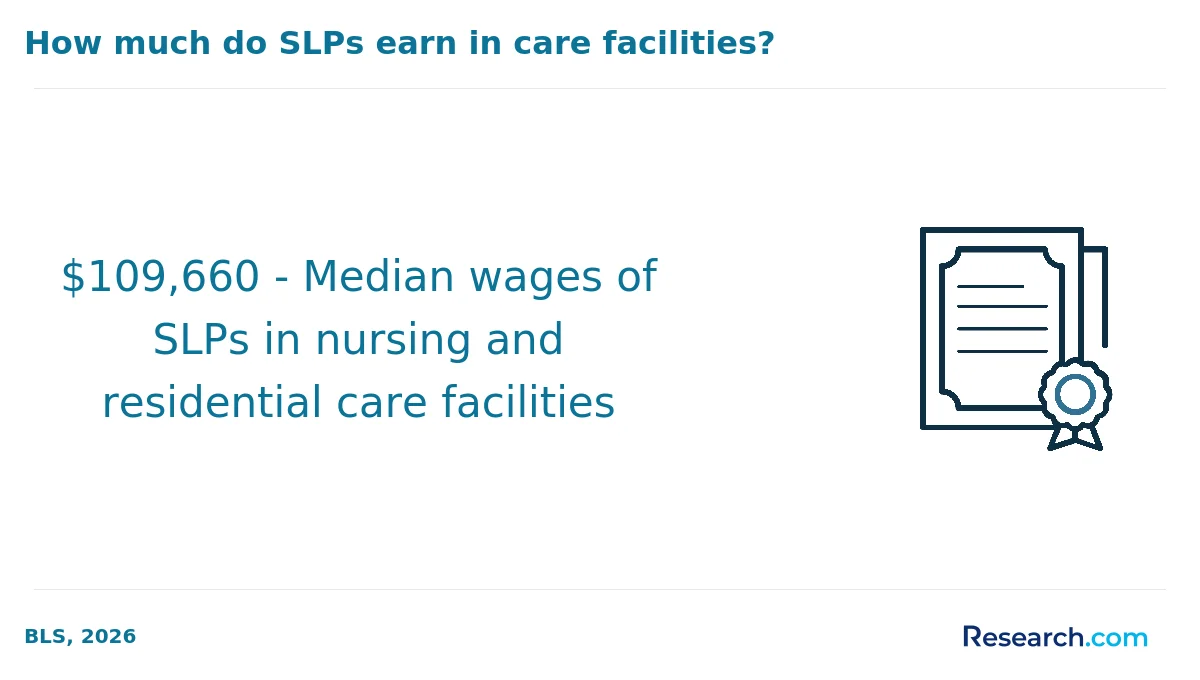
Higher barriers can lead to higher salary potential, but the relationship is not automatic. Roles that require advanced education, licensure, specialized clinical judgment, and scarce expertise may command stronger pay. For example, the median salary for speech-language pathologists reached about $83,000 annually as of 2022. However, compensation still depends on employer type, geographic market, funding source, caseload, seniority, and specialization.
A high-barrier role may pay more when the employer needs hard-to-find expertise, such as medical speech-language pathology, advanced audiology, AAC specialization, leadership, or highly technical assessment. But some demanding positions may offer moderate compensation because they are funded through schools, grants, public agencies, nonprofits, or reimbursement systems with budget limits.
Students should evaluate salary alongside cost and time to entry. A career that requires graduate school, supervised hours, examinations, licensure fees, and continuing education may still be worthwhile, but the return depends on debt level, job availability, preferred setting, and long-term advancement options. Comparing communication disorders degree salary potential with other healthcare pathways, such as resources on the quickest way to become a nurse practitioner, can help students understand how training length and compensation differ across fields.
What Graduates Say About Communication Disorders Careers With the Highest Barriers to Entry
- : "Choosing a communication disorders degree was not an easy decision, especially knowing the rigorous certification and clinical hours required. However, embracing these challenges helped me develop resilience and practical skills that truly prepared me for real-world settings. This journey taught me that dedication and continuous learning are crucial to succeeding in this demanding yet rewarding field. — Mordechai"
- : "Reflecting on my path in communication disorders, the most valuable insight I've gained is the importance of proactive career planning. Pursuing internships and research opportunities early on significantly boosted my chances of landing my current role. The degree offers a solid foundation, but it's the extra steps you take that make all the difference in such a competitive landscape. — Casen"
- : "The impact of earning a communication disorders degree is profound and far-reaching in my professional life. It opened doors to interdisciplinary collaboration and enabled me to advocate effectively for clients with diverse needs. Even though the barriers are high, the personal fulfillment and career growth I've experienced make every challenge worthwhile. — Walker"
Other Things You Should Know About Communication Disorders Degrees
In 2027, clinical internships or residencies are critical for gaining practical experience in communication disorders fields. These programs often act as gatekeepers, requiring significant time commitment and sometimes relocation, which can create high barriers to entry for aspiring professionals.
Careers with higher entry barriers typically require ongoing professional development to maintain certification and licensure. Many states and employers mandate regular continuing education units (CEUs) focused on the latest research and techniques, which can be time-consuming and costly for practitioners.
Clinical internships or residencies are often mandatory components for the highest-barrier communication disorders careers. These supervised, hands-on experiences provide essential practical skills but can be highly competitive and demanding, significantly impacting the time and effort required before entering the workforce.
Yes, the extended education, certification exams, and clinical training required often lead to significant financial investment. Prospective professionals should also consider the costs of licensing fees, study materials, and potential income loss during unpaid internships or residencies.
References
- U.S. Bureau of Labor Statistics - Speech-Language Pathologists https://www.bls.gov/ooh/healthcare/speech-language-pathologists.htm
- ASHA EdFind - Accredited Speech-Language Pathology Programs https://find.asha.org/ed/
- Audiology and Speech-Language Pathology Interstate Compact https://aslpcompact.com/compact-map/
- University of Nebraska at Kearney - Speech-Language Pathology, Master of Science in Education (Online Track) https://www.unk.edu/online/degrees-programs/speech-language-pathology-online.php
- University of Wisconsin-Eau Claire - Master of Science in Speech-Language Pathology (Online) https://www.uwec.edu/speech-language-and-hearing-sciences-department/graduate-program/speech-language-pathology-online
- Ithaca College - Online Master of Science in Speech-Language Pathology https://slponline.ithaca.edu/programs/masters-speech-language-pathology-online
- University of Scranton - Master of Science (M.S.) in Speech-Language Pathology https://www.scranton.edu/academics/pcps/health-and-human-performance/programs/speech-language-pathology/index.shtml
- Pepperdine University - Master of Science in Speech-Language Pathology https://healthscience.pepperdine.edu/online-masters-in-speech-language-pathology/


